

Tesla Ignites an EV Price War Against Ford and GM
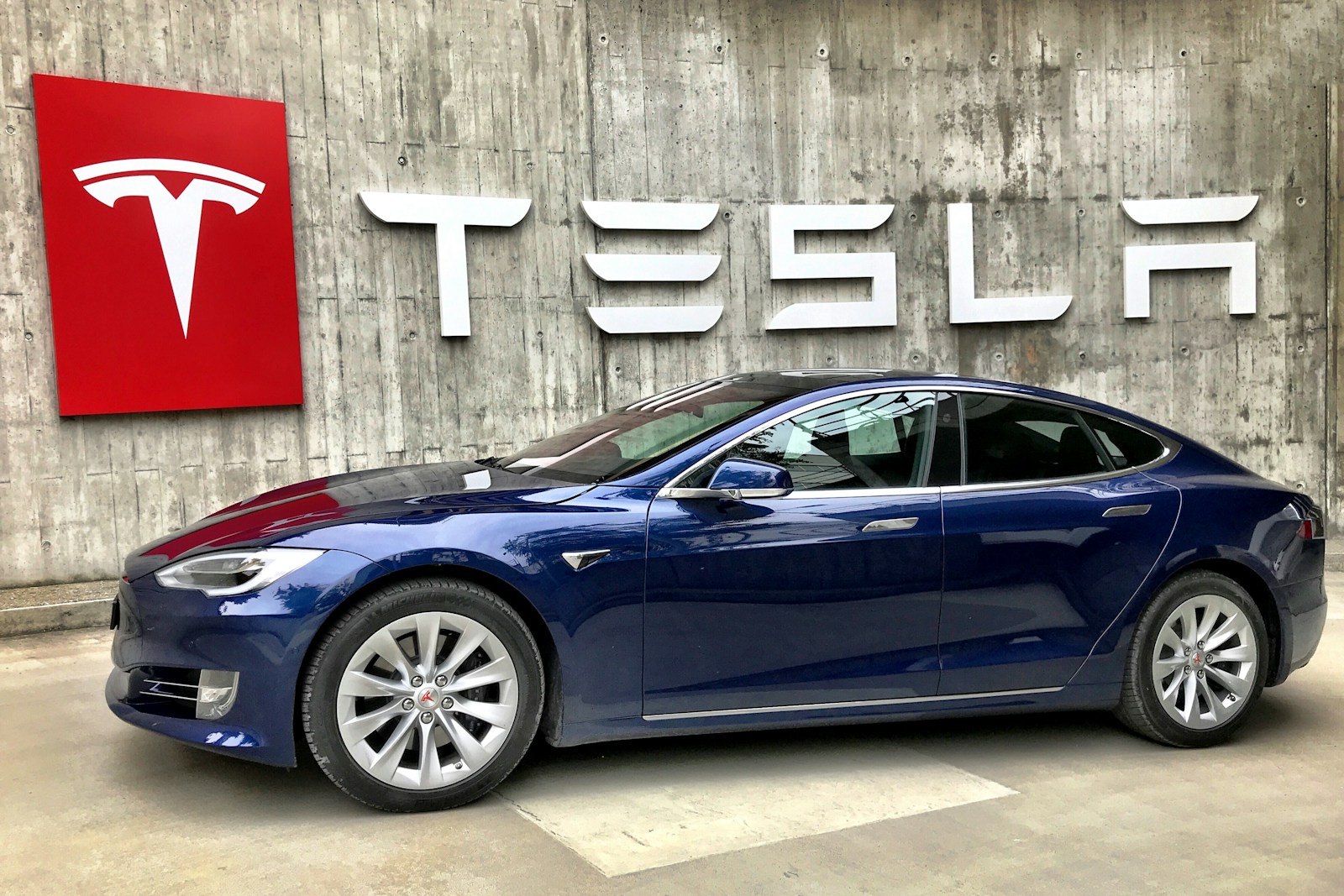
The automotive industry is undergoing a seismic change, and the waves are emanating in the electric vehicle industry which is now becoming a predictable landscape. Technology, range, and charging infrastructure were the main discussion of EVs over the years. A new more aggressive narrative has now taken over: price. The epicenter of this upheaval is Tesla, the heavyweight champion of the industry, which has replaced its luxury pricing approach with a bare-knuckle fight, and has triggered a price war that is compelling traditional car makers such as Ford and General Motors to make hard, company-changing choices.
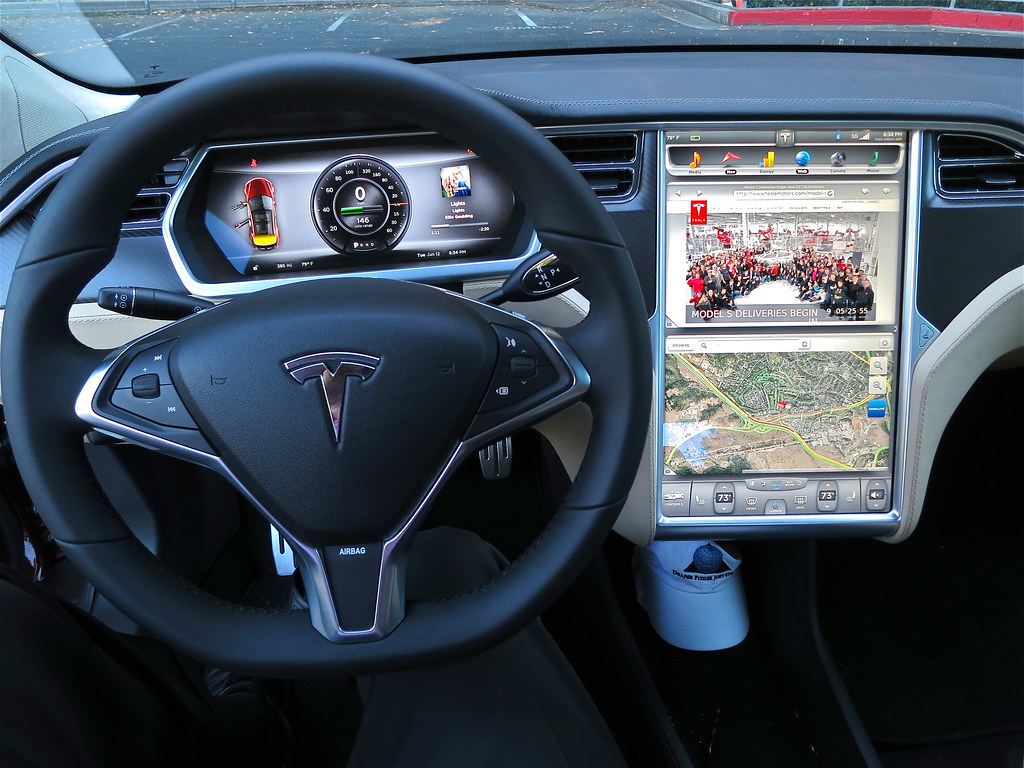
It is not a seasonal discount or a small correction in the market; it is a strategic fight over the future of mobility. Tesla had created what one analyst described as an EV castle with its popular Model Y, Model X, Model S, and Model 3 all in the top six in EV sales in 2022. With fresh pressures and an opportunity in sight, the company of Elon Musk is now on the defensive with the castle being lowered by the drawbridge. Tesla has also made a strong attempt to take a shot across the bow of its competitors by cutting the prices of its most popular cars by up to 20 percent, which has fundamentally altered the competitive nature of the already growing market.
Many industry observers consider this aggressive move to be a calculated risk. Wedbush analyst Dan Ives called it a strategic poker move, meant to take advantage of Tesla having a massive production scale and battery technology. The company is gambling on the fact that it can take a blow to its profit margins in the short term to gain an even bigger market share in the long run. The idea behind this strategy is to win over customers who may be looking at substitutes in Detroit or other countries and lock them into the Tesla ecosystem, which Ives compares to the strong brand loyalty of Apple.
The Old Automakers in the Middle of the Crossfire
The price reductions are also timed when Tesla seems to be dealing with a decline in the demand. The abrupt discounts were interpreted by some as an indication of over-building and a need to correct the situation after a period of steadily increasing prices in the face of high inflation. It can be considered as an offensive attack on the rivals or a defensive measure to the circumstances in the market, but the result is the same: the whole industry has been put on alert. The days of the high priced, first-mover EV are quickly replaced by a new, more ruthless space where price is everything.

In the case of Ford and General Motors, the announcement of price war by Tesla was not good news. Both US car giants were already walking a fine line, attempting to increase their EV production profitably and appease nervous shareholders. The short-term consequence was that their stock prices were pinched, as GM shares were said to be 20 percent below a February peak and Ford stock fell by 13 percent. This financial strain highlighted their original unwillingness to be sucked into a direct price war with Tesla.
Their first plan was not to compete with Tesla on price reduction but to look inward to another type of war: a cost-cutting war. GM declared their intentions to reduce operating expenses by 2 billion dollars, which involved severance packages of thousands of employees. Equally, Ford disclosed that its EV division was estimated to incur a mind-blowing 3 billion dollars in losses in 2022 pre-tax cuts. This was a message that was well understood: they were going to increase profitability by streamlining their production lines and making them lean and efficient, but not by cutting margins on the showroom floor.
Between Cost Control and Direct Confrontation
Some financial analysts supported this approach. According to a report by Ryan Brinkman of J.P. Morgan, both Ford and GM were expected to experience significantly improved trends in pricing and the resulting impacts on margin than Tesla did in the first quarter. The reasoning was good do not run a race to the bottom and create a sustainable business. But the competitive forces of the market were too great to be resisted, and a policy of passive resistance was finally unsustainable.
Although the legacy automakers were reluctant at first, they were bound to get into the fray. The first to respond was Ford which announced its own price reductions of 6 to 8 percent on the all-electric Mustang Mach-E. This was succeeded by GM which launched a significant marketing campaign and new incentives of its much-needed Chevrolet Equinox EV and Blazer EV models. The gloves were duly thrown off. The battle had now reached a strategic stalemate to a multi-front war that was being fought by the American EV consumer.
The battlefield is no longer just retail pricing but goes deep into the manufacturing. Ford and GM are both looking to simplify and increase the manufacture of their major models such as the Mach-E and the all-electric F-150 Lightning, which is already taking up almost half of all Ford EVs sold in certain reports. GM is leaving nothing to chance, and a host of new models such as the Silverado EV, Sierra EV, Equinox EV, and Blazer EV will all be released. The vehicles play an important role in their strategy to take a large portion of the market and democratize electric mobility.
An International Fight Over Cheap EVs
When one zooms out of the battles in North America, one can see a far bigger, international conflict that is fueling the fire. The price war between the EV is not only a domestic issue, but it is also being affected by strong international forces. The expensive price of lithium ion batteries had been the biggest impediment to affordable EVs over the years. But those prices have dropped by an incredible 89 per cent since 2010, and the vision of a mass-market electric car has become a reality.
This is more pronounced in China where companies such as BYD are rattling the world market. BYD, which is currently the largest EV seller in the world, is manufacturing very cheap models such as BYD Seagull, which begins at the equivalent of only 9700 dollars. Chinese brands are undermining Western automakers with ambitious growth strategies in Europe, Latin America and Southeast Asia, and compelling the world to renegotiate the price. European manufacturers are not left behind, and Volkswagen has already announced an intention to make a small EV, the ID.1, priced at approximately $21,500 in 2027.

This high competition in the world has resulted in a high-pressure environment in which no automaker can afford to be a bystander. The competition to control the affordable EV market is officially underway, and it is being contested on various continents at the same time. The successful companies will not just be those with the innovative technology but also those that are able to master the complicated art of mass production at a low cost, which Tesla has perfected, and which is currently being frantically attempted by its competitors.
Winners and Risks
This intense rivalry is to the overwhelming benefit of consumers. The ancient EV premium is quickly fading away, and electric cars are more affordable than ever. Tesla has reduced its prices, which means that a Model 3, initially perceived as a luxury product, now competes with the products of the mass market, such as the Chevrolet Blazer EV. The overall price of owning an EV is getting more affordable to the average car buyer when it is combined with federal incentives such as the $7,500 tax credit in the U.S.
This is speeding up the commoditization of electric vehicles, shifting them out of a niche product that early adopters can afford to a mass product that families and commuters can afford. This affordability may be the factor that finally leads to the mass adoption, contributing to the broader sustainability objectives. The customer is becoming the obvious winner in this price war as they are enjoying cheaper prices, increased options, and the ever-present technological innovation due to the high competition.
But behind the scenes the industry is struggling with the high stakes that are involved in this race to the bottom. The long-term perspective is not unanimously accepted by the analysts. Whereas Dan Ives views an inevitable market share war, Bank of America analyst John Murphy was confused by the price cuts, which he said are contrary to the statements of executives that there is allegedly high demand. Generally, he says, price wars are waged to win a declining demand, and not to win share in an expanding industry.
The main threat is the catastrophic effect on profitability. Even Tesla itself reported a huge drop in its net income in the third quarter, which shows how difficult it is to strike a balance between affordability and financial well-being. A price war lasting long would be economically disastrous to legacy automakers who are already finding it difficult to afford the high cost of converting their entire operations to electric. Moreover, the pressure may push smaller EV startups out of the market altogether, since they are not as large and have no capital to compete with the giants.
This is a high-stakes market environment that is producing a market shakeout in which, according to one analysis, not everybody will survive. The surviving companies will be those that are able to innovate effectively, manage their supply chains and develop scalable and cost-effective manufacturing processes. The price war is a cutthroat battle of operational excellence, and it will divide the long-term winners and losers in the EV space.
Road Ahead for EVs
The gentle murmur of the electric revolution has been changed by the roar of thunder of an all-out industrial battle. It is not just a mere price war, but it is a turning point that is shaping the future of transportation in the heat of competition. The battle lines are set, not only between Tesla and the Detroit stalwarts, but on an international scale with the players in Asia and Europe being determined to join the fight.

The next few years are not going to be easy. It will take a brilliant combination of low-cost leadership, production and the capacity to create a brand that will have a following that is not just dependent on the retail price. As the future of the automakers is volatile and risky, there is one thing that has become very clear. The consumer has now become the driver in this new, cost-conscious age of electric mobility, and the future of electric mobility is now a more affordable and accessible path that the consumer has taken the wheel and is steering toward.