



Tesla’s $590M ‘Master of Coin’ Exits After a Remarkable Run

It is difficult to imagine a story in the fast-paced world of technology giants and electric vehicles in which innovation, financial success, and unspoken leadership have been combined as they have been in the case of Zachary Kirkhorn. With a fond nickname of Tesla, the Master of Coin, Kirkhorn, has left his position of Chief Financial Officer in August 2023, following an incredible 13-year tenure with the company.
His departure with an alleged fortune of about $590 million, mostly in stock options and shares during the height of the Tesla valuation craze, was a symbol not of personal achievement but of Tesla as a company, a rise to prominence after being a risky start-up. This article examines his life history, his accomplishments, and his tremendous legacy that he left that will constantly remind us that great deeds by individuals can influence corporate names in Silicon Valley.
The case of Kirkhorn is one of gradual rise in an organization known to take a lot of risks and charismatic founder, Elon Musk. Whereas Musk was making the headlines, Kirkhorn was behind the scenes and guiding finances in a volatile period and assisting in laying the groundwork of lasting profitability. His exit raised a question of succession and stability but it also created an awareness of the pay-offs of matching executive incentives with company performance. When we look back at his time, it is evident that Kirkhorn was not simply crunching numbers, but on his way to making Tesla a multi-hundred-billion-dollar giant.
1. Zachary Kirkhorn: Analyst to Master of Coin.
The rise of Zachary Kirkhorn to the C-suite of Tesla did not start with the electric vehicles in the limelight. He was born in 1984 and studied a special double degree at the Jerome Fisher Program of University of Pennsylvania with qualifications in Economics at Wharton and in Mechanical Engineering. This mixture put him in a perfect position of having business acuity, as well as technical expertise, befitting a company like Tesla that lies between the fields of engineering creativity and financial planning. He worked as a business analyst in McKinsey & Company in 2006 and practiced across 2006 to 2013, after which he went to Harvard to pursue his MBA, which he graduated in 2013.
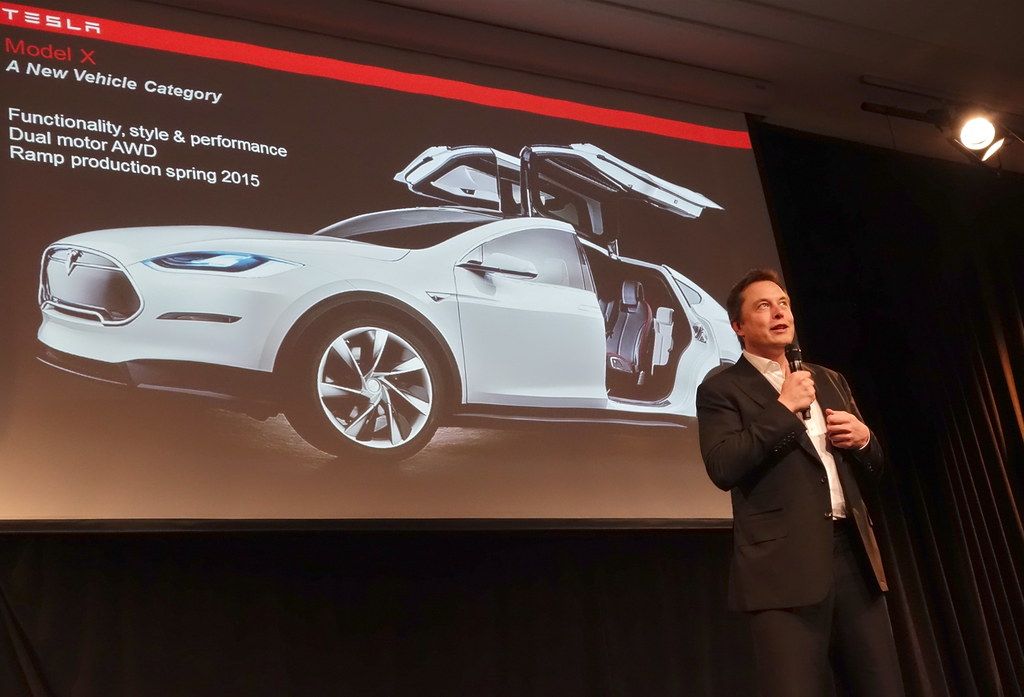
Kirkhorn became part of Tesla in 2010 as a senior finance analyst because of the ambitious vision of the company through its initial difficulties. His climb was not immediate: In 2014, he was promoted into the position of director of finance, then became a vice president in 2018, and finally CFO in 2019, at the age of just 34. In an amusing key to the Tesla culture that is quirky, he was made Master of Coin in 2021, alongside Technoking by Musk, a reference to Game of Thrones and the investment Tesla made in Bitcoin. This jocular title helped to emphasize his position as custodian of the treasury of Tesla at a time when it was growing at a very rapid rate.
Key Career Milestones:
- Upenn (Wharton + Engineering) dual degrees.
- McKinsey analyst followed by Harvard MBA.
- Came to Tesla in 2010 as senior analyst.
- Promoted to CFO in 2019
- Named “Master of Coin” in 2021
2. Tesla: Sailing through the most difficult times in its history Model 3 Ramp-Up and the Road to Profitability.
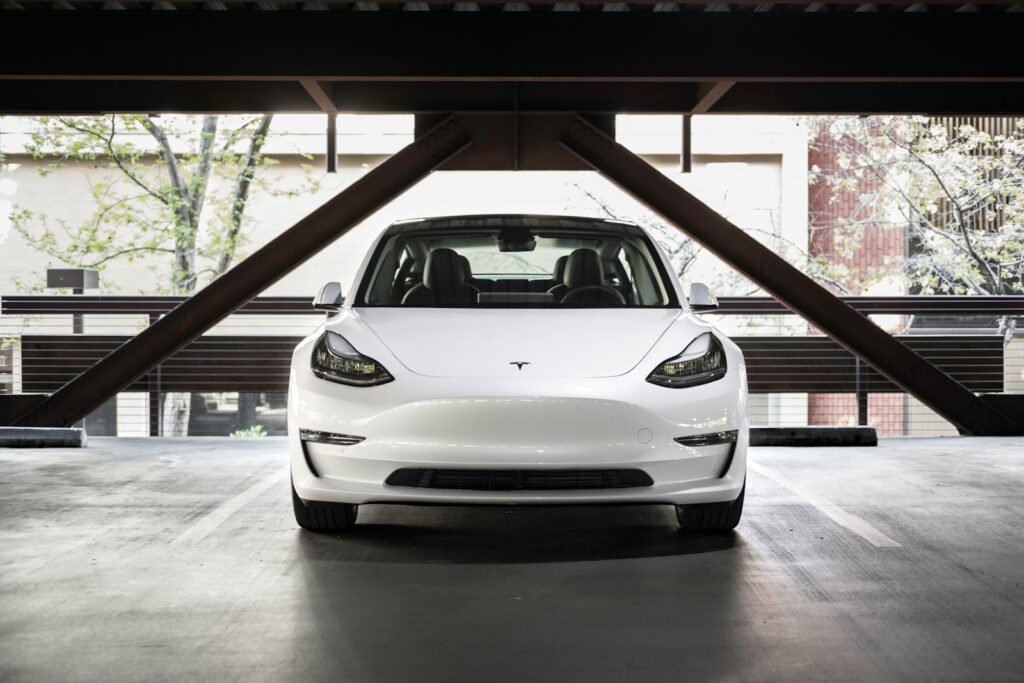
One of the most notable times in the life of Kirkhorn was the high-production level of the Model 3 which is commonly referred to as production hell. Tesla was on the brink of financial danger, burning cash by operating up scaled manufacturing. Through his financial management as the company came into a major position and into the position of CFO, the company has secured financial backing, cost reduction and record breakage and in his first full year of CFO leadership, the company has been able to make breakthroughs in terms of sales volumes. This period was a time of strength, and the danger of bankruptcy became a survival narrative and a victory.
The seatbelt success of this endeavor may have been leading Tesla to its first complete year of profits in 2020, and this achievement may have changed the view of speculative venture into a profitable business. This was continued by prolonged profitability that increased Tesla market cap to unimaginable levels and allowed it to invest in new models and technologies. The data-driven calmness with which Kirkhorn conducted the earnings calls gave investors a sense of stability amidst the turbulence which earned him respect as a stabilizer in the turbulent empire built by Musk.
Significant Financial Performance:
- Overcame production crisis of Model 3.
- First year profit delivered in 2020.
- Accomplished long-lasting profitability.
- Bank treasury in the age of Bitcoin.
- increased investor confidence.
3. This Fortune Building: Pay packets on Tesla Stock Soar
The fortune of stock and options that Kirkhorn had at exit at $590 million was not due to exorbitant salaries. His salary was relatively low, about $300,000 per year, but the actual riches were gained through equity grants, which were revaluated to incredible amounts when Tesla shares began to skyrocket. This design makes executive success consistent with shareholders, a feature of tech compensation schemes, and it was incredibly rewarded when the stock was rocketing in early 2020s.
Record deliveries, price changes to increase the volume, and strategic agreements with the competitors in the industry (Tesla allowed competitors to use its charging network and introduce new revenues) drove the surge and established the industry standards. A wave of AI/technology boom further boosted the image of Tesla beyond automobiles. Although Musk was richer than others because of his higher ownership, the profits that Kirkhorn got demonstrated the way the major leaders profited because of the boom of the company.
Sources of Wealth:
- Stock options and shares
- Low base salary
- Massive stock gains
- Record deliveries
- Charging network deals
4. The Market Reaction and the Announcement: Surprise Exit
The resignation of Kirkhorn announced in a filing with SEC in August 2023 was a surprise to many, and no specific reason was given, but nobody left before the end of the year. In a LinkedIn post, he took pride in the work of the team during 13 years of hard work and Musk publicly thanked him. There was speculation of burnout as well as the possibility of pursuing new opportunities and some said that internally, he was seen as a future Musk successor.
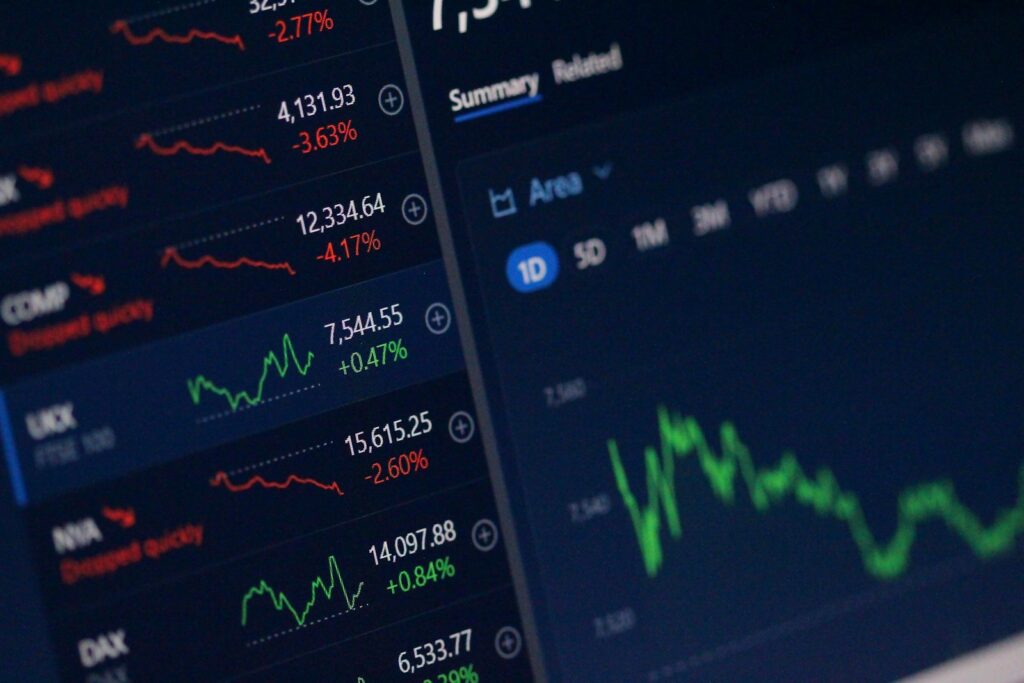
The market reacted to it with an approximate 3% decline in Tesla shares, which indicated that investors feared that they were losing a dependable leader of its operation. His reputation of consistent direction was in contrast to the bolder image of the company to the outside world, and the suddenness of it increased confusion in the face of the challenges that were still going on such as margin pressures and new launches.
Immediate Reactions:
- Surprise resignation
- Amicable transition
- Musk’s public thanks
- 3% stock drop
- Considered as future successor to the CEO.
5. Succession and Tesla Continuing Story: Passing over to Vaibhav Taneja
Entering the picture was Vaibhav Taneja, the accounting chief of Tesla since 2019, an outsider through the SolarCity takeover. His two-sided position offered permanence as a result of owing to extensive familiarity with operations. Taneja had to confront short term challenges: declining margins due to price wars, legal challenges such as range estimate lawsuits and high stakes launches including the Cybertruck.
The legacy of Kirkhorn lives on as the man of financial maturation, to transform chaos into order and ambition into profitability. His tale is a Silicon Valley fantasy: silent work bringing incredible returns in a change agency. With Tesla changing under new leadership, the work of Kirkhorn is still a cornerstone in Tesla climb.
Transition Highlights:
- Taneja as insider successor
- Dual CFO/CAO role
- Margin and legal challenges
- Cybertruck launch ahead
- Smooth handover process
6. Tesla With New Financial Leadership: The New Era of Vaibhav Taneja
A long-term Tesla employee, Vaibhav Taneja, who came into the Citizen company during the SolarCity acquisition in 2017, became the Chief Financial Officer and Chief Accounting Officer after Kirkhorn left Tesla. Having practiced accounting as an employee of PwC and through the expanding Tesla operations, he was a logical successor in terms of continuity. The firm has had a consistent force through Taneja to manage the challenges that it faces such as price competition and margin pressures as well as assist in ambitious projects such as the Cybertruck rollout and energy storage expansions.
Ever since Taneja assumed the helm, the company has had both good and bad financial performances, as Tesla has experienced decreasing car deliveries in certain quarters and rising competition in the EV market. However, his experience has assisted in keeping the operations in focus such as record energy rollouts or autonomous driving technology progress. In early 2026, Taneja is still the head of the finance team at Tesla where he tries to juggle cost-efficiencies against future growth initiatives such as AI and robotics.
Critical Leadership Factors of Taneja:
- SolarCity acquisition insider.
- Dual CFO and accounting role
- Handled margin pressures
- Accompanied autonomy investments.
- High 2024 compensation package

7. Post-Departure Travels: Zachary Kirkhorn and his New Business.
Zachary Kirkhorn has moved on to work in positions that are able to utilize his financial knowledge in areas of innovation since quitting Tesla. In 2025, he became a board member of Mytra, a warehouse automation robotics company, rejoining former colleagues at Tesla to expand the company. In the same year, he became a shareholder and board member of Jolly, which is a platform that helps to promote employee productivity and rewards in such sectors as manufacturing and logistics.
The moves taken by Kirkhorn indicate the transition to advisory and investment roles in emerging technologies based on his understanding of shifting Tesla toward profitability with the company being almost insolvent. Although his stock holdings in Tesla have been going up and down with the market performance, his net worth is still high, based on equity that was stemming out of his tenure. By 2026, it seems that he is committed to backing startups that have high growth rates, as opposed to going back to a full-time executive position in a large company.
Kirkhorn: After Tesla:
- Joined Mytra board (2025)
- Robotics warehouse focus
- Tesla alumni collaboration
- Advisory in emerging tech
- Equity-based wealth
8. Financial Future of Tesla: Problems and Expansion after 2023.
The Swinging Tesla performance since Kirkhorn has left has been characterized by the ups and downs, where the automotive revenues have been at the crossroad of reduced prices and competition. Overall revenue improved marginally to approximately $97.7 billion in 2024 with robust growth in energy storage, but with losses of huge magnitude due to investments and market pressures. There was volatility in deliveries whereby there were changes in some quarters where the company had to focus on volume due to incentives.
In 2025, energy and services segments were increasing to add more to gross profits and automotive margins rebounded partly by cutting on costs. In 2026, Tesla plans to grow again through new models, unsupervised FSD deployment, and robotaxi, but analysts expect vehicle sales to moderate as the global EV market develops.
2024-2025 Financial Highlights:
- $97.7B revenue (2024)
- Energy deployments record
- Vehicle deliveries ~1.79M
- Competitive pressure of profit.
- Cash position strong
9. The Evolving EV Landscape and Tesla’s Position
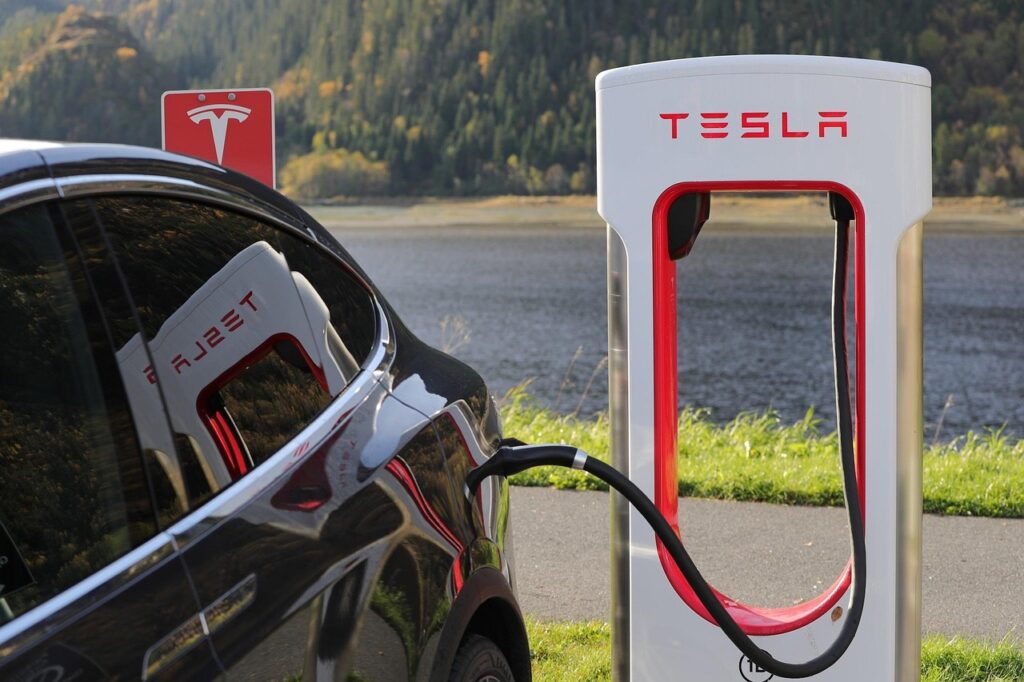
The electric vehicle market has intensified since 2023, with competitors like BYD surpassing Tesla in certain sales metrics and legacy automakers accelerating their transitions. Tesla has responded by opening its charging network, setting standards, and focusing on software advantages like FSD. However, regulatory credit sales and energy business have become critical buffers as core auto profits faced squeezes.
As of 2026, Tesla remains a leader in premium EVs and autonomy, with advancements in AI hardware and software positioning it for potential disruptions via robotaxi services. Stock performance has reflected this mix strong rallies on tech hype contrasted with dips on delivery misses trading in the mid-$400s range early in the year.
Factors in Tesla’s Position:
- Intense global competition
- Energy segment growth
- Network revenue streams
- FSD and Robotaxi edge
- High valuation on future tech
10. Legacy of the Master of Coin: Lasting Impact on Tesla
Zachary Kirkhorn’s 13-year tenure, particularly his time as CFO, is remembered for transforming Tesla’s finances from precarious to profitable, achieving milestones like the first full-year profit and sustained growth. His steady leadership complemented Elon Musk’s vision, providing investor confidence through clear communication and operational rigor during critical phases like the Model 3 ramp.
Even after his departure, Kirkhorn’s contributions endure in Tesla’s financial foundation, enabling ongoing investments in innovation. His story exemplifies Silicon Valley success quiet execution yielding massive value while Tesla continues evolving under new leadership toward autonomy and beyond. As the company enters 2026, the stability he helped build remains a cornerstone amid ambitious next chapters.
Lasting Impacts from Kirkhorn:
- First annual profitability
- Crisis navigation
- Treasury management
- Investor communication
- Financial maturation foundation