


Tesla’s Cybertruck Resale Ban Vanishes, Signaling a New Era
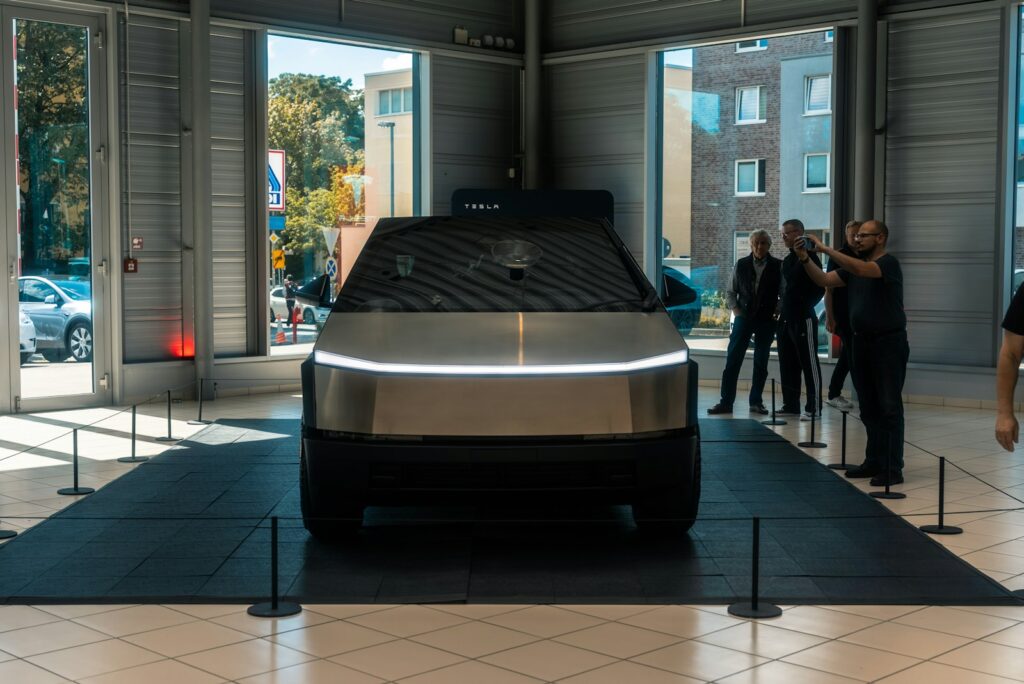
The quiet moments yield some of the most meaningful decisions in the fast-moving world of Tesla, and in that respect, the company recently made a subtle yet powerful change: it quietly dropped the highly contentious no-resale clause from the Foundation Series Cybertruck agreement that once threatened early buyers with steep penalties. That is a signal the Cybertruck is beginning to enter a more stable and confident stage of its lifecycle.
Why the policy removal matters
- Signals transition of Cybertruck into mature product
- Indicates Tesla’s confidence in supply levels.
- Reduces fear and hesitation among potential buyers.
- Aligns Cybertruck sales with other Tesla models.
- Reflects a shift away from launch-phase restrictions.
For months, that restriction symbolized Tesla’s tight control over its most polarizing vehicle. Buyers were banned from reselling the truck within a year, facing fines that could erase profits entirely. Scrapping this rule without fanfare suggests Tesla now believes market forces can take over, with greater confidence in both stability of production and long-term demand.
1. The Original No-Resale Rule and Its Objective
When Tesla initially introduced the Cybertruck, it revealed a strict one-year no-resale policy. Buyers who flipped their vehicles faced penalties beginning at $50,000. This was to stop speculative buying, allowing early trucks to go to real enthusiasts, not profit-driven resellers chasing inflated secondary market prices.
Goals of the No-Resale Clause
- Avoid speculative flipping.
- Brand reputation protection
- Keep pricing perception stable
- Reward true early adopters
- Control launch-phase market chaos
It wasn’t just a symbolic approach, though: Tesla did take steps to enforce the policy and inform its clients that violations would incur consequences. The carmaker wished to protect its brand image and prevent early Cybertrucks from being resold at outlandish prices, which would undermine Tesla’s pricing strategy and alienate genuinely interested customers.

2. Penalties and Enforcement Were No Empty Threat
Tesla also made sure that there was some bite to the policy: Those who infringed didn’t just get monetary penalties, but they were also blacklisted from buying any Teslas in the future. This firm stance signaled a clear message: the company was serious about maintaining control over its high-profile launch and discouraging opportunistic behavior.
How Tesla Enforced the Rule
- VINs tracked on resale platforms
- Issued formal warning e-mails
- Canceled all existing and future orders.
- Withheld reservation and order fees
- Established precedent for strict compliance
In one documented case, Tesla found a reseller by searching for a VIN listed on an online marketplace. The response to this was rapid: Orders were canceled, reservation fees were forfeited, and future purchases were blocked. That incident showed Tesla digitally tracked sales and could enforce compliance to a high degree of precision.
3. Initial restrictions were fueled by extreme demand
The futuristic design and audacious promises made for the Cybertruck created extraordinary hype. Pre-orders, reportedly into the millions, came in before production even started, and the high demand fostered fertile ground for speculative reselling, with some listings reaching absurd prices that distort market reality.
Market Conditions at Launch
- High volume pre-orders
- Limited early production capacity
- Skyrocketing resale listings
- Intense media attention
- Fear of brand price distortion
One particularly notorious listing from a dealership tried passing a Cybertruck for almost US$290,000. Cases like these vindicated Tesla’s argument: the no-resale clause provided a kind of consumer protection, ensuring that early market chaos would not devolve into an auction house fueled by scarcity rather than value.
4. Tesla was not by itself in this strategy
Tesla’s approach was similar to that taken by luxury car makers when dealing with limited-run models. Porsche, among others, regularly blocks early resales by stipulating lease periods before ownership transfers can occur. The motive is always the same-to make sure that vehicles find enthusiastic owners, not short-term profiteers.
Industry Parallels
- Porsche lease-first ownership models
- Resale bans on limited-edition supercars
- Controlled allocation strategies
- Focus on enthusiastic ownership
- Brand value preservation strategies
Its approach was far more direct due to its online, direct-to-consumer model. Highly contentious, it puts the company in a camp with more established premium manufacturers using such techniques to preserve exclusivity and long-term brand value during critical launch windows.
5. Increased Production Changed Everything
As production ramped up at Tesla’s Gigafactory in Austin, the scarcity that once justified the no-resale clause started to dissipate. More Cybertrucks started flowing, taking away much of the urgency and profitability from flipping. When buyers are able to directly order their products and expect delivery, resale premiums naturally decline.
Impact of Increased Supply
- Faster delivery timelines
- Reduced resale premiums
- lower speculative interest
- Greater buyer confidence
- Market-driven price stabilization
By early 2024, there were reports that resale prices of Cybertruck were already falling. In other words, the market corrected itself much faster than expected. Without inflated margins to chase, the no-resale rule lost its practical relevance and was more of an administrative burden than a protective measure.

6. Ordering Cybertruck becomes more accessible
Another indication of maturation came when Tesla got rid of the reservation system for U.S. buyers. In place of waiting years for a small deposit, customers can now configure and order a Cybertruck directly online. This shift demonstrates a clear move away from exclusivity toward accessibility.
Changes in the Buying Process
- Removal of reservation system
- Direct online ordering capability
- Shorter waiting periods
- Increased transparency for buyers
- Decreased perception of exclusivity
This change reflects Tesla’s confidence in its Cybertruck to stand on its own without artificial scarcity. The buying process becomes simpler, and the vehicle becomes more approachable to new customers who might have felt hesitant under the previous restrictive framework.

7. Enforcement Became Increasingly Impractical
Although Tesla proved itself perfectly capable of enforcing this policy, it did so only with sustained effort. The company also needed to process valid resale requests like those of owners who found the massive truck wouldn’t fit in their garages. Each exception introduced some complexity and administrative cost.
Challenges in Continued Enforcement
- Resource-intensive monitoring
- Handling legitimate resale cases
- Customer frustration risks
- Administrative Overhead
- Decreasing policy value
With the market settling down, such close scrutiny no longer seemed to make much sense. The costs of monitoring listings, investigating cases, and dealing with appeals probably outweighed the benefits. In that respect, it was a simplification of operations and practically in line with market development.
8. Strong sales bolstered Tesla’s confidence
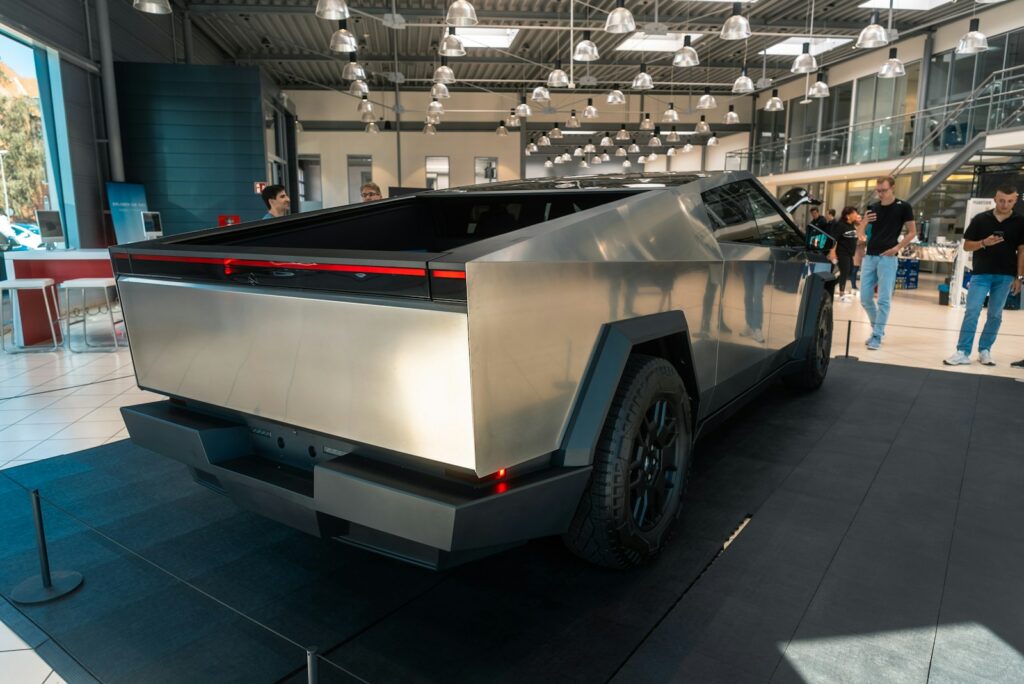
In spite of all those controversies right at the beginning, Cybertruck performed impressively in the luxury EV segment. Recently, it jumped to be the best-selling vehicle in the U.S. priced above $100,000, beating competitors like Ford F-150 Lightning in certain quarters this year.
Sales Success Indicators
- Leading sales above the $100,000 segment
- Delivered over 16,000 units
- Competitive advantage against competing EV trucks
- Sustained consumer interest
- Validation of product-market fit
Selling over 16,000 units, the Cybertruck is no longer an experiment. Probably strong performance reassured Tesla that the vehicle no longer needed protective constraints and the company could loosen restrictions without losing brand or pricing integrity.

9. What the change means for owners and buyers
Removing the no-resale clause for existing owners reinstates a basic right of ownership: flexibility. Life has changing circumstances, and being able to sell a vehicle without punitive penalties is imperative. This update takes anxiety away and adds to the sense of true ownership.
Immediate Benefits to Consumers
- Freedom to sell if needed
- Reduced contractual anxiety
- Simpler buying experience
- Increased trust in Tesla
- Improved ownership satisfaction
The process has become friendlier to buyers. Without the restrictive contracts, buying a Cybertruck today has become much akin to buying any other Tesla. Normalization like this might just keep hesitant customers from being wary of too-complex resale conditions.
10. Price remains the biggest challenge ahead
Even with this positive change, challenges remain for the Cybertruck. Foremost among them is the price. Foundation Series models wear six-figure price tags, while the once-teased figure stood at a sub-$40,000. That early promise was the driver of millions of pre-orders and set public expectations.
Pricing Concerns Going Ahead
- High entry price point
- Gap between promise and reality
- Limited mass-market accessibility
- Dependence on future variants
- Competitive pressure from rivals
Far more affordable variants will be needed if the Cybertruck is to have mass-market appeal. Until then, it remains a luxury statement, not a mainstream pickup-despite technological innovation and bold design.