





Tesla’s Mexico Plan: Crafting a $25,000 Car with a Texas Twist
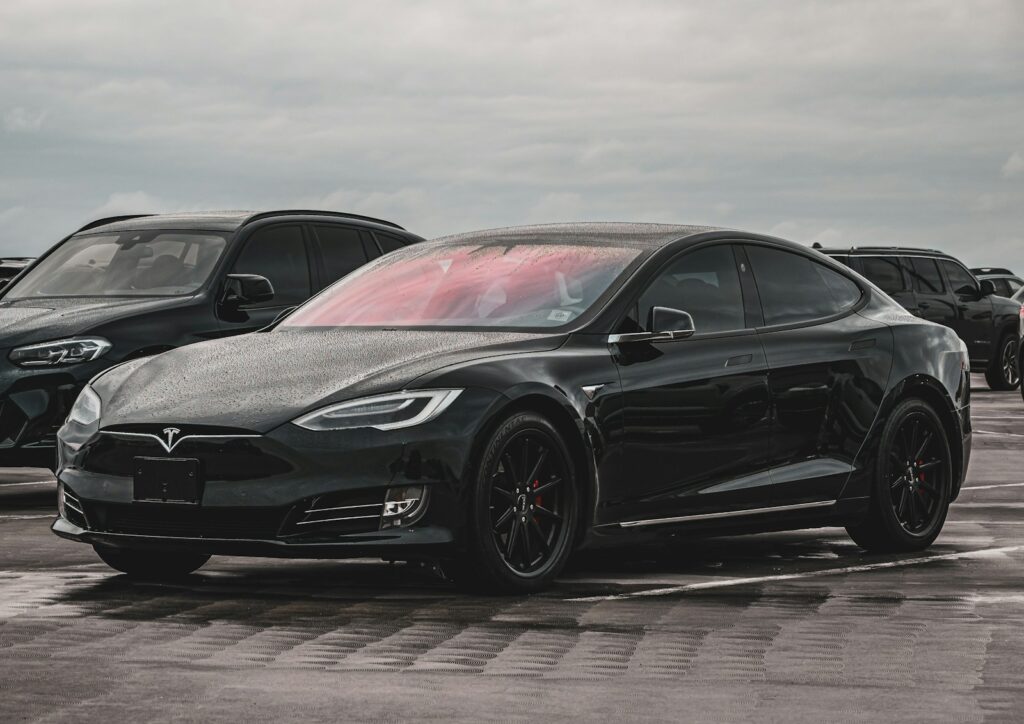
The automotive world has been chasing the dream of an truly affordable electric car for the masses for years. Tesla’s been right in the middle of that, consistently dangling a $25,000 EV that would finally make the products truly accessible. News of a massive Gigafactory planned for Mexico seemed like the moment when that long-standing promise would finally turn into reality.
Why the $25,000 EV Matters
- Extends the reach of EVs to other buyers.
- Expands Tesla’s global reach
- Accelerates the adoption of EVs globally.
- Challenges traditional carmakers
- It redefines cost expectations.
This wasn’t a vision of mere affordability but of scale: Tesla was to create a manufacturing ecosystem that churned out millions of vehicles with efficiency. Gigafactory Mexico was pitched as the linchpin in such a plan-a monumental bound toward mass electrification, not an incremental step forward.

1. Gigafactory Mexico – Historic Announcement
In early 2023, Tesla finally confirmed its intentions to open Gigafactory Mexico near Monterrey with the backing of Mexican President Andrés Manuel López Obrador. Elon Musk furthered the announcement, calling the project a significant investment in the future of sustainable mobility. But with estimates up to a $10-billion investment from Tesla itself and near $15 billion with contributions from suppliers, expectations soared.
Key Details of the Announcement
- Location near Monterrey
- Tesla investment estimated at $10 billion
- Local supplier ecosystem
- Thousands of jobs guaranteed
- Focus on next-generation EV
The factory was designed to be more than a production site: a symptom of economic growth, industrial leadership, and technological ambition for Mexico, while for Tesla, it represented the manufacturing backbone needed to deliver an affordable EV at unprecedented global scale.
2. Nuevo León’s Dream: The Global EV Hub
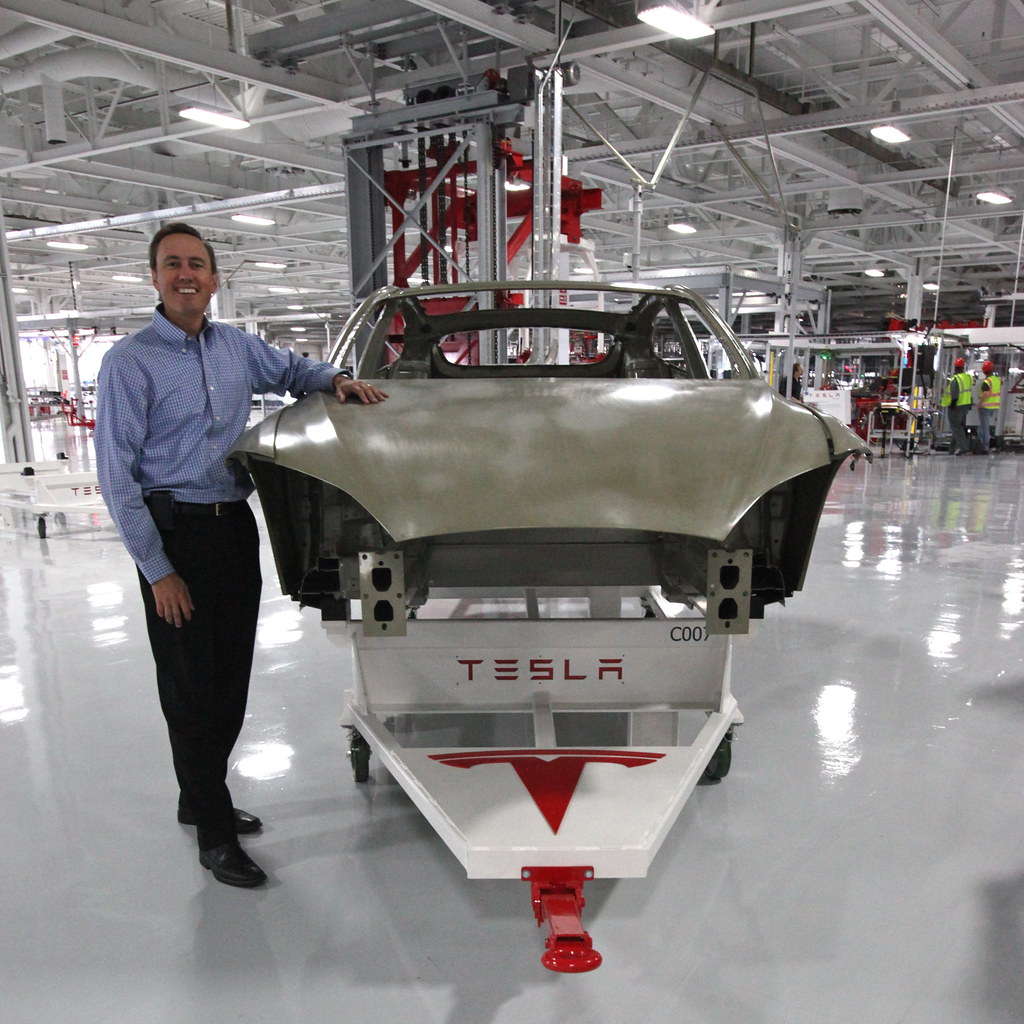
Nuevo León Governor Samuel García painted an ambitious picture of what the Gigafactory would become: he talked about the facility in Santa Catarina as Tesla’s largest Gigafactory worldwide, with even bigger ambitions than Giga Texas. The broad vision was well beyond cars; an entire sustainable and connected urban model was being thought of, anchored on advanced manufacturing.
Goals of Regional Development
- Biggest Gigafactory in the world
- Global hotspot of electromobility
- Sustainable urban development
- Advanced manufacturing ecosystem
- Global attraction of investment
The location of this factory in Mexico was strategic in nature: with less production cost, proximate supply chains, and skilled labor, it was ideal to produce an affordable EV. Each bit of the plan hit out at frugality without compromising innovation or quality.
3. Why This Factory Was Different From Day One
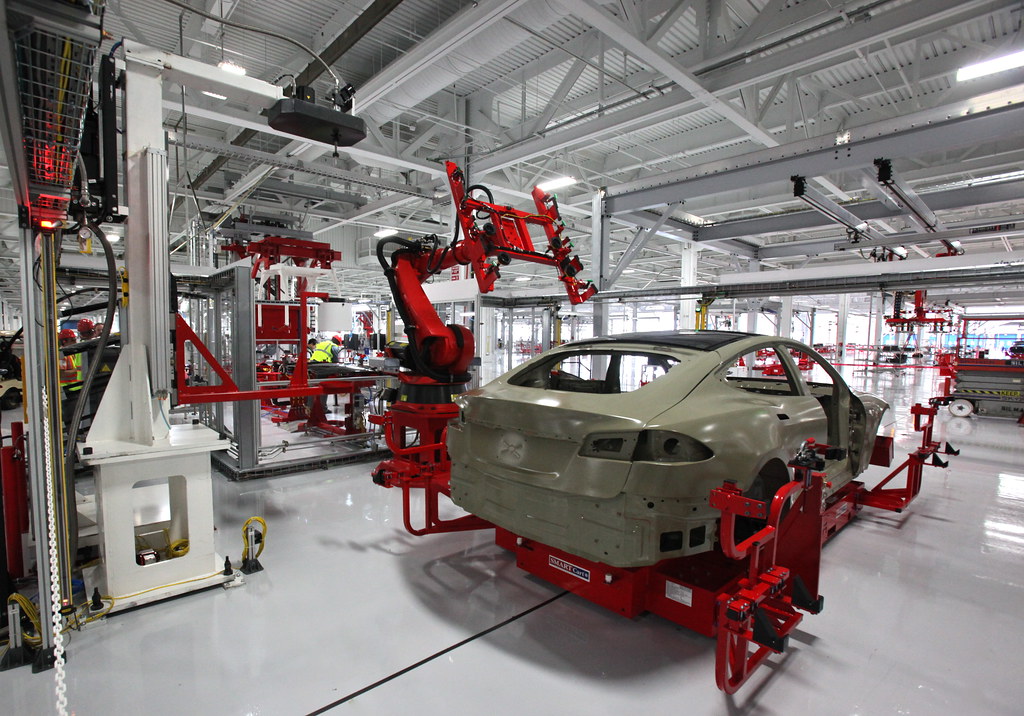
Despite the excitement, early signs indicated Gigafactory Mexico would not continue with the same rapid construction playbook that Tesla had used in the past. Whereas Giga Shanghai was completed in nine months, for example, the projected timeline to complete Mexico’s factory was 12 to 15 months. It wasn’t due to bureaucracy-the delay was because of technology.
Reasons for the Expanded Timeline
- Totally new production system
- Ground-breaking vehicle design
- Modular assembly requirements
- Higher automation complexity
- Learning curve for new processes
Only later did Governor García explain that Tesla’s economy EV required a new assembly line from scratch. This wasn’t about adjusting the old methods but of a whole new way of assembling automobiles, patiently, precisely, and correctly done at the very beginning.
4. The Revolutionary Gen-3 Vehicle Platform
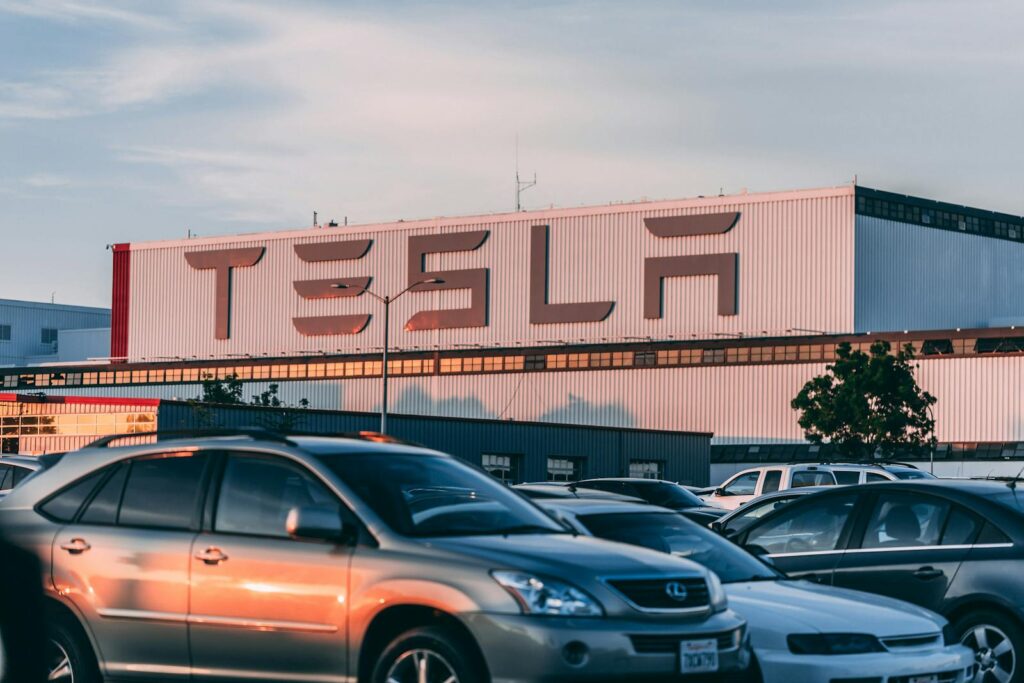
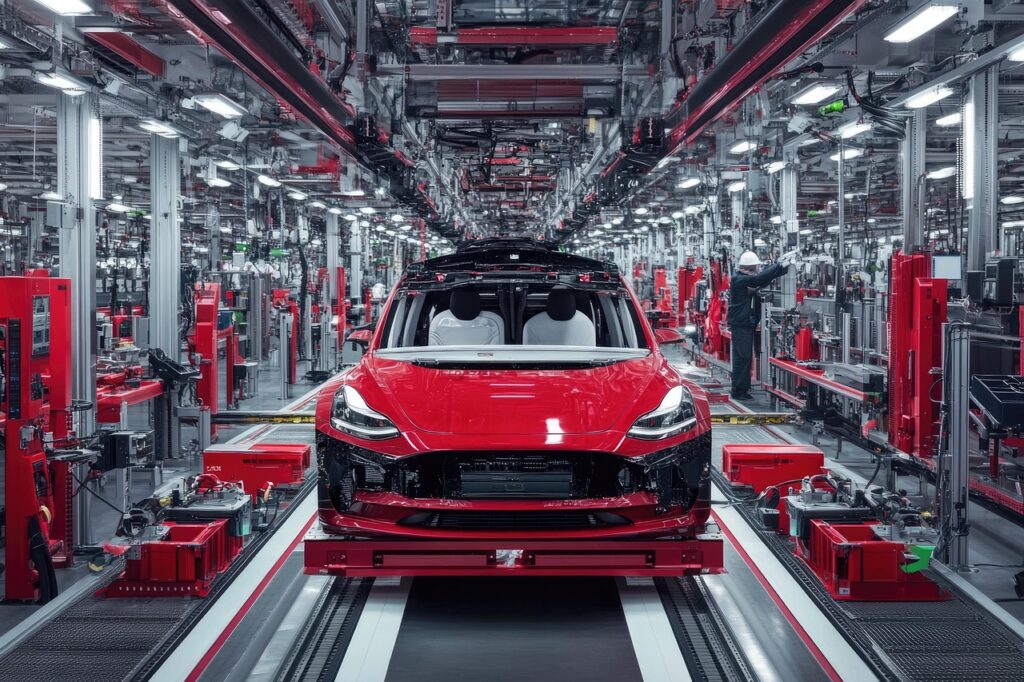
At the core of Tesla’s strategy is its next-generation vehicle platform, called Gen-3. This breaks the vehicle into large modules, rather than assembling the car in steps on a single frame as would be done on a conventional assembly line. The modules are assembled independently and then joined in final assembly.
How Gen-3 Changes Manufacturing
- modular vehicle construction
- Parallel processes of assembly
- Smaller production schedules
- Reduced factory footprint
- Lower capital investment
This change is symbolic of one of the most radical changes in automobile making in over a century. In Tesla’s view, by simplifying complexity and increasing efficiency, Gen-3 will unlock dramatic cost reductions that enable the economic viability of a $25,000 EV.
5. Savings of Almost Fifty Percent
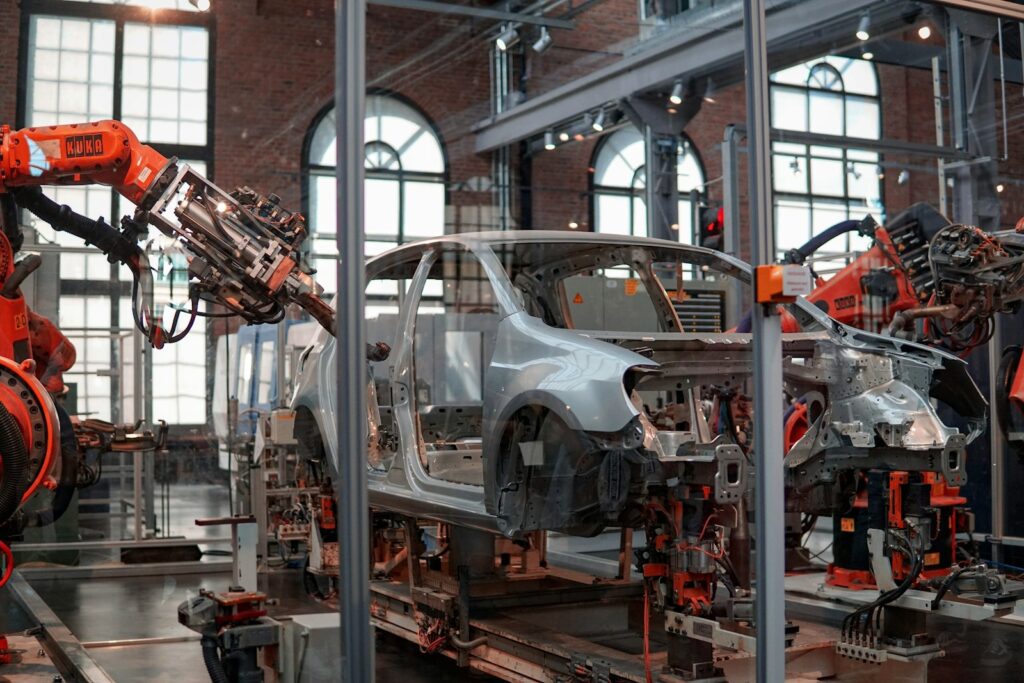
Tesla estimates that it may be able to cut vehicle production costs by as much as 50% thanks to its new manufacturing approach. Savings are derived from the faster assembly, reduced parts, lower tooling costs, and higher automation. Aggregated, these efficiencies achieve mass-market EV pricing without sacrificing margins.
Where the Savings Come From
- More automation
- Modular vehicle architecture
- Larger production-cycles shorter.
- Reduced tooling costs
- Lower factory overhead
Elon Musk has described this manufacturing leap as nothing short of revolutionary. According to him, the process behind the Gen-3 car will be unlike anything the industry has ever seen, transforming not just Tesla’s lineup but the future of automotive manufacturing itself.
6. Why Tesla Moved Manufacturing to Texas First
That changed, given the risks, in a strategic pivot: Tesla decided to build the first line at Gigafactory Texas instead of launching the Gen-3 production line in Mexico. Many observers were surprised, but it did make much sense from a risk-management perspective.
Reasons for Texas Pivot
- Closer executive oversight
- Faster resolution of problems
- Engineering Teams’ accessibility
- Controlled learning environment
- Reduced risk at an early stage
Elon Musk explained it so well: to introduce bleeding-edge technology, everything needs to be close to leadership and engineers. The process needs to be perfected in Austin first so that Tesla can then use a refined system when it replicates lines of production globally, avoiding very costly mistakes while scaling up.

7. Preparation Evidence at Giga Texas
Physical indications are that Tesla is already getting Giga Texas ready for the manufacture of next-generation products. Aerial footage by drones has shown the installation of large components of modular painting systems within the plant in areas consistent with long-standing rumors where the Gen-3 production line will be located.
Signs of Active Preparation
- Modular painting systems delivered
- Body-in-White area modifications
- Dedicated production zones
- Activity of coordinating the supplier
- Increase in facility upgrades
These developments show that Tesla is silently making this happen. Rather than making public declarations about it, the company seems intent on delivering results, so much so that it can be interpreted that they are pretty confident the project is slowing but surely on its way to reality.
8. Orders of Massive Vendors Raise Eyebrows
More evidence comes from Tesla’s supply chain. Several say they have received contracts large enough to support up to four million vehicles annually, for a vehicle that Tesla has not yet disclosed-so exciting and unsettling to the supplier community.
What Leaks from Suppliers Reveal
- Contracts by the millions of units
- Undisclosed vehicle specifications
- High-volume expectations
- Long-term production planning
- Serious financial investments
Some suppliers reportedly demurred because of the magnitude of the commitment, but such contracts strongly suggest that Tesla feels confident about the future of the upcoming vehicle and thus is preparing well in advance for mass production.
9. Managing the Osborne Effect Carefully
Much of Tesla’s secrecy has been driven by the need to avoid the Osborne effect. If customers know a cheaper Tesla is imminent, they may delay buying current models such as the Model 3 or Model Y, thereby creating a dangerous revenue gap before the new vehicle starts production.
Why Secrecy Matters
- Prevents stalled current sales
- Maintains stability in revenues
- Protects momentum in production
- Smoothens market transition
- Controls public expectations
By announcing a car when production is almost ready, Tesla tries to minimize disruption. This is considerate timing, an expression of deep understanding of market psychology and how to sustain business over the long haul.
10. The Revised Timeline for Gigafactory Mexico
While Gigafactory Mexico remains at the center of Tesla’s strategy, its timeline has pushed back: Economic uncertainty, political considerations, and even the prospect of trade tariffs have retarded progress. Reports suggest that it might restart construction after the 2024 U.S. presidential election, which is to say that production could plausibly start in 2026 or 2027.
Challenges Impacting the Timeline
- Uncertainty over the global economy
- Political trade risks
- Tariff concerns
- Delays due to lack of coordination with suppliers
- Strategic recalibration
Despite the delays, local officials in Nuevo León confirm that all permits are available. This means that everything in this region is ready to start as soon as Tesla gives a green light, as this comes to reassure long-term prospects in this project.
11. A Two-Step Strategy toward the EV Revolution
Tesla’s path to an affordable EV has now turned into a serious two-step process. Giga Texas will be the proof-of-concept facility, honing revolutionary manufacturing methods. These will then be radically scaled up once perfected on Gigafactory Mexico.
Scalable global deployment Cost-effective mass production Long-term disruption of the industry The road has been much longer than many people anticipated, and yet the vision remains intact: Tesla isn’t building a new car but a different manufacturing process of the vehicles. When that $25,000 EV finally hits the market, it would be a multifunction of years of meticulous planning, innovation, and patience-paving the way for an electric revolution in the most realistic manner.