







Tesla’s Price War: The Bold Gamble That Shook the Auto World

On paper, Tesla’s recent performance looks confusing. The company has now reported declining vehicle deliveries for two years in a row and has lost its position as the world’s biggest electric vehicle seller. Normally, those headlines would shake investor confidence. Instead, Tesla’s stock rose, suggesting that the market was looking beyond short-term sales figures and focusing on something much bigger.
Why the Market Still Believed in Tesla
- Investors prioritised long-term strategy over yearly delivery numbers
- Tesla’s ability to control pricing showed market influence
- Large-scale production offered flexibility competitors lacked
- The narrative shifted from decline to disruption
- Consumer curiosity remained strong despite negative news
This reaction reveals how Tesla is judged differently from traditional automakers. Investors were not ignoring the challenges but recognising Tesla’s willingness to reshape the market rather than simply defend itself. The company’s confidence came from its scale, operational control, and ability to change industry dynamics instead of reacting passively to pressure.
1. A Sobering Start to 2025 for Tesla
The start of 2025 was undeniably tough for Tesla. Vehicle deliveries fell to roughly 1.64 million units, representing a noticeable drop from the previous year. This marked the second consecutive annual decline, breaking a long-standing growth streak. The final quarter only deepened concerns, as deliveries fell short of analyst expectations and reinforced fears of weakening global demand.
Delivery Challenges Tesla Could Not Ignore
- Two straight years of declining annual deliveries
- Disappointing final-quarter performance
- Slower growth in mature EV markets
- Increasing pressure from global competitors
- Growing investor concern around momentum
For a company built on rapid expansion, these figures were unsettling. Analysts began questioning whether Tesla had reached saturation in key regions or if temporary headwinds were suppressing demand. Either way, the numbers made it clear that doing nothing was not an option.
2. The Rise of BYD and Intensifying Global Competition
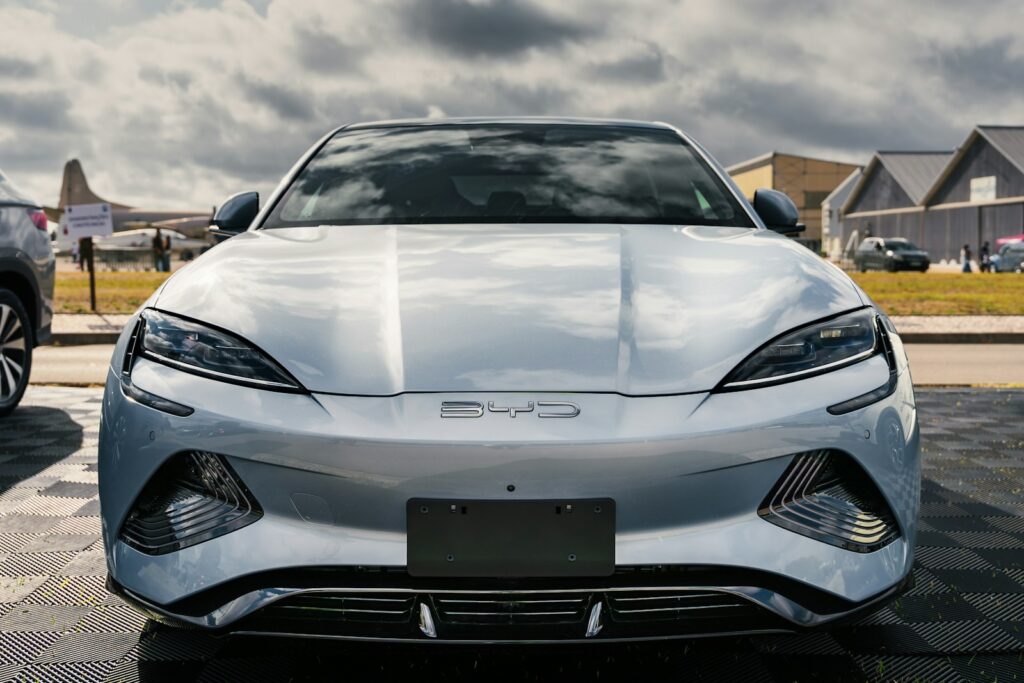
Tesla’s struggles became more pronounced as BYD surged ahead. In 2025, the Chinese automaker delivered around 2.26 million vehicles, overtaking Tesla on a global scale. What once seemed like a regional competitor had become an international force, expanding aggressively into Europe, Australia, and other major markets with competitively priced electric vehicles.
Competitive Forces Redefining the EV Market
- BYD overtaking Tesla in global sales
- Rapid expansion beyond China
- Strong domestic scale supporting lower costs
- Aggressive pricing across multiple regions
- Rising trust in Chinese EV brands
BYD’s growth highlighted a major shift in the industry. Tesla could no longer rely solely on being the pioneer. Price, efficiency, and scale now mattered just as much as innovation, forcing Tesla to rethink how it defended its leadership.
3. External Pressures Compounding Tesla’s Challenges
Several external factors added to Tesla’s difficulties. In the United States, the gradual removal of the $7,500 federal EV tax credit reduced a key incentive for buyers. At the same time, nearly every major automaker launched electric models, giving consumers more choice than ever before and increasing competitive pressure across all price segments.
Factors Influencing Buyer Behaviour
- Reduced government incentives
- Crowded EV market with more alternatives
- Narrowing technology gaps between brands
- Brand perception challenges
- Increased buyer hesitation
Public sentiment also played a role. CEO Elon Musk’s political involvement generated controversy, turning some potential buyers away. Combined with changing incentives and growing competition, Tesla faced a challenging environment that demanded bold, decisive action.
4. Tesla’s Decision to Launch a Price War
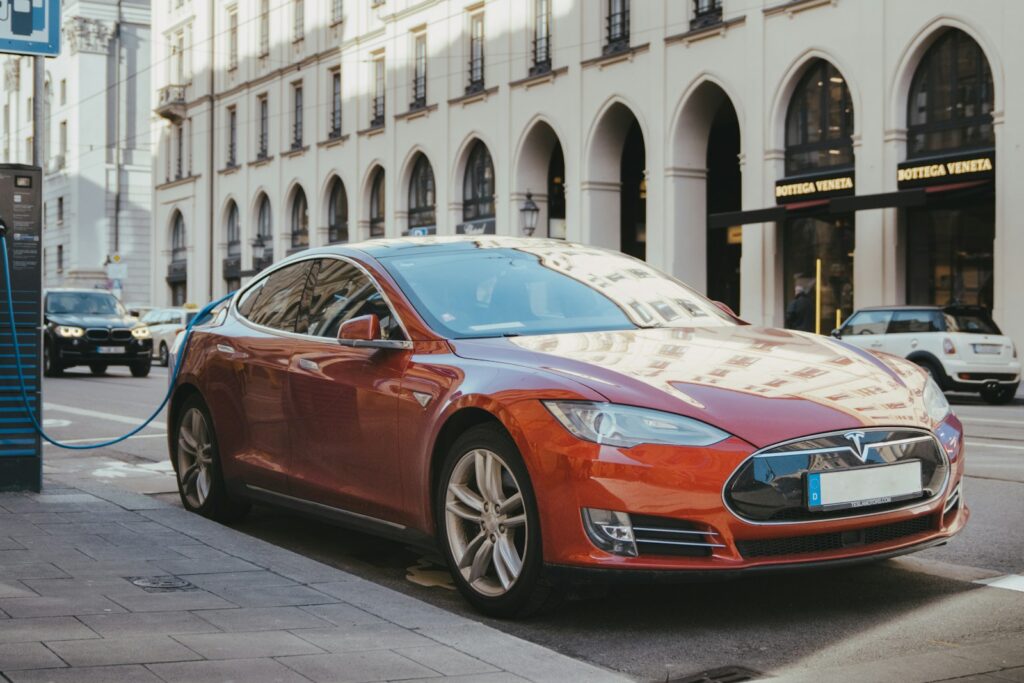
Rather than retreat, Tesla chose to go on the offensive. The company announced aggressive price cuts across major markets, including the US, China, and Europe. These were not small adjustments but clear signals that Tesla was willing to sacrifice margins to protect market share and reignite demand.
Why Tesla Cut Prices Aggressively
- Stimulate demand in a slowing market
- Keep factories operating at full capacity
- Pressure competitors with higher costs
- Expand reach beyond early adopters
- Reinforce leadership through volume
This approach reflected Tesla’s long-term mindset. The company prioritised scale and adoption over short-term profitability, betting that affordability would secure its dominance in the next phase of electric vehicle growth.
5. Pricing as a Strategic Weapon
Tesla’s price cuts were tailored to each region. In the US, models like the Model Y, Model X, and Model S became more affordable. In China, the refreshed Model 3 saw a significant price reduction, helping Tesla remain competitive in one of the world’s toughest EV markets.
How Tesla Used Pricing Tactically
- Regional pricing adjustments
- Frequent price changes based on demand
- Willingness to accept lower margins
- Faster response than traditional automakers
- Clear communication around flexibility
Elon Musk explained the logic simply, stating that prices must align with demand. This approach reinforced Tesla’s identity as a company willing to move quickly and challenge traditional pricing stability.

6. A Multi-Layered Market Offensive
Tesla’s strategy went beyond lowering prices. Increased affordability drove higher sales volumes, improving economies of scale in battery production and manufacturing. This helped keep factories efficient while preventing inventory from building up across global markets.
Additional Advantages of the Strategy
- Improved factory utilisation
- Better inventory control
- Lower per-unit production costs
- Renewed incentive eligibility
- Stronger operational efficiency
By aligning pricing, production, and policy, Tesla amplified the impact of its actions. The result was not just higher sales but greater influence over the direction of the entire EV market.
7. Affordable Variants to Capture New Buyers
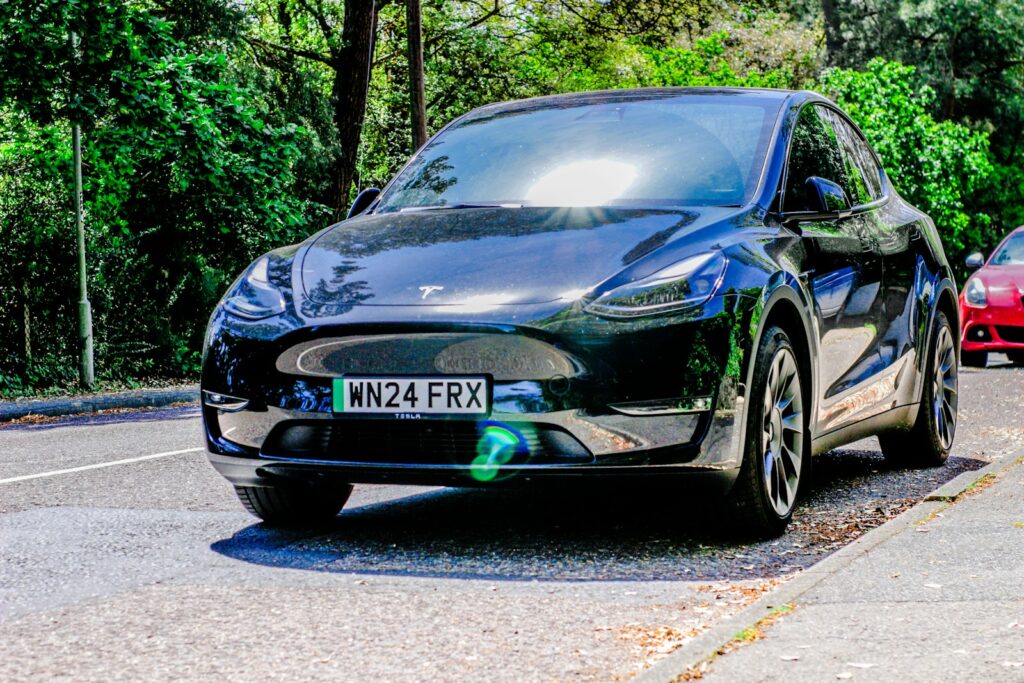
In October 2025, Tesla introduced stripped-down versions of its best-selling vehicles. A lower-priced Model Y and a more basic Model 3 focused on core functionality rather than premium features, making them more accessible to a wider audience.
Goals Behind Entry-Level Models
- Appeal to budget-conscious buyers
- Compete with lower-cost EVs
- Expand market reach
- Strengthen presence in Europe and Asia
- Lead the affordability conversation
This move showed Tesla’s willingness to adapt. The company recognised that winning the next wave of buyers required flexibility, not just innovation.

8. Industry-Wide Impact of Tesla’s Pricing Strategy
Tesla’s price war had ripple effects across the industry. EV registrations surged in the United States, and overall EV market share increased sharply. Lower prices encouraged hesitant buyers to finally consider electric vehicles as a realistic option.
Market-Wide Outcomes
- Higher EV adoption rates
- Rapid growth in registrations
- Increased consumer confidence
- Competitive pressure across brands
- Faster shift away from combustion engines
Tesla’s actions demonstrated that affordability remains the strongest driver of EV adoption, benefiting the entire industry.
9. Tesla’s Dominance in an Expanding Market
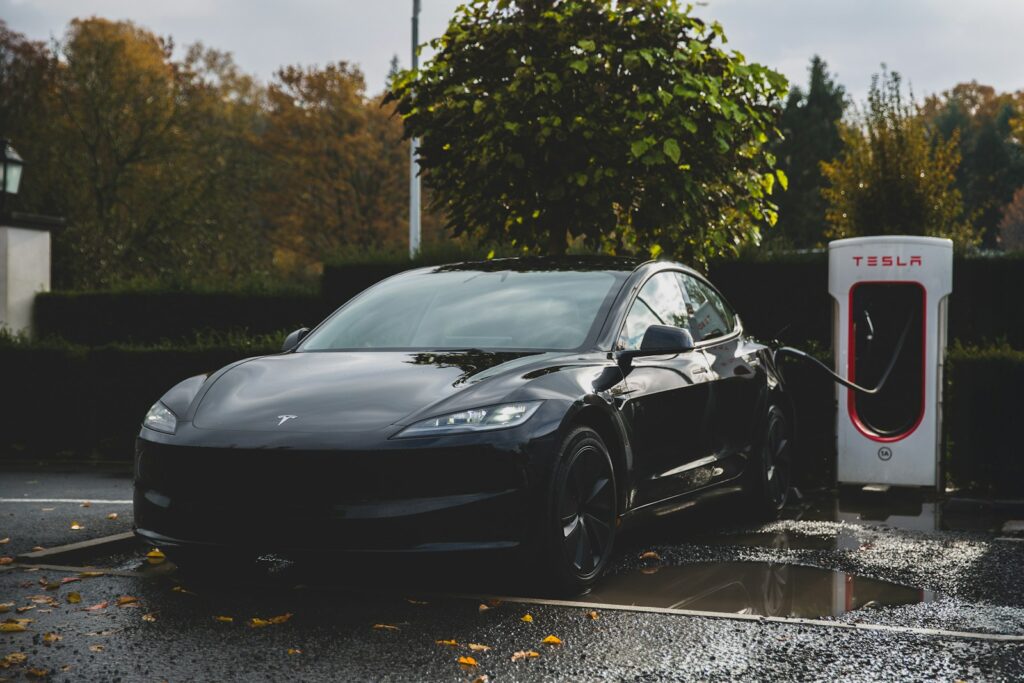
While the EV market grew overall, Tesla captured the largest share of that growth. Registrations surged, particularly for the Model Y and Model 3, while higher-end models saw declines. The data confirmed that Tesla’s strategy was firmly focused on mass-market buyers.
Key Performance Signals
- Strong growth in registrations
- Dominant US EV market share
- High demand for affordable models
- Decline in premium vehicle sales
- Clear alignment with strategy
These trends validated Tesla’s decision to prioritise affordability over luxury during this phase of market evolution.

10. Consumer Dilemmas in a Volatile Market
Frequent price changes created uncertainty for consumers. Many buyers struggled to decide whether to purchase immediately or wait for potential future discounts. Concerns around resale value and depreciation added another layer of hesitation.
What Buyers Had to Consider
- Risk of future price drops
- Immediate savings versus waiting
- Changing incentive rules
- Resale value concerns
- Upcoming model updates
Despite this uncertainty, many buyers acted quickly to secure lower prices. Tesla’s continuous software updates also reassured customers that current models would remain competitive.
11. Tesla’s Gamble and the Road Ahead
Tesla’s aggressive pricing strategy stands as a defining moment for the EV industry. While margins tightened and resale values fluctuated, the company achieved its core goals of increasing volume, protecting market share, and accelerating electric vehicle adoption.
Lasting Effects of Tesla’s Strategy
- Industry-wide pricing reset
- Greater consumer accessibility
- Forced competitor adjustments
- Faster global EV adoption
- Reinforced Tesla’s disruptive role
The automotive world has been permanently changed. Tesla’s willingness to challenge convention ensured that electric vehicles became more accessible, leaving consumers as the ultimate beneficiaries of this bold gamble.