




Tesla’s Supercharger Gambit: Unlocking the Future of Electric Cars
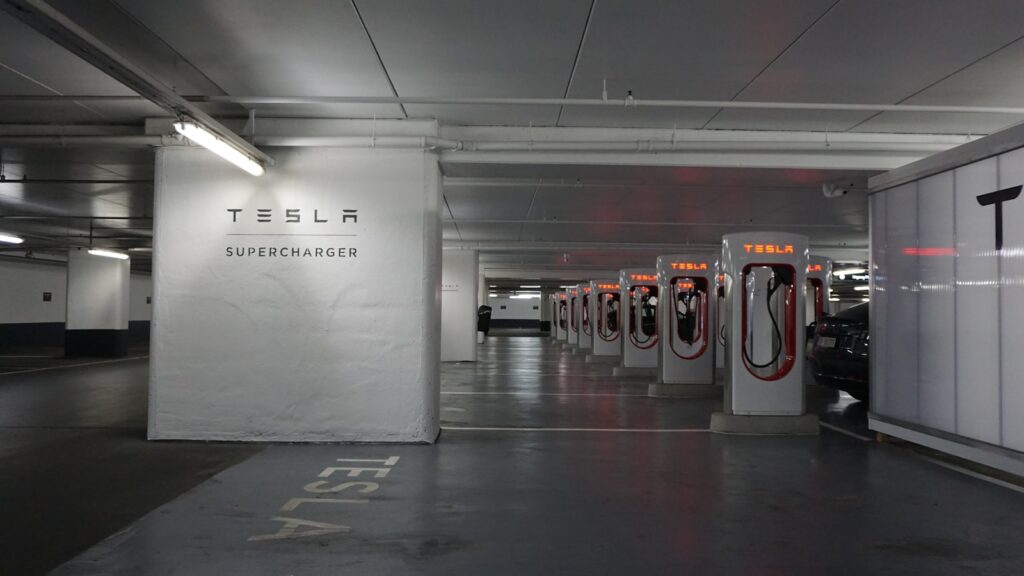
For years, the electric vehicle revolution seemed exciting, yet incomplete, to many drivers. Sleek designs and improved battery ranges turn heads, but one nagging problem remained: access to charging. Tesla stood at the center of that divide, offering its owners a seamless fast-charging experience while drivers of other electric vehicle brands struggle through unreliable and scattered public infrastructure, further reinforcing doubts about making the switch to electric transportation.
Why Charging Access Shaped Early EV Adoption
- Tesla’s exclusive Supercharger network
- Limited public fast-charging availability
- Frequent charger outages
- Poor geographical coverage
- Inconsistent User Experience
This imbalance created what many drivers came to know as charging anxiety. The concern wasn’t how far an EV could go, but whether a reliable charger would be available when needed. As interest in EVs grew, this single obstacle quietly slowed adoption, keeping many curious buyers on the sidelines despite advances in vehicle technology and pricing.
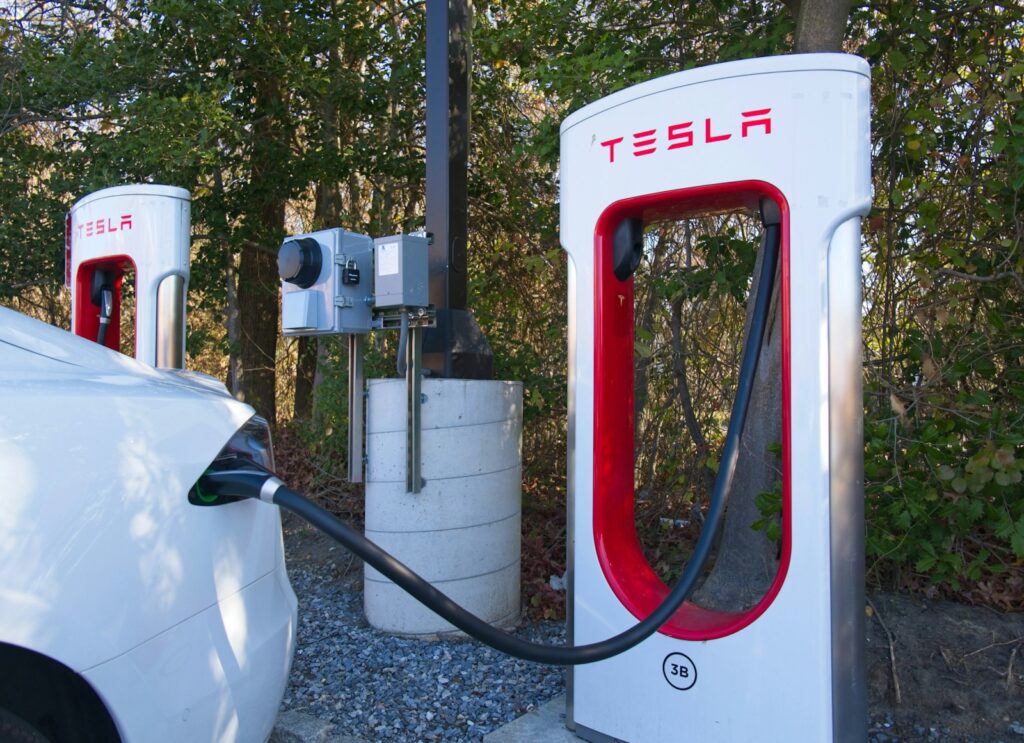
1. Tesla Opens the Doors to Its Charging Network
The opening of the Tesla Supercharger network was a watershed in the EV universe. By teaming up with the likes of Ford, GM, and Rivian, Tesla tore down one of the most walled-off competitive advantages in automotive history. What had been proprietary now turns into shared infrastructure, changing the way consumers think about electric vehicles while eliminating one of the biggest psychological barriers.
Automakers Gaining Supercharger Access
- Ford
- General Motors
- Rivian
- Future Partner Brands
- NonTesla EV drivers
Convenience is one thing, but on the business level, this is a structural shift toward collaboration in what had been an essentially competitive business. By opening up broader access, Tesla effectively turns its proprietary asset into a backbone for nationwide EV adoption that will have a significant role to play in setting new expectations about charging reliability for millions of drivers.
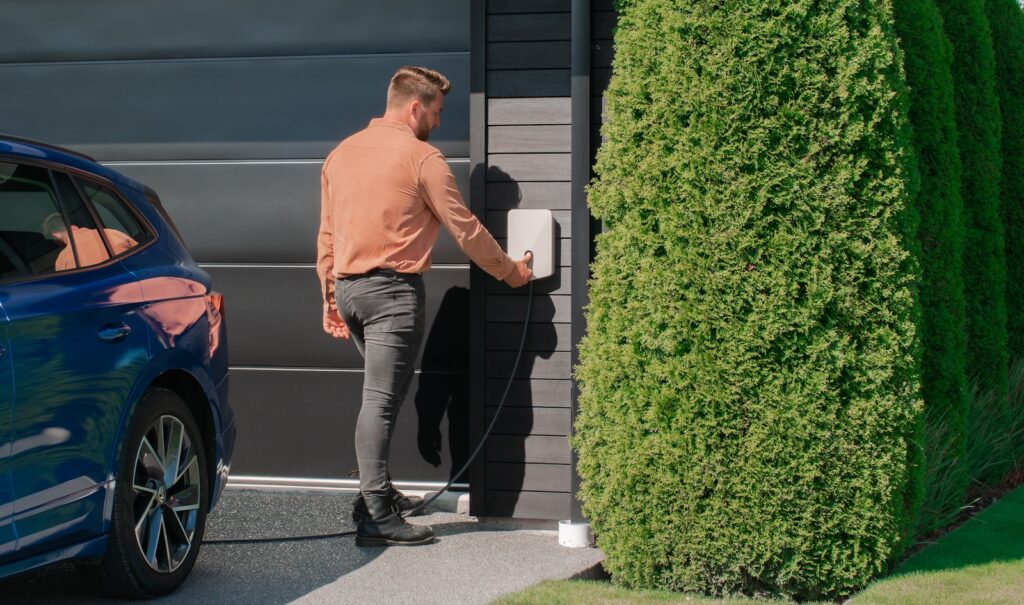
2. Infrastructure cited as key factor in EV purchase decisions
While battery range and price tend to dominate headlines, infrastructure quietly determines whether or not EV ownership feels practical. According to analyst Karl Brauer, infrastructure accounts for nearly half the decision-making process. Without dependable charging, even the most advanced vehicle quickly becomes less appealing. Tesla’s network tackled this reality early, while the rest of the market struggled to keep pace.
What does infrastructure mean to drivers?
- Reliable charging availability
- Faster charging speeds
- Reduced planning stress
- Confidence in long-distance traveling
- Everyday Usability
Opening the Supercharger network dramatically changes that equation. The number of available fast chargers may triple overnight in many areas. To the hesitant consumer, that is a difference that can flip perceptions in a hurry, shifting EV ownership from a daring experiment into real daily possibility.
3. Range Anxiety: Is It Real?
Range anxiety soon became the hallmark of early EV ownership. Instead of convenience, charger location became the driver of road trips, turning travel into logistical puzzles. Tesla owners largely avoided much of that stress thanks to a curated ecosystem of charging options. Others were relegated to more fragmented networks, wildly variable in their reliability and maintenance.
How Range Anxiety Affected Driving Behaviour
- Route planning based on chargers
- Avoidance of long journeys
- Fear of being stranded
- Overreliance on home charging
- Reduced confidence in EVs
That disparity created two different EV experiences. Tesla’s decision to open its network closes the gap significantly. By opening up access, it normalizes EV travel by allowing drivers to plan trips around destinations rather than charging maps.
4. The Numbers behind the Charging Gap
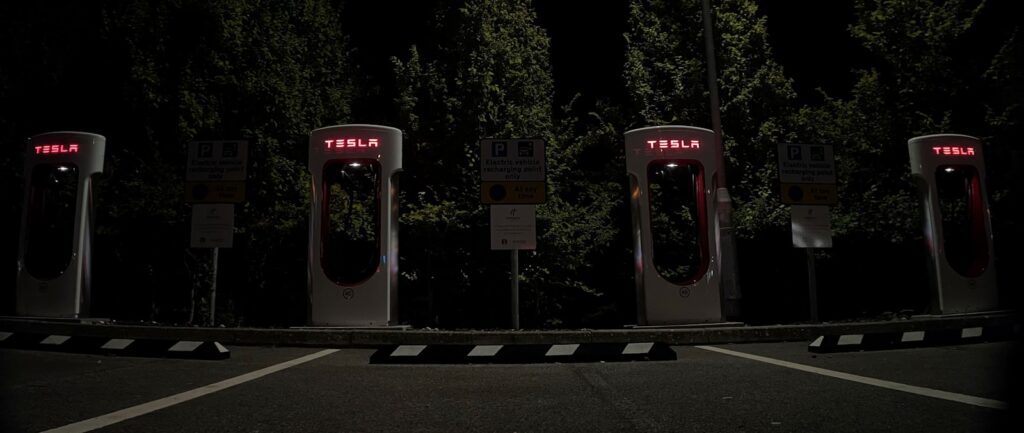
Data from iSeeCars puts into perspective just how uneven that access has been: of the near 150,000 EV chargers across the country, only about 30,000 qualify as fast chargers. Without Tesla’s Superchargers, non-Tesla drivers are left with a surprisingly small pool of reliable options.
Charging Infrastructure: Key Statistics
- 150,000 total U.S. chargers
- 30,000 fast chargers
- 20,000 Tesla Superchargers
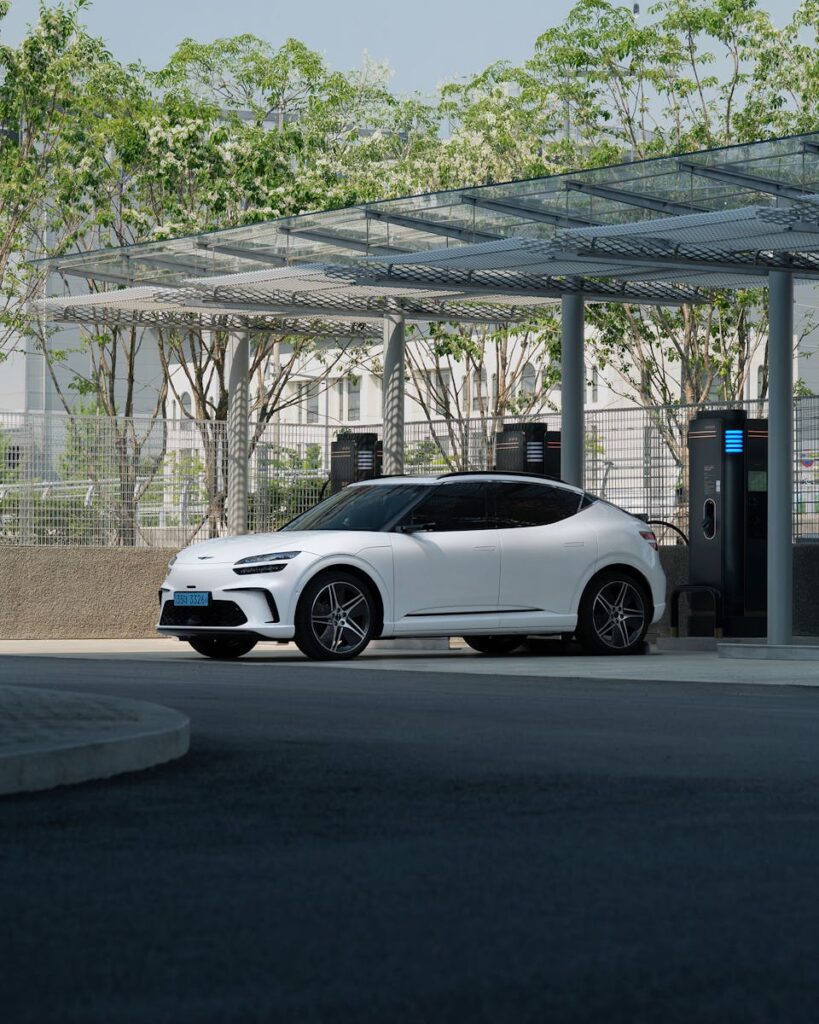
- 11,000 Non-Tesla Fast Chargers
- Rapid EV ownership growth
By opening its network, Tesla doesn’t just add capacity-it reshapes availability. In some areas, charger access leaps from a handful to dozens. That kind of scale improvement can change consumer sentiment almost overnight, accelerating adoption.
5. New challenges: congestion & competition.
But opening the Supercharger network comes with risks, too. With more vehicles having access, congestion becomes a legitimate concern: Tesla owners will be waiting longer in lines, which could irritate users and test Tesla as the company pursues an ambitious expansion plan just when demand is heating up.
Possible Disadvantages of Open Access
- Longer waiting times
- Station overcrowding
- Customer dissatisfaction
- Infrastructure strain
- Need for Rapid Expansion
Of course, this is the classic trade-off: the solving of one problem may introduce another. But these are problems far preferable to stagnation; these represent growing pains of a system finally moving toward mainstream adoption rather than signs of failure.
6. Why Tesla Gave Up Its Biggest Advantage
For years, Tesla’s Supercharger network was its most powerful competitive weapon. Once others closed the gap on both range and technology, charging exclusivity kept Tesla one step ahead. Giving that up seems counterintuitive-unless it is viewed through a broader strategic lens shaped by revenue opportunities and market realities.
Strategic Motivations for the Shift
- New recurring revenue streams
- Infrastructure asset monetization
- Strengthening industry influence
- Supporting EV Adoption
- Appeasing Investors
By monetizing exclusivity, Tesla is turning its network into a utility-like operation. Wall Street cheered because it finally realized that Tesla’s valuation reached well beyond vehicle sales into infrastructure, software, and energy services.
7. Financial Pressures & Market Headwinds
Tesla’s strategic pivot comes as the carmaker is battling financial headwinds. Weakening global demand and fierce competition have weighed on sales, while broader market uncertainty has eroded margins. A scenario that makes steady revenue-generating partnerships all the more appealing.
Economic Factors Affecting Tesla’s Strategy
- Slowing EV Market Growth
- Increasing competition
- Decreasing profit margins
- Stock price volatility
- Investor Expectations
These pressures are offset by supercharger partnerships. They do so by diversifying sources of income and reinforcing Tesla’s relevance, as the EV market becomes increasingly crowded and less forgiving.
8. The EV Tax Credit Reversal
Tesla’s changing stance on the federal EV tax credit highlights shifting realities. Once dismissive of subsidies, Elon Musk had argued Tesla could thrive without them. However, proposed legislation threatening the credit has prompted a sharp reversal-one reflecting Tesla’s evolving needs.
Why the Tax Credit Matters Now
- Lower effective prices of vehicles
- Growing consumer demand
- Competitive balance
- Market stability
- Revenue Protection
The credits have become crucial in the light of flagging sales and shifting public sentiment. While the credits benefit buyers directly, they have indirectly become critical for manufacturers through their effect on demand.

9. Public Perception and Familiarity Gaps
With the growing visibility of EVs, their familiarity remains surprisingly low. Consumer Reports found that many Americans have never even seen an EV in their community, and such a lack of exposure fuels skepticism, slowing down the pace of adoption more than technology limitations ever did.
Barriers Created by Unfamiliarity
- Limited exposure to the real world
- Misinformation
- Fear of change
- Perceived Complexity
- Social hesitation
The fact that Tesla was originally positioned as a luxury, tech-forward brand likely contributed to these three barriers. Today, it’s slowly changing with the diversification of EVs, after which doors are opening to broader demographics.
10. Shifting the EV Narrative to Practicality
The story of the EV has been transitioning from a tale of futuristic novelty to everyday practicality. With more affordable models, a growing used market, and transparent cost comparisons, consumer attitudes are shifting and the conversation is moving away from glamour to value, reliability, and long-term savings.
What’s Driving the Narrative Shift
- Smaller average price differences
- Expanded model variety
- Used EV availability
- Cost-of-ownership education
- Urban driving benefits
This reframes EV from aspirational to accessible. As more and more drivers see their peers adopt electric cars, hesitation turns to curiosity and confidence.