

The King’s Return: Is Dodge Unleashing a New Viper
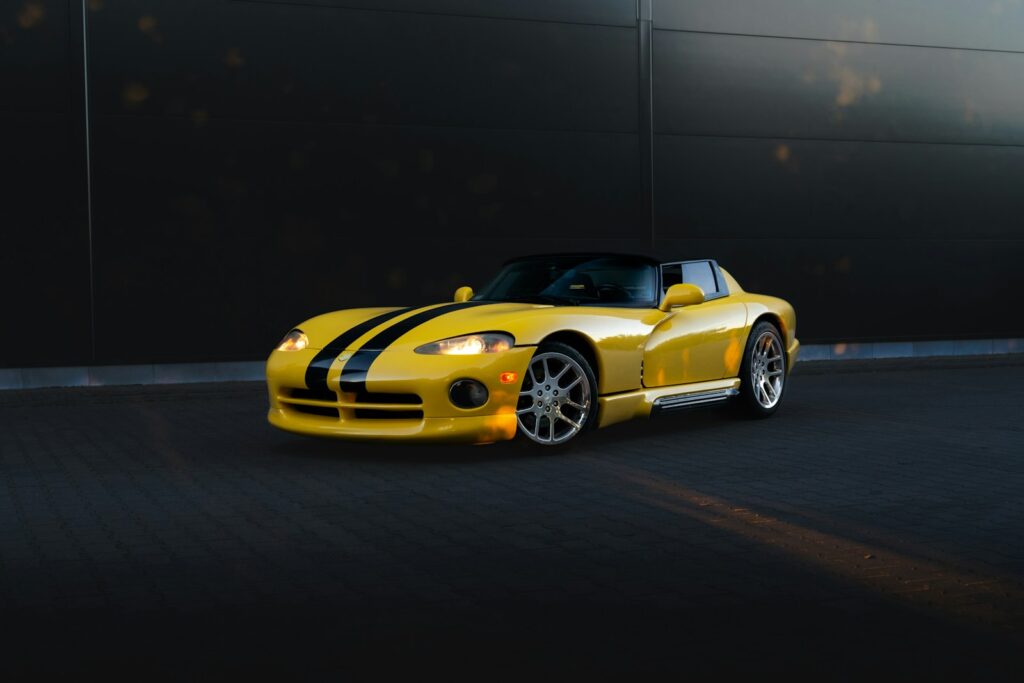
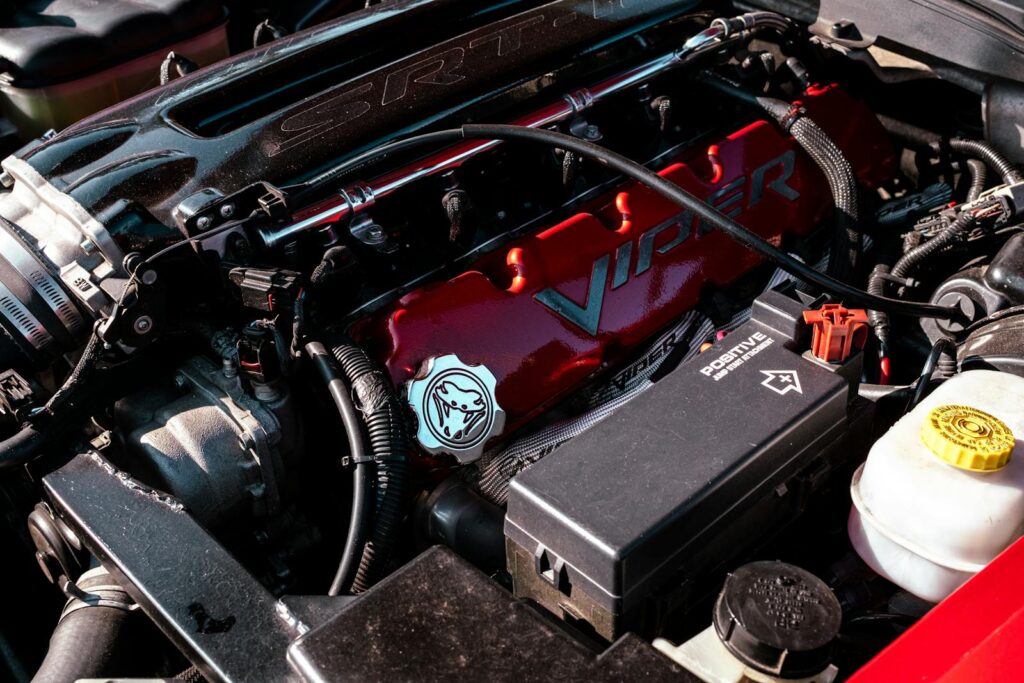
Cars are cars, and then there are cars that become legends, machines so raw that no sheet metal or horsepower figure can fully explain their presence. The Dodge Viper was never just transportation. It was an attitude forged in steel and fueled by pure American defiance. Loud, unapologetic, and brutally abrasive, it felt less like a car and more like an engine given four wheels. For 26 unforgettable years, it delivered thrill and danger to drivers who craved something wild and untamed.
Why the Viper Became a Legend
- Massive naturally aspirated V10 engine
- No-nonsense, driver-focused design
- Aggressive styling with side-exit exhausts
- Minimal electronic interference in early models
- A reputation for being thrilling and intimidating
When production ended in 2017, it left behind more than an empty factory line. It created an emotional void for enthusiasts who valued sound, fury, and fearlessness. Now, whispers of a comeback are growing louder. The industry is watching closely, wondering if the serpent of Detroit is preparing to strike again.
1. Identity Crisis at Dodge in the Electrified Era
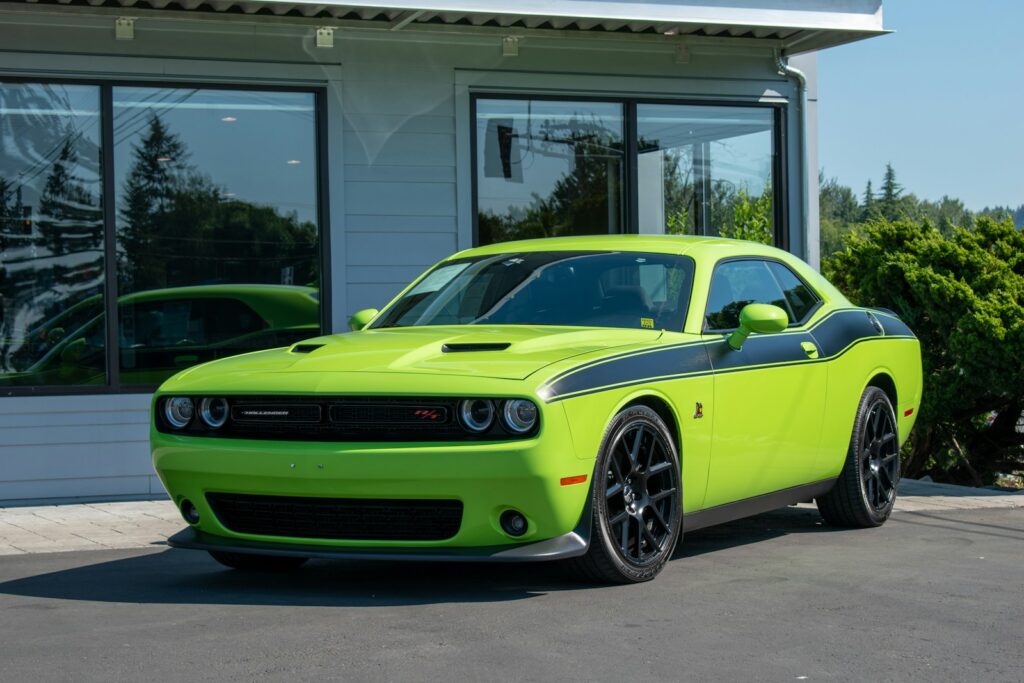
Dodge is navigating turbulent waters as electrification accelerates under Stellantis. The introduction of the Dodge Charger Daytona marked a radical technological shift. While impressive on paper, it failed to ignite universal enthusiasm among longtime fans. Sales softened, and frustration spilled across forums and social platforms. Dodge leadership has acknowledged that the backlash stings. More importantly, there has been a philosophical shift, with V8 power no longer being treated as a forbidden concept within the company. That single change has reignited hope among performance purists and suggests Dodge may not be abandoning its roots entirely.
Challenges Dodge Currently Faces
- Transition from V8 power to electric platforms
- Mixed reception to the Charger Daytona EV
- Declining sales in key performance segments
- Stricter global emissions regulations
- Disconnect with traditional muscle car enthusiasts
2. The Rumors: What a New Viper Could Be
Speculation around a revived Viper has intensified. Purists want a modern car that honors the original formula: a long hood, rear-wheel drive, a manual gearbox, and a naturally aspirated powerhouse. Insiders suggest Dodge understands these expectations and may aim to balance innovation with tradition rather than replace it. Hybrid options worry loyalists. For many, the Viper identity is inseparable from displacement, volume, and mechanical aggression. Taming it too much could alienate the very audience eager for its return.
Engine Possibilities Being Discussed
- Modernized naturally aspirated V10 with raw exhaust note
- 700+ horsepower supercharged 6.2-liter V8
- Limited-edition V12 concept
- Possible shared powertrain within the Stellantis group
- Hybrid V6 or inline-six alternatives
3. Mid-Engine Revolution or Front-Engine Tradition?
Historically, the Viper has always been a front-engine, rear-wheel-drive brute. Its exaggerated hood defined both its proportions and personality, symbolizing power waiting to be unleashed. Drivers felt directly connected to the mechanical heart ahead of them, creating a visceral experience unlike anything else. A mid-engine setup could elevate performance dramatically. However, such a transformation risks reshaping the Viper’s identity. Fans fear losing the raw essence that made it legendary.
Layout Directions Under Consideration
- Traditional front-engine, rear-wheel-drive configuration
- Potential mid-engine architecture
- Platform sharing with existing performance models
- Advanced lightweight chassis construction
- More aggressive aerodynamic development
4. Two Halo Cars? Dodge’s Unexpected Strategy
There is also speculation that Dodge may not limit itself to a single halo model. Instead, the brand could introduce both a flagship supercar and a more affordable performance vehicle, offering enthusiasts multiple entry points. This approach makes business sense. Dodge currently lacks a low-cost gateway performance car, while its newer models sit at higher price points. A budget-friendly sports car could attract younger drivers, while a revived Viper would stand as the brand’s emotional and performance pinnacle.
Potential Two-Car Performance Strategy
- High-end flagship performance model
- Affordable sub-$30,000 enthusiast-focused car
- Pure, driver-oriented experience
- Lightweight, minimalist design philosophy
- Fun-first approach inspired by raw recreational vehicles
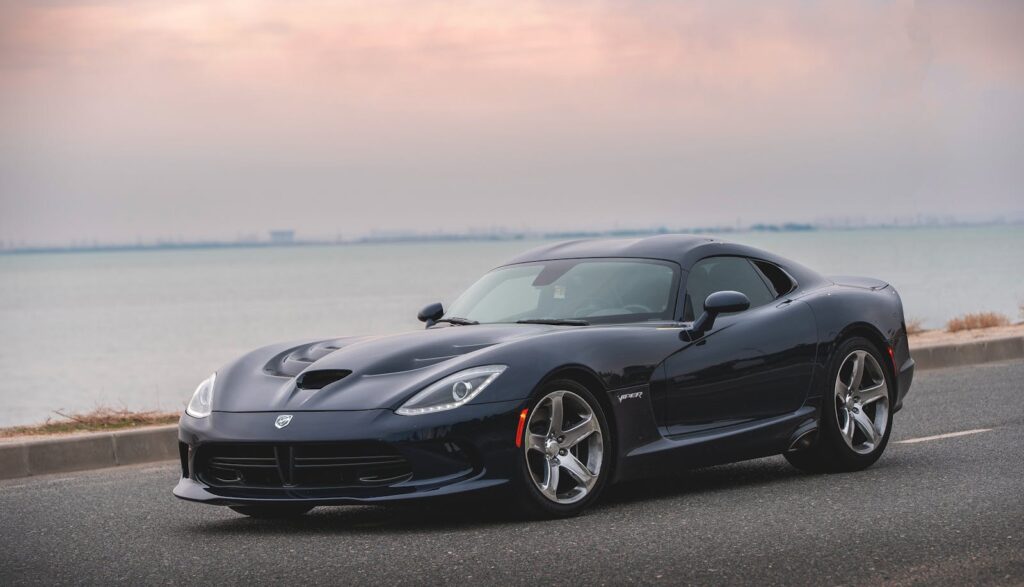
5. A Retrospective: The Birth of the Viper in 1991
Understanding the Viper’s potential return requires revisiting its origins. When it debuted in 1991, it arrived like a thunderclap. With 400 horsepower from a massive V10, no traction control, and zero apologies, it punished careless driving and rewarded courage. Comfort was never the goal. The Viper was meant to be a statement, allowing drivers to feel every vibration and combustion cycle. It stood apart in an era increasingly obsessed with refinement.
Original 1991 Viper Highlights
- 8.0-liter naturally aspirated V10
- 400 horsepower output
- 0–60 mph in approximately 4.6 seconds
- Minimal electronic assistance
- Aggressive roadster styling
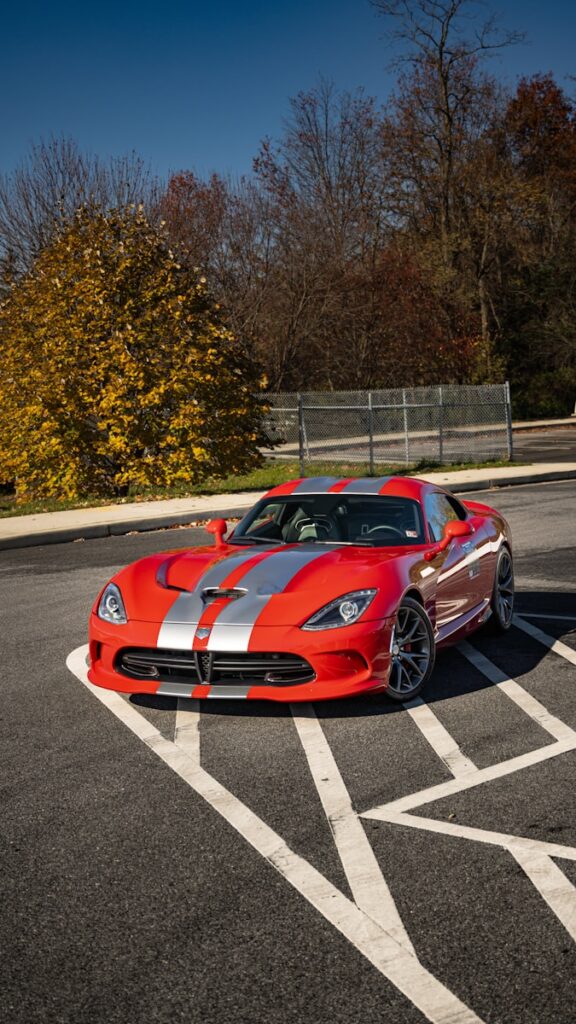
6. The Metamorphosis of the Supercar Slayer
In 1996, the second generation introduced the iconic GTS Coupe, raising output to 450 horsepower. Each generation refined the formula without dulling its edge. Later versions pushed displacement to 8.3 liters and beyond, producing 500 horsepower and immense torque. At this point, the Viper transcended muscle car status, competing directly with European exotics and often outperforming them at a lower cost.
Power Growth Over the Years
- 450 horsepower in the SR II generation
- 500 horsepower in the ZB generation
- 600 horsepower in later variants
- Torque exceeding 560 lb-ft
- Sub-4-second 0–60 mph performance
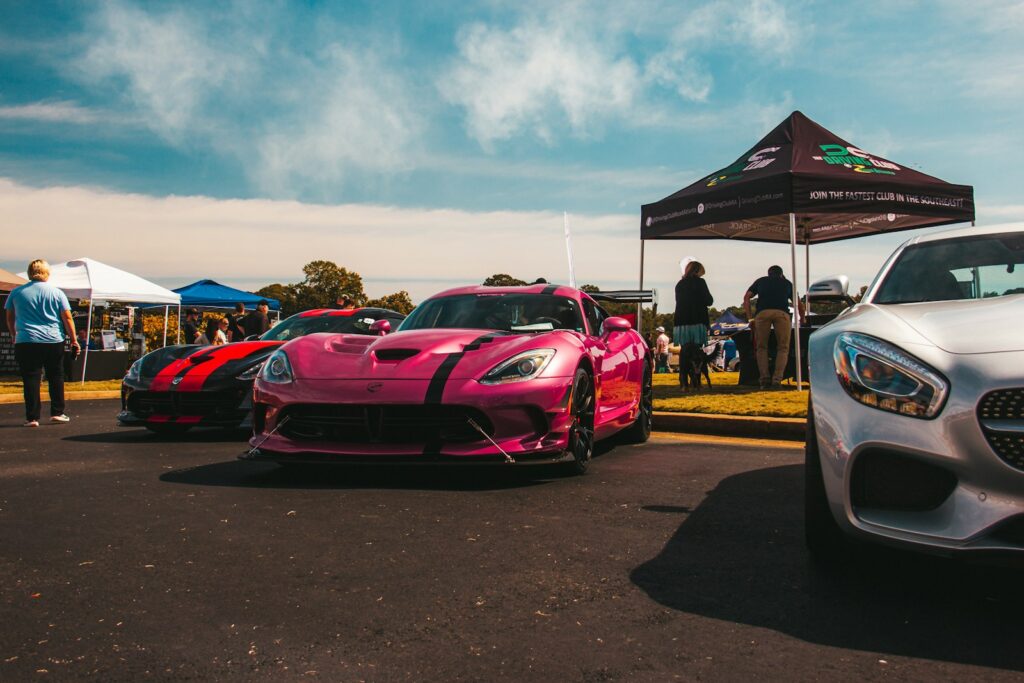
7. The Final VX Generation and ACR Legacy
Launched in 2013, the VX generation became the most advanced Viper ever built. Handling, electronics, and aerodynamics improved while preserving the car’s aggressive soul and V10 fury. The ACR shattered lap records at major circuits, cementing the Viper’s global performance credentials. When production ended in 2017, it felt less like a conclusion and more like an unfinished story.
VX Generation Achievements
- Most refined Viper platform ever produced
- Significantly improved chassis rigidity
- Advanced aerodynamic package
- Modern driver aids without over-sanitization
- Creation of the extreme ACR variant
8. Fan Reactions: Fear, Hope, and High Expectations
The possibility of a revival has sparked equal parts excitement and anxiety. Enthusiasts fear the nameplate could be diluted, yet they remain hopeful that authenticity will prevail. The Viper was never built to chase competitors. It carved its own path, ignoring convention and focusing solely on delivering an unforgettable driving experience.
What Fans Want Most
- Rear-wheel drive configuration
- Manual transmission availability
- High-displacement internal combustion engine
- Aggressive, unmistakable design
- Performance prioritized over luxury
9. The Bigger Picture: A Defiant Stand for Old-School Power
If the Viper returns, it will represent more than a product launch. It would be a declaration that traditional performance still matters in an electrified world. While EVs dominate headlines, a passionate audience still craves sound, vibration, and mechanical drama. Nothing is official yet, but optimism continues to grow. If the snake awakens once more, it will not do so quietly. It will return louder, angrier, and more unforgettable than ever.
What a Viper Comeback Would Represent
- Commitment to enthusiast-driven culture
- Celebration of internal combustion engines
- Preservation of American muscle heritage
- A true halo model for brand identity
- A reminder that driving should stir emotion