

The Next Camaro: GM’s Plan for a Bold, Affordable Reinvention
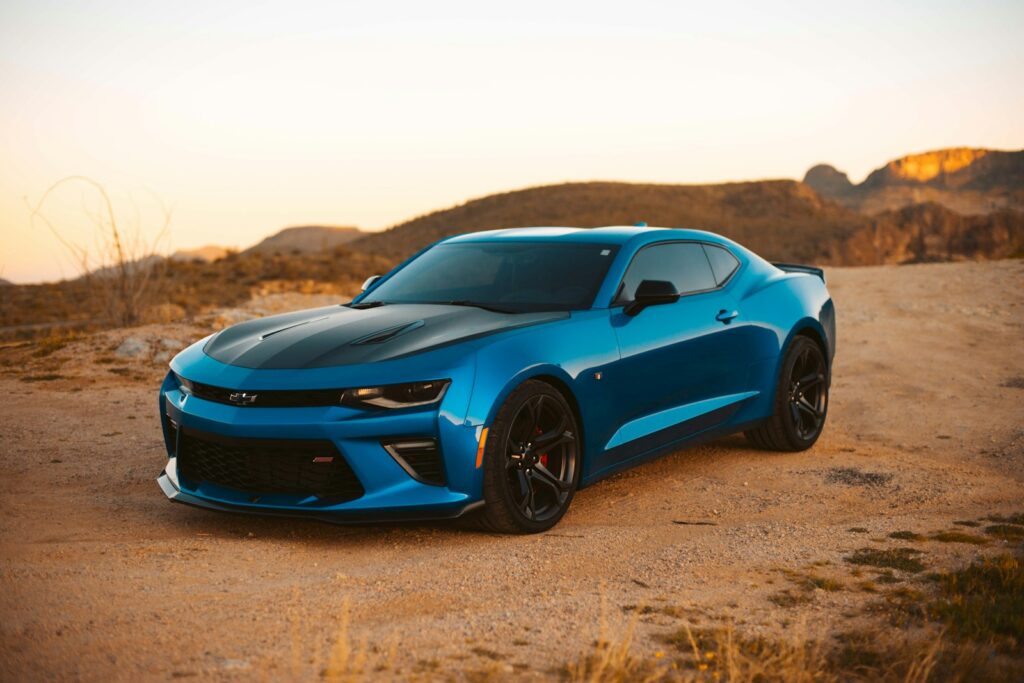
By the time the last Camaro rolled off the line in December 2023, marking the end of the sixth generation, it felt like the close of a powerful era in American automotive history. This badge had symbolized affordable performance, defiant styling, and the unmistakable rumble of a V8 for decades. Its exit left fans wondering whether the industry’s shift toward SUVs and electrification had claimed another muscle car victim.
The Farewell: The Important Moments
- The sixth generation ceased production in December 2023
- The Camaro represented accessible American performance
- Market demand shifted toward SUVs and crossovers
- Electrification raised fears about the future of muscle cars
- Uncertainty surrounded whether the Camaro name would disappear or change radically
The unknown future made its departure even more emotional. As the car market shifts toward electric platforms and family-friendly crossovers, two-door coupes have struggled to remain viable. For many fans, production ending was not just about losing a vehicle it was about losing a piece of identity tied to speed, freedom, and aggressive design.
1. Another Vision of Mark Reuss
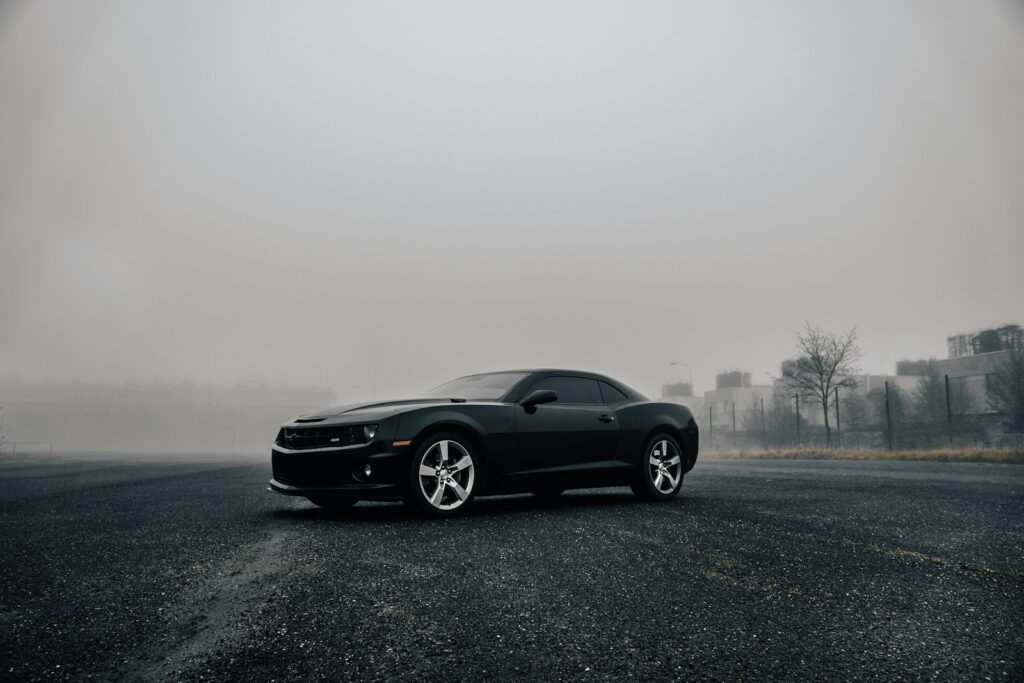
Surprisingly and refreshingly, GM President Mark Reuss clarified that the Camaro would not simply become a clone of the Ford Mustang Mach-E. Speaking about the brand’s future, he emphasized that any new Camaro must remain faithful to its performance heritage rather than follow trends that misrepresent its values and spirit. Reuss’s remarks suggest more than nostalgia. They reflect strategic recalibration at General Motors. Instead of blindly following the electric crossover boom, leadership appears to be considering how to reinvent Camaro while balancing modern demands with its historic DNA. That careful balance may determine the success of its next chapter.
Reuss’s Strategic Direction
- Rejects making the Camaro a direct Mach-E competitor
- Focuses on celebrating Camaro’s performance tradition
- Seeks to attract younger consumers
- Encourages innovation without abandoning identity
- Indicates further strategic deliberations are underway
2. Sales Reality and Market Pressure
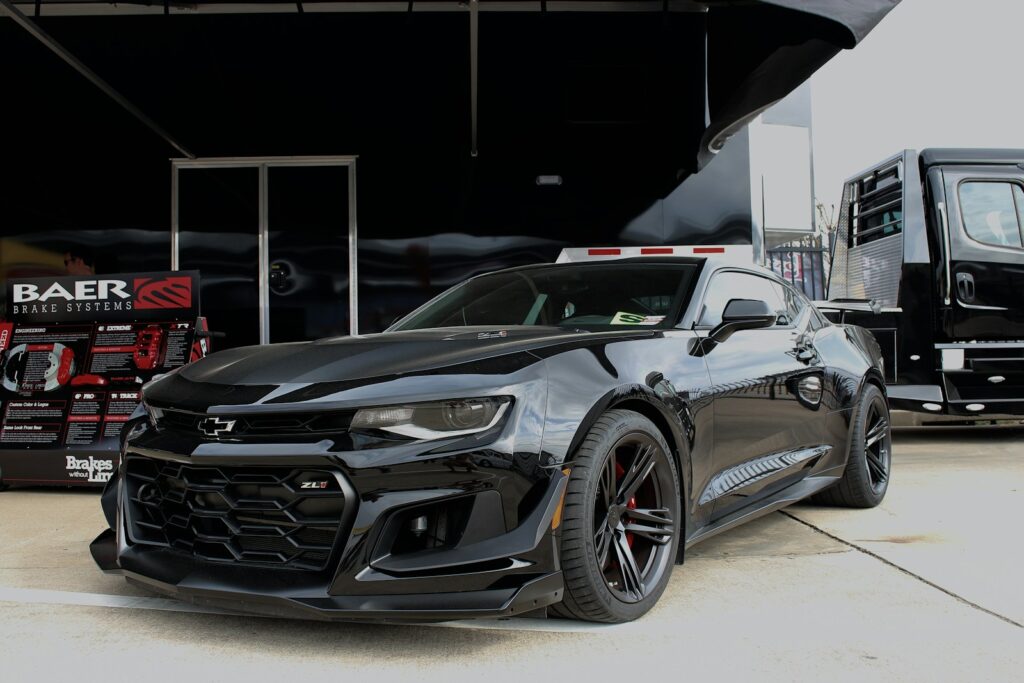
Despite a loyal fan base, the final production year revealed significant market challenges. Although 2023 saw a visible sales bump likely fueled by collectors and farewell buyers overall numbers remained modest compared to other Chevrolet models. These statistics reveal a difficult truth: passion alone cannot sustain production. Modern consumers prioritize space, versatility, and practicality. While the Camaro excelled on track days, rear-seat space and visibility were ongoing drawbacks. In a practicality-driven market, those compromises became harder to justify.
The Numbers That Matter
- 31,028 units sold in 2023
- Sales increased 25.9% year over year
- Fewer units sold than the Corvette (34,353 vehicles)
- Outsold by the Chevrolet Express van
- Two-door coupe demand continues declining nationwide
3. Reinventing the Camaro Formula
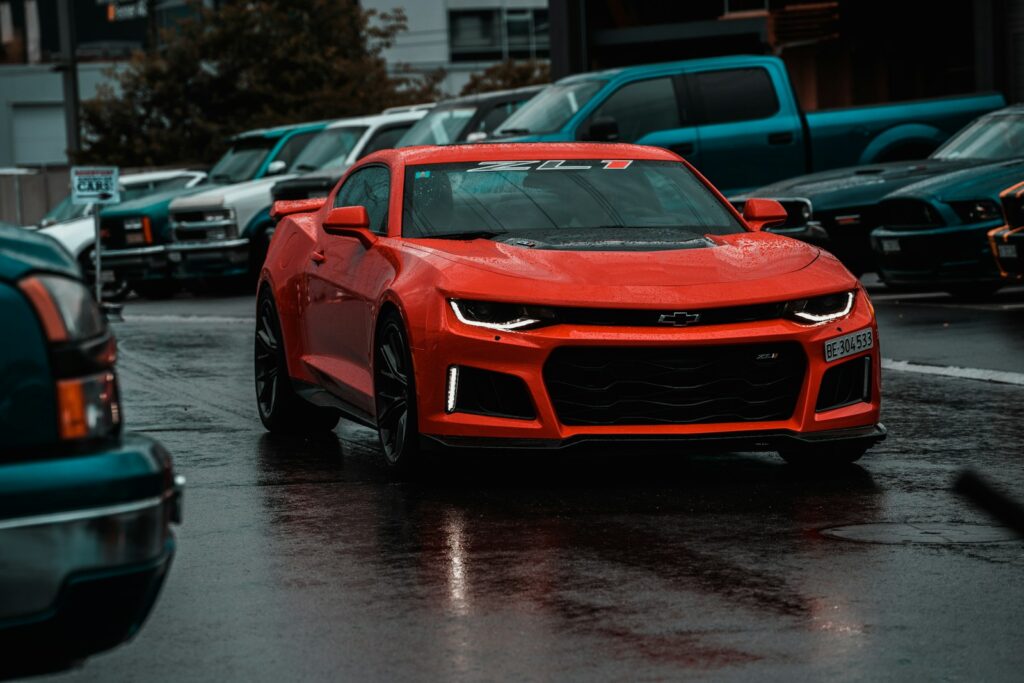
To survive in today’s environment, the next Camaro must appeal beyond die-hard muscle enthusiasts. Mark Reuss has hinted at combining design appeal, usability, and driving excitement a shift from earlier generations that emphasized performance over daily practicality. A more balanced Camaro could attract buyers who love performance but also need practicality. Bridging enthusiast excitement with daily drivability may expand the badge’s relevance without sacrificing its competitive edge.
Elements of the New Formula
- Increased everyday usability
- Improved outward visibility
- Better rear-seat practicality
- Retained sporty character and styling
- Broader audience targeting beyond purists
4. The Possibility of a Four-Door Camaro
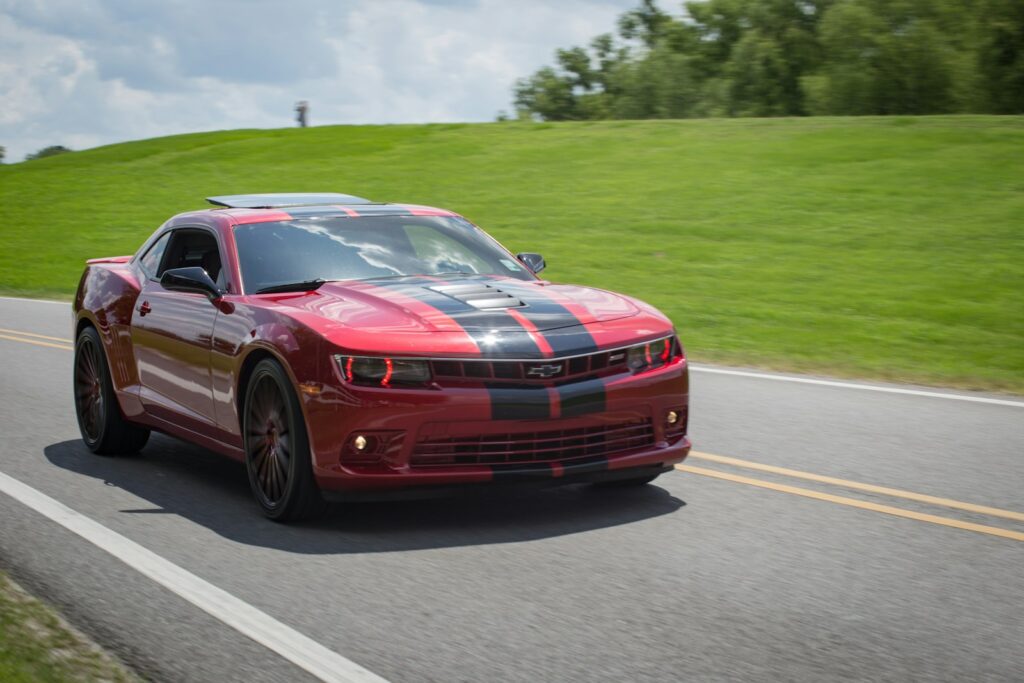
Recent discussions suggest a future Camaro might adopt a sleek four-door sedan format with coupe-inspired proportions. This approach would enhance practicality while preserving sporty aesthetics. It could also fill the gap left by the discontinued Malibu. While controversial among purists, a four-door format opens significant opportunity. Competitors are exploring similar paths. A performance-oriented Camaro sedan could attract new customers while maintaining emotional appeal.
Why a Sedan Makes Sense
- More cargo and passenger space
- Appeals to families and professionals
- Replaces the Malibu’s market gap
- Maintains coupe-like styling
- Aligns with global sedan demand
5. Strategic Positioning and Competitive Landscape
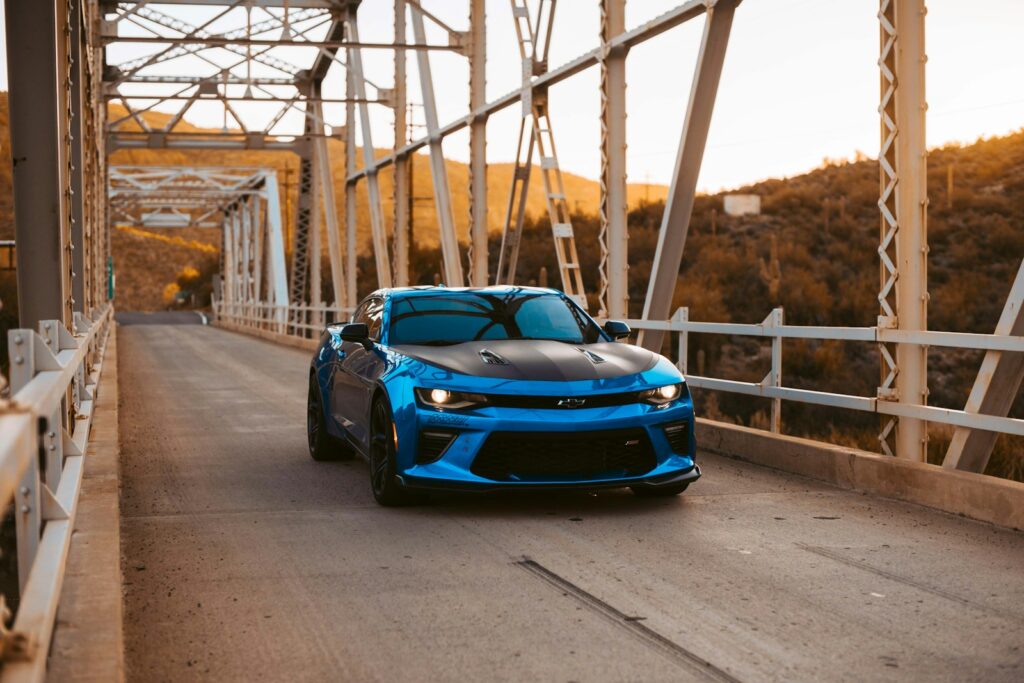
If introduced as a sedan, the Camaro would compete with vehicles like the new Dodge Charger and potential four-door Mustang variants. With strong brand equity and competitive pricing, Chevrolet could position it as an accessible performance alternative. Rather than crowding the crossover segment, a Camaro sedan would carve its own lane separate from Equinox or Blazer EV models.
Market Opportunities Ahead
- Competes with modern Dodge Charger models
- Potential rivalry with future Mustang variants
- Opportunity to undercut premium EV sedans
- Leverages decades of brand recognition
- Establishes a unique performance niche within Chevrolet
6. Pricing Strategy and Accessibility
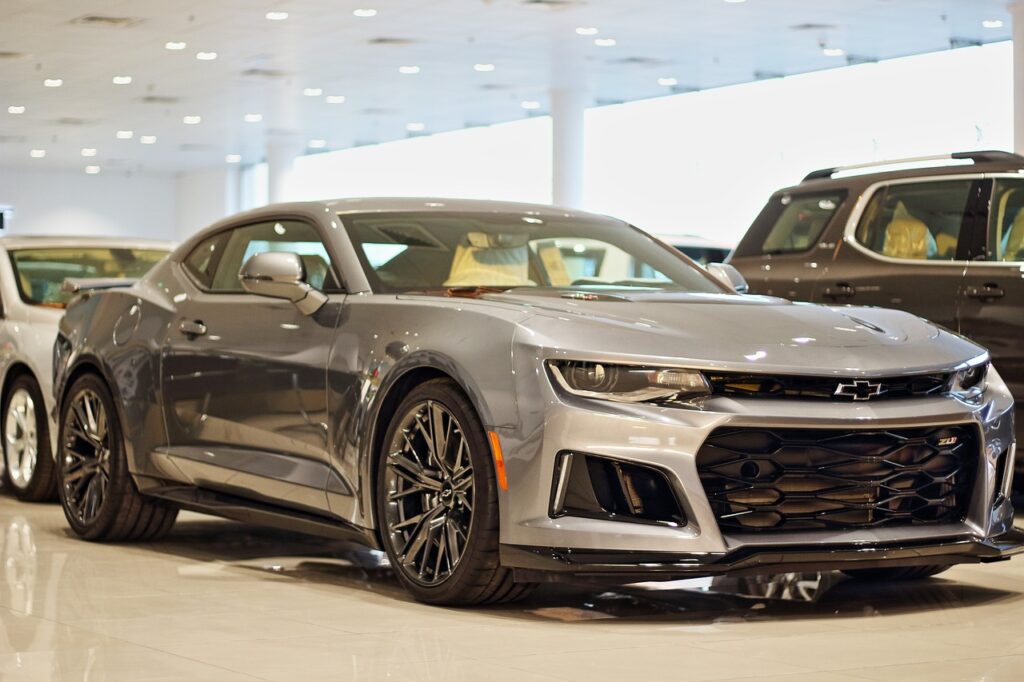
One of the most intriguing elements is pricing. Reuss suggested a potential entry point similar to the next-generation Chevrolet Equinox EV, beginning around $34,995. With federal incentives, effective pricing could drop significantly. A sub-$30,000 Camaro performance sedan would disrupt the market. Affordability has always been central to its identity.
Affordability Factors
- Target price aligned with Equinox EV base model
- Potential eligibility for $7,500 federal tax credit
- Effective cost could fall below $30,000
- Lower entry price than future gas-powered models
- Positioned as a performance value proposition
7. Ultium Platform and Battery Challenges
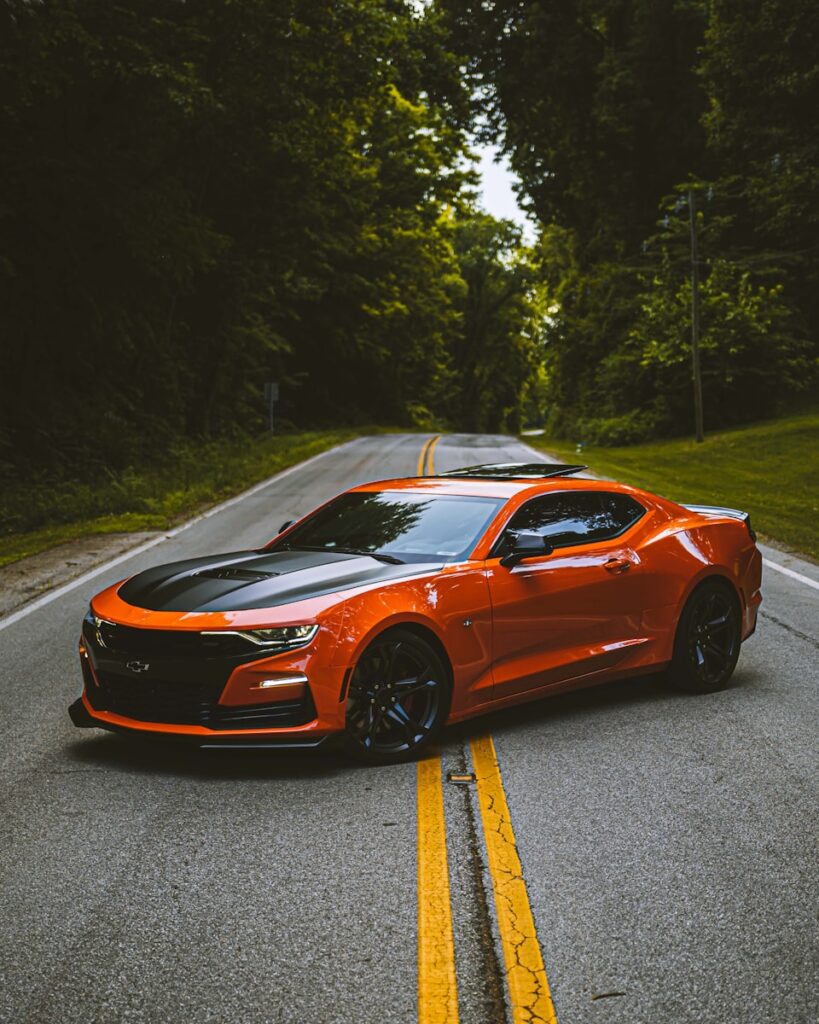
An electric Camaro would likely utilize GM’s Ultium architecture. However, aggressive pricing depends on efficient battery scaling and cost reduction. Success in battery scaling would strengthen both Camaro viability and GM’s broader EV competitiveness.
Industrial Hurdles
- Reliance on GM’s Ultium platform
- Expansion of large-scale battery production
- Critical cost reductions required
- Major capital investment demands
- Long-term profitability tied to manufacturing efficiency
8. ICE Renaissance and Hybrid Possibilities
Despite EV headlines, GM appears to be keeping internal combustion options alive. Reports of an ICE “renaissance” and development of a next-generation small-block V8 suggest flexibility in powertrain planning. A hybrid Camaro blending electric torque with V8 character could satisfy both regulators and enthusiasts.
Powertrain Possibilities
- Development of next-generation small-block V8
- Hybrid integration options
- Plug-in hybrid systems targeted for 2027 models
- Continued ICE relevance within GM strategy
- Multiple drivetrain pathways under review

9. Heritage and Historical Significance
Since its debut in 1966 for the 1967 model year, the Camaro has defined the American pony car formula, competing directly with the Mustang and sharing roots with the Pontiac Firebird. After ending in 2002, Camaro returned successfully in 2009 proving its resilience and revival potential.
Legacy Highlights
- Introduced September 29, 1966
- Designed to rival the Ford Mustang
- Shared engineering with Pontiac Firebird
- Production ran 1966–2002 and 2009–2023
- Six generations completed by 2023
10. Design Teasers and Trademark Moves
Speculation increased when GM Design revealed a rendering titled “Tomorrow’s Vision Today,” showing a dramatic two-door coupe. Many interpreted it as a hint toward a seventh-generation concept. Trademark activity and teaser imagery strongly suggest preparation for a return rather than permanent discontinuation.
Signs of a Revival
- Public design rendering sparked speculation
- Classic long-hood proportions respected heritage
- Social media reveal measured enthusiast response
- Trademark filing in Cambodia in 2025
- Legal protection indicates long-term intent