







The Rocket-Powered Boeing 727: Mexicana’s Ingenious High-Altitude Solution and a Sobering Aviation Legacy
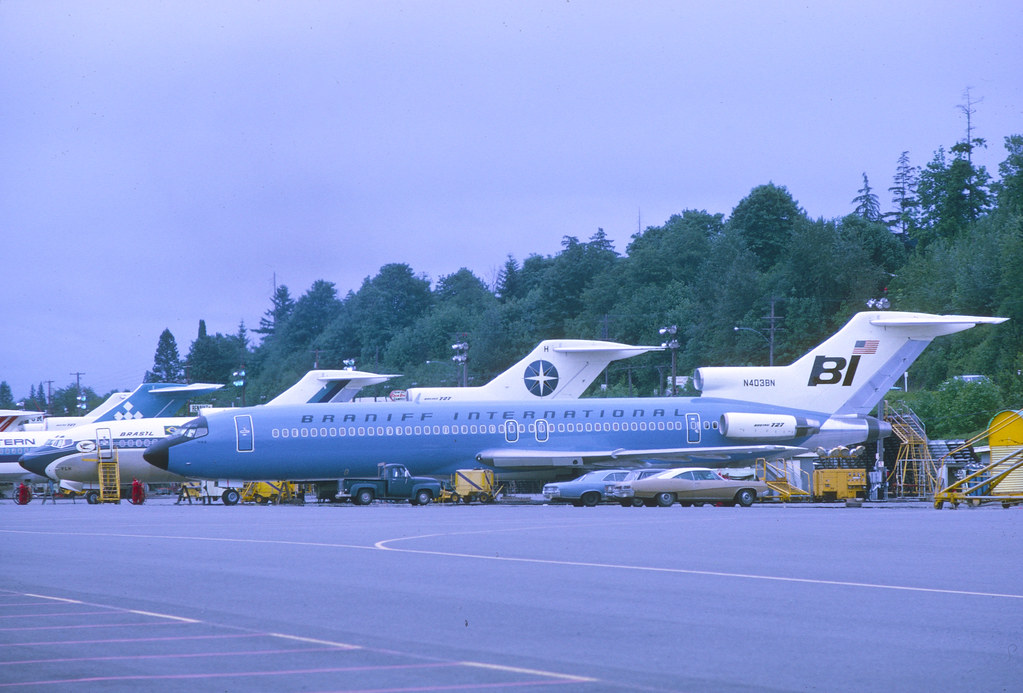
It reads like a chapter right off the pages of a thrilling science fiction novel, but the fact of the matter was even more interesting: Boeing actually tested and used rocket technology on its legendary 727 jetliner. This was not an outrageous caprice, but a most ingenious solution to a very real problem in the commercial aviation. To some of us, who have a kind of fondness in our hearts toward the old Boeing 727, commonly referred to as the Trisaurus Rex, this is just another thing that contributes to its legendary image.
In fact, the wonder we are discussing is the JATO Jet Assisted Take Off. Suppose a commercial airliner with rocket assistance to take off! It is unfortunate that this innovative feature was not adopted by all, but it was a factory option on the heavier 727-200 model. The standard 727-200 models were occasionally underpowered in its early days before the influx of the 727-200 Advanced which was fitted with more powerful JT8D engines. They had a greater weight but were basically the same in the engines as their shorter 727-100 predecessors.
At this point, however, those of you who are already preparing letters to clear the record, be assured that the reasons why JATO is not going to be standardized in the fleet are not unknown. The few 727-200s that were actually the more powerful Advanced models are the only dozen or so that were ever constructed with this special provision. This solution was created to address a very narrow issue: the work in high-altitude airports. In these high altitudes, especially during hot days, the thin air makes the wings produce less lift and jet engines produce much less power than when they are operating at lower altitudes. And this is the very reason why you find such extremely long runways at airports located in cities with high altitudes such as Denver or La Paz, Bolivia.
These environmental conditions implied that the aircraft, such as the 727-200, would frequently have to limit their cargo to offset the decreased performance, particularly to consider the critical risk of losing one of the three engines during the takeoff roll. This was especially urgent to airlines such as Mexicana which had a large network that served some of these high-altitude airports that were very challenging. These payload restrictions would greatly impair their operational efficiency without an innovative solution.
JATO-Equipped Fleet and Emergency Use Design of Mexicana
Here the Mexicana Airlines really excelled and received a dozen special 727-200s which cleverly avoided this limitation by installing JATO. These rocket units were very secretly placed in the lower aft fuselage, right behind the wings. These distinctive planes could be seen visually by a slight shallow dorsal fairing in front of the intake of the 2nd engine. This fairing was not, as some are apt to think, a reinforcement brace. Rather, it cleverly fit in part of the diverted avionics and air conditioning ducting which needed to be moved aside to fit the JATO provision.
Boeing informally referred to such remarkable planes as 727-200/JATO, and it is important to note that the installation of the rockets was aimed at emergency purposes only. These rockets were to be used only in cases of takeoff by a hot and high-altitude airport at the maximum gross weight of the aircraft. In that case, in an event where one of the engines failed when the aircraft had already surpassed V1, the decision speed at which the aircraft needed to take off, the JATO unit would fire. This sudden rush of rocket propulsion would be the much-needed impetus to the overloaded jet to shoot up to a safe altitude and become aerodynamically stable to proceed with the flight or make an emergency landing.
What was really brilliant about this system was that it enabled Mexicana to fly its 727-200s at full payload enabling them to unlock the much-needed economic benefits on their routes. It implied that the number of passengers and cargo that could be transported on each flight was increased, and the natural limitations that were imposed by high-altitude operations were overcome. It was a simple and straightforward solution to a complicated engineering and operational problem, a test of ingenuity in aviation design. Nevertheless, as many innovative technologies, the JATO provision was later rendered outdated due to the subsequent development of the engines. The next generation of JT8D engines came with the introduction of Automatic Power Reserve (APR) which turned out to be the game-changer. The APR systems were to detect a reduction in power in case an engine failed during takeoff and automatically increase the power of the remaining two engines by a considerable percentage. This made the necessity of auxiliary rocket propulsion an interesting, but long-gone day in the history of the Boeing 727.
Change to Mexicana Flight 940 Disaster
Although we are astonished by the clever JATO system used by the Boeing 727-200s of Mexicana, which is evidence of the overcoming of the high-altitude operation difficulties, the tale of this fleet is not without deep tragedy. On a sad note, we explore the tragic accident of the Mexicana Flight 940, an incident that not only left a mark in the history of the aviation industry but also prompted some much-needed changes in the maintenance of the aircrafts and their working procedures.
Mexicana de Aviacion Flight 940, a scheduled international flight, had a disastrous end on March 31, 1986. Registered as XA-MEM, the Boeing 727-200 crashed on the El Carbon mountain in the northwest of Mexico City killing all the 167 people on board. It was the deadliest airplane accident in Mexico and the deadliest Boeing 727 accident. Leaving Mexico City International Airport at 08:50 local time, the crew observed that there was an unusually heavy feel during takeoff necessitating full thrust.
A minute later at 29,400 feet, a ferocious explosion in the fuselage resulted in an instantaneous loss of cabin pressure, and oxygen masks were deployed. A fire was reported to be rapidly increasing below the cabin floor, and the cabin was filled with smoke, and the rear fuselage was very hot. Although the crew members tried desperately, the growing fire and the visible smoke through the tailplane meant that the situation was out of control and the altitude was lost very quickly.
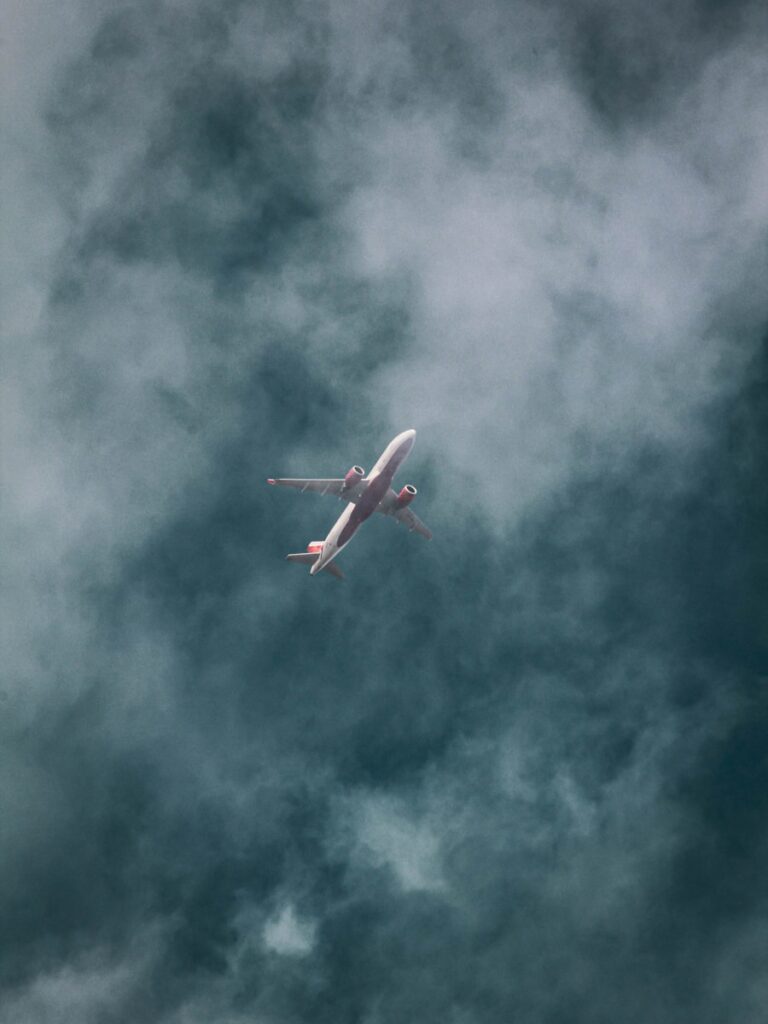
The inferno had devastating structural damage, fusing much of the rear fuselage. The tail part with all the three engines crashed in the middle of the flight. The disintegrated plane crashed into El Carbon Mountain where it exploded into flames. The remote and rugged terrain made rescue operations incredibly difficult and 500 staff and mules and donkeys were used to carry victims out of the debris that was scattered.
Safety Changes and Accident Investigation
The ensuing Mexican government and NTSB investigations ruled out the possibility of sabotage and determined that an explosion in the left wheel well was the cause of the accident. This was as a result of a grossly overheated tire that had a lot of drag during takeoff because of a faulty brake assembly. The tire got very hot and it was over 871 degrees Celsius, and the loose linings were creating a lot of friction.
When retracted, the overheated landing gear was contained in the unventilated wheel well. The tire with flammable air rather than the inert nitrogen still heated up, which caused autoignition and a strong burst. This explosion tore open high-pressure fuel feeder lines and hydraulic lines that were directly over the wheel well.
The spillage of pouring fuel and hydraulic fluid on the superheated materials triggered an uncontrollable inferno. This fire was made worse by a chimney draft effect and melted 40 square meters of the airframe, leading to structural collapse and the in-flight separation of the tail section, which eventually closed the tragic fate of the aircraft.
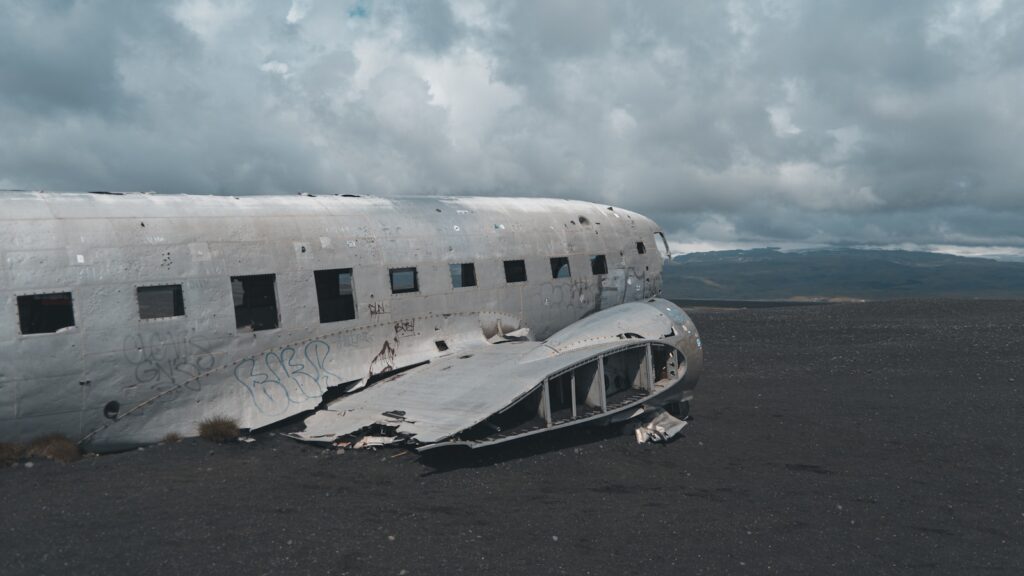
Flight 940 loss triggered much in terms of safety. The Mexican officials came up with seven guidelines such as the use of wheel-well temperature-detecting systems, improved ventilation, and the use of inert nitrogen that is mandatory in filling tires. The FAA of the U.S. reacted a year later with an Airworthiness Directive that mandated the use of dry nitrogen or other inert gases in the tires of most commercial airliners on the braked wheels. This catastrophic event resulted in the basic improvements of safety standards worldwide.
Lasting Lessons of Engineering Success and Failure
The history of the Boeing 727 fleet of Mexicana is the history of the entire aviation industry, as the incredible resourcefulness of JATO-powered planes to overcome the high-altitude restrictions, as well as the tragic crash of Flight 940, which redefined the maintenance and safety standards in the aviation industry. Combined, these chapters emphasize the fact that innovation and tragedy are frequently present together in the aviation industry, as both drive the industry to safer and more resilient designs. The innovations developed to address performance issues and the bitter lessons of disastrous failure both remain in the current standards to remind us that every improvement in air travel has a history of unremitting problem-solving, accountability and the continued dedication to secure every life that boards an aircraft.