


The SR-72: Forging the Future of Hypersonic Reconnaissance
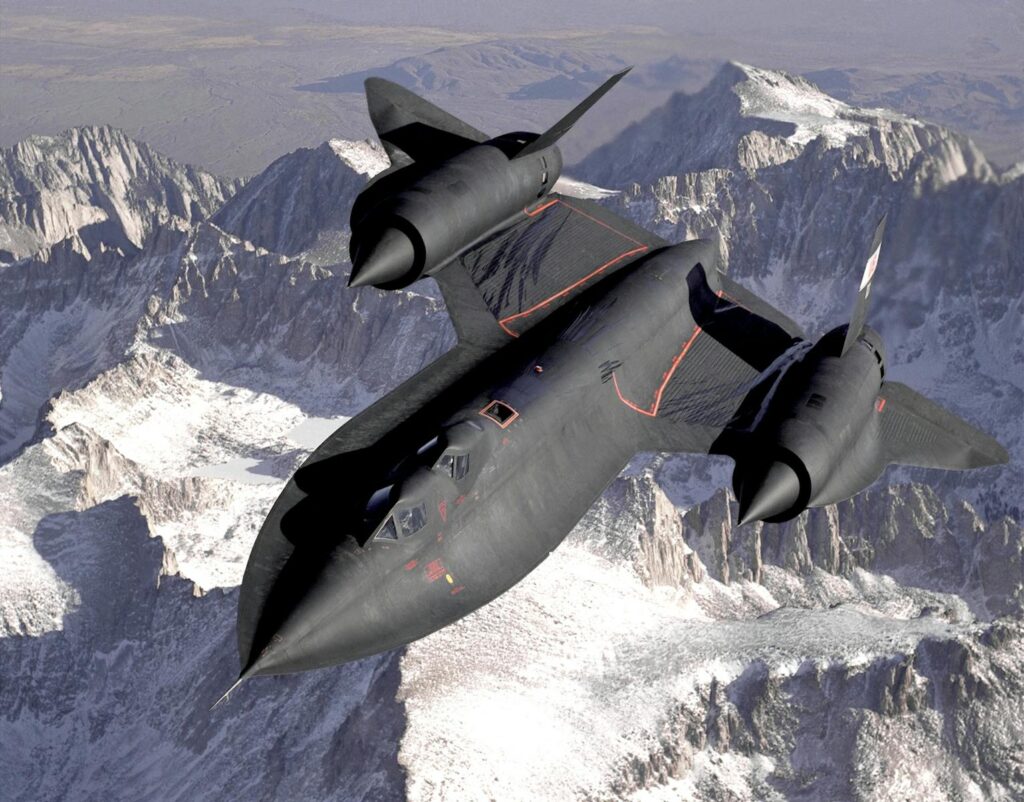
The story of high-speed reconnaissance aircraft is really interesting. It is about mystery and people wanting to achieve something. From the days of flying with jets to the new ideas we have today speed is a big part of how countries gather information and show their power. The Blackbird is special because it is an example of how good technology and strategy can come together. It has had an impact on how people think about aviation today.
As the world changes and technology gets better countries need to be able to get information. They need to be able to respond to what is happening on the ground. Satellites and regular aircraft are still important. They are not always fast enough. This is why people are interested in building aircraft that can fly fast. They want to be able to get to places in a short amount of time.
The idea of the SR-72 is part of this. Some people call it the “Son of Blackbird”. It is an idea for the future of reconnaissance and strike capability. We do not know a lot about the SR-72 program. The ideas behind it are interesting. They show how speed and advanced engineering could change the way we think about war in the air. The SR-72 is, about being fast and able to adapt to situations. It is an idea that could change everything.
1. The Lasting Impact of the Blackbird
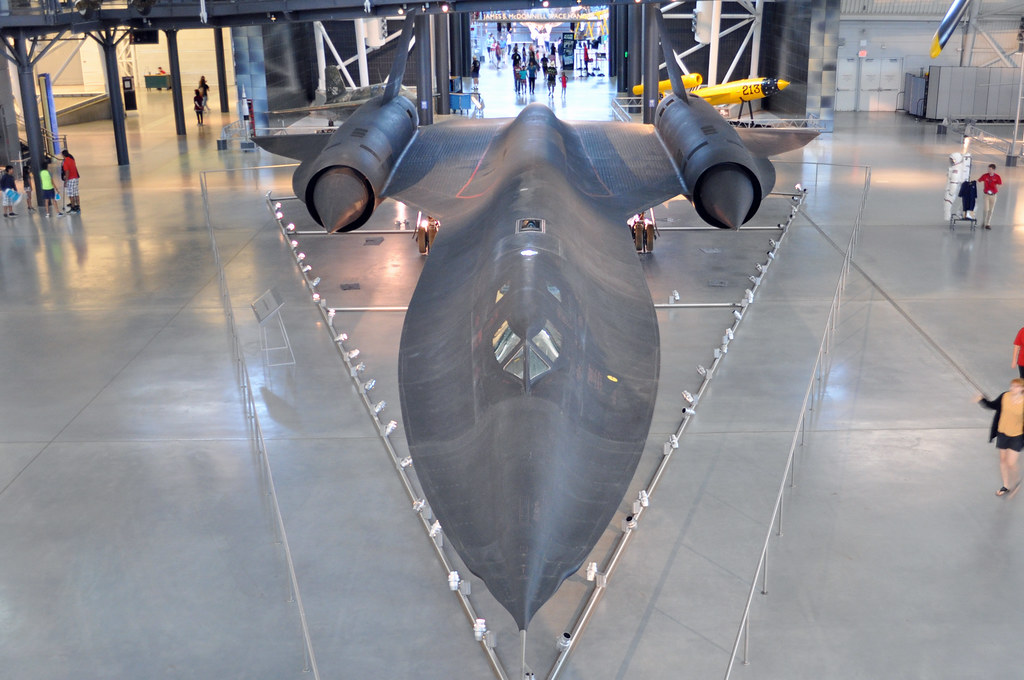
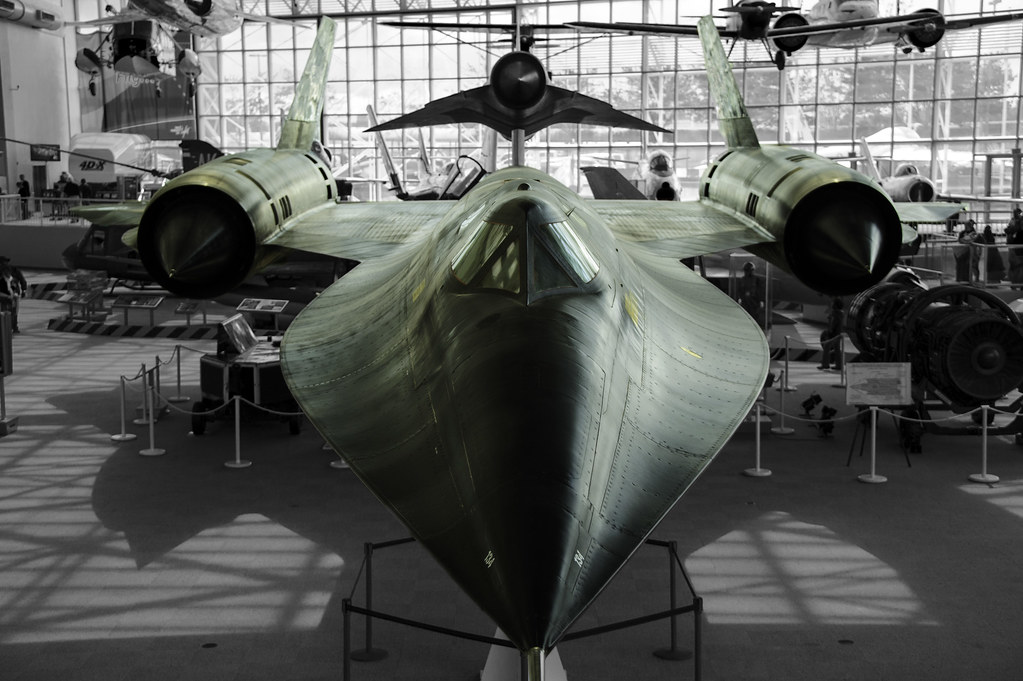
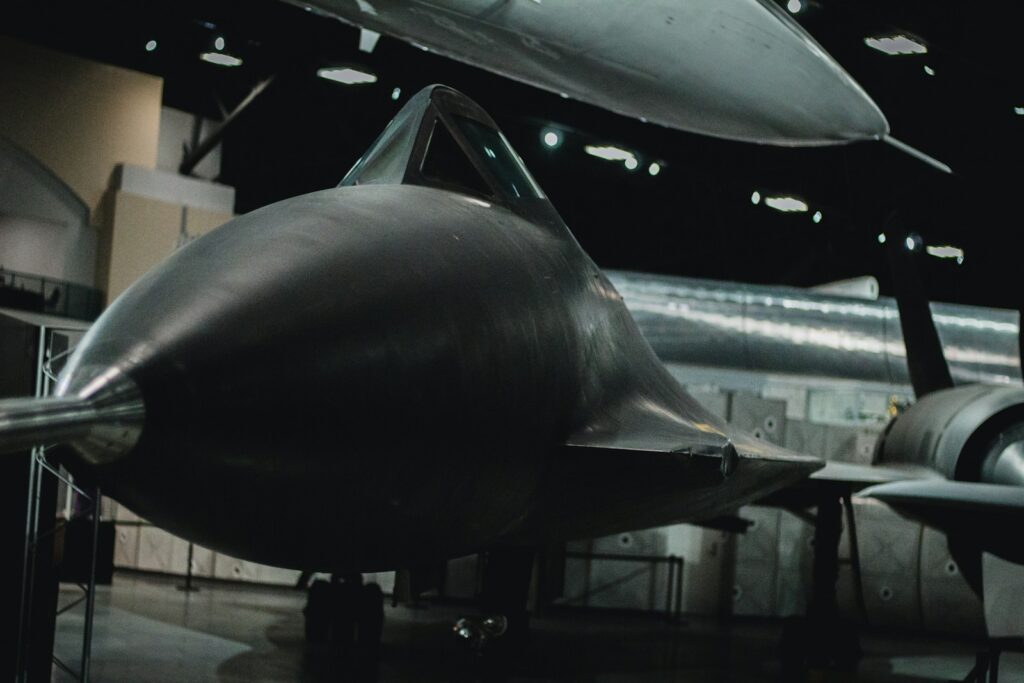
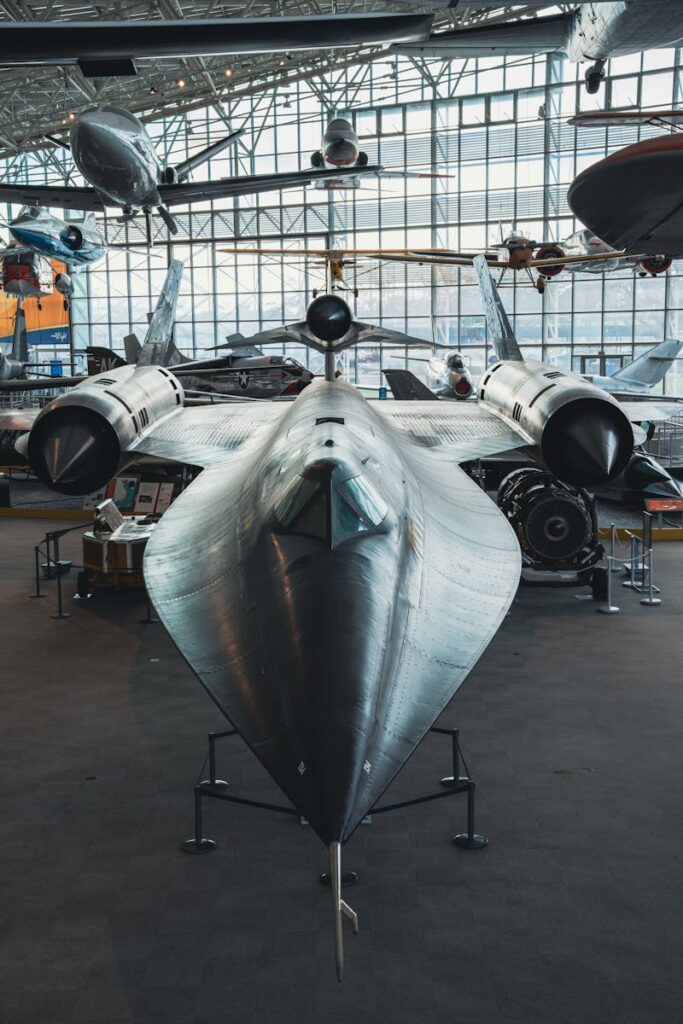
It is easier to see why people are so interested in the SR-72 when we look at the history of the SR-71 Blackbird. This plane was made during the Cold War, a tense time. The people who designed it wanted the plane to be able to survive by being better than any threat. They made it go fast and high so it could work in dangerous places where other planes could not. By making the plane do things that no one thought were possible the Blackbird changed what we thought could be done with spy planes.
Key Legacy and Performance Highlights:
- Developed during Cold War tensions
- Extreme speed and altitude capabilities
- Relied on speed over stealth
- Redefined strategic reconnaissance missions
- Nearly impossible to intercept aircraft
What made the Blackbird so special was that it could fly high over 80,000 feet and very fast, more than Mach 3. Of trying to dodge threats it just went faster than they could. This made it almost impossible to catch. This way of doing things let it get information from dangerous places without much risk.
When the SR-71 Blackbird was retired in 1998 it left a gap. No other plane could do all the things it could do. Newer planes tried to be like it. None were as good. This gap is still affecting how the military thinks today. It is influencing the development of planes, like the SR-72. The Blackbird was an important plane and its legacy lives on. The SR-71 Blackbird is still remembered as a plane.
2. The Intelligence Gap Left Behind
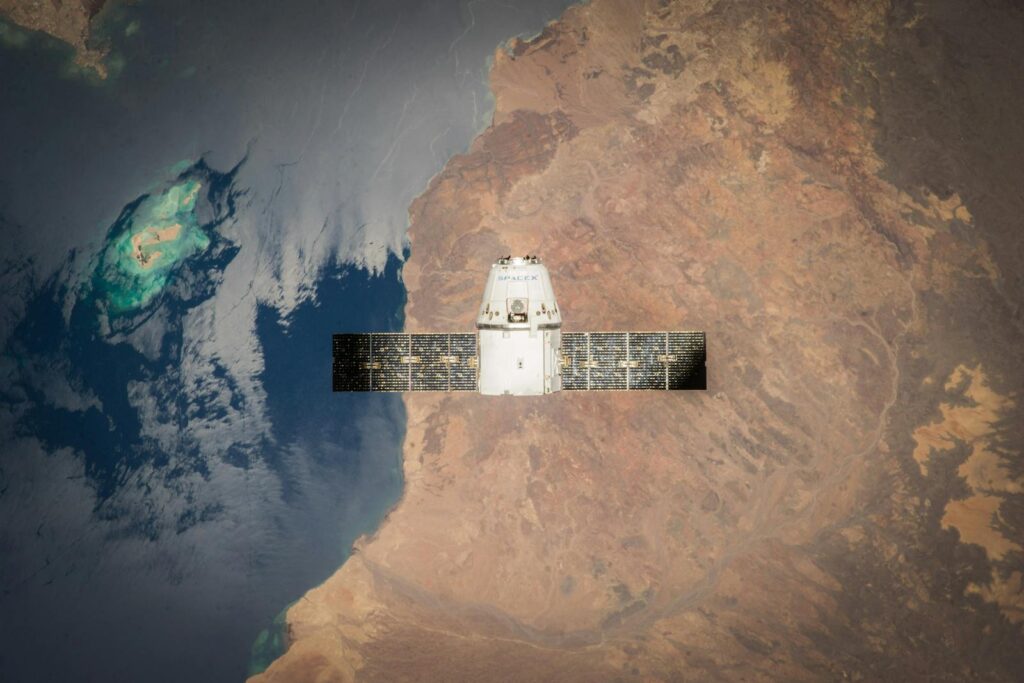
When the SR-71 Blackbird was retired it left a hole in the way we gather intelligence today. Satellites have gotten a lot better. They follow paths that are easy to predict. This means that other countries can figure out when they are being watched and hide what they are doing. This makes satellites less useful in some situations. At the time other planes have not been able to do what the SR-71 Blackbird could do. This shows that our current systems are not good enough in changing environments.
Key Intelligence Gap Highlights:
- Satellites operate in predictable orbits
- Adversaries can avoid observation windows
- Lack of high-speed reconnaissance platforms
- Current systems face survivability challenges
- Need for flexible intelligence solutions
Planes like the Lockheed U-2 are flexible. They have their own problems. They are slower which makes them targets for advanced air defense systems. This is especially true in areas with a lot of conflict. This means they cannot operate freely in high-risk areas where we need intelligence quickly. As defense technologies get better these weaknesses become more obvious which limits what they can do.
These challenges show that we need a kind of plane that can be fast, unpredictable and able to survive. This is where ideas, like the SR-72 come in. By fixing the problems that were left after the SR-71 Blackbird was retired these planes can give us back a capability that we need for military strategy.
3. Redefining Speed as a Strategic Advantage
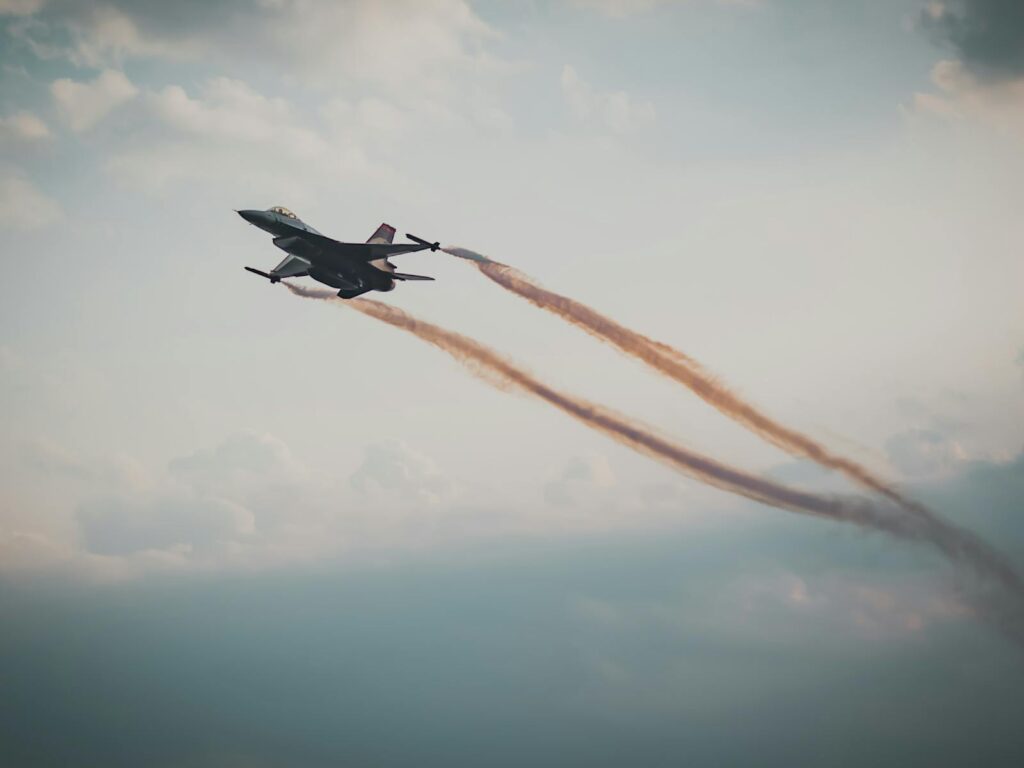
The idea behind the SR-72 is simple: the SR-72 can use speed to protect itself. Of relying on hiding or using electronic tricks the SR-72 would use its very high speed to reduce the time it is in danger. This way of thinking is different because it focuses on moving to stay safe rather than just trying not to be seen.
Key Speed Advantage Highlights:
- Speed used as primary defense
- Reduces exposure to enemy systems
- Minimizes time in hostile zones
- Challenges traditional stealth concepts
- Enhances survivability through velocity
When the SR-72 flies at speeds that are almost as fast as a spaceship it becomes very hard for defense systems to catch it. Finding, tracking and shooting down the SR-72 all take time. When the SR-72 is moving so fast there is not much time to react. This means that even the advanced systems have trouble keeping up with the SR-72. The faster the SR-72 flies the time enemies have to do anything about it.
This changes everything because speed is no longer about how fast the SR-72 can go. The speed of the SR-72 becomes a key part of the SR-72s strategy. By making it so that enemies only have a seconds to react the SR-72 can go places that would normally be too dangerous.
4. Operating in Contested Airspace
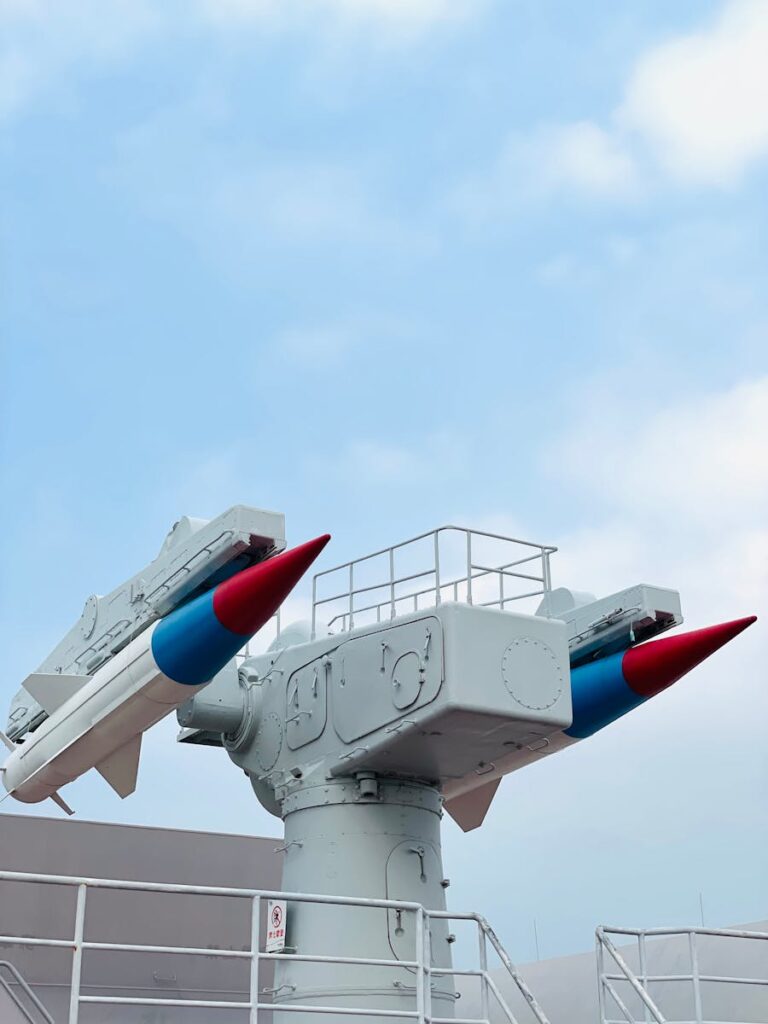
Modern warfare uses defense systems to control the airspace. These systems use radar, missiles and communication networks to make it hard for aircraft to get in. This makes it very hard for regular airplanes to fly in these areas. Even the advanced planes are at risk because of the many layers of defense.
Key Contested Airspace Highlights:
- The defense systems are very advanced
- It is very risky for regular airplanes to fly in these areas
- The radar and missile systems work together
- It is hard to get into areas that are protected
- We need to come up with ways of doing things
The SR-72 concept is trying to solve this problem by reducing the time it is in danger. It does not try to be completely invisible. Instead it tries to finish its job before the defenses can react. This is a way of thinking where speed is more important than being hidden. By getting in and quickly the SR-72 increases its chances of success even in areas with a lot of defenses.
The SR-72 can fly into and out of contested areas fast. This means it can gather information quickly and get out. This fast way of doing things reduces the chance of being caught. Makes sure important information is delivered on time. This is very useful in situations where time’s critical and delays can be very bad.
5. A Dual-Mission Platform
The idea for the SR-72 is not about spying but about creating a platform that can do two things. This means the aircraft can gather information and then act on it away. By doing both it reduces the need for many systems to work together. This makes planning and executing missions simpler and more efficient. It also allows for responses in fast-changing situations. Such flexibility is a change in how aircraft are designed and used.
Key Dual-Mission Capability Highlights:
- Combines. Attacking roles
- Helps make decisions faster
- Reduces reliance on platforms
- Increases efficiency and flexibility
- Supports responses in missions
In terms this dual capability lets the aircraft find a target and hit it in the same mission. This gets rid of delays that happen when information has to be passed between units or platforms. In situations where time’s crucial this speed can be a big advantage. It streamlines operations. Makes missions more effective.
This approach shows how modern warfare is changing, where speed, accuracy and integration are becoming more important. By combining information gathering with attacking capabilities the SR-72 concept fits with the need for coordinated responses. If it happens it could change how aerial missions are done setting a standard, for future platforms.
6. The Concept of Prompt Strike
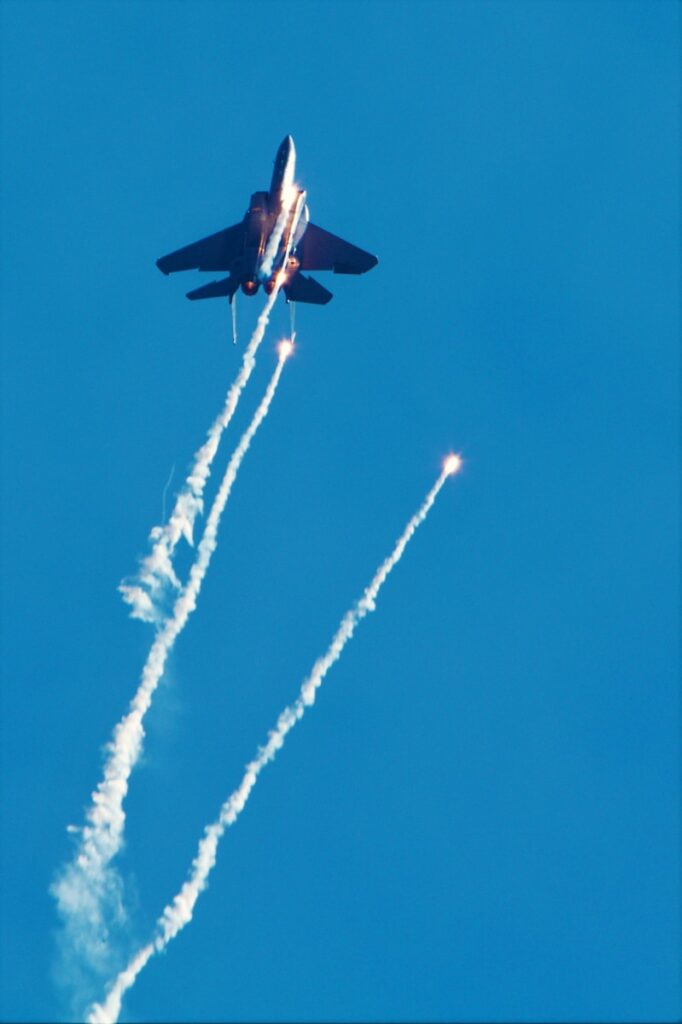
The SR-72 is really interesting because of its potential to be used in strike operations. In these situations speed and timing are very important. The goal of these missions is to attack targets quickly without waiting even if they are very far away. This is different from the way things were done in the past, where it took a time to respond. Now the focus is on being fast and accurate.
Key Prompt Strike Highlights:
- The SR-72 can attack time- targets quickly
- It can travel distances at high speed
- It is more flexible than systems
- Missions can be changed or stopped if needed
- It reduces the risk of things getting out of control
The SR-72 has an advantage over ballistic missiles because it is more flexible. Once a missile is launched it cannot be. Changed. The SR-72 can be redirected or recalled if something changes. This is very useful in situations where things are changing fast. It helps reduce mistakes and allows for thoughtful responses.
This ability to adapt makes the prompt strike concept very important today. Being able to act and still be, in control is a big advantage. It helps decision-makers respond fast. Also think carefully about what they are doing. This reduces the risk of things escalating. Helps keep everything under control.
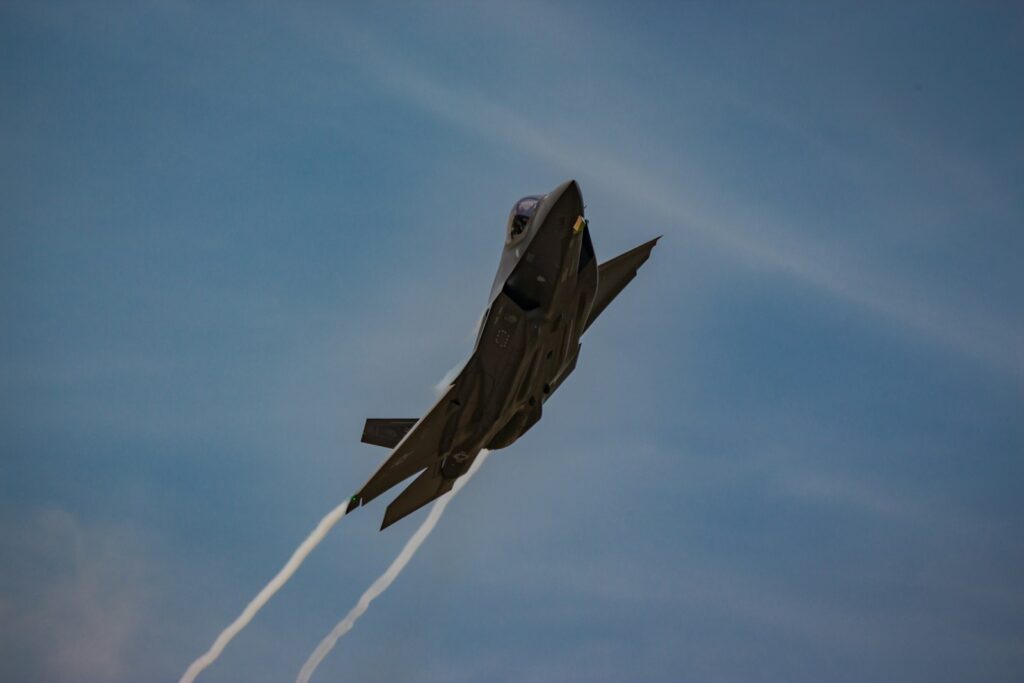
7. The Challenge of Hypersonic Propulsion
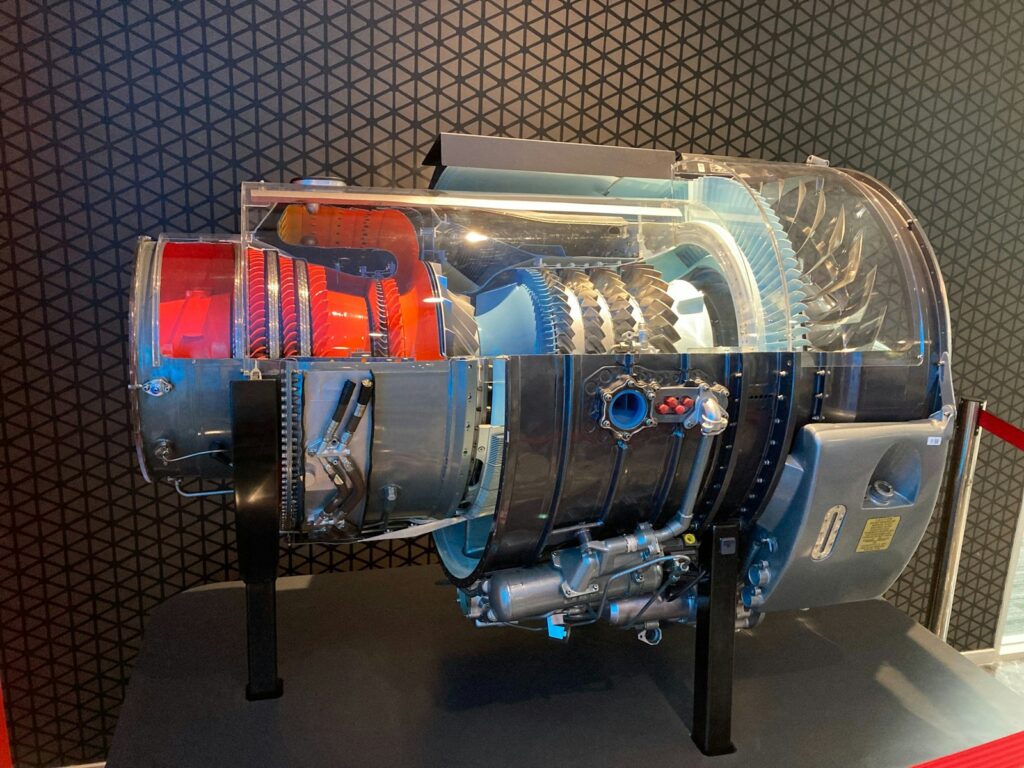
Building the SR-72 is a deal because it needs to solve a huge problem in aviation: making hypersonic propulsion work for a long time. Regular jet engines are great at speeds but they have trouble when they go really really fast. This makes a gap that needs to be filled if we want hypersonic travel to be real. The people making these engines have to design them to work well at all speeds. This is a hard thing to do and it is one of the most important parts of making the SR-72 work. If we can solve this problem we can turn ideas into things.
Key Propulsion Challenge Highlights:
- Traditional engines have trouble at speeds
- We need engines that can work in stages
- It is hard to switch between speed modes
- Flying at speeds for a long time is still tough
- This is critical for the SR-72 to be a success
To fix these problems engineers have tried using propulsion systems that put different technologies together. These systems are made to handle all parts of flight from taking off and speeding up to flying at speeds for a long time. However switching between these modes is very complicated. Is still being studied. It is very important to make sure everything works smoothly and efficiently.
If we can solve these propulsion problems it will be a big deal in the field of aerospace engineering. It will not make the SR-72 concept work but it will also affect many other technologies in the future. Making progress in this area could change the way we think about high-speed travel. It could be used in many areas, beyond just the military. The SR-72 and hypersonic propulsion are very important. Making them work will be a big step forward.
8. Heat and Material Limitations
When flying at speeds heat becomes a major issue for aircraft design. The friction generated during flight produces high temperatures that can damage or destroy regular materials. This makes managing heat a challenge for any aircraft trying to fly at such high speeds. Without solving this problem sustained hypersonic travel would not be possible.
Key Heat and Material Highlights:
- Extreme heat from air friction
- Regular materials cannot handle temperatures
- Advanced composites are needed for durability
- Managing heat is critical for performance
- Direct impact on reliability and safety
To solve these problems advanced materials like heat- composites are being developed and improved. These materials are designed to handle temperatures while staying strong and stable. Similar technologies have been used in high-temperature environments providing a foundation for further innovation. Their use in aircraft design is essential for enabling effective hypersonic operations.
Managing heat effectively is not about preventing damage; it also affects performance and efficiency. Much heat can affect how the aircraft flies, engine performance and overall system reliability. Therefore advancements in management are fundamental, to the success of the SR-72 concept and similar future platforms. Heat management directly impacts the SR-72s performance and the SR-72s reliability. The SR-72 requires heat management to operate safely and efficiently.
9. Breakthroughs in Manufacturing
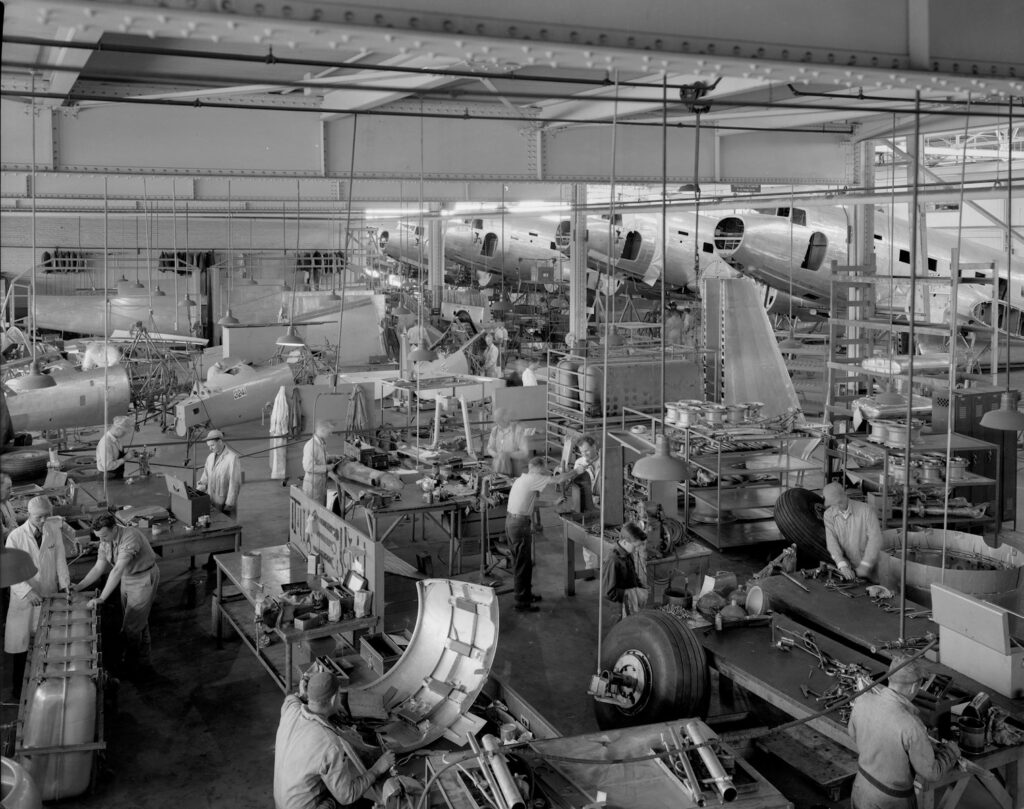
Manufacturing is really important for making aerospace ideas a reality. New ways of making things like manufacturing help engineers make very complicated parts that they could not make before. This means they can design kinds of aircraft especially for systems that have to work in very extreme conditions. The fact that they can make structures with precision has changed the way engineers solve problems.
Key Manufacturing Breakthrough Highlights:
- Additive manufacturing enables complex components
- Improved precision in aircraft design
- Integration of cooling systems possible
- Reduces need for separate parts
- Supports hypersonic technology development
One of the best things about these new ways of making things is that we can put cooling systems right into the parts we make. This helps us deal with the high temperatures that happen during hypersonic flight. It also makes the aircraft work better. By putting these systems into the parts engineers can make the aircraft lighter and less complicated. This makes them work better and last longer. We could not do this with the ways of making things.
These new ways of making things show us how new manufacturing techniques are helping us make things in aerospace engineering. Without these techniques we would still have a lot of problems with hypersonic flight. As these techniques get better they will help shape the future of aircraft. Manufacturing breakthroughs like these are very important, for platforms and they will continue to help us make new things.
10. Secrecy, Development and the Road Ahead
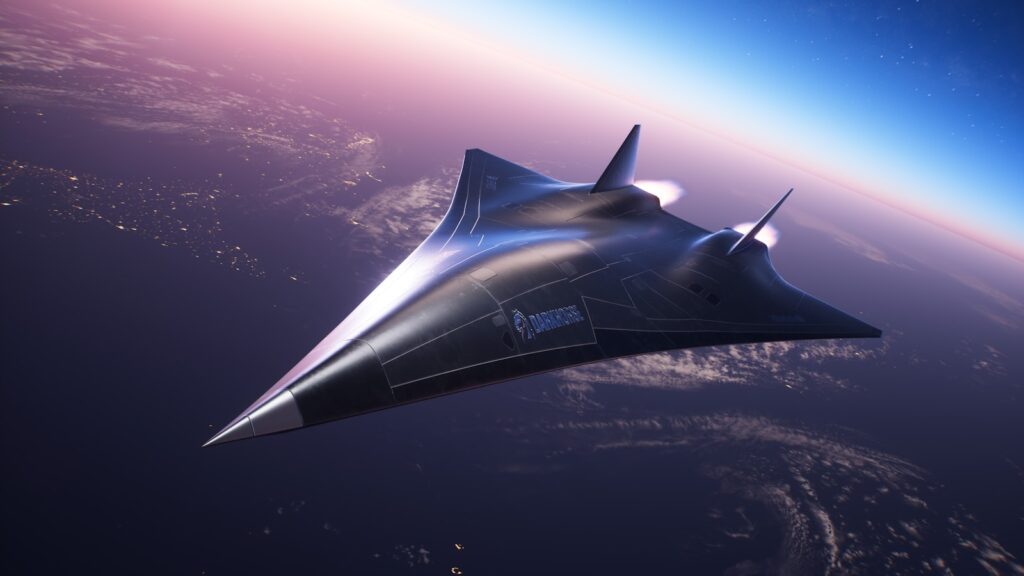
The SR-72 is a deal and people do not know much about it. This is because the SR-72 is a project and the people in charge want to keep it a secret. They only tell us a bit at a time, which makes people wonder and guess about what the SR-72 can do. This way the people in charge can keep an edge over others while still making people interested in the SR-72. Because of this we do not know a lot about the SR-72.
Key Development and Secrecy Highlights:
- Limited public information on project
- High secrecy around military technology
- Uncertain timelines and capabilities
- Ongoing speculation and global interest
- Influences future aviation concepts
There are a lot of reports and discussions about the SR-72. We do not know what is true. This is normal for projects like the SR-72, where the people in charge’re careful about what they say. They want to make sure that they do not accidentally tell secrets that could hurt their country or give away their advantages.
Even though we do not know a lot about the SR-72 people over the world are still very interested in it. Whether the SR-72 becomes an airplane or not the ideas behind it are already changing the way people think about airplanes. The SR-72 represents a way of thinking about speed and technology and it is an important step, in the history of airplanes. The SR-72 is a part of what the future of flying will look like.