

Volkswagen Accelerates Global EV Race, Unveiling Affordable Models as Mass Adoption Nears
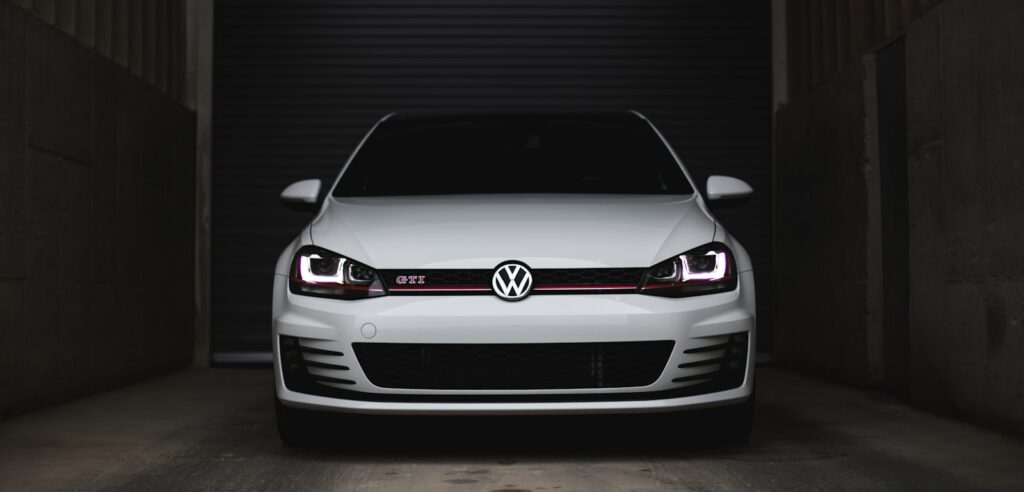
The global electric vehicle industry is moving into a powerful new phase: it is all about affordability. For many years, electric cars have been premium products for higher-income buyers. But just as technology is improving, prices remain stubbornly high, slowing mass-market adoption. Governments, consumers, and environmental needs are driving manufacturers to rethink how electric vehicles will be designed, priced, and delivered in global markets.
Critical Drivers toward EV Affordability
- Increasing consumer awareness of sustainability
- Government incentives for cleaner transportation
- Rapidly improving technologies in batteries
- Competition among automobile manufacturers
- Increasing fuel and maintenance costs for gasoline cars
The demand for affordable EVs is no longer theoretical; it is practical and urgent. A raft of studies has underlined how a majority of consumers are unwilling to spend over $50,000 to buy an electric car, even as average prices stay above that threshold. This expectations gap-from consumers wanting one thing and industry players offering another-has reached a tipping point whereby automakers simply must deliver budget-friendly options or risk losing relevance in the mobility market.
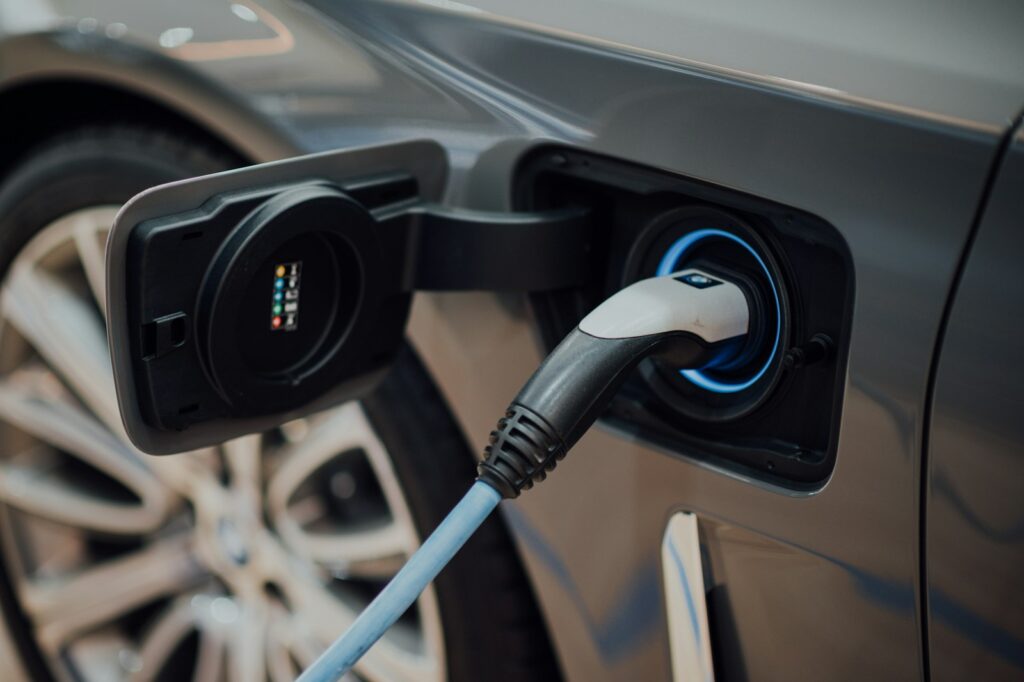
1. Volkswagen gets serious about low-cost EVs
Volkswagen has become one of the most aggressive carmakers in the push for affordable electric transportation. With full awareness that price remains the biggest barrier to EV adoption, it introduced the ID.2all concept-a compact electric hatchback designed to be sold at about 25,000 euros. That price would mark a dramatic pivot, positioning Volkswagen to fight directly in the mass-market segment of electric mobility.
Why the ID.2 all Matters
- Has a target price below $27,000
- Conceived for daily urban driving
- Provides modern styling and technology
- Provides long driving range
- Built on proven EV architecture
It is more than just a new car; it represents Volkswagen’s long-term view on electrification. The Group wants to be able to reach millions of buyers to date excluded by offering an alternative to the high prices of today’s EVs. The ID. 2all should not be a luxury statement but rather an electric car which is practical and reliable to take over everyday driving duties from conventional gasoline vehicles.
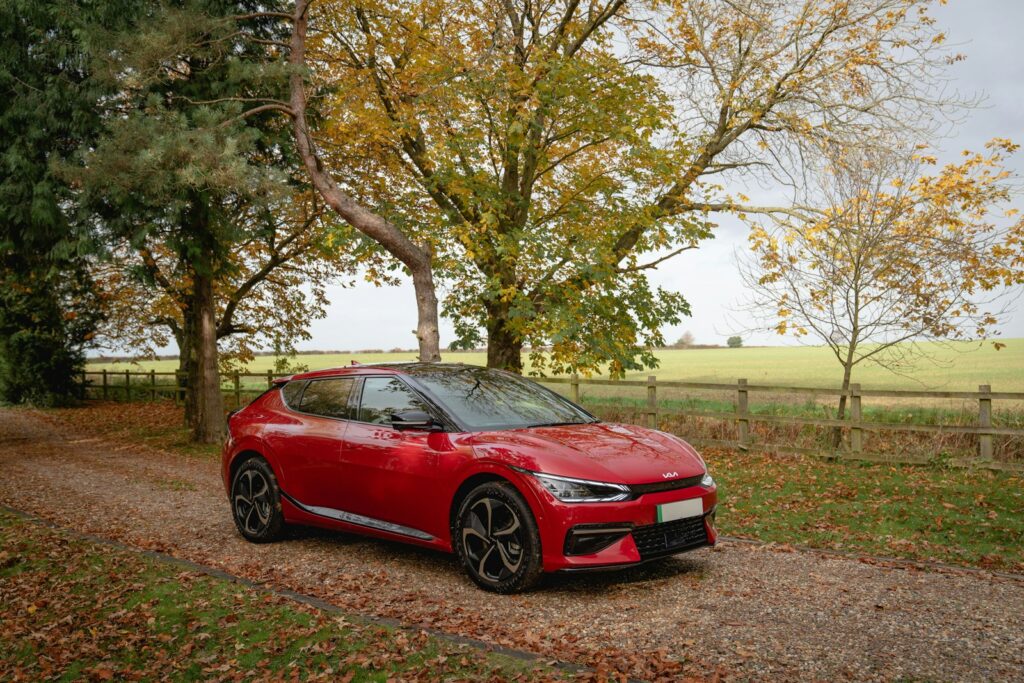
2. Design and Performance of the ID. 2all
The new Volkswagen ID. 2all speaks to modern aesthetics coupled with functional engineering in making this electric hatchback both familiar and advanced. With a promise of upwards of 280 miles of driving range, fit for commutes and weekend travel, a single electric motor puts out 223 horsepower to power the front wheels for smooth and efficient performance in both city and highway conditions.
Notable design and technology features
- Simple Dashboard Layout
- Large digital display screens
- Fewer physical buttons
- Play and pause styled pedals
- Improved tactile controls
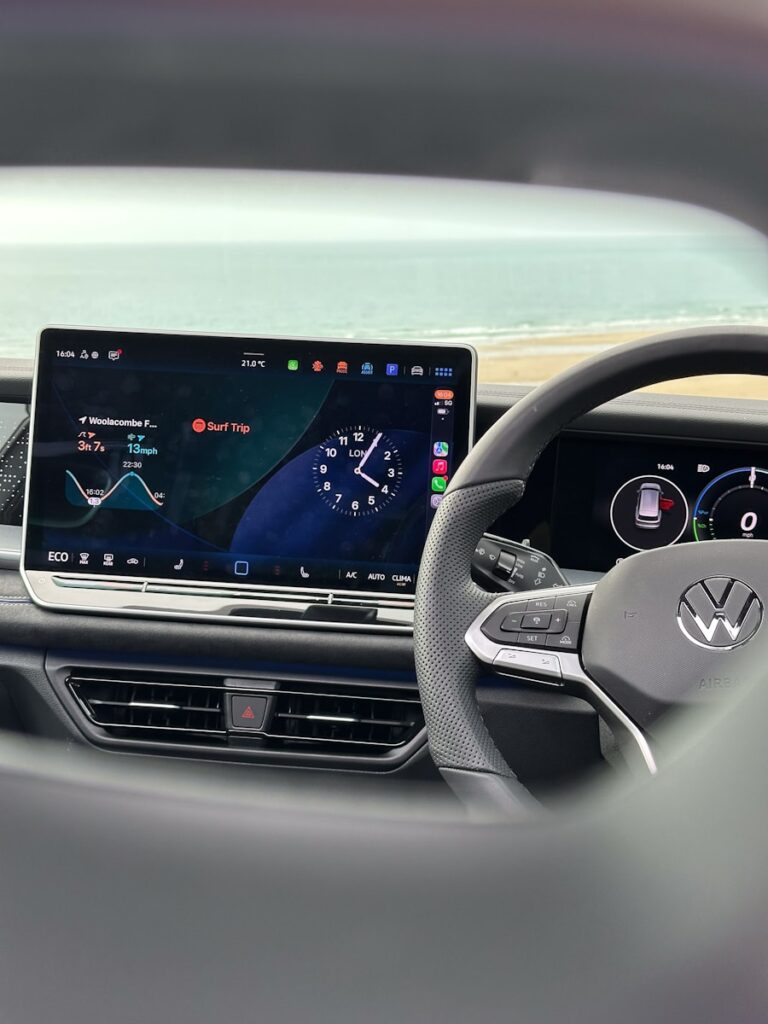
Inside, Volkswagen has striven for simplicity and ease of use: busy control panels give way to floating screens, with the addition of a physical knob adding an agreeable tactility to driver interaction. Here, modern digital technology is offset by awareness of what drivers actually want to feel. This considered approach will mean the ID. 2all feels intuitive, comfortable, and visually appealing to a broad spectrum of users.
3. Advanced Platform and Charging Capabilities
ID.2 uses the second-generation MEB platform-modular electric vehicle architecture of the Volkswagen Group that underpins most models of the carmaker. This enables flexible design and efficient packaging, hence offering increased interior space. With its long wheelbase combined with short overhangs, the car offers more cabin space than a traditional hatchback; this increases comfort without gaining overall size.
Benefits of the MEB Platform
- More interior space
- Flexible vehicle design
- Improved Energy Efficiency
- Shared components between brands
- Reduced manufacturing costs
The big highlight of the ID. 2all is its charging performance. According to Volkswagen estimates, it is believed that the car will charge from 10-80% in just 20 minutes. This massively cuts down the time that drivers have to spend down and furthers facilitates ownership. With quicker charging-a long range-the two biggest barriers into the electric vehicle market are cut off traditionally.
4. Volkswagen: investment and market strategy
That’s a vision Volkswagen has backed with serious financial commitment, announcing plans to invest 180 billion euros over the coming five years in areas such as battery production, raw materials, and software development. The investment is due to help lower costs, improve performance, and increase the competitiveness of Volkswagen in a Tesla-dominated global electric vehicle market.
Where Volkswagen is investing
- battery production facilities
- Raw material supply chains
- Electric vehicle platforms
- Software Development
- Charging infrastructure
It is one strategy toward long-term profitability and scalability: more control over the supply chain allows Volkswagen to further drive down the costs of production and then pass the savings on to customers. This isn’t just one affordable model released but an entire lineup of cost-effective electric cars ready to take European markets by storm and slowly make their way to global expansion with time.
5. Tesla’s Delays and Volkswagen’s Opportunity
Tesla long promised a $25,000 electric car, but those plans confronted one delay after another. While the company focuses its energies elsewhere-on robotics and higher-margin premium models, for example-the affordable EV market has gone unserved. That frustration leaves the door open to investors and consumers looking for other competitors such as Volkswagen to step into the breach and claim leadership in the mass-market EV space.
Why Tesla Lost Momentum
- Attention turned to other technologies
- Increasing Battery Costs
- Production timelines delayed
- investor uncertainty
- Lack of Official Announcements
News of the Volkswagen ID. 2all arrived at a time when Tesla had not issued any clear updates regarding its low-cost EV. Here, too, the contrast made VW look more committed to the everyday buyer. With clear pricing and timelines for production, VW has earned some real credibility in the race to deliver genuinely affordable electric vehicles.
6. The ID. EVERY1 and the next level of affordability
If that wasn’t cheap enough, Volkswagen plans to take it even further into the budget end of the scale with the ID. EVERY1, which some say will also be badged as the ID.1-an ultra-compact electric hatchback that will boast one of the lowest prices in any EV in the world at just 20,000 euros. Designed to run nimbly in tight city spaces, it could offer practical transportation for the budget-conscious driver needing to go electric.
What makes the ID. EVERY1 special
- Very low price point
- Compact city-friendly size
- Four-door practicality
- Efficient Electric Motor
- Modern digital features
The ID. EVERY1 will be the first Volkswagen Group vehicle to use Rivian’s advanced software architecture. This allows for continuous updates, new features, and personalization throughout the vehicle’s life. The integration of cutting-edge software into a low-cost vehicle shows that affordability does not have to come at the expense of innovation or customer experience.