




Whistleblower Claims LA Car Thieves Use Tunnels to Hide Vehicles
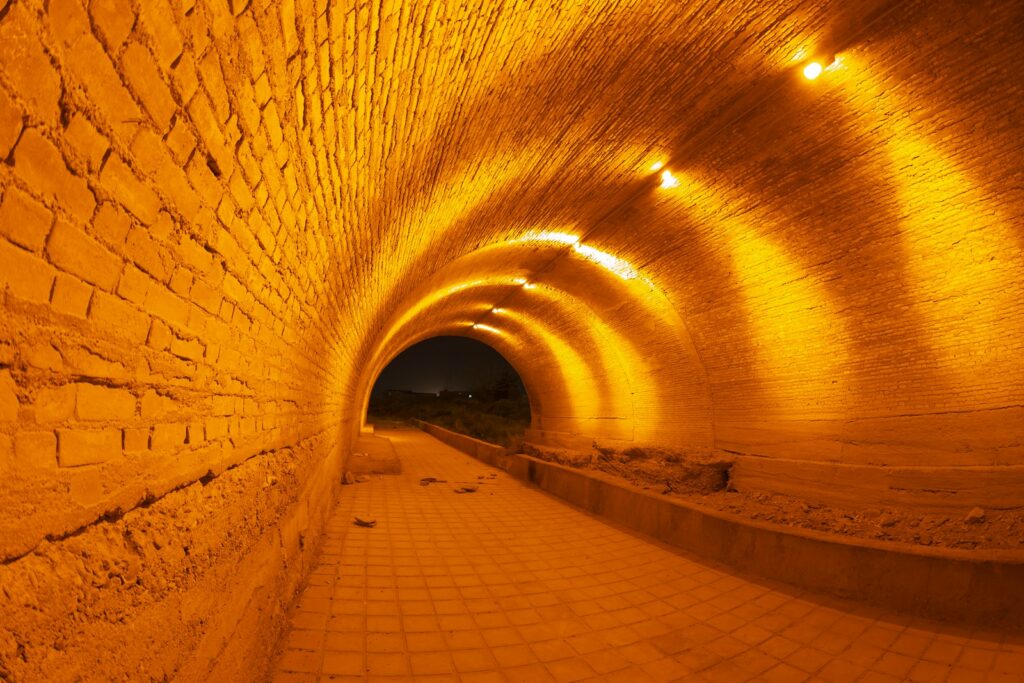
The Whittier Narrows Recreation Area sits in the heart of Southern California. It is widely known as a place for picnics, jogging trails, and quiet afternoons near the water. Families arrive expecting open skies and peaceful surroundings. Yet beneath that calm setting, a troubling story has surfaced, suggesting something far more deliberate may be unfolding out of public view.
An anonymous whistleblower who claims to work within the recreation grounds alleges that an underground tunnel network is being used to conceal stolen vehicles. According to the accusation, cars are not hidden through sophisticated hacking but through physical concealment beneath layers of concrete and earth. If true, the claim would represent a bold misuse of public infrastructure.
1. The Whistleblower’s Account
Speaking exclusively to FOX 11, the source described what he believes is an organized and recurring operation. Fearing retaliation, he chose to remain anonymous. His account was detailed and specific, claiming that activity inside the tunnels occurs at least once a week. According to the whistleblower, the method relies more on geography than technology. The tunnels, originally constructed for overflow management, are allegedly used as temporary storage. Once vehicles are driven inside and shielded by thick layers of concrete and soil, tracking signals may weaken or fail. This physical barrier, he claims, gives criminals time to dismantle or relocate the vehicles.
Key Allegations Raised
- Cars driven directly into flood control basins
- Vehicles concealed to disrupt GPS tracking
- Activity occurring on a weekly basis
- Coordinated efforts among suspects
- Use of park grounds as an extraction zone
2. Tunnel Network Along the Rio Hondo
At the center of the claims is a tunnel system running along the Rio Hondo. These concrete flood control channels were built by the U.S. Army Corps of Engineers to manage runoff from the San Gabriel River. The channels are typically dry except during heavy rainfall, making them accessible corridors when not in use. The whistleblower argues that the complexity of the layout gives suspects an advantage. Multiple branching paths create a maze-like environment that is physically demanding and potentially hazardous. He suggests officers may hesitate to pursue suspects deep inside due to safety concerns.
Tunnel System Characteristics
- Designed for flood and water control
- Estimated to stretch approximately nine to ten miles
- Includes multiple branching passageways
- Often dry during clear weather
- Difficult terrain for routine patrol
3. A Televised Escape Raises Questions
Public attention intensified following a police pursuit near Pico Rivera. Footage showed a suspect driving a stolen truck into a flood control channel and disappearing into darkness. Aerial coverage reportedly lost sight of the vehicle, and deputies ended the chase at the tunnel entrance. To the whistleblower, the escape was not extraordinary but routine. He claims the incident reflects a pattern he has observed repeatedly. However, the video alone does not confirm the broader scope of the alleged operation.
Details of the Pursuit
- High-speed chase through nearby streets
- Vehicle entered a flood control tunnel
- Helicopter footage lost visual contact
- Deputies halted pursuit at the entrance
- Incident widely viewed by the public
4. The Second Stage: Stripping the Vehicles
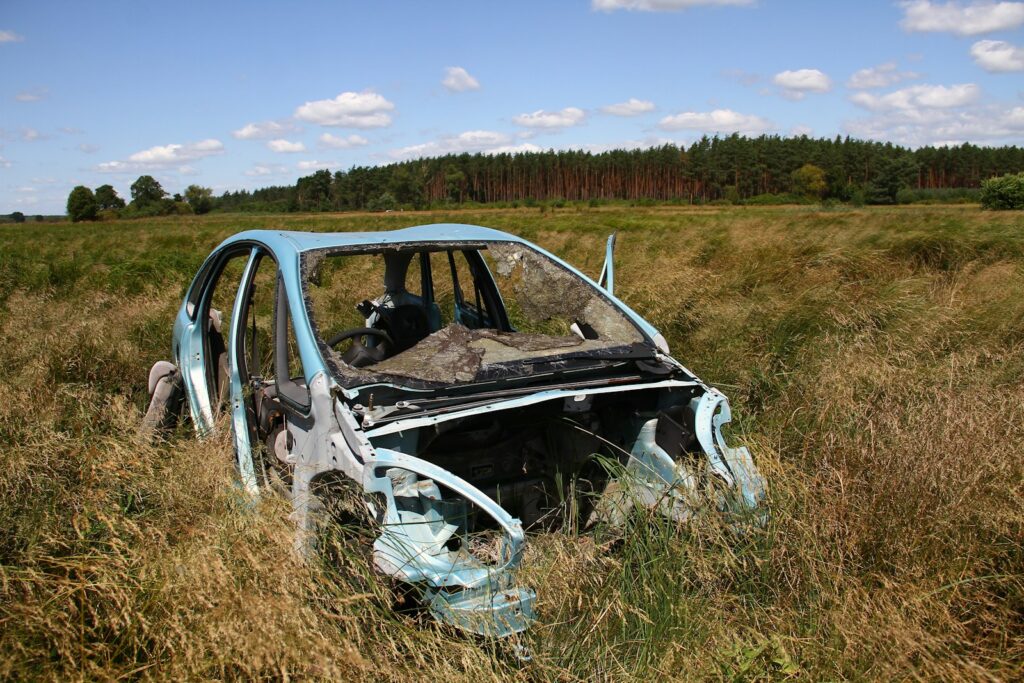
The source further alleges that concealment inside the tunnels is only the first step. He claims that during nighttime hours, vehicles are transported roughly one and a half miles to another area within the recreation grounds, where they are dismantled. According to the whistleblower, engines, transmissions, catalytic converters, and electronics are removed quickly. He describes the group as operating like a closed network. Whether this reflects structured organized crime or loosely connected individuals remains unclear.
Indications of a Planned Operation
- Vehicles relocated after temporary concealment
- Parts removed for resale or trade
- Stripped vehicle frames left behind
- Discoveries reportedly made during work shifts
- Alleged internal exchange of parts among suspects
5. Law Enforcement’s Response
In response to the allegations, the Los Angeles County Sheriff’s Department issued a written statement. Officials acknowledged ongoing criminal concerns in the area but stated they have not identified evidence of a coordinated car theft ring as described by the whistleblower. Authorities emphasized jurisdictional complexity. The surrounding land and infrastructure fall under federal ownership, requiring coordination with the U.S. Army Corps of Engineers before certain enforcement actions can be taken.
LASD’s Official Position
- No confirmed organized theft ring
- Ongoing criminal activity acknowledged
- Multiple arrests for various offenses
- Stolen vehicles recovered in the area
- Jurisdictional coordination required due to federal land ownership
6. Jurisdictional and Social Challenges
Law enforcement framed the issue within broader challenges linked to the area, including homelessness and service-related calls. Officials noted that while many individuals living nearby are not involved in crime, narcotics and property-related offenses do occur. The department has referenced collaboration between the Pico Rivera Sheriff’s Station and community outreach providers. Cleanup initiatives and social services aim to balance enforcement with support efforts. However, the scale of the park makes constant monitoring difficult.
Exacerbating Factors in the Area
- Federal land ownership
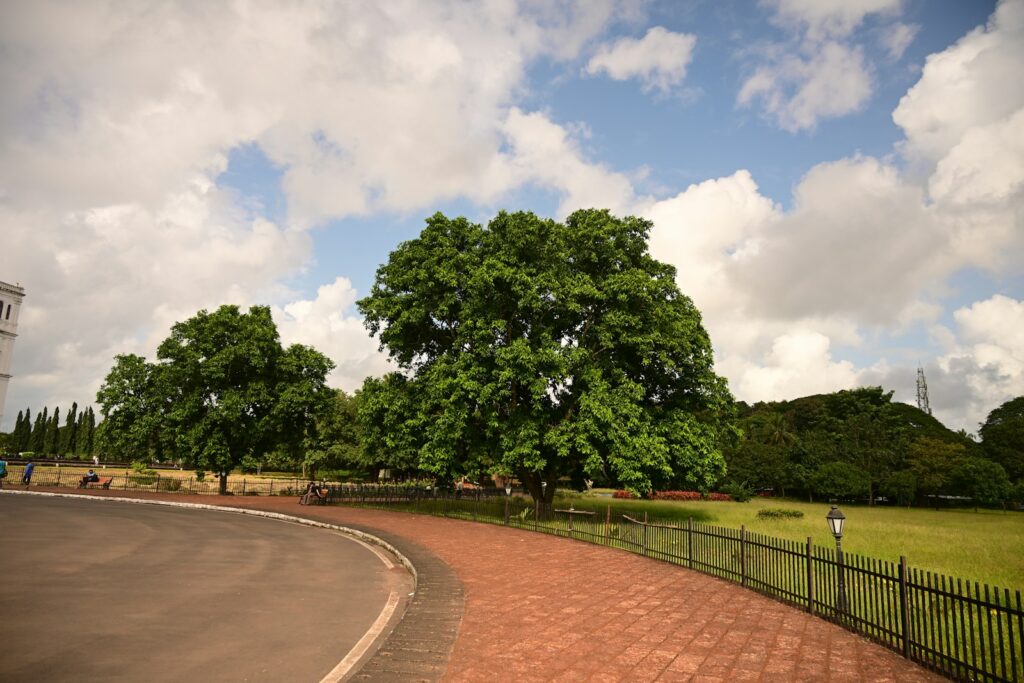
- Expansive 1,500-acre property footprint
- Presence of homeless populations
- Ongoing cleanup operations
- Need for multi-agency cooperation
7. Competing Narratives
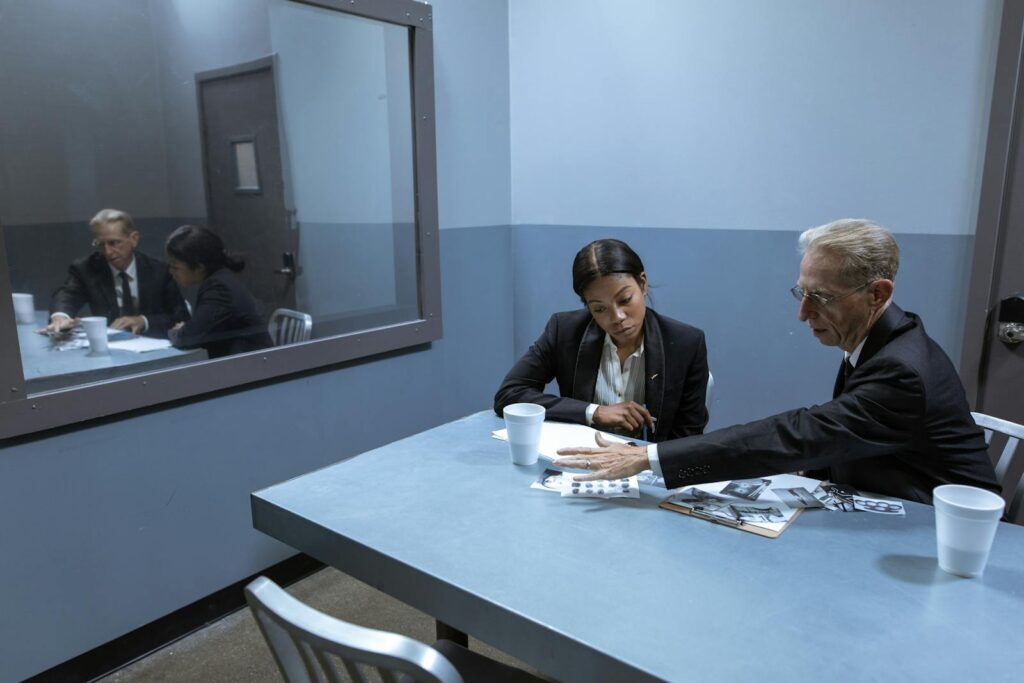
The whistleblower portrays a calculated operation exploiting infrastructure. Law enforcement describes a broader crime issue without confirming centralized coordination. These differing accounts create a complex picture. Both perspectives may contain elements of truth. Flood control tunnels undeniably offer concealment. Stolen vehicles have been recovered. Yet official confirmation of a sophisticated theft network remains absent.
Points of Disagreement
- Organized ring versus general crime problem
- Deliberate tunnel exploitation versus opportunistic use
- Structured barter system versus isolated offenses
- Frequency and scale of activity
- Degree of coordination among suspects
8. A Proposed Solution
For the whistleblower, the solution is straightforward: restrict access to the tunnels. He argues that installing physical barriers could prevent vehicles from entering the channels in the first place. Whether such measures would fully resolve the issue remains uncertain. Permanent modifications would require federal approval due to land ownership.
Suggested Preventative Measures
- Install barriers at tunnel entrances
- Increase patrol presence near access points
- Improve lighting and surveillance systems
- Strengthen inter-agency coordination
- Conduct routine inspections of flood channels

9. Broader Implications
The allegations highlight how aging infrastructure can be repurposed in unintended ways. Flood control systems constructed decades ago now intersect with modern GPS tracking technology. Criminal tactics evolve alongside both physical and digital systems. Even if aspects of the whistleblower’s claims are overstated, the discussion underscores the importance of vigilance in public spaces intended for community use.
Lessons Raised by the Allegations
- Infrastructure can be creatively exploited
- GPS tracking has physical limitations
- Public spaces require layered oversight
- Jurisdictional overlap complicates enforcement
- Transparency encourages accountability

10. An Unresolved Mystery Beneath the Surface
For now, the tunnels beneath the Whittier Narrows Recreation Area continue to function as flood control channels. During storms, water flows through the Rio Hondo while visitors walk above, largely unaware of the controversy below. The police pursuit near Pico Rivera brought attention to the issue but did not settle the debate. Between the whistleblower’s detailed claims and official caution from the Los Angeles County Sheriff’s Department, the complete truth may lie somewhere in between.
What Remains Unclear
- The full extent of tunnel usage
- Whether a centralized theft ring exists
- Frequency of vehicle concealment
- Potential effectiveness of physical barriers
- Long-term enforcement strategy