





Wyoming’s Steepest Highway: A High-Altitude Driving Adventure
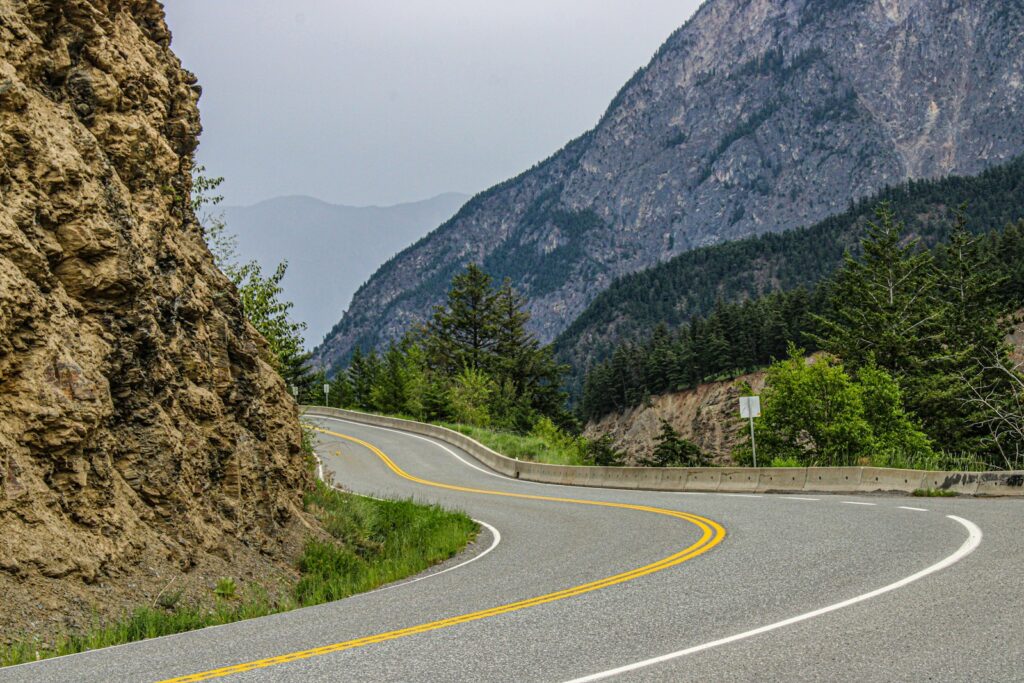
Wyoming is often seen by people as a state of vast open plains, mountains far away, and a feeling of liberty that is uncommon in today’s world. The horizon seems to have no end and nature takes over the land in a way that is both awe-inspiring and frightening. Wyoming roads are not just the means of connecting one place with another; they go deep into the wilds which are not easily tamed. So interacting with the land through every mile you drive is what you actually do and not just commuting from point A to point B.
The geography of Wyoming gives rise to driving conditions that can be tranquil and, at the same time, can become strenuous very quickly. The long and flat stretches may suddenly change into steep climbs, sharp descents, and even unpredictable weather. Wind, snow, and elevation changes are the factors that determine how drivers are experiencing the state. Therefore, Wyoming is known as a place that is very challenging to drivers and thus is a source of respect for the road by necessity for both travelers and truck drivers.
Hidden among all these breathtaking sceneries is an unexpected fact. The steepest road in Wyoming is not a quiet mountain road that is only known to locals. Rather, it is a nationally recognized route that carries heavy traffic volumes every day. Finding out the reasons for this road being at the top of the list not only brings into light the work of the engineers but also the peculiar bond between the present-day infrastructure and Wyoming’s harsh environment.
1. Understanding What “Steep” Really Means on a Highway
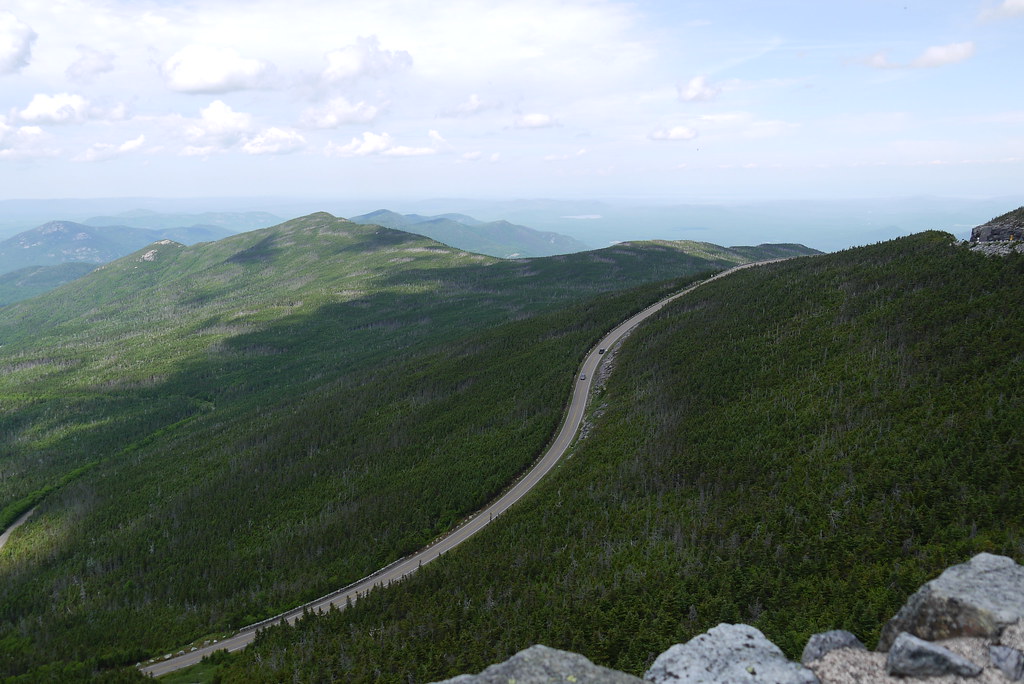
When drivers hear the word “steep,” it’s usually associated with fear or discomfort rather than technical measurement. In road design, steepness is defined by grade percentage. This number shows how much elevation a road gains or loses over a horizontal distance. A six percent grade means the road rises or drops six feet for every hundred feet traveled. On paper, that may sound minor. In practice, it adds up quickly. Especially when the incline stretches on for miles.
Why Grade Percentage Matters:
- Measures elevation change over distance
- Directly affects vehicle performance
- Impacts safety on climbs and descents
- More demanding for heavy vehicles
- Becomes critical over long stretches
Sustained grades place real strain on vehicles. Engines must work harder uphill, while brakes heat rapidly during long descents. Vehicle weight and power make a major difference in how manageable a slope feels. For large trucks, even small increases in grade can sharply reduce speed and control. Because of these risks, highway grades are carefully regulated. In the U.S., interstate highways follow strict design limits to protect all drivers. Once grades approach five percent, warning signs appear. Anything steeper begins to push the limits of what major highways are built to handle.

2. Interstate Design Limits and Federal Regulations
The U.S. Interstate Highway System was designed to accommodate high-speed, long-distance travel across the nation. They are supposed to be safe and efficient even when the traffic is heavy, which includes freight trucks, buses, and passenger vehicles. For that to be feasible, the federal rules limit how steep interstates can be.
The main limit for the steepness of interstates is six percent grade. The reason for this limit is that if a grade is steeper than six percent, the risks of brake failure, loss of traction, and runaway vehicles increase a lot, and that is even more in bad weather. The engineers have to find a delicate balance between the necessity of going through the mountains and the need to make the roads safe and easy for everyday use.
This limit is hardly challenged in flat states. Still, in mountainous areas such as Wyoming, the local nature of the land is forcing the engineers to work at the very edge of what is permissible. A point at which an interstate is at its steepest legal grade is a strong indication that there is no easier way without major detours or lots of tunneling.
3. Why Interstate 80 Earns the Title
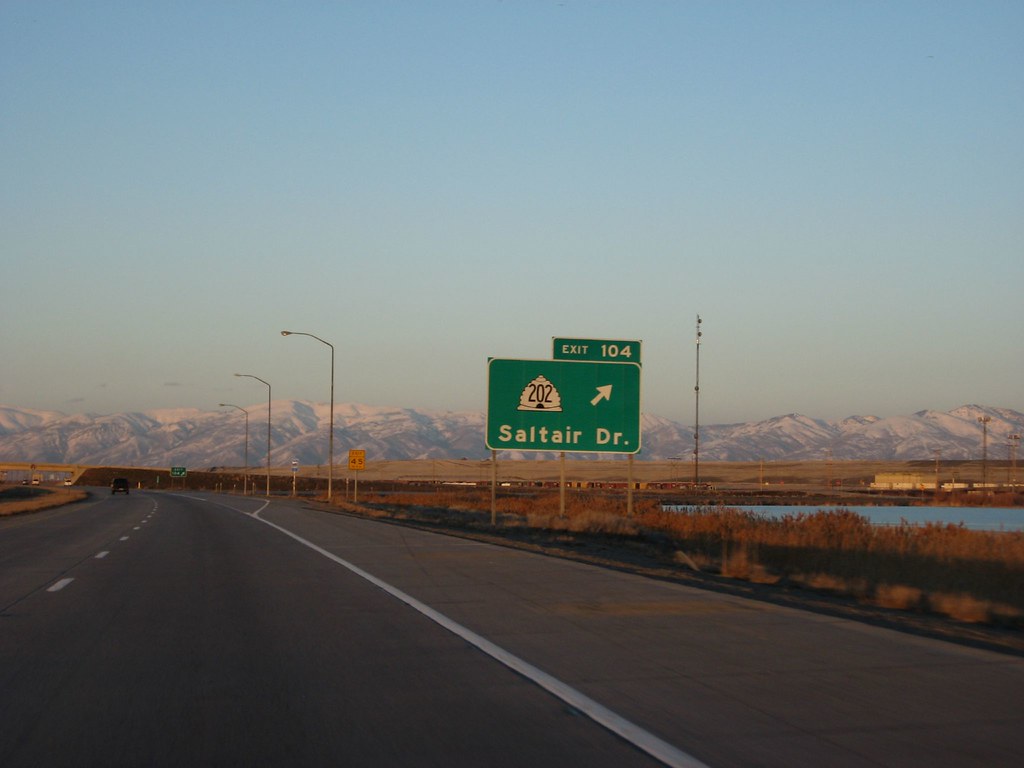
Interstate 80 starts from the West Coast and goes all the way to the Northeast of the United States. Along the road, it passes the different types of landscapes. The road has its toughest part in Wyoming. As the I-80 crosses the Rocky Mountains, the road gets less and less forgiving.
The I-80 is where, by law, the maximum grade is reached. In some places, the grade is six percent, thus making it the steepest highway in Wyoming by official standards. It is, therefore, a major transportation corridor, long as it is used by locals, long-haul truckers, and cross-country travelers on a daily basis, unlike smaller roads.
The main reason for the steepest highway simply being singled out is that point where the route of such heavy use is reaching the limit of legality. It is revealing how the geography of Wyoming is pushing even the most carefully constructed highways to the brink of their capacity, hence the combination of the modern infrastructure with the raw natural forces.
4. Sherman Hill and Its Demanding Terrain
Interstate 80 has its most arduous part near Cheyenne. The hill named Sherman is the area. The section is famous for trucks and drivers. The graders here go all the way up to six percent.
Up hill drivers have to see their speed and power of the engine. As the vehicle goes up the mountain steadily, it demands the engine of the car very much. The in depth speed control is the main thing for the dow hill drivers. They put the trucks in a lower gear and apply the brakes to keep the balance and safety stable, at the same time the runaway truck ramps are serving as the visible sign of what could happen if you lose control.
Sherman Hill is an excellent example where elevation makes the difficulty double. The engines are also getting less powerful at high altitude and the weather can change fast. Snow, ice, and stiff winds usually come along too and add another factor of complexity, thus, it turns into a serious driving skill test from an already difficult stretch.
5. Weather and Seasonal Challenges on I-80
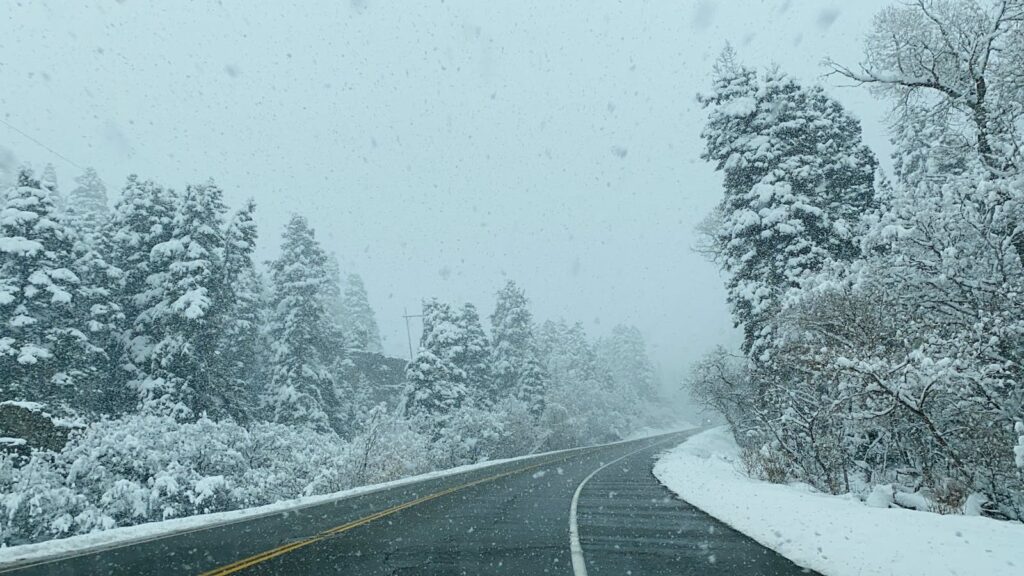
Steep grades would be hardly foul if the weather was always friendly; this, however, is not the case in Wyoming. Not only is Interstate 80 known for its sudden weather changes, but the phenomenon is most frequent during winter. Blizzard may occur abruptly, and thus, the road could be icy and at the same time, the visibility could be very poor without giving a lot of signs.
Another factor that worsens the situation is that wind is a faithful companion of the area. The strong winds that roar through the exposed areas easily move vehicles towards the other side of the road and make the holding of the steering wheel more difficult. If there are steep grades along with the wind, the tiredness and anxiety of the drivers can increase, and it is mainly the drivers of heavy vehicles that might be affected.
Because of these reasons, it is very common that weather condition issues have led to road closures. In order to avoid accidents, authorities frequently close down sections of I-80 where conditions are severe, and the situation is thus very serious even for skilled drivers.
6. Scenic Rewards Along the Interstate
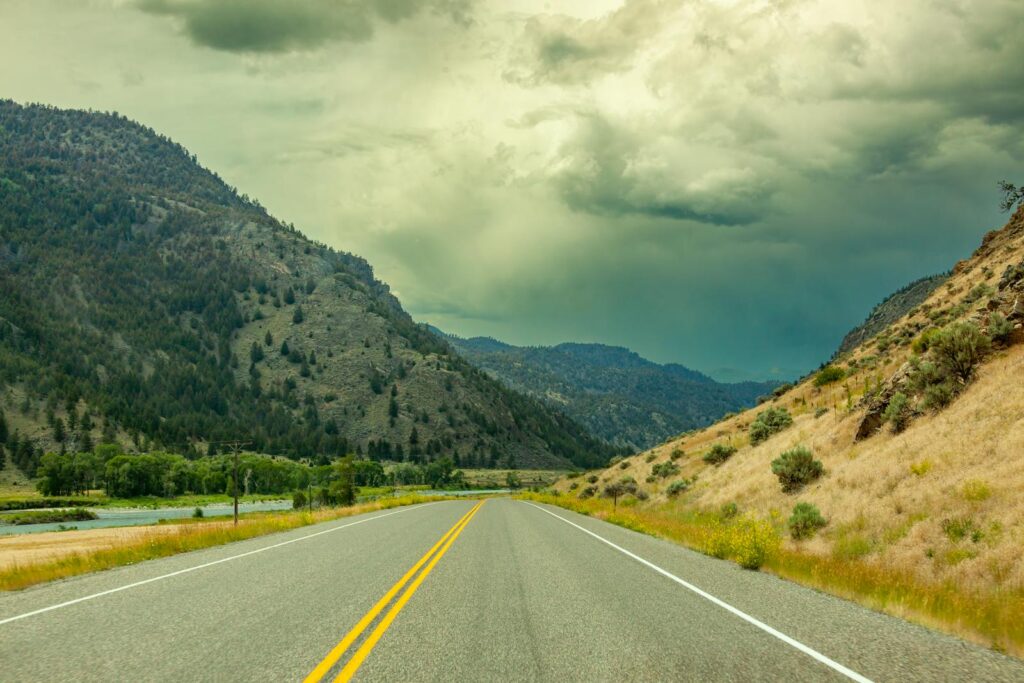
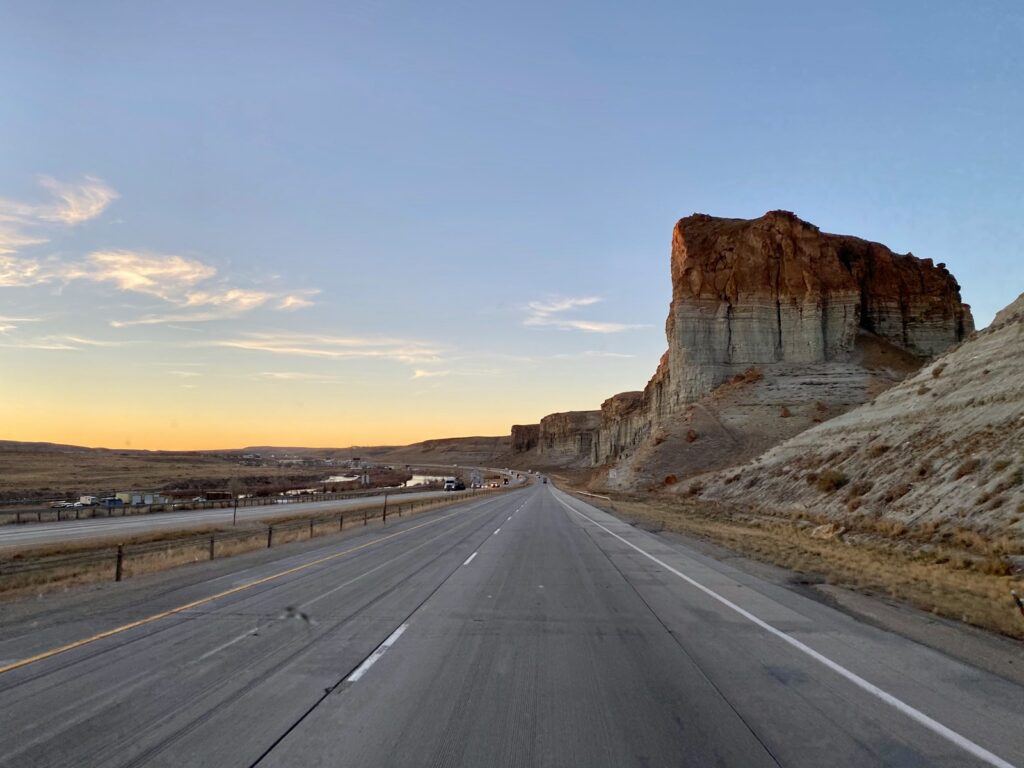
The point of driving on I-80 Wyoming is to experience the breathtaking views of the state despite the tough road. The road trip of I-80 unveils the different kind of beauty of Wyoming that changes with every terrain to be passed. In the west, the route is the one that takes you to the mesmerizing Red Desert where there are expanses of land with nothing but miles and miles of solitude that stretch and repeat one after another.
Before long depending on the direction driven, the rolling Laramie Valley resplendence is what the travelers are to be treated with. With majestic skies, far away mountain tops and sunshine changing through the day, the scenery is never staying the same thus providing constant visual treat. Besides it tempers the stress of the ascension by giving a breath so to speak, drivers are reminded of the beauty of Wyoming through the view and that is why it has such powerful emanation.
This mixture of difficulty and beauty is the very essence of I-80 that stays with the memory. The road is insistent in that it requires concentration which at the same time, offers pleasure to those who in turn see beyond the tarmac.
7. Wildlife Encounters Along the Route
The road to I-80 is not only a delight for drivers, but it also provides a chance to witness Wyoming’s wildlife in their realm. Pronghorn Antelope are the most familiar sights and are found commonly eating by the side of the road or dashing in the field. The wildness thus being accentuated is very much exhilarated by the speed and elegance of the pronghorn antelope.
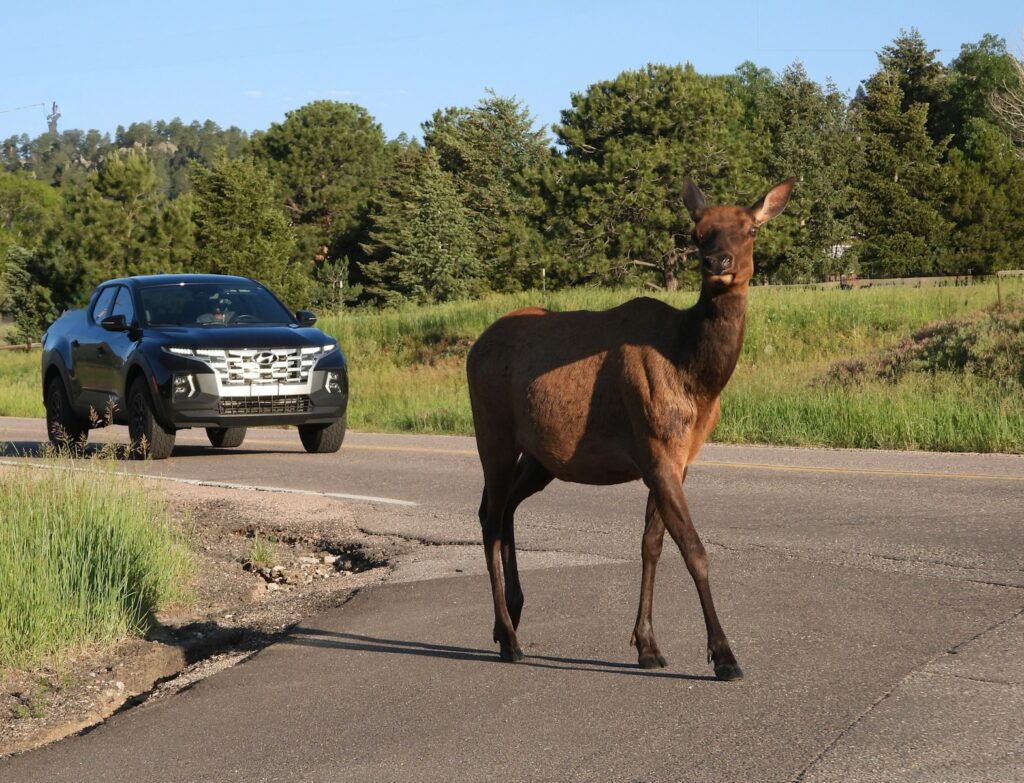
Mule deer are likewise common, mainly during the early and late hours of the day, however, you might also see them at other times. Since they cross the streets barely looking for traffic, it is necessary to be always on the alert. Crashes are a legitimate danger, in particular, on steep or winding parts where there is little space to halt.
Likewise, the bird kingdom is not left behind. On the plains of the different parts of the route, hawks, eagles, and generally birds of prey may be observed flying high in the air and they use the thermals generated by the altering land for soaring. These ides give the driver a cool feeling of awe which is in great contrast to the rest of the exhausting journey.
8. A Different Kind of Steep: US Route 14
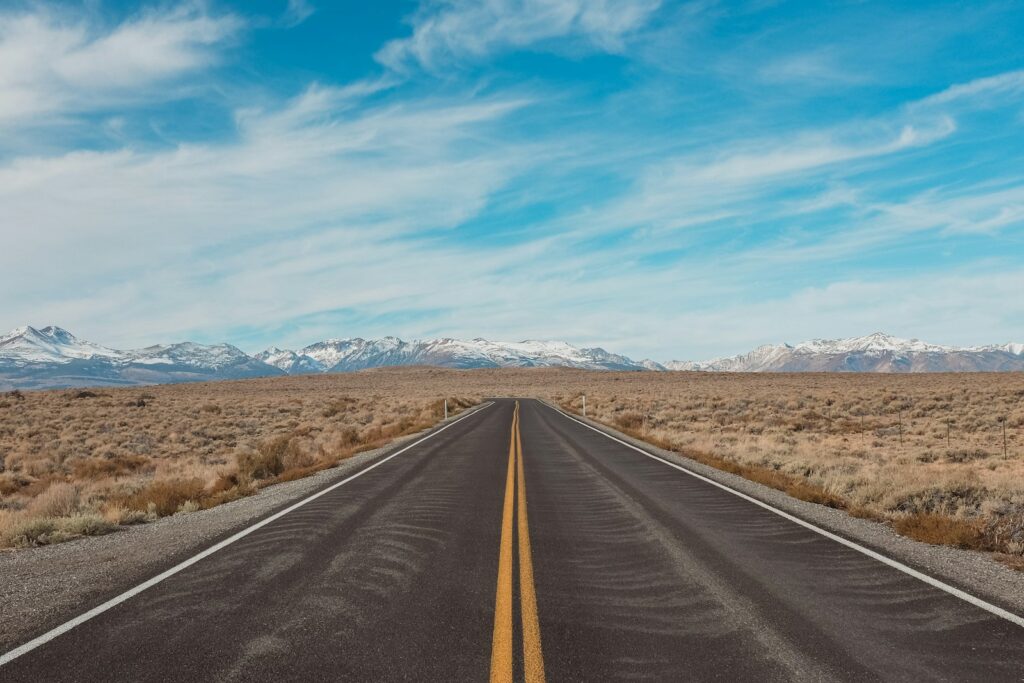
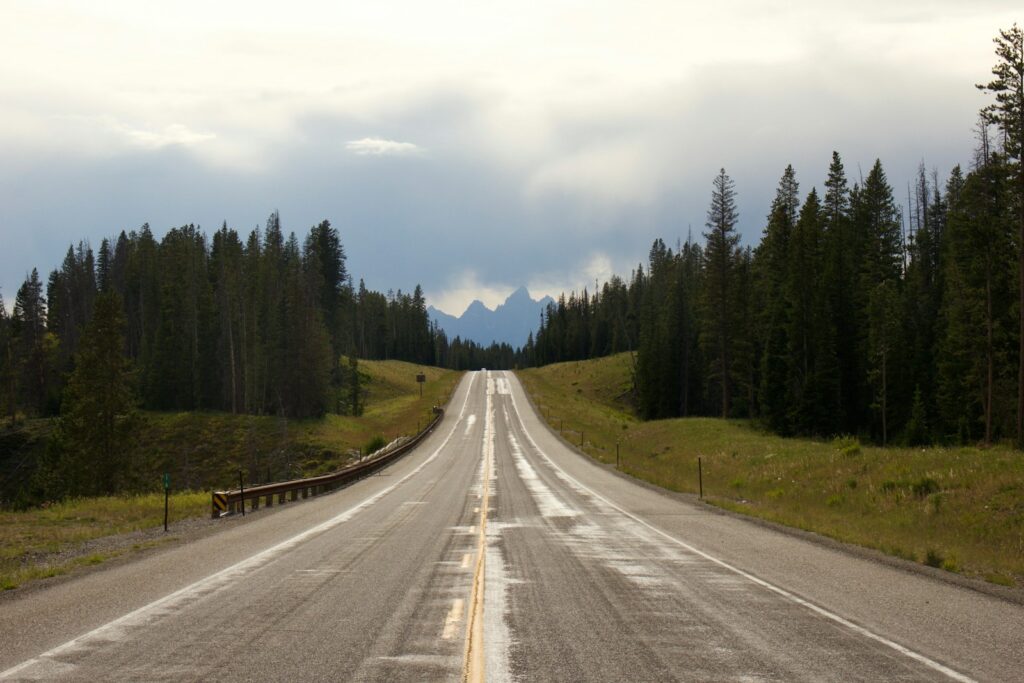
While Interstate 80 holds the official title, US Route 14 offers a very different kind of challenge. Built long before the interstate system, this road reflects early ambition and bold engineering. As it approaches the Bighorn Mountains near Buffalo, the landscape changes quickly. Open plains give way to forested climbs. The drive feels exposed and personal. It lacks the buffers of modern highways, making every ascent feel earned.
What Makes US-14 Extreme:
- Historic road design
- Steep sustained climbs
- Forested mountain terrain
- Less modern protection
- Highly exposed driving
The grades on US Route 14 push far beyond interstate limits. Long stretches average around ten percent, with certain sections reaching a staggering 13.5 percent. These numbers place the road in an entirely different category of difficulty. Driving here demands focus and respect. It’s not built for speed or volume. Instead, it challenges drivers directly. US-14 doesn’t hide its difficulty it puts it front and center.
9. Shell Canyon and Extreme Elevation
Shell Canyon marks the most intense portion of US Route 14. The incline is severe enough that many large vehicles avoid it altogether. Recreational vehicles face constant strain, both climbing and descending. There is little room for error. Every decision feels amplified. The road demands full attention from anyone who attempts it.
Environmental Challenges Here:
- Extreme road grades
- High vehicle strain
- Limited error margin
- Rapid weather shifts
- Thin mountain air
At its highest point, the road climbs beyond 9,400 feet above sea level. At this elevation, engines lose power and air thins noticeably. Weather conditions can change without warning. Snow and ice are common even when lower areas remain clear. Because of these extremes, Wyoming closes this stretch during winter. Nature effectively takes control until conditions improve. The closure itself is proof of how unforgiving this terrain can be.
10. Two Roads, Two Very Different Experiences
Interstate 80 and US Route 14 represent two distinct approaches to navigating Wyoming’s landscape. One is a modern highway, carefully regulated and engineered to operate at legal limits. The other is a historic mountain route that embraces raw difficulty. Both challenge drivers, but in very different ways. One tests systems and scale. The other tests individuals.
How the Roads Differ:
- Modern vs historic design
- Regulated vs exposed grades
- High traffic vs selective use
- Scale vs intimacy
- Engineering vs terrain
I-80 earns its reputation through consistency and volume. It carries massive traffic while operating at maximum allowable grade, proving how demanding the terrain remains even for modern infrastructure. US-14 offers something more personal. It appeals to drivers seeking connection rather than efficiency. Together, these roads tell a larger story about Wyoming. They reveal a place where beauty and difficulty coexist, and where every climb leaves a lasting impression.