







Your DIY Mechanic’s Playbook: Hands-On Hacks to Conquer Stubborn Bolts and Save Your Sanity
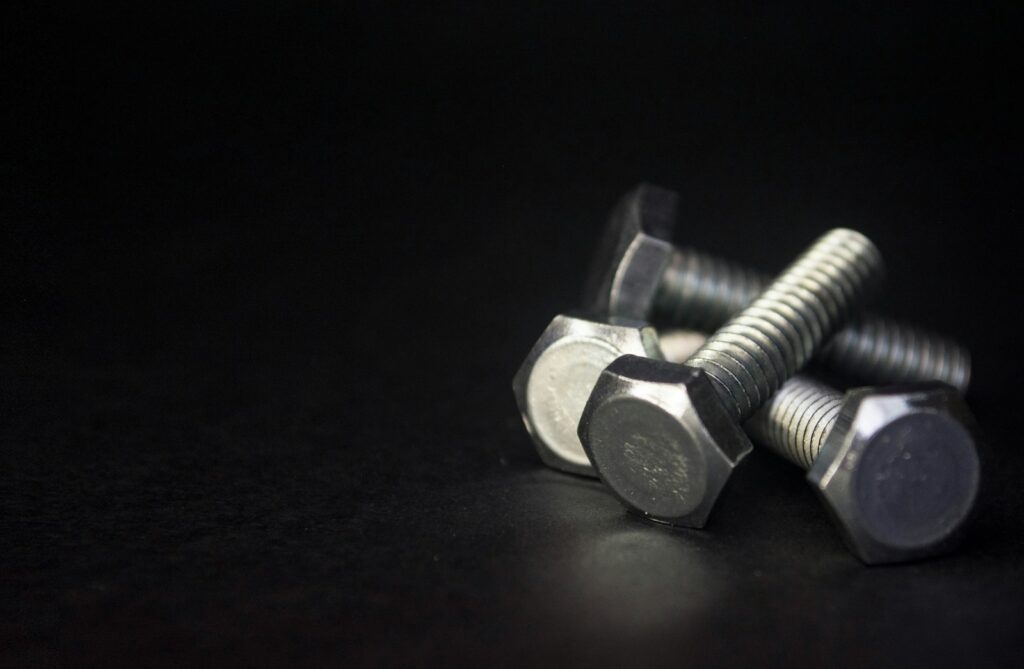
Okay, car lovers and DIYers, time to chat about something super frustrating when a bolt just won’t move. Ever been ready to replace a piece, or fix up an old ride? Then suddenly uh oh that little screw acts like it’s glued in place.
Everyone knows it stuck or damaged bolts suck. That’s what happens when gunk builds up in the thread gaps, making things bind hard. Rust sneaks in slow, mostly from salty winter streets soaking metal parts. Or worse, when unlike metals meet say, stainless bolt into aluminum and water shows up, they react quietly behind the scenes. Moisture acts as a trigger, linking them electrically, turning small fixes into big headaches.
Then there’s us people messing stuff up without meaning to. Ever cranked a bolt too hard because you thought it’d help? Or slapped on that sticky Loctite goop the wrong way? Small moves like those can flip an easy fix into a full-on struggle.
The outcome of this mechanical jam isn’t minor at all. Often, forcing a seized bolt just makes the head snap right off leaving behind a stump level with the material. That means dealing with drilling out the stub, tapping a new thread, or worse using an extraction tool that might fail. On top of that, picture your drill bit cracking mid-job, or the tap snapping inside or even the remover breaking too! One mess like this could stretch a quick fix into endless hassle.
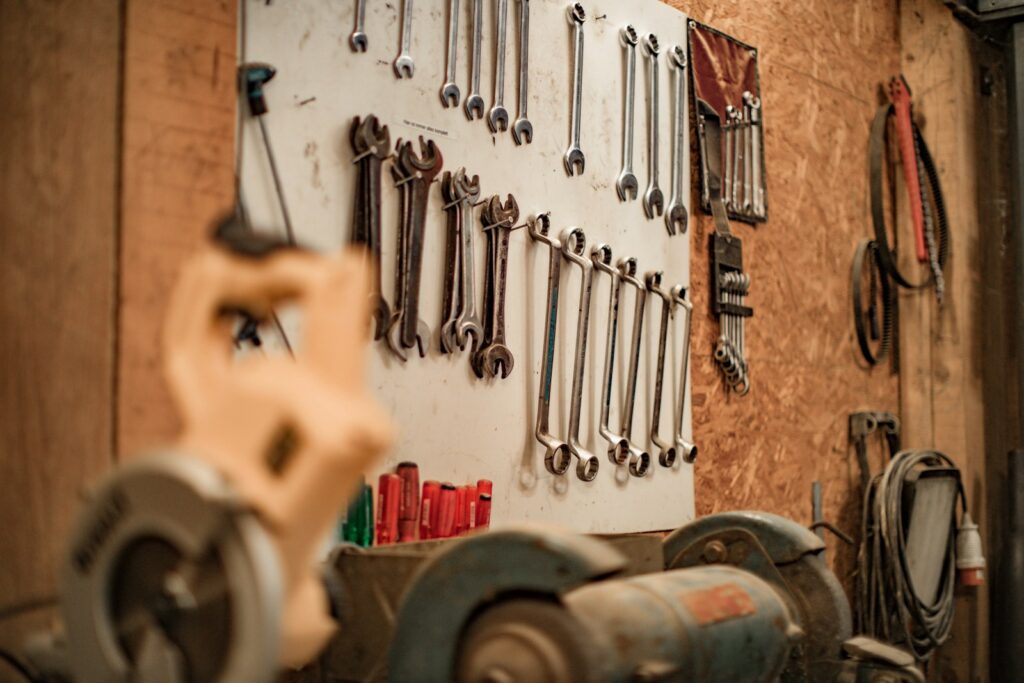
Here’s the thing no need for heavy tools or magic tricks to tackle these stubborn bolts. Folks who’ve been around cars awhile, plus crafty fix-it-yourself types, came up with plenty of practical workarounds. These methods save the part underneath from getting trashed. It’s all about using simple tricks that actually work. You gain confidence, pick up handy know-how, while avoiding big messes down the road.
The secret to getting results usually comes down to waiting your turn, having solid gear, not just rushing in. A heavy-handed approach? Yeah, plenty of folks figured out it burns time without fixing much. What really works is seeing what’s broken, then picking steps that fit like a glove. Time to check the smarter moves first the calm fixes that handle most messes before they get wild.
The Power of Penetrants and Gentle First Steps
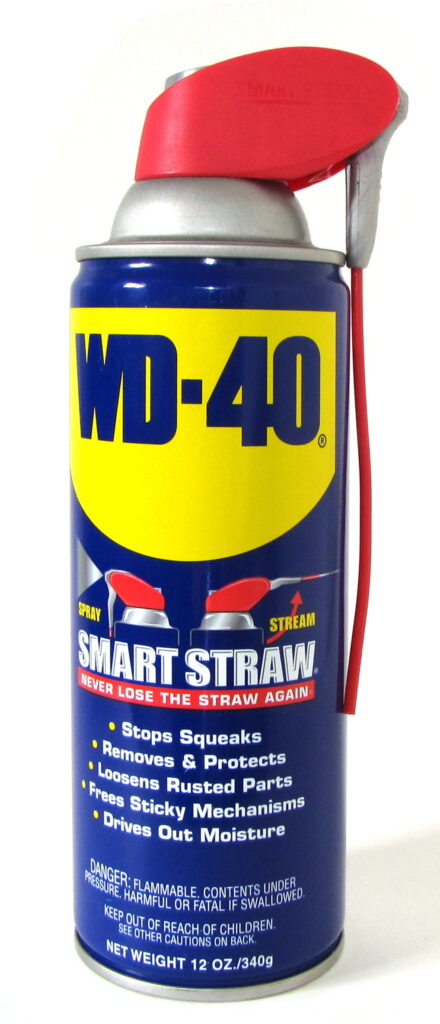
We start off with something basic lubrication. Most folks keep a can of WD-40 nearby because it helps free up tight stuff. Bolts that won’t budge? It works on those too. Still, WD-40 isn’t everything; plenty of other dedicated oils exist just for cracking down tough rust.
Things like PB Blaster, Liquid Wrench, or CRC Knock’er Loose yeah, that name’s a keeper are built to sneak into stuck bolts. They use a mix: one part eats rust, another cuts resistance, while a third helps it seep deeper. That blend matters since DIY fixes such as soda, fuel oil, or light oil lack this full range, whereas regular lubes just can’t match their speed or strength.
When things are really jammed, a few experts trust Kroil or CRC Freeze-Off to help loosen parts these fluids cut through rust like nothing else. No matter your pick, don’t skimp on the amount. Soak the bolt well so the liquid seeps far down into the grooves.
Once you apply it, just wait give it time. Leave it there for a bit, say 10 or 15 minutes if the bolts not too tight. When dealing with ones that feel totally frozen, leaving it overnight can work better. Sometimes, hitting it again more than once helps it get deep inside. After the oil’s settled, give the bolt a regular twist. When it sticks, stay calm this trick usually helps later on if you mix it with different moves.
Hit stuck bolts? Try the “love tap” move it’s what we do first. Before yanking exhaust studs off a head, smack them lightly. Works every time. Shake loose rust gripping the threads impact breaks that hold. Vibration helps without force.
A couple of no-fuss ways can get this done. Hitting the bolt’s top dead-center using a chisel works just tap it right in the middle. Aim isn’t about warping the metal, instead, think tiny cracks spreading through the rust layer. That shock helps break its grip. Be careful not to mash the edges, though. If you smash it out of shape, no wrench will grab hold later.
Rocking, Leveraging, and Tool Choice for Success
You might tap near the bolt rather than right on it just enough to shake off rust or grime. A different common way is trying an impact wrench or gun. Tap it quickly several times, switching back and forth from reverse to forward motion. That sudden pounding push may work really well to crack rust loose. Straight hits help when bolts are only slightly stuck, though they don’t always win. Still, you can pair this trick with other tricks like using oil that make things much easier.
Once you’ve made tiny cracks by tapping with a ball peen hammer or air chisel, pour on extra rust dissolver then hit the bolt again keep going till it turns. Two types of force together usually do the trick. If nothing else works, grab an impact wrench to loosen up some corrosion; just begin on low power and tap briefly since that tool can go too hard and break the fastener.
After putting on the loosening fluid and tapping it gently a couple times, give the bolt a good shake. Try this move right at the start works even better when mixed with other tricks. If a bolt won’t turn no matter what, most folks push harder and hold it there, waiting for it to break loose. That’s exactly how you end up breaking the bolt head clean off. Go light, go smart, keep it smooth.
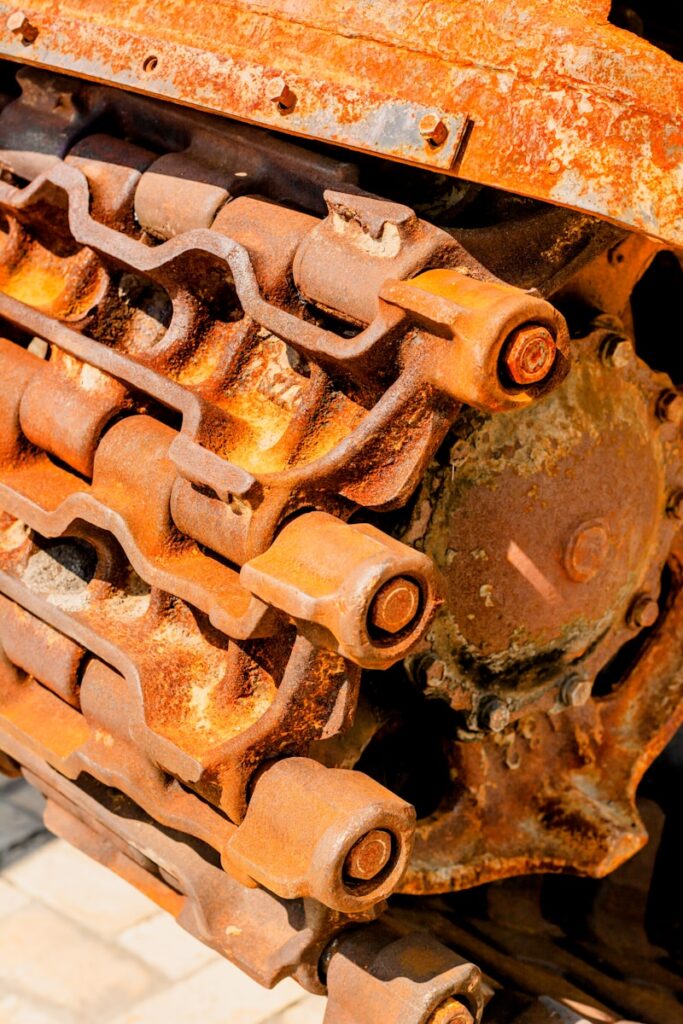
Use a ratchet and socket wiggle the bolt or nut gently one way, then the opposite. Ease it lose a hair’s breadth, sense the tight spot, shift direction, spin it close to where you began. Next round, crack it slightly more than before. Rocking like these chips away rust bit by bit.
When a few hidden threads show up while you’re working, hit them with extra penetrant this helps it seep farther into tight, rusted spots.
When loose strands show up while twisting, hit them with extra fluid so it seeps farther into tight, rusty spots. This might take time stay calm, don’t rush but plenty of stuck screws have loosened this way. Douse the screw each time you wiggle it side to side; that mix usually cracks the problem wide open.
Here’s the thing mechanical advantage matters if you want things to actually work. Sounds basic, yet folks still grab whatever wrench is handy; don’t do that. Use one that fits perfectly. Even a tiny gap? That’ll chew up the bolt corners fast. Before you know it, what was just tight becomes impossible now it’s mangled metal instead of a fixable problem.
A six-point socket typically fits tighter, which lowers the risk of damaging corners. When picking a wrench, go with a box-style rather than open-ended. The open kind tends to slip easier, leading to stripped edges; on the flip side, the closed type wraps fully around the nut or bolt, holding it better.
Smart Leverage and Basic Tools Done Right
These things just make sense yet skipping them can cause real trouble. When you need extra power, grab the “cheater bar.” Anyone who’s messed around under a car likely tried this trick before. Here’s how it works slip a longer pipe onto your wrench handle. That gives way more reach, so you can twist harder without straining. Instead, breaker bars do something alike they’re basically thick, heavy sticks made to spin sockets loose.
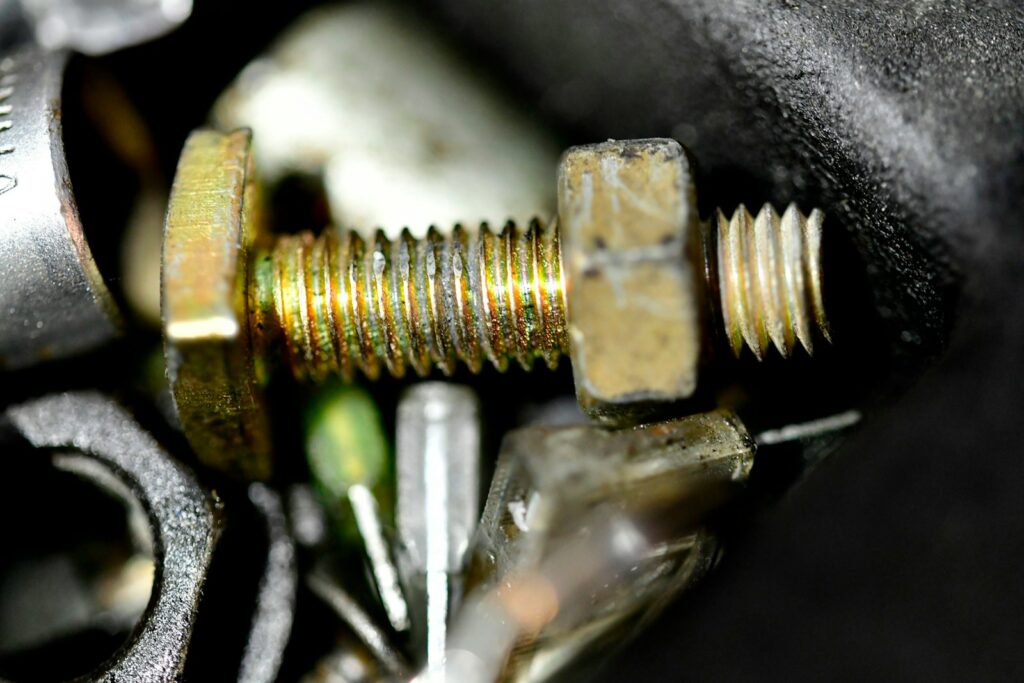
A cheater bar gives you serious power but don’t forget, extra leverage means you might go too hard and break the bolt. Here’s the thing: it’s about control, not muscle. Take it slow, stay sharp, yet turn just a tiny bit each time. If things stick, use light taps from a hammer on the pipe it adds shock without wrecking your gear.
Here’s a tip that may seem obvious make sure you’re turning it the right way. Lots of screws come undone by spinning them left, like the old “loosey left, tightly right” trick says. Still, certain ones, especially on particular parts or when they’ve got reversed threads, turn opposite. Look at your service guide or take a second to think before moving forward it could stop you from making a frozen screw worse.
Lastly, adding a pipe wrench to your tools might seem simple but it really works when dealing with a rounded-off bolt. Most folks already have one lying around the garage; they’re built well for tough jobs like this. Just clamp it tight onto the nut or bolt head no need for perfect alignment. When you turn the handle, the more pressure you apply, the tighter the grip gets, thanks to how the jaws react to force. This sometimes gives enough grip to twist a nut when regular tools will just slide off so keep an eye on your fingers if it jumps loose!
Most times, these basic tricks work best when dealing with frozen bolts. Since rust or tension often causes the jam, try spraying oil to loosen things up let it sit a bit before acting. Tap around the area now then apply pressure not nonstop with quick hits helping break resistance. Move the nut back and forth slowly instead of forcing one way hard. Use tools that fit perfectly plus add a pipe if needed for extra push – but don’t rush. With steady effort, most stubborn parts will give after a while.
When All Else Fails: Moving into Advanced Techniques
Now and then, mixing up these methods works best. Try dousing it with spray first then give a few soft taps. After that, ease the fitting back and forth using a proper wrench; things usually loosen up. Aims to crack loose rust holding it tight while sliding the screw free without messing up nearby parts.

Keep it simple this is about real solutions you can try right now. Every step gives clear fixes for everyday issues. These tricks help you handle repairs yourself, bit by bit. Yet sometimes, even these won’t do the job. What happens when the bolts totally ruined or snapped clean off? Then it’s time to pull out tougher methods, precise moves that hit stubborn screws right where it hurts. Still, we’re holding back the heavy-duty tricks till the following part. Stick with these basic steps for now get comfy with them and you’ll quickly level up your ability to yank out frozen bolts.
Okay, maybe you used spray stuff, tapped it gently, wiggled it carefully, or grabbed a longer wrench. Still won’t budge. That bolt’s ignoring you hard. Hold off on quitting. Once basic tricks flop, switch up your move. We’re leaving behind basic moves, stepping into smarter strategies here come heavier tools, plus sharper methods that tackle the toughest stuck bolts. Say hello to your upgraded toolkit for beating tight fasteners and pulling out hopeless screws.
Our path to stronger fixes usually starts with something basic from science heat. Think back to school, when you studied how stuff grows or shrinks with temperature? That info actually helps a lot right now. Heat up metal it gets bigger; let it cool it pulls back in. This regular push and pull can snap even stubborn rust holding screws tight. The trick? Heat up the bolt’s head or shaft till it’s nearly glowing makes it swell. When it cools down, it pulls back, which can crack the rust holding it tight, so the bolt might actually twist free.
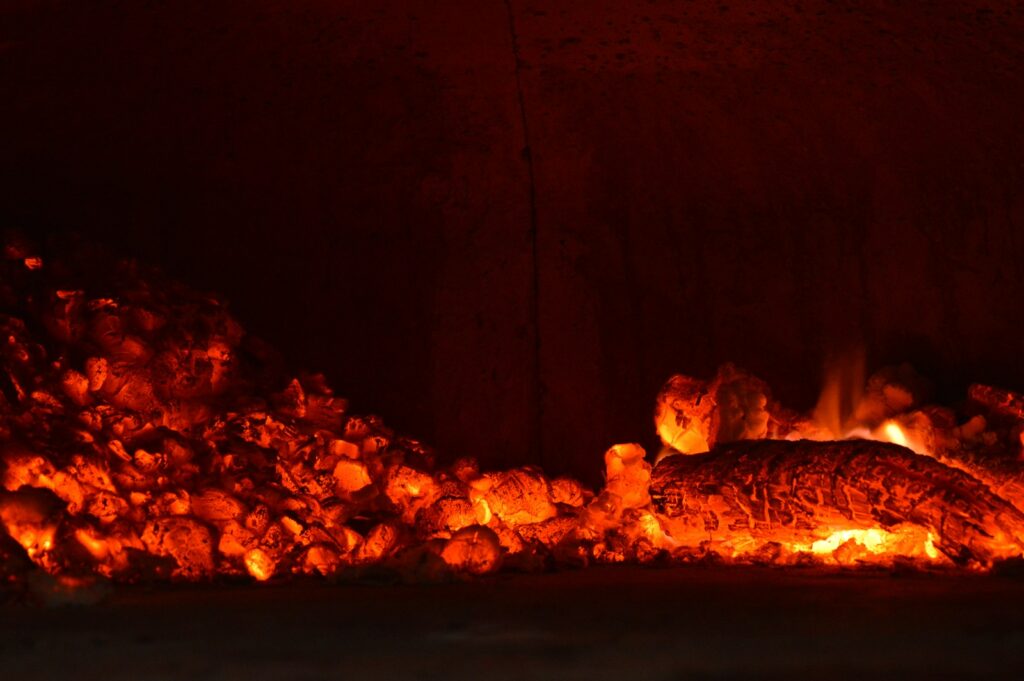
Heat can help when aimed near the bolt. Warming the part where the bolt sits makes the hole grow a tiny bit. That small stretch gives a hair more space sometimes all you need to break loose the hold. It’s effective since the metal around relaxes, letting the bolt twist free. To boost the hit, use heat along with force.
The Final Word for Every Weekend Wrench-Turner
Once you’ve bled on the job, fought rusted parts, cursed at frozen nuts under dim light, soaked things in oil overnight there’s no denying it: stuck bolts come with the territory if you’re fixing stuff yourself. They push your limits, challenge how clever you can get, even mess with your head but they toughen you up too. Each time you crack one loose, you gain something real. That win sticks with you, shows up again when you tackle next projects.
It’s not about how hard you push or what gadgets you use its smarter moves, staying calm, because knowing why bolts react the way they do makes all the difference. Instead of guessing, try slow tricks such as wiggling parts loose or adding oil, yet when things get stuck, turn up the heat, slice stress points open, bore holes through them, even tack on metal to twist free. You’ve got options now, not random advice but fixes that actually work, used daily by experts, home fixers, anyone willing to fight back against corroded junk no matter how tight it seems.
When stubborn bolts pop up, you’ve got the tools to face them straight. Rebuilding a motor, swapping out suspension parts, or bringing an old car back tackle it without losing grip. Stay calm, choose the smart move, protect yourself, then get turning. Every time you push through a tough job, your skills grow sharper in that workspace.