




Your Ultimate Motorcycle Garage: Essential Tools and Setup Tips for Every Rider

The garage of a motorcyclist is much more than a set of four walls and a concret floor where he or she can park his bike at night. To a majority of us, who are here to ride, it is our own place of sanctuary, our own little getaway where the smell of oil, rubber and metal feel like your home. It is our personal escapegoal after the hard week, where we come in with our tools, low-music-on, and we fiddle with the only thing that always goes right, our motorcycle.
Nothing is about displaying and filling the room or illuminating it with: there are large-priced gadgets. It is all about making the maintenance process simpler, ensure that everything is well organized, and make what otherwise would have been a frustrating downtime, to be enjoyable. With the right garage you present you do not just solve problems in your garage, you prevent problems. You take less time to find tools, less money to fix unexpectedly, and much more time actually riding. This is what any serious rider must have in his or her garage.
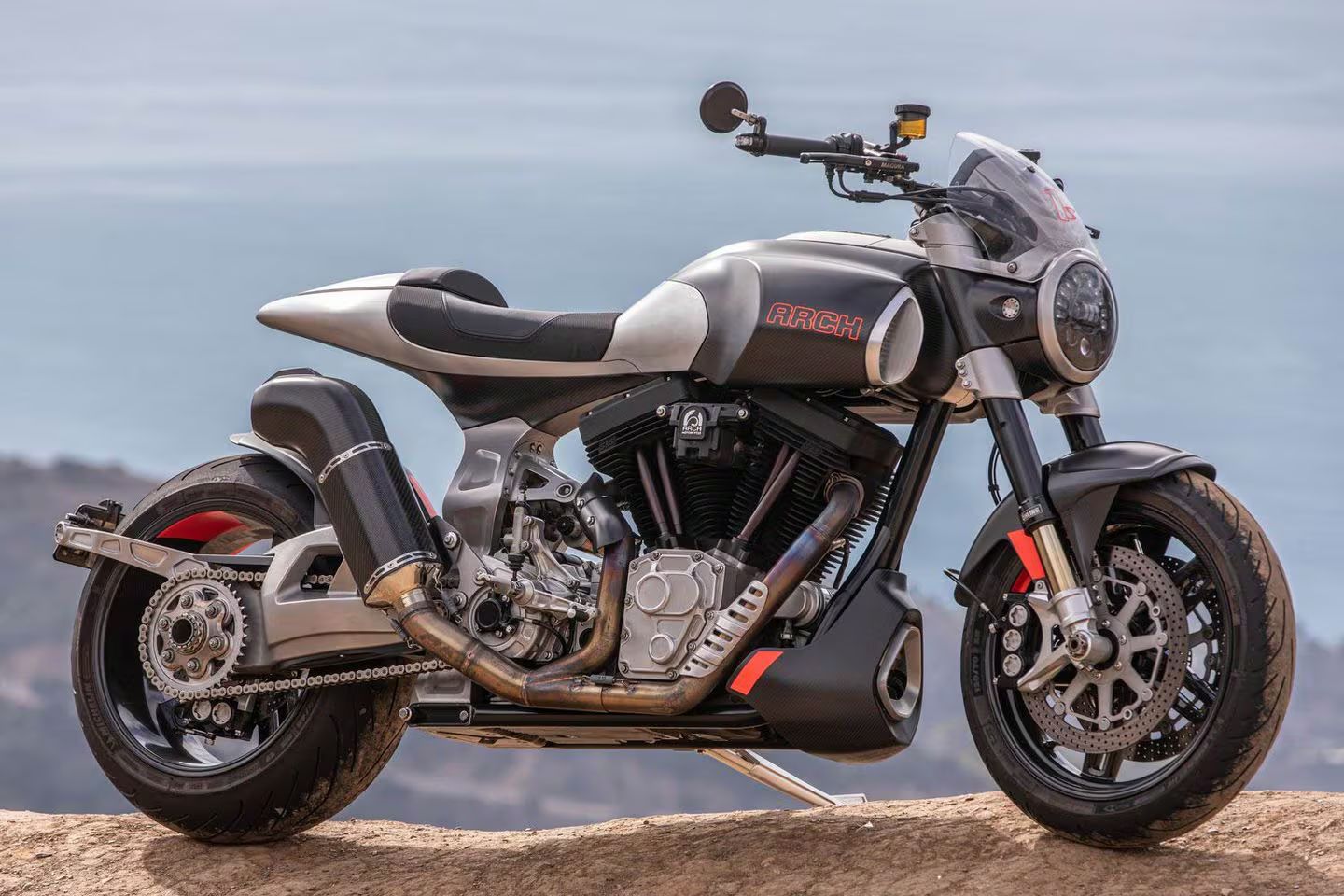
1. Motorcycle Stand or Lift
It is no fun on your side when you are attempting to keep your bike on a sidestand and you are fighting to adjust the drain plug on the chain or the oil. Everything is different with a good motorcycle stand or lift. It has the bike firmly stuck and standing erect so that you can comfortably work without fear of the entire item tipping over on you.
This is one of the first things you should invest in whether you are going to take a simple rear paddock stand when you are doing quick jobs or you take up to a hydraulic center lift when handling a big project. It makes regular service easier, quicker and frankly much less stressful particularly when you are on your own at an odd time of the night.
The reason why a Stand/Lift is an important part of every garage:
- Holds bike in place when cleaning and lubing the chains.
- Makes changes of oil clean and spill-free.
- Lessens chances of accidental toppling.
- Compatible with the majority of bike models in case of adjustment.
- Makes solo care not risky.
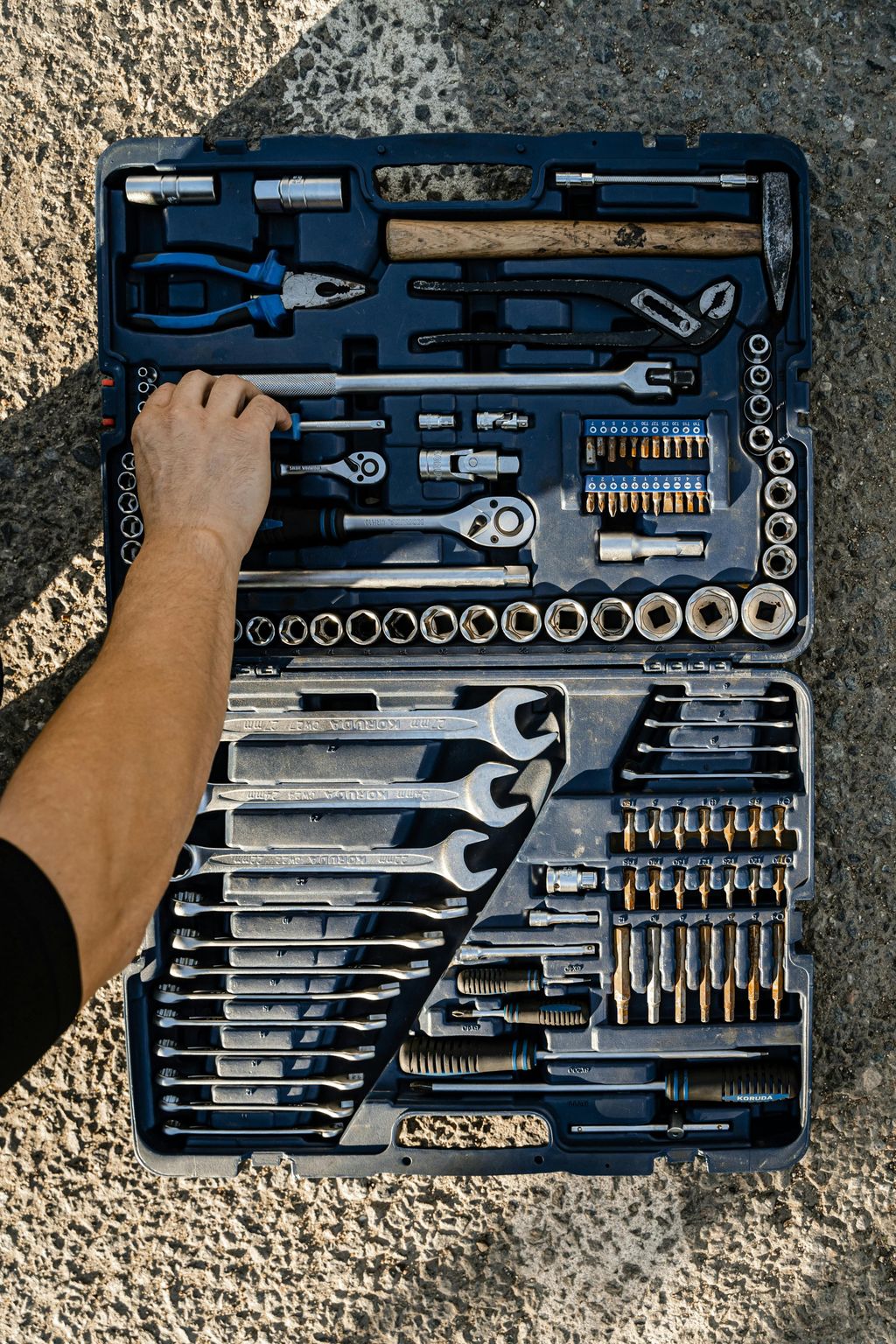
2. Comprehensive Tool Set
Simple as that you can not do serious work without the right tools. A decent motorcycle tool kit must include the fundamentals, such as sockets, wrenches, screwdrivers, and hex keys, and also include the specialty items: Torx bits, chain breaker, torque wrench, and possibly some other unusual sizes as well, depending on your bike.
Inexpensive tools can be economical initially but at the most inopportune time they will always break down normally at the time when you are either stranded in the road or while undertaking a task. Lay a minor additional sum on quality brands that feel good in hand, and which will not round up bolts, or break on the strain. You will hardly know how you ever shared this life without a good set once you have them.
What Every Rider Needs in his or her Tool Kit:
- Complete socket/wrench set (metric & standard)
- Quality torque wrench of the critical fasteners.
- Chain breaker and rivet tool
- Several hex/Torx sizes used on the modern bikes.
- Screwdrivers, pliers and wire cutters.
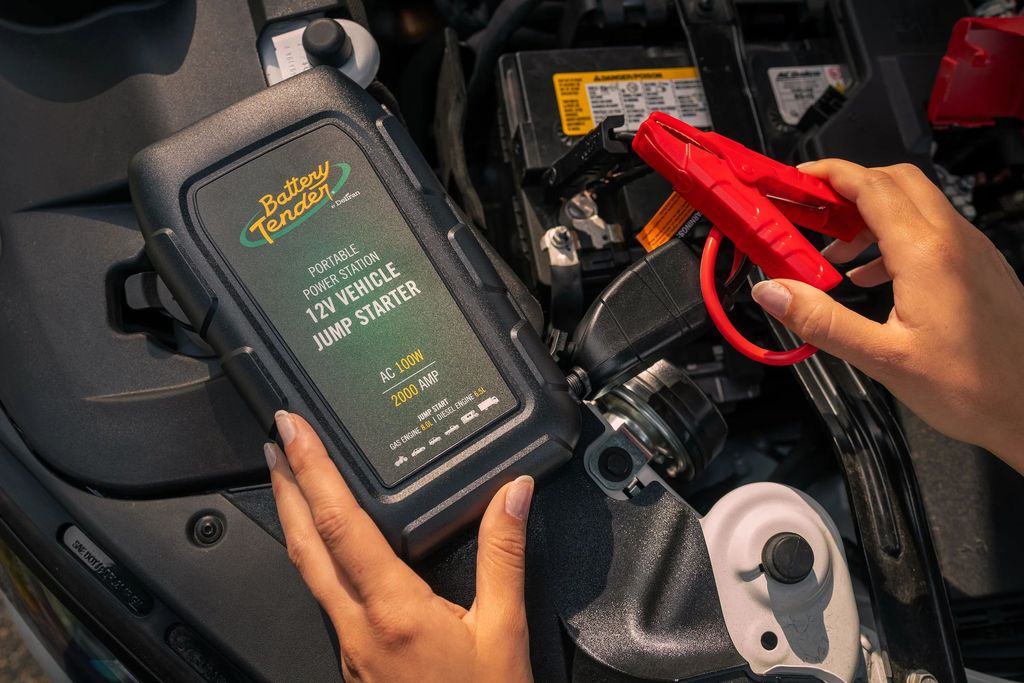
3. Battery Tender
And the worst way of killing the mood is to get on your bike after a couple of weeks (or even months) of inactivity to fire it up only to get that sad, dead click of the starter. A battery tender a clever trickle charger is that, to that effect. It is plugged in, not only into your battery, but it has self-regulation to keep the optimum charge level in the phone and does not excessively charge the phone even when the bike is sitting outside all winter.
Lesson learned I have realized that competitors of flat batteries are not only inconvenient but that they may cause more serious problems such as sulfation, which reduces battery life. An excellent tender with a float mode is good insurance; it needs to be established and left to run and when the weather demands it, it will do. Your bicycle is at the ready, and you are glad.
The Reason Every Rider needs a Battery Tender:
- Prevents deep discharge in the storage.
- Smart charging prevents damages caused by overcharging.
- Best in seasonal or low usage bikes.
- Prolongs battery life in general.
- Quick plug-and-play setup
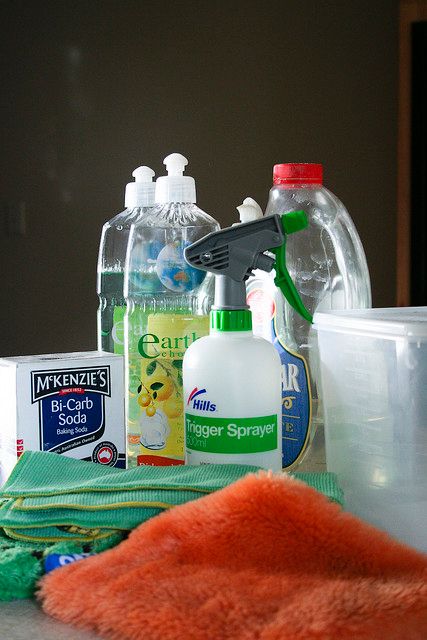
4. Specialized Cleaning Supplies
A clean bike is not merely an Instagram thing but it is seeing problems that are small enough and transforming them into the large one, as well as it is just going and feeling better. With a specific cleaning kit in the garage, you can easily go out with your dusty bike and wash it in a hurry, or you can also give it a serious detail in time when you are in the mood.
Consider microfiber cloths that will not scratch, a decent chain cleaner that slices through dirt without damaging O-rings, a powerful degreaser in engine cases, and an excellent wax or protectant on paint and chrome. Add a bucket, hard-to-reach-spots soft brushes, and an optional foam cannon. Keep your investment intact and make each ride more fun through regular cleaning.
Key Items for Effective Bike Cleaning:
- Microfiber cloths for streak-free drying
- Chain-specific cleaner and brush
- Degreaser for engine and wheels
- High-quality wax or ceramic coating
- Soft brushes and separate bucket
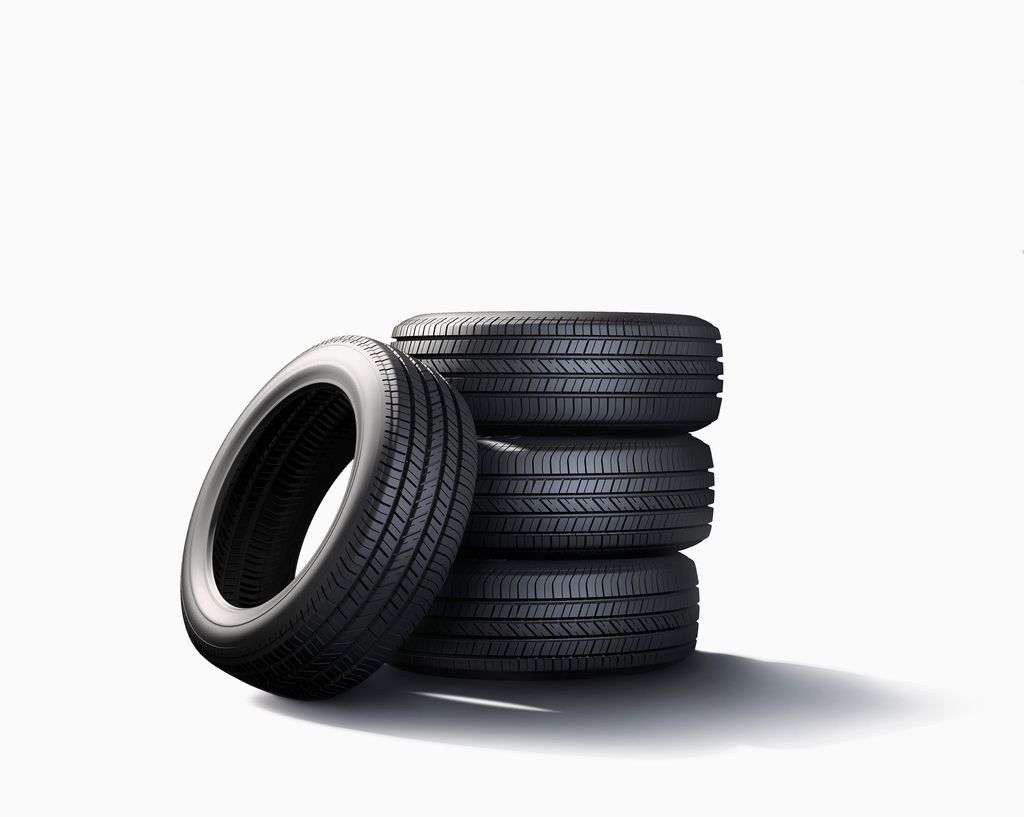
5. Tire Care Kit (Gauge & Inflator)
Tires are literally where the rubber meets the road your only point of contact so keeping them at the right pressure is non-negotiable for safety, handling, and even fuel efficiency. A cheap gas station gauge? It lies. A portable air compressor from the corner store? Usually weak or inaccurate. Your own digital tire pressure gauge and compact inflator combo fixes that forever.
The digital gauge gives precise readings down to the PSI, and the inflator lets you top up right there in the garage without running to a pump. Do it weekly or before every long ride, and you’ll notice better grip, longer tire life, and fewer surprises on the highway.
Essentials for Proper Tire Maintenance:
- Accurate digital pressure gauge
- Portable electric air compressor
- Consistent PSI checks before rides
- Prevents uneven wear and blowouts
- Improves handling and mileage
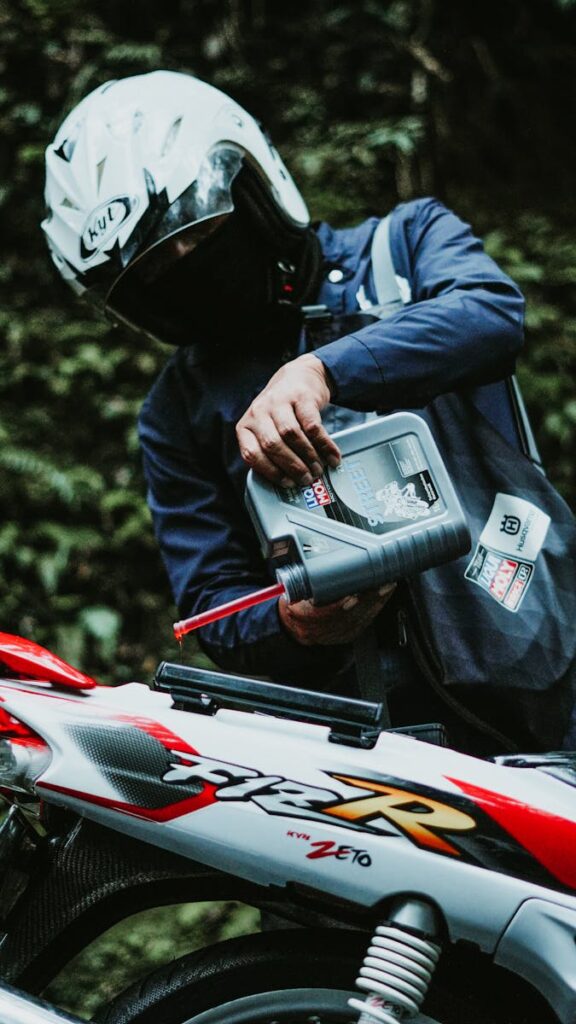
6. Critical Fluids and Lubricants
Your motorcycle is not some low-maintenance appliance it is a breathing live machine who consumes specific fluids to be alive and happy. Having the right ones in the garage also ensures that you are not caught out when the time to change the oil, bleed the brakes or even lube the chain comes on. The most common are engine oil (the exact spec your manual recommends), brake fluid that is DOT rated, coolant (assuming your bike is liquid-cooled), and lubricated chain that is of high-quality.
In addition to the regulars, there are a few extras such as penetrating oil that can be used on rusty bolts, anti-seize that can be used on stubborn fasteners and perhaps some assembly lube that can be used in rebuilds that can save you a lot of headache. Keep it tidy away on a shelf or a special caddy spills can occur, however when your fluids are organized you will keep your working space tidy and your maintenance will be predicted.
Essential Fluids and Lubes Your Garage should have:
- Cycle-specific engine oil (check viscosity and rating)
- New brake fluid (DOT 4/5.1) as necessary.
- Chain lube (wet or dry depending on your conditions of riding)
- Oil and anti-seize compound penetrating.
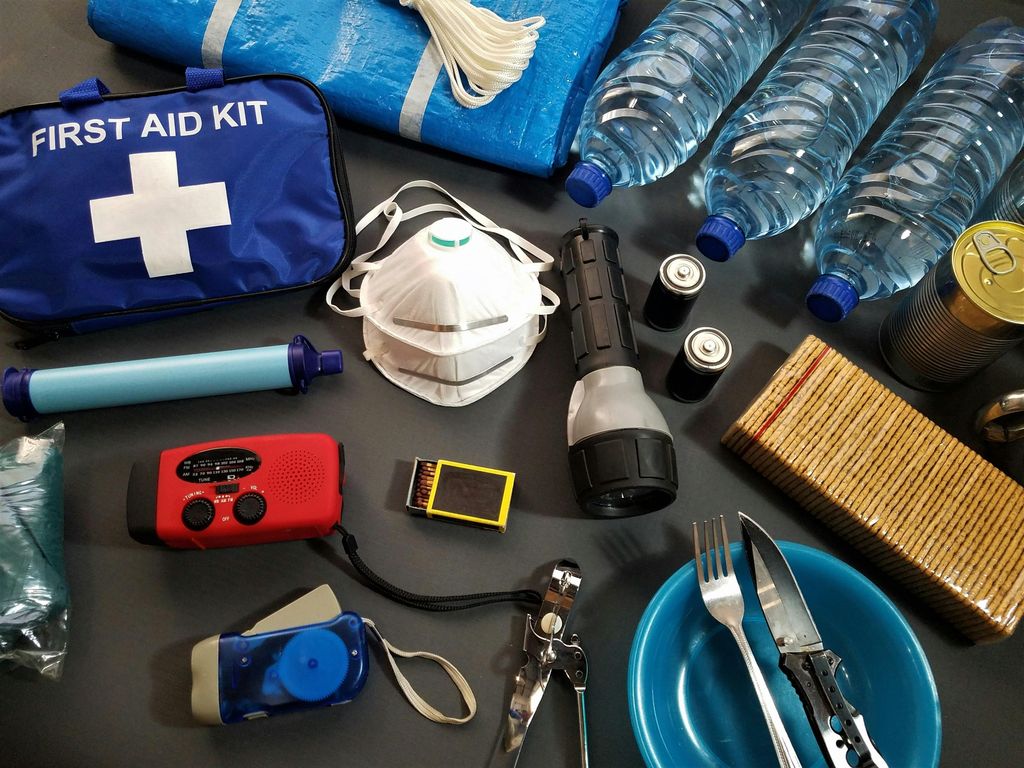
7. First Aid Kit
Garages are often too dangerous to be believed about sharp edges, rotating tools, hot exhaust components and the slipped wrench which occasionally happens to be part of the game. You can never have too good a first aid kit because it is your first line of defense in case things get out of hand. It does not require a complete trauma station, just something good enough to treat the usual workshop injuries, cuts, scrapes, burns, blisters and the smashed knuckles inevitable to all.
Fill it with bandages (in different sizes), antiseptic sponges, gauze pads, medical tape, splinter or metal piece tweezers, painkillers, and even burn gel in case of hot parts accidents. Stick it on the wall or somewhere prominent in plain view so that you can find it easily since the last thing you will want to do is bleeding, searching drawers.
Things You Can Not Do Without in Your Workshop First Aid Kit:
- Various adhesive bandages and sizes of knuckle and fingertip.
- Antiseptic ointment and wipes.
- Sterile medical tape and sterile gauze pads.
- Tweezers and small scissors
- Aspirin pills and burn ointment.
8. Good Lighting in a Workbench
When you want to be serious with your bike, you have to have a good work bench a solid, level work surface that is not going to be shaky as you tighten a bolt or loosen a carb. It is your command center: the location where components are positioned, the tools are kept in place and the real work occurs. It will not pass on a cheap folding table, purchase a heavy-duty one with a steel or thick wood top, which will be able to endure abuse.
Lighting is just as critical. The lighting in most garage ceilings is horrible when doing close-ups you are forced to squint and look at hairline cracks that are so small. Install bright, adjustable LED shop lights, strips under the cabinets, or even a good task lamp with a flexible neck. It is a case of night versus day (literally). A bright bench is less errors, less swearing, and uncountable joy upon doing a job correct.
The reason a good workbench setup is important:
- Offers a stable surface to do work on.
- Maintains components and tools at a single location.
- Shifts fatigue when making long sessions.
- The lighting used is bright and can be adjusted to avoid strain on the eyes.
- Easy to add vise, pegboard or drawers.
9. Storage Solutions
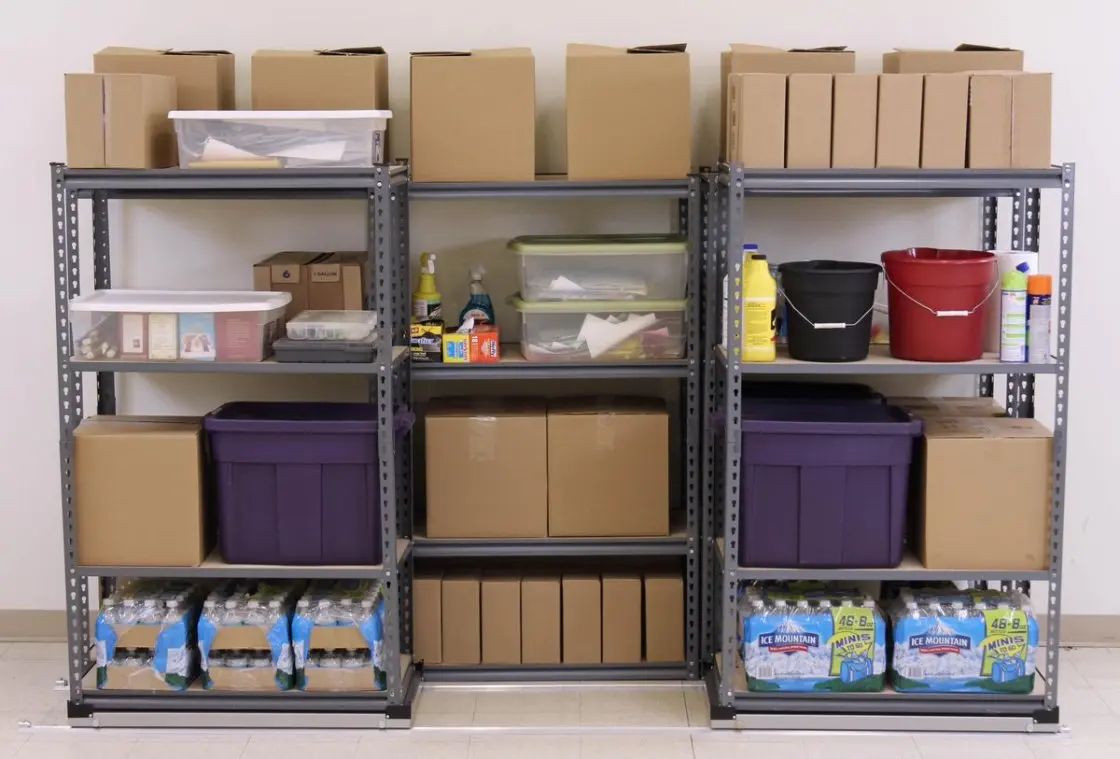
The motorcycle equipment multiplies quickly helmets, jackets, gloves, boots, rain suits, spare parts, and all the miscellaneous items which appear in full view whenever we want them most. And the lack of smart storage is what makes your garage a huge frustrating scavenger hunt every time you need to ride. A good shelf, wall hooks, pegboard and specific bins would ensure that everything is visible, can be accessed and not covered with dust or any damages; as well as should not be spilled by accident.
Wall-mounted helmet racks occupy less space on the floor and avoid the knocking around of helmets and ventilated cabinet or open shelving of jackets and gloves occupies less space and allows easy airflow to dry out gear. Stick some magnetic strips or pegboard tools to it and now suddenly your garage is not so daunting. It is not a fancy thing, it is making preparations and clean ups fast to spend more time on the road.
Smart Storage Ideas for Gear and Parts:
- Wall-mounted helmet racks to protect shape and lining
- Hooks and shelves for jackets, gloves, and boots
- Pegboard panels for hanging tools and accessories
- Clear bins for small parts and spares
- Ventilated cabinets to prevent moisture buildup

10. A Dedicated Riding Gear Drying Rack
Few things are more miserable than suiting up for a ride only to discover your gloves or jacket are still damp from yesterday’s rain. A proper drying rack changes that completely. It’s a simple system often wall-mounted or freestanding with good airflow designed to hang wet gear so it dries quickly and evenly without heat damage or funky smells setting in.
You can go DIY with some PVC pipes and hooks, or grab a purpose-built one made for boots, gloves, and jackets. Either way, it keeps your expensive riding kit fresh, mold-free, and ready whenever the weather cooperates. In a humid place like Ahmedabad, this is especially valuable no more soggy liners or musty smells ruining your day.
Benefits of a Dedicated Gear Drying Rack:
- Quickly dries wet jackets, gloves, and boots
- Prevents mold, odors, and material damage
- Good ventilation for even airflow
- Wall-mounted options save floor space
- Keeps gear ready for the next ride