



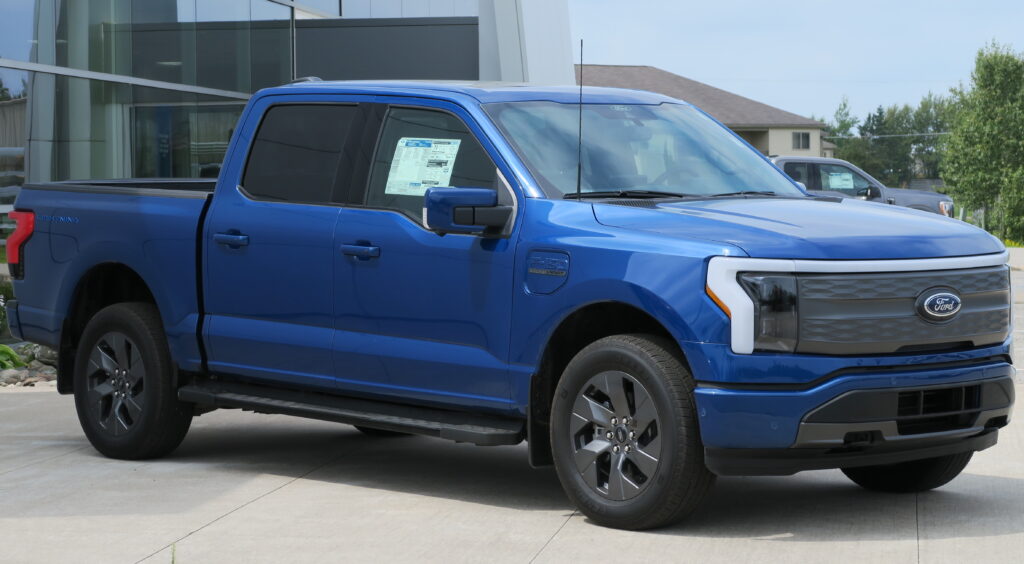
Toyota’s 745-Mile Battery Is a Bold Bet on its EV Future
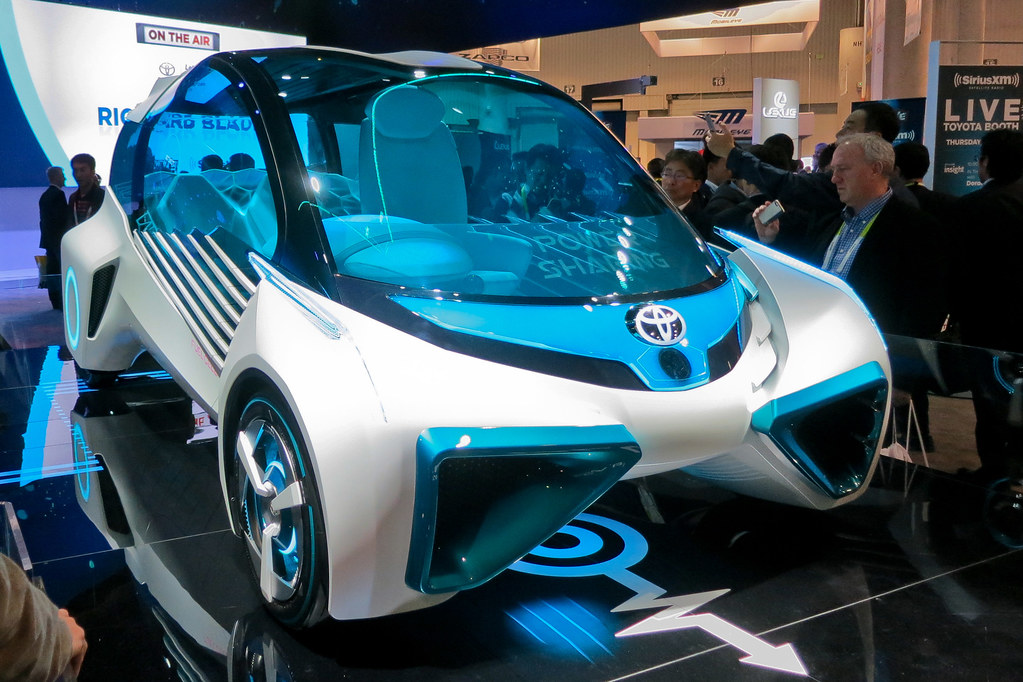
The battery sector has been evolving for a number of years through consistent and incremental improvements to battery technology. So far this development has almost entirely been to give an EV just a few more miles of range, cut charging times, or improve efficiency. While those increases have been necessary, they haven’t generally altered the overall experience of owning an EV and in many cases, the consumer concerns over range, charging infrastructure, and battery lifespan continue to put them off switching.
Toyota has now thrown a curveball at those assumptions. The company believes it is getting close to achieving a major breakthrough with the next generation of its solid state battery technology. Toyota is citing a potential 745 miles of range on a single charge with charging taking roughly ten minutes for the new battery. Both numbers blow anything on the market today out of the water and could potentially change consumer perceptions dramatically.
This announcement comes from a company that has traditionally been a conservative player in the fully electric vehicle arena, choosing to pursue alternative technologies and continue to invest in long term battery research instead of churning out EVs en mass like some of its rivals. If this project comes to fruition Toyota could leapfrog from being a lagger in the EV race to a true game-changer.
1. Why Driving Range Still Matters
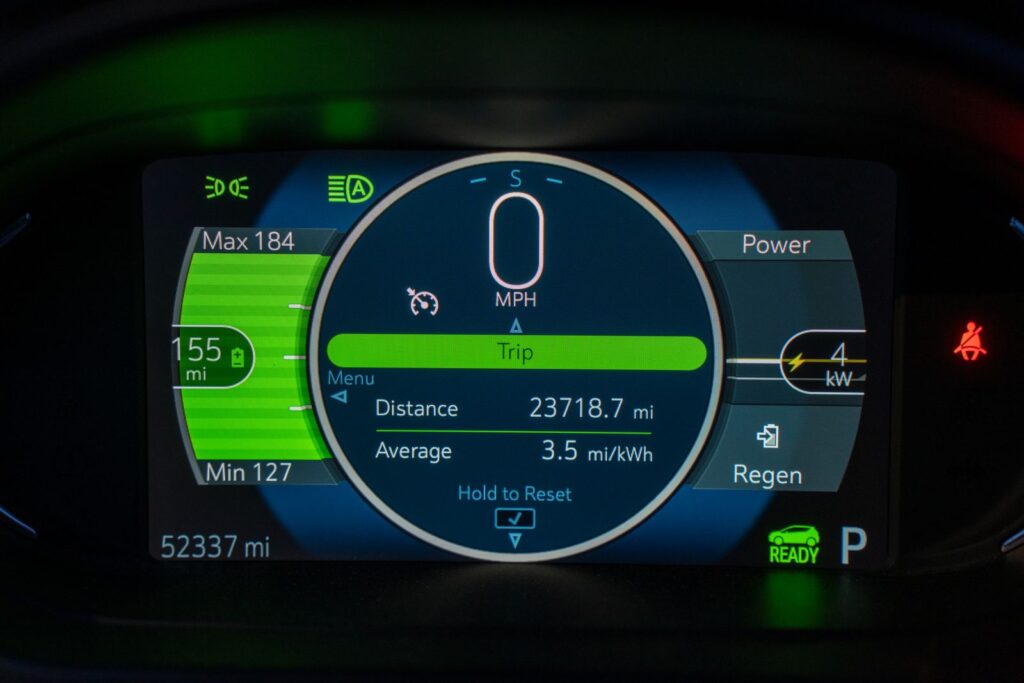
Perhaps the biggest hurdle still facing the acceptance of electric vehicles among many drivers is range anxiety. Even with modern electric vehicles producing respectable distances per charge, some drivers are still not able to get comfortable with the notion of being stranded without power over long distances.
Key Reasons Range Remains Important:
- Reduces range anxiety concerns
- Supports long-distance travel needs
- Improves road trip convenience
- Increases buyer confidence levels
- Enhances everyday vehicle flexibility
Each year, consumer surveys show that long-range is still one of the top considerations when deciding on a new automobile. Whether taking a road trip or committing to a longer commute or going between states, drivers weigh their decision on electric vehicles compared to the standard combustion-engine model. With people wanting to be able to get where they need to go without constantly needing to stop and recharge, long-range has been a key deciding factor for a while.
Toyota’s plan to achieve 745-mile range seems aimed directly at solving these issues. This type of range would further distance owners from their frequent charging needs, making the choice to buy electric even easier for a wider pool of people. If Toyota is able to reach their goal, it could drastically change expectations for owning electric cars.
2. The Technology Behind Solid-State Batteries
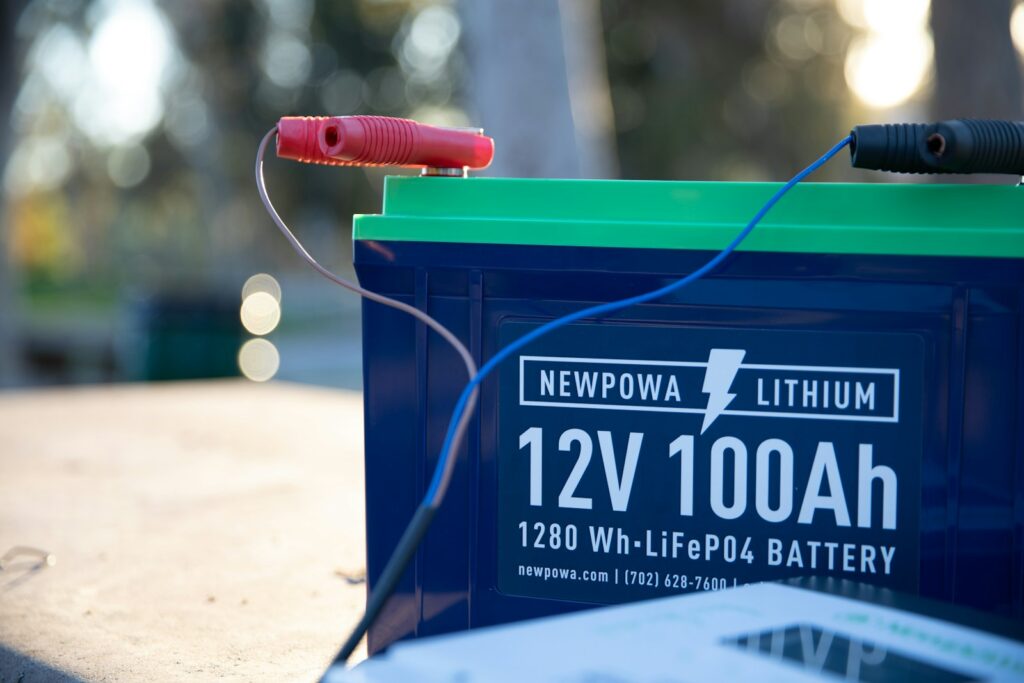
At the core of this aggressive vision is solid-state battery technology. While traditional lithium-ion batteries depend on liquid electrolytes for transferring energy within the battery pack, solid-state batteries employ solid materials for this task. Although it may sound like a minor shift, the difference can significantly alter performance, efficiency and even design.
Key Advantages of Solid-State Batteries:
- Higher energy density potential
- Reduced battery pack size
- Improved thermal stability
- Enhanced overall safety
- Greater long-range capability
In addition, another key advantage is the ability to store more energy in the same space compared to previous systems. This high energy density makes it possible for manufacturers to increase the driving range without necessarily having to use the large and heavy components. This fact makes it so that even companies such as General Motors continue to contribute large funds towards development in solid-state batteries as a next generation power source. The combination of a large energy storage capacity within an economical physical space, in addition to other important advantages, makes this a popular choice.
Safety is an additional advantage over many conventional batteries currently in production. Existing batteries are designed with combustible fluid electrolytes which have been known to produce problems during extreme temperatures, or when there is physical damage applied to the device. Solid state batteries eliminate the use of large portions of these liquids, leading to an increase in safety. This overall package of increased safety and high energy density makes it such a remarkable device.
3. A Battery Designed for the Long Haul
Perhaps one of the most appealing advantages of solid state batteries is the excellent expected lifetime, the so-called durability, of the battery. Today lithium ion batteries progressively lose capacity after every charging/discharging cycle. Modern EV batteries can be used for several years, but the loss in capacity is unavoidable.
Key Long-Term Battery Benefits:
- Extended battery service life
- Reduced capacity degradation rates
- Higher charging cycle endurance
- Lower replacement requirements
- Improved long-term sustainability
The research team feels that these solid state batteries could have a much better lifetime than present batteries. Some early reports point out that these new batteries will last through significantly more charge cycles and still maintain a greater percentage of original capacity than current batteries, which would translate to a significantly longer effective life than current batteries.
A battery that lasts several decades would greatly benefit the consumer and also the automobile industry. Consumer ownership costs would eventually decrease over a vehicles lifetime and the overall value of the vehicle would also be higher while material waste is decreased.
4. Toyota’s Performance Targets
These aggressive goals by Toyota have their next-gen battery tech poised to lead the way in the future of electric vehicles. Most exciting of these, is the predicted range of up to 745 miles on a single charge, which would have electric Toyota cars well ahead of where most of their current electric competitors are at.
Key Performance Goals:
- Up to 745 miles of driving range
- Approximately 10-minute charging times
- Higher energy-density battery design
- Improved overall vehicle efficiency
- Planned commercialization around 2027
Beyond the enhanced range, Toyota is claiming it can achieve a recharge in approximately ten minutes given the proper conditions. This would be an excellent convenience factor for drivers and address one of the largest criticisms of the electric vehicle. High-speed charging has always been a huge component in increasing the appeal to consumers to move towards an electric car.
Toyota is proposing it can get this technology to market around 2027 and while it will likely be heavily watched by industry it appears as if the company feels it has move past the lab with its solid state battery technology.
5. Lessons From the Prius Revolution
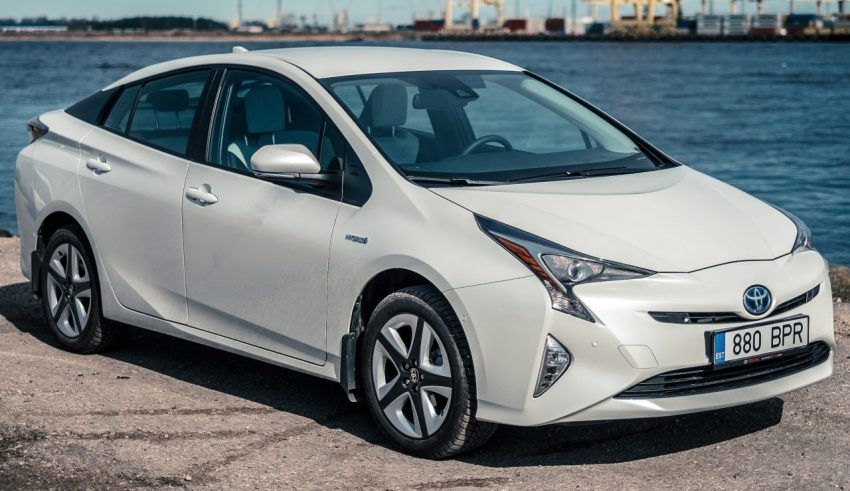
Toyota’s confidence in bringing groundbreaking technology to market is built on a history of successfully introducing futuristic technologies to the average buyer, such as the Prius hybrid. In fact, when the hybrid vehicle was first introduced, the general public was very skeptical about hybrids. There were many questions as to the viability and reliability of hybrids.
Key Lessons From the Prius Success:
- Early adoption of emerging technology
- Focus on practicality over performance
- Strong emphasis on reliability
- Broad consumer market appeal
- Long-term industry influence
Instead of solely appealing to car enthusiasts, Toyota marketed the Prius as an everyday driver. By focusing on fuel economy, reliability, and cost savings, consumers were brought to see hybrid technology as a viable alternative to the traditional car. This helped Toyota gain credibility and ease a traditionally skeptical market toward a new and untested technology.
The Prius went on to be one of the best success stories in automotive innovation breaking into the mainstream market. The car proved Toyota’s ability to take sophisticated technology and create a car that ordinary drivers can adopt. As Toyota works to develop solid-state battery technology many see this as a repeat of the Prius’ rise to popularity, from experimental vehicle to everyday transportation. This history in successfully commercializing new and disruptive technology may pave the way for Toyota in the advancement of next-generation electric vehicle batteries.
6. A Decade of Development Challenges
The path to bringing a solid state battery technology to market has turned out to be a much longer and trickier one than many originally anticipated. It’s now been more than a decade since Toyota first began sharing details of its own research to widespread excitement throughout the auto industry and a desire for better mileage, charging, and safety.
Key Development Challenges:
- Complex battery engineering requirements
- Manufacturing scalability obstacles
- Delayed commercialization timelines
- High research and development costs
- Stringent reliability testing demands
Throughout this time, however, several proposed launch dates have been pushed back due to technical or production issues. A completely new battery structure entails issues with endurance, mass production, material durability, and overall mass production efficiency. These issues have continuously been delaying production times, highlighting the struggles of bringing radical new technology from research into a marketable product.
The delay after delay began to make some industry watchers and analysts skeptical. At each new date delay, it was questioned whether the solid state batteries would be able to be produced in large scale and on the budget that is required for their mass market introduction. Regardless of the doubt being raised, Toyota continually invests large amounts into research and development. This shows a long term commitment to this new technology, that although delayed, could potentially be part of a revolution in the future for electric cars.
7. The Manufacturing Breakthrough
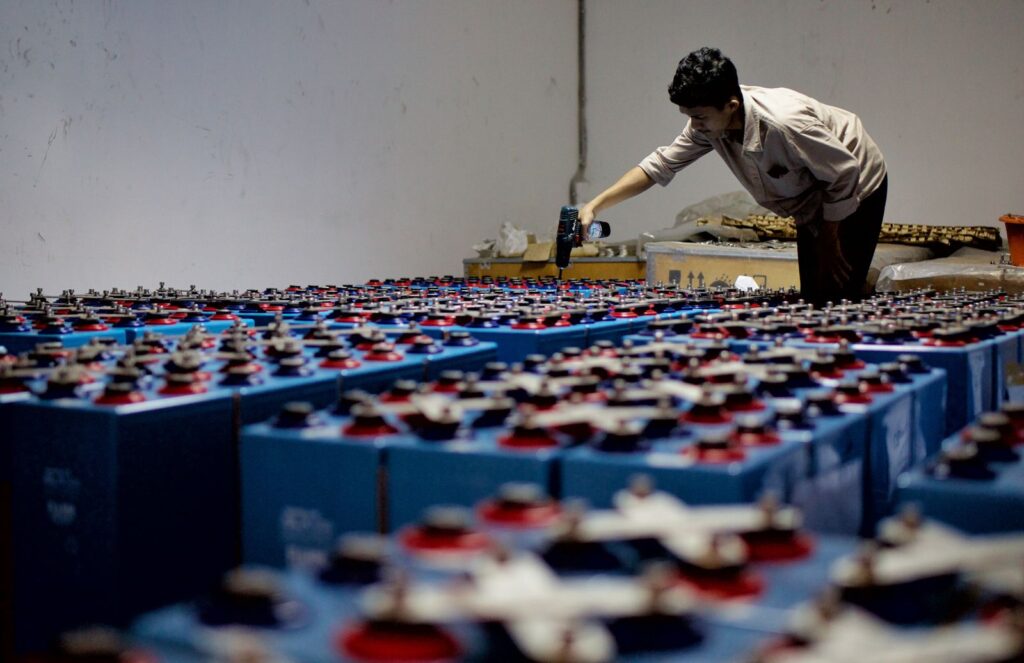
Toyota achieved a crucial moment in their solid-state battery plan when they released information about how they have been reducing the manufacturing complexity. Battery performance is typically the main topic of discussion when talking about solid-state, but manufacturing is traditionally the greatest impediment to widespread solid-state technology adoption. By resolving manufacturing hurdles, lab results can transition into an actual product consumers will want.
Key Manufacturing Improvements:
- Simplified production processes
- Reduced battery weight potential
- Smaller overall battery size
- Improved manufacturing efficiency
- Greater cost-reduction opportunities
If Toyota’s production innovations yield a future solid state battery, they could indeed be much smaller and lighter than many of today’s battery types. A more compact and lightweight design will mean a more efficient vehicle, offering designers more freedom in how to integrate and pack batteries into future electric vehicles. A larger and more powerful driving range will result, offering consumers greater freedom in driving and less of a dependence on charging infrastructure.
However, the benefits to the price point are arguably the most crucial aspect. The highest-powered battery technology is not worth much unless it can be manufactured in a cost-effective manner. If Toyota is successful in leveraging production technology, not only reducing the size and weight of the solid-state battery but its cost of manufacturing, then this future innovation has much better potential to reach mainstream EV markets in the years to come.

8. Building a Strong Supply Chain
However, the discovery of a novel battery technology and achieving engineering viability are not sufficient to bring it to market. To allow for mass production of solid-state batteries, suppliers of unique materials and advanced components must be secured and provided with scale manufacturing capabilities. Toyota has taken steps to secure such an industrial base for the coming commercialization efforts.
Key Supply Chain Initiatives:
- Strategic material sourcing partnerships
- Expansion of solid electrolyte production
- Collaboration with industrial suppliers
- Strengthening domestic battery manufacturing
- Improving long-term supply security
One particular area that is worth noting is the co-operation with Idemitsu Kosan; the firm will focus on assisting in the production of solid electrolytes. Materials of this type are considered to be amongst the most important building blocks of the solid state battery, and the secure production and supply of such materials will be critical as the size of solid-state battery production grows in the coming years.
Early increases in production capacity should assist greatly in bridging the gap between a niche development program and widespread manufacturing. Other companies that Toyota is co-operating with, include Sumitomo Metal Mining, as part of several programs to bolster domestic battery supply chain production in Japan.
9. Industry-Wide Implications
Should Toyota actually make solid-state battery technology commercially available, the impact will be much more far-reaching than just on Toyota’s vehicle lineup. A battery that can provide amazing driving range, charges in an instant, and is incredibly durable would force new expectations from every vehicle. The implications would be vast.
Key Industry Impacts:
- Higher EV performance expectations
- Increased competitive innovation pressure
- Faster battery technology development
- Shifts in automaker investment strategies
- Acceleration of EV adoption worldwide
The success of a commercialization attempt may even raise the bar on consumer expectations for electric vehicles. The pressure will then be on rival automakers to match-and beat-such performance metrics. In the past, significant leaps in technology usually spurred greater investment in research and development among competitors in a particular industry.
Finally, a successful commercialization of solid state batteries may affirm Toyota’s long-term investment philosophy. While much of the rest of the auto industry was focused on ramped up production of today’s electric vehicles, Toyota was continually investing heavily in next-generation battery technologies capable of disrupting the industry, and if successful, the automaker may now serve as the case for how an investment in advanced research can pay dividends down the line.

10. The Global Race Toward Solid-State Batteries
Toyota is far from being the only manufacturer in pursuit of this revolutionary battery technology. Across the globe, manufacturers and battery specialists are injecting hundreds of millions into solid-state batteries, keen to harness the incredible capabilities this battery type promises for electric cars. The race to bring the next generation of battery technology to market, it’s safe to say, is the most significant automotive race underway at present.
Key Competitors in the Solid-State Race:
- Toyota and Japanese battery partners
- Mercedes-Benz research programs
- Nissan solid-state initiatives
- Volkswagen-backed battery development
- CATL and BYD technology investments
Several major car and battery manufacturers are undertaking a broad array of measures, attempting to reach mass-production viability of solid-state batteries. A number of automakers have already displayed prototypes, entered into strategic partnerships and publicized commercialization plans. Clearly, many believe that the performance advantage of this next-gen technology is what will differentiate the leaders in the future automotive industry. It is the severity of this competition that makes a feasible, production-scale solution so crucial. A manufacturer that achieves its solid-state battery with a long range, quick charging times, lengthy lifespan, and inexpensive production will pull ahead significantly in the worldwide EV marketplace.
Although Toyota has remained one of the biggest players due to its history of work in this arena, the results are by no means predictable. With global contenders all pushing toward the same result, solid-state commercialization is an active race whose outcome will likely dictate the future of electric transportation for the next generation of automobiles.