


American Ambition: The Supercars That Were Too Advanced to Survive
Innovation has always been the backbone of the automobile industry. However, not every brilliant concept is destined for success. Throughout history, there have been several masterpieces from American manufacturers that featured ingenious technologies and solutions far ahead of its time. These supercars represented the spirit of innovation and were bold enough to challenge the established European contenders. Despite their visionary ideas and technologies, these projects were unable to gain the required success and attention.
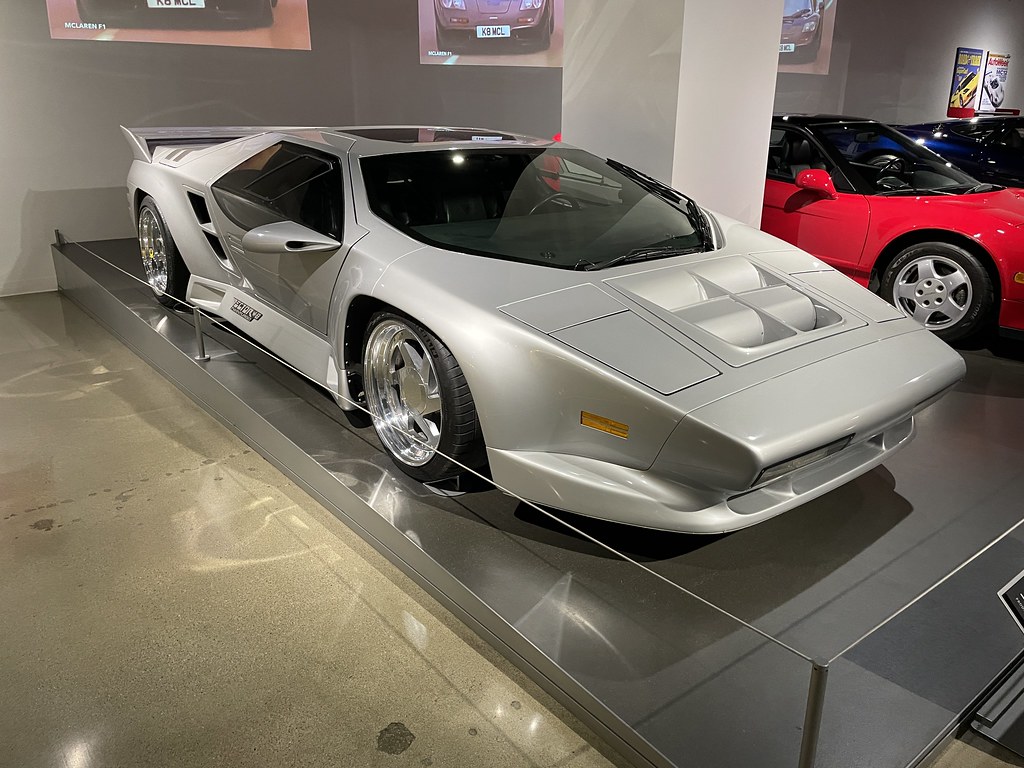
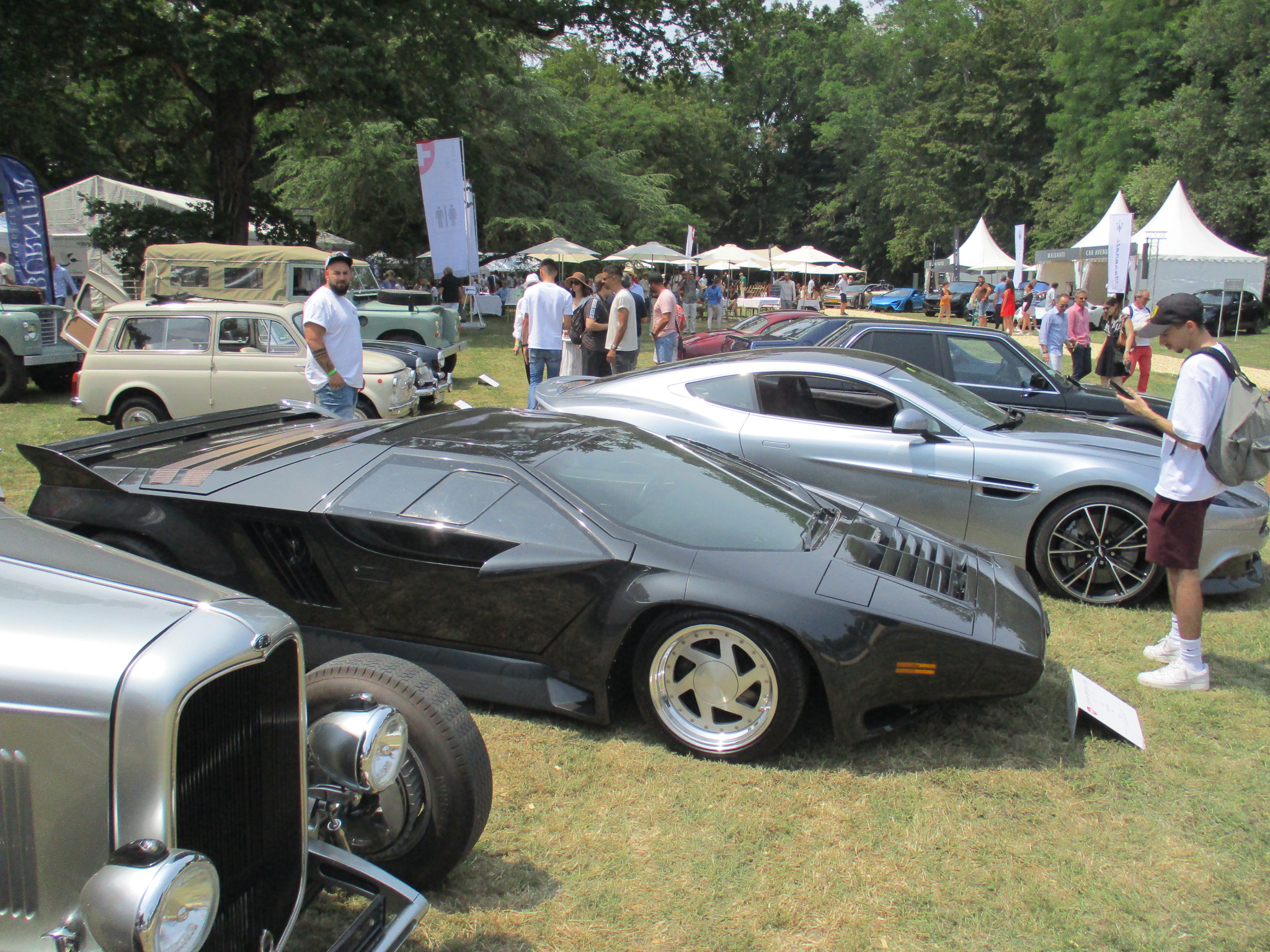
One such concept was the Vector W8 Twin Turbo, a high-performance sports car from the late 1980s, which challenged the status quo. This car did not only seek to compete with the dominant European supercars but had its unique way of doing so. In terms of design, technology, and performance, the Vector W8 represents an entirely different class of automobiles that promises to take the customer into the future.
The W8 model is just one of the many forgotten icons of American supercars. These masterpieces of engineering had a common goal: to bring the USA into the forefront of the high-performance car market. Some of them were bold enough to challenge the established European contenders. This article covers a variety of subjects related to the subject of American supercars and their legacy in the automobile industry.
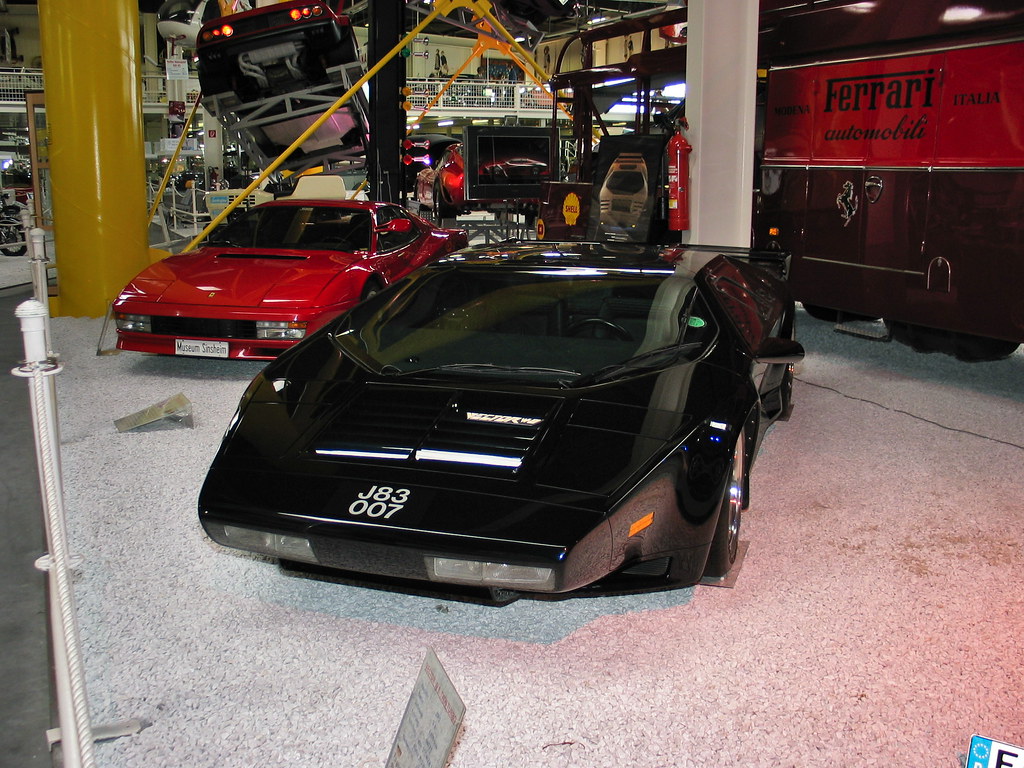
1. The Vision Behind the Vector W8
The Vector W8 Twin Turbo made its debut in 1989, promising to be an innovative supercar. Unlike the established rivals, it did not seek to follow the European tradition but brought an entirely new idea to the market. Its unconventional design and groundbreaking technologies made it stand out from the competition. The W8 represented a visionary concept, which promised to deliver a revolutionary supercar experience. The Vector W8’s design was unconventional for the automobile market in 1989. Its unconventional design and construction were the results of a visionary approach that aimed to challenge the status quo of the automobile industry.
Aerospace-Inspired Engineering Approach:
- Revolutionary American Super Car Concept.
- Futuristic Styling Direction.
- Unconventional Performance Philosophy.
- Industry-Defying Innovation Goals.
Founder Gerald Wiegert sought to develop a vehicle that would ignore the established traditions of the automobile industry and introduce a set of unconventional technologies typically associated with the aviation industry. He did not seek to create just another sports car, but a supercar that would take American engineering to a new level.
The visionary goals set by the founder led to the development of a concept that challenged the automotive status quo. The W8 introduced an extravagant mix of aerospace technologies, unconventional design, and high-performance capabilities. However, some of these unconventional solutions would become highly sought after in the industry in the years to come.
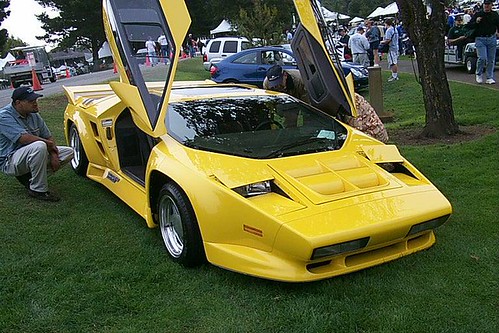
2. Aerospace Engineering Meets Automotive Design
The unconventional design and performance philosophy of the Vector W8 were complemented by the use of aerospace technologies. Unlike traditional automobile manufacturing, which relies on steel or aluminum, the W8 incorporated a set of cutting-edge solutions associated with the aviation industry.
Advanced Construction Features:
- Carbon fiber structure.
- Kevlar composite materials.
- Aluminum honeycomb chassis.
- Lightweight Engineering Focus.
- Aerospace Manufacturing Techniques.
These advanced technologies allowed the manufacturer to create a supercar with improved performance characteristics. At the same time, the complex manufacturing process required extensive resources and skilled workers to complete the production process. The Vector W8 was a visionary concept that introduced a set of unconventional solutions. Although these technologies appeared well ahead of their time, they became highly sought-after in the automobile industry.
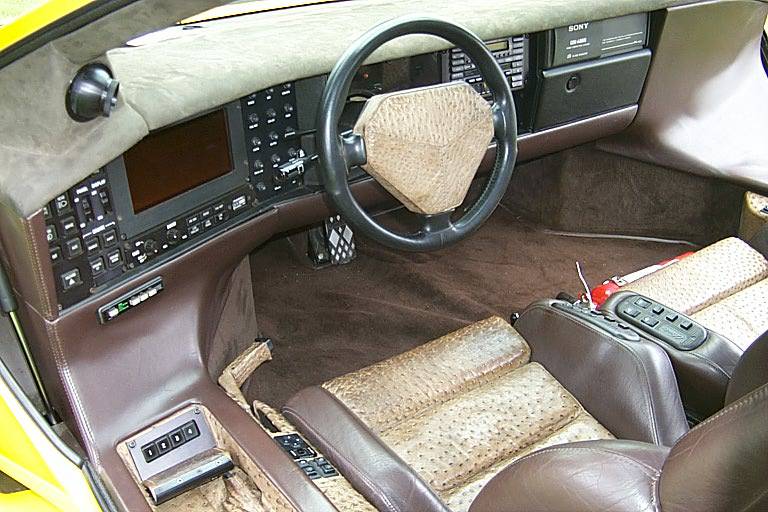
3. A Cockpit Designed for Performance
The futuristic theme of the Vector W8 continued inside the vehicle. The interior of the W8 was devoid of any traditional automotive features normally found in modern automobiles. Inspired by the aircraft cockpits, the Vector W8 interior focused on creating a driving environment that facilitated a high-performance driving experience.
Cockpit Design Features:
- Aviation-inspired Interior Layout.
- Digital Instrumentation System.
- Driver-Focused Control Placement.
- Functional Performance Environment.
- Precision-Oriented Cabin Design.
Gone were the traditional comforts and interior convenience found in most modern vehicles. The interior of the W8 was meant to facilitate performance driving. The controls were placed to accommodate the driver’s natural movements, and the digital displays provided the necessary information in an easy-to-read manner.
The unconventional interior layout and design were right in line with the driving performance theme of the W8. Several automotive manufacturers would embrace this approach and incorporate similar driving environments into their high-performance vehicles.
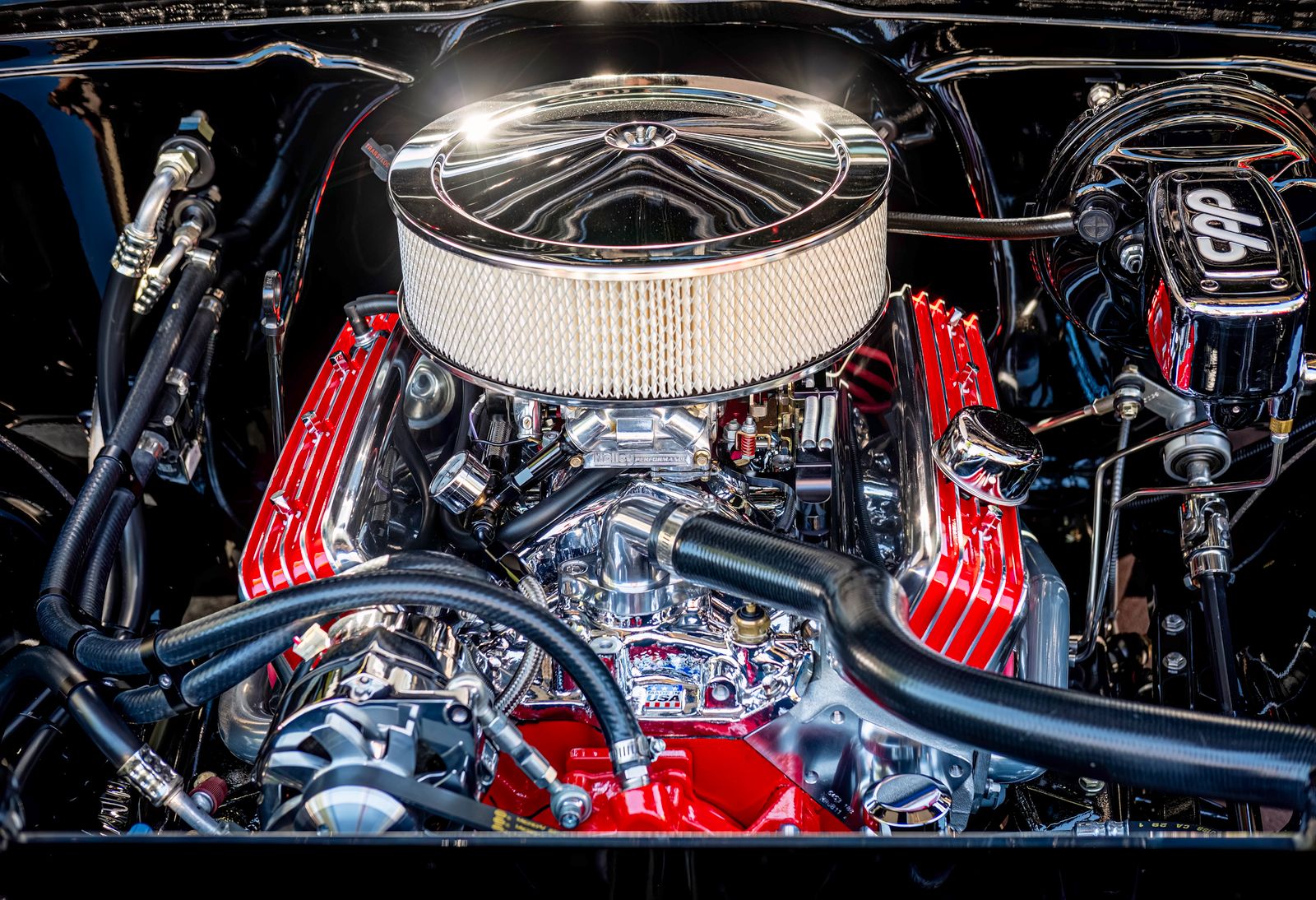
4. Extraordinary Power for Its Era
While the Vector W8 was unconventional in terms of design and interior space, its powerful engine was the true surprise. The powerful V8 engine at the heart of this supercar was heavily modified to produce extraordinary power and performance unmatched on the road.
Performance Engineering Highlights:
- Twin turbocharged V8 Engine.
- Exceptional Horsepower Output.
- Outstanding Acceleration Capability.
- Remarkable Top-Speed Performance.
- Advanced Engine Modifications.
The Vector W8 engine was not only powerful but was also modified to provide an outstanding performance. With the help of advanced modifications, the V8 engine became one of the most powerful engines in the automobile industry. With a powerful engine and light body, the W8 had the potential to accelerate like few other cars of that era. Furthermore, the Vector W8 had the potential to reach comparable speeds as the most powerful cars on the market at that time. Years later, people realized that the W8 had been ahead of its time in terms of performance.
5. Why the Vector W8 Failed
The W8 was a visionary concept, but the innovative technologies and design required additional resources to complete various tasks associated with car manufacturing. These challenges, combined with a limited customer base, led to the failure of this supercar project.
Major Development Challenges:
- Limited financial resources.
- Complicated technology integration.
- Costly engineering development.
- Maintenance-intensive systems.
- Restricted customer support.
As is the case with most groundbreaking technologies, the complex systems associated with the W8 failed to gain the required success and market appeal. The complex nature of the W8 engine and integrated technologies put an additional strain on the limited financial resources of the manufacturer. Additionally, the maintenance and customer support infrastructure failed to accommodate the requirements of this unconventional supercar.
The Vector W8 had the potential to be one of the most successful supercars in history. The groundbreaking approach to car manufacturing failed to gain the required level of support and resources to sustain long-term success. While the W8 was a visionary project, its ambitious goals far exceeded the capabilities of the manufacturer.

6. Business Challenges Behind the Technology
Innovative technologies and groundbreaking approaches were not the only factors that contributed to the ultimate downfall of the W8. The commercial success of a high-performance sports car relies on a variety of factors that determine its sustainability in the long term.
Business Growth Obstacles:
- Limited production capabilities.
- Weak supplier network.
- Inadequate service infrastructure.
- Financial stability issues.
- Impeded product development.
Although the W8 had the potential to revolutionize the automobile industry, the necessary support and investment failed to follow. Several crucial business factors, such as product development and customer support, created insurmountable obstacles for a small independent manufacturer.
7. The Visionary American Super Car
The W8 was only one of the many groundbreaking concepts and developments in American automobile history. Many manufacturers took on the challenging task of competing with the most successful European supercars. Similar to the W8, these projects failed to gain the required financial and commercial support.
American Supercar Legacy:
- High-performance research programs.
- World-class performance competition.
- Twin-turbocharged performance evolution.
- Heritage performance focus.
- Commercial viability initiatives.
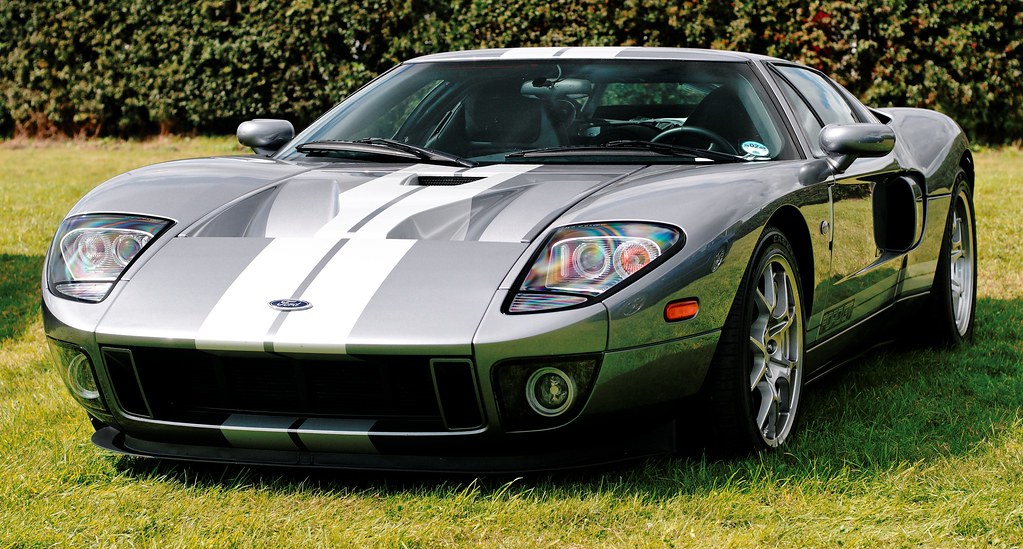
The Saleen S7 and the Ford GT continued the tradition of the American supercars and sought to challenge the European manufacturers on their home turf. These visionary products represented the best of American automobile manufacturing. While the S7 took on the European rivals in terms of performance, the Ford GT utilized heritage to captivate the market. Together, these groundbreaking technologies and developments led to the success of the automobile industry.
8. Underrated American Supercars
There have been numerous American supercars that provided incredible performance but failed to gain the required level of commercial success. These vehicles were bold enough to compete with the established European rivals but were unable to gain the required level of public appeal and recognition.
Overlooked Performance Vehicles:
- Lightweight engineering focus.
- Track performance optimization.
- Corvette-based powerplant developments.
- Exceptional driving dynamics.
- Limited commercial awareness.
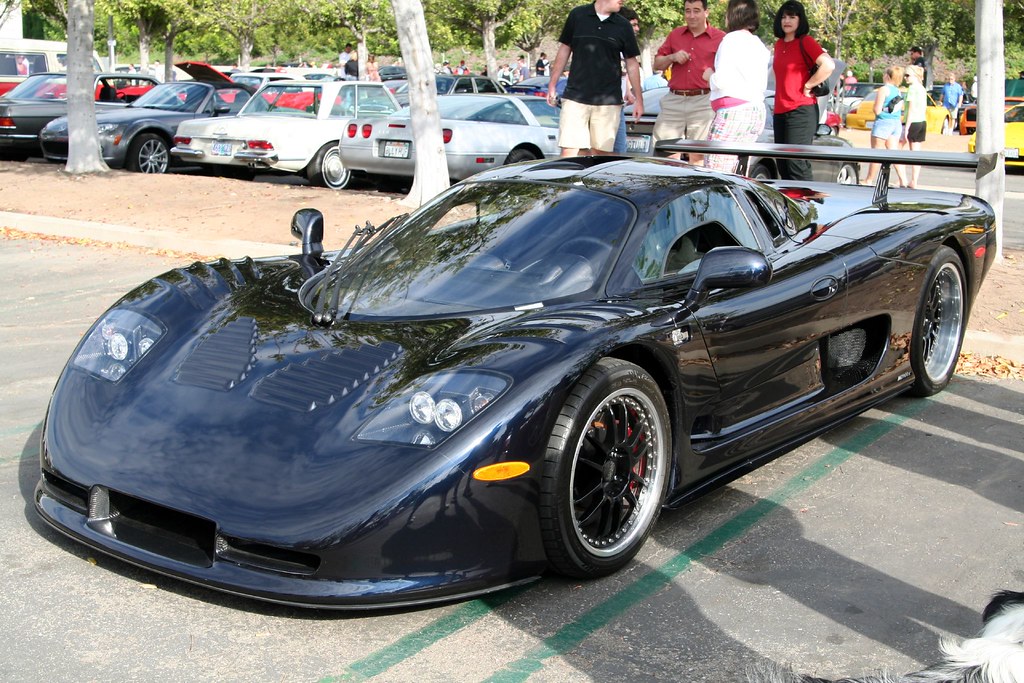
The Mosler MT900 is a great example of an American supercar that sought to use its unconventional design and light engineering to achieve incredible performance. At the same time, the SSC Ultimate Aero sought to compete with the European manufacturers on their home turf and became the fastest car in the world for a brief period of time. These vehicles, along with several others, represented the pinnacle of American automobile engineering. However, the incredible performance of these vehicles was overshadowed by their low commercial appeal and limited public awareness.
9. Supercars That Failed To Deliver
Several American supercars had the potential to rival their European counterparts but ultimately failed to deliver on their promises. Some of these projects were cancelled due to a variety of economic and production-related factors. Some of America’s most promising supercars showed enormous potential but never achieved lasting commercial success. Despite combining advanced engineering with impressive performance, various business and production challenges prevented these projects from reaching their full capabilities.
Unfulfilled Performance Visions:
- Superior engineering solutions.
- Exceptional performance potential.
- Production-associated challenges.
- Industry-specific limitations.
- Unmatched automotive creations.
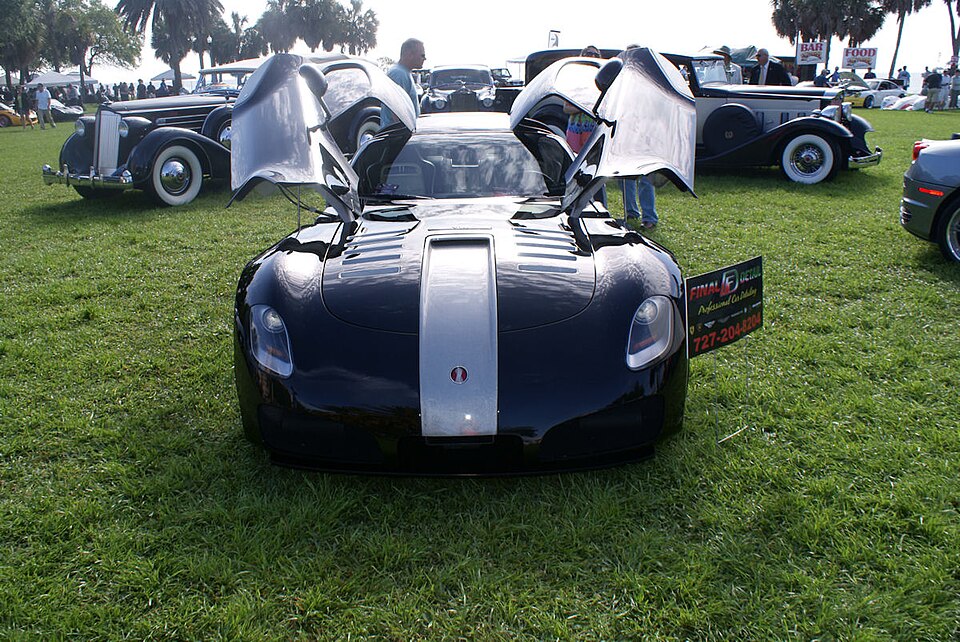
The Devon GTX was a concept that had the potential to become one of the most memorable supercars in history. Its stylish design and powerful engine were unmatched. However, the end of critical support resulted in the cancellation of this project. Similarly, the Falcon F7 failed to gain the required level of production capabilities to support the commercial needs of the market.
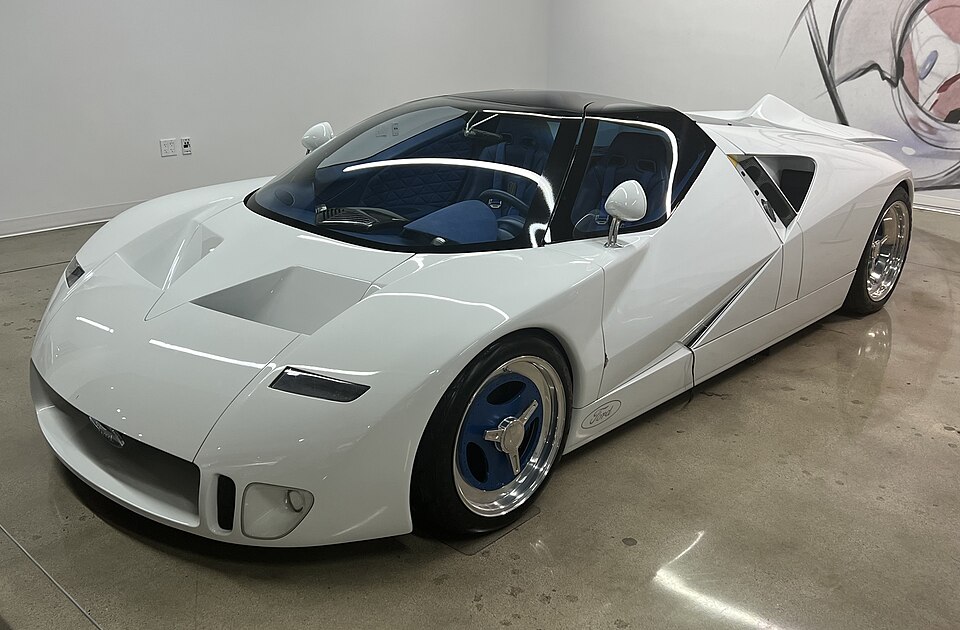
10. The Ford GT90 and a Lasting Legacy
The Ford GT90 concept was one of the most ambitious ideas proposed by an American car maker. With its exotic design, innovative aerodynamics, and powerful engine, it was a preview of what the future high-performance cars would be like. Featuring futuristic styling, advanced aerodynamics, and an exceptionally powerful engine, it offered an early glimpse into technologies that would later become common among modern hypercars.
Enduring Automotive Legacy:
- Futuristic concept development.
- Advanced aerodynamic innovation.
- Hypercar technology inspiration.
- Fearless engineering vision.
- Lasting industry influence.
Though the GT90 was never put into production, the concepts used in its development would be seen years later on numerous supercars. The same fearless engineering can be seen in later projects like the Vector W8, and other high-performance cars. These groundbreaking automobiles will continue to have an influence on future projects, and a reminder that innovation often comes long before it is needed in order to have an impact on society.