Engineering the Atom: The History and Technology of USS Long Beach CGN-9
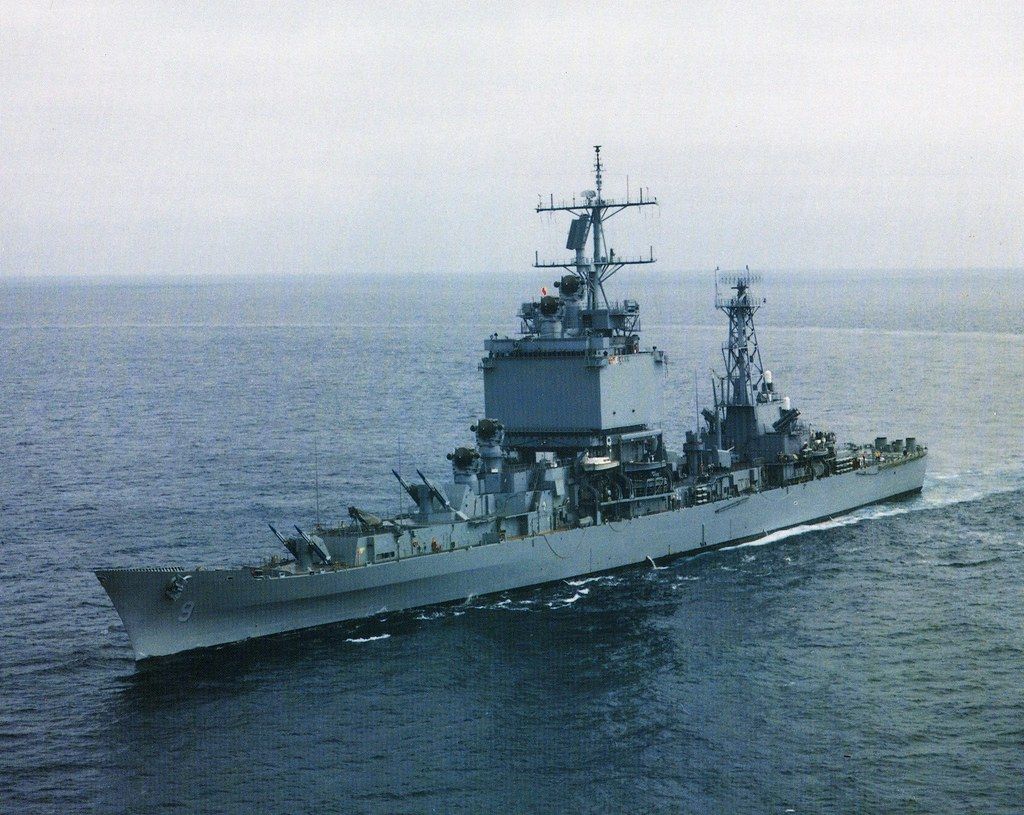
USS Long Beach (CGN-9) was a very special ship that created a new era of shipbuilding when the United States Navy commissioned her on September 9, 1961 as the world’s first nuclear powered surface combatant. Designed as a missile ship, the design incorporated nuclear propulsion, sophisticated electronics, formidable missile batteries and part of the design relied on a leap of faith for her operational endurance. She was the third ship of the US Navy to be named USS Long Beach, California and the last of her type to be designed around the traditional long, lean hull of a cruiser.
Her story was to run from her keel laying at the Bethlehem Steel Company’s Fore River Shipyard in Quincy, Massachusetts, through Cold War years of operational service, combat support, modernization and worldwide deployments. Long Beach’s twin propeller shafts were driven by two pressurized-water nuclear reactors, while the surface fleet’s first-ever use of the SCANFAR radar system established technology that would then be adapted for use with the phased-array radars of the Aegis ships with its battle group. From Operation Sea Orbit to Vietnam, the Persian Gulf, counter-narcotics patrols and search and rescue missions, Long Beach proved the potential and the pitfalls of nuclear-powered surface combatants before she was decommissioned in 1995.
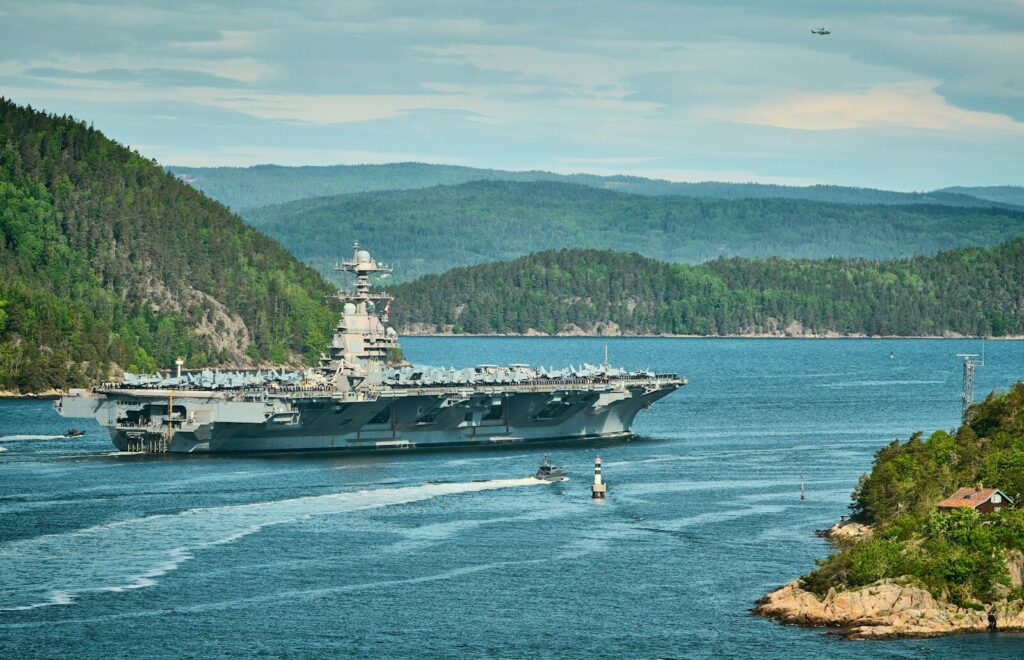
1. USS Long Beach Became the Navy’s First Nuclear Surface Warship
Design: USS Long Beach (CGN-9) On 9 September 1961, USS Long Beach became the world’s first nuclear-powered surface warship in commission and the eighth ship to bear the name of the city of Long Beach, California. The long-range guided missile cruiser was in fact the sole ship of her class. She represented a significant change in the design of surface warships with the nuclear power plant and the design of a new surface combatant built around missile weapons and complicated modern electronic systems. Unlike most later American cruisers, she was designed on a traditional, lengthy, long and narrow cruiser hull. In later new-builds of American cruisers, larger copies of destroyer hulls or converted frigates.
Long Beach’s Historic Identity:
- First nuclear surface warship
- Sole Long Beach-class vessel
- Third Navy Long Beach
- Traditional cruiser hull design
- Crew used “Only Real Cruiser”
Such was her basic profile, owing to her unique appearance: 15,540 tons displacement, 721′ in length, 71′ beam, 1160′ complement, with a power plant that included nuclear propulsion giving the vessel a theoretically limitless range and a listed speed of 30 knots. She was manned by two screws and configured as a guided missile cruiser, with nuclear marine propulsion. She would serve from 1961 to 1995, a testament to the potential applications of nuclear power, and exemplified her class, the largest surface combatant developed to use nuclear energy.
2. From Keel Laying to Nuclear-Powered Sea Trials
Origins of USS Long Beach USS Long Beach was already in existence a little before her official commissioning. Her construction was initialized in the yard on December 2, 1957 at the Bethlehem Steel Company’s yard in Fore River in Quincy in Massachusetts. Her initial orders from 15 October 1956 would have assigned her first the designations of CLGN-160 and CGN-160 and, finally, to CGN-9. Her initial launch took place on 14 July 1959 and the name of her sponsor, Mrs. Marian Swanson-Hosmer, was noted in the list of ships’ careers, before she was transferred to the fleet.
Long Beach Construction Milestones:
- Ordered October 15, 1956
- Keel laid December 2
- Launched July 14, 1959
- First nuclear-powered run July 1961
- Commissioned September 9, 1961
On 5 July 1961, the new cruiser made her first underway using her own power. A little over two months before her commissioning, the momentous occasion proved that the revolutionary large-scale engineering concept could work as projected. The ship was built between 1957 and 1961, during her commission her active service from 1961 to 1995. The ship was initially assigned to the Atlantic Fleet with home port at Norfolk, Virginia. She conducted her first shakedown cruise in late 1961 which was of great significance in that it served to provide insight into the ability of nuclear-powered surface combatants to operate as effective warships and demonstrated the new nuclear surface combatant construct.
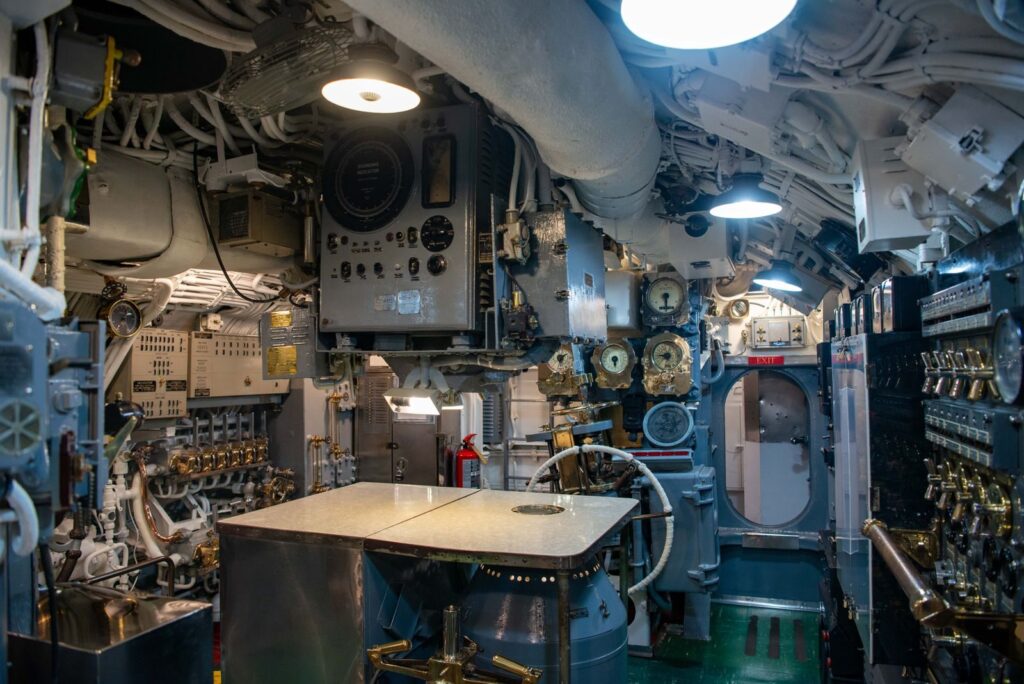
3. Two Nuclear Reactors Powered Her Massive Cruiser
Leading USS Long Beach’s engineering was a nuclear propulsion plant, with a pair of pressurized-water nuclear reactors. One was linked to each of the ship’s two propeller shafts. That both shafts could be put to use allowed the cruiser to steam continuously at over 30 knots and generate incredible amounts of electrical power. This was therefore entirely different to simply propelling Long Beach; a vast amount of electricity was necessary to power the ship’s complex array of sensors that made her such an unusual surface warship. Her listed propulsion system was based on the C1W reactor, and her nuclear power gave the ship an unlimited range.
Nuclear Propulsion Advantages:
- Two pressurized-water reactors
- Each reactor powered one shaft
- Speeds exceeded 30 knots
- Massive onboard electrical supply
- Unlimited nuclear-powered range
The propulsion plant was intimately linked with the ship’s overall technological concept. Long Beach was a missile-oriented ship whose advanced sensors and weapons required great electrical energy. Her vast superstructure accommodated systems that would have proved difficult to install aboard a normal warship of her era. Under her Golden Island flight of 30 knots and with her dual screws she combined the high velocity of a surface runner with the buoyancy of nuclear power plants at a time when fuel rather than energy was the limiting factor in the operation of oil-fueled surface combatants. Her subsequent contribution to Operation Sea Orbit reflected one of the strongest realizations of this apparently limitless endurance.
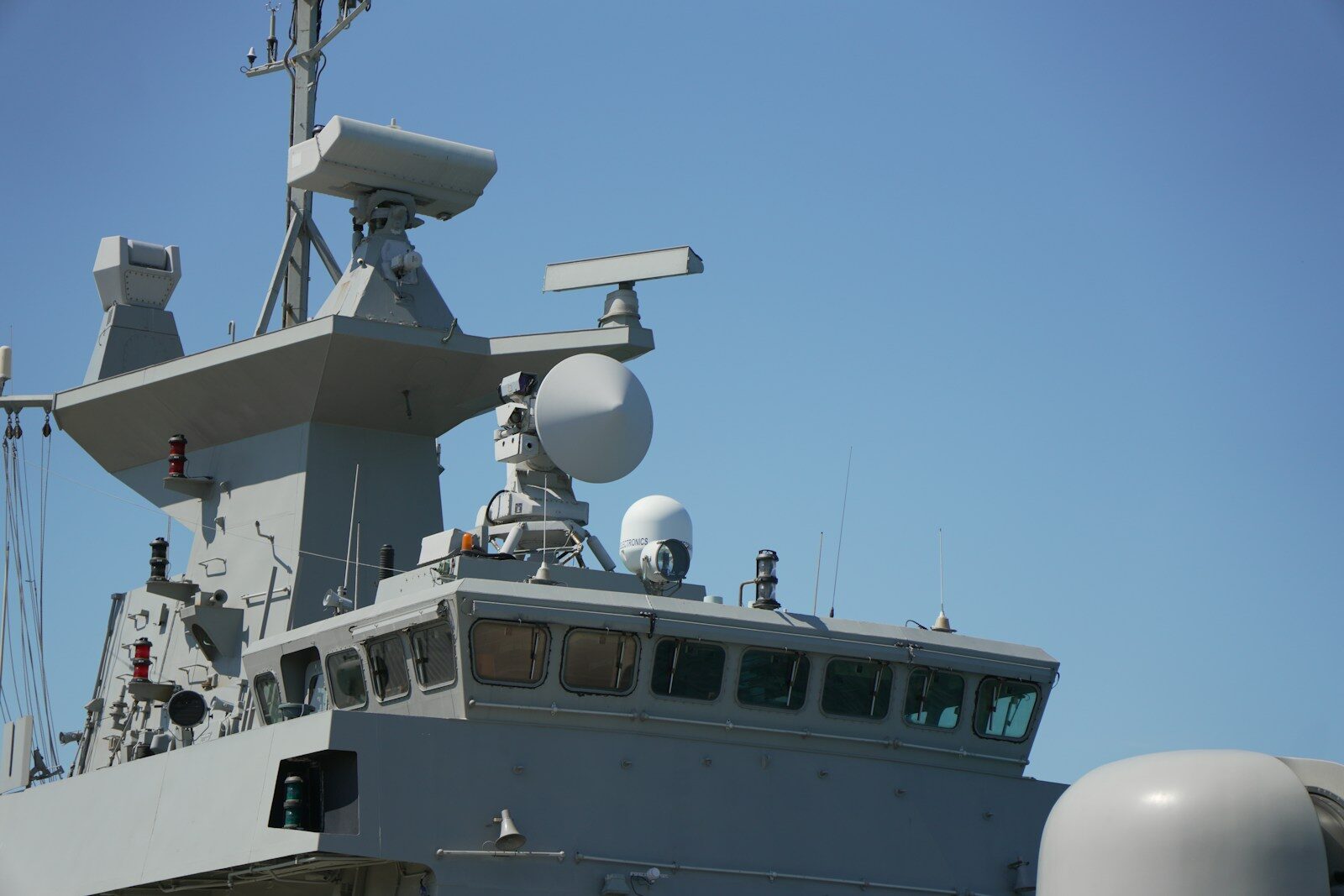
4. SCANFAR Introduced Revolutionary Phased-Array Radar
The most eye-catching feature of USS Long Beach was her enormous high-superstructure, which sat high above the main deck and contained the ship’s innovative SCANFAR system. Consisting of AN/SPS-32 and 33 phased-array radars, SCANFAR made USS Long Beach a test-bed for innovations in advanced naval radar system technology. While the system’s purpose was to provide wide-area air search and tracking, the system’s significance was greater than that it was the direct forerunner of the phased-array radar technology that was ultimately implemented into the AN/SPY-1 systems that were installed on the latest Aegis-cruisers and -destroyers.
SCANFAR Technology Highlights:
- AN/SPS-32 phased-array radar
- AN/SPS-33 phased-array radar
- Wide-area air search capability
- Advanced target tracking system
- Precursor to AN/SPY-1
The other consequence of the massive radar installation was the ship’s overall appearance and configuration. The large structural box that carried SCANFAR made Long Beach’s bridge the highest seen on any warship smaller than an aircraft carrier. As a result, the crew had an unusually high watch-position advantage over the ship’s surrounding environment. Long Beach’s sensor architecture was a showcase for the kind of synergy that could be achieved through coupling nuclear propulsion with sophisticated electronics for a surface-attack ship. She was not merely the first nuclear-powered cruiser: Long Beach was also an experimental design, foreshadowing the next generation of combat technologies to come.
5. Her Original Weapons Combined Multiple Missile Systems
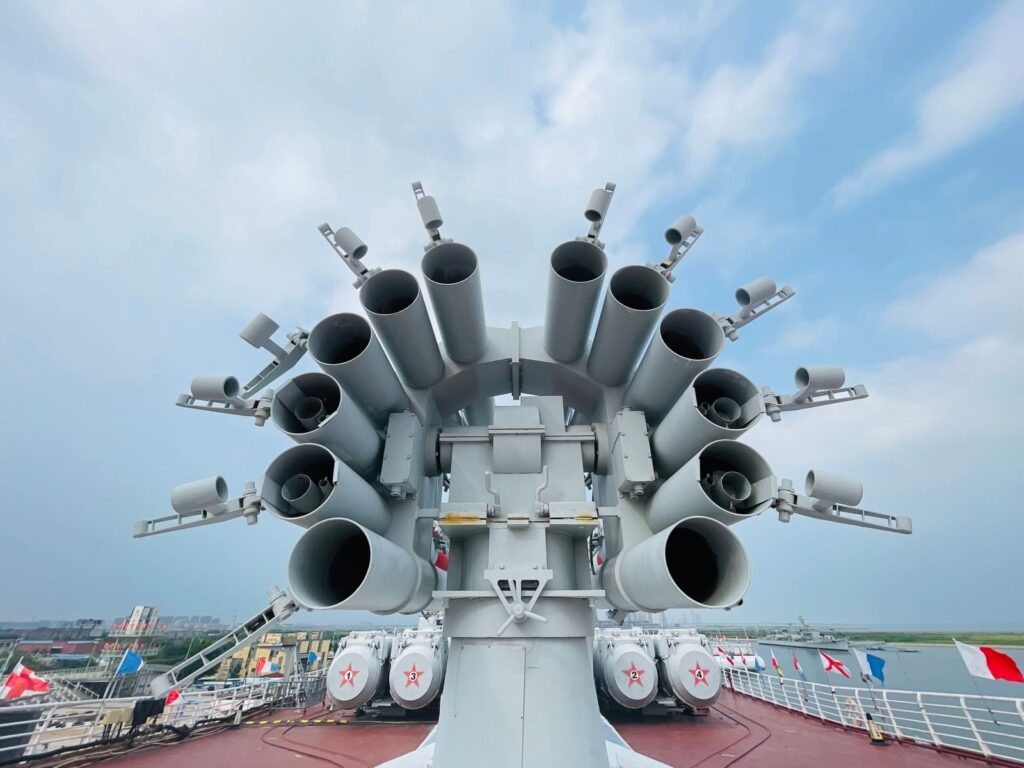
Early conceptions of the layouts for the forward missile room still left room for the installation of Regulus nuclear cruise missiles or four tubes for Polaris missiles, but the final layout evolved into an expanded conventional missile armament. In its original fit, it mounted the aft RIM-8 Talos long-range surface-to-air missile system, which was effective at a range of more than 80 miles, and the forward-mounted Terrier with a range of more than 30 miles for medium-range air defense. Also in the original fit were an ASROC launcher for the launching of torpedoes or depth charges to 10,000 yards and two twin 12.75-inch launchers for Mark 46 torpedoes.
Original Missile Armament:
- RIM-8 Talos exceeded 80 miles
- Terrier exceeded 30 miles
- ASROC reached 10,000 yards
- Mark 46 torpedoes supported warfare
- Regulus concepts shaped early layouts
The ship was originally designed as a missile-only vessel, but her ultimate armament profile was altered during construction and development. President John F. Kennedy directed the addition of two additional 5-inch/38 caliber gun mounts amidships, further enhancing her surface-defense and naval gunfire support, putting those guns out to 18,000 yards, with still further surface and land attack rolls. All told, her armament changes brought a new mix of ship-to-ship and ship-to-subsurface defense to the new all-missile ship, and a potential surface attack delivery mode against a combined array of adversary threats: the missile age and the gun era.
6. Early Operations Proved the Cruiser’s Global Potential
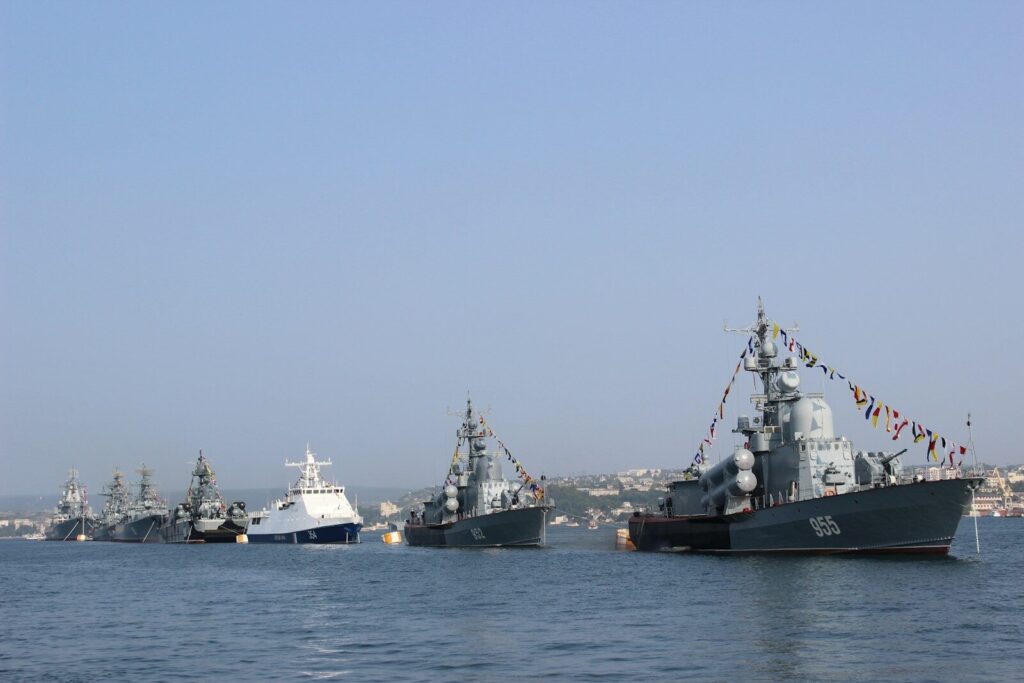
Upon commissioning, USS Long Beach conducted strenuous shakedown tests, as well as missions, with the Atlantic Fleet. Her first tests of missile power were off Puerto Rico and a goodwill visit to Bremerhaven, Germany. The following April she was involved with Atlantic Fleet training exercises while acting as the flagship for Admiral Robert H. Dennison, Commander in Chief of the Atlantic Fleet. In the culmination of a demonstration of American naval power off the coasts of North Carolina and Virginia, Long Beach became the floating stage where President John F. Kennedy and Vice President Lyndon B. Johnson addressed the world.
Early Operational Highlights:
- Shakedown tests in late 1961
- Missile tests near Puerto Rico
- Goodwill visit to Bremerhaven
- Atlantic Fleet exercises followed
- Hosted Kennedy and Johnson
The value of Long Beach’s early service was that the ship proved that nuclear-powered surface ships could meet the operating mission set, and her nuclear power provided planners with an alternative to traditional refueling in maintaining high-speed surface forces. The cruiser advanced quickly from training and demonstrations to a considerably more active worldwide role. Long Beach’s design as a technologically advanced ship made her an ideal candidate for extended cruise operations, but her missile systems also enabled her to fulfill the role of a fleet protection ship. Her initial deployments in the Atlantic set the stage for the even more ambitious worldwide deployment made only a few years later.
7. Operation Sea Orbit Proved Nuclear Strategic Mobility
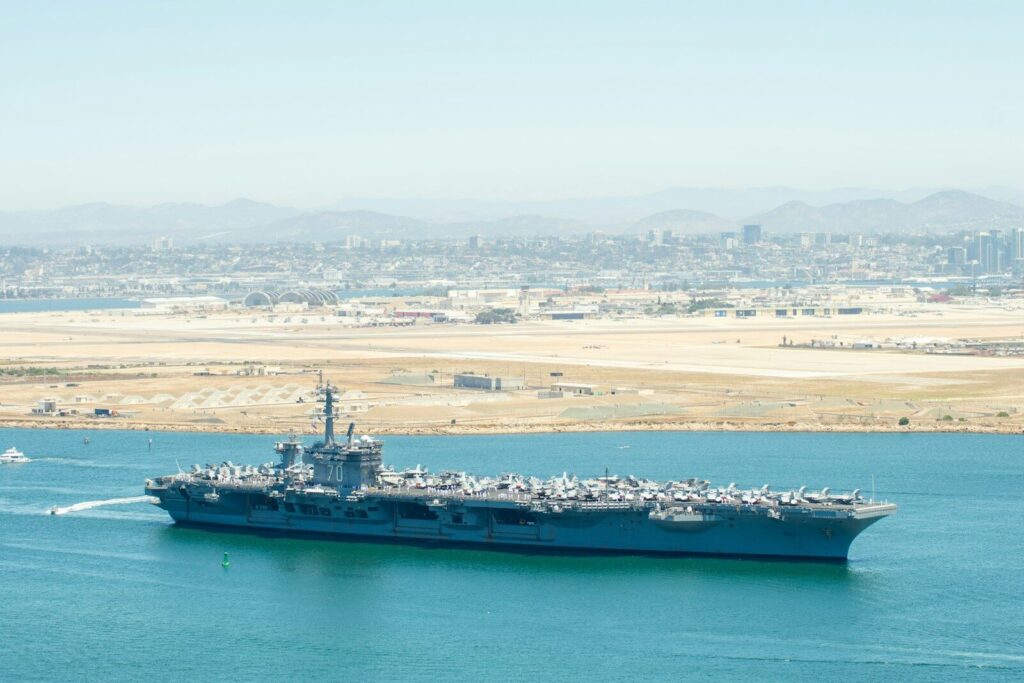
On 13 May 1964, the USS Long Beach joined with USS Enterprise (CVA(N)-65) and USS Bainbridge (DLGN-25) to compose what is said to be the world’s first all-nuclear-powered surface force Task Group 13. Led by the first all-nuclear-powered task group commander Rear Admiral Bernard M. Strean, the “pioneering” group sailed from Gibraltar on Operation “Sea Orbit,” the world’s first around-the-world cruise to be conducted without refueling or logistic support. The force steamed for more than 30,000 miles at an average of 25 knots during 58 underway days. It was aboard Long Beach that the true power of nuclear propulsion was demonstrated to the world.
Sea Orbit By The Numbers:
- Began May 13, 1964
- More than 30,000 miles traveled
- 58 operational days
- Average speed reached 25 knots
- No refueling or resupply
Operation Sea Orbit drew international media attention and was compared to the cruise of the Great White Fleet in 1907-1909. As the ship made offshore stops off both African coasts, and visited Karachi, Melbourne, Wellington, and Rio de Janeiro, it drew a steady flow of foreign VIPs aboard the cruiser. Finishing her trip in Norfolk on 3 October 1964, the ship proved the concept of the strategic mobility of a nuclear surface force. The cruise gained a reputation as one of Long Beach’s premier accomplishments since it proved nuclear propulsion could sustain a world Navy without Refueling. In March 1966, the ship moved to her new homeport of Long Beach, California, to begin her next combat phase.
8. Vietnam Deployments Expanded Her Combat Role
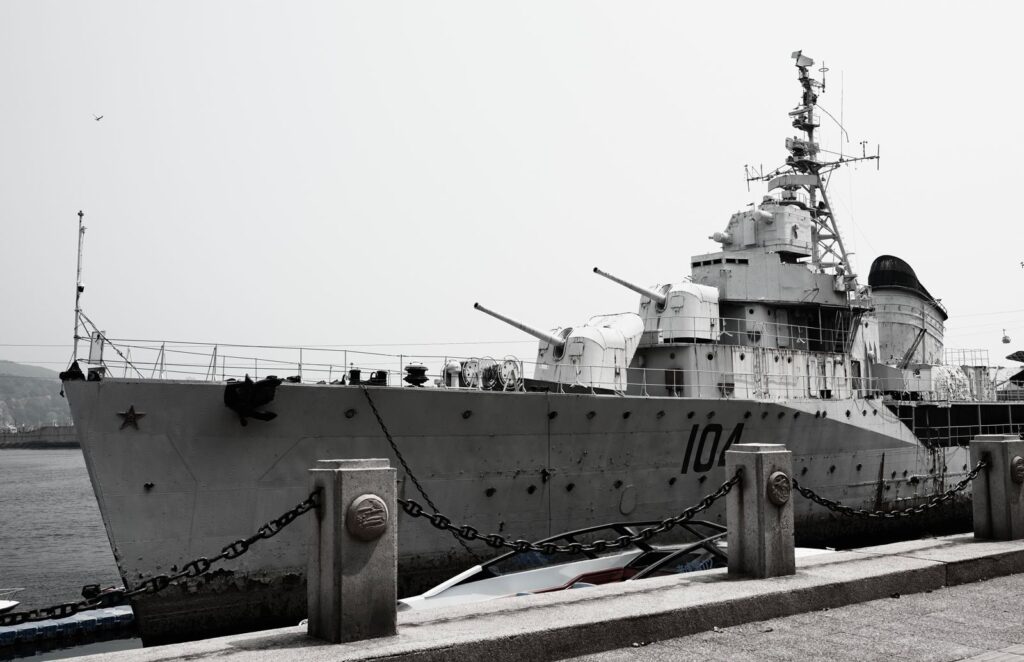
Long Beach had joined the Western Pacific on her initial cruise in November 1966 and was assigned PIRAZ station, where she directed North Vietnam strike aircraft. Her West Pac cruises reflected a good deal of combat activity and naval customs, not to mention visits to foreign ports. From 8–27 April 1967 she made a cruise to Sydney, Australia, before heading back toward the Philippines. On 23 April, off “Ironbottom Sound,” she paused to conduct a memorial service and wreath laying, commemorating the ships and personnel lost there during the second World War.
WestPac Service Highlights:
- First WestPac deployment in 1966
- Guided strike aircraft over Vietnam
- Visited Sydney during 1967
- Memorial service at Ironbottom Sound
- Returned to conflict operations
The minute the memorial was over, Long Beach sped down “The Slot” at 30 knots to rejoin the fight. She continued to conduct several Western Pacific cruises in the 1960s and 1970s, which was meant to show off the nuclear-powered cruiser’s flexibility. Her post-Vietnam duties did not end in Vietnam. In 1975 she led escorts for an ad-hoc task force during the Mayagez incident. In 1980 she also rescued 114 Vietnamese boat people off the coast of Vietnam. These missions demonstrate the ship’s operating life, which included combat support, escort duty, humanitarian rescue, and deployments to strategic waters.
9. Mid-Life Modernization Replaced Her Original Missiles
Modifications on USS Long Beach As threats to naval forces and weapon systems increased, the USS Long Beach was completely modernized during a six-year program called the ship’s “mid-life” modernization at the Puget Sound Naval Shipyard. The overhaul began in 1979 and lasted until 1980-83. By far the most extensive change was in the missile armament, the Talos and Terrier long- and medium-range missiles were removed and in their place modern Standard extended-range missiles were added to two forward launchers while the aft Talos launcher was replaced by two BGM-109 Tomahawk cruise missile “box” launchers, each with four missiles.
Modernization Changed Her Armament:
- Talos and Terrier systems removed
- Standard extended-range missiles added
- Tomahawk launchers replaced Talos
- Four Tomahawks per launcher
- Harpoon and Phalanx systems added
The upgrade also beefed up Long Beach’s close-in and anti-ship defenses. The two four-cell RGM-84 Harpoon missile launchers and twin Phalanx CIWS mount installed behind the forward mainmast essentially made the ship’s weapon outfit a match for a later generation of surface combatant. The cruiser was no longer reliant on the missile outfit with which she’d entered the fleet, but received a heavily modernized suite of combat systems. This upgrade maintained the utility of the nuclear platform but equipped the ship with weapons better suited to new threats. Her new setup enabled Long Beach to stay operationally relevant through the major hot spots in the 1980s and into the early 1990s.
10. Long Beach Continued Serving Until Her 1995 Decommissioning
The modernized USS Long Beach continued to execute vital missions into the mid 1980s and early 1990s. On 19 October 1987, she served with Kuwaiti tanker reflagging operations, then provided air cover for the anti-ship missile strike on Iraqi targets during Operation Nimble Archer. After a major Western Pacific deployment and World cruise in 1989, the cruiser deployed once again to the Western Pacific on 28 May 1991 in support of Operations Desert Storm. Her Cold War tasking changed to a counter-drug mission with patrols in Central American waters in May 1993 and in the Caribbean in November 1993.
Final Years And Legacy:
- Supported Operation Nimble Archer
- Deployed for Desert Storm
- Conducted counter-narcotics patrols
- Deactivated July 2, 1994
- Decommissioned May 1, 1995
Long Beach’s homeport was officially changed to Norfolk, Va., on 6 May 1994, and she was officially deactivated on 2 July 1994. More than 33 years after she had gone on active duty, she was formally decommissioned and stricken from the Naval Vessel Register on 1 May 1995. She was not refitted with the proposed third nuclear refueling and upgrade, as nuclear power was now considered too costly for surface ships less than the size of an aircraft carrier in a post-Cold War era with U.S. defense budget reductions. Her reactor and machinery spaces were flooded, nuclear fuel was removed, and she was overhauled through and over the superstructure, bow and stern, until her hull section housing her reactor was moored at the Puget Sound Naval Shipyard, where she was later sold for scrap.