








Comparing the Toyota Land Cruiser Against the Ford Bronco and Jeep Wrangler
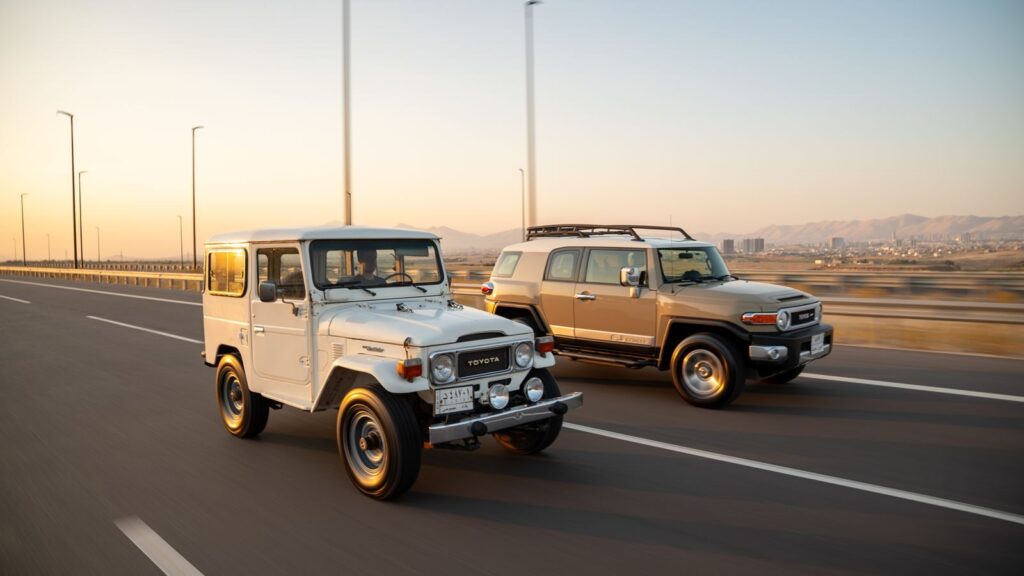
The resurgent segment of off-road SUVs is getting significantly reshaped, thanks to the brand-new 2024 Toyota Land Cruiser, or 250-series as it is known internally. Re-entering the market with a target price of about mid-$50,000s-not far from that of the well-established Ford Bronco and Jeep Wrangler-it relies on the more robust hardware borrowed from the Lexus GX and Toyota Tacoma that retain the legendary off-roader nature but offer a more comfortable and sophisticated experience than ever before. So for those that prefer a healthy number of highway miles between off-road adventures, Toyota has developed a compelling alternative.
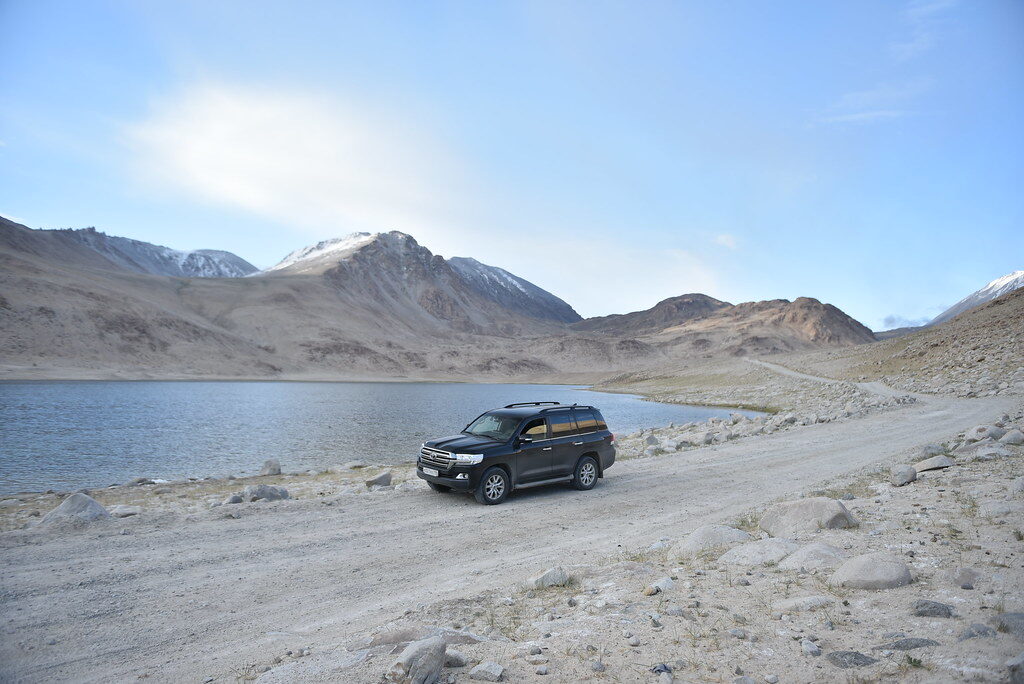
Five consecutive hours on the Interstate put the Land Cruiser a cut above the domestic competition. Its separate frame-body construction, permanently installed roof, and fully independent front (double-wishbone) and rear (multi-link) suspension results in a significantly quieter interior and more carlike ride than the lift-top Bronco and the Wrangler (with its soft- or hard-tops). While the Jeep can wonder somewhat on the highway with its solid front axle, and even though the Bronco has independent front suspension, the Land Cruiser offers steady steering, good stability against crosswinds, and overall smoother highway behavior, making it a better choice for people looking for an off-road ready SUV to serve as a daily driver.
1. Highway Comfort and Road Manners
The Land Cruiser excels in other areas in this comparison, that is its highway performance. Because it has a permanently sealed roof, the Land Cruiser has a much more refined and quiet cabin compared to the removable roof equipped Bronco and Wrangler. After an entire afternoon it really does feel like more of a car, responding more precisely in the steering and the permanent body paneling gives the Land Cruiser impressive stability with crosswinds. While all of the rigs are impressive both at off and on the road, it would come down to how you prioritize both as well as your desire for either on-road comfort or a more raucous off-road feel.
Highway Comfort Highlights:
- Fixed permanent roof
- Independent front suspension
- Multi-link rear suspension
- Composed steering response
- Strong crosswind resistance
All three SUVs clearly showcase this difference once they’re being driven for longer stretches. While the front solid live axle of the Wrangler does lead to some highway wandering, and while the Bronco features a fully independent front-end it’s still a rougher natured thing, the Land Cruiser avoids such and still has a body on frame design but you still feel it during everyday operation. Body roll in the Toyota is not only well-contained, but it still has precise steering along with smooth powertrain modulation; this makes the vehicle the most liveable everyday option. For people who seek true heritage but don’t necessarily want every mile of highway time spent battling a stiff and crude truck like ride quality this could be the most ideal answer.
2. Powertrain and Towing Capability
Standard on every 250-series Land Cruiser is a hybrid setup with a turbocharged 2.4-liter inline-four and an electric motor under the hood, putting out 326 horsepower and 465 lb-ft and power through an eight-speed automatic transmission. This foundation gives the Toyota some serious power to keep pace with the higher-powered 4xe Wrangler and well ahead of the 2.7-liter twin-turbo V-6 from the available Ford Bronco.
Powertrain Highlights:
- Standard hybrid powertrain
- 326 horsepower output
- 465 pound-feet torque
- Eight-speed automatic transmission
- 6,000-pound towing capacity
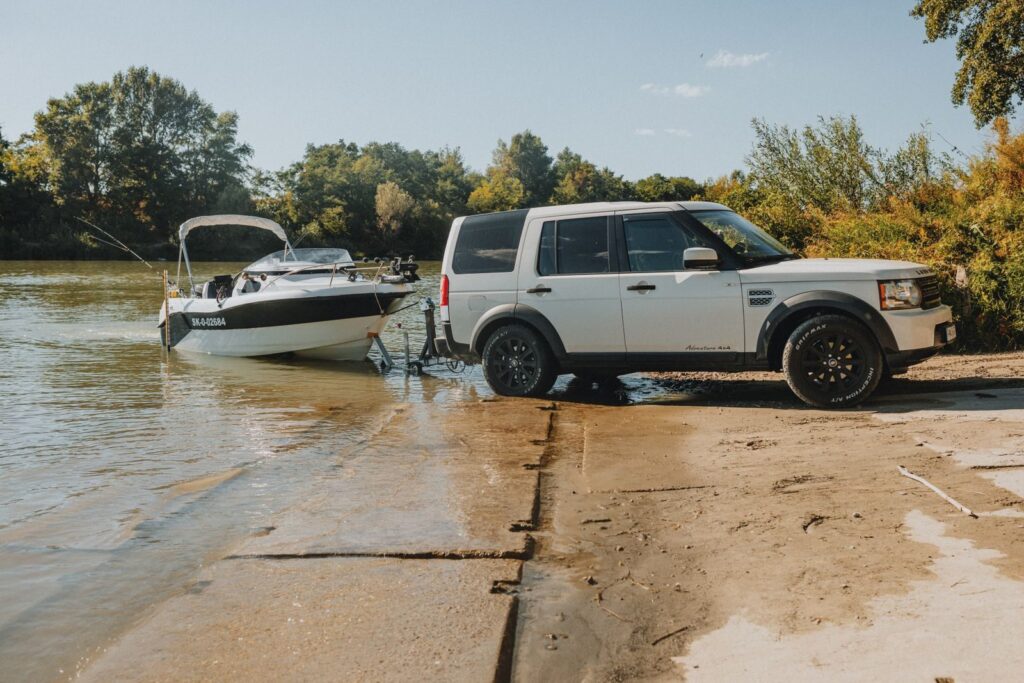
Another where the Land Cruiser has a significant leg up is with trailering. Where this two models top out at a pathetic 3,500 lb (both with the two-door and four-door versions), the Toyota outstrips them both with its 6,000 lb trailer capacity. The Wrangler 4xe churns out 375 horsepower for the gas-electric combo, whereas the Bronco is rated at 330 horsepower with its 2.7-liter V-6 pushing out an encouraging 415 pound-feet of torque. The Toyota doesn’t win the horse race of the three, but for an owner that expects their SUV to be able to tow much besides more passengers, it definitely has a very nice leg up.
3. Braking and Fuel Efficiency
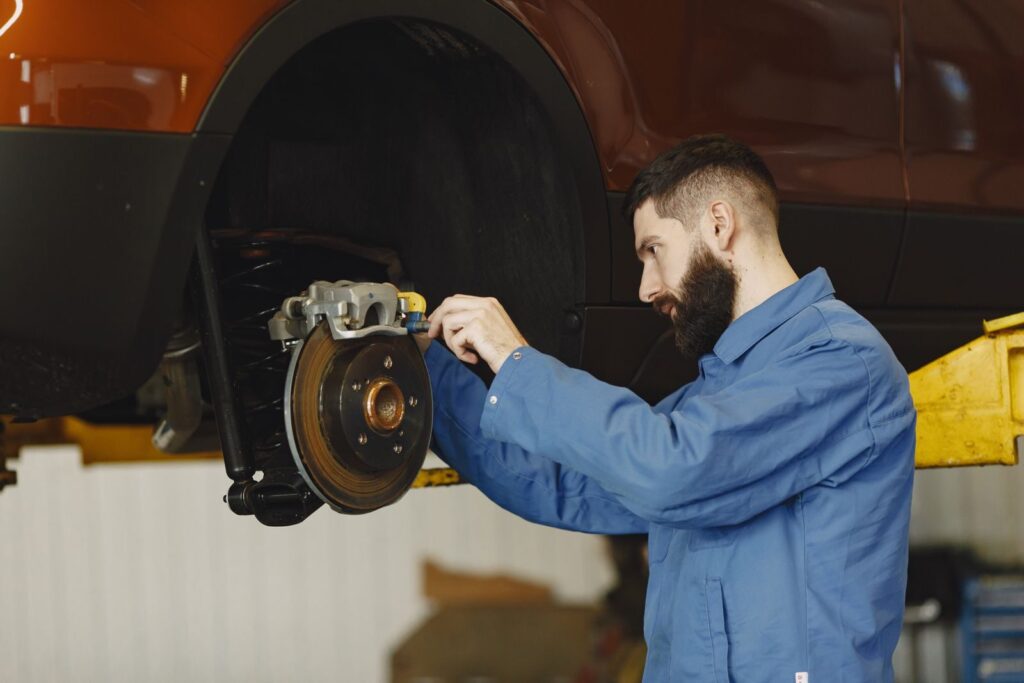
When considering stopping performance and economy, the Land Cruiser still showed off its at-the-road capabilities. It was able to come to a complete stop from 60 mph in 117 feet according to our testing tools. While the Ford Bronco posted a worse time by 28 feet and the Jeep Wrangler a time worse by 29 feet, the performance difference is huge when it comes to safety/performance in emergency braking and daily freeway confidence.
Braking and Efficiency Highlights:
- 117-foot stopping distance
- Strong emergency braking performance
- Best-in-test fuel economy
- Impressive driving range
- Highway-focused driving character
The Toyota also has a corner on fuel economy and driving range as it has the highest EPA numbers of the three SUVs. Although the emergency braking can feel a bit boisterous, the Land Cruiser delivers this all with a composure that we predict will give way to habit over time. These benefits are important for an SUV that the Land Cruiser’s makers clearly expect to serve more than just weekend trail duties. In fact, its combination of good highway numbers, the most assertive braking system, and a more comfortable ride make it a great choice if the owners are going to spend a few hours slogging down the highway before getting off road.
4. Interior Space and Everyday Usability
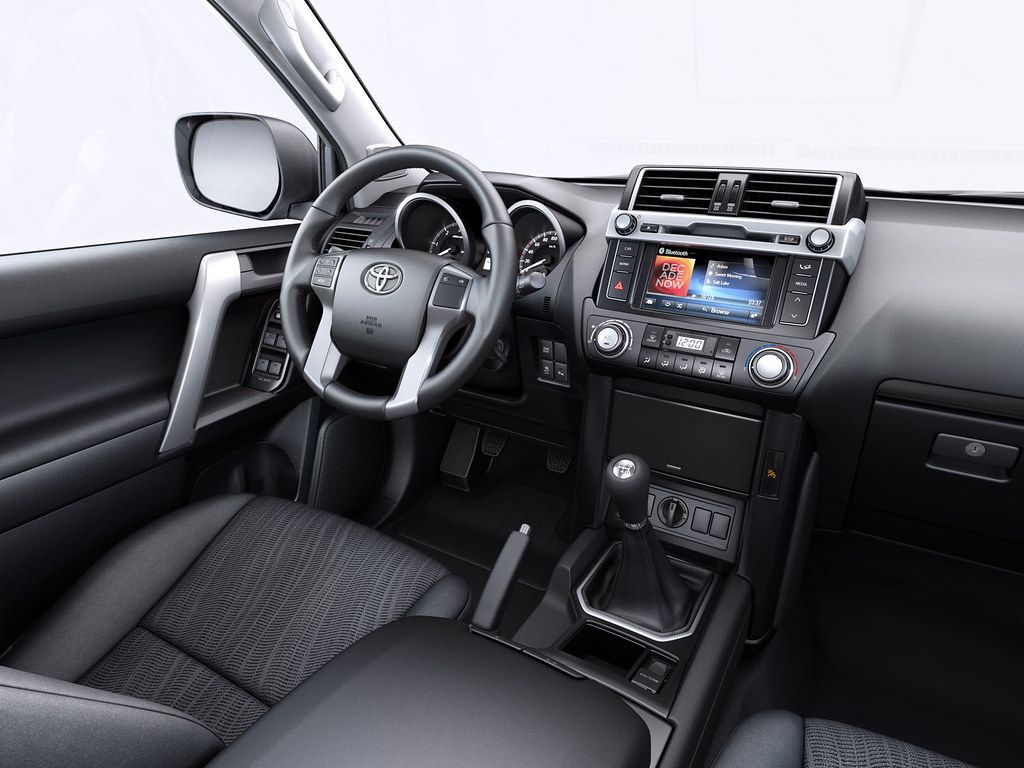
The size of the Land Cruiser makes it all that much more likely to be a good family daily driver. The 193.7-inches long, 84.2 inches wide, and 112.2-inch long wheelbase allow for good amount of space inside the cabin and more space for the occupants. It gives off a feeling as large as the four-door Bronco yet it has better access and much better sound damping so the Toyota becomes a more comfortable daily driver for longer distances and regular commutes.
Interior Comfort Highlights:
- Generous passenger proportions
- 193.7-inch overall length
- 112.2-inch wheelbase
- Easier passenger entry
- Superior sound insulation
The biggest compromise is the lack of open air flexibility of which both the Bronco and Wrangler are capable of and that of which the fixed roof Land Cruiser cannot rival. The focus of the Toyota is the creation of a sound isolated, climate controlled cabin space where, frankly, more people will want to spend there time. For those, who put comfort, seating for more people and long distance comfort over open-air play, the way Toyota approaches this all makes a lot of sense. Those wanting an open-air experience to pound a trail, still hold two aces in the Bronco and Wrangler over the Land Cruiser.
5. Land Cruiser Off-Road Hardware
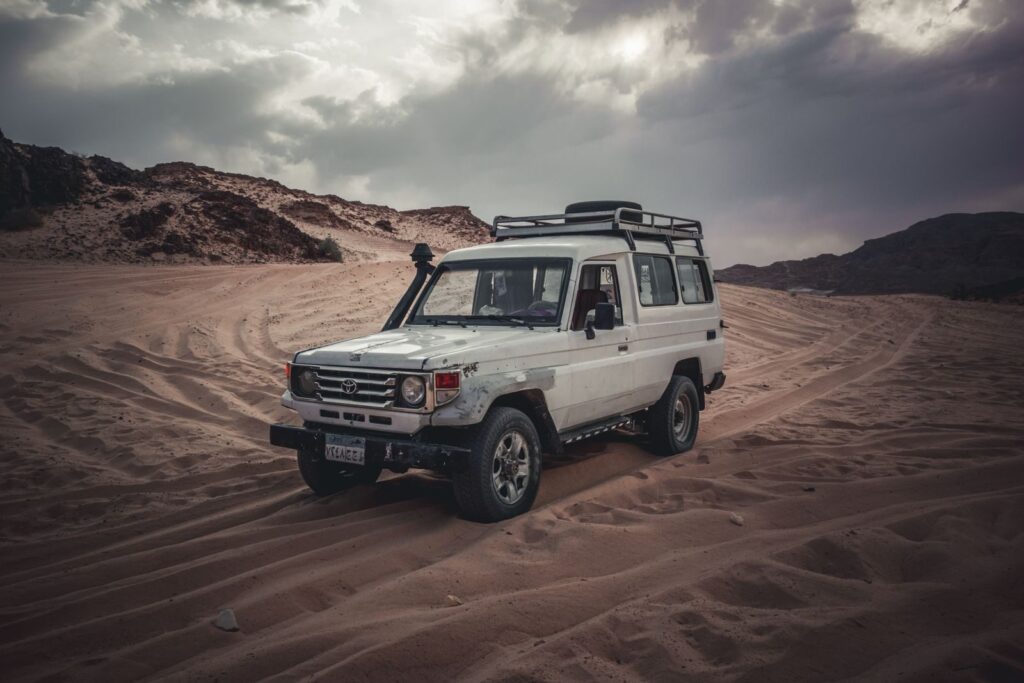
The true mettle of this Land Cruiser comes when you take it off the street. The daunting task of tackling the Eastern Sierra’s Coyote Flats (more than 6,000ft of altitude gain, over a 10,500-foot pass) may be more than some factory off-roaders can take-yet even though the First Edition was rightly slammed for its somewhat street-bias Michelin LTX Trail tires and an uninspiring 8.7 inches of ground clearance, it showed itself that it had the hardware to do the job.
Trail Hardware Highlights:
- Full-time four-wheel drive
- Selectable low-range gearing
- Locking rear differential
- Limited-slip center differential
- Disconnecting front anti-roll bar
With its ability to power through deeply carved ruts, the Land Cruiser had no problem navigating the numerous holes it encountered and never bent a suspension arm going through a rocky stream bed-in fact, it managed the whole course without ever experiencing a flat tire or even digging itself in. Standard off-roading hardware includes full-time 4WD, locking center limited-slip differential, available locking rear diff, selectable low range, and an electronically disconnecting front anti-rollbar. Despite a specification sheet that doesn’t look nearly as intimidating as some of the competition, the Toyota actually performed quite well on account of just how efficiently its various systems mesh.
6. Ford Bronco Badlands Sasquatch
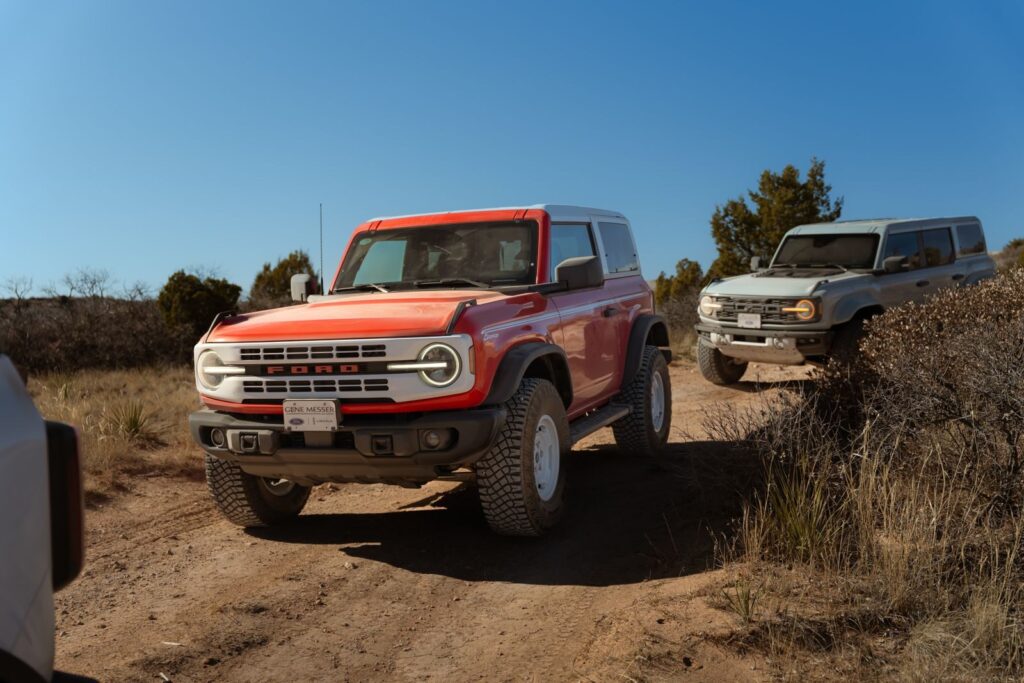
The Bronco Badlands Sasquatch is much more off-road focused than even the First Edition Land Cruiser. With 11.5 inches of ground clearance and whopping 35-inch tires at the corners ( Goodyear Territory MTs, no less), the trail geometry is equally outstanding; the approach is 42.3 degrees, breakover 29.0 and departure 37.0. These specifications should give the Bronco plenty of capability when approaching and cresting massive obstacles.
Bronco Trail Highlights:
- 11.5 inches ground clearance
- 35-inch Goodyear MT tires
- 42.3-degree approach angle
- 29.0-degree breakover angle
- 37.0-degree departure angle
The Bronco also performed exceptionally well on the faster portions of dirt roads. Both the front-independent suspension and high-performance dampers provided superior on/off road ride quality and drastically reduced body roll. This combination gives the Bronco an immediate advantage to anyone looking to quickly navigate the trail, rather than to slowly crawl their way over rocks at very low speeds. Between its aggressive geometry, large tires, suspension performance, and easy-to-use controls the Badlands Sasquatch is a solid out-of-the-box package and in our final ranking bested all the others in cargo space/ passenger capability combined with high speed comfort and on/off road ability.
7. Jeep Wrangler Rubicon X 4xe
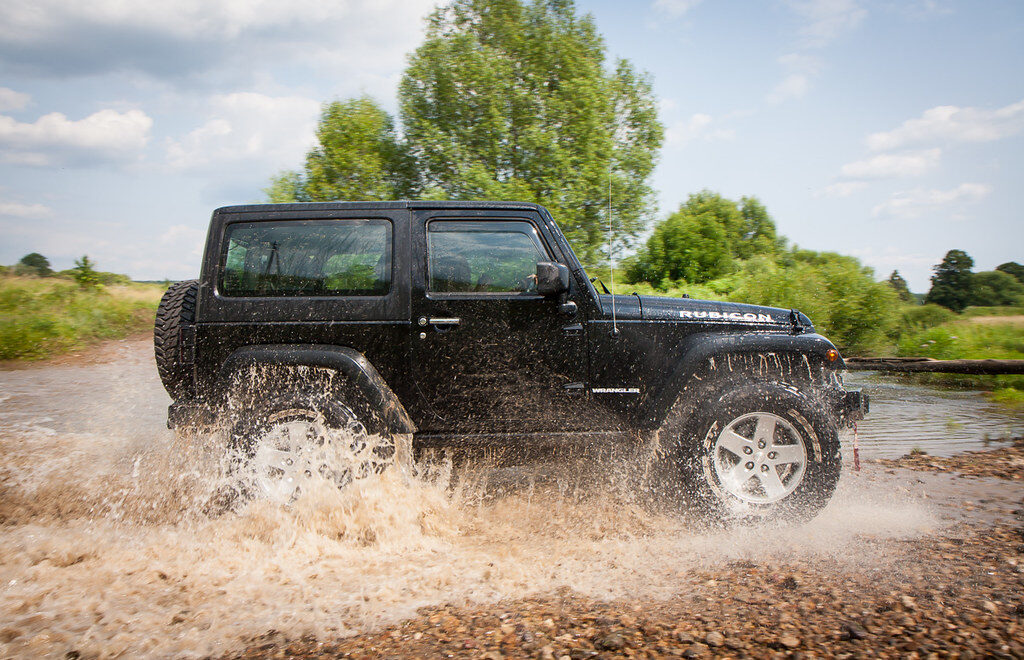
The Jeep Wrangler Rubicon X 4xe brings a more extreme-centered approach into the discussion. Its 10.8-inch ground clearance, BFG KO2 off-road all-terrain tires, solid live axles and stock winch means the Jeep came with plenty of rock crawling machinery. The approach angle for the Wrangler is 43.8 degrees and the departure angle for the vehicle is 36.8 degrees.
Wrangler Capability Highlights:
- 10.8 inches ground clearance
- Solid live axles
- BFGoodrich KO2 tires
- Factory-installed winch
- 43.8-degree approach angle
The Wrangler was also the quickest test vehicle here: The test vehicle hit 60 mph in 5.6 s and pulled 0.74 g on the skidpad. The nearly silent EV rock-crawling capability of the Wrangler’s 375-hp plug-in hybrid powertrain is another aspect that might appeal to rock climbers and overlanders. Though the live front and rear solid axles give ride occupants quite a bit of body sway when crossing rough terrain-thus making the Jeep a less palatable choice for buyers less interested in hardcore off-road hardware and open-air thrills than the Land Cruiser-these components will still serve the enthusiast who wants this particular kind of go-anywhere ability in their Jeep.
8. Trail Controls and Driving Modes
The ease with which an SUV can be driven off-road varies significantly, in no small part due to its software and the layout of its controls. While the various systems in the Land Cruiser are capable, there are steps that should have been reduced to operate some of them. One example includes the disconnecting front anti-roll bar: while it automatically locks itself up when the speed reaches certain thresholds, it doesn’tautomaticallyunlock until speed increases significantly. The forward-facing camera shuts itself off a little early, and the choice of off-road modes must be made with a designated button before turning the rotary knob on the console.
Control System Highlights:
- Electronic anti-roll bar
- Forward-facing trail camera
- Selectable off-road modes
- Ford G.O.A.T. drive modes
- Manual Jeep controls
Bronco gets you at the easiest with the intuitive G.O.A.T. Drive modes and dash-mounted controls for the lockers and sway-bar disconnect. While Jeep is by far the most traditional: all it has is a mechanical transfer-case lever, one rocker to flip between its single off-road mode. They truly have three different kinds of personalities; Toyota may have all the technology but asks of a couple more inputs while Bronco gets to the electronics quite easily and Jeep stays the most mechanical for us old school type people.

9. Pricing and Overall Value
These three vehicles are also differentiated by price. As tested, the Jeep Wrangler Rubicon X 4xe was the most expensive among these three, coming in at $79,045. Behind that was the Land Cruiser First Edition, at $76,825 (though the wider 250-Series line should start around the mid- $50s). As tested for $69,150-the lowest price-was the Ford Bronco Badlands Sasquatch, again in high trim.
Pricing Highlights:
- Wrangler tested at $79,045
- Land Cruiser tested at $76,825
- Bronco tested at $69,150
- Land Cruiser starts mid-$50,000s
- Bronco won overall testing
The Bronco ultimately earned the overall test victory by combining spacious passenger and cargo accommodations with impressive high-speed trail comfort and strong off-road capability. The Land Cruiser, however, offers a different balance. Its lower starting price, refined highway behavior, strong towing capacity, and capable trail hardware create an attractive all-around package. The Wrangler remains the choice for buyers who place maximum importance on traditional off-road equipment, open-air capability, and rock-crawling character.
10. The Land Cruiser’s Overall Formula
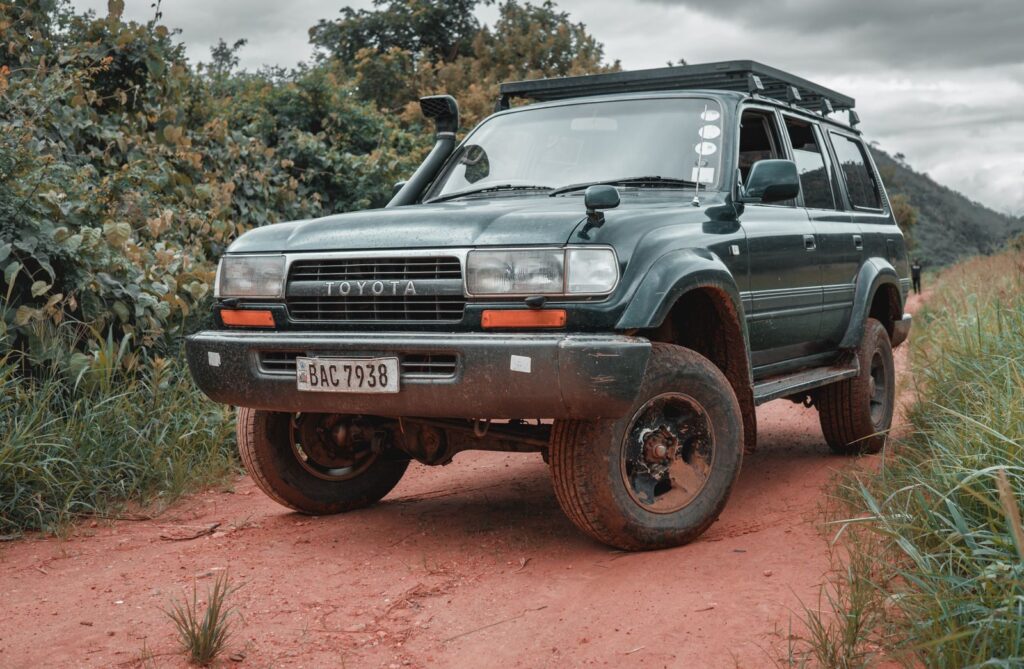
This confirms what the returning LCnameplateimplies: serious adventure capability no longer requires significant compromises in daily life. This is truly the story of the 250-Series, which balances hardcore body-on-frame mechanicals and true off-road bits with a quiet cabin, refined highway ride, a hybrid powerplant, substantial towing capability, and practical interior volume. It isn’t about besting the Bronco and Wrangler at every last off-road dimension. Instead, it’s about building a more rounded package for getting to and from whatever wild places you decide to explore during the week.
Land Cruiser Overall Highlights:
- Refined everyday driving
- Genuine off-road capability
- Strong hybrid powertrain
- Best towing capacity
- Balanced adventure formula
The Bronco and Wrangler focus on open-air, specialized off-road driving, while the Land Cruiser balances trail capability with daily comfort. Although the Bronco won the test, the Land Cruiser’s hybrid powertrain, 6,000-pound towing capacity, capable four-wheel drive, and refined interior make it a strong choice for adventure and everyday use.


