
Volkswagen’s 2026 India Plan: Five New Models Headlined by the GTI
Volkswagen is getting ready to make some changes in India’s car market. The company wants to sell its cars in different types of markets. The year 2026 is going to be very important for Volkswagen. It is not just going to be a year with some small updates to its cars. Instead it is going to be a year when the company makes some changes to its plans. Volkswagen is going to make five cars that include expensive SUVs new versions of its regular cars and a special car that is known for being fast and fun to drive.
The people who buy cars in India are changing what they want from a car. They want cars that have a lot of technology are safe and are fun to drive. Volkswagen is trying to give them what they want. The car market in India is getting very competitive. People who buy cars want to get a deal no matter how much money they spend. Volkswagens new cars seem to be made to give people what they want. The company is not just focusing on one type of car. It is making SUVs, new versions of its regular cars and fast cars that people will love to drive.
This plan is interesting because it shows that Volkswagen is trying to make cars that people in India will want to buy. The company is going to make some of its cars in India, which means it is committed to the country for a time. At the time Volkswagen is also going to sell cars like the Golf GTI, which is a car that people love to drive. The company wants to make cars that’re practical but also fun to drive. This is what Volkswagens plan for 2026 is about. Volkswagen is making these changes to its cars like the lineup of cars to appeal to people who want a good car. Volkswagen wants to sell its cars to people who need a car for their family and, to people who love to drive cars. Volkswagen is trying to make sure that it does not lose what makes its cars special.

1. Volkswagen’s 2026 Strategy Overview
VW’s 2026 India strategy isn’t reliant on one segment, rather it relies on diversification. They have five models that are likely to draw customers in various segments from the premium SUV to a driver oriented one. This signals an understanding that what is really important to the Indian buyer isn’t value-driven choices, but lifestyle oriented, aspiration based decisions too. This indicates a much more strategic approach to product planning in the long run.
Key Elements of Volkswagen’s Strategy:
- Diversified five-model product lineup
- Focus on multiple customer segments
- Strong premium SUV positioning
- Layered mid-range model updates
- Phased product launch strategy
It also suggests that Volkswagen has an even clearer portfolio structure with SUVs to spearhead its efforts at the higher end and models on refresh for its mid-range. This compartmentalization ensures a healthy lack of internal competition and at the same time aims at covering the range of income segments. Every model it aims to sell in India plays a definite part in expanding its brand reach within the country.
A part of the strategy which is also worth noting is its phased launched approach throughout 2026. It is unlikely that VW will be bringing all models to the market all at the same time, but is planning to slowly roll them out over the course of the year ensuring constant market buzz around its brand and not losing visibility of each model as they make their way to the dealerships.
2. Expansion into Premium SUV Segment with Tayron
VW has now stepped into the premium three-row SUV segment in India with the Tayron. It replaces the previous Tiguan Allspace, and should appeal to a discerning buyer wanting German build quality, with spacious interiors and plenty of comforts. This is a significant step for VW to solidify its place in a higher price point and also aligns with the general direction of Volkswagen toward more premium products.
Key Highlights of the Tayron Strategy:
- Entry into premium three-row SUV segment
- Successor to Tiguan Allspace positioning
- Focus on space and long-distance comfort
- R-Line variant with sporty design focus
- Stronger presence in higher price segment
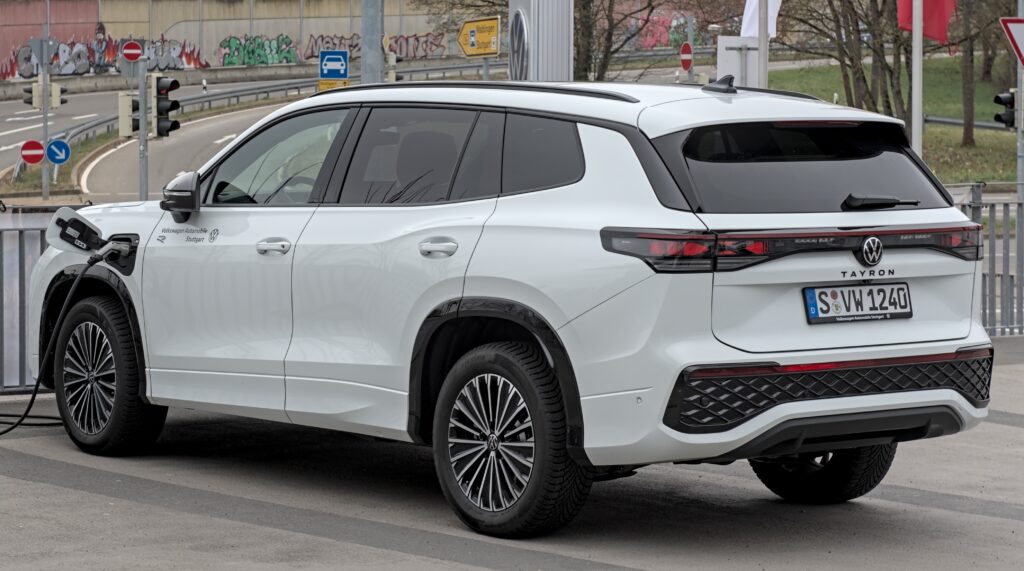
The Tayron R-Line is the top model, and comes with a sporty exterior and upmarket features. The car is designed for buyers who wish to have a premium experience behind the wheels along with some sportiness in design. The Tayron with its proportions and roadside appeal is good for large families and even for highway cruising for long distances. This is a space which is quite in demand among buyers in India. The car is also expected to boost the image of Volkswagen among the Indian buyers. The German manufacturer wants to move beyond its safe, practical, German engineered image to an aspirational brand which would have a mass following among lifestyle buyers.
3. Standard Tayron as a Balanced Premium Option
Apart from R-Line edition, VW will launch the Tayron standard version aiming to provide a more reasonable and premium SUV ownership experience. It has the benefits of Tayron platform but targets customers who would like to get premium SUV at relatively cheap price. It is for those who desire of ample room, luxurious driving and brand image, but don’t need the highest trimming.
Key Features of the Standard Tayron Approach:
- More accessible premium SUV option
- Retains core Tayron platform strengths
- Slightly simplified design elements
- Balanced feature set for wider buyers
- Competitive positioning in SUV segment
The regular Tayron is anticipated to be about as big and as practical as the R-Line variant, thus providing good usability for both families and long journeys, although it is likely to sport less radical styling and perhaps a less elaborate equipment set in order to make itself stand out from the sporty R-Line. This clear differentiation enables VW to cater for two specific types of customers through the same model range, while at the same time being in line with brand image.
It is strategic as it helps VW participate strongly in the growing premium SUV market in India, while providing the company with a range in terms of pricing and potential customer base, without watering down the brand positioning. By offering both sportier and regular trims in one model, VW is now targeting two different types of buyers with a single model range, which strengthens the SUV offering as a whole and increases market penetration.
4. Refreshing the Volkswagen Taigun
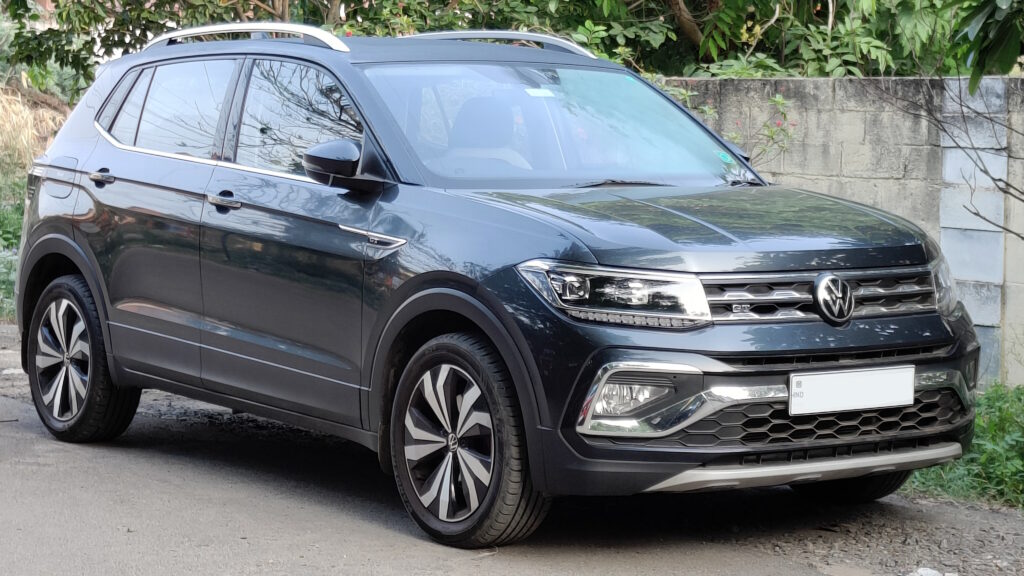
Arguably, one of the most critical models from Volkswagen’s stable in India, the 2026 Taigun facelift would aim to maintain its relevance in this ever-evolving segment. Rather than an outright redesign, the facelift would more likely aim at a slight facelift and design tweaks, which might involve some refreshed exterior styling bits along with new wheel designs.
Key Updates in the Taigun Facelift:
- Subtle exterior design enhancements
- Updated alloy wheel styling
- Improved cabin comfort features
- Enhanced in-car technology systems
- Possible transmission refinement
Cabin: Expect some cabin refinements in terms of comfort and feature pack. VW is most likely to add some better technology integrated with convenient features. A panoramic sunroof also is in consideration as a highly desired feature by Indian SUV buyers in this segment. Cabin interior looks to have a more upmarket and fresh appeal.
Mechanical changes may also be present along with the visual upgrades. A possible transmission upgrade for the smaller engine could be implemented, which can prove to be a boost to ride smoothness and refinement for the driver. The features and ride quality will aid the Taigun remain strong in a segment dominated by such offerings, keeping it relevant for the Indian SUV buyers.
5. Volkswagen Virtus Facelift and Feature Upgrade
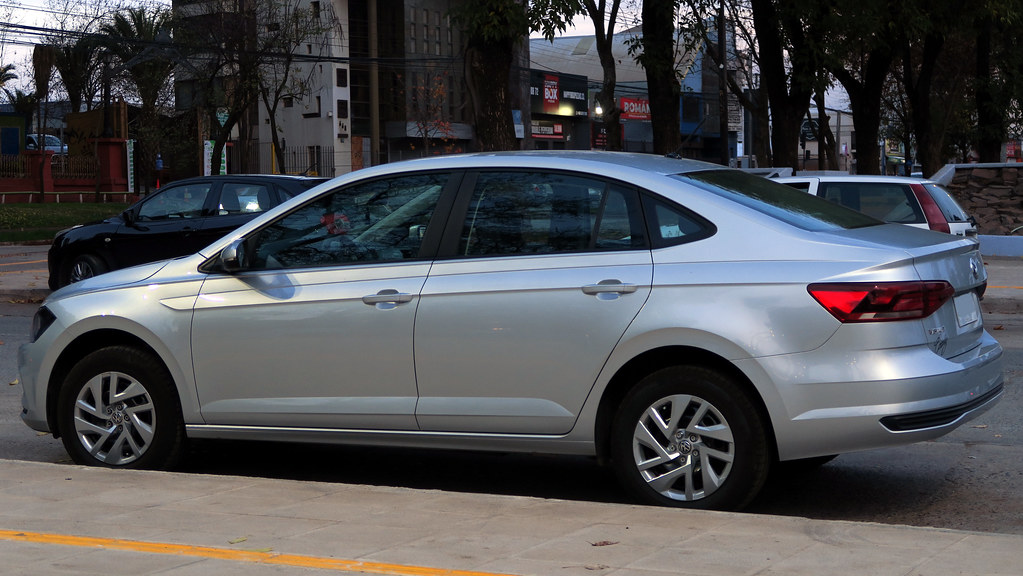
Another Volkswagen to be treated to a mid-life refreshment will be the Virtus sedan, which is said to be aligned with the changed expectations of the customers. The exterior looks at the front and rear are likely to receive a revision that will lend a more refreshed character to the car, and help in strengthening its premium credentials in a sedan segment that, while shrinking, is far from extinct in India.
Key Updates in Virtus Facelift:
- Revised front and rear styling updates
- More contemporary exterior appearance
- Improved interior materials and finish
- Introduction of advanced driver assistance
- Transmission refinement for comfort
Inside the cabin the Volkswagen has likely updated the materials and incorporated more features to increase overall comfort and feel of luxury. One addition eagerly awaited is a more comprehensive driver assistance system. Such an update will increase the safety quotient and bring the vehicle more in line with global tech levels. This update would also put the Virtus at a much more competitive level against newer models within the segment. The powertrain, while expected to remain the same with the reliable gasoline engines, might receive improvements in its transmission for increased refinement. The facelifts goal is to keep the established feel of the Virtus alive while making it more competitive.
6. Engineering Focus and Powertrain Continuity
The 2026 India line-up for Volkswagen largely draws from proven turbo petrol engine technology. There seems to be a marked preference for reliable, refined, and consistently performing units over numerous experimental changes. The 1.0-litre and 1.5-litre TSI motors continue to be crucial to the brand’s strategy.
Key Powertrain Strategy Elements:
- Continued use of TSI turbo-petrol engines
- 1.0-litre and 1.5-litre core engine lineup
- 2.0-litre engines for premium models
- Focus on reliability and durability
- Improved transmission refinement
In models such as higher specification Tayrons and the Golf GTI the more powerful 2.0-litre turbo is also offered with strong long-term engineering strength. The balancing of strong power output with long-term engineering strength is a key element of the Volkswagen global DNA. It ensure that performance oriented models are still reliable for daily use. In relation to the transmissions the focus also appears to be about driver comfort when driving. Refined automatic gearboxes on some models have the potential to offer a better drive in everyday traffic. It looks as if they offer greater responsiveness and drive ability. Engines that offer consistency and refined gearboxes build the core technical structure for the Volkswagen 2026 strategy.
7. Safety and Technology Evolution
Safety and technology are central to the VW India strategy for 2026. By introducing sophisticated driver assistance systems in the Virtus, VW is taking clear steps toward superior safety. This is inline with the direction in the global automotive world where safety features is considered as standard as opposed to optional and this is one of the first steps towards upgrading the value perception of VW in the Indian car buying universe.
Key Technology and Safety Enhancements:
- Introduction of advanced driver assistance systems
- Improved vehicle safety standards across models
- Enhanced infotainment system upgrades
- More responsive digital user interfaces
- Alignment with global safety benchmarks
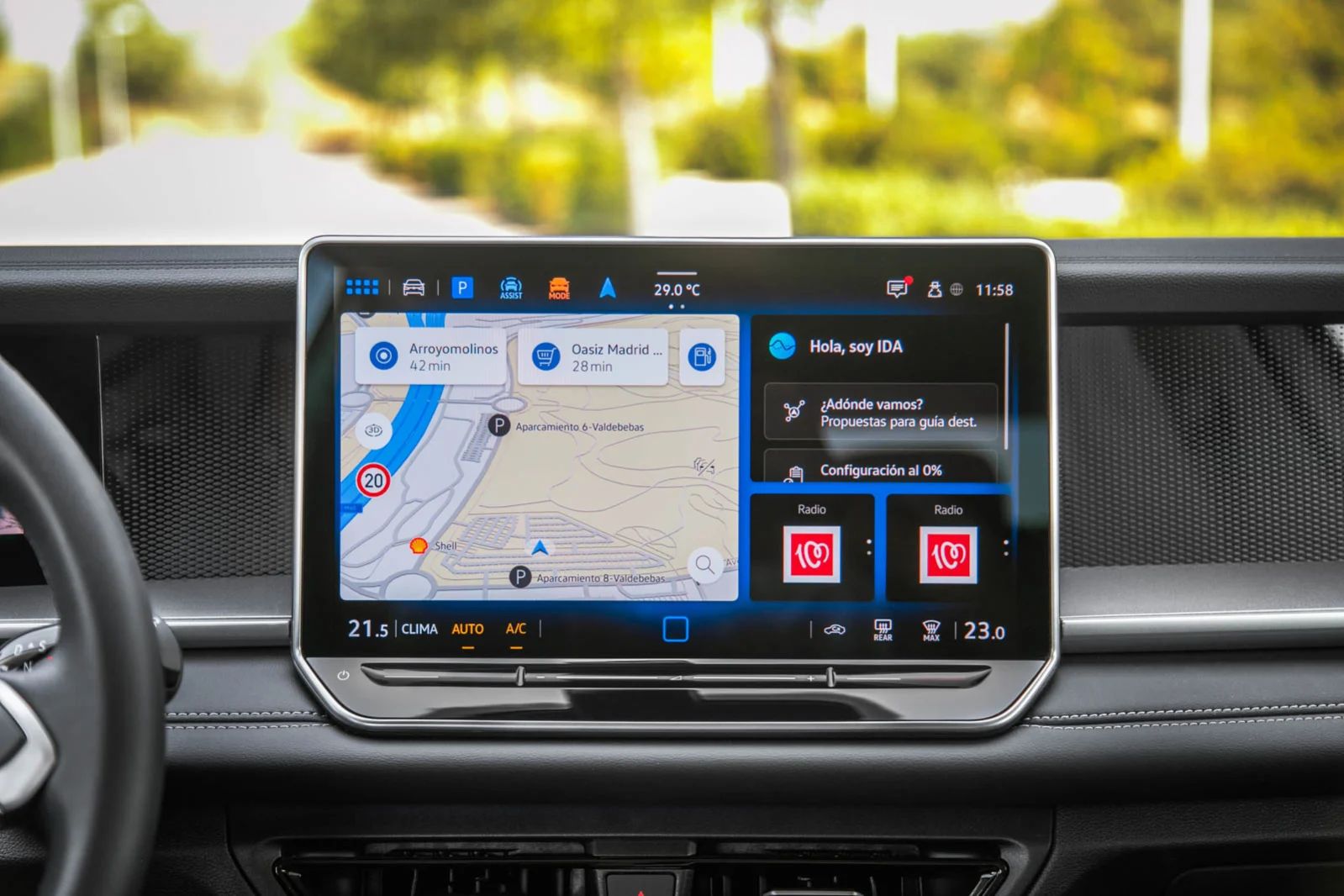
The infotainment and connectivity systems are also predicted to have a noticeable improvement range across the entire lineup. Volkswagen is anticipated to upgrade its digital interfaces and would likely be made simpler, more interactive and user-friendly with increased efficiency. Such changes would eventually reduce the distinction between the old form of driving and modern-day digital needs making in-car technology a more integral aspect of daily usage. Such features are not additions that are individual but are included within the changing business structure. Volkswagen is now strategically bridging its Indian lineup to global specification with its current model range and technologies that increase its brand equity among consumers. Long-term value perception is predicted to be better with this approach.
8. The Return of the Volkswagen Golf GTI
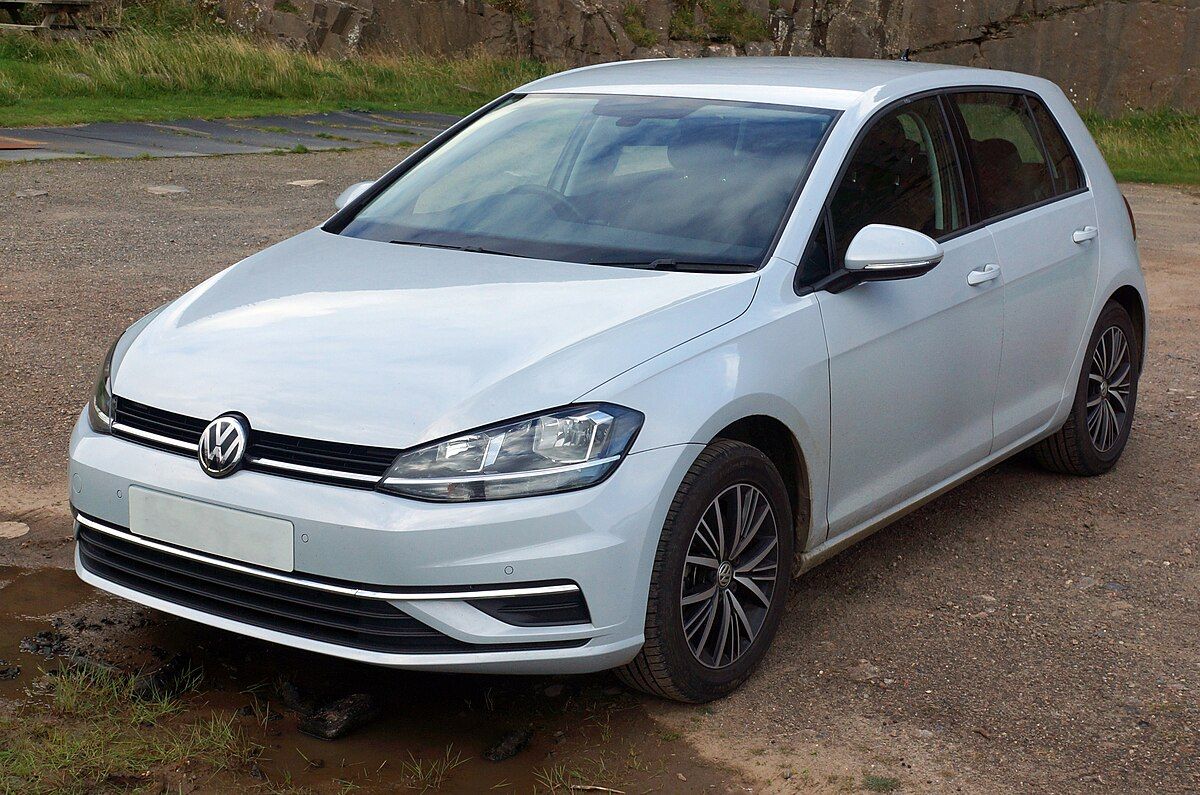
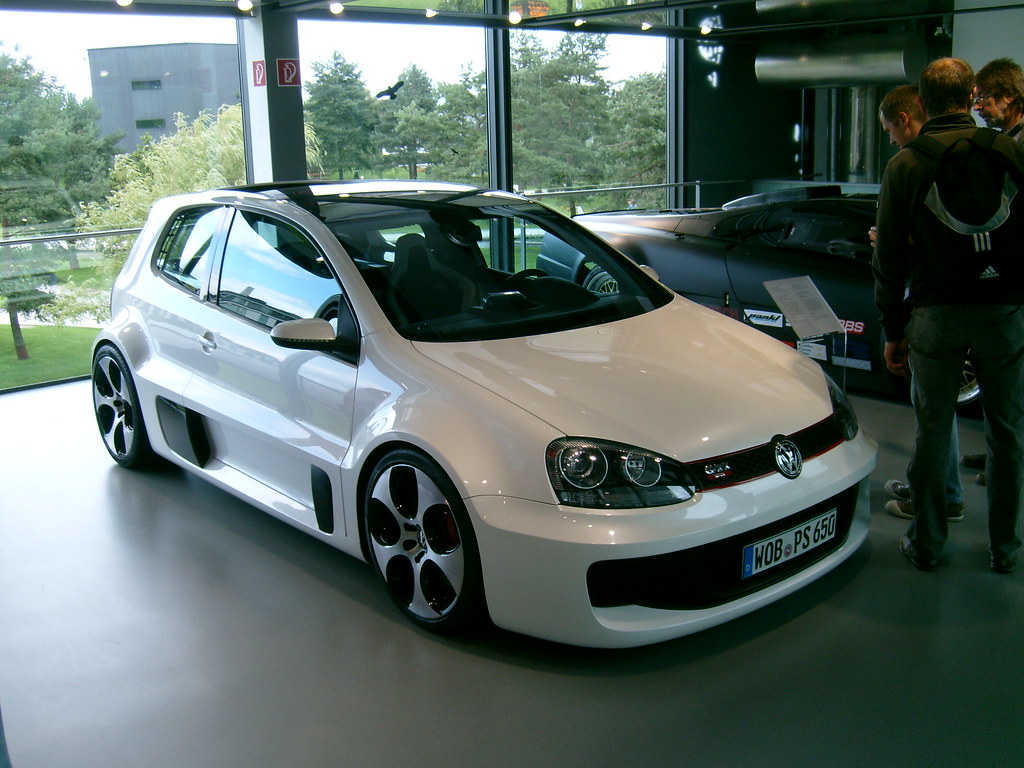
The 2026 range of Volkswagen models is anchored emotionally by the return of the VW Golf GTI, a symbol of VW’s long and rich history in the realm of performance. Its return in India points to a definite demand from drivers who crave the power and performance of a performance hatch. The overwhelming positive reaction to its restricted availability confirms the existence of a niche, albeit passionate group, of enthusiastic buyers, further justifying VW’s focus on performance oriented vehicles.
Key Highlights of the Golf GTI:
- Iconic global performance hatchback
- 2.0-litre turbocharged petrol engine
- Produces around 265 PS power output
- Strong focus on driving dynamics
- Limited but passionate enthusiast demand
The GTI’s performance is driven by its 2.0-liter turbocharged motor and churns out a decent 265 PS. Acceleration is lively and its hot hatch form factor in conjunction with performance makes for a rare combination to find in the Indian automotive landscape. Not many of its rivals offer both practicality for daily use and sportiness of performance. The GTI finds its place as a unique drivers’ car in the segment. While sheer performance statistics and numbers count, the GTI’s forte is its roots in performance driving feel and legacy. Decades of VW’s performance engineering history is part of the GTI’s lineage. Even today the GTI will draw enthusiasts who don’t care too much about practicality and are always up for a driving time. The GTI has a perfect balance of useability, heritage and performance and can be considered to be the most emotional car within the range.
9. Market Positioning and Brand Impact
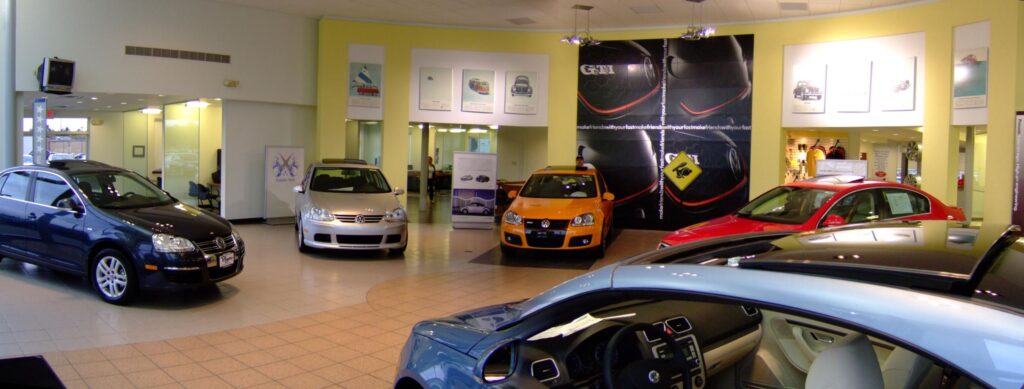
With the broad array of launches scheduled for 2026, VW has taken a significant step in enhancing its foothold in various market segments in the Indian market. By introducing luxury SUVs, re-freshed mid-segment products and performance oriented cars, the brand is now attempting to build up a much more holistic brand identity and will no longer be heavily dependent on just a single product category, helping in stabilizing long-term market presence and ensuring appeal to various types of customers and income segments.
Key Market Positioning Factors:
- Presence across multiple vehicle segments
- Reduced dependence on single product line
- Stronger premium and performance identity
- Increased local assembly advantages
- Improved pricing flexibility and control
The local production of new variants also strengthens the long-term viability of Volkswagen’s efforts and its competitiveness. Local production provides greater control over prices, reduces import reliance and promotes greater integration with the Indian automobile industry. This is a critical advantage in an India that is price-sensitive and volatile, and allows the company to react faster to evolving demand situations. In sum, this will boost Volkswagen’s presence and brand relevance in India by targeting a range of mobility requirements from day-to-day usage to aspirational premium product ownership, which enhances emotional and functional brand connection and ultimately loyalty over the long term.
10. Conclusion: A More Balanced Future
In 2026, the Volkswagen strategy for India has planned a well thought out combination between practical mobility and a passionate performance driven character. With a range of family friendly SUVs, a revised set of mainstream vehicles and a performance icon, VW is set to achieve a more holistic product ecosystem. This range ensures the brand can cover both needs, everyday mobility and enthusiast preferences, while further reinforcing Volkswagen’s foothold in various strata of the Indian market.
Key Outcomes of the 2026 Strategy:
- Balanced SUV and sedan portfolio
- Inclusion of performance-oriented models
- Stronger long-term market positioning
- Focus on technology and trust building
- Broader appeal across customer groups
From the strategy mentioned above it is obvious that VW is looking for long term growth rather than short term benefit. In VW’s plan every product that it rolls out has a part to play in brand trust, technological relevance and customer reachability. Rolling out models gradually will enable brand visibility and a strong connect within the Indian market. In a span of time it will develop a stronger and more definite brand presence.
With 2026 approaching it is quite evident that VW is coming back to India with more strength and a better confidence. The plan is not only about evolution in technology and design but also about capturing that emotion which comes with driving heritage. The plans seem to fulfill the requirements of a modern customer and retain that old school German Engineering philosophy at the same time.