




UK Car Tax 2025: A Guide to the New VED Rules
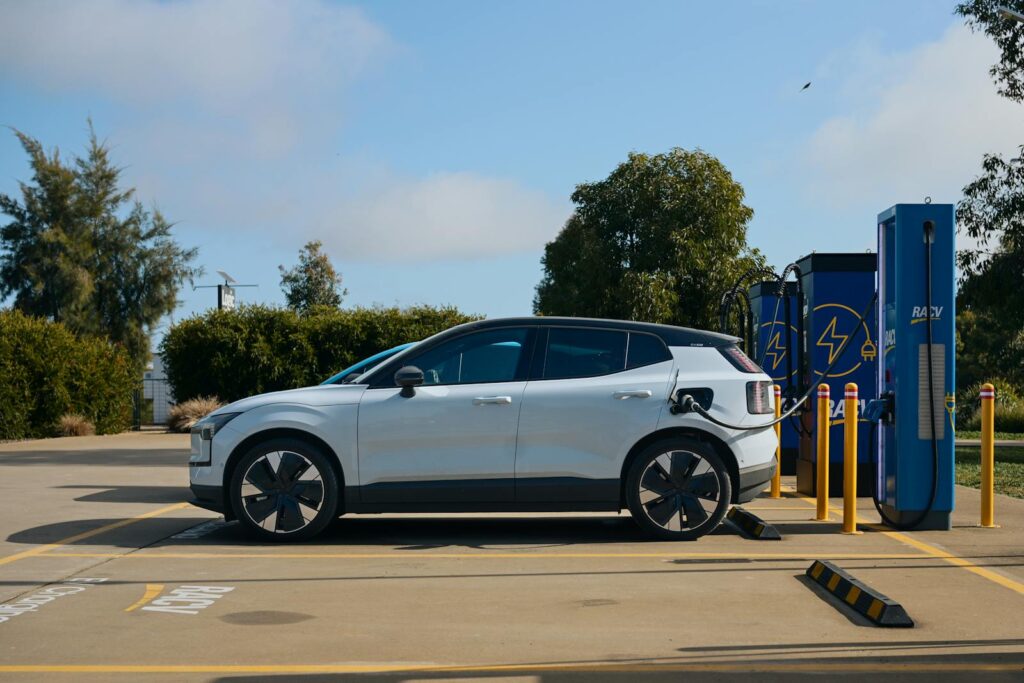
The Vehicle Excise Duty system in the UK is changing a lot. These changes will affect almost every driver. From 1 April 2025 electric vehicles will not be tax free anymore. Vehicles that make a lot of emissions will have to pay more for the year and many drivers will see changes in how much they pay for road tax every year. This will affect people who own petrol cars, new hybrid vehicles or fully electric vehicles. The changes will impact how money people spend on driving in the future.
For a time electric vehicles got special tax breaks to encourage people to stop using petrol and diesel cars. Now that more people are buying vehicles in the UK the government is changing the system so that electric cars are treated the same as other vehicles for tax. Hybrid vehicles will not get discounts anymore and expensive vehicles that cost more than £40,000 will still have to pay extra every year. The government wants to make the tax system fairer. Also make sure they get enough money from people who use the roads.
The new Vehicle Excise Duty system might seem confusing at first. It is easier to understand when you know about the different times when vehicles were registered and the tax groups they fall into. How tax a driver pays depends on when their vehicle was registered how much CO2 it emits and how much it cost when it was new. People who are planning to buy a vehicle, especially an electric one need to think carefully about the road tax costs when they are deciding how much to spend. The Vehicle Excise Duty system changes will make people think more, about the cost of road tax when they are buying a vehicle.

1. What Vehicle Excise Duty Really Is
Paying Vehicle Excise Duty often called road tax is something nearly every driver in the UK must do if they use their vehicle on public roads. While taxes on cars go way back, what we now know as VED began taking shape in 1937. For years, people stuck a small paper disc on their windshield to show payment, a practice that lasted until things went fully digital in 2014. Shifting to online systems changed how data around vehicles and payments was handled across the country. These days, everything runs through electronic records kept by the DVLA, using automated checks instead of physical proof.
Vehicle Tax Essentials:
- Legal requirement for UK vehicles
- Fully digital taxation monitoring system
- Handled using DVLA’s official car database
- Automatic tracking using ANPR cameras
- Modernized system after paper tax discs
Now electronic eyes watch car taxes through number plate scanners tied straight to DVLA data. Right away these tools spot cars without valid tax, skipping the need for officers on roadsides. Messages about renewals, fines, or status updates flow automatically under the new setup. Fewer forms move around since most steps happen online without human handling. Across Britain, catching unpaid road duties got quicker and hit the mark more often.
Most people who drive think their road tax pays just for fixing streets and traffic systems. Truth is, those car taxes flow into the main pot of government cash rather than staying locked in a special account for roads. That pile of funds might go toward hospitals, schools, buses, or town services. Seeing it this way makes clearer how taxes really move behind the scenes. One widespread myth drivers hold gets wiped once they grasp this setup.

2. UK Government Updates VED Rules
More people driving electric cars lately is reshaping how Britain handles its car tax rules. In recent years, folks picked EVs instead of fuel-powered ones due to cheaper refuelling, fewer repair bills, yet also skipping regular VED fees. Savings like these pushed electric models into the spotlight nationwide. With better battery range and charging options emerging, buyers leaned harder toward plug-ins. That move altered what kinds of vehicles dominate roads today.
Why the VED Rules Changed:
- Rapid increase in electric vehicle ownership
- Declining government road tax revenue
- Expansion of the UK EV market
- Fairer taxation across vehicle categories
- Long-term funding stability for transport
When more people began driving electric cars, tax income from fuel and regular car taxes slowly dropped. Because these vehicles take up an increasing part of the market, skipping charges on them has become harder to justify. Including EVs in the Vehicle Excise Duty setup is seen as a way to keep state finances steady. Adjustments aim to align with what future infrastructure and budget demands might look like. As the mix of combustion engines and electric models shifts, so does the logic behind how they’re taxed.
Most people driving cars pay some kind of fee to use roads. Now electric car owners are starting to chip in too after being left out before. Gasoline, diesel, and plug-in models never got breaks they kept covering costs year after year. Fairness matters when it comes to sharing expenses among drivers. The update pushes toward treating everyone under one roof instead of favoring certain engines. Rules now reflect an effort to level things without picking winners. Balance shifts slightly every time someone fills up or plugs in. A single standard could shape how taxes roll forward down the line.

3. New Rules for Cars Registered Starting April 2025
Starting 1 April 2025, anyone buying a fresh-off-the-lot vehicle faces the UK’s newest tax setup for cars. Taxes now unfold in two parts an initial fee tied closely to how much carbon dioxide the model emits. After that, owners pay a set yearly sum regardless of emissions. Petrol models see it, so do diesel ones; hybrids aren’t spared either, even full electrics must comply. Balance over time drives the redesign, aiming for fairness across ownership periods.
New VED Rules Key Changes:
- First-year tax based on emissions
- Electric vehicles no longer tax-free
- Following the initial year, the yearly charge shifts to its regular level
- Higher charges for polluting vehicles
- Encouragement for cleaner vehicle choices
Now even zero-emission cars must pay a starting fee when registered. Ten pounds might seem small, yet marks the close of free road tax for EV drivers across Britain. In their second year, these vehicles shift to the usual yearly cost-one hundred ninety-five pounds. That sum matches what gasoline and diesel models have long covered each twelve months. Officials say updating rules helps bring electric transport into line with existing financial systems.
Bigger pollution from a car means steeper taxes right at purchase under the updated rules. Think sporty or premium rides pumping out heavy emissions those might hit you with fees over five grand upfront. That extra charge hits hardest when registering pricier cars that pollute more. Push comes to shove, it nudges both makers and buyers toward greener choices. Goals shift quietly but firmly: cleaner air, smarter transport down the road.

4. First Year VED Rates Made Simple
Most of the time, how much you pay for your car’s first tax depends on its pollution level. A cleaner machine means less money out front, whereas dirtier ones demand serious cash right away. Some emit just a little say, up to 50 grams per kilometer and that runs you one hundred ten pounds at the start. On the flip side, anything pushing past two fifty-five gets hit with five thousand four hundred ninety. Right from launch, this setup pushes people toward lighter-footprint rides.
First Year VED Charges Explained:
- Lower emissions mean lower tax
- Fees climb higher for vehicles that pollute more
- Luxury vehicles affected more heavily
- Most electric vehicles fall into the cheapest tax category
- What you pay when buying a car depends on its carbon emissions
Heavy-duty performance cars, big SUVs, or flashy sports machines with roaring petrol motors feel the biggest hit under this price setup. When someone looks at a high-polluting model today, sudden tax bills worth many thousands of pounds appear right away. Choices down the road might shift because of these steeper fees across upper-tier car segments. Car builders, meanwhile, are likely pushing even harder into low-emission and greener tech paths. New rate brackets tighten the squeeze to nudge buyers toward eco-minded picks.
A tenner covers the first year of tax for electric cars, keeping them at the bottom rung. Yet here it is drivers who once paid nothing now see a bill arrive. This tiny fee carries weight, suggesting perks are thinning out slowly. With more people switching to electric, officials seem intent on reshaping how road costs are shared around.
5. The 425 Pound Luxury Vehicle Extra
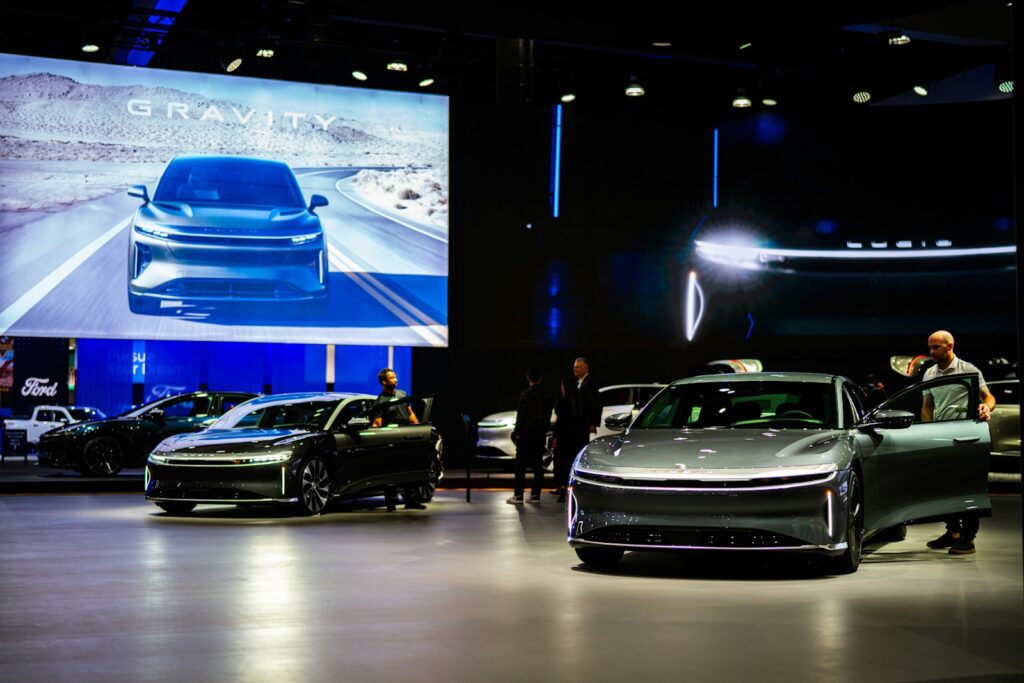
That pricey car surcharge stands out in the revised VED rules. Priced above forty thousand pounds, a vehicle pulls in an added four hundred twenty-five quid each year. From its second year on, that sum rolls every twelve months five times total. High-end models throughout Britain feel this hit. Ownership gets heavier over time when the sticker climbs high.
Important Details About the Supplement:
- For cars priced over forty thousand pounds
- Extra £425 annual ownership charge
- Lasted without pause across five straight years
- Now featuring high-end electric cars
- Increases overall yearly road tax
Starting in 2025, costly electric cars will join the extra fee system. Over five years, those eligible will hand over £620 each year. Before, even pricy EVs often skipped this cost completely. Now, the updated rule brings fairness across luxury models, whether powered by batteries or fuel. The gap in what rich drivers paid shrinks sharply once the new terms kick in.
Now, owning certain electric cars could get pricier mainly thanks to how advanced batteries drive up base prices. Higher-end models tend to come with steeper overall costs these days compared to before. For years, drivers counted on lower road taxes making EVs more appealing across Britain.
6. How Changes Impact Current Electric Car Drivers
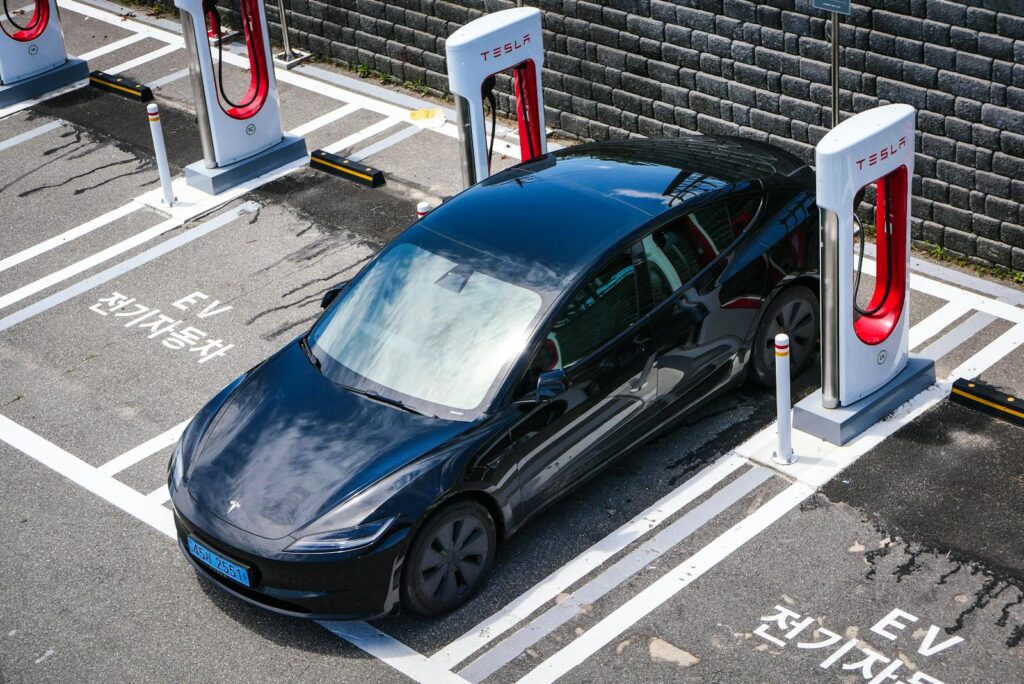
Come 2025, those driving electric cars bought between 1 April 2017 and 31 March 2025 will see a shift in how they pay vehicle tax. Up until recently, nearly every one of these EVs didn’t need to pay any road tax at all throughout the UK. That break helped cut expenses sharply when set beside people using petrol or diesel models. Not having to pay was a key perk pushing more buyers toward going electric. Starting in 2025, though, that zero-tax period wraps up for good.
What EV Owners Should Know About Recent Updates:
- Previous EV tax exemptions ending
- Every year, a set fee for vehicle tax came into effect
- Applies to millions of electric vehicles
- Low-emission cars also affected nationwide
- Some premium charges still avoided
From April 2025, those driving electric or low-emission vehicles will face the full yearly VED charge set at £195. Many people picked EVs back then hoping to save on running costs; now that benefit fades. Instead of special treatment, these vehicles join regular petrol and diesel models in tax terms. A move like this shows how rules are aligning across car types, no matter their engine. Over time, owning an electric model might cost more than it once did.
One key detail sticks out about the costly car add-on from the updated VED changes. If an electric vehicle was registered prior to 1 April 2025, it won’t face the added £425 each year. Even when the sticker price originally topped £40,000, that break stays in place. While drivers do owe the regular yearly fee, the high-end model surcharge doesn’t apply.

7. Older Cars Still Rely on CO2 Bands
From 1 March 2001 up until 31 March 2017, cars keep the previous CO2 band setup. Instead of new rules, these models fall under groups labeled A through M, depending on their tested emission numbers. What you owe yearly in tax ties directly to that group. Cleaner ones cost less each year, heavier polluters bring bigger bills. Across Britain, plenty of drivers still follow this earlier method.
Older Band System Updates:
- CO2 emissions determine yearly charges
- Vehicles grouped from Band A–M
- Low-emission cars now become taxable
- Hybrid discounts officially being removed
- Even now, the earlier system of taxes stays unchanged
Starting in April 2025, cars once exempt from road tax due to minimal emissions will face a charge. These Band A vehicles used to pay nothing at all. Now they fall under a new rule that adds twenty pounds each year. It might seem minor but marks the disappearance of yet another exception. The shift fits into wider efforts pushing most vehicle types toward some level of payment. Drivers who thought clean engines kept them out of tax rolls must now factor in a cost. Little by little, even eco-friendly models are being drawn into the net.
Starting next spring, those behind the wheel of hybrids or alternative fuel cars in outdated emission groups face new conditions. Gone by April 2025 – the ten-pound yearly cut once offered for such models. Because of this shift, more drivers using hybrid technology will see their annual VED payments go up just a bit. All part of a broader push to make vehicle taxation clearer, more uniform across the board.

8. Rules for Cars Registered Before March 2001
Vehicles registered before 1 March 2001 follow a much simpler Vehicle Excise Duty structure in the UK. During that period, official CO2 emissions data was not routinely recorded for most vehicles. Instead of emissions-based tax bands, annual road tax depends entirely on engine size. This older system still applies to many classic cars and older everyday vehicles currently used across the country. The structure remains mostly unchanged under the latest 2025 VED reforms.
How Pre-2001 Vehicle Tax Works:
- Tax based entirely on engine size
- No official CO2 emissions categories
- Smaller engines pay lower annual rates
- Larger engines face higher yearly charges
- Older system still widely used
Cars with engines smaller than 1549cc currently pay an annual Vehicle Excise Duty rate of £210. Vehicles with larger engines attract a higher yearly charge of £345 under the existing structure. These rates continue applying to many older vehicles, including classic models and long-running family cars. The simplified system makes annual tax calculations easier compared to modern emissions-based categories. Many motorists appreciate the straightforward nature of this older taxation method.
Owners of older vehicles often value the simplicity and predictability of the pre-2001 tax structure. However, maintaining older cars can still involve higher fuel consumption, repair costs, and ongoing maintenance expenses. Drivers frequently compare these ownership costs against the benefits of purchasing newer and more efficient vehicles. Despite higher running expenses, many enthusiasts continue enjoying older vehicles because of their reliability, character, or historical value.

9. Penalties for Driving an Untaxed Vehicle
Driving an untaxed vehicle is considered a serious offence in the UK and can result in significant financial penalties. The DVLA uses automatic monitoring systems to detect vehicles without valid road tax or SORN declarations. Modern enforcement technology allows authorities to identify untaxed vehicles quickly through electronic databases and camera systems. These measures help ensure that vehicle owners follow legal taxation requirements. Ignoring road tax obligations can quickly become very expensive for motorists.
Common Penalties For Untaxed Vehicles:
- Automatic DVLA monitoring and enforcement
- £80 Late Licensing Penalty issued
- Additional fines for unpaid vehicle tax
- Vehicles may be clamped or seized
- Court action possible in serious cases
Drivers caught using untaxed vehicles may receive an £80 Late Licensing Penalty from the DVLA. This amount can sometimes be reduced to £40 if the payment is made promptly within the required period. Vehicles found on public roads without valid tax may also lead to additional fines or legal action. In some cases, authorities may calculate penalties based on unpaid tax amounts and vehicle history. Repeated offences can increase the seriousness of enforcement measures.
Authorities also have the legal power to clamp or impound untaxed vehicles found on public roads. Releasing a clamped vehicle normally costs £100, while impounded vehicles require a £200 release payment plus daily storage fees. In more serious situations, court fines can rise to £1,000 or even higher depending on the offence. These strict penalties are designed to discourage drivers from avoiding vehicle taxation rules.

10. Historic Vehicle Exemptions and Final Thoughts
Despite the major VED changes arriving in 2025, several important exemptions will still remain available in the UK. Vehicles used by disabled individuals, mobility scooters, and qualifying historic vehicles can continue receiving road tax exemptions under current rules. These exemptions help support drivers with specific needs and preserve historically important automobiles. Although most vehicle categories will now pay some level of tax, certain protected groups still remain outside the standard system. Historic vehicle rules continue playing an important role within UK motoring regulations.
Important Historic Vehicle Tax Rules:
- Historic vehicles remain road tax exempt
- Exemption begins after forty years
- DVLA registration still remains necessary
- Disabled vehicle exemptions still continue
- Some special vehicle categories protected
Historic vehicles officially become exempt once they reach forty years of age under the rolling qualification system. From April 2025, vehicles built before 1 January 1985 will qualify for historic tax exemption status. Even though no payment is required, owners must still register the exemption correctly through the DVLA system. Proper registration ensures the vehicle remains legally compliant on public roads. This process remains important for both collectors and classic car owners throughout the UK.
The updated VED structure clearly reflects how the UK automotive market is continuing to evolve. Electric vehicles are no longer treated as a completely separate category, while higher-emission cars still face stronger financial penalties. Buyers and existing owners must now pay closer attention to registration dates, emissions levels, and vehicle prices when calculating long-term ownership costs. Drivers who stay informed about these changes will be better prepared for future expenses and legal requirements.