



New Dodge Charger Proves Gas-Powered Muscle Isn’t Dead
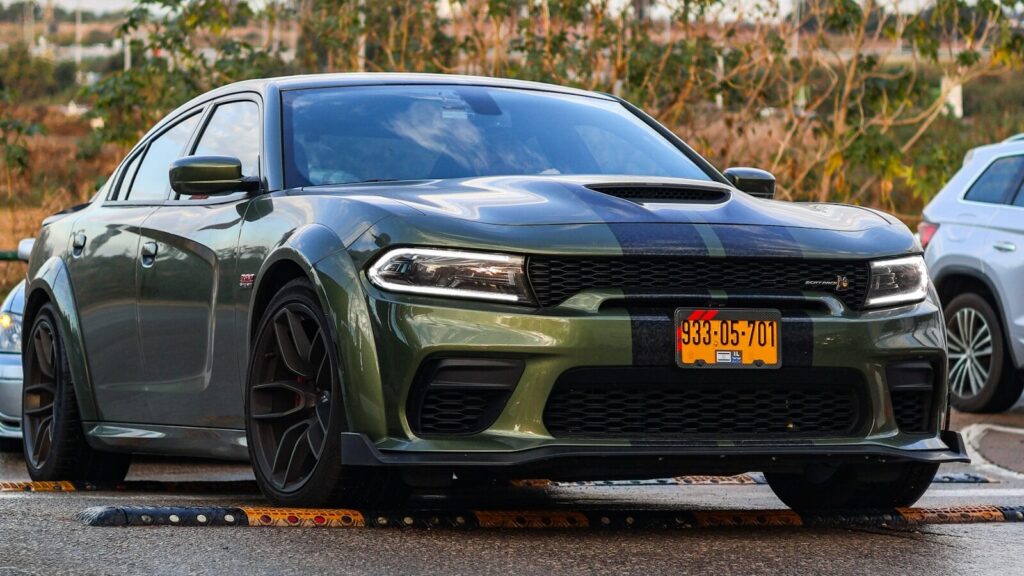
The direction of the Dodge Charger’s future seemed to be in one place for years: electric. After decades spent honoring the distinctive growl of its Hemi V8 engines, it seemed as though Dodge was ready to abandon muscle-car tradition for an electric performance future. With the release of the Charger Daytona, however, fans of the classic muscle car couldn’t help but ask: where did the heart of the machine go?
The performance world’s reaction signaled that many of the same people who made Dodge the go-to for Charger muscle cars still loved that gasoline feel. Sharp styling, robust engines, and the emotion associated with gas performance still mattered to devoted owners. Given how initial sales of the electric Charger failed to meet Dodge’s internal targets, it became obvious a new plan was needed for a substantial portion of its core customer base.
Dodge has answered that need with the addition of a gas engine back into the mix for its new-generation Charger. While it doesn’t rely on the same formula, Dodge has rolled out a brand-new twin-turbocharged inline-six that offers great power, while preserving its muscular DNA. The new Charger shows that the world of gas-powered performance still has room in the age of electrification.
1. The Return of Gasoline Power
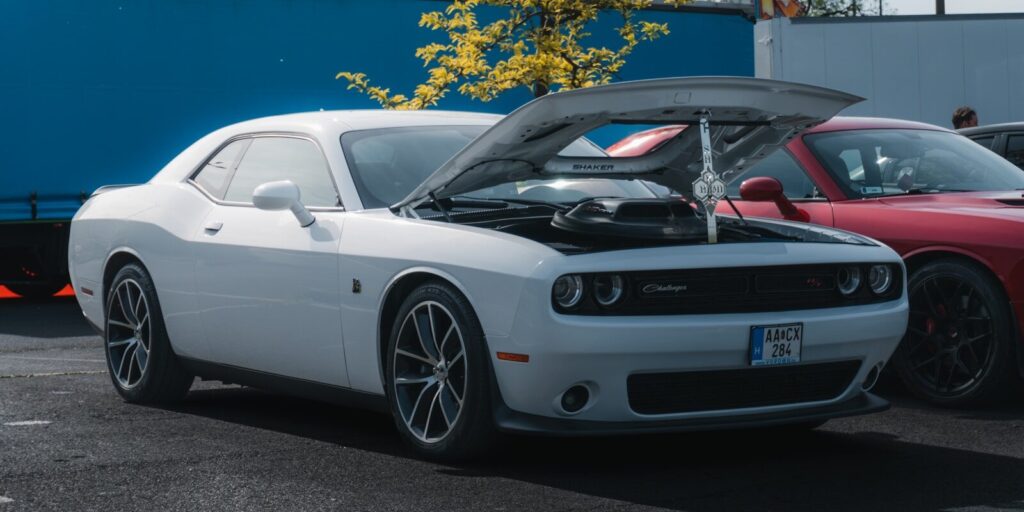
The gas engine Charger comeback signals a significant pivot in how Dodge views performance. For a long time, once the manufacturer revealed the discontinuation of its previous models equipped with Hemi power, a wave of disgruntled fans seemed resigned to a loss of what was considered true muscle car personality. To the faithful, a Charger with a silence instead of an engine roar didn’t make much sense.
Charger’s Gasoline Revival:
- Return of internal combustion power
- Response to enthusiast demand
- Preservation of muscle car identity
- Blend of tradition and technology
- New performance direction for Dodge
The response to the Charger Daytona EV, in fact, proved that there was a significant chunk of performance customers who were seeking a more familiar feel. While instant electric torque meant blistering acceleration, there was still a part of the driving community that missed the noise, the feel, and the mechanical feedback of Charger products from the past, and Dodge built the new gas-powered Charger for them.
But this return to form is more than just updating a recipe. Dodge has given themselves new performative goals by pairing new engineering practices with the excitement that made the charger a name within the muscle car community. The new generation is a tightrope walk between classic performance and the modern technology you’d want to see inside.
2. Introducing the Hurricane Sixpack Engine
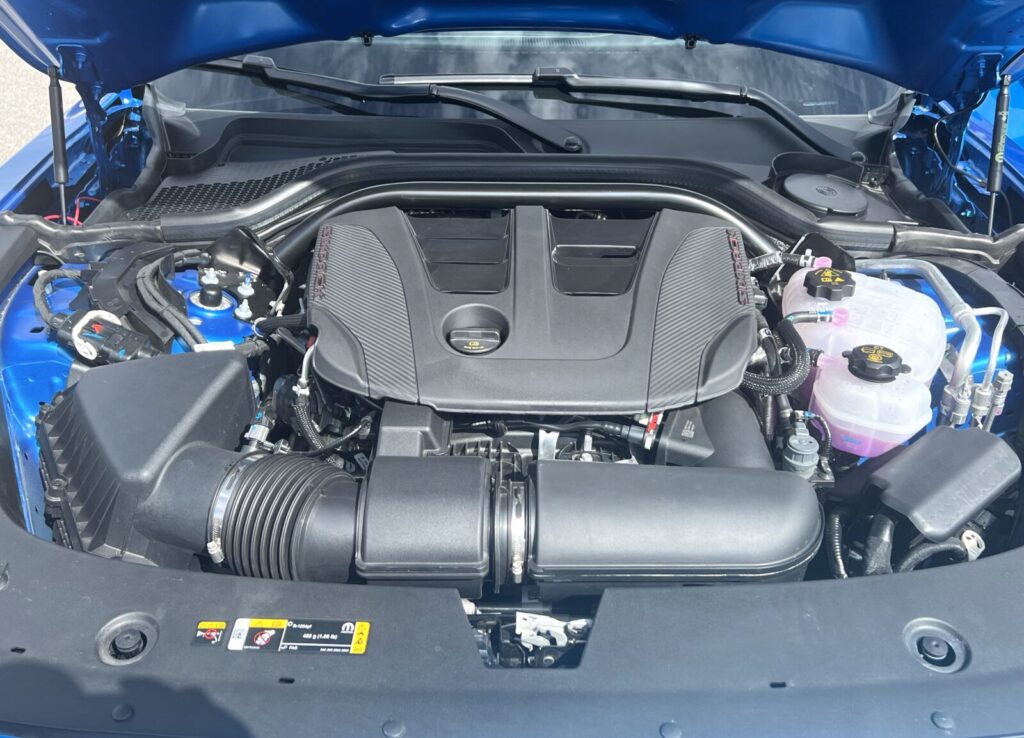
Under the skin, a new twin-turbocharged 3.0-liter straight-six is nestled within the latest Charger-this engine being the company’s Sixpack or Hurricane. It is the first all-aluminum motor the brand has offered for its Challenger replacement and may also serve the Charger. Despite its new layout, the six-cylinder still churns out numbers capable of making enthusiasts excited.
Hurricane Sixpack Engine Highlights:
- Twin-turbocharged inline-six design
- Standard and High Output versions
- Strong torque-focused performance
- Modern aluminium engine construction
- New era of Dodge performance
Dodge’s entry-level model, the Charger R/T, has the Standard Output of the engine, generating 420 hp and 468 lb-ft. If that isn’t enough for you, the Charger Scat Pack offers the High Output variant, making a substantial 550 hp and 531 lb-ft. This shows Dodge isn’t simply going to a de-tuned inline-six to replace the old V8s.
As the Sixpack engine emphasizes, it’s not just about the number of cylinders. Through turbocharging, clever design, and up-to-the-minute engineering, Dodge has developed an engine that delivers the performance, torque and excitement one should expect from a new muscle car.
3. Serious Performance Without the V8
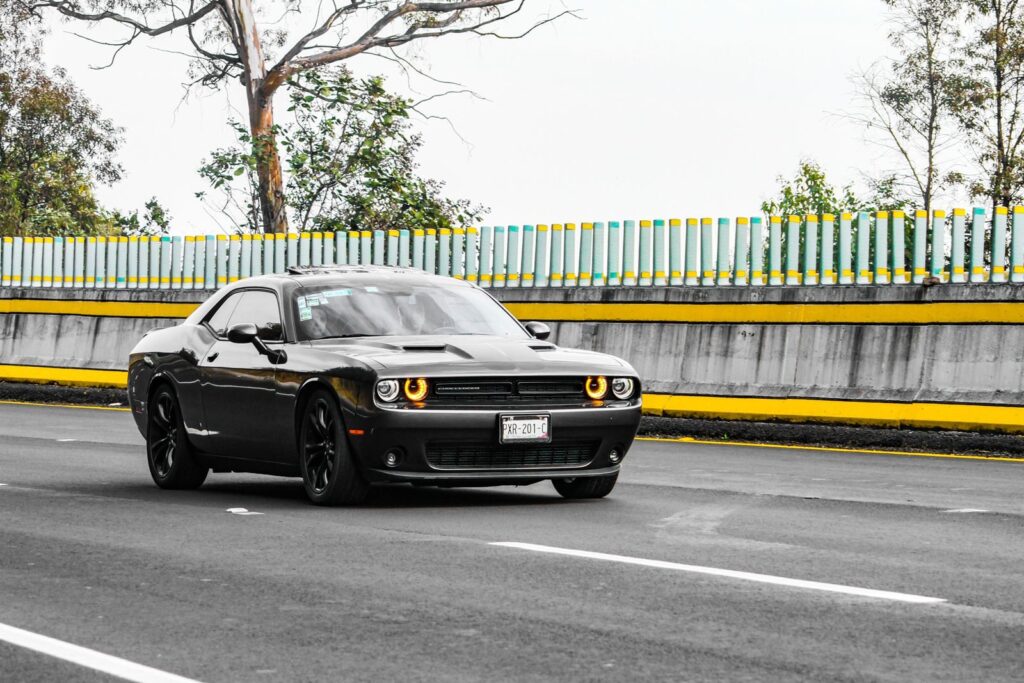
The capabilities of the new Charger demonstrate the development not demise of the gas-gulping muscle machine. While Dodge estimates a 3.9-second 0-60-mph run for the high-output Scat Pack model, third-party tests have revealed even greater performance. For buyers who demand speed, the Charger is very much back.
Charger Performance Capability:
- High-output Sixpack power
- Strong acceleration performance
- Impressive quarter-mile capability
- Balanced street and track focus
- Modern muscle car experience
Completing the quarter-mile in a touch over 12 seconds means the new engine certainly offers real track performance potential. And while the electric Charger Daytona may accelerate off the line faster, there’s a different experience offered up here by the Sixpack with turbo lag and engine character, which appeal to classic performance fans.
The Charger is about delivering the complete package: speed and handling with practicality for day-to-day driving. That means Dodge continues building cars you can have fun driving when you get a chance and still use for mundane tasks.
4. Advanced All-Wheel Drive With Muscle Car Attitude
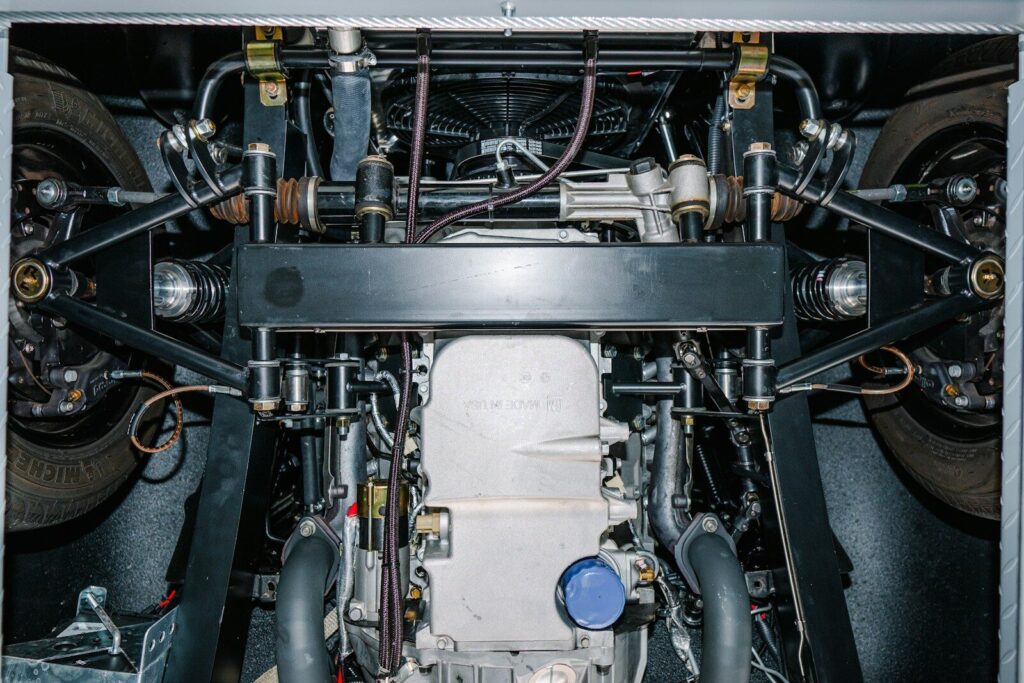
All gasoline Chargers will have an all-wheel-drive (AWD) system combined with a torque-flite eight-speed automatic transmission. This feature will enhance grip, stability and control, offering composed handling for any type of road or weather condition, adding to everyday usability without diminishing performance traits.
All-Wheel Drive Performance Features:
- Improved traction and stability
- Eight-speed automatic transmission system
- Rear-drive style performance modes
- Controlled drift capability
- Everyday confidence with muscle attitude
While the addition to modern functionality gives the system a new punch, it doesn’t strip away the character and fun that most fans demand from their muscle car. Dodge has equipped the AWD with unique driving modes which can mimic rear-wheel drive behaviour and help the driver experience power slides in a controllable and exciting manner.
The exciting balance of modern engineering and visceral driving fun that the new Charger aims to achieve. It allows you the confidence to drive it everywhere but keeps that fun, aggressive attitude that defined Dodge performance vehicles for decades.
5. A Design That Connects Past and Future
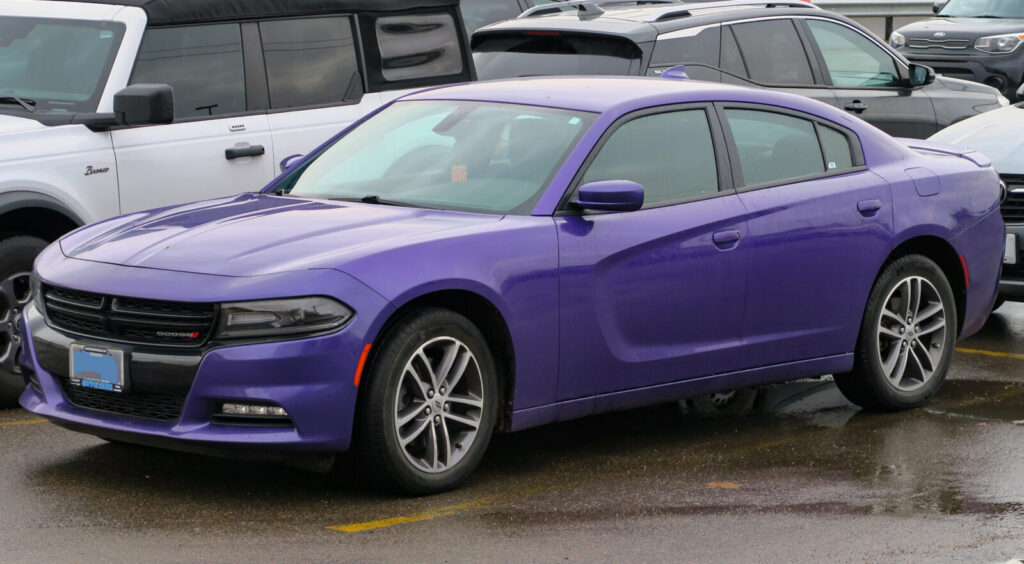
With this generation, Charger manages to be a faithful homage to muscle car tradition and a futuristic car design all in one. In both the gasoline-powered car and the electric vehicle, we can find a strong similar front-facing identity, helping to bring consistency to the lineup, while simultaneously showcasing two different ways to interpret the muscle car.
Charger Design Highlights:
- Classic muscle car styling
- Modern aggressive exterior design
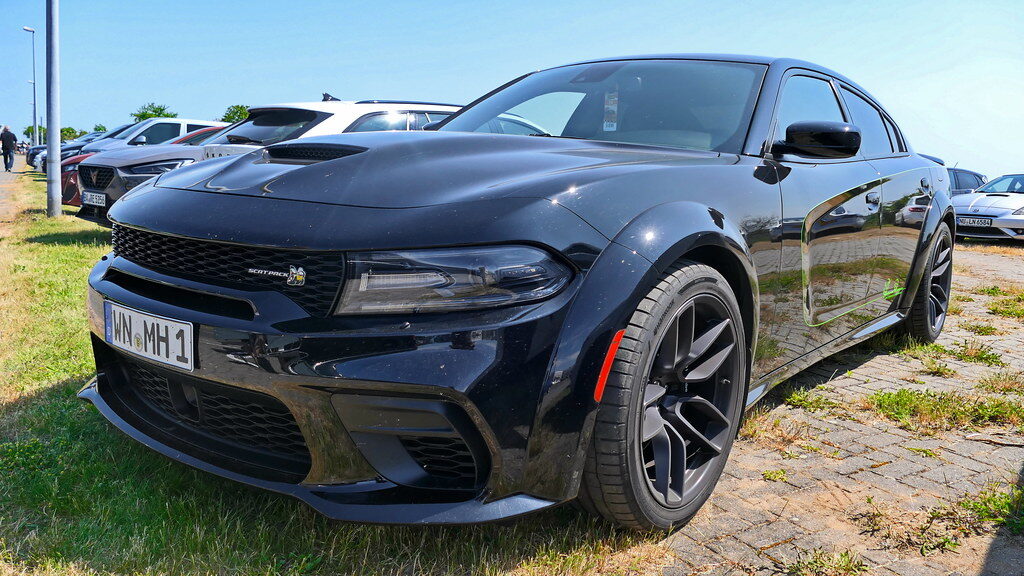
- Functional Sixpack hood scoop
- Coupe and sedan body options
- Balance of tradition and innovation
On the gasoline version of the Charger, some particular details can be observed, such as the functional hood scoop with the Sixpack logo. The gasoline car also removes the front R-wing of the electric model, in order to create an image specific to the gas engine. It still remains that aggressive and muscular style that fits the Dodge nameplate.
Meanwhile, the Charger still comes in coupe or four-door sedan forms, providing shoppers the chance to make a choice to fit their personal requirements. From the more aggressive performance coupe design or the more conventional, four-door sedan version, you can take on road while still carrying the unique personality of the Charger and of the muscle car brand.
6. A Modern Interior With Classic Inspiration
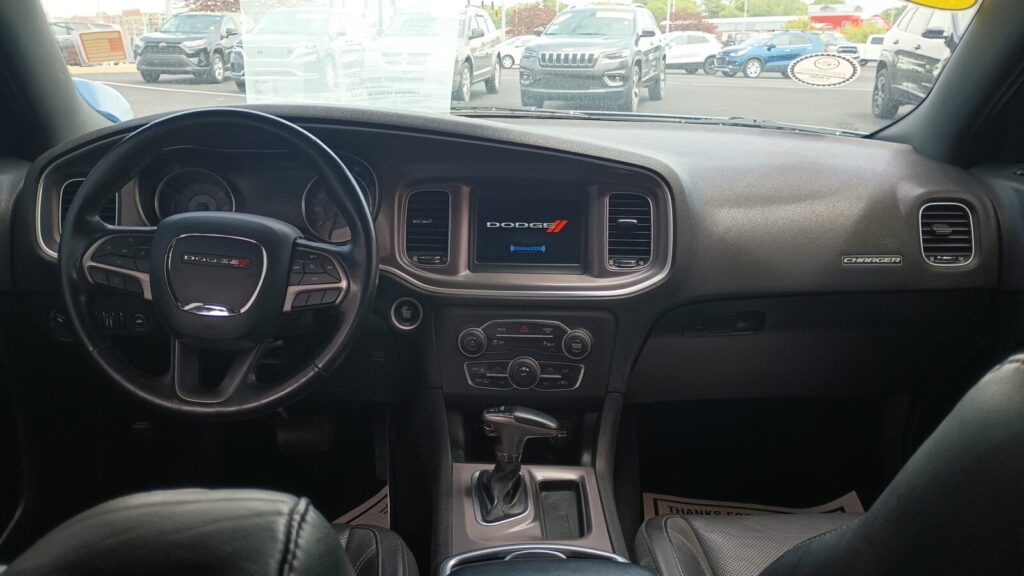
Inside, the new Charger’s cabin boasts a sophisticated tech interface coupled with designs nodding to the brand’s past. The layered dashboard design and pistol-grip shifter are examples of this linkage to older Chargers, whilst also affording an updated cabin feel.
Interior Design Highlights:
- Heritage-inspired cabin styling
- Large digital displays
- Wireless smartphone connectivity
- Spacious and practical layout
- Performance-focused interior design
Everything in the cabin is driven by tech and it shows off a massive screen that houses the infotainment, alongside fully digital displays that form the instrument cluster. You’ll also enjoy handy tech features such as wireless Apple CarPlay and Android Auto, to keep the cabin nice and accessible.
Dodge is further bolstering the everyday practicality of the Charger with increased interior comfort including spacious seating and optional comfort upgrades, plus a handy liftback design. The tweaks not only increase ease of use as a daily car, but keep the sports car DNA it is best known for.
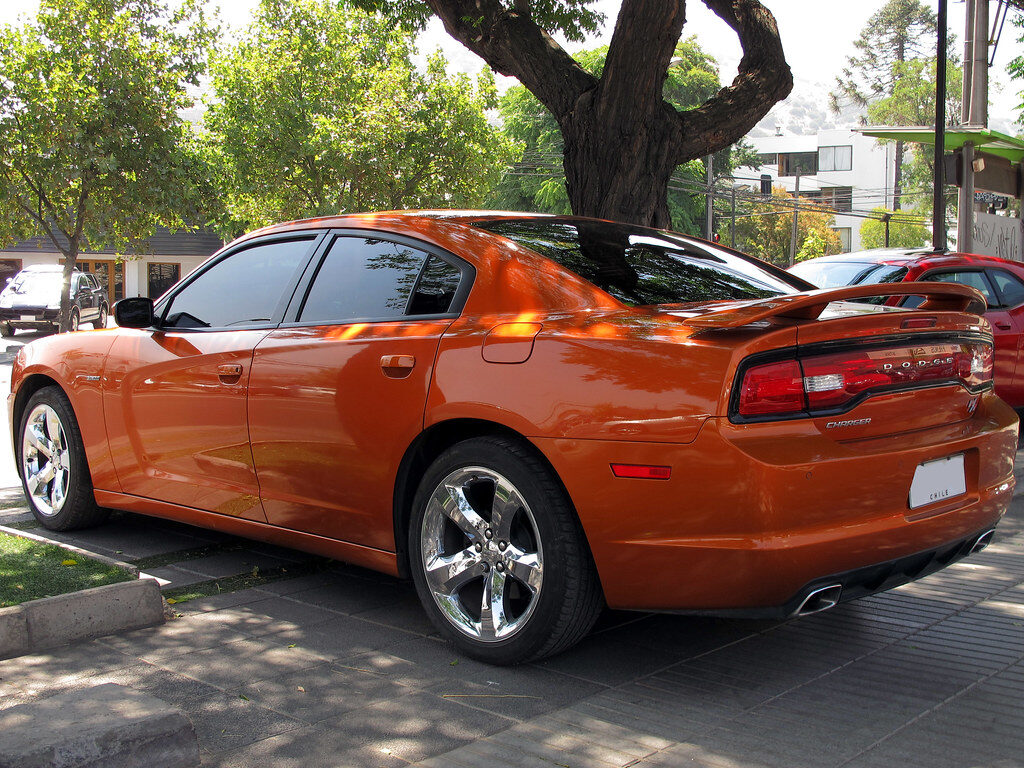
7. Choosing Between the R/T and Scat Pack
Actually the difference between the Charger R/T and the Scat Pack seems to be much more significant with the new models. While previous generations were easier to follow with older, naturally aspirated Hemi motors and a somewhat logical progression of performance from trim level to trim level, the new Sixpack configuration makes it harder to compare because the performance is going to be so impressive on either.
R/T vs Scat Pack Differences:
- Standard Output engine performance
- High Output power advantage
- Everyday driving responsiveness
- Maximum performance equipment
- Different Charger personalities
When coupled with the Standard Output engine option of the Charger R/T, everyday drivability is excellent. In addition, the Standard Output makes power a lower rpm, allowing the car to feel as competitive to a Scat Pack during normal daily driving as you may expect it to.
Scat Pack remains the more potent option, complete with additional horsepower and more performance-minded amenities. R/T makes a desirable argument for those seeking swift acceleration, modern muscle car muscle, and a different twist on the blend of practicality and punch.
8. Performance Upgrades and Driving Experience
The Charger R/T receives an optional Performance Handling Group for owners who desire to take the 2023 model to the next level. Owners will gain some options found on the more powerful Scat Pack, such as enhanced brakes, sport-tuned suspension, wider tyres, and performance features such as launch control and line lock.
Performance Package Benefits:
- Upgraded braking system
- Sport suspension tuning
- Wider performance tyres
- Launch control features
- Enhanced driving capability
With these upgrades in place, the R/T becomes more of a true performance machine and can actually catch up a good bit of the deficit to the Scat Pack. What really differentiates the two models after that is power and available engine power, not their ability to go around a corner.
The R/T, if omitted of this package, provides a ride that feels a lot more comfortable and balanced on. With their slightly softer suspension, it actually has a bit more practical use and slightly smaller wheels can help with it feeling more of a car rather than performance. Though this should be in no way compared with its big brothers as this has been designed with both a dose of modern muscle car driving and the comfort for the public to drive.

9. Pricing and Market Position
However, in the segment where modern muscle is concerned, the new Charger with the gasoline engine boasts some competitive pricing as well. Pricing for the Charger R/T will be about $49,995 and will scale upwards for the more performance-oriented Scat Pack to $54,995.
Charger Pricing Advantages:
- Competitive performance pricing
- R/T and Scat Pack choices
- Affordable four-door practicality
- Wider buyer appeal
- Flexible performance options
And at not much more cost than its two-door counterpart, the four-door Charger offers buyers an easy option to add practicality without a substantial sacrifice. That means you can take advantage of more passenger space and still keep the driver-focused soul of the Charger.
Through the availability of different power options and body styles, Dodge has been able to develop a more robust lineup that can appeal to the wide-range of car enthusiasts. There are many options available for the consumer that desire daily performance, ultimate power, or enhanced practicality. Regardless of their selection, drivers remain tied to the history of the Dodge Charger as a quintessential American muscle car.
10. A New Future for Dodge Muscle
But don’t mistake the return of the gas-powered Charger as a rejection of electric performance for the marque. “We are bringing all types of powertrain offerings to market and will have the most robust, wide-reaching performance lineup in our segment and arguably in the automotive industry at this time,” an internal memo shared by The Wall Street Journal reads.
Dodge’s New Performance Direction:
- Gasoline and electric choices
- Balance between heritage and innovation
- Modern muscle car evolution
- New generation of enthusiasts
- Future-focused performance strategy
The electrified Charger Daytona makes the future of Dodge accessible with its instant torque, modern technology, and refreshed performance perspective. Meanwhile, the Sixpack Charger keeps the ties for the drivers who always cherish the sounds, personality, and feel of a gas engine muscle machine.
The new Charger shows muscle cars can adapt without betraying their DNA. It blends engineering innovation, updated aesthetics and, crucially, the thrilling power of internal combustion into a car that honours its rich heritage and is poised to conquer the future. The Charger story doesn’t end here; it morphs to thrill the next generation of drivers.