




Ten Remarkable High-Speed Planes That Take Off From Water
Few things in nature could inspire such awe-inspiring emotions as the sight of a fast plane taking off from a small lake, and heading into the endless blue sky above. A seaplane or a flying boat must be able to perform on two different mediums which have completely different properties. Such aircraft have to simultaneously satisfy two contradicting purposes: the ability to fly at great speeds and the ability to withstand the harsh impacts of water. The challenge that engineers faced with was immense, and all of the seaplanes that succeeded in being built were true masterpieces of engineering.
The problem with seaplanes or flying boats is simple to understand. Additional floats, reinforced hull and watertight fuselage add to the weight and drag of such aircraft, making them less efficient compared to conventional ones. The problem was clear, but multiple generations of talented engineers tackled it without any fear. They managed to create marvels of engineering which could accelerate, turn, and stop in order to touch the water and make a new run. From the beautiful Schneider Trophy racers to the enormous military planes, and from powerful jet fighters to experimental jets, the list of fast things that flew and touched water is truly remarkable. Some of these aircraft were used in combat, and some of them were nothing more than paper projects which inspired the future generations of engineers. All of these crafts are inspiring and awe-inspiring, because they show us that even things that are supposed to touch water can fly faster than most jets.
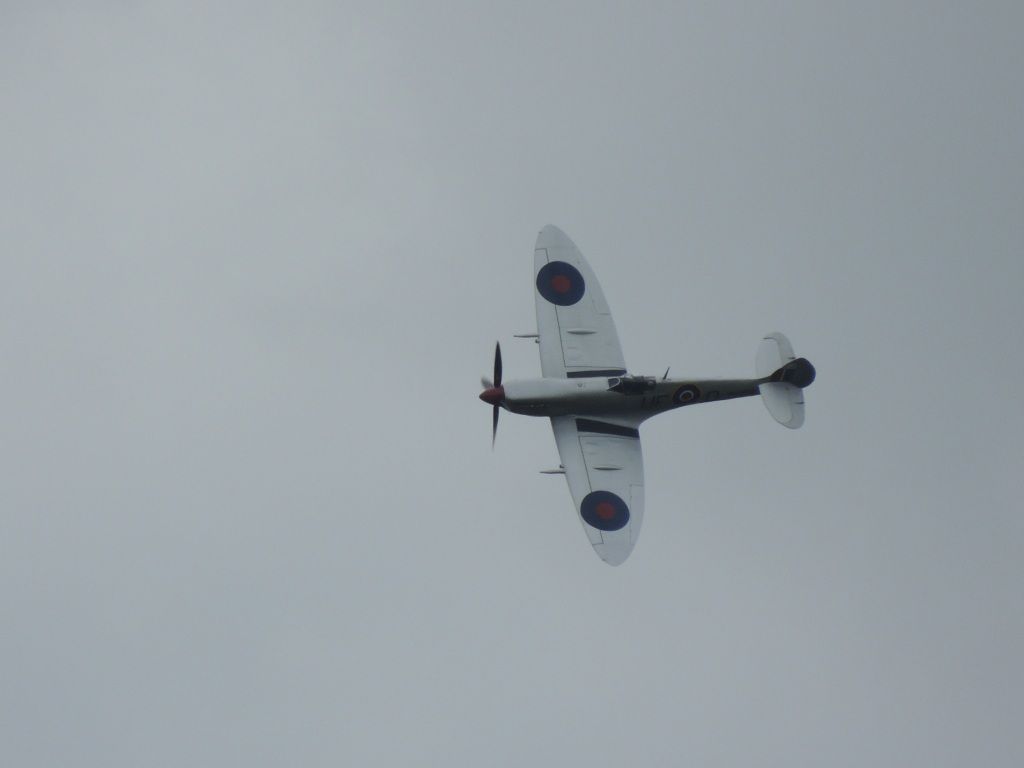
1. Spitfire Floatplane-377 mph
The Spitfire Floatplane was a World War II-era project built by the Supermarine, which took the iconic Spitfire and modified it to be able to operate from the water. This way, the aircraft would be able to take off and land on water, removing the need to build or find airfields in the middle of the war. As the conflict dragged on, the usefulness of such a project became questionable, and it was eventually cancelled. However, the Spitfire Floatplane was yet another engineering marvel built by the ingenious British engineers who were able to bring the nation to great heights during the war.
Floatplane Highlights:
- WWII floatplane conversion.
- Water-based fighter design.
- Limited operational use.
- Exceptional engineering achievement.
- 377 mph top speed.
The project was proposed multiple times throughout the course of the war as the front lines continued to advance. However, the shifting military priorities did not allow for the Spitfire Floatplane to see its own combat use. Multiple variants of the project were built, with the final IX variant being powered by a single Merlin engine. The Spitfire, modified to operate from the water, continued to be a workhorse of the Royal Navy.
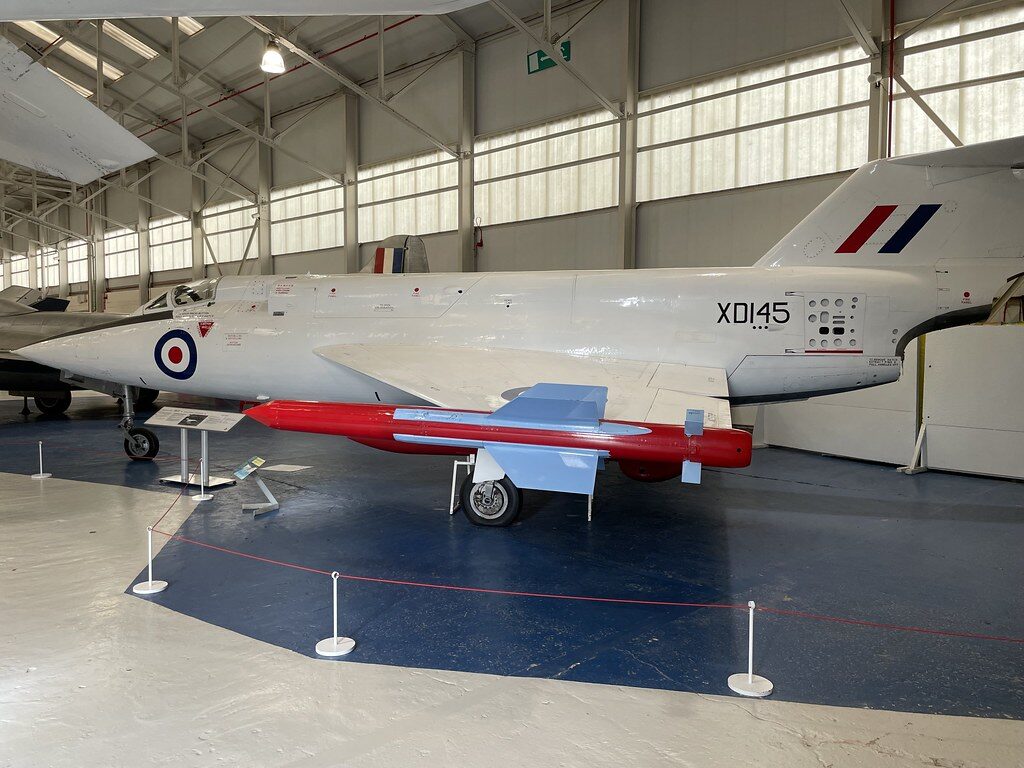
2. Saunders-Roe SR.45 Princess-380 mph
The Saunders-Roe SR.45 Princess was one of the largest flying boats ever built, with its primary purpose being transatlantic commercial flights. However, the project was cancelled due to the rapid development of the jet aircraft and the opening of new airport infrastructure in the United States and Europe. It was built with ten Bristol Proteus turboprop engines and offered luxurious accommodations to the passengers which made it a real gem among the aircraft of the era. The Princess was an impressive marvel of the 1950s which represented the peak of technology and engineering.
Flying Boat Highlights:
- Luxury flying boat.
- Massive aircraft design.
- Ten turboprop engines.
- Long-range capability.
- 380 mph top speed.
The SR.45 Princess could stay in flight for as long as 15 hours, and its range was as impressive as 6,000 miles. The aircraft used ten Bristol Proteus engines to keep itself airborne, and its sophisticated design allowed it to operate effectively despite its staggering size. The princess was a true marvel of engineering from the 1950s which was ahead of its time and never had enough time to prove itself.
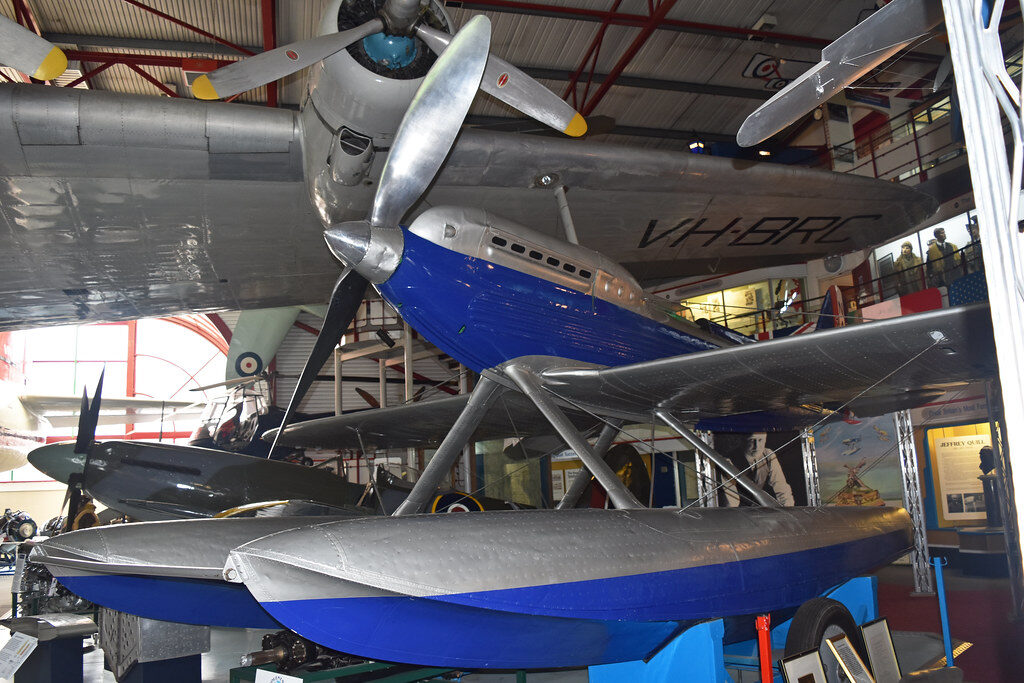
3. Supermarine S.6-407.5 mph
The Supermarine S.6 series was one of the most iconic British projects of the Schneider Trophy era, with all of the planes built by the Supermarine being among the fastest flying boats known at the time. The S.6 model was built by the brilliant R.J. Mitchell, who worked on the project with his colleague R.H. Unwins. The new racing plane was built with improved aerodynamics and powered by a massive Rolls-Royce engine. The result was an aircraft that set the new standard in speed aviation and later inspired the engineers to build a new iconic plane known as the Spitfire.
Speed Record Highlights:
- Schneider Trophy.
- Advanced racing design.
- Rolls-Royce engine.
- British engineering excellence.
- World speed record of 407.5 mph.
The Supermarine S.6 series was a powerful racing plane which could achieve remarkable speeds for the time. Even though the reliability of the Rolls-Royce engine was questioned, the S.6 was still fast enough to win the 1929 Schneider Trophy competition. The new and improved S.6B model then went on to win the event once again in 1931, securing Britain’s permanent lead in the competition. Finally, the S.6B model also set the world airspeed record, with the plane reaching a top speed of 407.5 mph.
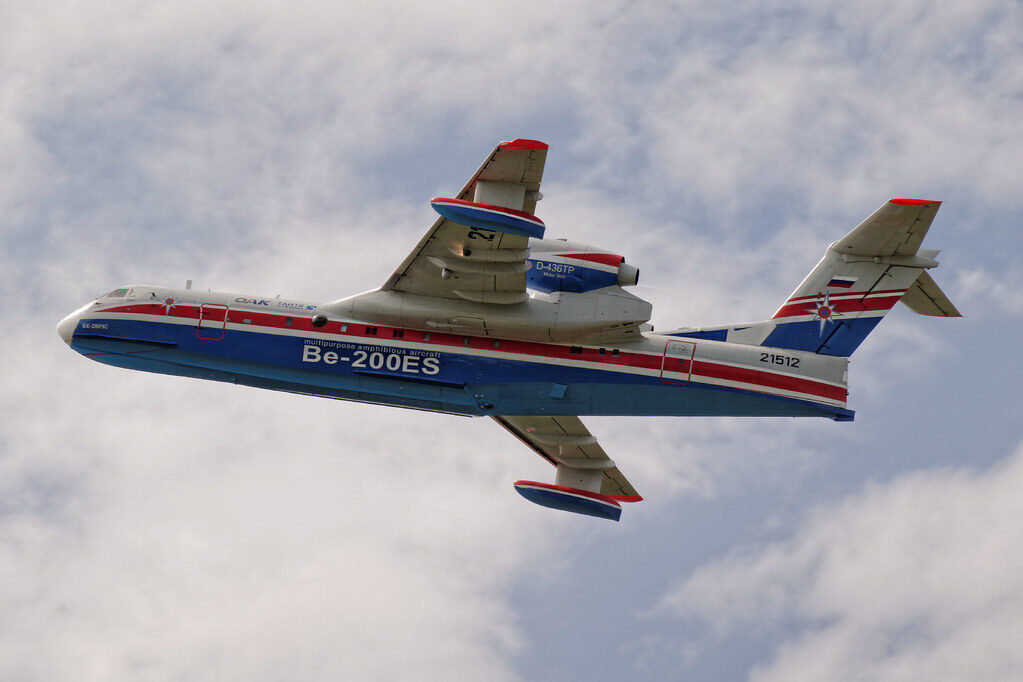
4. Beriev Be-200-430 mph
The Beriev Be-200 is a modern jet-powered aircraft which can operate from both land and water, and is one of the longest-serving seaplanes known today. The Be-200 was the result of an initiative taken by the Russian government and the aircraft industry to create a special-purpose jet amphibian which would be capable of fulfilling multiple roles at once. The result was a state-of-the-art aircraft which is one of the largest and most advanced seaplanes of the twenty-first century.
Mission Highlights:
- Jet-powered aircraft.
- Multi-role amphibian.
- Modern firefighting aircraft.
- Water-scooping capability.
- 430 mph top speed.
The Beriev Be-200 is a modern marvel of engineering which serves many roles at once. The Be-200 can perform as a special force’s aircraft and a general-purpose transport, but its unique role as a firefighting aircraft can only be fulfilled by this particular plane. The water-scooping capability allows the aircraft to refill its 118,000-pound water tank and quickly respond to wildfires near the coast or on the lakes, putting out fires with exceptional efficiency.
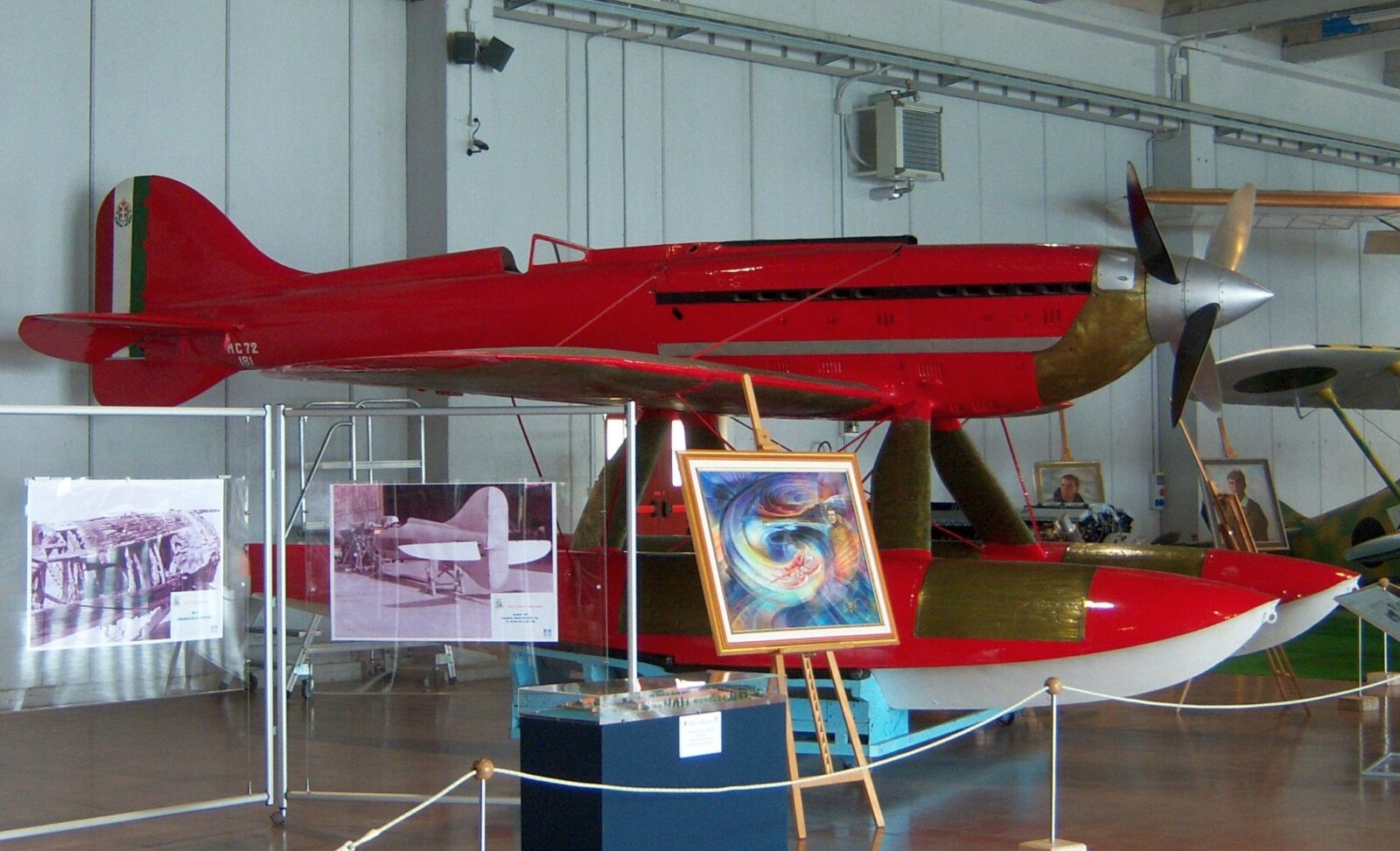
5. Macchi-Castoldi M.C.72-441 mph
The Macchi-Castoldi M.C.72 was an Italian seaplane built for the Schneider Trophy, which later set the world speed record for seaplanes. This powerful aircraft was the result of the efforts of the Italian aviation industry to develop a powerful and innovative plane which would be able to beat the British opposition. However, the M.C.72 was plagued with technical difficulties and could only reach its maximum speed after many improvements had been made to the design.
Record Highlights:
- Record-breaking seaplane.
- Highest piston-engine speed.
- Contra-rotating propellers.
- Advanced cooling system.
- 441 mph top speed.
The M.C.72 model was built with powerful Fiat A.S.6 engines and had a unique cooling system which allowed it to reach amazing speeds for a seaplane. The engines could reach a peak output of 2,500 horsepower, and the addition of many specialized radiators on the floats and wings helped the plane achieve its impressive top speed. Every single detail was carefully crafted in the M.C.72 to make it as powerful and fast as possible.

6. Beriev R-1-500 mph
The Beriev R-1 was a jet-powered flying boat built by the Beriev Aircraft Corporation. The R-1 was the result of an initiative of the Soviet government to build a multi-role jet seaplane to fill the niche between the large aircraft carriers and the smaller vessels. It had a pair of turbojet engines at its disposal, and its futuristic design made the R-1 one of the most unique planes of the twentieth century.
Jet Flying Boat Features:
- Early jet-powered flying boat.
- Dual turbojet engines.
- Multi-role aircraft.
- 500 mph top speed.
- Prototype program ended.
The R-1 was a powerful jet seaplane which could serve multiple purposes. The early jet aircraft such as these did not have the luxury of modern autopilot systems and had to be controlled manually. The R-1 was an exceptional plane which had the firepower to serve as a fighter, but its true potential was realized when the aircraft carried out reconnaissance duties, or when it launched torpedoes at enemy ships.
7. Saunders-Roe SR.A/1-512 mph
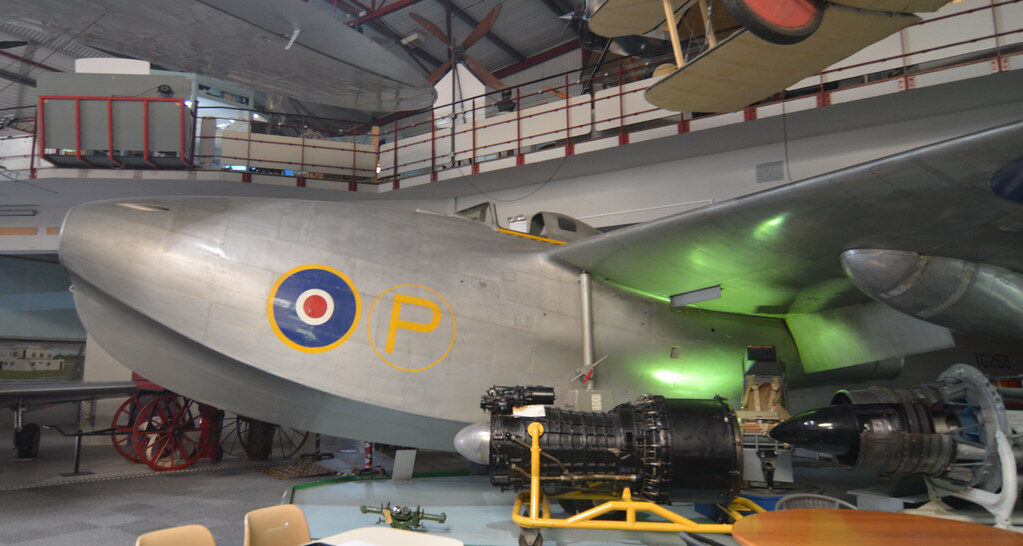
The Saunders-Roe SR.A/1 is a jet-powered flying boat fighter aircraft which was designed and built towards the end of the World War II. The project was abandoned before it could see the light of day due to the rapid development of the jet aircraft carriers. The SR.A/1 was an innovative concept which promised to fill a very important role, but it would eventually end up being obsolete before it could even be deployed.
Fighter Highlights:
- Jet-powered fighter concept.
- Purpose-built flying boat.
- Four powerful cannons.
- 512 mph top speed.
- Innovative ejection seats.
The Saunders-Roe SR.A/1 was a jet-powered seaplane which could fulfill the role of a modern jet fighter. It was designed to stay in the skies as long as possible, but its powerful jet engine gave it a very small range. The SR.A/1 was an innovative design which was ahead of its time, and if it had been deployed earlier, it might have changed the outcome of many battles.
8. Beriev Be-10 ‘Mallow’-570 mph
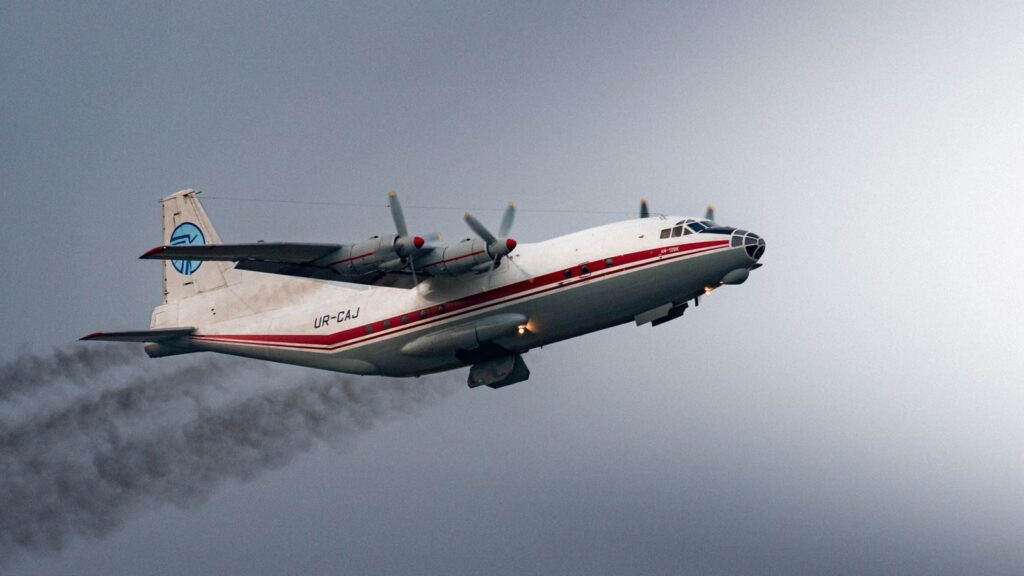
The Be-10 ‘Mallow’ is a turbojet-powered flying boat which was developed and built to serve multiple roles. It was a large aircraft with powerful engines, and it eventually became the fastest plane of its kind ever built. The Mallow set a staggering number of world records, but it was eventually retired when its shortcomings were too numerous to be ignored.
Operational Highlights:
- Turbojet-powered aircraft.
- Multi-role aircraft.
- World record-setter.
- Operational service.
- 570 mph top speed.
The Be-10 ‘Mallow’ flying boat was powered by twin Lyulka turbojet engines and was an exceptionally fast and powerful aircraft for its time. The Mallow could keep up with most planes of the era and was used for a variety of purposes, including reconnaissance, bombing, patrol, and mine-laying. It was also a very capable transport aircraft, carrying much heavier loads than previous seaplanes ever could. As a result of its abilities, the Mallow became a very valuable asset to the Soviet Union which was in dire need of faster and more capable aircraft.
9. Martin P6M SeaMaster-686 mph
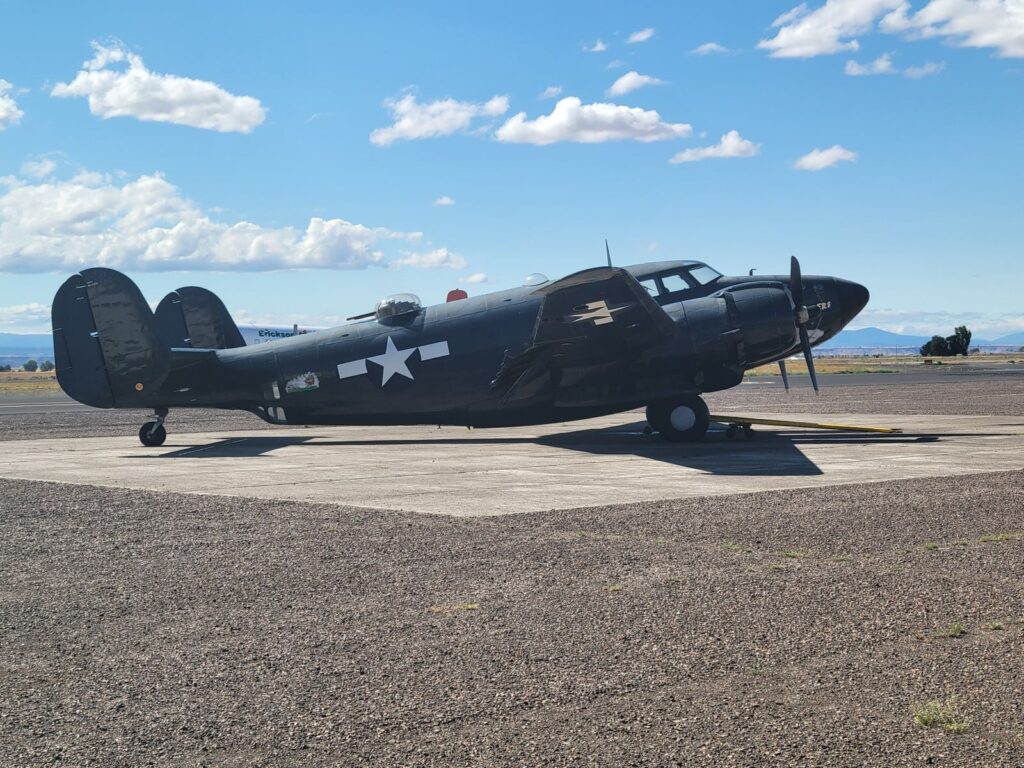
The Martin P6M SeaMaster was a strategic jet bomber which was designed to operate from the world’s oceans. Its unconventional design made the SeaMaster an object of fascination for many people, and the SeaMaster became one of the most iconic aircraft of the twentieth century. It was also an incredibly powerful aircraft, with powerful engines, a unique weapons bay, and a set of advanced capabilities which few aircraft could rival.
Military Highlights:
- Strategic jet bomber.
- Jet-powered speed and power.
- Advanced aerodynamic design.
- Ocean-based operations.
- 686 mph top speed.
The Martin P6M SeaMaster was a powerful and heavy bomber aircraft which could utilize a large variety of different ordnance, including a pair of nuclear bombs. The SeaMaster was not particularly stealthy, but it did feature a T-tail design and a number of other innovations which allowed it to lower its radar cross-section and avoid enemy fire. This way, the SeaMaster was able to deliver massive amounts of conventional and nuclear explosives to enemy territory and complete its mission without having to risk its own aircraft.
10. Convair F2Y Sea Dart-695 mph
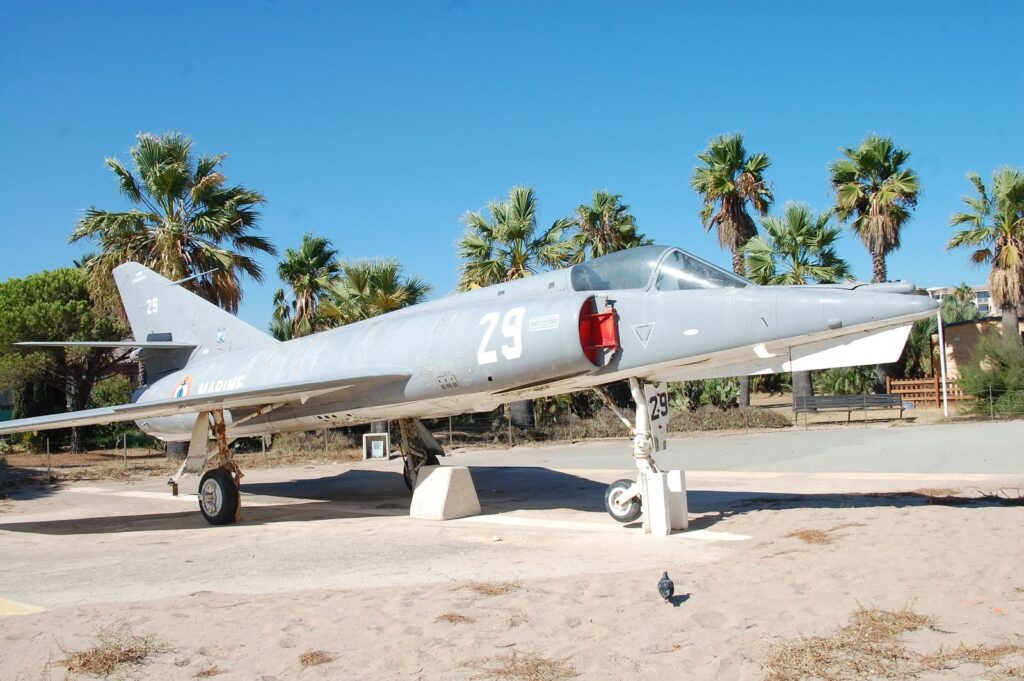
The Convair F2Y Sea Dart is a unique jet fighter aircraft which could take off and land on water without needing a traditional runway. The Sea Dart represented a new vision for naval aviation, but it was not able to deliver on its promises and was eventually cancelled. As a jet aircraft that could operate from water, the Sea Dart was a marvel of its time and one of the fastest seaplanes ever built.
Supersonic Highlights:
- Hydro-ski landing system.
- Delta-wing jet fighter.
- Supersonic seaplane.
- Experimental design.
- 695 mph top speed.
The Convair F2Y Sea Dart was a jet-powered aircraft which could operate from water with the help of a pair of retractable hydro-skis. This way, the fighters were not bound to traditional aircraft carriers. After takeoff, the hydro-skis on the Sea Dart were retracted in order to reduce the drag and allow the plane to reach higher speeds and altitudes. The fighter could sustain its top speed of 695 mph even after the skis were retracted, making the Sea Dart the fastest seaplane ever built.