








Russia’s Airlines Still Fly Using Western Aircraft Parts
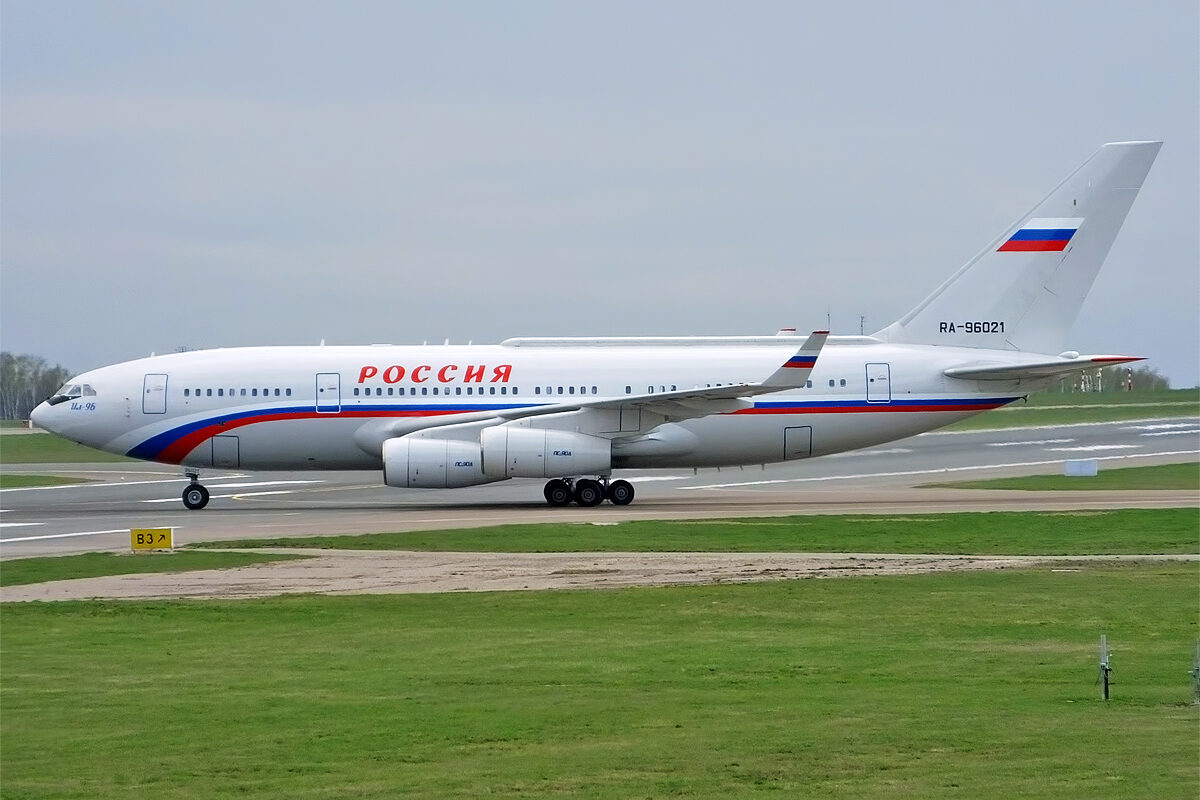
How Russia’s airlines continue to fly planes made with Western technology 20 months after the sweeping sanctions targeted Russia’s aerospace industry-some of the most comprehensive sanctions on aviation ever enacted-the country’s airlines are still able to fly passenger jets designed by Western manufacturers. Even though the U.S. and Europe’s largest aerospace firms severed their direct supply links to the country, Russia’s domestic air travel remained intact and a network of routes, though reduced, to other nations has persisted. This begs a nagging question in aviation circles around the world: how are Russia’s airlines getting by with such little support from the companies that originally put many of their jets into service?
“This is a sophisticated international intermediary structure, which has grown to ensure Western aircraft components still reach Russia through the backdoor,” says Peter Frank of the Wall Street Journal. “Traders, distributors and fledgling companies in a variety of countries now play an intermediary role, transporting aircraft hardware through several stages before it ends up with Russian carriers and their maintenance businesses.”
That parallel trading suggests that modern economic sanctions, implemented in today’s interlinked market, have some shortcomings. Aircraft require millions of highly specific parts, and there are some things that cannot be made even in China after 30 years of global integration with the West. The fact that plane parts continue to land in Russia signals just how agile supply chains are under strain and a challenging game of cat-and-mouse between regulators aiming to curb supply and firms navigating around the constraints.
1. Russia’s Long-Term Reliance on Western Aviation Technology
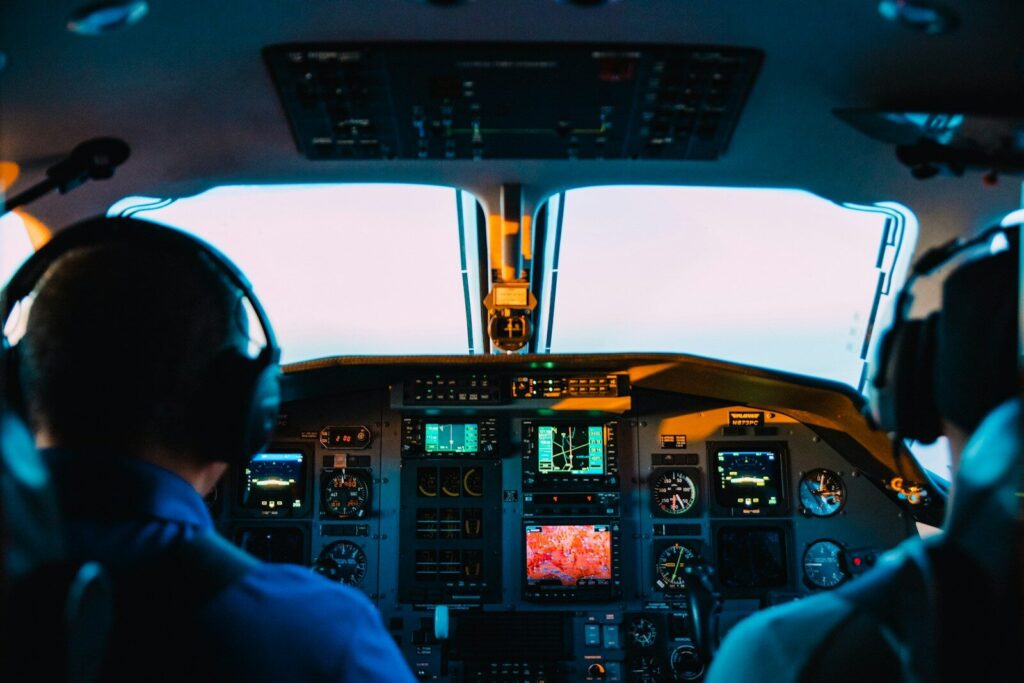
The world aviation industry Russia relied heavily on western components, software, and design know-how to keep a great number of its governmental and commercial aircraft airborne, for the past several decades. While the country did have its own design efforts on aircraft, much of the country’s aviation technology came from major western corporations such as Collins, Honeywell Aerospace, Honeywell Bendix King, Garmin and others, to support its operations of modern passenger jets. This would apply to avionics and navigation, as well as flight control system, safety systems and specialized mechanical components for aircraft operations.
Why It’s Important:
- Heavy reliance on foreign components
- Western avionics integration
- Limited replacement options
- Impact of aviation sanctions
- Long-term supply challenges
International sanctions were imposed on Russian after its full-scale invasion of Ukraine, aiming to limit Russia’s ability to access aviation essentials. The leading companies of aerospace production imposed an embargo on exports, services (maintenance, after-sales services), and technical cooperation associated with Russian air carriers and operators of aircraft. The main idea behind sanctions was to prevent Russia from repairing the current air fleet and developing it further.
That dependency, though, is proven to be quite hard to shed. Modern aircraft are comprised of super specialized systems that are supposed to last a long time in concert with one another. If you decide to swap out a manufacturer’s parts for some other offer, it is a lengthy, test-ridden, engineering process to make all of this work. Many Russian planes were in fact designed around western parts so this process has been anything but easy or fast.
2. The Emergence of a Complex Global Aircraft Parts Network
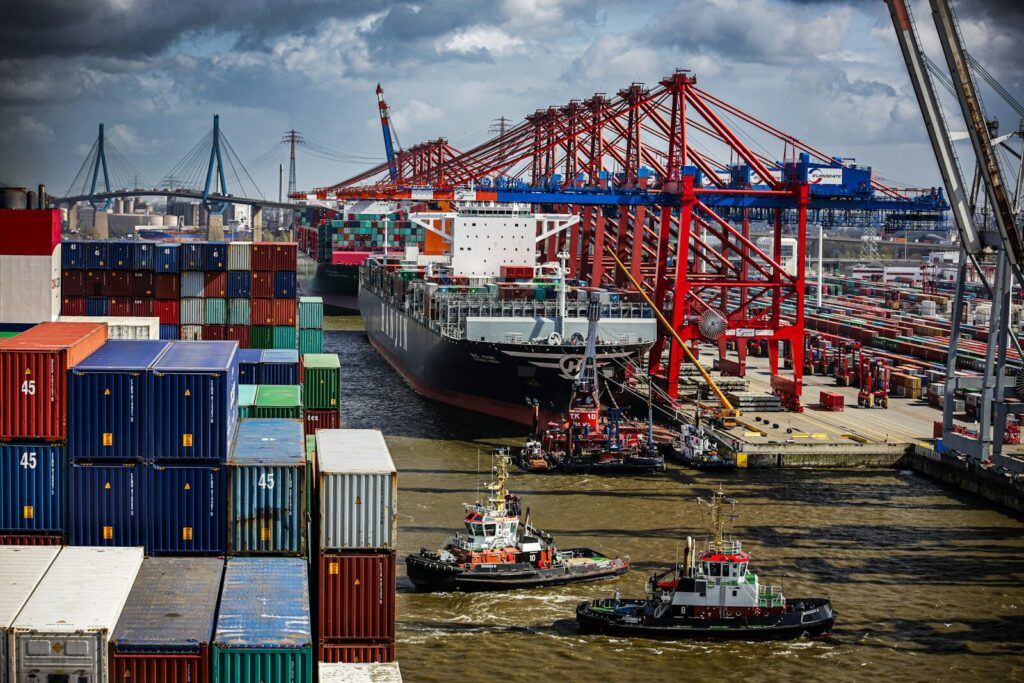
With direct aviation trade with Russia choked off due to sanctions, a new trading landscape emerged and has seen parts filter into the Russian operating system from third-party states. Rather than ground the aircraft entirely, it is believed that Russian operators have found a way to access certain parts via global trading systems and a grey market of parts outside of direct transactions with manufacturers.
How the Supply Network Works:
- Parts move through third countries
- Multiple companies may be involved
- Original destination becomes harder to track
- Trade routes become more complex
- Sanctions enforcement becomes challenging
There can be many hands a component pass through from its initial manufacture before it comes into the possession of the eventual end user. The manufacturer might sell the part to an authorised distributor in another region who sells it on to another trading firm who then on sell it to Russia, each sale increasing the distance from where it came.
“The system we have found exists in a murky space somewhere between a legitimate business and activities that may involve sanctions busting. So you can look at any one deal in isolation and find nothing, but in reality as a result of an investigation you will discover that the parts have transited across numerous different countries and various companies on their way to reaching sanctioned customers. As a consequence the path that the aircraft parts take, has made it increasingly harder to control and monitor their trajectory”.
3. The Journey of a Single Aircraft Component to Aeroflot
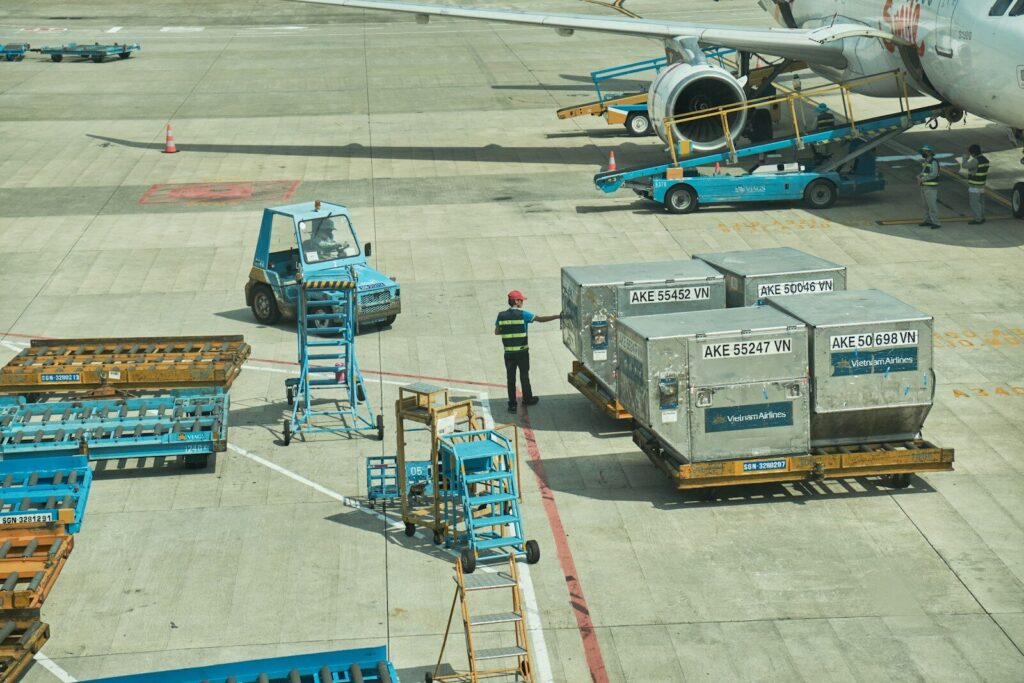
One of the clearest illustration of how complex a modern aviation supply chain can become concerns a simple but necessary element in any modern aircraft; the push button switch made by American Aerospace and Technologies giant Honeywell. The piece of equipment was sold to a Chinese company identified as Ruida Flying Aviation Technology Company, June of this year, in the context of sanctions, it is reported.
Why This Example Matters:
- Shows how parts bypass restrictions
- Highlights complex supply routes
- Demonstrates third-party involvement
- Reveals challenges in enforcement
- Small components can have major impact
This first transaction by the producer to the Chinese firm was deemed not a direct sale to Russia as the transaction was not a Russian carrier or an airline company making the purchase. But from the chain it travelled further down, ending up with Aeroflot, Russia’s flag carrier and its state-owned largest airline. This means aviation components can make journey through many countries.
To be fair, a single switch may be negligible in the grand scheme of things, compared with the main systems of the aircraft (like the engines or avionics), but the sheer number of these type of transactions does add up. Replacement parts of all shapes and sizes are essential for the flight of an aircraft and having access to them ensures that older fleets can stay in the sky even if they can no longer receive directly from the OE. This is where even seemingly inconsequential parts play a vital role in a large-scale global supply chain for aviation.
4. Western Aviation Companies Linked to Indirect Russian Supply Routes
A shipment-data search on trade in aircraft between 2024 and 2025, showed thousands of shipments of aircraft parts, avionics systems and safety devices destined for Russia from intermediaries. Their existence illustrate how difficult it can be to cut off all indirect imports when trade relies on multi-company international supply chains.
Companies Mentioned in Shipment Records:
- Honeywell aerospace components
- Safran Aerosystems products
- Korry Electronics equipment
- Souriau aviation connectors
- Other aviation suppliers
One of those companies showing up in shipping manifests was Honeywell, which manufactures parts and systems used in the vast global aviation industry, from small private planes to the wide-body Russian jet. Replacing those systems often proves costly and complex for airlines as many planes were built with Honeywell systems in the first place. Others cited in trade data include Safran Aerosystems, Korry Electronics and Souriau.
In most instances, the manufacturer may not be fully aware their goods are ultimately ending up in markets to which transfers are prohibited. Given the complex international aviation supply chains that include distributors, local agents, brokers and resellers who often move components in and out of different nations, it can be a complicated task to trace where particular goods end up, and challenging for authorities and companies looking to halt illicit diversions.
5. Decades of Western Aviation Partnerships Created Deep Dependence
A lack of Russian ability to substitute Western technology comes from the decades of Russian aviation organizations working with global aerospace manufacturers. Since before the current sanctions regime, the incorporation of Western equipment was thorough, engendering years-long technical associations.
Why Replacement Is Difficult:
- Decades of technical cooperation
- Existing aircraft system integration
- Strict aviation safety requirements
- Limited replacement options
- Complex certification processes
Indeed, Honeywell had supplied its aviation hardware to Russian programmes for years. Records available show the application of Honeywell technologies for several Russian aviation programmes both in the field of military-operated aircraft, as well as in civil aviation. Long-term dependencies have since led to an inertia that currently influences the prompt switching over from the components of Western manufacture.
Aircraft parts. Aircraft systems are sophisticated and not like, say, replacing light bulbs. Parts replacement need to comply with aircraft aviation safety rules and requirements; any replacement part should fit in to the rest of the aircraft systems, needs to be properly tested and approved by aviation authorities, not to mention the technical intricacies. This explains why taking away Western parts out of Russian aerospace is far from trivial, and time-consuming process.

6. Sanctions Enforcement and the Difficulty of Controlling Global Trade Routes
Since sanctions were introduced, American and European governments have enforced export controls in a bid to prohibit aviation equipment and technologies being supplied to Russian operators. The rules are intended to deny Russia access to critical components to service and sustain its fleet of aircraft.
Key Enforcement Challenges:
- Tracking international shipments
- Monitoring third-party distributors
- Identifying final destinations
- Preventing unauthorized re-exports
- Managing complex global trade networks
Under the European aviation export embargo and the U.S. Export controls of the Bureau of Industry and Security (BIS), companies need to have knowledge about the final destination of products subject to controls. The industry should exercise due diligence and shun transactions that may facilitate sanctions circumvention. But compliance enforcement remains difficult given the global and extended nature of aerospace supply chains, where even a single airplane part can pass through multiple distributors and trading companies before it arrives at its destination, thereby complicating traceability from the original producer and of the goods as they travel through these complex chains.
It is not always direct communication between a Russian buyer and a producer, but often this question is faced with the participation of independent intermediaries, who occupy niches in global supply chains. Companies can consciously mask the final recipient of goods, but someone might say they did not know that their goods are diverted somewhere. To avoid all possible schemes, it would have to constantly follow about tens of thousands of companies, shipping registers and money movements. While combating the circumvent of regulations, entrepreneurs and traders find new schemes to make goods flow through new routes.
7. Transit Countries Becoming Important Links in Aircraft Parts Supply Routes
In turn, after restrictions on direct aviation trade with Russia, some states have begun to play a leading role as transit points for alternative channels through which the supply chains run from the West (where aircraft are produced) to Russia. China, the United Arab Emirates, Turkey, where big trade networks have long operated and which are not on sanctions from the EU and USA, are regularly present in such trade schemes.
Why These Countries Matter:
- Major global trade hubs
- Access to international suppliers
- Third-party distribution networks
- Complex shipping routes
- Limited visibility into final buyers
Companies working in those areas can buy the part from the foreign manufacturers and have it passed through further companies until it arrives at its final destinations. The extra layers further distance the manufacturers from the end users, making supply chains harder to trace. For instance, one instance details the shipment of an oxygen system control unit from Safran Aerosystems, that had records showing it was shipped at the end of 2024 to a Dubai-based trading company, and eventually to a Russian company. The travel of the part through various firms further muddied the trail for who the equipment would eventually go to.
A complication for manufacturers and regulators are that smaller, obscure businesses are also part of these supply chains. Certain businesses in supply chains do not have significant available public information about what the company does, who owns the business, or where its products are headed. These alternate trade channels expose the complexity in policing modern sanctions on a deeply intertwined global trade environment.

8. Unusual Businesses Appearing in Aircraft Parts Supply Networks
A few companies show up in aircraft component shipment logs due to their principal business not being what one would intuitively associate with an aviation business. They serve as an example of how convoluted and surprising international supply chain connections can be when aircraft parts are circulated through many different hands.
Examples of Companies in Supply Records:
- Non-aviation businesses involved in trade
- Aviation-focused distributors
- International trading companies
- Multi-stage supply routes
- Difficult-to-track transactions
Middle East Learning Resources Co LLC, a firm that seemingly does not obviously have anything to do with aeronautics however customs records show the firm bought electrical parts that were eventually seen route towards Russia is another company found involved in the affair, as part of a difficult effort to parse the function of each entity in a vast network of global trade. More overtly aviation related firms such as Dubai based firm Precision Aerospace Solution DWC LLC are shown involved in aviation linked dealings involving aircraft part purchased from Western suppliers, as is the Turkish trading house SOHO Global Danismanlik ve Ticaret Ltd.
The above examples illustrate how modern supply chains can include companies as diverse as high-tech aviation suppliers and companies whose public faces may seem to have no connection with aviation. This complexity poses another challenge for regulators and manufacturers as some may knowingly seek to circumvention the regime while others may stumble into the network of suppliers without realizing where the product will eventually end up.

9. How Decades of Aerospace Cooperation Created Ongoing Dependence
This flow of Western aviation components to Russia is intimately tied to decades of global aerospace collaboration. As aviation trade relationships existed before international sanctions, many Western manufacturers had built decades-long working relationships with Russia’s aviation bodies and many of their largest and newest airlines, aircraft manufacturers and government organizations.
Why Previous Relationships Matter:
- Long-term technical cooperation
- Existing aircraft system integration
- Dependence on foreign technology
- Established maintenance practices
- Difficult transition away from older systems
The prior historical linkages created such a level of technological dependency for Russia’s aviation industry that Russian operators and technicians grew used to the Western technologies and systems. Because these aircraft and parts were initially built around these specific Western technologies, it is simply unfeasible to completely pull those technologies out of them. Instead, they would necessitate a great deal of new engineering, new flight tests, and massive expenditure. As one might have seen from prior reporting on such a subject, Honeywell played a large role in the provisioning of aircraft technologies to Russia projects (navigation avionics, proximity collision systems and various other aircraft hardware components utilized in multiple aircraft types).
And this history goes some way toward why sanctions may pose significant problems for Russian aviation without grounding it entirely. Aircraft that had already been equipped with Western technologies, for instance, still need to be maintained, inspected, and repaired. Airlines can’t simply pull out decades worth of incorporated tech and just swap in alternatives. What this indicates is an broader issue in global industry. When nations and enterprises come intertwined by means of prolonged technologies partnerships, severing those connections turns out far more advanced than shutting down fresh exports alone. Technologies, expertise, and frameworks remain to impact industries well after formal trade limitations happen to be placed in.
10. Russia’s Aviation Future Amid Ongoing Sanctions Pressure
This is indicative of how difficult it is to exert leverage via sanctions on global industries that are deeply enmeshed, because the Russian airline sector has successfully navigated supply chain solutions and developed alternative trading routes and maintenance operations for the majority of their existing fleet.
Key Factors Shaping the Future:
- Limited manufacturer support
- Reduced access to new aircraft
- Growing maintenance challenges
- Alternative supply networks
- Long-term fleet concerns
None of this suggest the sanctions haven’t worked. Airlines in Russia are being severely constrained in terms of accessing factory direct technical support, new aircraft deliveries, certified maintenance and authentic replacement parts, all of which could eventually lead to increasing stress on airworthiness, safety oversight and on Russia’s aged and in need of upgrading aircraft fleet. Nevertheless, this clearly illustrates the capacity of the global supply chain to react rapidly when given compelling economic signals to do so and how traders, merchants and intermediaries across borders will find novel routes to deliver blocked commodities to eager buyers always a step ahead of sanctioneers hoping to catch them.
The question also points to the larger challenges in containing trade restrictions in our highly integrated world economy. Modern planes use thousands of highly specialized components that are manufactured by firms located in many countries. Blocking every potential transfer requires broad international cooperation not only among governments but among airlines, aircraft makers, shipping firms, and banks. That Russia has been able to keep its aviation industry afloat using this complex web of alternate supply chains is now the main example of how sanctions actually work in the global marketplace. The cat-and-mouse contest between regulators and those trying to find loopholes will presumably continue as each side refines its approaches. Meanwhile Russia’s aviation industry somehow is being kept flying through an complex international supply system.