







Ford’s 351 Cleveland: The Legendary V8 That Powered the 70s
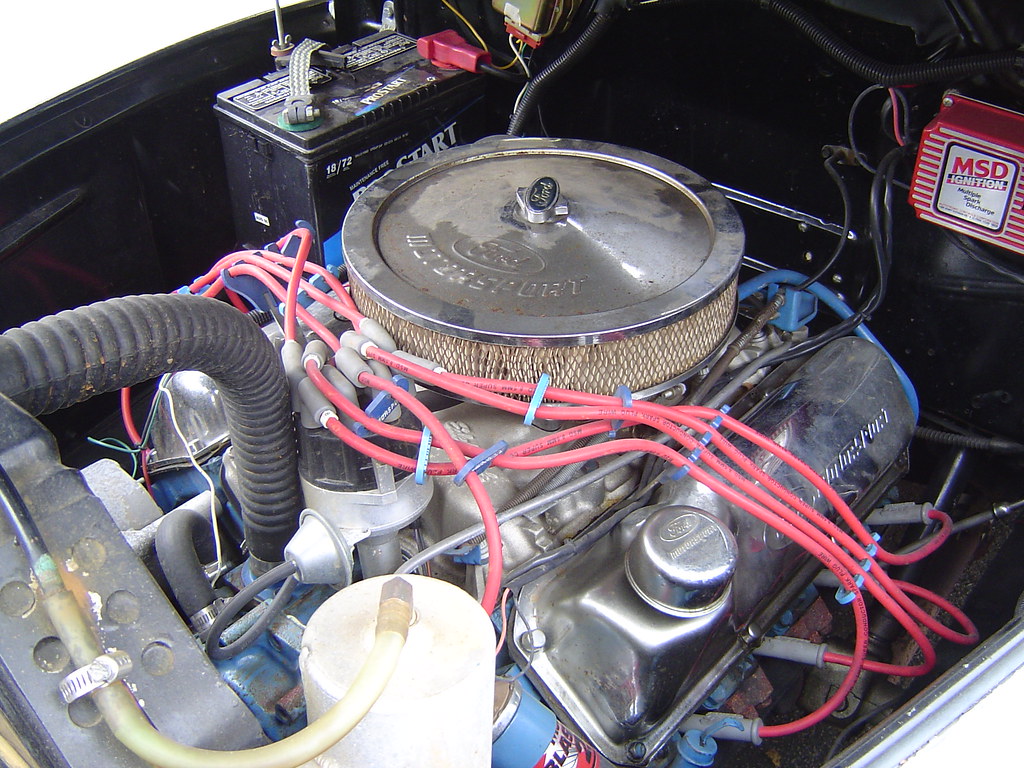
The Ford 351 Cleveland is not an engine that people remember it is the Ford 351 Cleveland that defines the muscle car era. The Ford 351 Cleveland has a reputation for being very powerful having engineering and a certain character that people who love cars still like today. The Ford 351 Cleveland is different from engines that are forgotten over time because people still talk about the Ford 351 Cleveland restore the Ford 351 Cleveland and respect the Ford 351 Cleveland across different generations.
What is really interesting about the Ford 351 Cleveland engine is not just how well it performs but the story of how it was made. The Ford 351 Cleveland was created because it was needed. It became one of the most advanced V8 engines that Ford had at that time.
Now the Ford 351 Cleveland is a good balance between being good for everyday driving and being good for racing. The Ford 351 Cleveland was used by people who just drove to work. It also powered some of the fastest Ford cars. This ability to be two things at once is what makes the Ford 351 Cleveland so important, in the history of cars.
1. Origins of a Legend
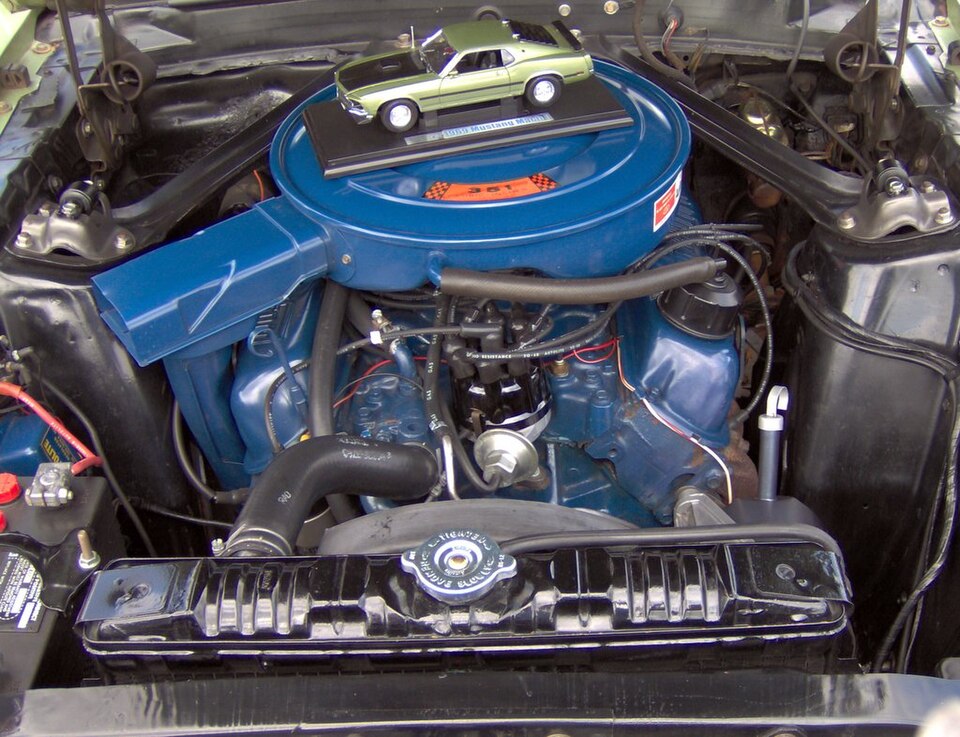
Out of nowhere came a problem Ford couldn’t build enough 351 Windsor engines in 1969. Even though everyone wanted them, factories just fell short. Production lines started feeling the squeeze. So instead of waiting, engineers shifted gears fast. A new engine became less about dreams, more about necessity. Enter the 351 Cleveland not born from ambition but built to fill gaps.
What Drives Growth:
- Shortage of 351 Windsor engines
- Rising market demand pressure
- Urgent production requirements
- Brook Park facility assigned task
- Opportunity for engineering innovation
From the start, Ford chose not to copy the Windsor layout exactly. Work landed at their Brook Park site in Ohio, shifting focus from mimicry to progress. Ideas flowed differently once teams stopped chasing replicas. Performance goals reshaped how they saw small-block V8s. New thinking replaced old methods step by step. Breakthroughs came through trial, not tradition.
Out of the mix came something beyond a simple upgrade a shift in how power and structure were imagined. With its roots in Ford’s solid V8 tradition, the 351 Cleveland wove in smarter airflow strategies and sharper burn control. Higher revs flowed easier thanks to upgrades under the hood, giving it an edge previous models lacked. Slowly, the truth took shape this wasn’t just patching old gaps. A fresh chapter in muscle had taken root.
2. Engineering Breakthrough
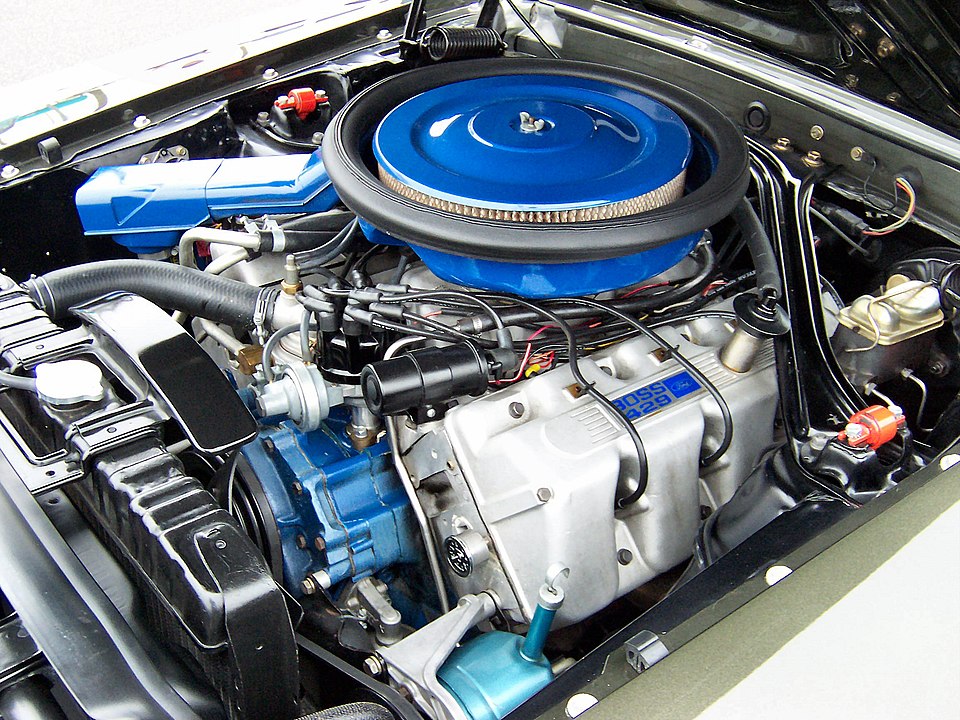
Out of left field, Ford’s team shaped the 351 Cleveland by borrowing ideas from the hulking 385-series big-blocks. Because of that, its layout broke away sharply from standard small-block thinking. A tilted valve setup showed up mid-design this twist opened new paths for air movement through the head chambers. Breathing got sharper, smoother, thanks to how gases moved inside. Clearly, it pushed what muscle-minded builds could do back then.
Key Engineering Innovations:
- Inspired by 385-series big-block engines
- Turned valves let air move better through the engine
- Advanced cylinder head design approach
- Thin-wall casting reduces engine weight
- Focus on high-RPM performance ability
Ford brought thin-wall casting into play alongside the valve layout within the Cleveland motor. Because of this method, the unit kept a tight footprint yet gained in toughness and effectiveness. With less metal used where it wasn’t needed, designers trimmed mass but held firm on long-term wear resistance. That shift led to quicker reactions when pushed hard during operation. Strength sitting beside low weight soon stood out as its signature mark.
Out of those choices in engineering came a motor unlike any other Ford had built before. Not simply fixed-up Windsor parts anymore instead, something drawn from new thinking entirely. Air moved easier. Revs climbed faster. That shift opened doors where power mattered most. When the dust settled, this small-block V8 wore a label earned: one that changed what seemed possible.
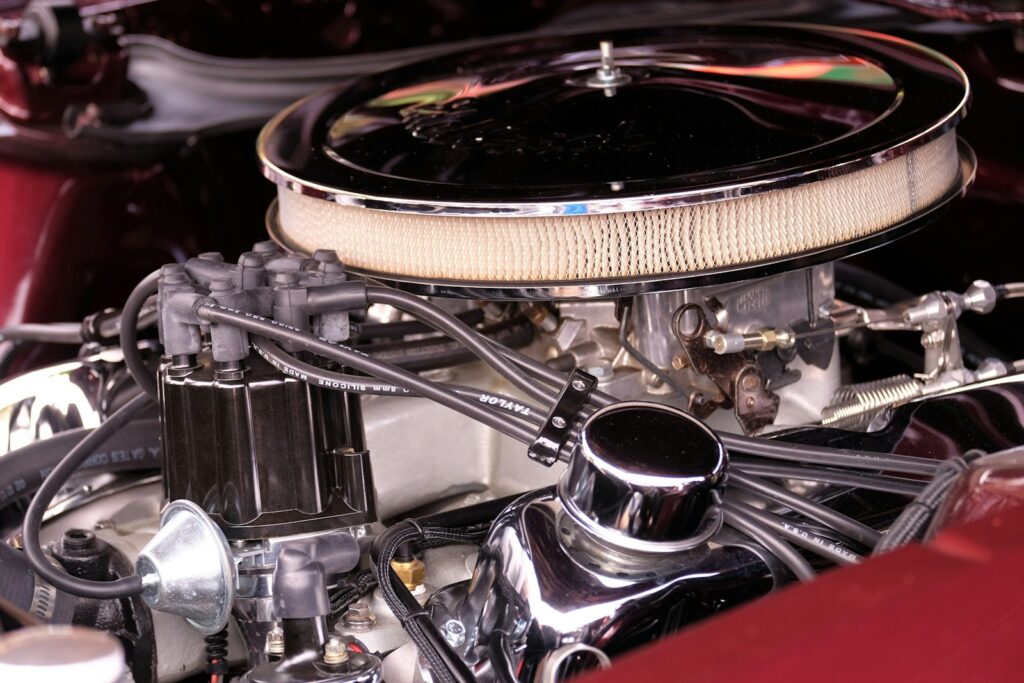
3. Cleveland Block Design Principles
Starting with the same 4.38-inch bore spacing as the Windsor, the Cleveland block took its own path from there. Instead of repeating old ideas, the team behind it aimed for better strength and smoother operation. Built right into the front came a timing cover made as one piece with the block. That move cut down on moving parts while making leaks less likely up front. The whole thing ended up feeling sturdier, held together in a way that felt complete.
Key Design Features of Cleveland Block:
- Moves along a 4.38-inch gap between cylinder holes
- Integrated timing cover improves sealing
- Simplified front engine structure design
- Enhanced durability and reliability focus
- Reduced mechanical complexity overall
Front-end parts got simpler because fewer pieces were used. That shift brought better stability without adding bulk. Strength grew through smarter layout, not extra material. A steady rhythm of improvements kept things reliable. Decisions favored function over clutter every time. Performance stayed even when stress increased.
What stood out next was the dry intake manifold layout, keeping coolant paths apart from air intake channels. Coolant seepage became less likely thanks to this split path approach. Heat problems inside the manifold dropped off sharply because of it. Even with extra hoses snaking around outside, the tradeoff felt worth it. Over months and miles, operation stayed steady without surprise hiccups. Longevity shaped each decision, showing how Ford prioritized durable thinking under the hood.
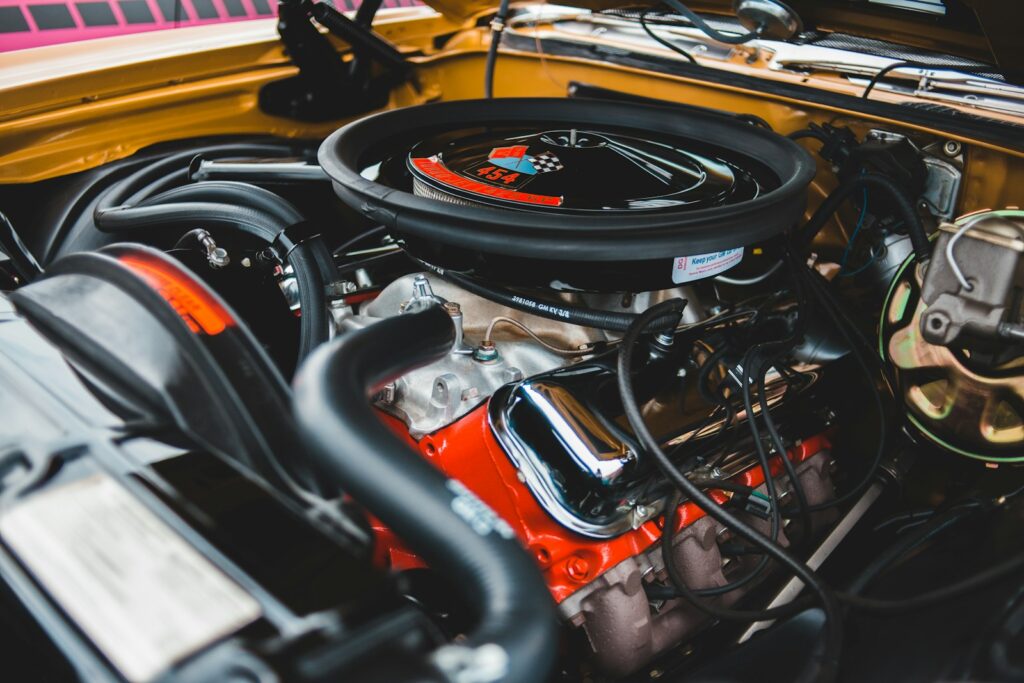
4. Cylinder Head Revolution
What made the 351 Cleveland stand out? Its cylinder heads seen by many as the heart of its power. With valves set at an angle, designers fit in bigger ones, opening up space inside the chamber. Because of that tilt, air moved faster and straighter into the burn zone. That twist gave it a clear edge over older small-block layouts. Ford changed direction here, focusing hard on flow instead of just size. Breathing well wasn’t just a bonus it became what the motor did best.
Key Innovations in Cylinder Heads:
- Canted valve design improves airflow
- Larger valves enhance combustion efficiency
- Direct airflow paths reduce restriction
- Better high-RPM breathing capability
- Major performance advantage over rivals
Air moved easier through the intake and exhaust because the layout cut down on blockages, helping the engine breathe better when spinning fast. Power climbed as a result, particularly when pushed hard on roads that tested limits. Faster than most compact V8s built around that time, the Cleveland handled top speeds with less struggle. Enthusiasts noticed right away how well it performed under pressure. People began measuring other heads against this one, simply because it did things others hadn’t tried yet.
Out of nowhere, Ford made the engine work harder in more ways than one. Because of dual cylinder head designs, drivers got choices that fit wildly different goals. A shift toward steady fuel economy stood beside another aiming straight at raw muscle. Though built alike underneath, each version found its own crowd fast. Surprise turned into loyalty once people saw how well it adapted. What started as engineering soon became something racers still talk about today.
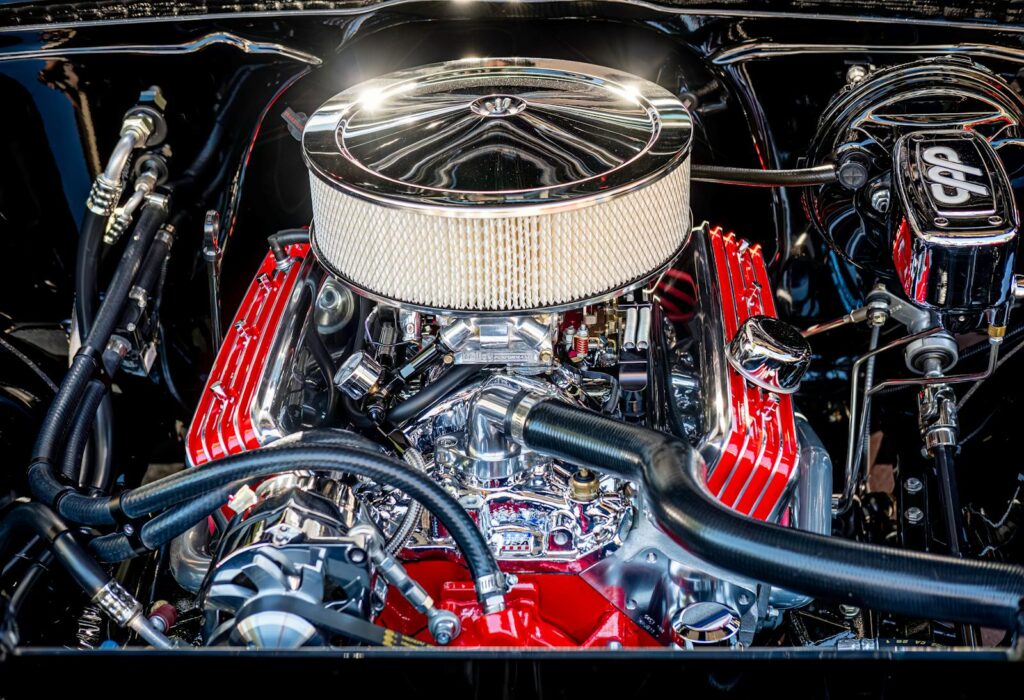
5. 2V Everyday Performance
Built for real-world use, the 2V Cleveland engine leaned toward simplicity and function. Smaller intake ports shaped its character, trading top-end rush for stronger pull at lower speeds. That balance fit stop-and-go streets as easily as steady freeway miles. Smooth delivery mattered more than quick bursts forward. Because of this, more kinds of people found it worked just fine for them.
Key Features of 2V Version:
- Smaller intake ports for efficiency
- Focus on low-end torque delivery
- Optimized for daily driving use
- Smooth and reliable power output
- Balanced performance for families
Though tuned mildly, the 2V engine used Cleveland’s smart airflow layout to stay competitive. Smoothness stood out behind the wheel, especially during regular commutes and stop-and-go traffic. Power came steadily, just what most drivers needed without wasting fuel or stressing parts. Long-term strength paired with sensible output gave it an edge in household cars. People liked how little attention it demanded when going about daily routines.
Most folks outside the racing crowd started noticing Cleveland because of this model. Not just about speed, the engine line clearly handled more than one job well. Reliability mattered to average users this build delivered without question. Practical needs found a match in its tuned design. Slowly, people from all kinds of driving backgrounds began seeing value here.
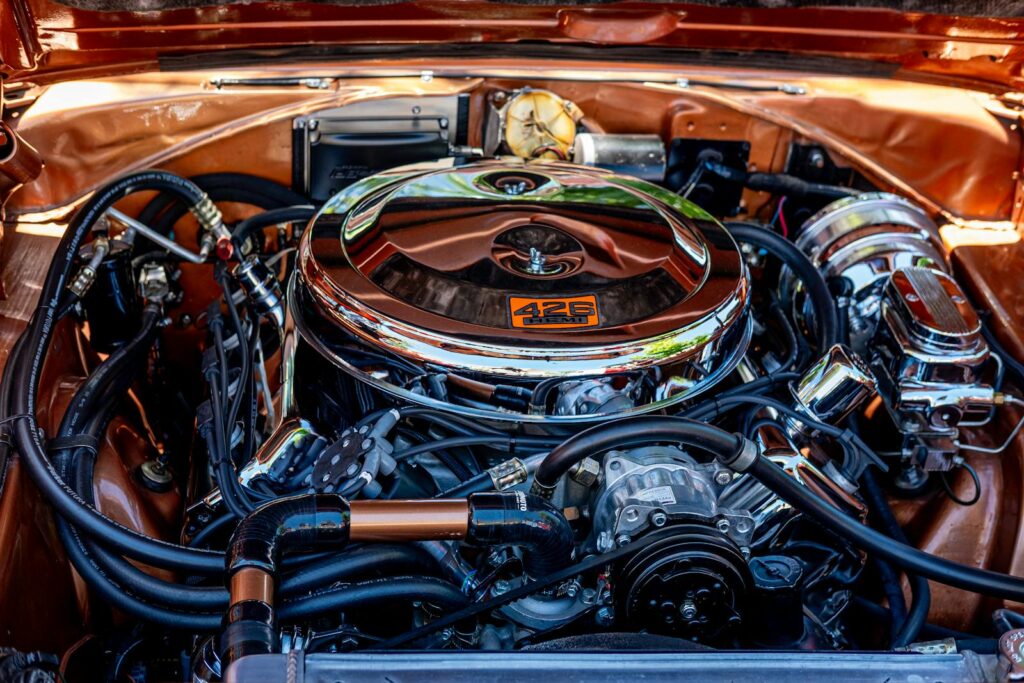
6. High Performance 4V Era
What set the 4V Cleveland apart was how it revealed what the whole system could really do. Built not for everyday use but for speed, it differed sharply from the standard 2V model. Larger intake passages meant air moved in faster, feeding the engine more directly. Pushing limits at high revs defined its purpose clearly. Power took priority over everything else once the needle climbed. That raw edge made it stand out among peers without trying to please everyone.
Four Volt Model Updates:
- Large intake ports for maximum airflow
- Designed for high RPM performance
- Focus on racing and speed applications
- High horsepower output capability
- Strong performance advantage in era
High up in the rev range, this setup let the engine produce far more horsepower. Because it gulped air better, it beat many rival motors when things heated up. Racetracks welcomed it the faster it went, the happier it seemed. People talked about how alive it felt under throttle. That sharp edge in output carved out its place where winning mattered most.
What stood out about Ford’s muscle cars back then? The 4V cylinder heads played a big role. Airflow mattered these parts handled it well, so tuners reached for them often. Builders liked how much room they gave for adjustments, pushing power higher. That helped Ford stay strong when speed was everything. Eventually, the 4V Cleveland wasn’t just hardware it turned into proof of smart, bold engine work.
7. M-Code Street Muscle
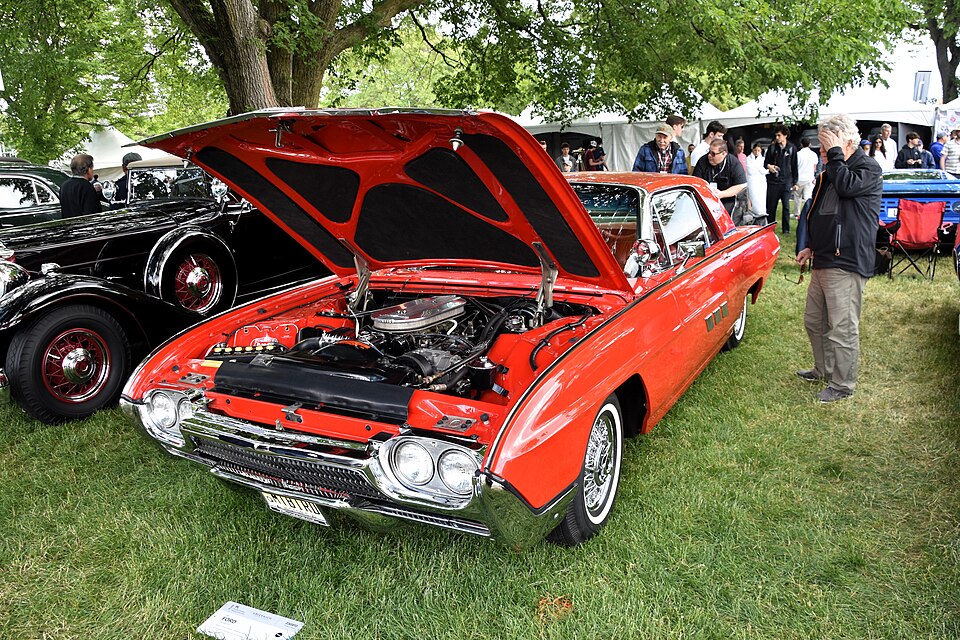
Out on the roads, the M-code 351C-4V showed what real muscle could feel like when it wasn’t too wild to handle. Built with tough parts yet tuned so daily drives stayed smooth. Power came through clearly, but never took control away from the person behind the wheel. Even under regular traffic and stoplights, it gave a sense of something alive up front. Because of that mix-raw enough to thrill, calm enough to live with it found its way into many hearts of those who liked speed with sense. Not just loud noise, but smart strength.
Key Features of M Code Engine:
- High-performance street-oriented setup
- Balanced power and daily usability
- Higher compression for stronger output
- Responsive and aggressive throttle feel
- Strong acceleration in real conditions
Surprisingly quick off the line, the M-code engine used tighter squeeze levels inside plus parts built for speed. Because of that, bursts forward felt alive, with gas pedal reactions snappy and precise. Most riders noticed how much fun each drive became, far from the usual city motor routines. Even so, running errands or commuting didn’t feel out of place in the least. The mix-raw energy wrapped in everyday ease drew attention from those craving strength but not rough edges. Smoothness stayed high, yet every push of the accelerator carried a spark.
Out on open roads, this engine made a difference by linking race-focused designs with real-world usability. Not only did it bring strong output to standard streets, but it also shifted how people saw daily-driven cars. Muscle-car strength wasn’t just for circuits anymore regular routes handled it fine. Because of that shift, more drivers took interest in the Cleveland lineup. Even so, the M-code model stood out by balancing raw capability with sensible function.
8. Boss 351 Maximum Output From Factory Build
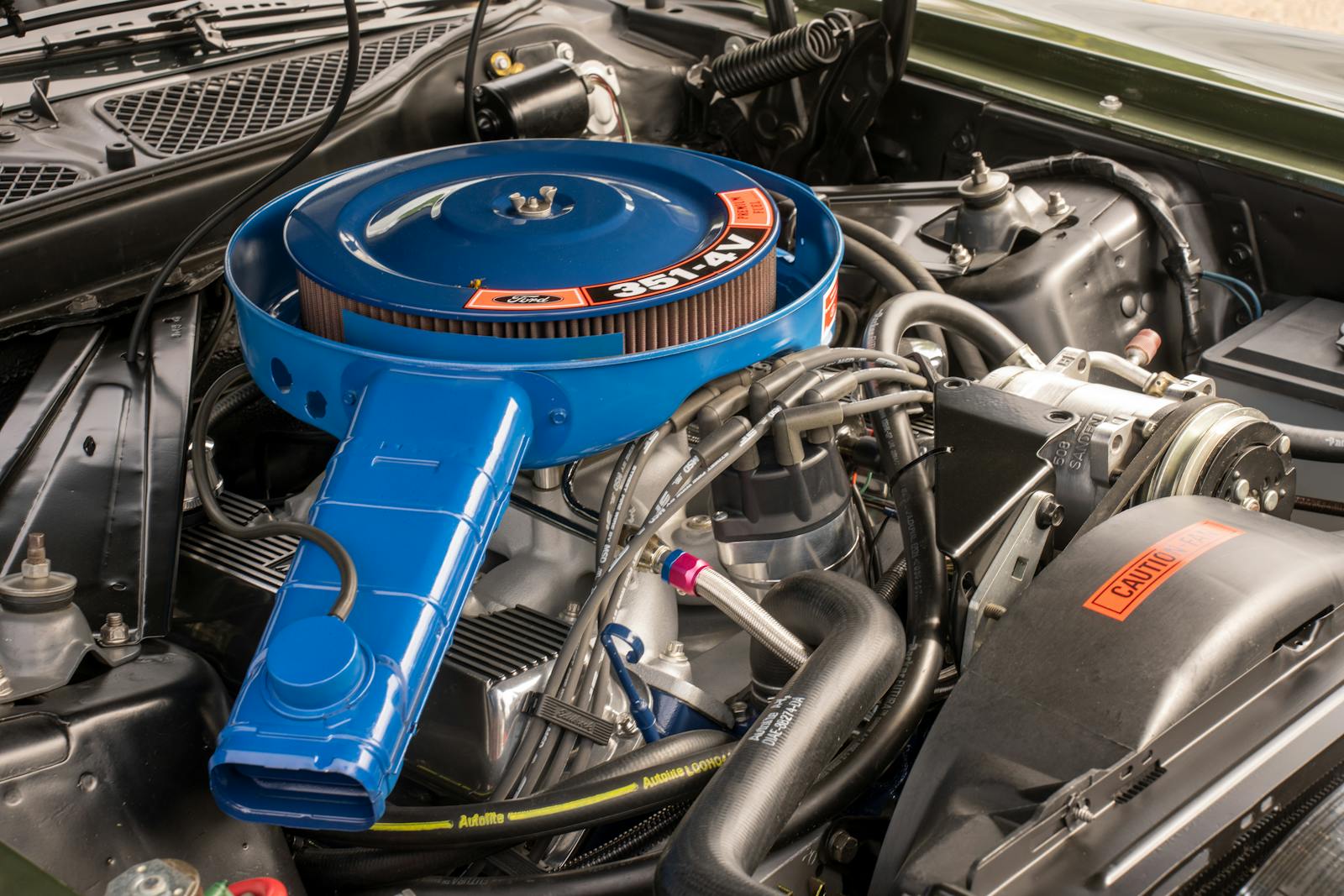
Right at the top of the Cleveland lineup stood the Boss 351, built without compromise. Because its goal was clear dominate on the track it breathed like a race motor even when licensed for roads. Each part inside? Chosen not for comfort but survival under brutal loads. With that mindset, Ford stretched what people thought a mass-made V8 could do. Enthusiasts still talk about it today, years later, as something rare a true beast from the factory floor.
Boss 351 Key Features:
- Designed for factory racing performance
- Reinforced internal engine components
- High compression ratio setup
- Solid lifter valvetrain system
- Extremely strong block construction
Heavy-duty lifters, a tight squeeze inside the cylinders, along with a beefed-up frame helped this motor push hard and keep going without fading. Instead of smoothing things out for daily rides, the Boss 351 went all-in on brute strength and toughness when stressed. Running fast for long stretches didn’t shake it composure stayed intact. That kind of behavior fit right into intense driving scenes. Power showed up strong, while the guts underneath refused to give in.
Out of all the engines Ford made back then, the Boss 351 stood tall. Sitting right at the peak of the Cleveland series, it showed what could happen when limits were ignored. Not simply a tweaked version, more like proof of raw ability. Fans saw it for what it really was among the best stock muscle ever built. That kind of power sealed the Cleveland name in history.
9. HO and Cobra Jet Transition
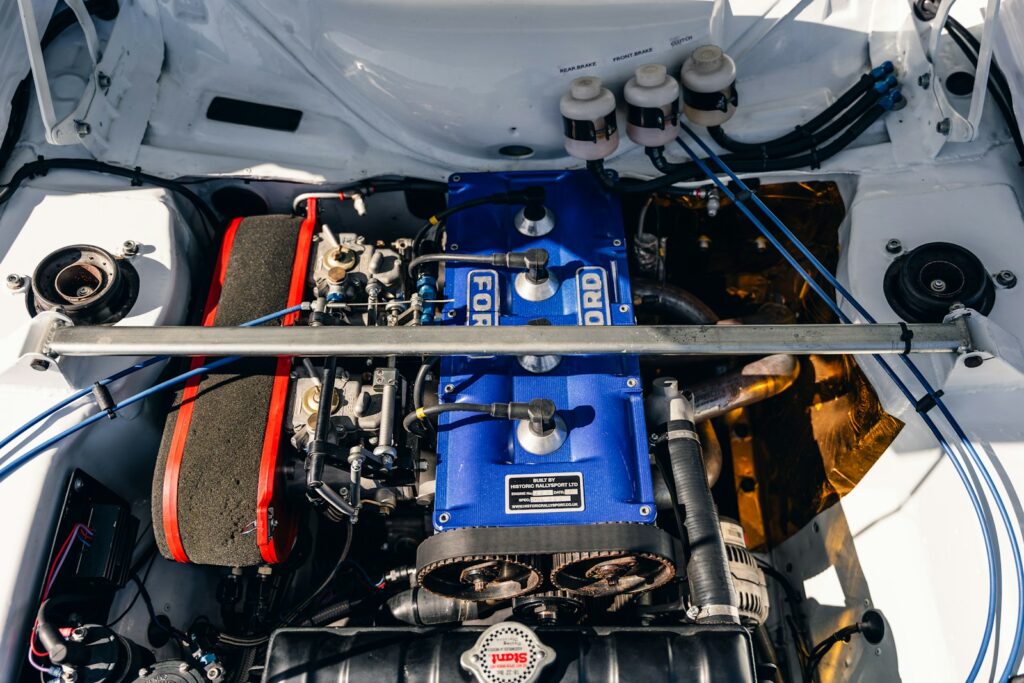
As emissions regulations became increasingly strict, the Cleveland engine had to evolve to stay compliant with new standards. The 351 HO (High Output) version introduced key changes such as reduced compression ratios while still retaining a performance-oriented character. Engineers focused on preserving drivability and power delivery within the limits of new regulations. This marked an important shift in balancing performance with environmental requirements. Despite restrictions, the engine maintained its core identity.
Key Changes in HO and Cobra Jet Versions:
- Lower compression for emissions compliance
- Retained performance-oriented tuning
- Improved balance of power and efficiency
- Cobra Jet focused on street usability
- Adapted to changing regulations
The Cobra Jet version continued this evolution by blending everyday usability with strong and reliable power output. It was designed to satisfy regulatory demands without completely losing the engine’s performance heritage. This made it suitable for drivers who still wanted muscle-car character in a more controlled setup. The engine delivered solid acceleration while remaining practical for street use. It represented a compromise between power and compliance.
These adaptations highlighted the flexibility and engineering depth of the Cleveland platform. Even as automotive regulations changed significantly, the engine was able to adjust and remain competitive. It showed that performance could still exist within tighter constraints. This ability to evolve helped extend its relevance in a rapidly changing industry. In the end, the HO and Cobra Jet versions ensured the Cleveland’s continued presence in the performance landscape.
10. Lasting Impact and Evolution
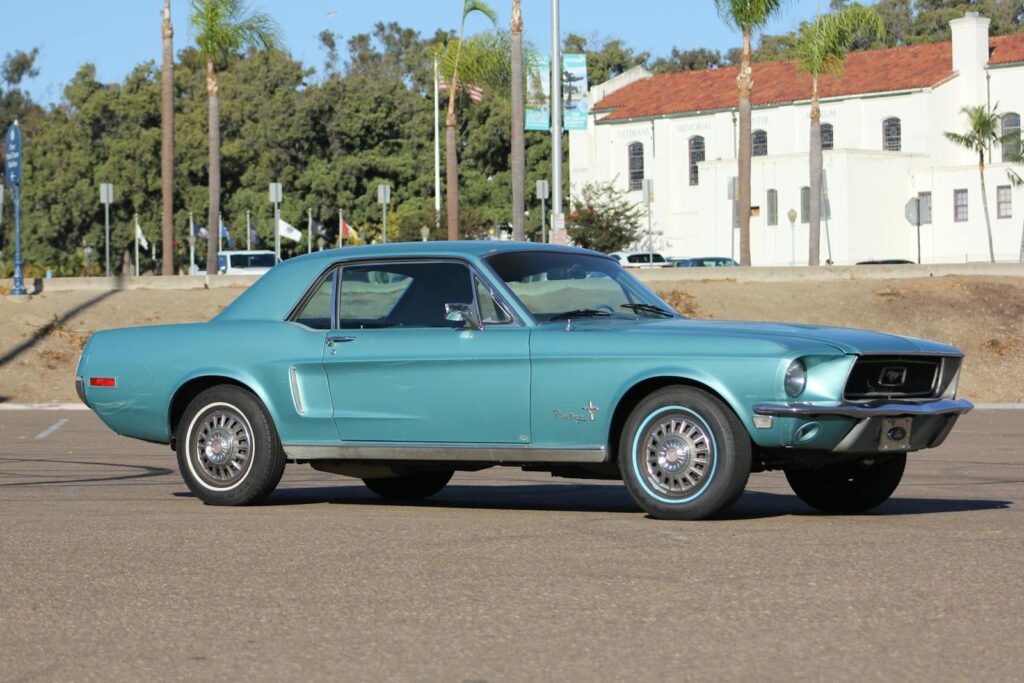
The 351 Cleveland left a significant and lasting impact on automotive engineering, influencing how future engines were designed and developed. Its advancements in airflow management, cylinder head design, and combustion efficiency set new benchmarks in the industry. These innovations helped shape the direction of high-performance V8 development for years to come. Even after production ended, its engineering concepts continued to inspire new designs. It is still regarded as a milestone in engine evolution.
Key Contributions of Cleveland Legacy:
- Advanced airflow design innovation
- Improved cylinder head engineering
- Better combustion efficiency standards
- Influenced future V8 development
- Strong performance engineering legacy
Enthusiasts continue to value the Cleveland engine for its unique balance of power, durability, and adaptability. It remains widely used in restorations, custom builds, and performance modifications even decades later. Its strong aftermarket support keeps it relevant in modern automotive culture. Many builders appreciate its high-RPM capability and engineering flexibility. This long-lasting popularity highlights its timeless appeal.
The legacy of the 351 Cleveland is not defined by a single feature or achievement but by its overall contribution to V8 evolution. It represents an era where mechanical innovation and raw performance worked together seamlessly. The engine stands as a symbol of engineering creativity and bold design thinking. Its influence can still be seen in modern performance concepts. In the end, it remains one of Ford’s most respected and enduring engine families.