



Colorado Finally Legalizes Kei Cars, Ending a Bureaucratic War

Years passed where Kei car owners in Colorado never knew if they’d wake up to new problems. Confusing rules popped up without warning, making each trip to the DMV a gamble. One day everything seemed fine, the next someone might say your car didn’t belong on roads anymore. The stress piled up slowly, quietly draining anyone who cared about these small machines. Now after countless efforts behind the scenes the state has stepped forward with clear approval. That shift did not come fast, nor easily, yet it arrived just the same.
Legalisation Key Highlights:
- Official recognition of Kei vehicles in Colorado
- Last call for shaky license decisions
- Protection for existing owners
- Clear legal pathway for registration
- Growing acceptance of niche vehicles
One step closer, thanks to Governor Jared Polis signing HB25-1281. Not active till mid-2027, yet it brings what vanished years ago sureness. Clear skies ahead for owners knowing where they stand. Buyers gain footing too, able to map moves without second-guessing.
1. What Kei Vehicles Actually Are
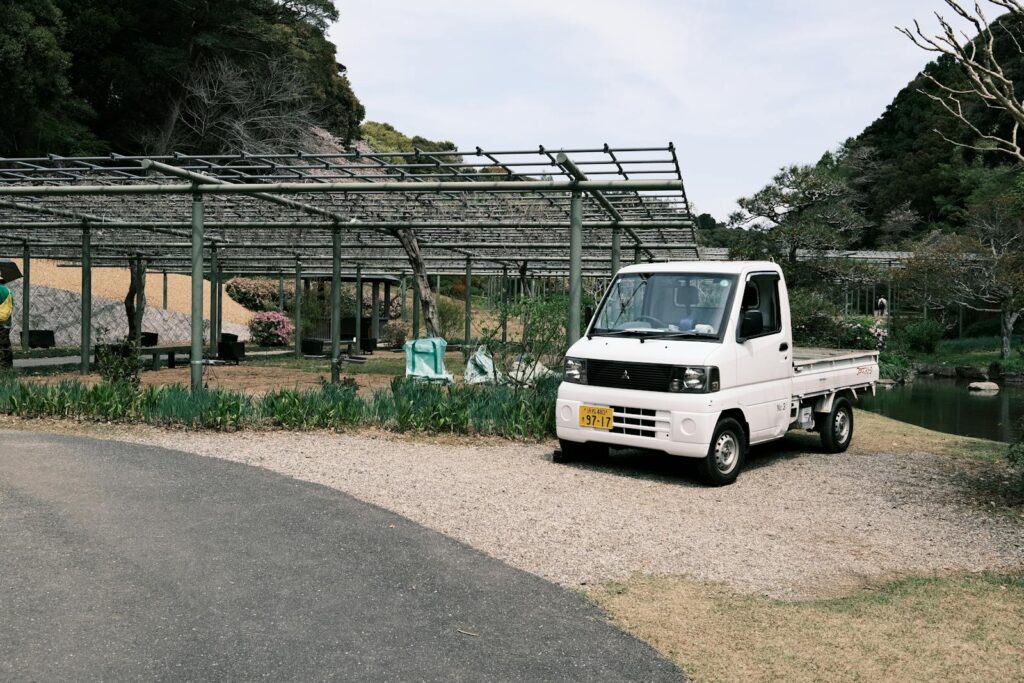
Most folks probably haven’t seen a Kei car before it looks odd at first glance. Born in Japan, these compact machines follow tight rules on dimensions and engine power. Though tiny, they move well through busy city streets while handling everyday tasks without fuss. Their clever layout turns limits into strengths where space is short.
Kei Vehicle Characteristics:
- Compact size for easy navigation
- Small engines often below 660cc in size
- High fuel efficiency
- Designed for urban practicality
Mini trucks come along with vans, plus automobiles are part of it too. Small cars do more than take up less space they show clever design. Take the Honda Acty or Suzuki Cappuccino, for instance; compact yet full of character, they stand apart from the large trucks and SUVs common in the U.S. What pulls drivers close is how well they work every day, though it’s their one-of-a-kind feel that builds real attachment. Not big, but built with thought.
2. The Bureaucratic Struggles in Colorado
Back then, getting a Kei car registered in Colorado felt like guessing the rules. County by county, answers changed no two clerks saw it the same way. One person’s approval was another’s rejection, with little reason given. Confusion wasn’t rare. It was standard.
Problems owners often deal with:
- Inconsistent DMV rulings across counties
- Difficulty with non-standard VIN numbers
- Refusal of emissions testing
- Lack of clear legal framework
- Risk of sudden deregistration
This shaky setup made things tense, since what was allowed came down to chance instead of clear rules. A car could pass inspection in one place yet get turned away just miles down the road. Owners found themselves in limbo under that scattered approach, never quite knowing if driving their vehicle counted as legal.

3. The Risk of Being Banned Completely
That year, tensions rose after Colorado’s motor vehicle agency floated a regulation targeting Kei cars potentially removing them from roads completely. Fans across the state grew uneasy, fearing their dedication might suddenly mean nothing.
Proposed Ban Sparks Concern:
- Potential removal of all Kei vehicles from roads
- Inclusion of other non-traditional vehicles
- Lack of proper consultation with owners
- Unclear justification for the ban
- Increased uncertainty for current owners
Even after pulling back the plan, their explanation raised red flags. It turned out officials said Kei cars weren’t allowed anyway adding more fog instead of clarity. That instant showed just how shaky things had become, underlining the need for straight answers before anything worse happened.
4. National Influence and Lobbying Pressure
It wasn’t only towns resisting Kei cars. Groups at the national level, such as the American Association of Motor Vehicle Administrators (AAMVA), pushed rules limiting their use in many states. These groups tend to paint Kei vehicles as risky or unfit for regular roads. Critics raise concerns about safety standards falling short. Speed limits become a talking point when comparing them to standard models. Some say they lack features common in larger automobiles.
Some say Kei cars work just for rough terrain:
- Concerns about safety standards
- Misunderstanding of Japanese regulations
- Pressure on state agencies
- Influence on national policy trends
Visibility during nighttime drives is questioned by several officials. Highway usability comes under scrutiny due to lower engine power. Others argue that durability might suffer in harsh weather conditions. Crash test ratings play a big role in these debates. Public perception shifts when accidents involving small imports are reported. Most people overlook how these cars follow Japanese traffic laws just like any other. Because of confusion, not facts, many face resistance when choosing something low-cost and useful for daily travel.

5. The Role of Dedicated Advocates
Change often begins where most expect it least. A handful of determined Kei car drivers kept showing up, even when nothing moved. Because they stayed loud, lawmakers finally listened. Frustration didn’t fade instead, it shaped new rules. What looked impossible shifted, one stubborn effort at a time.
Community Contributions:
- Formation of advocacy groups
- Meeting face to face with those who make laws
- Raising public awareness
- Sharing real-life experiences
- Challenging unfair policies
What began as frustration soon shaped something bigger through Ryan Albarelli. Hitting wall after wall didn’t stop him instead, it pushed him toward creating Colorado Kei Advocates. Working closely with lawmakers became his daily rhythm over time. Change often hides behind persistence; his path proves that.

6. Support for Legislation Across Party Lines
Had it not been for lawmakers recognizing the genuine value that Kei cars bring to everyday drivers, this legislation might never have moved forward. Their openness and willingness to listen played a crucial role, as they looked beyond political differences and focused on practical benefits that could help people in real, everyday situations.
Lawmakers Offer Key Support:
- Bipartisan backing
- Practical value recognized
- Focus on affordability
- Rural usability
- Urban usability
This cooperation shows how effective decision-making can happen when leaders prioritize public needs over division. By working together and focusing on real-world impact, they helped create a more inclusive and practical transportation solution for a wide range of drivers.

7. Commitment to consumer choice
Out front, a shift takes place thanks to Senator Nick Hinrichsen alongside Representative William Lindstedt pushing hard behind the scenes. Noticing how useful such vehicles can be becomes their starting point think moving supplies through narrow city streets or across patchy countryside roads. Now, what shifts under the new rules comes into clearer view
Important Parts of the Law:
- Official definition of Kei vehicles
- Standardised registration process
- Simplified emissions testing
- Protection against arbitrary rejection
- Legal clarity for owners
Now things are different because lawmakers passed rules for Kei cars in Colorado. A small car counts if it meets certain size and speed limits, which they now spell out plainly. Getting one used to be hard due to unclear laws, but those barriers start fading away slowly. Rules once blocked regular people, yet loopholes shrink under these updates. A key shift comes through the rollout of a uniform emissions check, so vehicle holders won’t get refused without reason. That single update clears what once blocked many from registering their cars by law.

8. Safety and Usage Restrictions
Even so, the new rule comes with clearly defined boundaries designed to keep both drivers and other road users safe. These limitations are not arbitrary they are carefully aligned with how Kei cars actually perform in real-world conditions. Lawmakers took into account their compact size, lighter build, and lower power output, ensuring that the regulations reflect practical usage rather than imposing unnecessary restrictions. The goal is to allow these vehicles to be used where they make the most sense, while avoiding situations where their limitations could become a risk.
Important Restrictions to Note:
- Not allowed on roads above 55 mph
- Must meet defined size limits
- Limited to specific road conditions
- Intended for light-duty use
- Focused on urban and local driving
Most of these rules stem directly from how Kei cars are engineered and intended to function. They are not built for high-speed highways or heavy-duty travel, but instead excel in city environments and short-distance trips. Their compact design makes them ideal for navigating tight streets, handling daily errands, and operating efficiently in areas where larger vehicles may struggle, reinforcing their role as practical solutions for local transportation needs.
9. Colorado Compared to Other States
Out of nowhere, a few places welcome Kei cars without hesitation. Not every state follows suit though some still block them completely. Though Colorado sees their value, rules across the country jump in different directions. Restrictions pop up where least expected, even as acceptance grows elsewhere.
State-Level Differences:
- 29 states allow Kei vehicles
- Travel limits get set by certain groups instead
- Some places outlaw them completely
- Regulations vary widely
- No unified national policy
Out of step, perhaps but Colorado’s move still stands out in a meaningful way. By putting a clear and practical framework in place, the state has created something others can observe and learn from. It doesn’t try to overcomplicate the issue; instead, it offers a balanced approach that acknowledges both the benefits and limitations of Kei vehicles, which is exactly why it has the potential to resonate beyond its borders.

10. What This Holds for Tomorrow
Even though the rule doesn’t start until 2027, it marks a clear turn in how people think. Because change often comes slowly, staying focused matters this result came through steady pressure from neighbours who refused to walk away. Yet progress isn’t always loud; sometimes it hides in quiet moments when systems finally bend.
Future Implications:
- Increased interest in Kei vehicles
- Growth of enthusiast communities
- Potential influence on other states
- Greater consumer choice
- Expansion of niche vehicle markets
Even if a few challenges arise along the way, the overall direction feels promising. For Kei car owners in Colorado, the future no longer feels uncertain it looks far more stable and encouraging. What once seemed like a constant struggle is now turning into an opportunity, opening the door for broader acceptance and a more diverse automotive landscape.