



10 Experimental Aircraft That Pushed the Boundaries of Flight
The history of aviation is not about airplanes that became popular but also about the experimental machines that pushed every limit of engineering. These airplanes were not meant to be perfect. They were built to try out ideas that seemed impossible at the time and to find answers to questions that nobody had answered before. Some of these airplanes flew well others had a lot of problems but all of them helped shape the future of flight in their own way.
What is really interesting about these X-planes is how they show that the people who designed them were willing to take risks. The designers were not afraid to try out shapes different kinds of engines or completely new ways of flying. A lot of these airplanes looked weird. Sometimes they did not even seem practical but they helped scientists learn about how air moves how fast airplanes can go, how to control them and what materials to use in ways that they never could have learned from books.
Even when these experiments did not work out as planned they were not a waste of time. Every time one of these airplanes flew it gave scientists information and every time something did not work it showed them a new way to make things better. The aviation industry today including fighter jets, space programs and autonomous aircraft systems still feels the impact of these experimental airplane designs. The history of aviation and these experimental airplanes are still really important, to the aviation industry today.
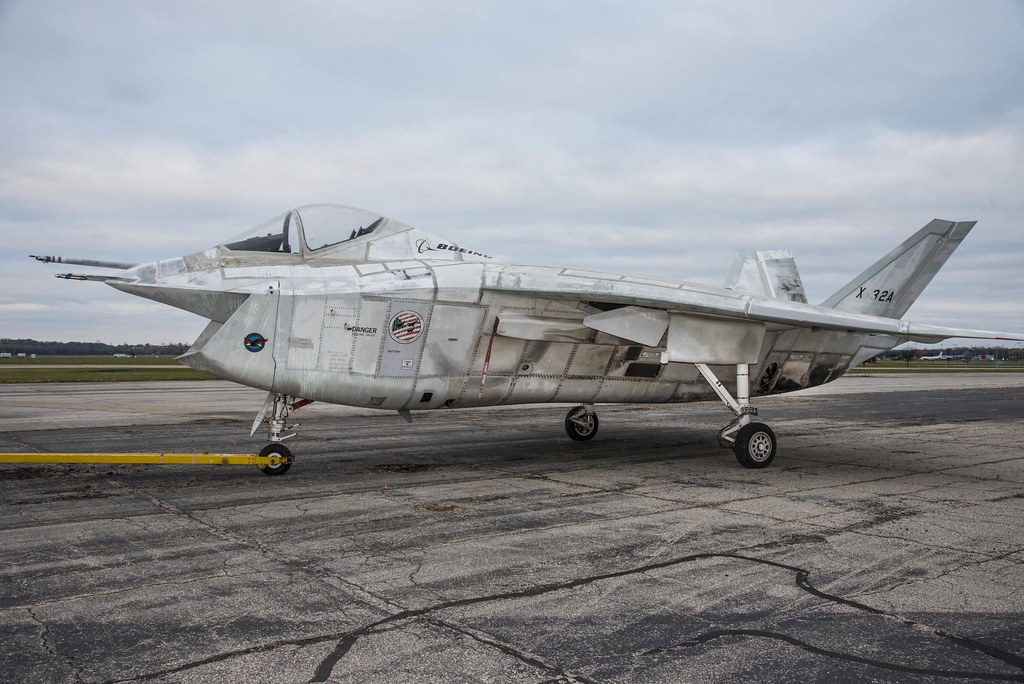
1. Boeing X-32
The Boeing X-32 is well known as one of the most unusual experimental planes, not only due to its unusual design, but also because it entered one of the largest defense contests. It was designed as the entry of Boeing in the Joint Strike Fighter (JSF) program and aimed to exhibit high-level performance, such as a vertical take-off and landing (VTOL) capability and multi-role versatility in future combat needs.
Critical Design and Development Characteristics:
- Prove aircrafts of Joint Strike Fighter program
- Vertical take off capability (experimental)
- Aerodynamic strange design of front air intake
- Testing ground of multi role combat concept
- Competitor prototype in the selection of JSF
The large front air intake, which accidentally made it look like it was smiling, was one of the most identifiable design features to the aircraft. Although this made it easy to remember, the aircraft had numerous engineering issues during the development. The problems associated with weight distribution and thrust efficiency especially when conducting vertical flight tests affected its overall performance during evaluations.
Even though the X-32 would not be used in production, it still made a significant contribution to the future of the Joint Strike Fighter program. The lessons learned during its design and testing helped to streamline requirements and enhance competing concepts, which eventually shaped the course of development that resulted into more advanced and capable aircraft solutions.
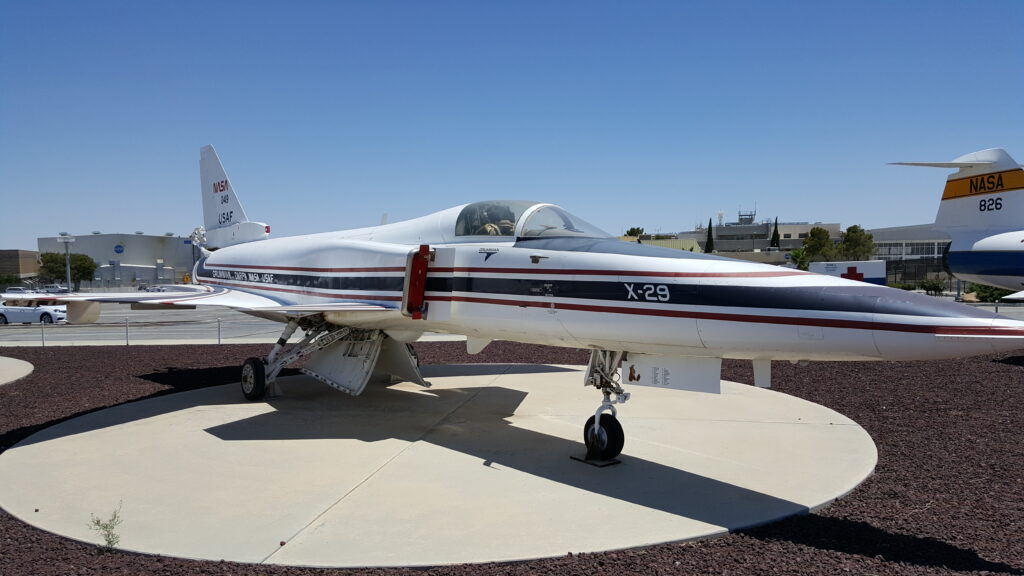
2. Grumman X-29
Grumman X-29 was an experimental aircraft that was designed on the basis of radical aerodynamic idea: forward-swept wings. The X-29 turned the traditional design of aircraft in which the wings are angled backwards in a completely opposite way. The main aim of this design was to test better maneuverability, control and stability at extreme angles of flight whereby the traditional aircraft are mostly limited.
Key Aerodynamic Innovations:
- Design of forward swept wing configuration
- Improved high angle manoeuvre control
- High level airflow behavior testing platform
- Agility research aircraft are experimental fighter agility aircraft
- Structural innovation of composite materials
This unusual wing design formed a distinctive flow of air, as the air was flowing inwards towards the fuselage instead of outwards. This internal rush served to postpone wing stall and enabled the aircraft to be more in control when performing maneuvers at high-angle-of-attack. Consequently, the X-29 would be able to perform in flight conditions that would normally be a challenge or destabilizing to conventional wing configurations.
This design could only be feasible due to the application of advanced composite materials, which gave the required strength and withstand to twisting under aerodynamic loads. The X-29 eventually became a valuable research bed, providing significant understanding of aircraft agility, control systems and the principles of next-generation fighter design.
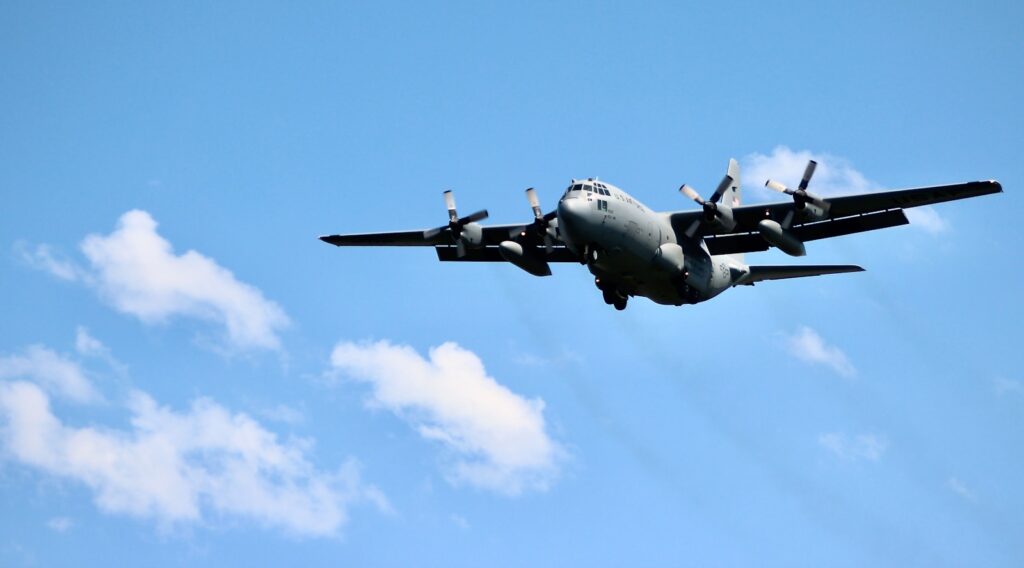
3. Convair Nuclear Aircraft Concept (X-6 Program)
One of the most ambitious of aviation ideas that had ever been suggested during the Cold War was the Convair X-6 program, which was a nuclear-powered bomber that could stay in the air for very long periods without refueling. The overall objective of the project was to attain an almost unrestricted air range of operation, which would allow strategic aircraft to remain in the air days or even weeks in case of the need.
Important Nuclear Aviation Ideas:
- Long range bomber concept Nuclear powered
- Design of cold war strategic endurance focus
- Test facility of experimental reactor aircrafts
- NB-36H research trials in safety research
- Radiation shielding systems Study
The NB-36H test aircraft was utilized to pilot experiments on the development of the entire X-6 aircraft prior to its creation. This modified airplane had a nuclear reactor in it which was not to propel the plane but to test the shielding systems and research on the safety of radiation in actual flight conditions. These experiments played a critical role in learning the ways of safeguarding crew members against the nuclear exposure.
Although there was certain technical advancements, the project ended up not being launched because of the significant safety risks, technical complexity and high costs. The risks involved in running a nuclear reactor during flight were too high particularly during a disaster. Consequently, the X-6 program was scrapped and one of the most radical and far-fetched concepts in the history of aviation was over.
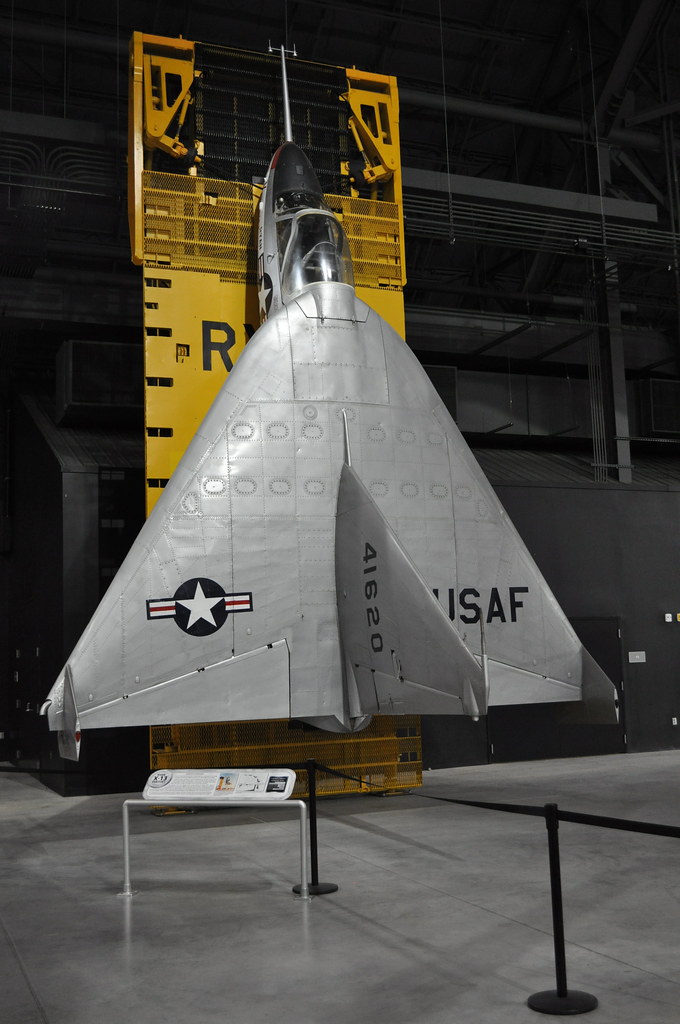
4. Ryan X-13 Vertijet
Ryan X-13 Vertijet Ryan X-13 Vertijet was an experimental tail-sitter aircraft which landed and took off vertically using the tail as a landing point. This unusual idea necessitated the aircraft to take off and land in an upright position and then gradually shift to horizontal flight, upon which it was to move normally forward. The main objective was to test practical vertical takeoff and landing (VTOL) in the future military.
Important VTOL Design Characteristics:
- Tail sitter vertical takeoff concept
- Testing of VTOL transitions experimentally
- Thrust-vectored turbojet engine
- High precision pilot control requirement
- Early vertical landing test platform
The X-13 used a turbojet engine with vectored thrust, which made it very unstable, and was only held in check by great balancing mechanisms and the skill of its pilot. The shift towards horizontal flight was especially tricky, as the minimal errors in the control could lead to a substantial impact on the stability and performance.
In spite of its complexity, the X-13 was able to perform complete vertical takeoff, mid-air transfer and vertical landing. Its historic test flight, involving a lander on a vertically-mounted platform, was one of the most famous in the history of early VTOL research and it did show that the unusual flight ideas could work in practice.
5. Bell X-22
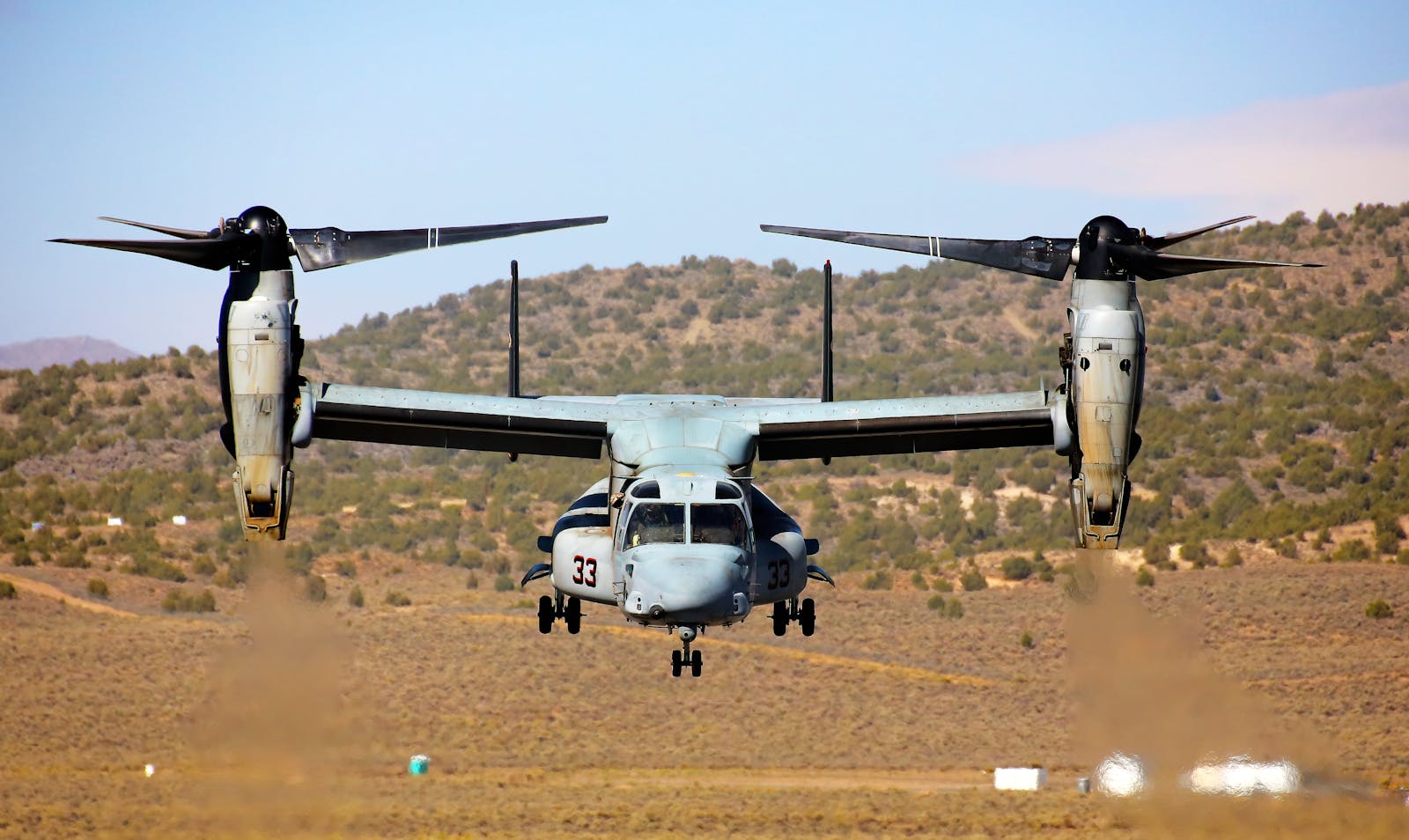
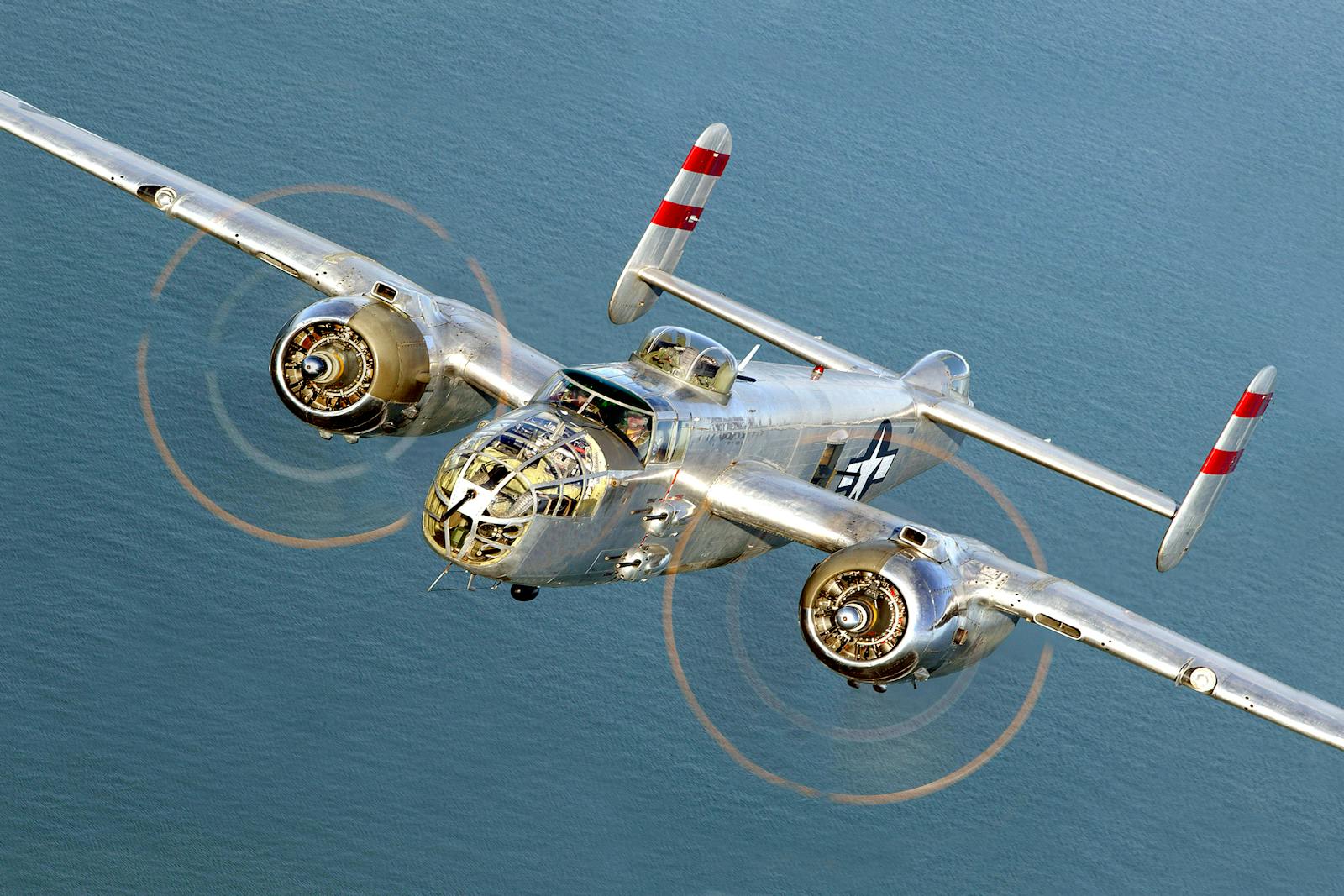
The Bell X-22 examined the novel concept of the VTOL with four ducted propellers set on tilting structures. These propellers were adjustable to give the ability to lift vertically to hover and then turn to give them the ability to fly forward, allowing them to combine the vertical capability of a helicopter, with the speed potential of a fixed wing aircraft. The aim was to explore more effective VTOL solutions to future aviation solutions.
Important Design and VTOL Characteristics:
- Four ducted propeller lift system
- Design Tilting propulsion mechanism
- Helicopter and airplane flight
- Research platform of high speed VTOL
- Transitional flight testing in experimentation
Throughout testing, the X-22 was shown to be able to reach very high speeds, comparable to traditional helicopters, but at the same time have the ability to vertically take off and land. The aircraft control in transition period between a vertical and horizontal flight, however, was very complicated, especially when subjected to unstable airflow conditions.
The X-22 was not put into practical service, but contributed to the development of tilt-rotor and VTOL. The experience acquired during its creation was later incorporated into aircraft ideas that were later to become viable military platforms that impacted on contemporary vertical lift aviation technology.
6. Douglas X-3 Stiletto
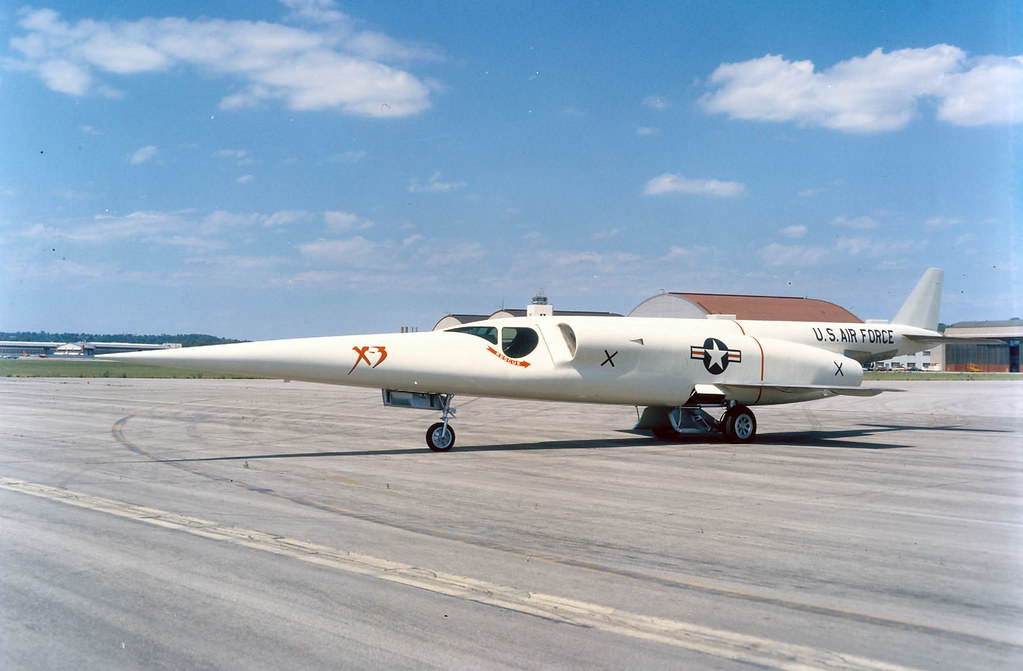
The Douglas X-3 Stiletto was made to do one thing: fly fast and see what happens. The people who made the Douglas X-3 Stiletto wanted to learn about flying at high speeds. So they built the Douglas X-3 Stiletto with a body and small wings to reduce air resistance. This made the Douglas X-3 Stiletto look really unique.
Key High-Speed Design Features:
- Slender fuselage optimized for supersonic testing
- Small wings reduce aerodynamic drag
- Experimental high speed research platform
- Focus on sustained supersonic flight studies
- Advanced materials and heat testing aircraft
The Douglas X-3 Stiletto had a big problem: its engines were not powerful enough. The engines could not make the Douglas X-3 Stiletto go fast as the designers wanted. This was a challenge for the Douglas X-3 Stiletto. With this problem the Douglas X-3 Stiletto still helped us learn a lot, about flying. It taught us about what happens to the air and the plane when it flies fast. We learned about how the heat and stress affect the plane. This information was really useful when we made planes that could fly really fast. These planes needed materials and powerful engines to work properly. The Douglas X-3 Stiletto helped us make these planes better.
7. Hiller X-18
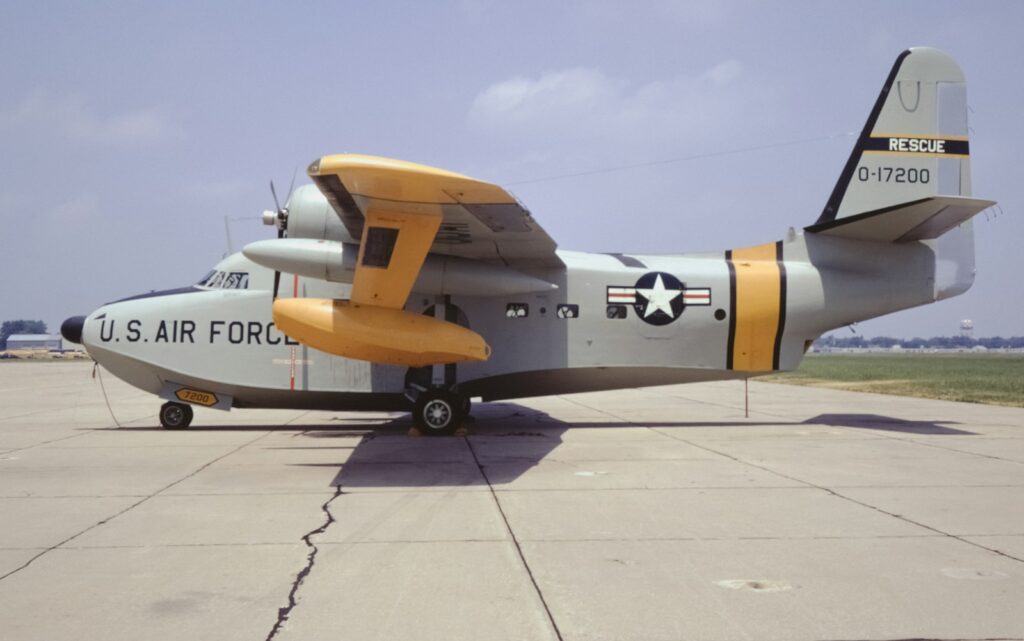
The Hiller X-18 was a plane that people made to see if they could make a plane that could take off straight up and then fly like a normal plane. They wanted to make a plane that could do what helicopters do. Also go fast like regular planes. This was a cool idea but it was also very hard to make it work.
Key Tilt-Wing Experiment Features:
- Full wing rotation transition system
- Experimental VTOL research platform
- Hybrid helicopter fixed wing concept
- Multi aircraft component construction
- Early vertical lift testing program
The Hiller X-18 was made from parts of planes so it was a pretty experimental thing. When they were testing it the people in charge had a lot of trouble getting it to fly stable. It was especially bad when it was windy because the plane was really hard to control.
The Hiller X-18 did not work well but it did help people learn some things. They learned a lot about how planes, like that behave. They used that information to make better planes later on. The Hiller X-18 project helped people make planes that could take off and land straight up and that is still helpful today.
8. American X-15
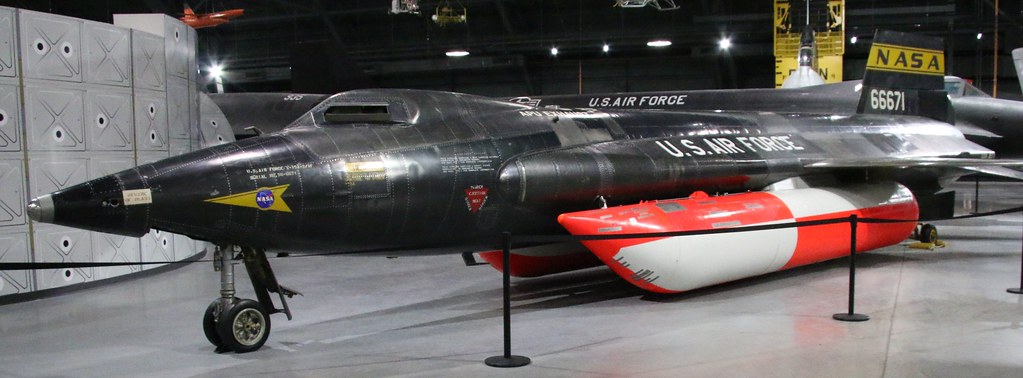
The North American X-15 is really something special. It is one of the extreme experimental aircraft that people have ever made. This thing was built to learn about flying really fast. It was launched from a plane that was already high up in the air. This way the American X-15 could start its mission in the thin air. The main reason for the American X-15 was to see what it is like to fly at the edge of space. It was also supposed to collect information about how air acts when you are flying high and very fast.
Key Hypersonic Research Features:
- Rocket powered experimental aircraft
- Air launched from carrier aircraft
- Hypersonic speed research platform
- High altitude flight data collection
- Space boundary exploration program
The North American X-15 had a rocket engine that made it go very fast. It was faster than planes. The American X-15 would fly up really high and then it would glide back down to the Earth. This helped people learn about what happens when you fly in space.
The American X-15 was very important for learning about space. It helped with programs like Apollo and the Space Shuttle. The American X-15 taught people a lot about what happens when you come back to the Earth from space. It also taught people about how to make things that can withstand a lot of heat and fly fast. The American X-15 was a big step, in learning about space and how to explore it.
9. X-62 VISTA
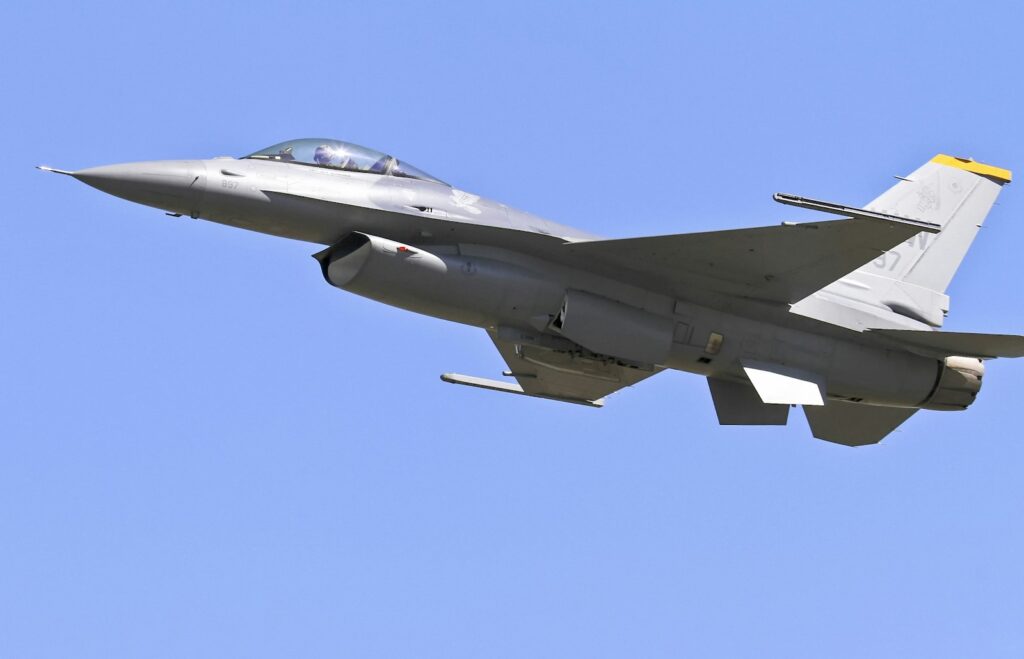
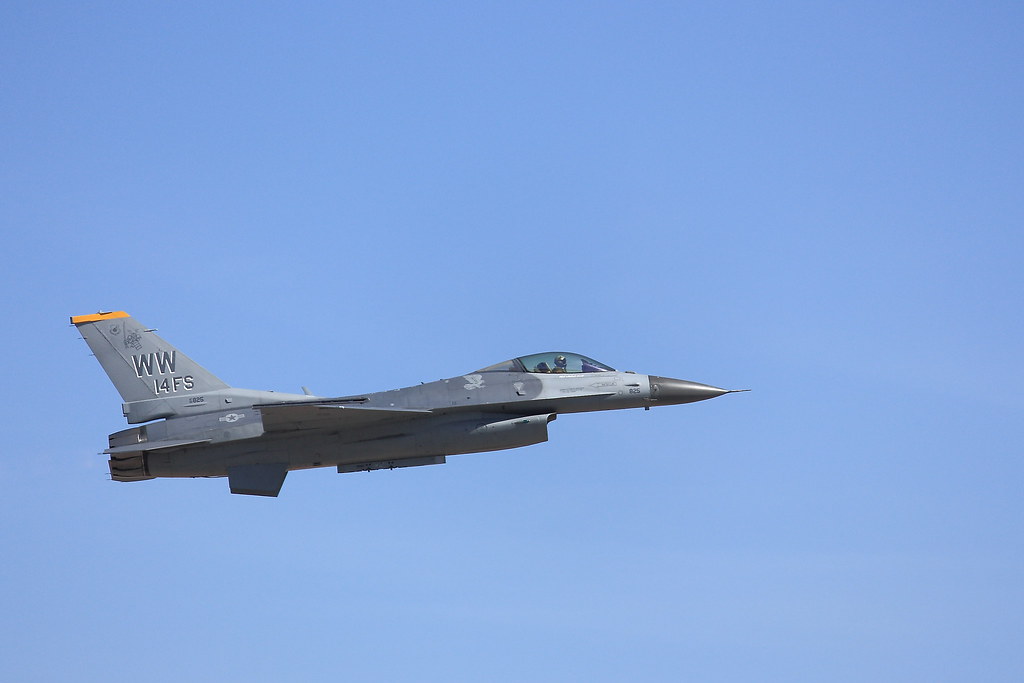
The X-62 VISTA is based on the F-16. It is a kind of test plane that is used to try out advanced systems that control the flight of a plane and artificial intelligence in flying. The X-62 VISTA is an useful tool for researchers because it can be programmed to act like different planes. This makes it very helpful for creating planes and systems for the aerospace industry.
Key Experimental Flight Features:
- Based on F-16 test platform design
- Advanced flight control research system
- Programmable aircraft behavior simulation
- Thrust vectoring maneuver capability
- AI assisted flight testing platform
The X-62 VISTA can make very sharp turns because it can move its engines. This makes it very useful for testing ideas for planes and seeing how new control systems work when a plane is flying in a difficult way. Researchers can test different ways of flying without having to use many different planes.
Lately the X-62 VISTA has been used to test systems that use intelligence to control a plane. This is a step towards creating planes that can fly by themselves. These new systems will help shape the future of planes, where computers and smart systems will play a big role, in flying and completing missions. The X-62 VISTA is helping make this future possible.
10. Bell X-1
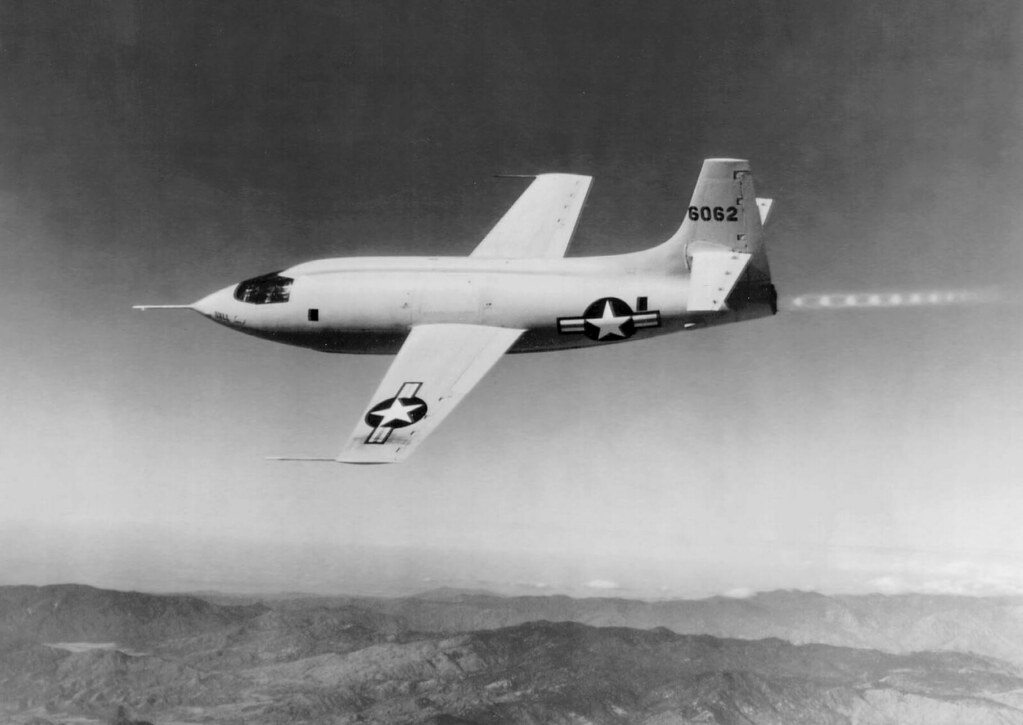
The Bell X-1 is a deal in the history of flying because it was the first plane to fly faster than the speed of sound. The Bell X-1 was made to see what happens when a plane flies that fast and to figure out how to make it safe. A time ago people thought that flying faster than the speed of sound would be too hard, for planes and might even break them. The Bell X-1 was a plane that helped us learn about flying really fast.
Key Supersonic Breakthrough Features:
- First plane to fly supersonic on purpose
- Used a rocket engine for research
- Launched from a big bomber at high altitude
- Shaped like a bullet for stability at speeds
- Designed to test speeds up to Mach 1
The X-1 had a problem with fuel so it was carried to high altitude by a bomber. Then it was. Its rocket engine was turned on. The planes shape was based on a bullet, which stays stable at speeds. This made it perfect for testing flight.
On October 14 1947 test pilot Chuck Yeager flew the X-1 at Mach 1.06. He broke the barrier in controlled flight. This showed that supersonic flight was possible and safe. It was a moment, in aviation history. The Bell X-1 helped make way for fast planes. The X-1 was a game changer.