




The 1963 Impala Z11: Chevy’s Forgotten 10-Second Drag Monster
The story of the 1963 Chevrolet Impala Z11 doesn’t begin like a typical performance car tale. It does not begin with showroom glitz or a protracted advertising campaign. Rather it starts with a silent, nearly secret factory experiment that was never intended to enter into the record books of popular culture. However, with time, this machine gained a certain reputation which surpassed its secretiveness and made it one of the most interesting drag oriented automobiles ever produced by Chevrolet.
At the beginning of the 1960s the American performance culture was a developing one. Full-size sedans continued to dominate the streets and drag strips, and even manufacturers were just starting to learn the extent to which they could go with factory performance. It was a time when experimentation was more important than polish and crude engineering aspiration usually resulted in some of the most radical of all the machines to be manufactured. The Impala Z11 came directly in the midst of this change.
The speed and the rarity of the Z11 is not the only thing that makes it particularly interesting, but the purpose. This was by no means a comfort, luxury, or even balanced performance car. The construction was to achieve a single goal, to dominate drag strips. All its decisions such as its engine design and its bare bodied design show signs of a single minded quest to achieve quarter-mile dominance that would subsequently become its legacy.
1. A Birth of the Z11 Package
In 1963, the Z11 was released as an exclusive factory-prepared performance model of the Chevrolet Impala. The Z11 was not meant to be sold to the general population as opposed to the normal performance upgrades that were offered by the dealerships through regular ordering. Rather, it has been designed as a specialized engineering course that is specifically designed to serve competitive drag racing uses.
Key Development Highlights:
- Launched as 1963 factory performance package
- It is based on Chevrolet Impala platform
- The products are made to be used in a drag racing competition
- Not an option in dealerships
- Very poor factory production programme
The aim of the Z11 was simple and direct on the part of Chevrolet: to design a full-sized production-based automobile that was able to conquer the quarter-mile drag strip. To do this, it had to focus on straight-line performance over comfort, convenience, and utility of everyday use. This led to the engineering approach emphasizing much on weight minimization, power maximization, and race-oriented tuning.
Because of its highly specialized role, only a very small number of Z11s were made. It was not designed to be a mass-market product or even a common enthusiast product. Rather, it served as a factory-backed competition package, providing Chevrolet with a strategic edge in the officially sanctioned drag racing and supporting its position in performance motorsport culture.
2. Purpose-Built Drag Identity
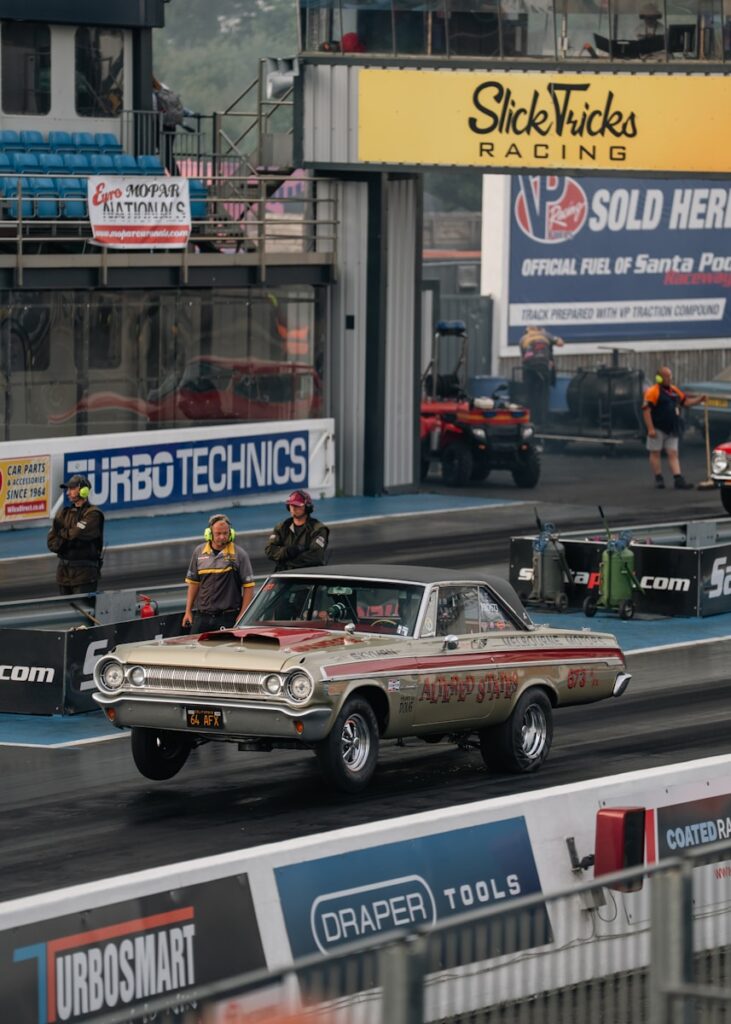
Since the very design, the Chevrolet Z11 was not intended to be a typical street car. Rather it was designed as a competition orientated machine disguised as a full size sedan. This twin identity has allowed it to remain both aesthetically low profile and massively successful in drag racing circumstances, where functionality was more important than looks.
Personal Core Drag Identity Characteristics:
- Competition oriented engineering design
- Excessive size sedan disguise
- Comprehensive performance component upgrades
- Constructed to race over a quarter mile
- Initial implementation of sleeper performance concept
On the surface, the Z11 was similar to the typical Chevrolet Impala, in that it still had the characteristic styling elements of Chevrolet flagship full-size car. But, under the skin, nearly all large mechanical parts were redesigned or re-manufactured to accommodate high-output drag racing. This involved massive changes to make it less heavy, faster in delivery of power and more straight line acceleration capability.
This bold disparity between exterior and superior secret ability lent the Z11 a sort of sleeper designation, albeit prior to the term becoming a commonplace in car culture. It enabled the car to reach the staging line appearing to be normal, only to demonstrate its real performance capability once released down the quarter-mile strip as an extremely specialized racing car.
3. The Mythical 427 Big Block
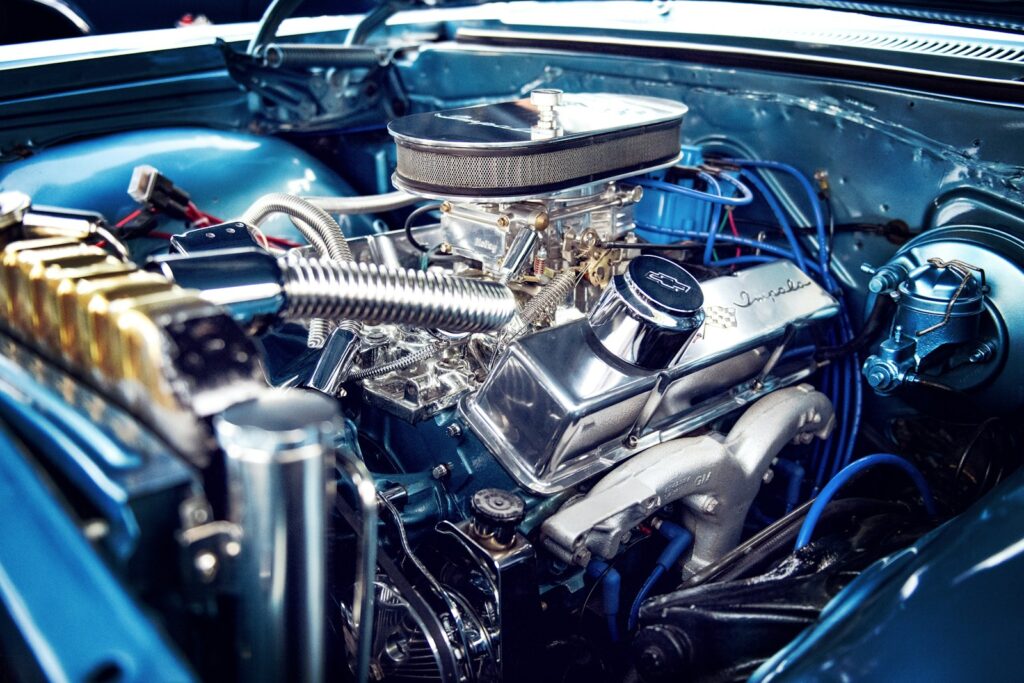
The Chevrolet Z11 was equipped with a specially designed 427 cubic-inch V8 engine. This was no small derivative of a production motor, but a specifically-designed racing-focused variant of a Chevrolet big block design. The prototype was intended to meet the extreme requirements of drag racing, where reliability and maximum power output under extreme conditions were paramount.
Engine Performance Highlights:
- 427 cubic-inch big block V8 engine
- Raised deck racing specification design
- Internal high compression parts
- Big port aluminum cylinder heads
- Dual four barrel carbs
The engine featured a raised deck design and a high-compression internals that enabled it to generate a much higher power than the typical production units. The entire construction was reinforced to make the engine withstand multiple heavy load cycles, which was necessary in a competitive drag racing setting. Aluminum cylinder heads with increased intake ports greatly enhanced the air flow such that the engine now breathed more effectively at high RPM.
Delivery of fuel was through a dual four-barrel carburetor system, which ensured a robust and steady supply of fuel during full throttle. This airflow optimization, fuel delivery and, reinforced construction made the 427 a high-output powerhouse, whose sole mission was to accelerate straight-line in the quarter-mile as fast as possible.
4. Power Output and Real World Performance
Though Chevrolet rated the Z11 package at about 430 horsepower, the actual performance numbers indicated that it was much higher in the real world. Independent testing and competition racing conditions showed that with proper tuning of examples, they could reach over 500 horsepower, again depending on the setup and tuning accuracy.
Performance Characteristics:
- Formal power of about 430 horsepower
- Actual horsepower of more than 500 horsepower
- Drag concentrated delivery of high torque
- Optimized for explosive acceleration
- Performance tuning of quarter mile racing
This type of power delivery was designed to react quickly and to accelerate but not to drive smoothly and refinedly. The engine features were designed with special reference to drag strip use, where quick launching performance and a steady straight-line speed was much more significant than normal usability or comfort.
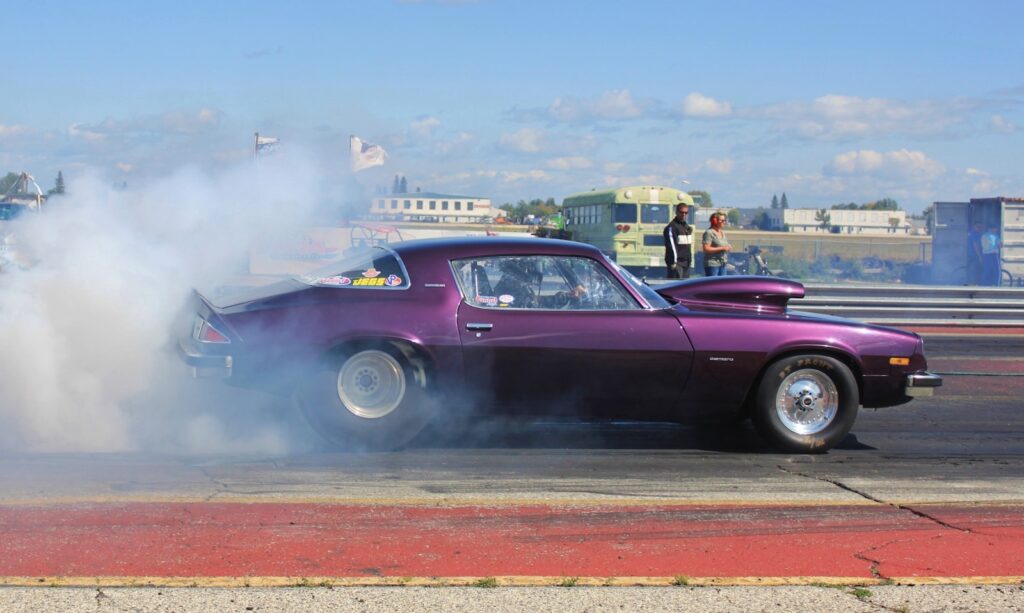
The Z11 was proven to be very competent in the real world racing scenario, recording high-10-second quarter-mile times. This was an outstanding performance in the early 1960s, particularly with a full size, production-based car. It set the Z11 as one of the most competitive factory-supported drag racing packages of that time.
5. Lightweight Engineering and Reduction of weight
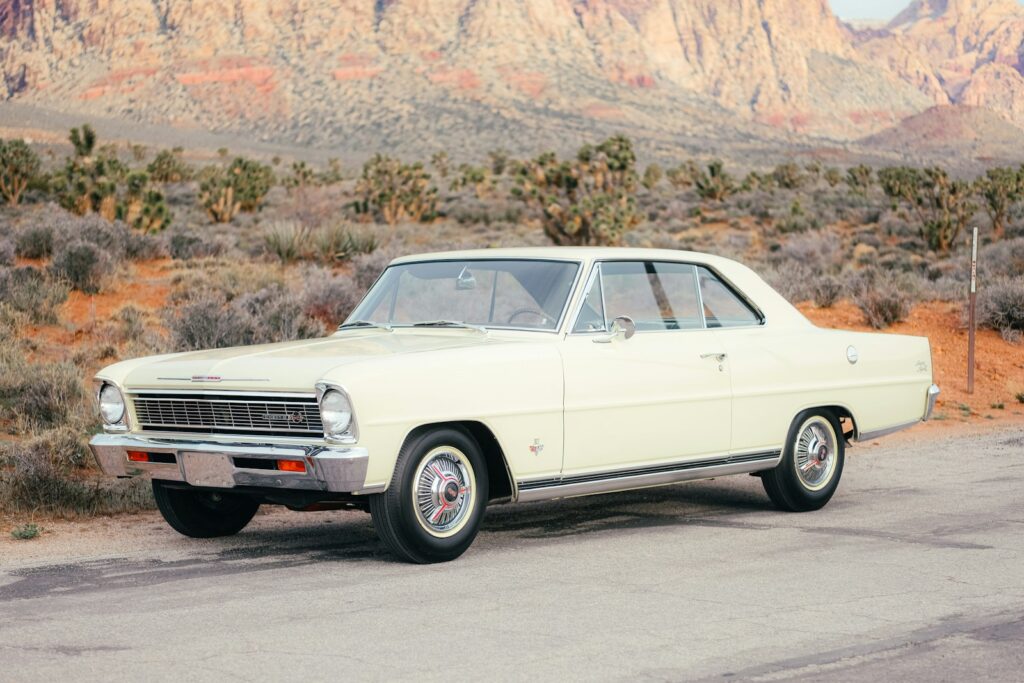
To make complete use of its high-output engine, Chevrolet used an extreme weight reduction approach to Z11 package. Where feasible, the standard steel body parts were substituted with lightweight aluminum ones, such as major exterior parts, like the hood, front fenders, and bumpers. This method had the effect of greatly lowering the overall mass without compromise to the structural integrity required in drag racing applications.
Weight Reduction Measures:
- Aluminum hood and body panels
- Lightweight front fenders and bumpers
- Removal of comfort and luxury features
- No soundproofing or sound system
- Race-oriented stripped interior
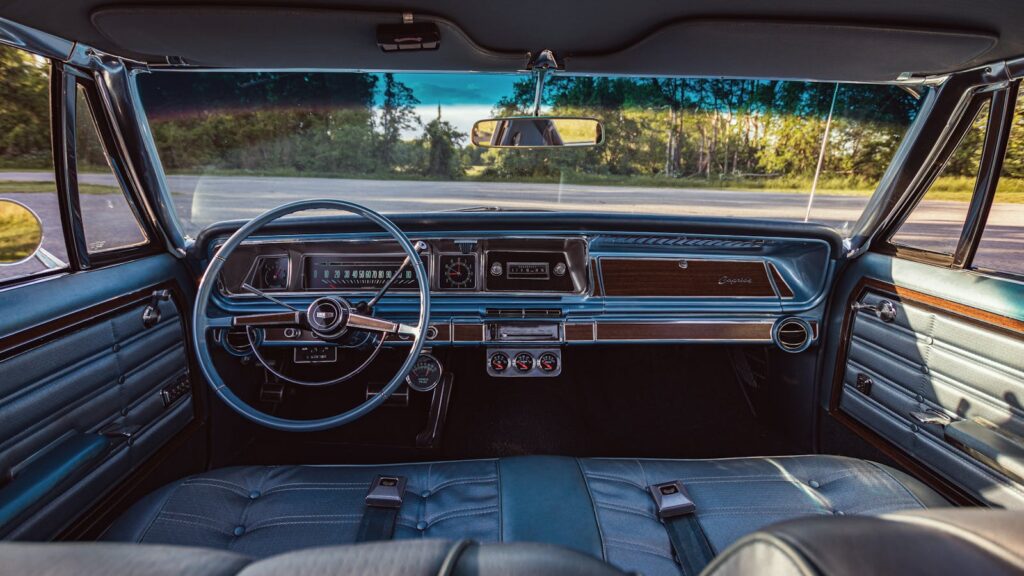
The cabin had almost all the non-essential comfort elements removed. Z11 was constructed in the spirit of pure performance i.e. no sound insulation, no radio system, no heating system. Even the simplest convenience features were eliminated to make the vehicle as light as possible to compete with regard to acceleration.
This barebones engineering concept made the Impala platform much more maneuverable than its size would indicate. Through the overall weight reduction, Chevy made sure that the power provided by the engine could be more directly converted to forward acceleration, making the Z11 much more useful in drag strip situations where each tenth of a second counts.
6. Drivetrain and Track System
In Chevrolet Z11, power delivery was controlled by a close ratio four-speed manual transmission which was selected in such a way that the engine would still be operating at its optimum power range. This design enabled drivers to have good acceleration in all gears between each shift to ensure that there was little performance lost in shifting in competitive drag race scenarios.
Drivetrain Performance Features:
- Close ratio four speed manual gearbox
- Positraction rear differential system
- 4.11 performance rear axle gearing
- Maximized acceleration gear ratio
- Increased drag racing drive train design
The Positraction limited-slip differential in the rear axle had aggressive 4.11 gears. The design was essential in providing good off-the-line acceleration and providing quick transfer of power to both rear wheels whenever launching. This contributed to reducing wheel spin and maximizing forward thrust, which was necessary to ensure consistent quarter-mile performance.
To reinforce this type of drive train, the Z11 was also provided with reinforced suspension parts that could withstand the force of high acceleration. With a combination of perfect gearing, good traction control, and reliability of the mechanical parts, the Z11 was very successful in a drag racing race, where stability and controlled power flow were as essential as the raw engine power.
7. Factory Intent vs Public Availability
Though it has great performance, Chevrolet Z11 was not made to be accessible to the general consumer. It was not an option as a regular dealership and could not be ordered via regular retail outlets. It was initially designed as a specialized factory program instead of a performance packages available publicly.
Availability and Distribution:
- Not available through dealerships
- Production program that is controlled by the factory
- Invested in racing oriented teams
- Made specifically to be used in competitions
- Constrained and constrained distribution model
Z11-equipped vehicles were intended not to be sold to normal consumers, but to a limited group of race teams and factory drivers. Chevrolet was very strict on distribution so that the package could only be used in approved competitive conditions especially in the drag racing events where its engineering benefits could be at full play.
This severely limited supply contributed significantly to the creation of the legend that Z11 has become. It was not merely the exclusivity, due to the small quantities of production, but also the highly secretive manner in which it was shared among the racing community. This strategy caused the Z11 not only to become rare, but also intentionally obscure to the mainstream consumer markets, which adds to its mystique and historical importance.
8. Racing Heroes and Track Dominance
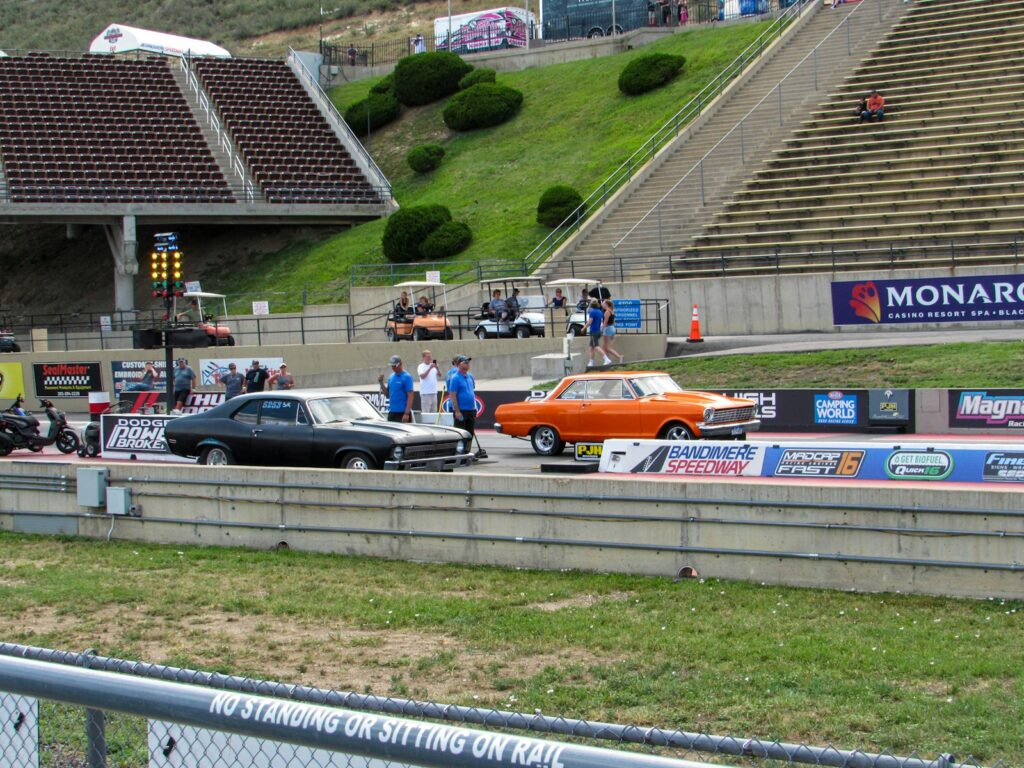
The Chevy Z11 soon became a formidable presence in Super Stock drag racing, and it was able to showcase impressive results in drag racing competition against other factory-supported cars. The package was used by competent drivers of the day to challenge the limits of full-size drag racing, establishing new standards, and often beating other manufacturers in the quarter-mile strip.
Track Performance Strengths:
- Domination of Super Stock drag racing
- Racing was supported at the factory
- Regular quarter mile performance
- Well-established driver confidence network
- Setting race results on a benchmark
Racers liked the Z11 because of its unique ability to provide high-output power, less weight, and reliable mechanical engineering. The Z11 could repeat the results as the conditions were demanding in the race run unlike many of the highly tuned race builds which were prone to inconsistency and this was an extremely important factor in the competitive racing scene where being fast was as important as being reliable.
The solid track record contributed to the strengthening of the Chevrolet image of a serious and committed player in factory-sponsored drag racing programs. The Z11 was a successful car and contributed to the development of the performance strategies in the future, as these companies developed how they would pursue purpose-built racing packages in the following years.
9. Regulations and Sudden Disappearance
The Chevrolet Z11 was really successful as a factory-built lightweight drag special. This caught the attention of racing authorities. They started to take a look at the Chevrolet Z11 and other cars like it by the mid-1960s. Racing authorities began to make new rules to limit the specialized factory-produced performance packages. These rules were especially for Super Stock and drag racing categories.
Regulatory Impact Factors:
- Mid 1960s racing rule changes
- Restrictions on factory specials like the Chevrolet Z11
- Reduced eligibility in classes for the Chevrolet Z11
- Shift in motorsport regulations
- Impact on performance programs like the Chevrolet Z11
These new rules made it hard for the Chevrolet Z11 to stay competitive. The rules were. The Chevrolet Z11 did not fit into the new classes. Chevrolet and other manufacturers had to think of an approach. They moved away from making factory drag packages like the Chevrolet Z11. Instead they focused on making performance and motorsport strategies that followed the rules.
The Chevrolet Z11 was only competitive, for a time. Its production and racing days were quickly. This is why the Chevrolet Z11 is so rare today. Looking back the short time the Chevrolet Z11 was around makes it more special. The Chevrolet Z11 is one of the iconic and hard to find factory drag racing packages of its time. The Chevrolet Z11 is still remembered as a car.
10. Collector Status and Lasting Legacy
Today, the 1963 Chevrolet Impala Z11 is regarded as one of the rarest and most valuable factory-built performance cars ever produced by Chevrolet. Its extremely limited production numbers, combined with its strong drag racing pedigree, have made it a highly sought-after piece of American motorsport history among collectors and enthusiasts.
Legacy Highlights:
- Rare performance package from the factory
- Valuable collector car
- Strong racing history in Super Stock
- Rarely shown in collections
- Important part of drag racing history
You do not often see these cars outside of collections, museums or big car events. When they do appear in public they get a lot of attention because they are so rare and important to the history of drag racing. The Z11 is more than a collectible muscle car. It represents a moment, in the early days of American drag racing. It shows a time when car makers were trying to make their cars go faster and faster. The Z11 still gets respect today as an example of a car built for racing. The Chevrolet Impala Z11 is a car. The 1963 Chevrolet Impala Z11 has a lasting legacy.