


Ford vs. Tesla: The Battle for the American Electric Truck
The American auto industry is entering a pivotal era marked by rapid changes and a new type of rivalry. There are very few examples that demonstrate the confrontation of two powerful brands as clearly as Ford Motor Company and Tesla, Inc.. Although this conflict can be described as two companies launching electric trucks, there are much deeper underlying issues at stake. The appearance of a completely new segment in the market raises the questions of familiarity and innovative approach in car manufacturing. The electric pickup category seems to become an area where identity is as important as performance.
The center of the current rivalry is the competition between the Ford F-150 Lightning and the Tesla Cyber truck. It appears that these cars represent two distinct approaches towards manufacturing trucks that reflect different identities of both manufacturers and the preferences of consumers. One company continues to build upon its rich traditions and produces well-known models with familiar design. The other tries to challenge everything that has been seen previously and launches a completely new product that looks like no truck on the market.
These contrasting opinions are supported by a number of discussions involving statements from representatives of both firms, comments from customers, and various analyses that provide additional information and perspectives. This is more than just a question of horse-power or towing capability because there is much more behind the rivalry that determines what consumers want from their trucks now. Both manufacturers and customers face the need to choose between familiarity and innovation in order to find the right direction for the future.
1. A Clash of Identity and Philosophy
It appears that the competition between Ford Motor Company and Tesla, Inc. can be easily described as the confrontation of two opposing approaches to creating modern trucks. While Ford continues to follow the path of reliability and practical use, Tesla is focused on disrupting everything that has been done previously and introducing an innovative concept into truck manufacturing. These two different philosophies are important now because electric cars require new approaches and new technologies.
Identity Core:
- Tradition versus disruptive innovation approach
- Reliability and practicality focus
- Redefining modern truck expectations
- Familiar design against bold change
- Buyer preference shapes brand identity
The approaches adopted by the rivals seem to differ dramatically. While Ford tries to keep things as familiar as possible to customers, Tesla wants to introduce something radically new and challenge previous beliefs. This contradiction is interesting in the context of the current situation because electric vehicles force carmakers to change their strategies and adopt a completely new philosophy. These differences in approaches to car production significantly influence consumer perceptions.
The preferences of buyers play a major role because they shape the identity of both firms. It seems that some people prefer a well-known manufacturer and buy products made by companies that have proven themselves in car manufacturing. Other consumers want something new that challenges previous concepts and forces manufacturers to rethink their approaches. Therefore, the rivalry between the two firms involves more than just competition; it represents changing consumer preferences.
2. Ford’s Appeal to the Traditional Buyer
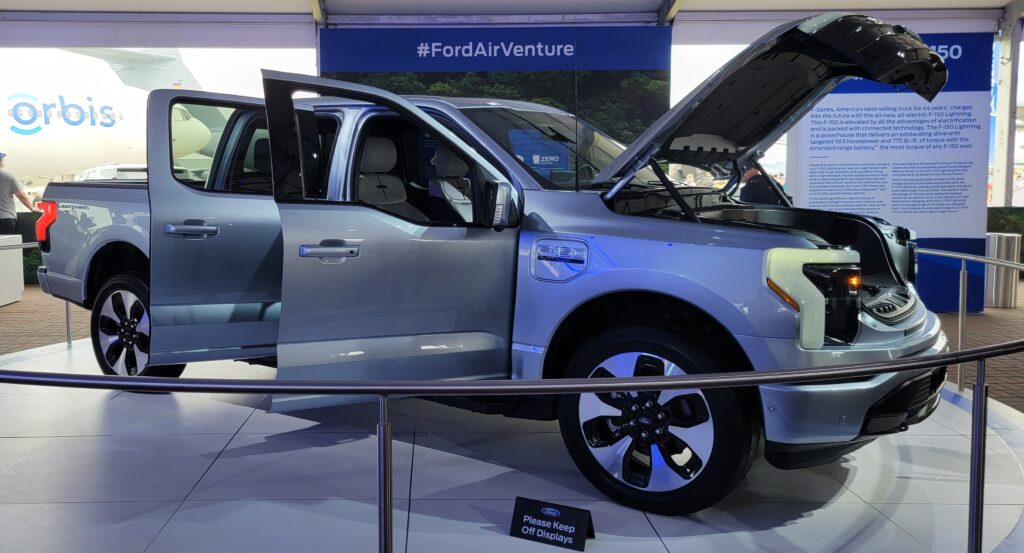
One of the key aspects of Ford Motor Company that distinguishes this firm from its rivals and competitors is the ability to produce dependable and hard-working trucks that appeal to traditional buyers. With the introduction of the Ford F-150 Lightning, the company manages to preserve its identity and add some innovation. The appearance of the truck does not surprise people familiar with previous models, and buyers can find something familiar in it. This feature helps the firm retain its identity in a changing market.
Company Strengths:
- Strong legacy of dependable vehicles
- Familiar design builds customer trust
- Smooth transition to electric technology
- Retains traditional pickup experience
- Appeals to loyal existing buyers
It seems that the choice of a design makes the transition to modern electric cars smoother and helps the company attract potential customers. While buyers who do not have experience with Ford trucks can try them without concerns, traditional owners can see the resemblance to familiar designs. At the same time, the company can slowly introduce innovations into its products to make them appeal to a larger audience in the future.
This approach to design helps establish trust between consumers and the company. People can buy a truck that looks familiar and reliable without hesitation. Gradual innovations increase consumer loyalty, thus reinforcing Ford’s identity and allowing the company to remain popular with customers.
3. Tesla’s Radical Reinvention
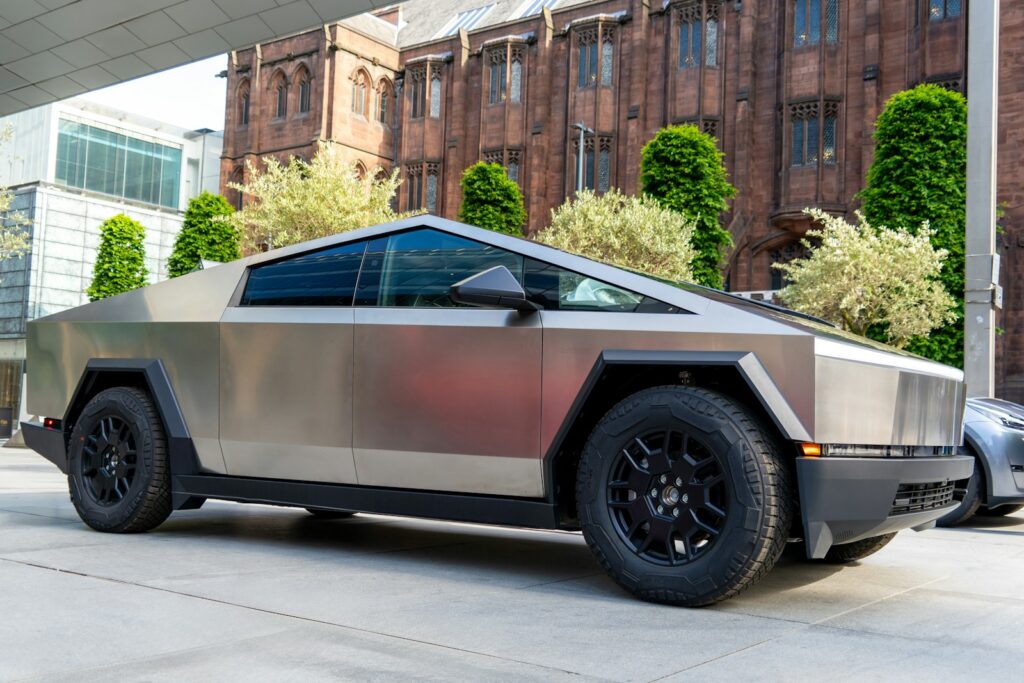
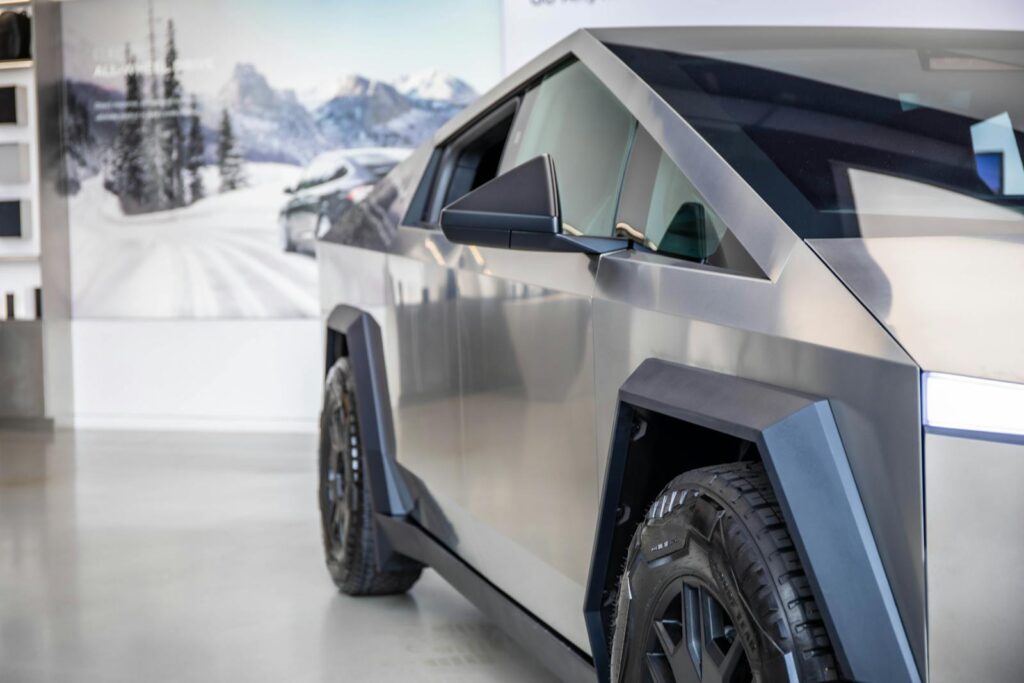
Tesla, Inc. follows a completely different philosophy of introducing new innovations into the market, which explains the unusual design of its cars, including the Tesla Cybertruck. Sharp angles and an unusual shape, stainless steel body, and other features of this truck allow it to stand out from similar cars. This unique design reveals an experimental attitude of the firm towards manufacturing vehicles and helps reinforce its identity in the market.
Innovative Features:
- Bold futuristic design approach
- Stainless steel body construction
- Breaks traditional truck design norms
- Focus on innovation and individuality
- Unconventional styling sparks debate
These elements contribute to the formation of Tesla’s image and reinforce its identity. It seems that the firm wants to disrupt the established way of thinking about cars and introduce a completely new idea. Tesla appears to be more focused on innovating and experimenting rather than preserving familiar traditions. This approach distinguishes the firm from its competitors and establishes its unique image in the market.
The unusual design of the Tesla Cybertruck attracts the attention of buyers and causes heated debates about its advantages and disadvantages. Many people believe that this truck cannot replace conventional designs; however, the others see in it a chance to change and evolve.

4. Branding Through Bold Statements
Many opinions were formed thanks to the statements of representatives of Ford Motor Company and Tesla, Inc. about their products. The messages released by Jim Farley can serve as examples of how different brands communicate with customers, what ideas they want to convey, and how they form their identity. According to the statement, buyers are offered a tool for practical use and daily tasks that can be applied in the modern world. It seems that this message creates the necessary contrast to Tesla’s futuristic idea.
Communication Insights:
- Leadership statements shape brand perception
- Practicality versus futuristic messaging contrast
- Targeting different customer mindsets
- Reinforcing identity through communication
- Branding extends beyond product features
The statements made by the representatives of these firms can help reinforce their identity and differentiate them from competitors. On one hand, the words used to describe products help emphasize their uniqueness and special features. On the other hand, they create the impression of a brand in the minds of buyers. Therefore, this aspect of promotion cannot be overlooked.
Ford appears to offer cars that can solve real-world problems and appeal to customers because they are practical. It means that the company addresses traditional truck buyers. In contrast, Tesla wants to offer something that cannot be found in other trucks. This company focuses on attracting the buyers who prefer innovations and futuristic designs.
5. Early Market Advantage
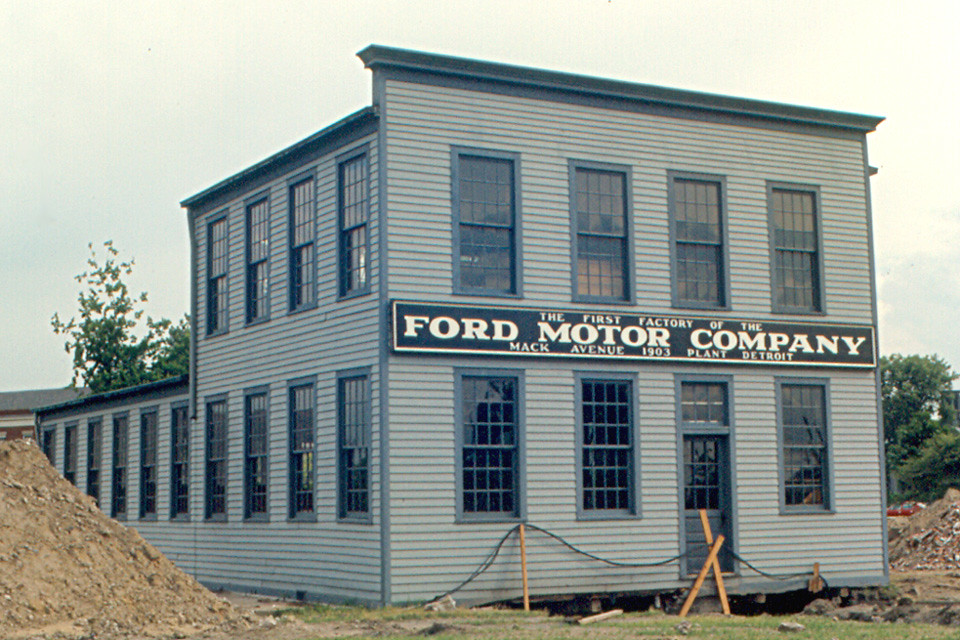
An important advantage enjoyed by Ford Motor Company in terms of its rivalry with Tesla, Inc. is the early entrance into the electric truck segment. With the arrival of its electric F-150 Lightning, the company has managed to gather the necessary experience and learn the customers’ requirements. As a result, the vehicle is ready to enter the market, which helps the company start preparing necessary systems of charging, services, and support.
Key Advantages:
- Earlier market entry and preparation
- Gathering real customer feedback
- Less concern about innovations
- Having production-ready product
- Early market recognition
This early move allowed Ford to gain a significant advantage over the company’s competitors. Thanks to the availability of the Ford F-150 Lightning earlier than similar electric trucks, the company had enough time to prepare the market for its product. Thus, buyers could test this truck and make suggestions to Ford regarding the future improvements.
Although such an early move cannot secure its place in the market, it allows Ford to build an image and establish itself in the market. It can be noted that the company has an opportunity to influence other players.
6. Design Strategy: Evolution vs. Disruption
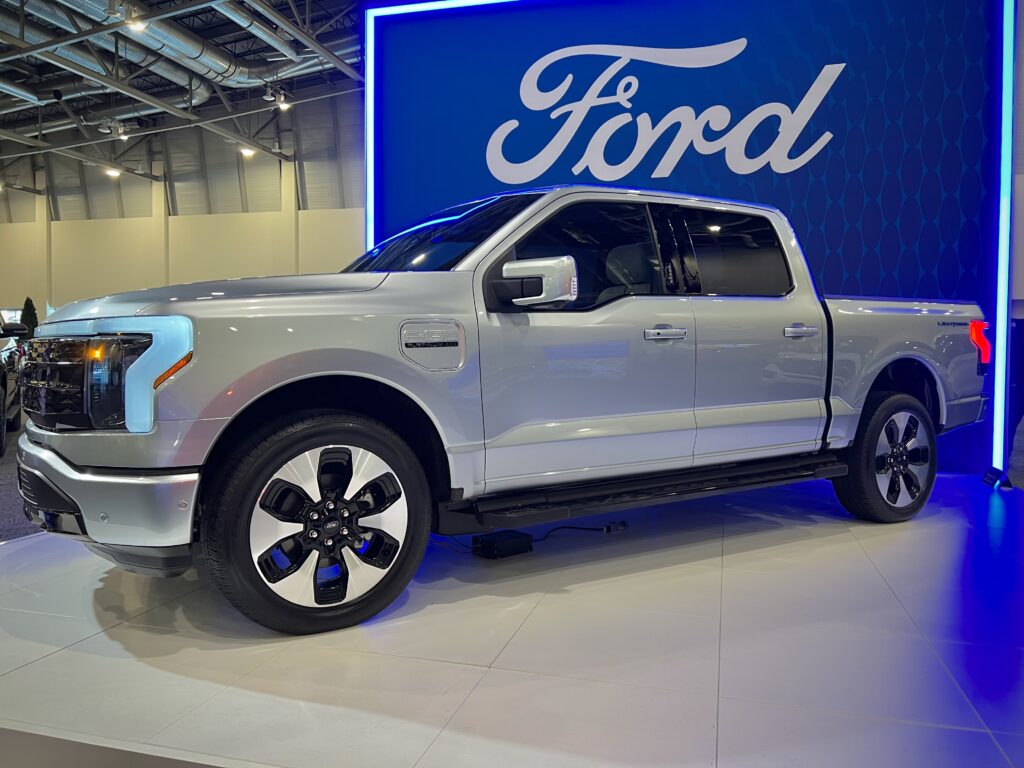
The contrast in the designs of the Ford F-150 Lightning and the Tesla Cybertruck can reveal two fundamentally different design strategies of two powerful companies that operate in the same segment. One of the representatives of the rivalry tries to preserve its rich traditions by designing its new vehicles in accordance with familiar design principles. In its turn, Tesla breaks away from conventional design approaches and introduces a radically new design.
Key Takeaways:
- Traditional design versus futuristic styling
- Evolution approach maintains brand continuity
- Disruption creates bold visual identity
- Familiarity builds trust among buyers
- Innovation attracts attention and curiosity
Both approaches can have their merits in the competitive market. However, buyers have two different choices now. They either have a chance to get a familiar product or try something new. The former helps to strengthen the identity and reputation in the market; the latter creates the necessary buzz around new products and attracts customers interested in innovations. Therefore, design choices are critical in the competitive environment.

7. Performance and Capability Debate
The competition between Ford Motor Company and Tesla, Inc. in the electric truck segment involves performance and capability, which are crucial for truck buyers. For example, traditional truck customers care about towing strength, durability, and off-road capability of the selected car. As one of the biggest truck producers in the country, Ford can rely on the experience gained during years spent in this business and make corresponding claims regarding the performance of its truck.
Performance Parameters:
- Towing strength remains key factor
- Durability important for truck buyers
- Off-road capability influences decisions
- Ford relies on proven history
- Performance expectations continue evolving
However, Tesla has decided to challenge these expectations and introduce the truck designed and engineered in its own manner. The Tesla Cybertruck has faced numerous doubts and skepticism. Nevertheless, further tests prove that this truck is capable of performing its functions well. It appears that buyers should look for new performance parameters when buying this truck. As a result, the competition reveals changing trends in the market related to electric trucks and buyer preferences.

8. Pricing and Value Considerations
When discussing the rivalry between Ford Motor Company and Tesla, Inc., the issue of prices deserves special attention since this factor is crucial for consumers. Currently, there are estimations suggesting that the upcoming model of Tesla would be priced in a competitive manner. More precisely, buyers would be able to purchase cheaper models than similar products from Ford. As a result, buyers face different prices but the same value offered to them by both manufacturers.
Pricing Issues:
- Pricing strongly influences buyer decisions
- Competitive positioning across vehicle variants
- Value extends beyond purchase cost
- Ownership costs affect long term value
- Different strategies target different buyers
In addition to pricing, the issue of overall value is another topic that can influence customers. This term refers to the total price paid by buyers and the value that they acquire as the result of this investment. Buyers should consider a variety of factors and think whether they can receive maximum benefits from purchasing a particular truck. As a result, the issue of overall value is also worth considering in the discussion.
Different strategies and approaches towards pricing can attract different customers. Ford tries to offer its buyers a well-known name and guarantees of quality provided by the company. In its turn, Tesla focuses on efficiency and simplicity of usage. Thus, these two philosophies address different audiences.
9. Unexpected Collaboration
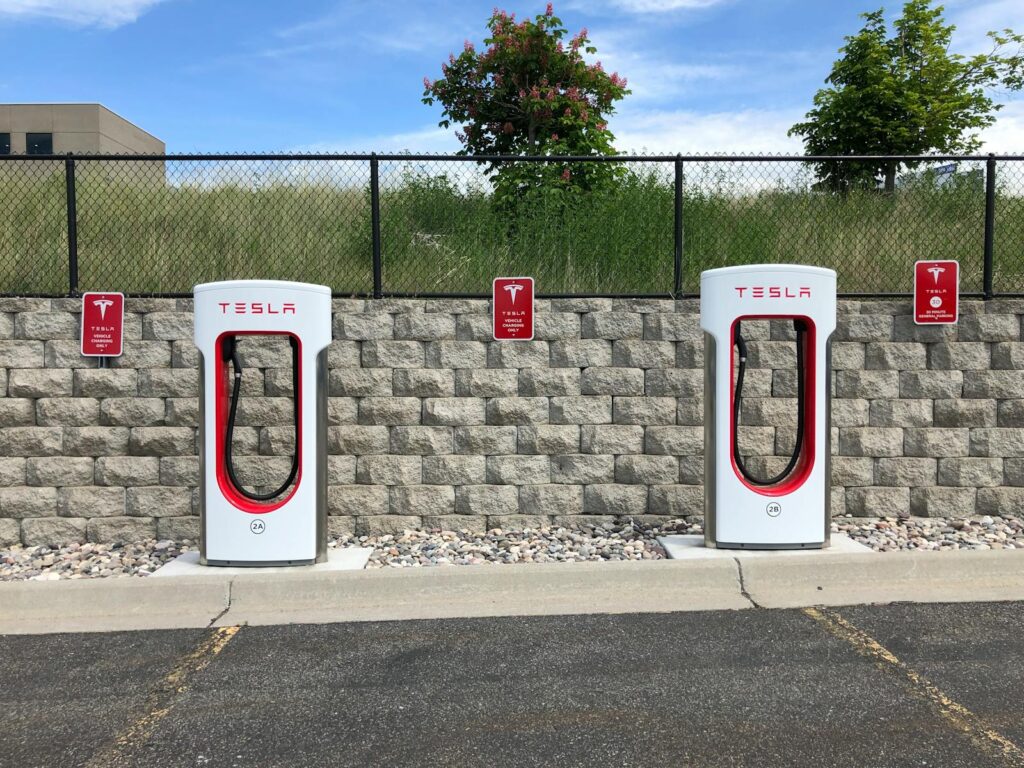
Interestingly, although the rivalry between Ford Motor Company and Tesla, Inc. is rather fierce, there exists the area where these two powerful firms can cooperate. It is possible to speak about a surprising move made by Ford, which decided to adopt Tesla’s charging standard to improve customer experience. Such an unexpected collaboration can reveal that, under certain circumstances, it can be advantageous to cooperate rather than compete.
Cooperation Insights:
- Competition and cooperation coexist together
- Shared charging infrastructure improves access
- Focus on better customer experience
- Strategic decision beyond brand rivalry
- Strengthens overall electric vehicle ecosystem
Such moves allow both companies to expand the infrastructure and increase demand for their products. Moreover, it is possible to conclude that Ford can find some common ground with its rival and cooperate even if they compete. The collaboration is expected to bring positive results in terms of improving overall customer experience in using electric vehicles.
10. The Future of the Electric Truck Market
The competition between Ford Motor Company and Tesla, Inc. is actively shaping the future of the entire segment in the modern market. The rivalry encourages innovations and the search for ways to produce a better product. Buyers gain a choice of new and unique trucks that will help to diversify this segment in the near future. As a result, the future looks bright with lots of opportunities for customers and manufacturers alike.
Future Prospects:
- Competition drives innovation and progress
- Expands choices for modern consumers
- Different philosophies attract varied buyers
- Market growth through strong rivalry
- Technology shapes future truck development
It is highly unlikely that the future of the market will involve one dominant player since Ford and Tesla can compete and attract customers with their products. However, the rivalry can contribute to the overall growth of this segment. Consumers will choose trucks depending on their preferences, and both firms will attract customers willing to try their trucks.