

The King Cobra: Ford’s Secret NASCAR Weapon That Never Fought
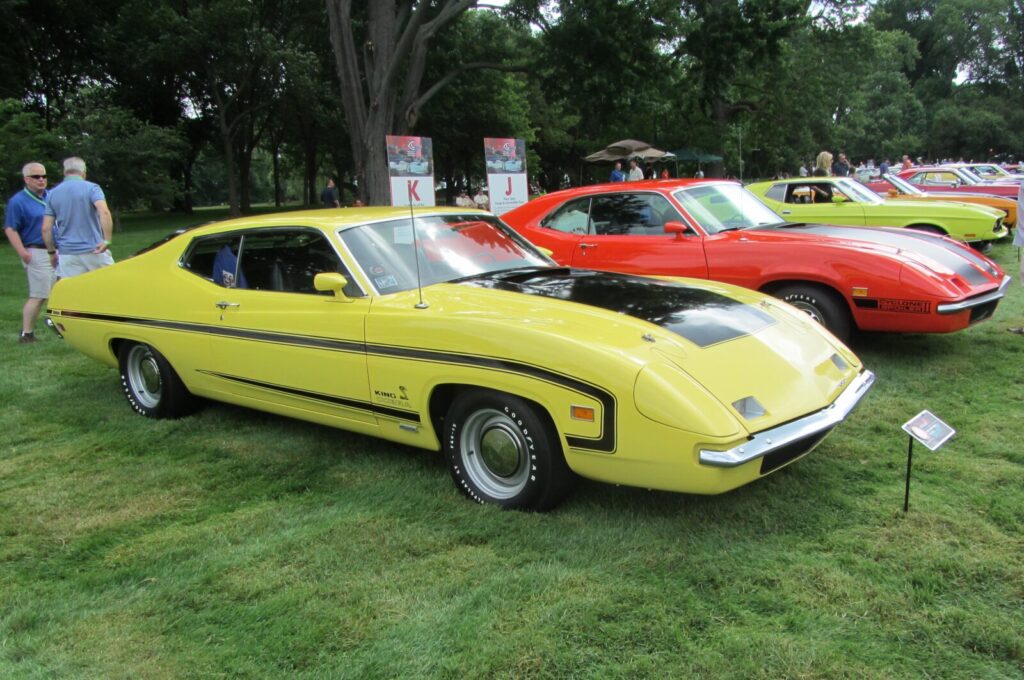
There are so many interesting cars in motorsport history that are not remembered for wins, but for not being able to win. The ’70 Ford Torino King Cobra is among the few that fall into that category. The King Cobra was constructed during NASCAR’s so-called “Aero Wars,” when Ford was looking to gain a competitive edge on high-speed superspeedways. It featured a dramatic nose, race-car engineering and a potent 429 V8 that was one of Ford’s boldest projects ever.
But the King Cobra wasn’t in a NASCAR race! It was halted before it ever hit the track, with only a handful of prototypes left and a question only Ford could have answered: what might have this car accomplished had Ford finished its plan? The King Cobra is now remembered as one of the greatest “what-ifs” in the American car-business legacy.
1. NASCAR’s Aerodynamic Battle
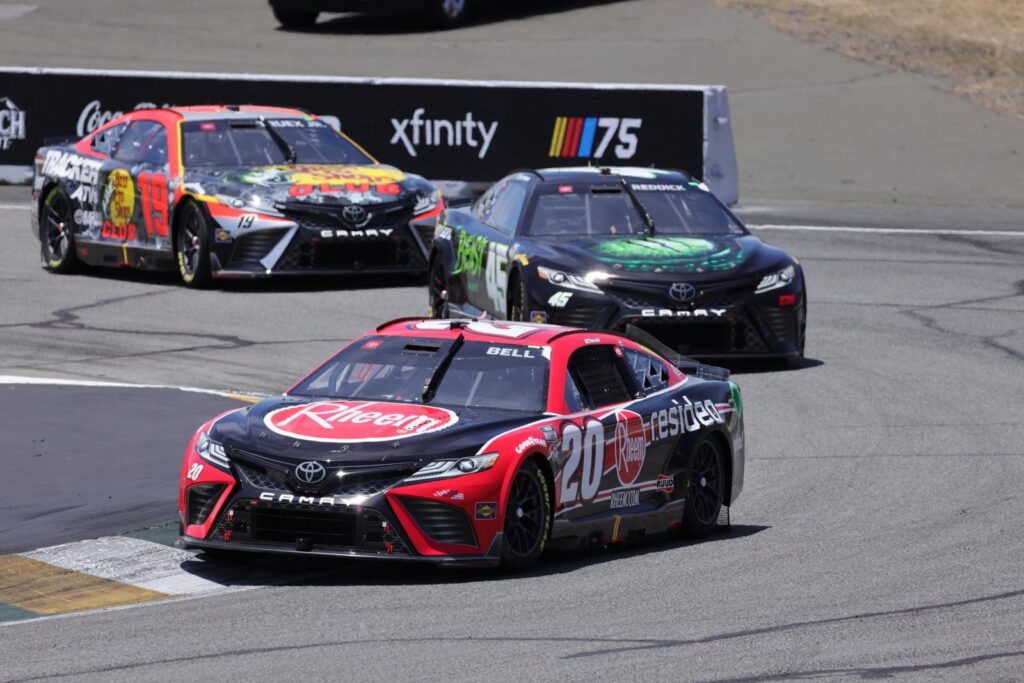
In the late 1960’s NASCAR kind of turned into a proving ground for aerodynamics guys looking for an edge in performance. It was necessary to overcome the drag of air at higher speeds and greater stability on superspeedways such as Talladega and Daytona. The auto industry spent a lot of money working on solutions that would beat the competition on the racetrack. This was a very competitive race that changed NASCAR into a design and horsepower race. Soon, Ford and Chrysler were emerging as top rivals in this sleek competition.
Key Aerodynamics Facts:
- Focus shifted toward aerodynamics
- High-speed tracks demanded efficiency
- Ford introduced aerodynamic improvements
- Chrysler answered with radical designs
- Engineering matched horsepower importance
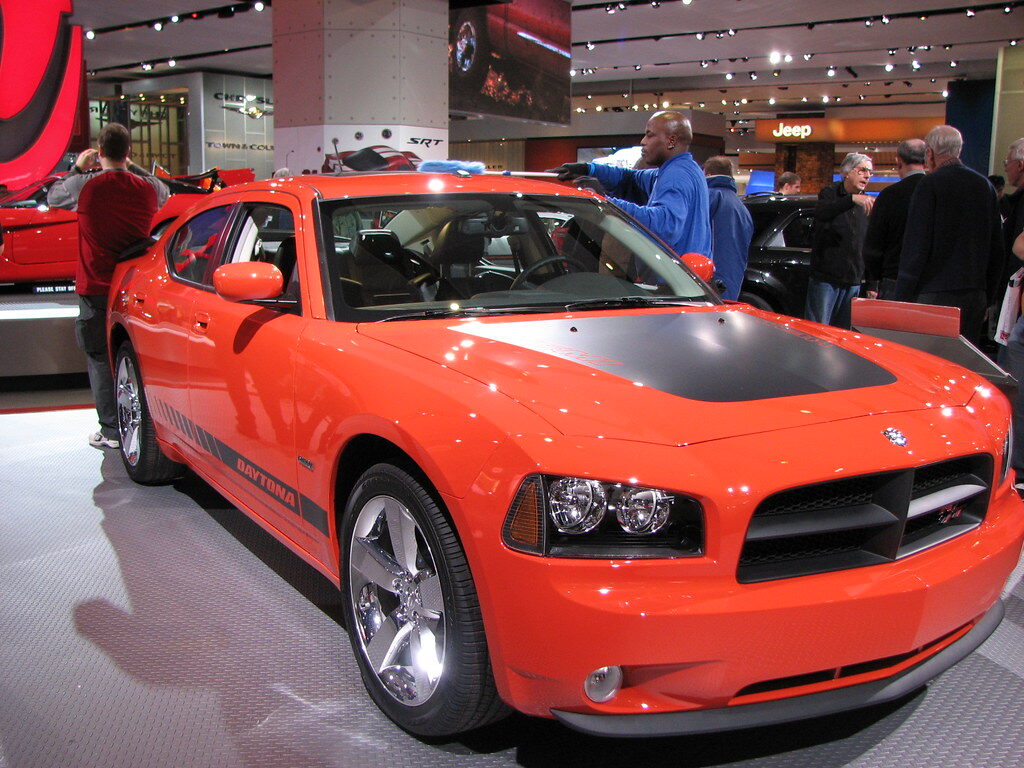
The Ford’s 1969 Torino Talladega showed the way in which aerodynamics can help the vehicle perform well in the race, which led to more innovations. Chrysler countered with the Dodge Charger Daytona and Plymouth Superbird, with their nose cones and high tail fins being utterly bizarre in their approach to speed. NASCAR’s most memorable engineering battle was just beginning as manufacturers further developed their designs. As aerodynamics grew in importance, race car development changed and paved the way for Ford’s big new King Cobra project.
2. Ford Develops the King Cobra
The King Cobra was a response by Ford to the increasing aerodynamic competition in NASCAR. The prototype was constructed on the new 1970s Torino body to create substantial exterior design modifications for high speed performance. The engineers focused on minimizing the amount of drag on the vehicle, yet keeping as much air flowing through it as possible. The result was a race-oriented design that was quite different from a normal production Torino. All of the significant changes in style were rooted in functional and utilitarian aspects of the performance.
King Cobra Development:
- Based on 1970 Torino
- Aerodynamic improvements prioritized
- Redesigned racing-focused front end
- Distinctive prototype appearance created
- Performance remained primary objective
The King Cobra had a pointed nose, undercut headlights and a huge lower grille to increase airflow. This is a testament to Ford’s efforts to build a NASCAR competitor that can challenge the other manufacturers. The King Cobra was based on a racing efficiency and not on every-day usability. This aggressive design set a trend for innovation during NASCAR’s era of fanciful aerodynamics.
3. A Radical Front-End Design
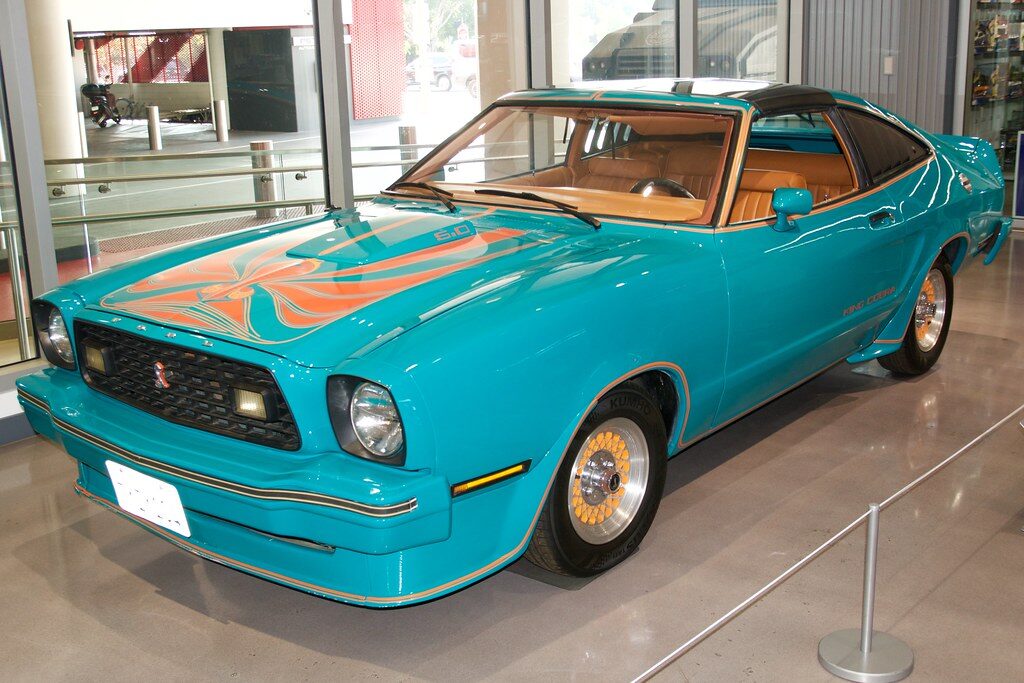
The King Cobra’s most distinguishing characteristic was the front end of its body, which was elongated slightly for better aerodynamics. The nose was redesigned to minimize drag at NASCAR superspeedway speeds and to maximize stability. All aspects emphasized in the front section entailed a problem solving approach to the airflow aspect of the design and not just the look of it. The prototype demonstrated Ford’s willingness to try out new ideas in racecar design. It was designed to be functional and aesthetically pleasing.
Front-End Innovations:
- Long pointed aerodynamic nose
- The overall air resistance is reduced
- The racing headlight covers have been pre-arranged
- Improved airflow management
- These were stability as the objective remained unchanged
Ford planned to close the headlight openings with covers for the competition, to make the airflow smoother. These changes proved to be significant gains in performance and showed the value of subtle changes such as those in aerodynamics at race speeds. King Cobra’s front end styling is unusual but was engineered. The prototype was Ford’s attempt at getting all the possible benefits of aerodynamics in NASCAR.
4. Power From Ford’s 429 V8
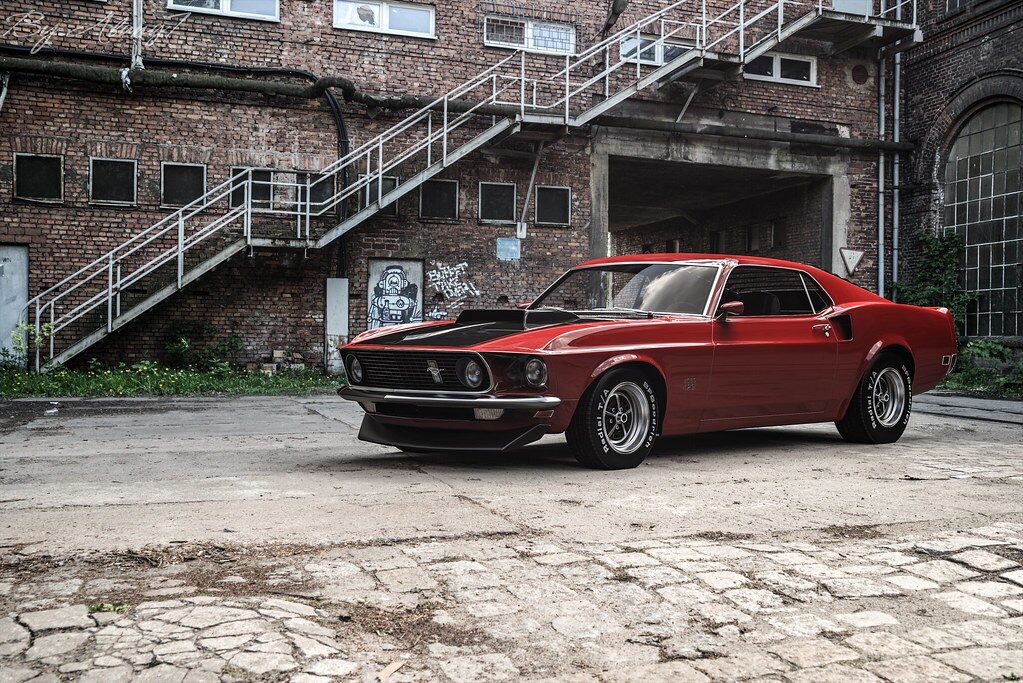
Ford combined the King Cobra’s cutting-edge aerodynamics with multiple variants of its potent 429cid V8 engine. There were also high performance versions such as the Boss 429, 429 Super Cobra Jet and the 429 Cobra Jet, which all had strong links to Ford’s racing program. These engines with a body designed for aerodynamics gave the potential for outstanding super speedway performance. The project demonstrated the era of special purpose vehicles being constructed for NASCAR racing. The King Cobra’s performance continued to be a key focus.
Powertrain Features:
- Powerful 429 V8 options
- Boss 429 racing heritage
- High-performance engine lineup
- Engine power was complemented by aerodynamics
- Constructed for high speed racing at speedways
The Boss 429 was already built with a reputation for cutting edge engineering and performance. The King Cobra’s sleek body may have made it a strong NASCAR contender coupled to this engine. As part of the plan to build a serious racecar, Ford chose the engines. The King Cobra’s performance was designed around its potent power combined with its aerodynamic efficiency.
5. The Challenge of NASCAR Homologation
The NASCAR rules stipulated that in order for race cars to race, a certain number of vehicles must be made for the streets. Ford wanted to be able to produce what was already being produced, but NASCAR raised the bar on how much it could produce. This change in the rule restricted the amount of money that could be invested to the King Cobra moving into production. The expense of the project continued to escalate and the project was getting less and less desirable. The program had one of its biggest challenges in the homologation process.
Production Rule Changes:
- NASCAR production rules changed
- Required production increased significantly
- Costs rose dramatically
- Large investment became necessary
- Project feasibility declined
It would have taken a lot of man power, time and money to create thousands of specialized models of King Cobra. Ford knew that he had to weigh the benefits of racing with mass production. The implementation of the additional homologation requirement made the project less feasible to implement. This was a competitive NASCAR series, but eventually it was proving to be too costly to sustain given the new regulations.
6. NASCAR Rules Begin to Change
Aerodynamic race cars got even more crazy, and NASCAR started adding new rules to regulate car speed and enhance safety. The rule changes took away the competitive edge specially held by highly specialised aerodynamic designs. This change had a direct impact on the projects such as the King Cobra, which had been designed specifically for the Aero Wars. It was born, and soon the competitive atmosphere was gone. The future value of the project was significantly decreased by these changes.
Rule Change Highlights:
- Safety concerns increased
- Aerodynamic advantages reduced
- Racing regulations tightened
- Aero Wars were starting to come to an end
- Specialized projects affected
NASCAR’s new rules ushered in a new day of competition. Aerodynamics, which had been an ever-changing element in the sport, was no longer going to dominate the sport of superspeedway racing. The rules were changing and Ford’s stake in the King Cobra grew increasingly unfruitful. With the terrain shifting in the way it did, it was hard to see how another new aerodynamic race car could reign supreme.
7. Changes Inside Ford
Ford’s cancellation of the King Cobra was also due to internal changes within the company. Senior management re-thought the priorities of racing and examined budgets and future investments. The project needed more and more financial backing, which began to be difficult. This, along with NASCAR rule changes, dampened the desire for further development. The program was eventually discontinued, because of several reasons before production could start.
Internal Company Changes:
- Leadership priorities shifted
- Racing budgets reviewed
- Financial concerns increased
- Development support declined
- Project eventually canceled
A single problem isn’t the reason Ford made its decision, rather it’s a combination of problems happening simultaneously. All of these factors added up to the end result. While the King Cobra initially had a lot of potential, the circumstances changed and further development was not possible. The prototype never became a complete product although its intentions were great.
8. A NASCAR Gun that Never Made It to the Track
The King Cobra is a very special NASCAR car, as designed for racing but never raced. The potential of its real performance has not yet been seen after it has not been officially raced. No other car in the history of NASCAR racing ever tested the Dodge Charger Daytona or Plymouth Superbird in competition. This means that it is not a name associated with racing per se, but rather engineering goals. This is a puzzle that still interests fans.
Unfinished Racing Story:
- Had never raced in NASCAR
- Potential remained unproven
- There are no official race results
- Engineering showed promise
- Legacy planted on possibility
It is hard to assess the King Cobra if it does not have any records or wins in a race. All we can say for sure is that we have no idea how it would have fared in comparison to its aerodynamically competing opponents. The uncompleted story is one of the most interesting aspects of the project. The King Cobra was an incredible “what if” in NASCAR history.
9. Only a Few Prototypes Survived
Ford made a handful of prototypes of the King Cobra, before the program was cancelled. Historical sources tend to agree that there are 2 or 3 remaining examples, but there are discrepancies in detail. Due to the project not being produced in full, these prototypes are extremely rare. They give us interesting clues as to Ford’s last experiment in NASCAR aerodynamics. Today they continue to be highly sought after by collectors and historians.
Key Prototype Highlights:
- Very limited production numbers
- Only prototypes survived
- Rare historical significance
- Has never been in public production
- Valuable collector interest
No other aerodynamic NASCAR legends ever made it to dealerships as the King Cobra was to remain a strictly experimental vehicle. It is a limited production item and each surviving example is of great significance to automotive history. These unusual prototypes document the final battle of NASCAR’s Aero Wars. They remain as memories of an ambitious project which never progressed beyond the developmental stage.
10. The King Cobra’s Lasting Legacy
In the end, even though the King Cobra never made it onto the NASCAR circuit, it is one of the most intriguing motorsport ventures by Ford. It was an era of bold innovation, with its advanced aerodynamics, powerful engine options, and racing-focused engineering. The prototype illustrated the extent to which manufacturers were willing to go to achieve competitive advantage through technology. Despite the fact that the King Cobra hasn’t enjoyed success on the race track, it remains a popular subject for the imagination of fans and collectors. It’s an unfinished trip that has become part of automotive history.
Legacy Highlights:
- Symbol of innovation
- Advanced aerodynamic engineering showcased
- Powerful performance potential remained
- Collectors continue admiring prototypes
- Historic “what-if” automotive icon
The King Cobra has made it clear that motorsport history isn’t just about winning. A few cars rise to legendary status due to their engineering aspirations, distinctive design, and unfulfilled potential. The King Cobra is one of Ford’s most memorable experimental race cars today. It did not race or run in production, but it still has a story that is waiting to be completed, and its daring idea and unfulfilled history will endure in NASCAR and automotive history.