Why a Used 25K Electric Vehicle Makes More Sense Than a New Gas Car

Buying a new car is getting pretty costly, with average new-vehicle transaction prices topping $50,000 in late 2025. For consumers on a budget, the used-car market is a better option, and as more electric vehicles (EVs) roll into the market, many can be found at a much better value than new models. For $25,000, consumers can shop for new EVs with incredible range, feature-packed technology, and some useful warranty coverage without the added cost of buying new. Instead of paying more for a new gas-powered vehicle, shoppers can discover pre-owned electric vehicles that are useful and practical.
From the Hyundai Ioniq 5 and Kia EV6 to the Chevrolet Equinox EV, Ford Mustang Mach-E, Volkswagen ID.4 and Tesla Model 3, there are plenty of electric vehicles that stack up to useful features at prices that are easy to find on the used market. Many are well over 250 miles of driving range, and some get closer to 300 miles on a single charge. They can also easily charge at home, so you don’t have to make additional stops at the gas station. Still, it’s important to weigh factors like battery health, history and warranty coverage before buying a used electric vehicle.
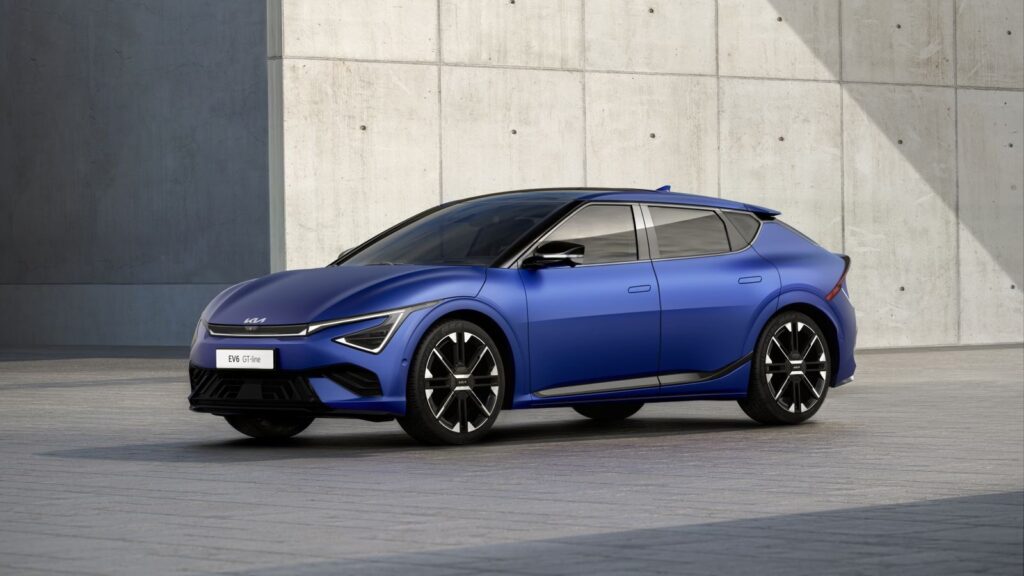
1. Why Used Cars Offer Better Value Than New Vehicles
Despite new car launches grabbing most of the automotive news, Americans purchase around 2.5x more used vehicles annually than new, and it’s not just because of us being cheap. The average new-vehicle transaction price in late 2025 was over $50,000, and buying a new vehicle is an expensive investment. But there are other financial advantages to purchasing a used vehicle rather than buying new, namely that it stretches the budget quite a bit farther while enabling buyers to maintain modern transportation without a new-car showroom premium. And that’s true even with electric vehicles; the used market for EVs has blossomed over the past handful of years, allowing car shoppers to easily buy much lower-mileage models with impressive range, modern features, and everyday usability for a fraction of the new-car sticker price.
Key Advantages of Buying Used:
- Lower purchase prices protect budgets
- More choices across vehicle segments
- Reduced financial pressure on buyers
- Modern technology at affordable prices
- Better opportunities for value-conscious shoppers
The secondary market has become particularly interesting now because cost is less of a concern when buyers don’t have to make as many sacrifices on either a vehicle’s age or all the advanced features that come with high-tech ICE cars. While it’s a sure bet that models like new EVs will be plentiful, the more electrified options now include used cars at comparatively modest prices, making it easier to get the latest electronic technology without spending a fortune. Instead of fixating solely on new-car unveils, consumers can shop the used markets for alternatives that show off this updated technology while providing convenient, fuss-free driving. As more affordable electric cars gradually trickle down from the new market, it’s easier than ever to find a perfect fit with affordable used EVs and save a bundle compared to the $50,000+ new ICE models.
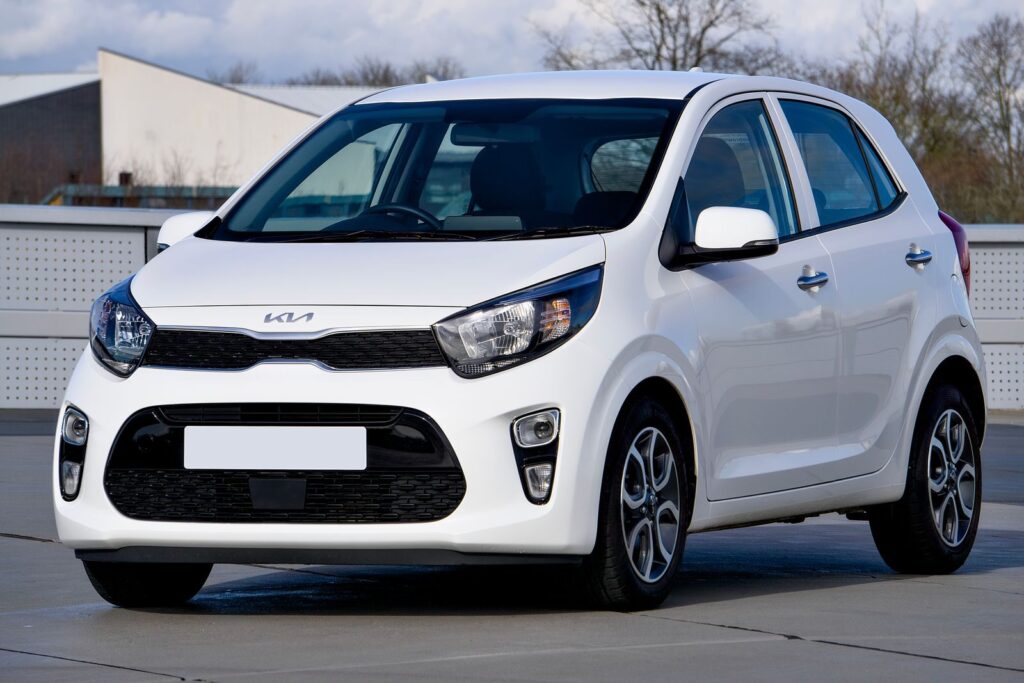
2. Why the $25,000 Budget Is an Electric Vehicle Sweet Spot
If you do go for the EV with a lower budget, a used vehicle of less than $25,000 still offers a solid range that is not overly compromised for a daily driver. For this kind of cash, there will be quite a range to choose from in a lot of cases for the mid to top of the line models at less than 30,000 miles on the clock. It is also important to point out that this is still getting close to 300 miles of range per charge in quite a lot of cases. It is also worth noting that due to the many of these models still covering bumper to bumper as well as a minimum of 8-10 years or 100,000 miles for the battery that many of them still have some of the original factory warranty remaining on the bumper to bumper part of things.
What Makes This Price Range Attractive:
- Purchase prices stay below $25,000
- Many examples have under 30,000 miles
- Driving range approaches 300 miles
- Mid-grade trims offer useful features
- Battery warranties may remain active
However, the benefits of this price range aren’t limited to the actual purchase. Consumers may be able to find a modern vehicle with a solid driving range and relatively low number of previous owners with less depreciation than a new one. For buyers shopping used electric vehicles against new gasoline-powered vehicles, these factors can make the financial sacrifice well worth it. There’s also the benefit of warranty coverage, which depends on the age and mileage of the vehicle and can provide coverage for most or all of the high-voltage battery depending on the vehicle, but should be verified before buying. When the variation in price is taken into account along with mileage and warranty coverage, consumers can get a good deal for less than $25,000 that still meets their everyday needs.
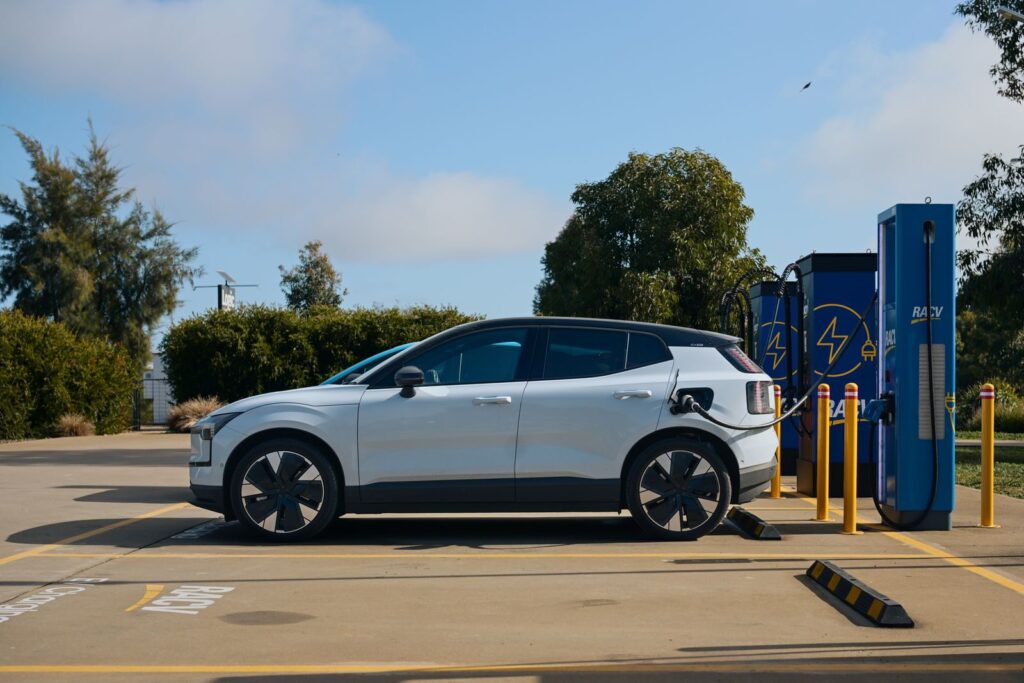
3. Home Charging Makes Everyday Driving More Convenient
Strain less on your daily commute. For most drivers, the need to visit a gas station frequently is a common daily exercise in anticipation and planning. Many used EV owners experience none of that, because they can simply plug-in their car overnight and wake up each morning with a full battery that is ready to go out the door on. This isn’t just very convenient, but potentially minimizes the need to make an extra trip to the station, which can also be a time saver as well as a money saver, especially when the financial benefits of buying used EV outweigh those of buying used ICE.
Everyday Benefits of Charging at Home:
- Start mornings with a charged battery
- Avoid frequent gasoline station visits
- Make charging part of daily routines
- Reduce spending on traditional fuel
- Simplify regular commuting arrangements
This type of easy charging flexibility can influence how often a driver has to visit the gas station. For owners, there is less need to visit their local fuel pump and adjust their daily routine by trying to fit in a trip when their vehicle is already parked at their house. That may ease daily tasks significantly for drivers with a vehicle capable of limiting their needs to their available range. The consideration of not having to make fuel stops should be weighed as part of the used EV versus the traditional gas-powered vehicle. Lower fuel costs paired with the benefits of home charging can add up for the daily driver, especially on a lower priced used vehicle; both can factor into that decision.

4. A Thorough Inspection Helps Avoid Expensive Mistakes
To cash in on a budget used EV is just the first step to buying one right. Because EVs are still an emerging technology a full pre-purchase inspection performed by an experienced mechanic in your area prior to investing your hard earned cash is not a bad idea. You can get an expert to identify potential issues that may not be as evident to a casual glance such as when you’re inspecting the undercarriage after having it lifted or finding small spots of evidence of rust in the wheel wells. Knowing for sure that the vehicle is sound physically before having to part with your cash is worth a thousand words. But equally as important is what is said about how the previous owner treated the vehicle.
Essential Checks Before Making an Offer:
- Inspect the underside for rust
- Examine wheel wells and structural areas
- Look closely at seat upholstery
- Test the climate-control system
- Arrange inspection with a qualified mechanic
The pre-purchase inspection allows the buyer to look beneath the surface and see how the used electric vehicle has been treated beyond the good asking price. While low miles on an electric vehicle can be a relative indicator for a good condition, it is still important to visually check that each electric vehicle component was properly cared for when inspecting a used car. Offering a glimpse under the vehicle, within the wheel wells, and in other places of the structural portions of the electric vehicle can reveal a handful of issues that may not be immediately apparent to the naked eye. The condition of the interior is also another good indicator to consider when inspecting a used electric vehicle, as damaged seats, stained interior fabric, and system failures with the climate control system can all be issues to explore before proceeding to buy used electric vehicles.
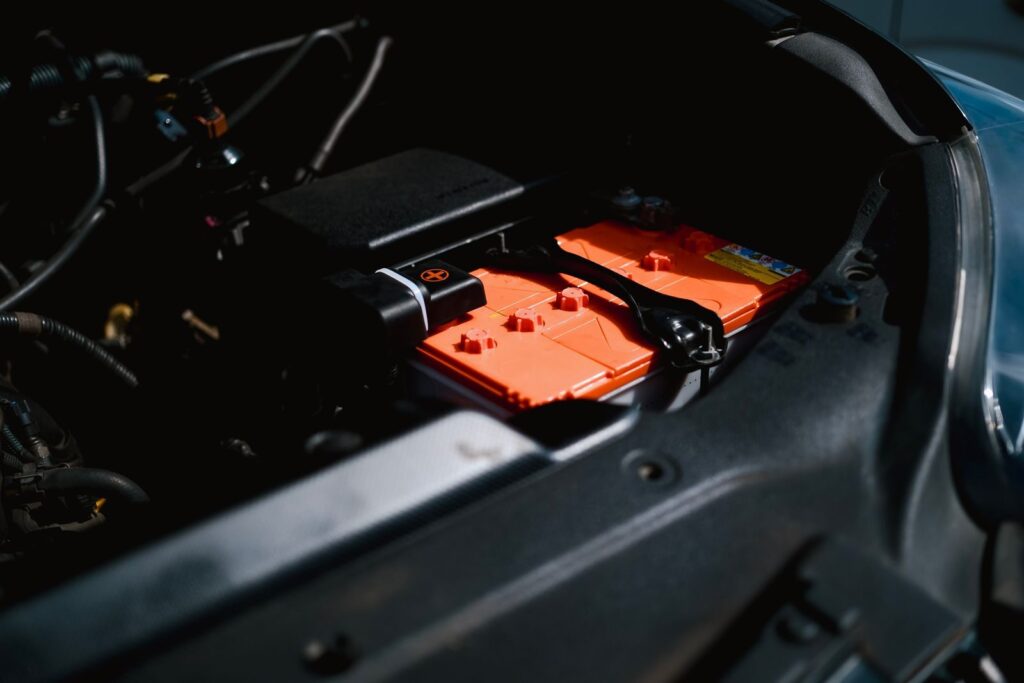
5. Battery Health Is the Most Important Electric Vehicle Check
The vehicle’s high-voltage traction battery is often the main value proposition for an EV, so it is one of the critical factors to check before buying a used model. Some used EVs of the same model year can have very different battery health based on driving and charging history, so two vehicles with similar mileage and specs won’t necessarily have the same battery capacity. This difference in battery health may not be obvious based on the appearance of a vehicle, its price, or advertised range estimate, but it will impact the real-world use of that used car. Buyers can get a better idea of what to expect from a used model’s battery by getting a detailed battery health report. Services like Recurrent provide reports that help EV shoppers check on the health of a used EV battery pack.
Battery Details Buyers Should Investigate:
- Request a detailed battery health report
- Compare current battery capacity readings
- Review the vehicle’s charging history
- Consider previous driving patterns carefully
- Evaluate long-term battery performance potential
A battery health report is an important piece of information that can complement a vehicle’s age and odometer reading. While the history of the vehicle is still a very relevant part of the decision making process, we should also acknowledge that every vehicle has its own unique history of use and miles added on the odometer-meaning a “used” electric vehicle isn’t necessarily a good indicator of the battery’s condition. Reviewing a report provided by a third-party service-such as Recurrent-that is able to speak to how much energy capacity the battery retains can go a long way toward helping car buyers make a solid comparison against similar model vehicles and avoid overpaying for a vehicle with a depleted or poorly maintained battery. The traction battery is a core component of the drive experience, so it’s worth digging deeper into the health report.

6. Complete These Checks Before Signing the Paperwork
A buying checklist is provided so you can be sure you have everything covered before the sale is finalized. You will want to check the carfax to be sure the mileage was verified as accurate and the vehicle has a clean title, no major accident damage, and no salvage history. And verify on the dealer’s report that factory safety recalls are documented as having been performed by the factory, and be sure to do this before completing the sale to avoid unpleasant surprises. To avoid a surprise later, be sure the portable charger cable is included, and look carefully at the tires, to estimate the cost if the wheels need to be replaced.
Final Details Worth Verifying:
- Review the Carfax or AutoCheck report
- Confirm the vehicle’s title status
- Check completed factory safety recalls
- Locate the portable charging cable
- Inspect tire tread depth carefully
The vehicle’s condition and completeness can influence the actual value of a vehicle sale on top of the published price. Even a missing portable charging cable can actually add to your out-of-the-pocket cost, as replacement charging cables can typically cost from 400. Similarly, the tires on an EV matter considerably as well, as a new set of EV-rated tires can range in price from 1500 based on installation fees. Because of this, it’s worth inspecting any used vehicle for all of these factors to get a more complete idea of what you’re really buying from any damage from previous accidents to the cost of a new set of tires or charging cable. Going through these four items helps ensure you’re buying a proper deal instead of missing something that’ll cost you more.
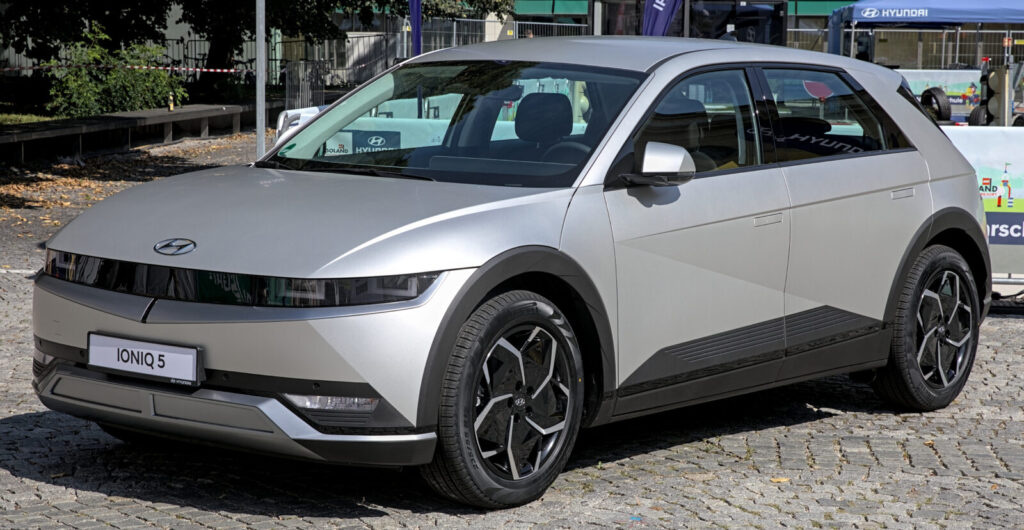
7. Hyundai Ioniq 5 Delivers Advanced Charging and Practical Space
The Ioniq 5 is one of the most advanced used electric cars, and is the most high-tech used-car option on this list for used-car buyers. Based on the Hyundai Motor Group dedicated new e-GMP platform, the Ioniq 5 features the vehicle’s advanced 800-volt electrical architecture that can support ultra-fast DC charging. Capable of charge a 10-to-80-percent of charge in about 18 minutes, the Ioniq 5 uses fast chargers capable of delivering the battery’s full potential. The extended-range powertrains with rear-wheel drive deliver more than 300 miles of EPA-estimated range. The Ioniq 5 has a spacious interior with ample cargo room and features a driver-focused cockpit with dual 12.3-inch screens, a sliding console, and Vehicle-to-Load capability.
Features That Set the Ioniq 5 Apart:
- Dedicated e-GMP electric vehicle architecture
- 800-volt system supports rapid charging
- More than 300 miles of range
- Dual 12.3-inch displays enhance usability
- Vehicle-to-Load functionality adds versatility
Cargo volume further enhances the Ioniq 5’s attractions. The rear offers 26.3 cubic feet of cargo space, which can be expanded to 58.5 cubic feet when more room is required. These flexible configurations easily meet many typical transportation needs, from shopping trips to hauling larger gear. The sliding center console and the dual displays work together to provide a contemporary cabin layout where you can easily manage vehicle information and entertainment. Another key advantage is the fast-charging ability. When the conditions are right, the 800-volt system can use compatible DC fast chargers to refill the battery from 10% to 80% in approximately 18 minutes. Coupled with the extended-range rear-wheel-drive configuration that offers an expected range in excess of 300 miles, this makes the Ioniq 5 a compelling option for shoppers interested in charging speed, driving distance, and interior adaptability within the wider used-electric-vehicle segment.
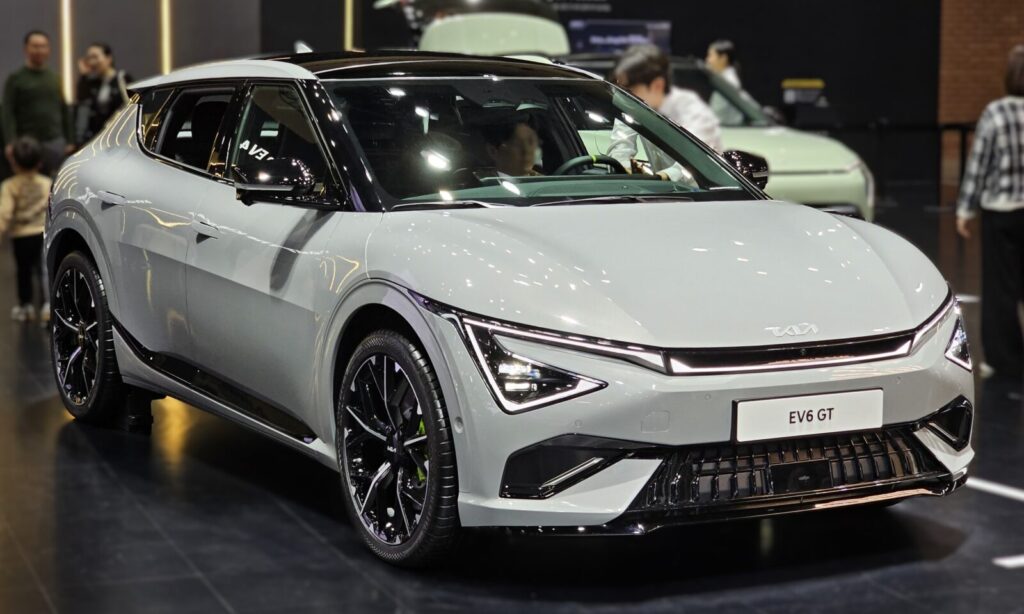
8. Kia EV6 Combines Sporty Styling With Fast Charging
Sharing the same e-GMP platform as the Ioniq 5, the Kia EV6 is a sportier version of the electric crossover, with a more stylized shooting-brake-inspired design and some bright and eye-catching exterior paint options such as Yacht Blue. Buyers can choose between all-wheel and rear-wheel drive depending on what they want, with the AWD Wind offering more than 280 miles of range while the rear-wheel-drive EV6 models make over 300 miles. As such, it offers consumers a way to compare performance and cruising range to find the example best suited to their needs. The EV6 offers a charge rate of 350kW that will give owners 10%-80% charge in around 18 minutes, while a cabin that offers dual 12.3-inch displays and practical storage makes it an EV for the real world.
Standout Qualities of the Kia EV6:
- Sporty shooting-brake crossover styling
- All-wheel-drive range exceeds 280 miles
- Rear-wheel-drive range surpasses 300 miles
- 350-kW charging supports rapid replenishment
- Dual screens modernize the cabin
Naturally, the EV6’s passenger comfort and cargo versatility also serve to add to its appeal. With 24.4 cubic feet of rear cargo space and a front trunk that can carry a charging cord or a beach mat, the 6 crosses the crossover paradigm without making itself into a minivan. The 6’s dual 12.3-inch displays continue the high-tech vibe, and there are other, more practical touches that make it a strong contender for used-car shoppers who want a good run at an EV. It’s also easy to set the 6 up with high-power charging capability that allows it to go from 10% to 80% charge in an 18-minute span provided a high-power station is available while the different range figures offered by the various drivetrain options offer clarity to shoppers trying to figure out which version will work best for them.
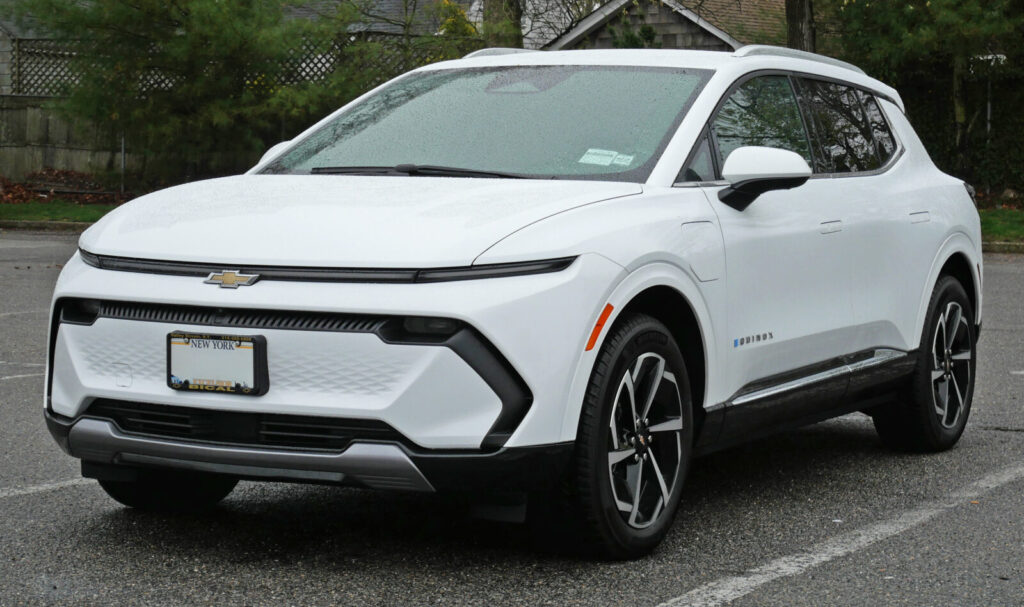
9. Chevrolet Equinox EV and Ford Mustang Mach-E Offer Distinct Advantages
This is your SUV if what you want is a spacious cabin and good technology but without paying luxury prices. For comparison, the fully loaded Equinox FWD with a 85-kWh battery pack is rated by EPA up to 319 miles. For the Equinox EV, the wheelbase (the distance between the axles) measures 116.3 inches, more than seven inches longer than the gas version. Depending on the variation, Equinox EV offerings include tech features such as the GM Super Cruise semi-autonomous driving system. It also has bi-directional charging capability so you could use it as a power backup if your house loses power. On the other hand, the Ford Mustang Mach-E is a different body type, a traditional design that offers the fun-to-drive reputation of the Mustang pony car with up to 320 miles of range, with available Blue Cruise semi-autonomous driving, and a 15.5-inch portrait-oriented infotainment display.
Two Electric Crossovers, Different Strengths:
- Equinox EV offers a spacious wheelbase
- 85-kWh battery supports long-distance driving
- Super Cruise provides hands-free driving assistance
- Mustang Mach-E reaches 320 miles
- BlueCruise adds hands-free driving capability
Those in the market for a capable EV crossover will be interested in the Equinox EV because of its range, infotainment system, and versatile charging capabilities. One of the most beneficial features in the Equinox is the availability of bidirectional charging as a backup power source for your home during a power outage. With modern technology and traditional features, the large touchscreen dashboard of the Equinox EV is matched by physical climate controls and traditional controls. If you’re weighing the Equinox along with the new family car, you may opt for the added room of the long wheelbase. The Mustang Mach-E provides a focus on the model’s sporty past, combining a Mustang-inspired look with family-centric cargo and functional frunk space, and it generally outsells the Mustang coupe (which starts at $43,645 with a gas engine).
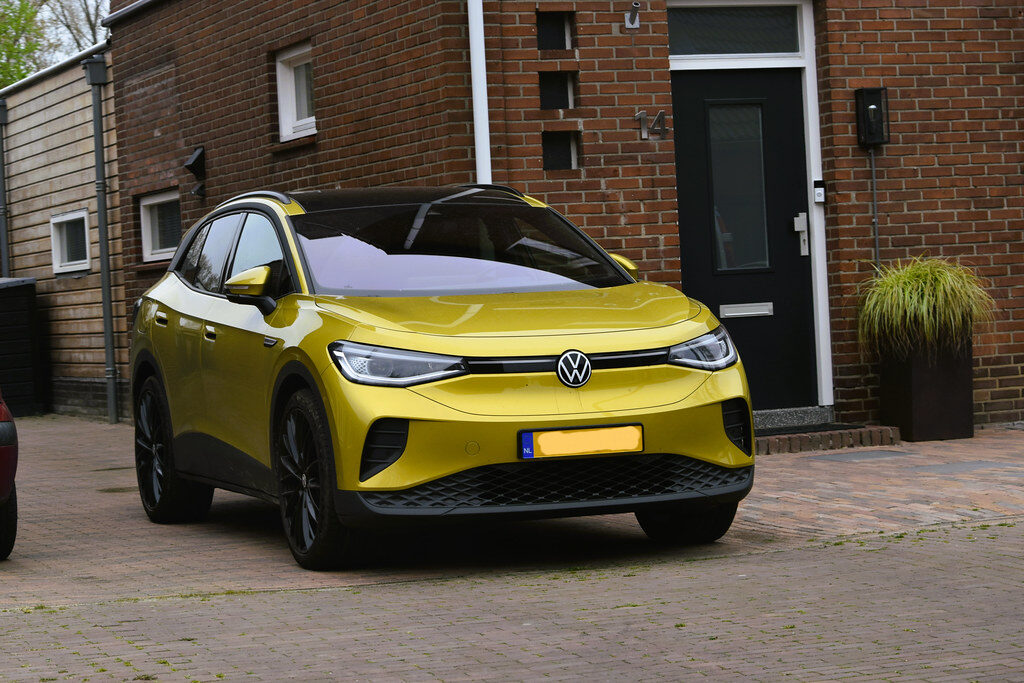
10. Volkswagen ID.4 and Tesla Model 3 Complete the Used EV Shortlist
The Volkswagen ID.4 is a decent, family-focused SUV for people considering an electric model that isn’t a big-picture extravaganza. This full-electric SUV from Volkswagen comes with a 82-kWh battery pack that provides up to 291 miles and enough of a “domestic” factory connection thanks to its Chattanooga, Tennessee, assembly that comes through with this model. The cargo room is a big highlight at 64.2 cubic feet of combined cargo space, and the ID.4 is capable of fast-charging at 175 kW so you’re not going to be too far from something decent if you’re considering a space-faring family vehicle. The Tesla Model 3 is another way to go if you want an inexpensive ride with range, acceleration and one of the largest fast-charging networks in the world. Last year’s Standard Range Plus models, for instance, ranged from $19,000 to $24,000 in a range over 250 miles.
More Used EVs Worth Considering:
- ID.4 offers family-friendly SUV practicality
- Cargo capacity reaches 64.2 cubic feet
- 175-kW charging supports faster stops
- Model 3 prices start around $19,000
- Supercharger access simplifies longer journeys
The Tesla Model 3 continues to be one of the best used EV values overall. That more-affordable price can open the door for commuters looking to get out of a gas car. More than 250 miles of real-world driving range, access to the Supercharger network, very low routine maintenance costs and quick acceleration all add up to a convincing case. For regular-driving shoppers, it’s worth comparing the Model 3 to the used EVs in the crossover segment. All in, the Volkswagen ID.4 and Tesla Model 3 offer the contrast of a family-friendly crossover with cargo capacity and SUV practicality, respectively. But they also demonstrate how used EVs under $25,000 can deliver miles of usable range, feature-rich tech and simple driving experience with none of the significant purchase-price premium of a brand-new model. That group also includes the Hyundai Ioniq 5, Kia EV6, Chevrolet Equinox EV and Ford Mustang Mach-E.