

Dealer Wins $9.8M After Court Finds Hyundai Lied, Destroyed Cars
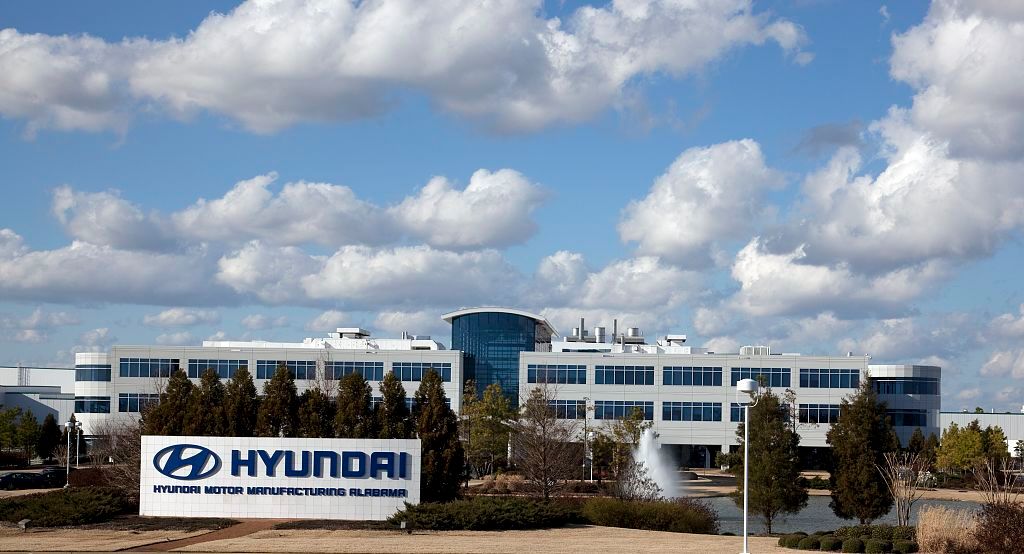
There have been numerous lawsuits against auto makers around the world about recalls, warranty claims and consumer safety laws. The vast majority settle or get dismissed in early rounds. But every now and then, a dispute over something as seemingly mundane as a few thousand recalled Hyundai Sonatas develops into a full-scale legal skirmish that exposes underlying issues with our entire legal system. This is what occurred in Pennsylvania, where a conflict that seemed to be solely over money ended up revealing fraud, lost evidence, and cover-ups that raised the question of how companies are supposed to handle legal liability in the wake of an enormous recall.
The main subject of the complaint, was the Knight Motors Pittsburgh Hyundai dealership, owned by Christopher D. Pantelis, as well as sister dealer Doman Auto & Marine Sales. The companies said they had discovered what they thought was a genuine business opportunity using Hyundai’s current recall program. The dealers acquired Hyundai Sonatas targeted for recalls, bought them at auction, and then got them serviced or traded in according to procedures laid out by Hyundai for recall compliance. Over time, this profitable scheme evolved into an extended legal tussle as Hyundai claimed the dealers intentionally damaged the engines to collect bigger checks.
During the lawsuit, attention would begin to turn to the way the recall issue had been evidence being held with regards to the law suit. When the judgement eventually came it would be the fact that more than a hundred of the recalled cars would have been scrapped when the suit was pending or actively proceeding that combined with deleted communications would form the foundation of the decision that not only did the judge rule against the automaker’s fraudulent claims but it saw the corporation face fines of just under $10million.
1. A Business Opportunity Built Around the Recall Program
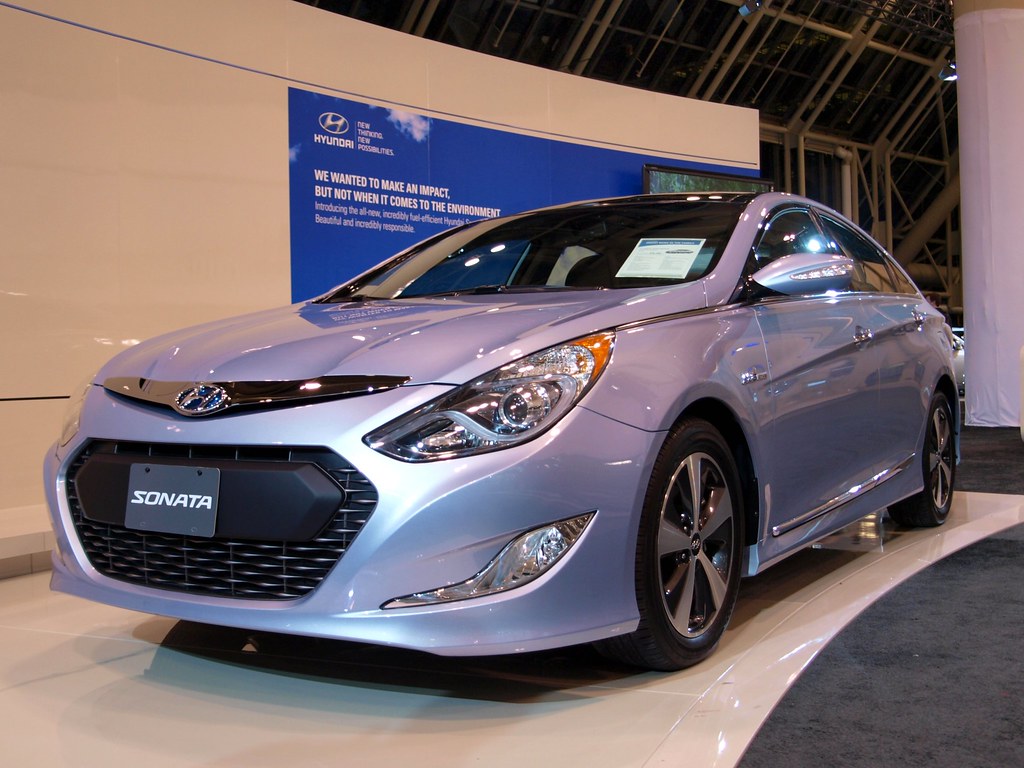
The case started from between early 2018 and the middle of 2019, and involved an established business model from Knight Motors and its related business, Doman Auto & Marine Sales. Owned by Christopher D. Pantelis, both companies bought 628 2011-2014 Hyundai Sonatas through auctions around the nation. Because these were recalled due to engine failure under Hyundai’s Theta II engine recall program, they were sold off cheap and in bulk, providing a ready market and business opportunity.
Key Aspects of the Recall Strategy:
- Purchased recalled Sonata vehicles
- Used official recall procedures
- Qualified under recall program
- Manufacturer-approved buyback process
- Opportunity through legal business practices
When the dealerships received the cars from Knight Motors they submitted a recall claim with Hyundai based on the procedures they usually used. After evaluating the vehicles Hyundai performed either a replacement of the bad engine or repurchased the vehicle from the dealerships under the recall program. They felt it was legal as it was a recall that was open to any consumer who owned a qualifying vehicle.
This arrangement worked for some time: Hyundai approved countless claims and shelled out $5 million plus through the buyback initiative, the news outlet noted. As the recall effort progressed, the dealership also purchased a widening variety of vehicles that fell under the buyback provisions. As the court summarized, this was a valid business endeavor rather than fraud and an example of entrepreneurship in the face of a vehicle recall.
2. Understanding the Massive Theta II Engine Recall
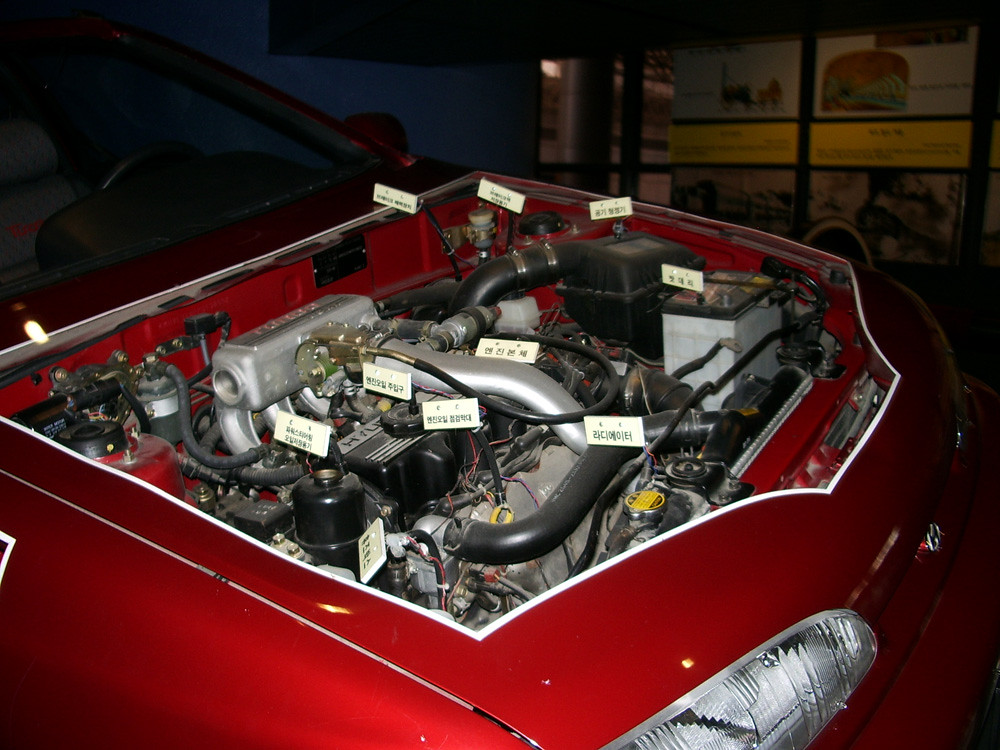
Hyundai’s Theta II engine recall one of the company’s most massive and costly recalls to date was at the center of the issue. The root of the problems was traced to engine oil passages, where metal shavings from the production line remained in engine oil passages. These shavings can block the oil, potentially lead to bearing failure, engine seizure, and fires. As additional incidents occurred, the recall grew, encompassing over 1.6 million vehicles from multiple Hyundai and Kia model years.
Key Facts About the Theta II Recall:
- Manufacturing defect caused engine failures
- Restricted oil flow inside engines
- Increased risk of engine fires
- Over 1.6 million vehicles affected
- Large-scale manufacturer recall campaign
The seriousness of the defect resulted in close examination by the government. In November of 2020, the National Highway Traffic Safety Administration (NHTSA) ordered Hyundai and Kia to pay a $210 million penalty after they waited too long to recall and gave insufficient information throughout their investigation. Hyundai announced that impacted owners were entitled to an extended warranty and free engine replacements, as well as further protections under its thorough recall process.
In addition to the legal action, Hyundai also joined in a class-action lawsuit settlement of about $1.3 billion, providing payments to eligible owners, reimbursing repair costs, and extending warranty coverage for the affected vehicles. Knight Motors operates within that existing framework; the dealership simply utilized an established recall program for manufacturer-provided fixes, a fact that the court would later point to when evaluating the dealership’s activities.

3. Hyundai’s Growing Concerns and the Fraud Allegations
After that, the dealership’s large volume of recall claims prompted Hyundai to take a closer look. Hyundai noted there was nothing against the rules regarding a dealership buying recalled vehicles and running them through a recall process with Hyundai, but the sheer number of buyback claims at that particular Hyundai dealership was out of the ordinary. Hyundai employees shared thoughts that the dealerships seemed to be using the buyback claims to generate revenue.
Key Points of the Legal Dispute:
- High volume of recall claims
- Increased manufacturer scrutiny began
- Fraud allegations against dealership
- Recall claims later rejected
- Legal battle over buybacks
In May 2019, Hyundai refused all pending claims in the Knight Motors case without inspecting each vehicle. Instead, the automaker sued Knight Motorsand Doman Auto & Marine Salesand its owner, Christopher D. Pantelis. Hyundai alleged that both businesses conspired to buy recalled Hyundai Sonata vehicles and alter the engines’ conditions to receive new ones or manufacturer buybacks under the recall for Theta II engines.
Knight Motors strongly refuted all claims, insisting that every car was eligible under Hyundai’s published recall guidelines. In fact, Knight’s legal team said they had acted in accordance with Hyundai’s prescribed policy for recalls and had committed no acts of fraud or deceit. It escalated into a lengthy legal battle about whether Knight Motors was engaged in good-faith participation or simply trying to exploit the recall process.
4. Inspections That Failed to Support Hyundai’s Claims
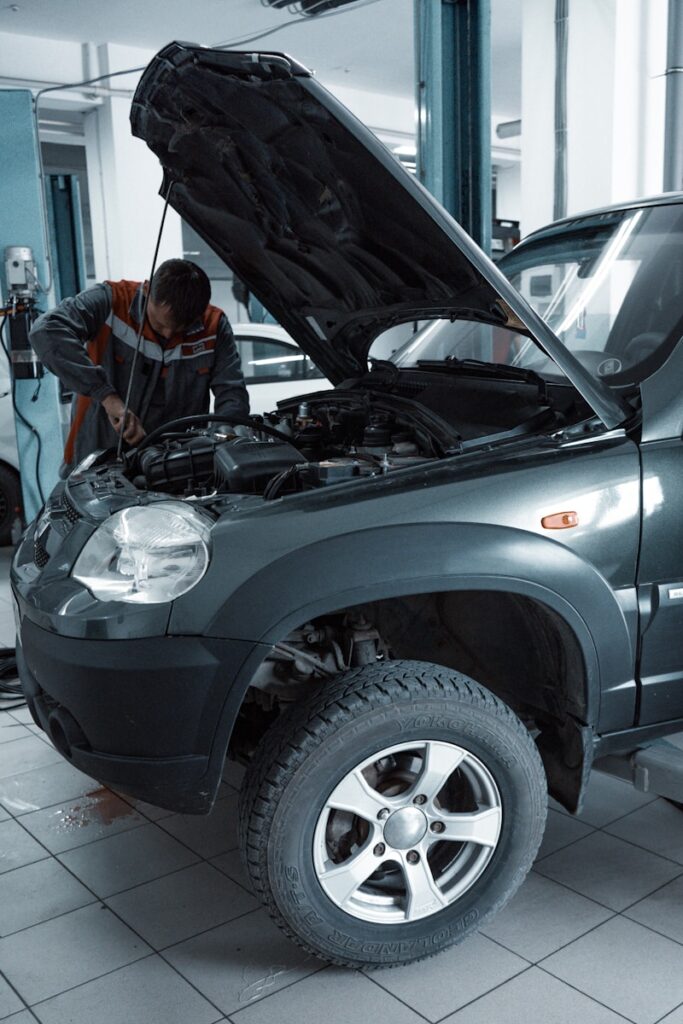
Once the lawsuit was in place, the company was obligated to demonstrate the extent to which Knight Motors modified the engines to reap recall benefits. The lawsuit’s primary concern was the engines so the recall’s Hyundai Sonata cars played an integral role as the main source of evidence. Hyundai had its franchise of dealership stores carry out thorough checks on engines to prove whether there had been any manipulation to them.
Key Inspection Findings:
- Authorized dealership inspections conducted
- No evidence of engine tampering
- Independent evaluations confirmed findings
- Fraud allegations lacked proof
- Inspections weakened Hyundai’s case
These findings of Hyundai’s own inspection procedures strongly refute the company’s claims. After 16 Hyundai dealerships authorized by Hyundai to inspect the cars inspected them separately they found no intentional modifications or unauthorized changes had occurred. Hyundai also requested another independent appraisal company be hired to carry out its own inspection of the engines and it also found no tampering that would have helped to gain a replacement or buyback.
These findings of Hyundai’s own inspection procedures strongly refute the company’s claims. After 16 Hyundai dealerships authorized by Hyundai to inspect the cars inspected them separately they found no intentional modifications or unauthorized changes had occurred. Hyundai also requested another independent appraisal company be hired to carry out its own inspection of the engines and it also found no tampering that would have helped to gain a replacement or buyback.

5. The Destruction of Key Evidence
As the case continued to move forward the issues broadened from just allegations of the fraud itself to Hyundai’s handling of the vehicles that were included in the suit. The court noted that Hyundai many of the recalled Sonata vehicles involved in the suit were in fact destroyed, rather than kept safe as evidence. As the engine and potential engine tampering was central to the suit, the destruction of many of the Hyundai Sonatas became critical.
Key Evidence Findings:
- Hundreds of vehicles destroyed
- Critical evidence no longer available
- Deleted case-related communications discovered
- Serious spoliation concerns raised
- Court questioned litigation conduct
After Ignelzi said Hyundai knew in December 2018 that there was the likelihood of lawsuits and nevertheless destroyed 330 recalls Sonata cars, Hyundai proceeded to destroy another 69 recalled vehicles when Knight Motors itself launched legal actions in May 2019. The court was also told emails from a Hyundai case manager working on the case were wiped.
Spoliation of evidence is when a piece of evidence that would be helpful in a lawsuit is destroyed. “ Hyundai’s actions undermined our ability to have a fair examination of the same evidence that Hyundai claims is proof of its allegations of fraud,” said Judge Ignelzi. These discoveries were a major reason why the court’s decision in imposing large fines on Hyundai.
6. A Landmark Court Ruling Against Hyundai
Following months of testimony, reports of inspection and other relevant material, on the 11th of March 2026 Judge Philip A. Ignelzi of the Allegheny County Court of Common Pleas delivered a monumental ruling. This would set precedent in the legal challenge as it ruled that the alleged fraud claimed by the Hyundai Motors was unsupported by any real evidence and had been further compromised due to vehicle destruction and communication deletions.
Key Court Ruling Highlights:
- Fraud claims completely dismissed
- Evidence found insufficient by court
- Dealership business model upheld
- Multi-million-dollar sanctions imposed
- Landmark automotive legal decision
All claims of fraud against Knight Motors, Doman Auto & Marine Sales and its owner, Christopher D. Pantelis, were dismissed by the court. Judge Ignelzi found that purchasing the recalled vehicles from auctions and submitting them under the manufacturer’s own recall program did not violate Hyundai’s procedures. Identifying a potential profit inside an existing recall program is “simply good business, not fraud,” the court said.
Hyundai Motor America was fined nearly $10 million as part of a final judgment and had to pay $9,784,075 in sanctions an amount based on a daily storage rate of $25 for the 163 vehicles involved that were left on the lot for most of the almost seven years of the litigation. It was one of the largest evidence destruction-related sanctions ever seen in the automotive industry.
7. Counterclaims Strengthened the Dealership’s Victory
Hyundai’s case wasn’t simply thrown out; it was, to an extent, undermined by a number of key claims Knight Motors raised against Hyundai throughout the case: namely fraud, breach of contract, and abuse of process. The ruling thus provided the dealership the chance to pursue more damages from Hyundai beyond what the court had already ordered Hyundai pay it as a financial penalty.
Key Counterclaim Outcomes:
- Multiple counterclaims ruled successful
- Fraud allegations rejected completely
- Breach of contract recognized
- Abuse of legal process
- Potential for additional damages
This behavior from Hyundai raised substantial concerns to the court about how the lawsuit was litigated, including that the company pursued a case built on allegations of fraud, for which it had no actual evidence, in a court setting while, in fact, it destroyed vehicles that might have proven either the existence or absence of this actual fraud.
The decision also did not close the door on future litigation. Though the almost $10 million penalty award would be a huge financial hit, the favorable counterclaims make it possible to have another trial to see whether Knight Motors is entitled to further compensation. Therefore, Hyundai’s potential costs can go up even further from this point forward.
8. Similar Allegations Surfaced in Another Lawsuit
What further complicated the Knight Motors case was the fact that Hyundai was facing similar accusations in another legal action over preservation of evidence. Hyundai Motor America Corp. V. North American Automotive Services, Inc., pending in the Southern District of Florida was a lawsuit filed against a group of Hyundai dealerships in which Hyundai claimed the other set of dealerships knowingly destroyed Theta II engines in an effort to gain benefits from the recall under warranty claims. The lawsuit presented several issues similar to those discussed in the Knight Motors decision.
Key Developments in the Florida Case:
- Similar fraud allegations raised
- Theta II engines investigated
- Evidence preservation questioned again
- Court imposed legal sanctions
- Jury awarded no damages
Similar to what happened in Pennsylvania, Hyundai had argued that the dealerships had interfered with the engines before they could file a claim under warranty. Investigators also discovered that Hyundai hadn’t properly retained many of the engines related to the warranty fraud lawsuit out of hundreds of engines implicated in the suit, only eight could be examined, and many other pieces of evidence disappeared over the course of the legal proceeding.
After Magistrate Judge William Matthewman approved the sanction in July, saying the company’s actions in the first case were “frankly shocking,” Hyundai was not able to recoup damages when a jury found the two dealership employees committed fraud on the grounds of the legal doctrine of unclean hands, in which a court will not help someone if their actions caused their own harm. Evidence The similar circumstances bolstered arguments about Hyundai’s evidence-handling in cases stemming from the Theta II recall.

9. A Complex Legal Battle That Continues
What should have been a simple legal matter for Knight Motors vs. Hyundai quickly grew into an elongated legal saga in multiple state and federal courthouses. While fighting the court cases over several years on multiple occasions they opposed each other’s court findings and judicial procedures on various court filings on the Theta II recall, which had by that time already become a massive legal concern.
Key Legal Developments:
- State and federal litigation
- Multiple court proceedings involved
- Appeal process officially initiated
- Sanctions payment temporarily stayed
- Legal dispute still ongoing
The most important of the developments, though, arose in a separate federal case in California concerning a nationwide Hyundai class action settlement. A California judge in that case had already entered an order that bars at least five of Knight Motors’ counterclaims in Pennsylvania state court. Even though the Pennsylvania case will still proceed on a number of key issues, the development shows just how intertwined the legal proceedings in the Theta II engine recall have gotten.
That’s the latest on the ongoing legal saga, as Knight Motors’ attorney Jason A. Archinaco remains optimistic that a new decision by Judge Philip A. Ignelzi can withstand Hyundai’s appeal and prevent a $10 million payment to the rival dealership. The order requiring Knight Motors to pay Hyundai about $10 million has been put on hold by the court until that appeal process has been finalized.

10. A Lasting Reminder of Corporate Accountability
What began as a dispute over vehicle recalls and warranty issues evolved into a seminal lawsuit examining corporate responsibility, professional ethics, and the duty to preserve evidence throughout the course of the proceedings. In finding Knight Motors acted lawfully within Hyundai’s recall system, the judge turned the attention to Hyundai itself for failing to substantiate its fraud claims.
Key Lessons from the Case:
- Corporate accountability remains essential
- Evidence preservation is critical
- Fair legal process matters
- Transparency strengthens judicial integrity
- Due process protects justice
“Honesty, transparency and maintaining evidence for litigation purposes is paramount for the entire system,” said Judge Philip A. Ignelzi. Because hundreds of vehicles slated for recalls were shredded and numerous emails deleted to cover up those facts, a thorough examination of the actual circumstances could not be had, a key factor in the court’s decision. The court stressed that all parties must be held to the same standard of legal conduct, regardless of power and size.
Despite Hyundai’s efforts to fight the judgment on appeal, this has quickly become a major precedent for all future cases related to car recalls, warranties, or general company conduct. It is also the most significant recent ruling out of Pennsylvania, emphasizing the stakes of failing to adhere to evidence preservation rules. Not only did the automaker lose millions, but this case stands as an enduring example of the enduring values of fairness, responsibility and due process.