


Texas Draws a New Roadmap for Driverless Cars
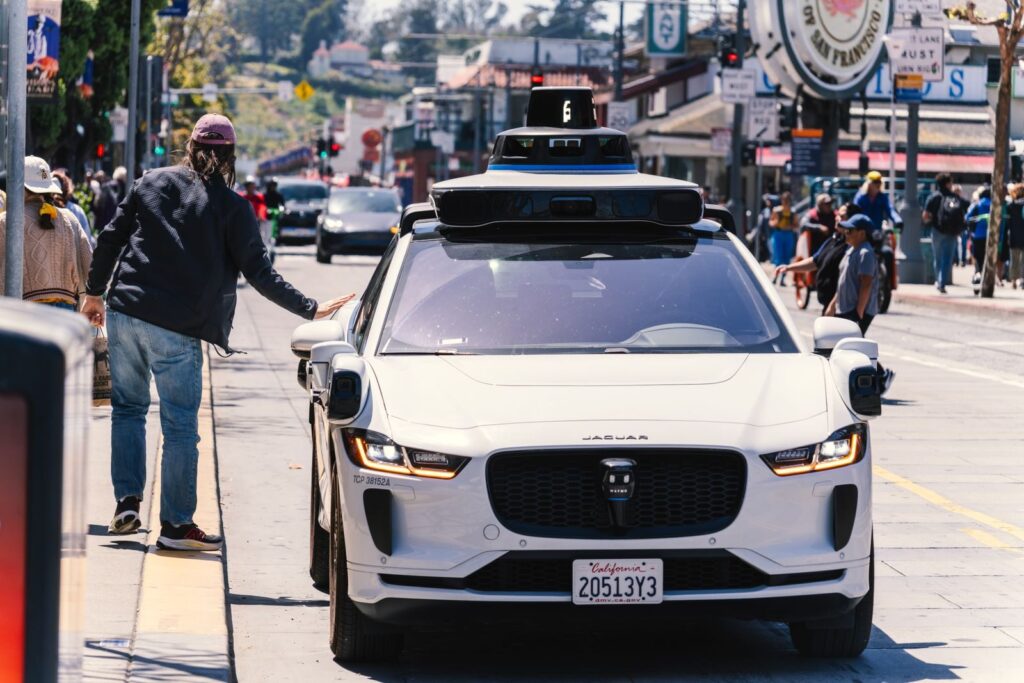
The future seems to possess a stealth like ability to enter upon us-a reality once viewed, as being relegated to sci-fi movies now takes place on actual streets-driverless car carrying people while someone without need to put the hands behind the wheel rests in back. Nowhere is this reality as apparent as Texas. This is no longer confined to the technological thoroughfares of Austin but is now present within the expanding networks of the four cities of Dallas, San Antonio, Houston and finally Austin.
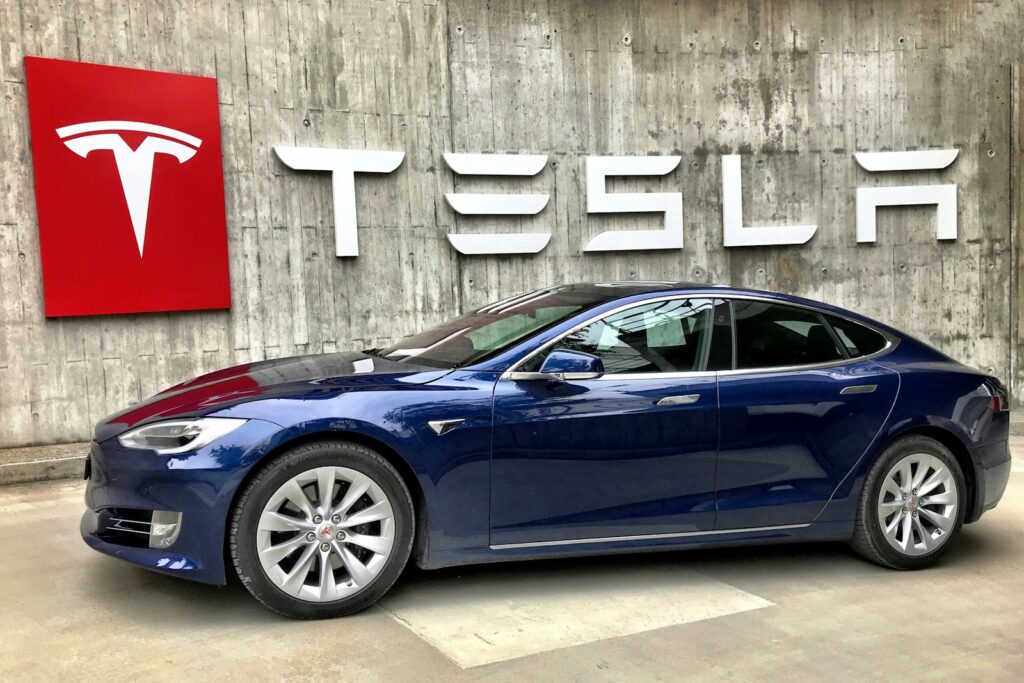
Texas has spent years fostering the kind of environment that appeals to autonomous car companies the kind of approach that has helped lure companies like Waymo, Arride and even Tesla-turning at one point Austin into perhaps the most fertile ground in America for development of driverless tech. But after years in the wild, the state is transitioning into a more regulated stage of development. The latest step in the transition? A new law signed by Governor Greg Abbott that requires the operators of any autonomous transportation service to be issued a permit from the state’s Department of Motor Vehicles.
That doesn’t mean Texas is giving up on technological advancement, it simply illustrates how rapidly the discourse around them has shifted. Autonomous vehicles are no longer being evaluated simply based on their potential for a driver-free future, but on their ability to conduct operations responsibly, transparently, and safely. Now that they’re appearing on our streets, Texas is trying to clarify their regulations and invite more to hit the roads.
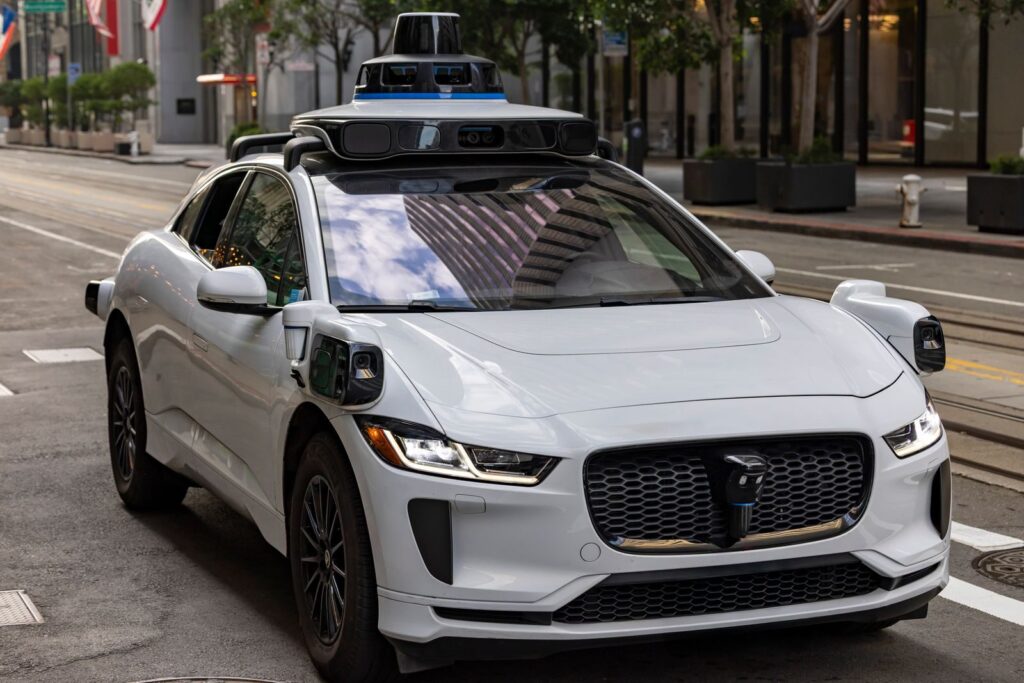
1. How Texas Became a Driverless Vehicle Hub
In 2017, the state of Texas started the bedrock for the autonomous vehicle industry with Senate Bill 2205. This formed a unified network across the state, forbidding individual cities from applying their own individual autonomous vehicle rules. This was good for the Autonomous Vehicles industry so they can comply under one set of unified rules as opposed to multiple city rules.
Texas’ Driverless Vehicle Growth:
- Statewide rules created consistency
- Senate Bill 2205 shaped regulations
- Austin became an early testing ground
- Fleets expanded across major cities
- Around 300 operated in Austin
That policy allowed Texas to become a hub for autonomous companies. Austin became an of the largest initial testing sites as fleets also grew in Dallas, San Antonio and Houston. Passengers in a car not driven by a human driver said they still felt, in ways, like they were in a science fiction scene. For many passengers today, the feelings might range from awe to apprehension in the driverless seat. That very response embodies the state’s journey of co-existence with cars controlled by software, sensors and cameras.
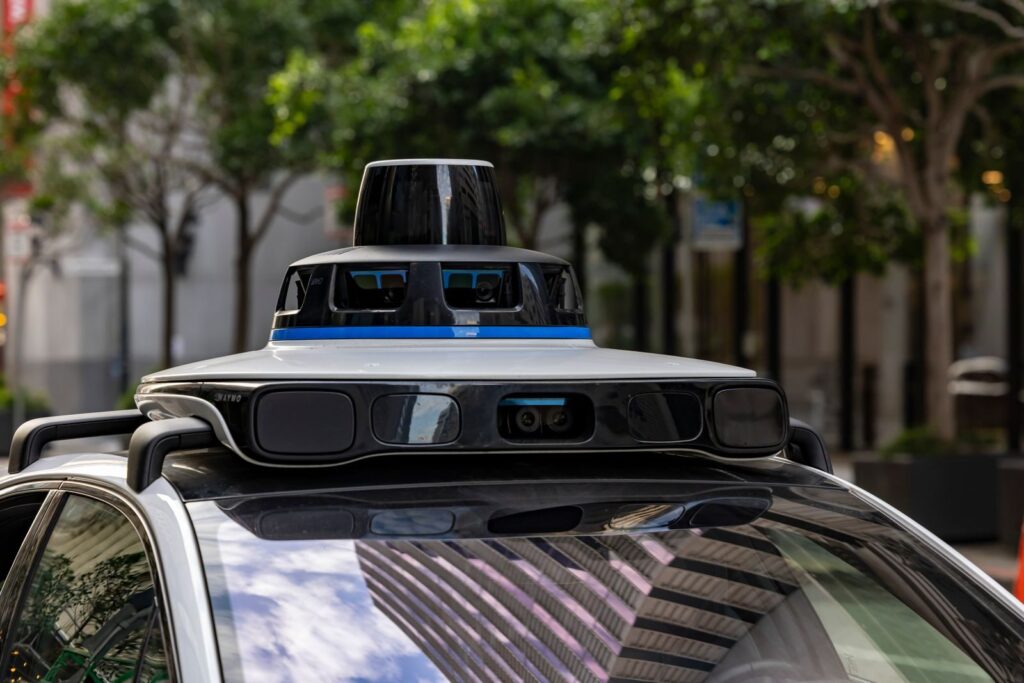
2. Real Roads Have Exposed the Technology’s Weak Spots
An AV could theoretically be able to deal with thousands of driving conditions, but streets could throw it an unforeseen issue. In Texas, AV drivers already know that autonomous cars don’t behave perfectly when things are dicey. As reported before, a Waymo in Austin ended up being filmed getting in the way of emergency responders headed towards a deadly shooting. These accidents and near misses grab the public’s interest because they clearly highlight the discrepancy between controlled, testing environments and actual, real-world driving.
Real-World Driving Challenges:
- Emergency situations create difficulties
- Vehicles may stop unexpectedly
- School zones require caution
- Human drivers must adapt
- Unusual events test software
Human drivers make mistakes all the time, and for the most part, humans are intuitively adept at understanding unpredictable, unforeseen circumstances, whereas a computer system requires an autonomous vehicle to accurately assess the situation using various sensors, then decide the best course of action based upon programmed directives. Driver reactions also have to change accordingly; Daniel Armbruster, president of AAA Texas stated autonomous vehicles “might take a situation more slowly”. Consequently, human drivers of vehicles traveling on public roads will have to be sure and keep the idea that an unmanned vehicle does not “drive like the driver next to them”.
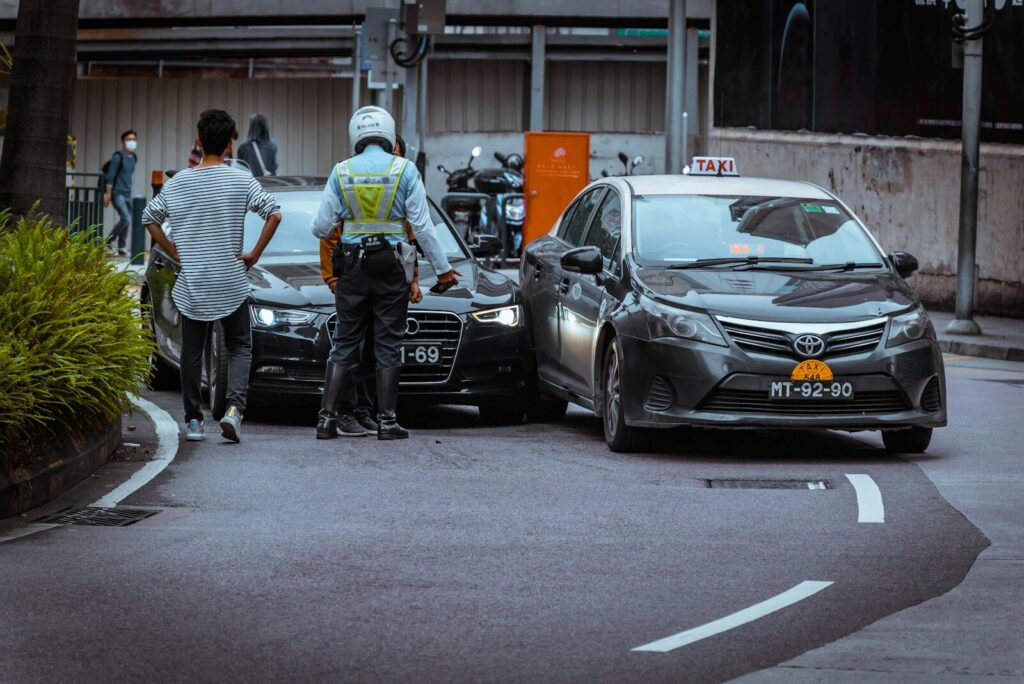
3. Crash Rates Need More Context
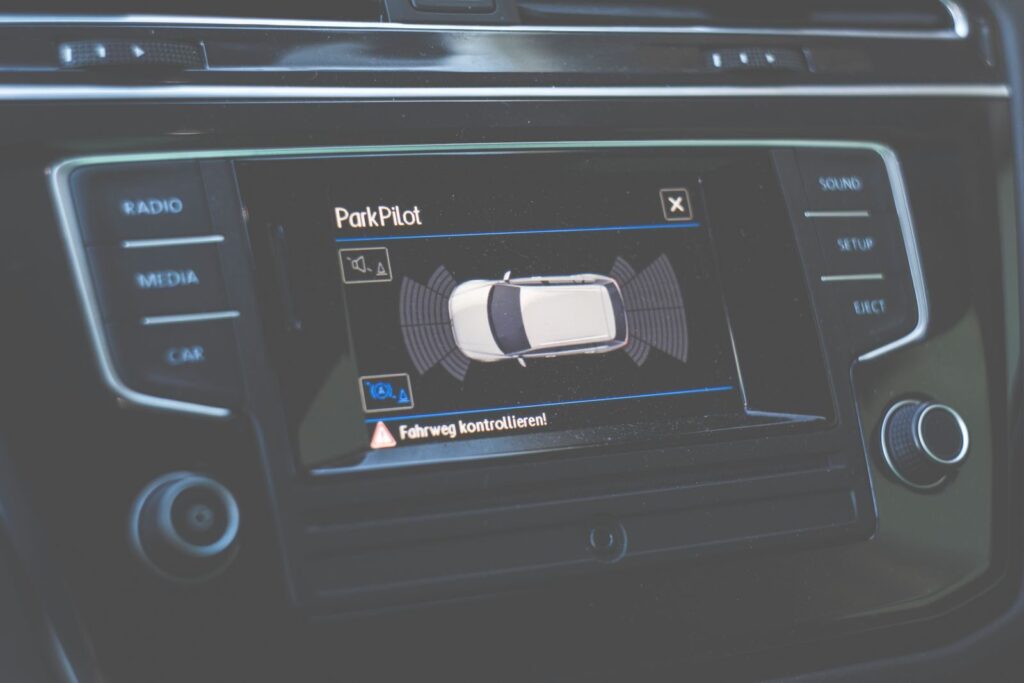
The controversy surrounding the safety issues becomes much harder to assess after reviewing the available crash data. In 2025 Austin experienced just over 12,000 crashes, and autonomous vehicles were responsible for just 85 of those. Out of context, that statistic might seem very reassuring, but only a very small number of the total crashes in the city actually involved autonomous cars. However, this statistic has the new factor of the number of cars on the road. In Austin there were around 834,000 cars and a mere 300 were driverless.
Understanding Crash Comparisons:
- Austin recorded many crashes
- About 85 involved autonomous vehicles
- Vehicle numbers affect comparisons
- Human crashes caused more injuries
- Autonomous crashes caused eight injuries
When the crash involvement rate is taken into account on a per car basis, the report estimated around 1% of manually driven cars were involved in crashes compared with around 28% driverless. However, frequency is not everything. These human car accidents led to about 8,000 injuries and 99 deaths. The autonomous vehicle accidents being discussed caused eight injuries and zero deaths. This leads us to an interesting observation: just because a car has more frequent, smaller, accidents, does not mean it has worse ones.
4. Waymo Reports Fewer Serious Incidents
Waymo put its own Austin numbers forward. The data that it provided showed Waymo operating its autonomous cars over 10.7 million fully autonomous miles across the city. And that has led to fewer crashes. According to data, in Austin, Waymo vehicles were involved in crashes involving airbag deployment 84% fewer times and crashes where a crash victim was reported injured 80% less often relative to comparison to Waymo human driver-driving. Such statistics lend support to the idea that autonomous vehicles could offer an edge in decreasing the severity of a collision.
Waymo’s Reported Safety Results:
- Over 10.7 million autonomous miles
- Fewer airbag deployment crashes
- Fewer injury-reported crashes
- Compared with human-driver data
- Focus on serious outcomes
Having a system that ensures you keep a safe following distance, reacts predictably and refrains from dangerous behaviour could shave off collisions involving high-speed impacts. But this doesn’t mean autonomous technology doesn’t have drawbacks. Some of the accidents in Texas already observed highlight that there are instances which the autonomous systems cope with less than expertly. Perhaps a more pragmatic approach is an index of how well these mistakes are constrained by autonomous technology, while at the same time allowing them to improve based on learning from field use.
5. Texas Is Introducing a Permit System
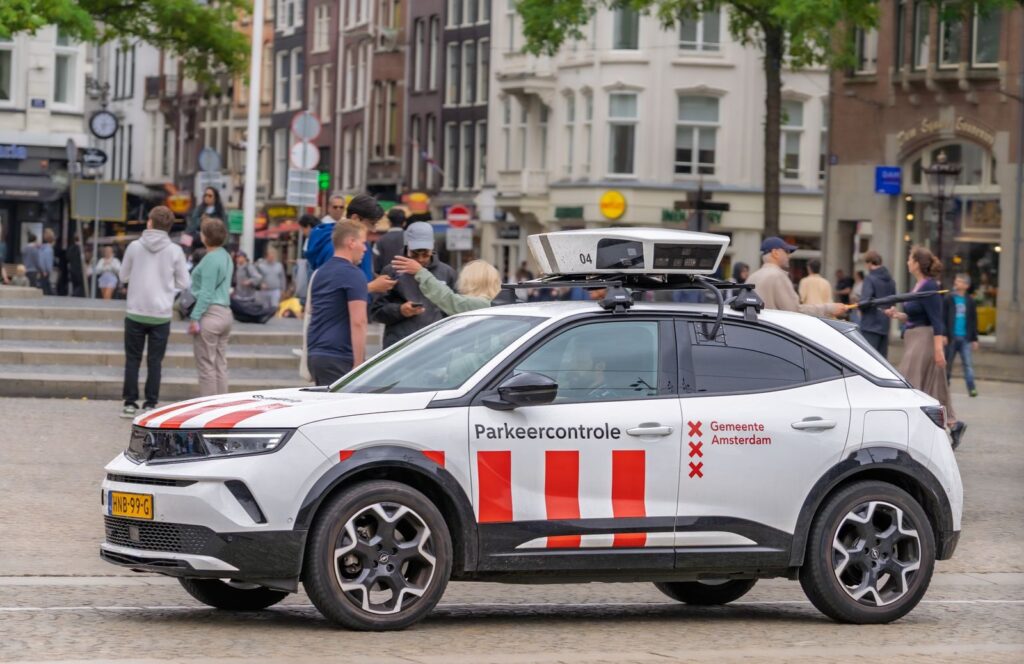
This new legislation in Texas is a substantial change in how autonomy services will operate. As of September 1st, companies that intend to establish any autonomy services will need a permit from the Texas DMV. Instead of an immediate fleet deployment, there will need to be some sort of application process. The permit application procedures will prove readiness for autonomous technology on public roads.
New Autonomous Vehicle Oversight:
- Permits required from September 1
- Applications go through TxDMV
- Public-road operations need approval
- Emergency procedures become important
- Permits can face enforcement
Clearly-defined emergency, responder and law enforcement procedures will be required. When a service vehicle puts safety concerns in jeopardy, the state can be more responsive. There are permits which might be postponed or cancelled due to the failure of a firm’s service to perform at expected stages. This makes an indirect authority for the operators that may be imposed upon by Texas administrators.
6. Liability Remains a Major Legal Question
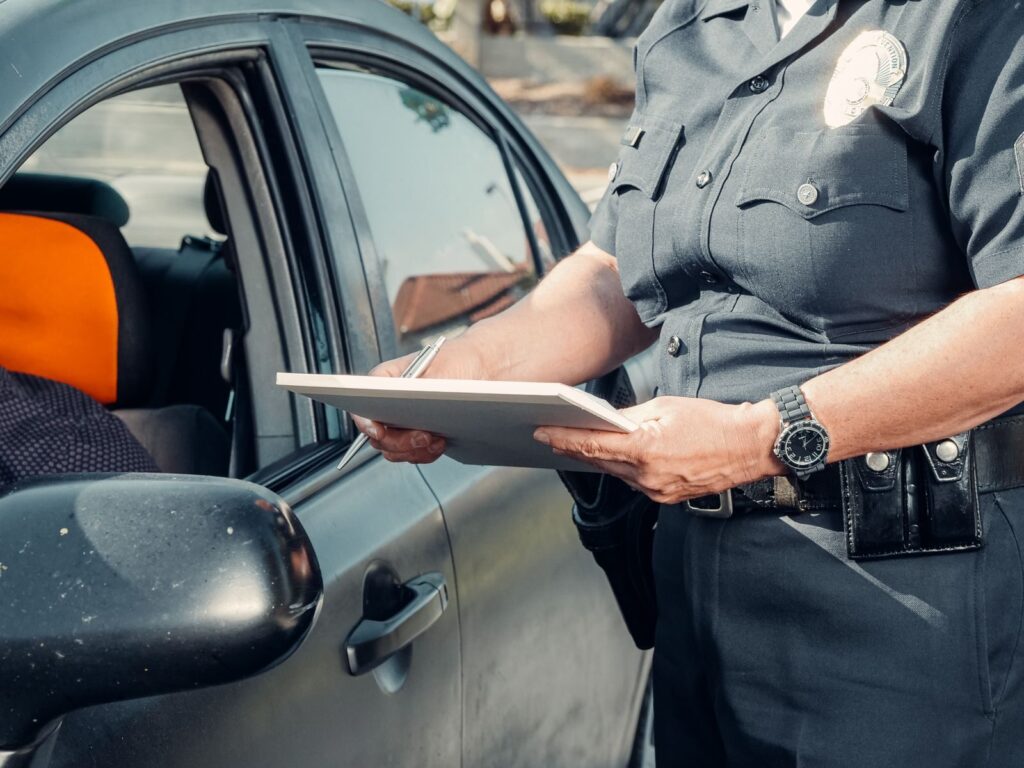
A very challenging issue with regards to automated vehicles is establishing who is responsible when something goes wrong. It is usually straightforward in the case of conventional vehicles to hold a human driver accountable through a full investigation of human actions but holding one responsible is much more difficult when a computer system is controlling the vehicle. Depending on the incident that crashes the autonomous vehicle, any or all parties involved could be held liable, whether the software engineer, manufacturer, vehicle owner.
Questions Around Vehicle Liability:
- Responsibility may become complicated
- Owners could face questions
- Manufacturers may share responsibility
- Software developers could be involved
- Investigations may require deeper analysis
Software decisions, hardware, sensors or another part of the system could cause an automobile accident. Though the new regulatory regime will be conducive to clearer expectations, it certainly does not answer all questions of liability at the outset. Furthermore, as automated vehicles become more prevalent, questions of liability that were unforeseeable in designing the legal framework governing human-driven transportation will be presented to courts and policymakers.

7. Data Privacy and Cybersecurity Add New Concerns
Fully autonomous cars are in essence just intelligent computers on wheels. They constantly assess data pertaining to roads, traffic and the journey itself, while connected vehicles will be able to produce data on both passengers and travel routes. It will bring into question the methods used in the acquisition of this information, the nature of its retention and data security.
Digital Privacy and Security:
- Vehicles process extensive road data
- Passenger information may be collected
- Travel patterns create privacy concerns
- Connected systems need protection
- Cyberattacks could affect safety
Driverless car operation to the everyday system has raise concern over privacy, as without regulation how people will know what type of data is being collected and the uses. Cybersecurity is an additional major hurdle as a vehicle would be extremely vulnerable to being hacked by being so interconnected; it is now in digital terms driving. It could provide a framework where autonomous operators can be monitored by regulators on this regard through permits and licenses.
8. Autonomous Technology Could Disrupt Texas Jobs
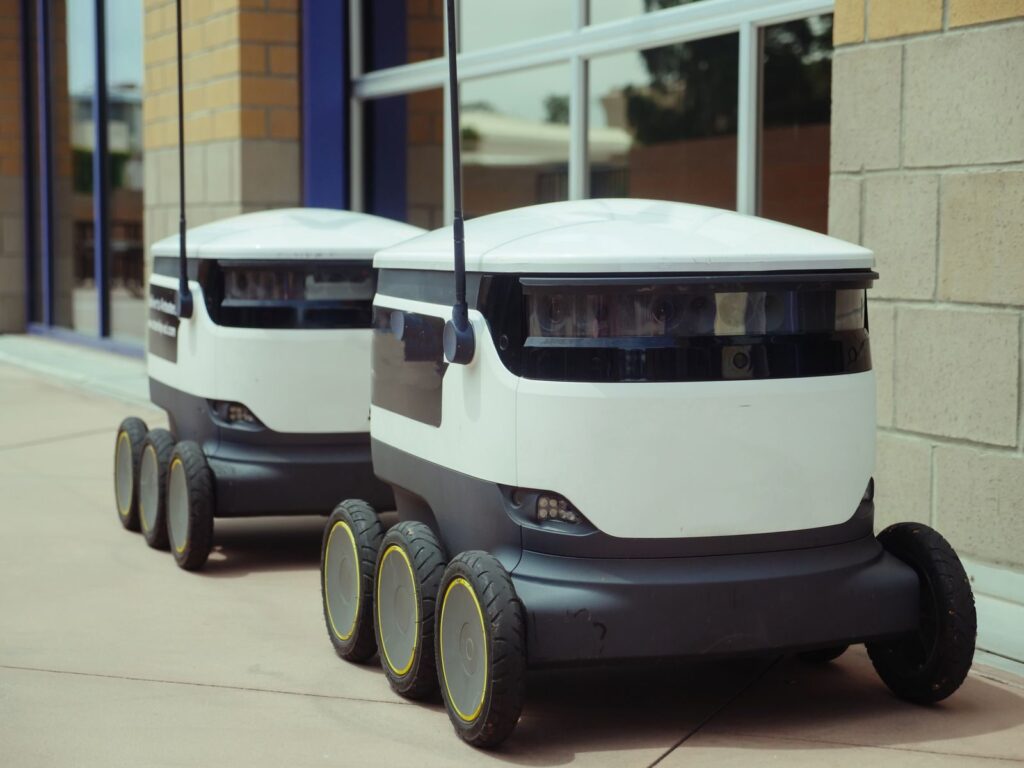
Autonomous cars could also affect much more than just our vehicles or driving safety. Since Texas relies so heavily on its vast trucking and transportation industries, automated driving could eventually displace truckers, taxi drivers, and delivery personnel. As more transport work falls to machines instead of human hands, many jobs could be transformed in surprising ways.
Potential Workforce Changes:
- Trucking jobs could be affected
- Delivery roles may change
- Taxi work could decline
- New technology jobs may emerge
- Workers may need retraining
It’s not going to happen in an instant; driverless vehicles and other technologies aren’t perfectly ready, and most transportation jobs involve more than just behind-the-wheel skills. But the stakes are high enough for a potential workplace shift that government leaders will face a challenge figuring out how human workers can best navigate the changes to embrace new jobs and careers related to autonomous vehicles without being left behind.
9. The Debate Extends Beyond Texas
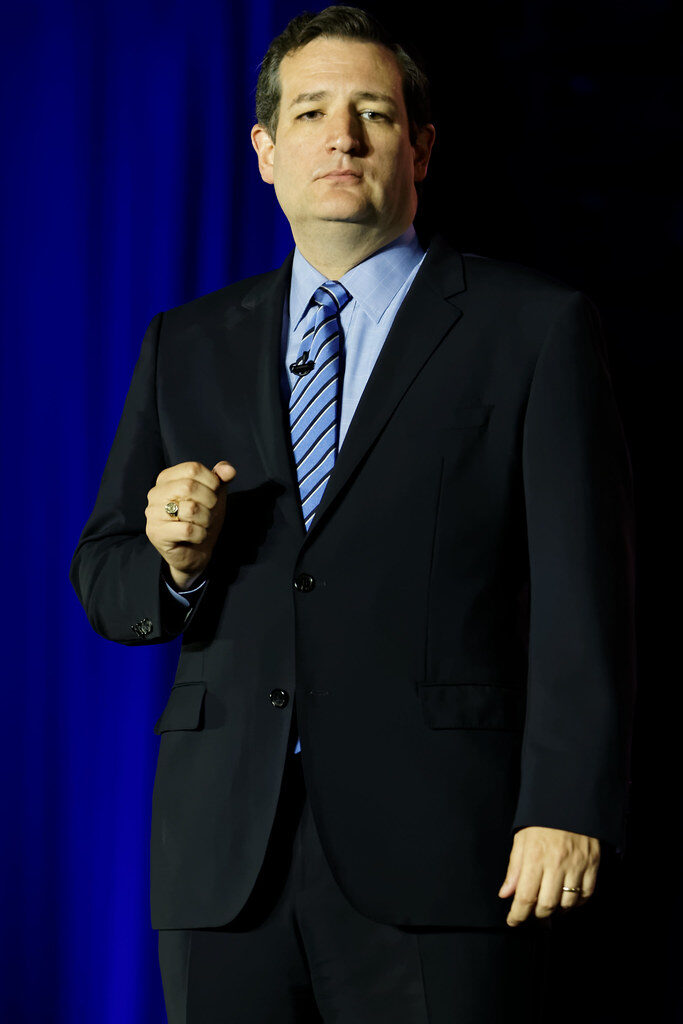
Texas isn’t acting alone on this issue; The debate over the regulations governing autonomous vehicles has also been going on at the federal level where, according to TechCrunch, Senator Ted Cruz is on the side of national regulation. The motivation for federal regulation according to Cruz is to ensure states don’t create competing regulations and there is a real pragmatic benefit to having state-to-state communication and, eventually traveling, autonomous vehicle control.
National Regulation Debate:
- Federal oversight remains debated
- States may create different rules
- Autonomous vehicles cross state borders
- Lawmakers disagree on regulation
- Innovation requires careful oversight
Some other policy makers want things to move a little slower. “Autonomous technology still has a long road ahead in terms of its development and regulatory structure has not kept up,” said Senator Tammy Duckworth earlier this year at the hearing of the Senate Commerce, Science and Transportation Committee with the goal of getting “innovate but protect the public.” The Texas program could offer a road map. “Texas officials have been one approach to implementing new regulations.”
10. Texas’ Autonomous Future Will Depend on Trust
Texas is beyond the future. We can already see autonomous vehicles driving through our cities, carrying people, and manoeuvring in the same traffic as your neighbour. As the technology rolls out, consumer trust will come down to something bigger than flashy tech demonstrations and miles driven with robots behind the wheel.
Building Public Trust:
- Safety must remain central
- Regulators need enforcement powers
- Companies must demonstrate reliability
- Privacy requires stronger protections
- Technology must earn confidence
They have to be convinced the self-driving cars can handle the mundane traffic and the unexpected emergency. Lawmakers must maintain enough of an authority that will enable the investigation and remediation of any issues or concerns-and the manufacturers have to be able to prove they see safety as more than just a slogan. The road will certainly not all be clear asphalt, but direction is beginning to be apparent. The State of Texas is moving on, toward further autonomous vehicle deployment-but at the same time pushing for an emphasis on accountability, safety, privacy and ethical operation. Whether the system can keep up with the car remains to be seen.