Trade Tariffs Reshape Volvo Lineup with Removal of S90 Sedan from U.S. Market
The global automotive market is undergoing a major realignment as changing trade policies begin influencing which vehicles automakers can profitably sell in North America. Volvo Cars is preparing to remove the S90 sedan from its U.S. lineup, with the China-built executive sedan facing sharply higher import costs under new U.S. tariff structures. The decision shows how quickly international trade policies can affect vehicle availability, especially for lower-volume models that already operate within a competitive luxury market. For Volvo, the S90’s departure represents more than the loss of one sedan because it also reflects a broader change in how the company is planning its American business.
The immediate pressure comes from the dramatic increase in tariffs affecting vehicles manufactured in China. The S90 is produced there under Geely Group ownership, making it particularly vulnerable to the new trade environment. With the sedan previously positioned around the $60,000 price point, absorbing the additional tariff burden could push its effective pricing into territory that would make the model extremely difficult to sell. The S90 was already a niche product in the United States, recording only 1,364 sales during 2024. That limited volume leaves Volvo with little financial reason to continue importing the sedan if tariffs make each vehicle substantially more expensive.
Volvo’s response also reveals where the company believes its strongest opportunities now exist in the American market. Rather than continuing to support low-volume sedans exposed to international trade pressures, the automaker is placing greater emphasis on crossovers, SUVs, domestic production, and a more flexible manufacturing strategy. The company’s South Carolina facility offers an important foundation for that approach, while models such as the XC40, XC60, and XC90 remain central to its U.S. business. The S90’s exit therefore becomes part of a much larger transformation involving tariffs, consumer preferences, factory capacity, and the future of Volvo’s American lineup.

1. Higher Tariffs Put the China-Built S90 Under Pressure
The immediate pressure behind Volvo’s decision to remove the S90 from the U.S. market comes from sharply higher tariffs affecting vehicles manufactured in China. The S90 is produced there under Geely Group ownership, making it especially vulnerable to the changing trade environment. The sedan was previously positioned around the $60,000 price point, but absorbing major additional import costs could push its effective price into a range that would be difficult to justify. With only 1,364 U.S. sales recorded during 2024, Volvo has little financial reason to continue importing the niche sedan under those conditions.
Key Tariff Pressures:
- China-built vehicle import exposure
- Dramatically higher tariff costs
- Around $60,000 previous price point
- Only 1,364 U.S. sales
- Difficult luxury-market pricing position
The supplied material states that the Trump administration applied a 125 percent tariff on China-made goods, including passenger vehicles, on April 9. That figure is far above the standard 25 percent automotive levy applied to imports from other trade partners. Under certain trade frameworks, China faces retaliatory tariffs reaching as high as 145 percent. Such dramatic increases fundamentally change the financial equation for imported vehicles, particularly premium models that already operate within competitive market segments.
For Volvo, the S90’s relatively low sales volume makes the situation even more difficult. The company would either need to absorb the additional tariff expense and accept weaker profitability or pass those costs directly to customers through higher pricing. Neither option is particularly attractive for a niche luxury sedan. A vehicle selling only 1,364 units annually has limited room for a major price increase without risking even weaker demand. Removing the model therefore becomes a more practical response than attempting to maintain an increasingly difficult import business.
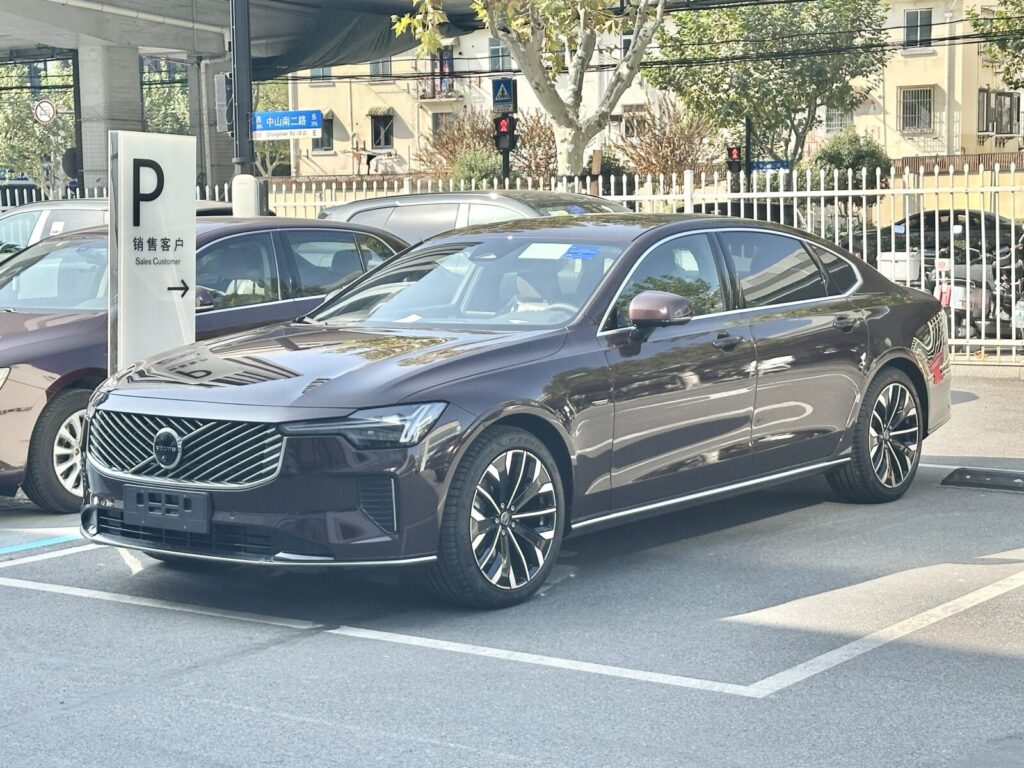
2. The S90’s U.S. Run Is Coming to an End
Volvo’s planned withdrawal of the S90 effectively brings the sedan’s current U.S. run to an end. Reports cited in the supplied material indicate that the company intends to cancel U.S. orders for the S90 beginning the following year, making the 2025 model year the final opportunity for American customers to purchase the sedan new through the normal U.S. market. The decision illustrates how rapidly changing trade conditions can influence product planning when an automaker is dealing with a vehicle that already represents a relatively small portion of its overall sales.
Key S90 Changes:
- U.S. orders being discontinued
- 2025 becomes final model year
- MY26 U.S. availability is canceled
- Niche sedan economics become difficult
- Resources shift toward stronger products
The decision appears to represent more than a temporary inventory adjustment. Maintaining an import pipeline for a low-volume vehicle becomes increasingly difficult when tariffs add substantial expenses to every unit. Volvo therefore appears to have concluded that continuing to manage those costs would not make commercial sense. Eliminating the S90 allows the company to concentrate its financial and manufacturing resources on vehicles with stronger sales potential and more favorable economics in the American market.
Volvo’s public messaging has remained measured, but the company has provided a clear indication of the sedan’s immediate future. According to the supplied material, a Volvo spokesperson stated that there were currently no plans to bring the MY26 S90 to the United States. That statement gives American customers a strong indication that the sedan will not continue into the next model year. Its departure demonstrates how international trade policy can directly influence the availability of established vehicles.

3. Volvo Is Losing Its Traditional Sedan Presence in America
The S90’s departure becomes even more significant because Volvo has already announced the discontinuation of the S60 after the 2025 model year. Once both vehicles leave the American lineup, Volvo will have no traditional sedans available in the U.S. market. That marks a major change for a brand whose American identity has long included practical, safety-focused four-door cars. For decades, Volvo sedans helped establish the company’s reputation among U.S. buyers, making the disappearance of both the S60 and S90 an important transition in the brand’s history.
Key Lineup Changes:
- S60 ends after 2025
- S90 leaves U.S. market
- No traditional sedans remain
- Crossovers gain greater importance
- American strategy continues evolving
The change does not mean Volvo is abandoning passenger vehicles entirely. Instead, it reflects the company’s adaptation to current market conditions, particularly the growing popularity of crossovers and SUVs. These vehicles offer greater versatility, additional cargo capacity, and a driving position that many customers now prefer. Automakers throughout the industry have responded to the same trend by reducing traditional sedan offerings and directing greater investment toward utility vehicles.
For Volvo, the change creates a clear distinction between its historical American identity and its future product strategy. The company maintained a recognizable sedan presence for decades through vehicles such as the S60 and S90. With both models leaving the lineup, that era is effectively ending. Volvo is instead preparing to build its U.S. business around vehicles that attract greater demand and provide stronger commercial opportunities. Consumer purchasing patterns are therefore playing an important role in reshaping one of the most recognizable elements of Volvo’s American lineup.
4. Volvo’s U.S. Strategy Is Moving Toward Crossovers and SUVs
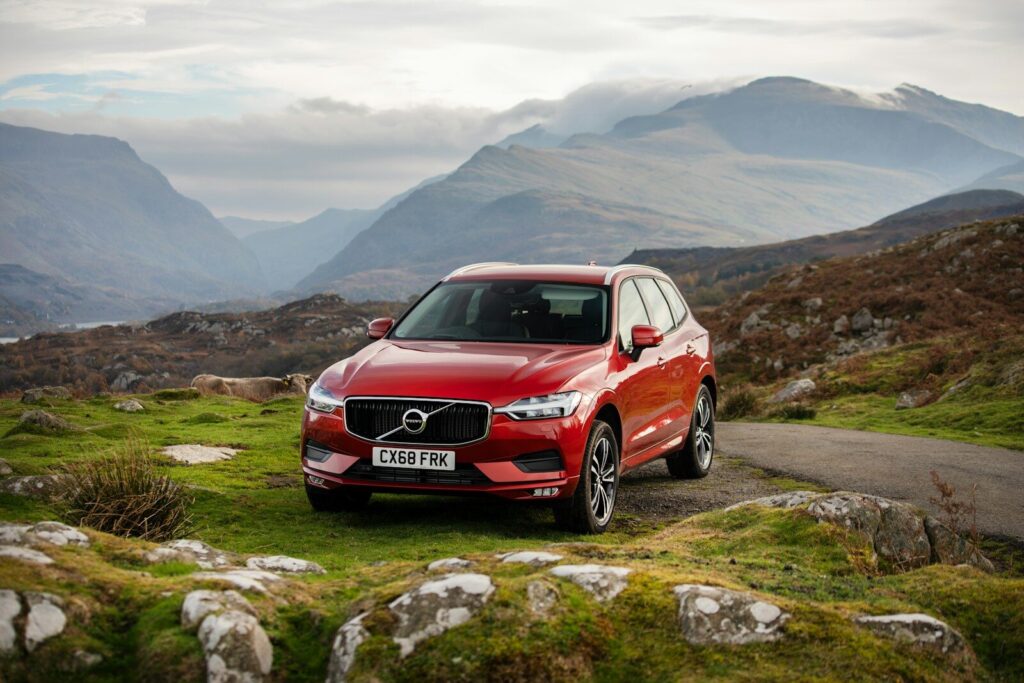
Volvo’s increasing focus on utility vehicles reflects the broader transformation taking place across the American automotive market. Consumer demand has moved strongly away from traditional sedans and toward crossovers and SUVs, and Volvo is responding by emphasizing vehicles that fit those preferences. Its U.S. crossover range includes the compact XC40, midsize XC60, and three-row XC90. Together, these vehicles give the company a product portfolio designed around body styles that attract significantly more interest from American buyers than traditional luxury sedans.
Key U.S. Crossover Models:
- Compact XC40 crossover
- Midsize XC60 crossover
- Three-row XC90 SUV
- Stronger consumer demand
- Greater utility-focused strategy
The commercial performance of Volvo’s American operation also supports this strategy. During the first quarter of 2025, U.S. sales increased 7.5 percent year over year to 33,285 vehicles. That result contrasts with the company’s global performance during the same period, when total sales declined 5.7 percent because of weakness in Europe and China. The difference highlights the relative strength of the American market for Volvo and provides another reason to concentrate resources on products performing well with U.S. customers.
High-margin and higher-volume crossovers can also provide Volvo with opportunities to strengthen its financial position while managing international trade uncertainty. Popular utility vehicles can generate greater sales volume and allow the company to use logistics, marketing, and manufacturing resources more efficiently. The S90’s withdrawal therefore represents more than a single-model cancellation. It is part of a broader strategy in which Volvo is directing attention toward products that better match American consumer preferences while reducing exposure to vehicles whose international production arrangements create additional risks.

5. Heavy Import Dependence Leaves Volvo Exposed to Tariff Changes
Volvo’s global manufacturing structure leaves the company particularly sensitive to international trade policy. According to the supplied material, 96.8 percent of all Volvo vehicles sold in the United States during the first quarter of 2025 were imported from production facilities in Europe or China. Such a high level of import dependence means tariff changes can quickly influence the cost of vehicles entering the American market. The S90 is a clear example because its Chinese production location places it directly within one of the trade categories most heavily affected by the new tariff environment.
Key Manufacturing Challenges:
- 96.8 percent imported U.S. vehicles
- European production exposure
- Chinese production exposure
- Rising import-related expenses
- Greater need for localization
Volvo is therefore examining ways to reduce its exposure by increasing localized production and diversifying its supply chain. Local manufacturing can provide greater control over the cost of supplying American customers while reducing dependence on international shipping and changing tariff rules. It can also allow the company to align production more closely with regional demand. These considerations have become increasingly important as automakers face a global environment where government trade decisions can quickly change the economics of established manufacturing arrangements.
The company must balance its existing international production network with greater regional flexibility. Volvo cannot simply move every model into American factories, so it must determine which products make the most sense to localize based on demand and profitability. That makes the S90 situation particularly revealing. A low-volume sedan built in China becomes increasingly difficult to justify when tariffs rise sharply, while a popular crossover may make considerably more sense as a candidate for domestic production.
6. South Carolina Could Become More Important to Volvo
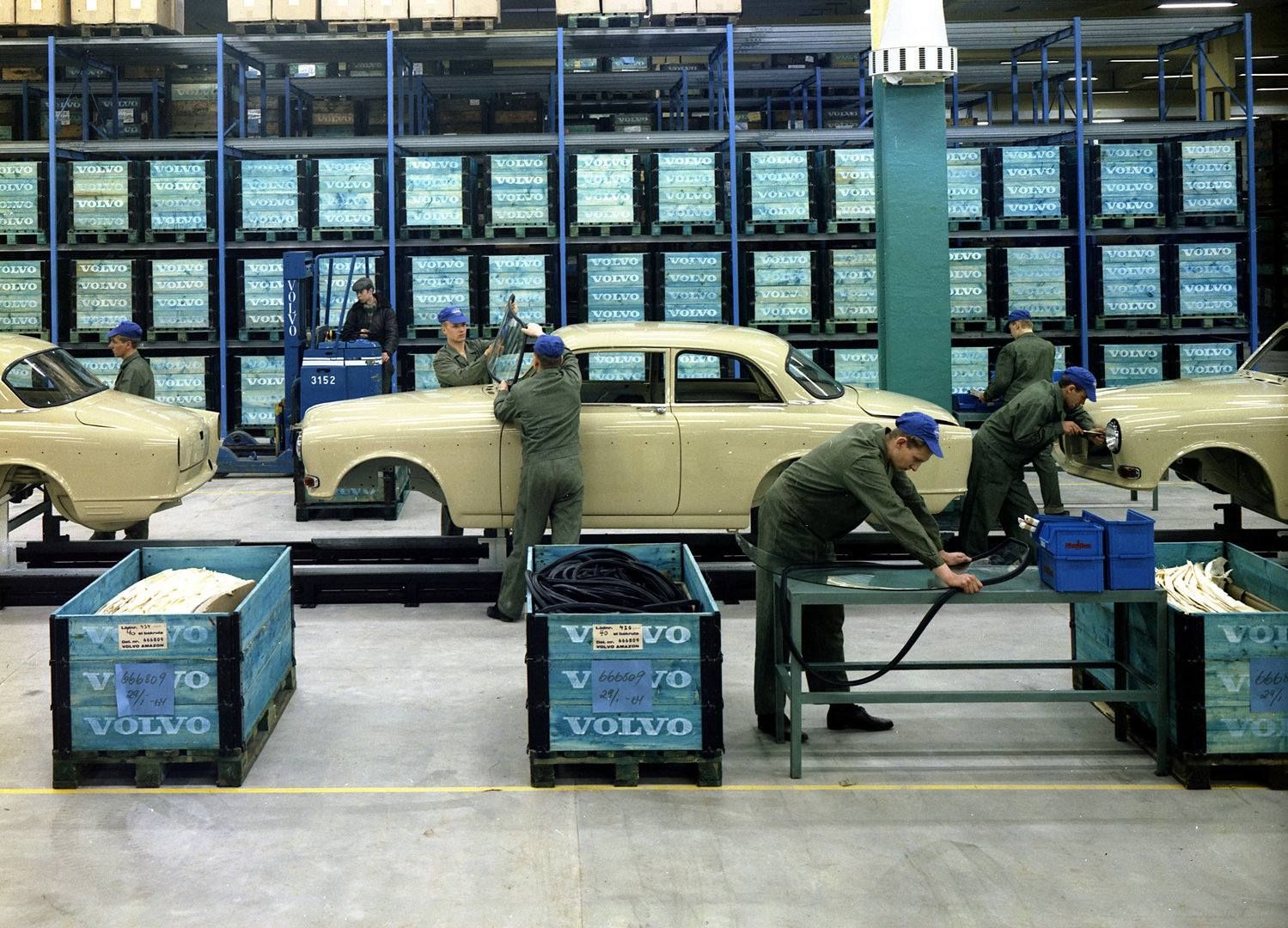
Volvo’s production facility in Ridgeville, South Carolina, represents one of the company’s most important assets as it adapts to the changing trade environment. The plant has a stated maximum production capacity of 150,000 vehicles annually, creating substantial room for additional localized output. The supplied material notes that Volvo’s total U.S. sales last year were just over 125,000 vehicles, meaning the factory theoretically has enough capacity to support a significant portion of the company’s American demand if production is allocated accordingly.
Key South Carolina Advantages:
- 150,000-vehicle annual capacity
- Existing U.S. manufacturing facility
- EX90 production already established
- Polestar 3 production connection
- Room for expanded localization
The South Carolina facility already plays an important role in Volvo’s American manufacturing strategy. It produces the all-electric EX90 crossover alongside the Polestar 3, while S60 production at the plant has ended. This provides Volvo with an established domestic foundation from which it can potentially expand production of strategically important vehicles. Rather than constructing an entirely new facility, the company can potentially make greater use of infrastructure and capacity that already exist.
Volvo is evaluating which additional high-volume model could be added to the South Carolina production lines. The supplied material cites a retail memo from Volvo Car USA and Canada President Michael Cottone acknowledging the challenging global operating environment while highlighting plans to expand localized manufacturing volumes. Increasing production in South Carolina could reduce Volvo’s exposure to foreign tariffs while improving utilization of the facility. The choice of which vehicle comes next could therefore have significant consequences for the company’s future American supply chain.
7. The XC90 Could Become a Key Domestic-Build Candidate
Among the vehicles being considered for additional South Carolina production, the XC90 has emerged as a leading possibility according to reports cited in the supplied material. The three-row luxury crossover is one of Volvo’s important American products, making it a logical candidate for domestic assembly. Moving XC90 production closer to its largest customer base could reduce tariff exposure while also increasing utilization of the South Carolina facility. The potential strategy would connect Volvo’s manufacturing footprint more closely with the vehicles generating meaningful demand in the United States.
Key XC90 Production Benefits:
- High-value luxury crossover
- Strong U.S. market relevance
- Potential domestic assembly
- Reduced import dependence
- Better factory utilization
Domestic XC90 production could provide several advantages simultaneously. It would reduce Volvo’s reliance on imported vehicles, potentially lower exposure to changing trade policies, and place a high-volume product within an American production hub. Producing popular SUVs locally would also allow the company to prioritize products with a much larger customer base. Instead of maintaining a complicated import structure for low-volume models, Volvo could use domestic manufacturing capacity to support vehicles with greater commercial importance.
The potential shift also demonstrates how tariffs can influence factory planning beyond the vehicles directly affected by trade restrictions. Volvo does not need to manufacture the S90 domestically to address the problem created by its Chinese production. It can instead redirect investment and factory capacity toward products that make greater commercial sense in the United States. If the XC90 ultimately becomes part of that strategy, it would represent another step toward building a more flexible and resilient North American manufacturing operation.
8. Volvo Is Also Adjusting Production of the EX30
Volvo’s response to Chinese trade restrictions extends beyond the S90 and includes changes to the manufacturing strategy for other important vehicles. The EX30 subcompact electric crossover provides a clear example. Early units were sourced from Volvo’s Chinese manufacturing operations to satisfy global demand, but the company is now increasing production capacity for the model at its facility in Ghent, Belgium. The goal is to provide U.S.-bound vehicles from another production location and reduce exposure to China-specific tariffs.
Key EX30 Production Changes:
- Early production sourced from China
- Additional European manufacturing capacity
- Ghent production expansion
- Reduced China tariff exposure
- Continued U.S. market availability
This approach demonstrates the flexibility Volvo can gain by maintaining multiple manufacturing locations for important products. Instead of relying entirely on one country for global supply, the company can adjust production according to regional economic conditions. Increasing EX30 output in Belgium allows Volvo to continue supplying American customers while avoiding some of the additional costs associated with importing the same vehicle directly from China.
The EX30 strategy also shows that Volvo’s response is not limited to removing vehicles from the U.S. market. In some cases, the company can preserve a product by changing where it is manufactured. That option becomes particularly valuable for vehicles with strong demand or strategic importance. The S90, with its relatively low sales volume, may not justify such a production shift. The EX30, by contrast, can benefit from additional European production because maintaining access to American customers remains commercially worthwhile.
9. The Electric ES90 Faces a Similar Manufacturing Challenge
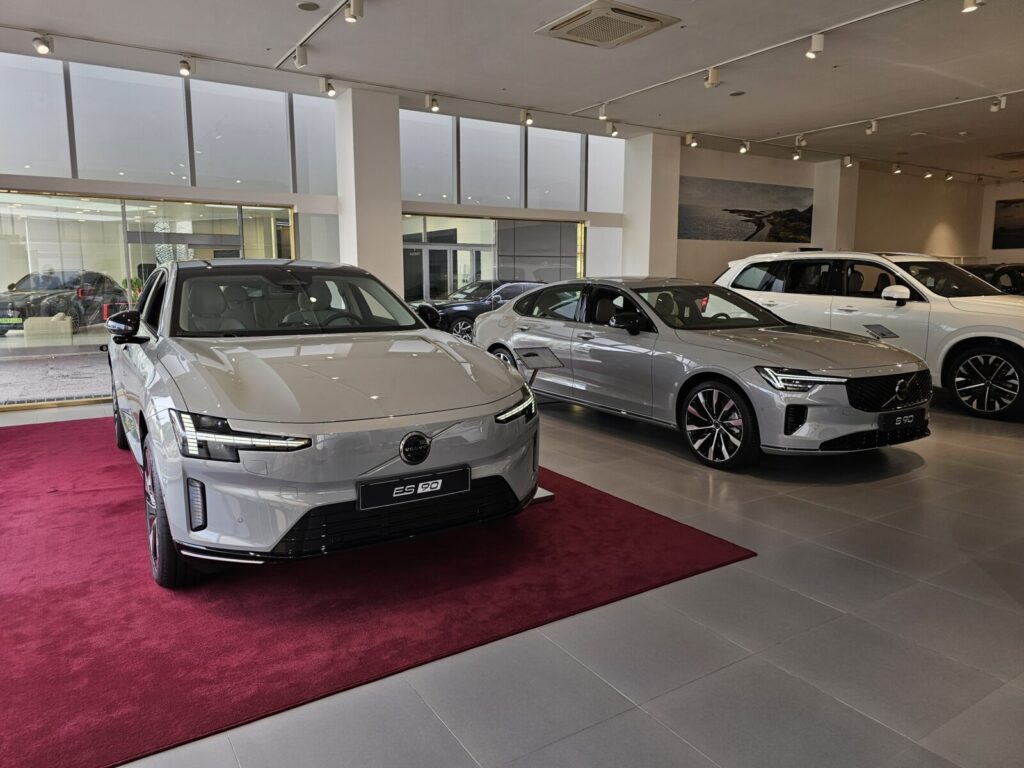
Volvo’s newly revealed ES90 electric flagship sedan introduces another question about the future of sedans in the United States. The ES90 combines a sleek premium sedan profile with crossover and fastback-inspired styling, giving it a design intended to bridge multiple segments. However, its planned primary production in China creates a difficult situation under the current U.S. tariff structure. The same trade barriers that have made the S90 increasingly difficult to justify could potentially affect the commercial prospects of Volvo’s electric flagship.
Key ES90 Challenges:
- Premium electric flagship sedan
- China-based primary production
- Exposure to U.S. tariffs
- Competitive luxury EV segment
- Uncertain American manufacturing future
The ES90 therefore faces an important manufacturing question before Volvo can fully establish its position in the American market. If the vehicle is imported from China, its pricing could be heavily affected by the same tariff environment confronting the S90. That could make an otherwise promising electric luxury sedan considerably more expensive for American buyers. In a competitive premium EV market, a high tariff burden could make it difficult for the model to achieve the sales volume needed to justify its import strategy.
Local production at the South Carolina facility could potentially provide a solution, although the supplied material presents this as an open question rather than a confirmed plan. If Volvo chooses to manufacture the ES90 in the United States, the company could potentially avoid the same trade-related barriers facing China-built imports. If it does not, the sedan could face difficulties reaching American showrooms under current conditions. The situation demonstrates how manufacturing location is becoming an increasingly important part of electric-vehicle product planning.
10. Volvo Is Using Pricing and Incentives to Manage the Transition
Volvo is also making immediate financial adjustments while considering longer-term manufacturing changes. The company does not currently plan to increase official sticker prices on existing vehicles in response to the tariff environment. Instead, management is making smaller changes to incentives offered through its dealer network. Promotional discounts on vehicles imported before the new tariff structure took effect are being reduced, allowing Volvo to preserve more of the financial value associated with existing inventory while managing the increased costs facing future shipments.
Key Financial Responses:
- No immediate sticker-price increase
- Reduced dealer incentives
- Existing inventory treated differently
- Future imports face higher costs
- Manufacturing strategy remains flexible
The savings created through reduced incentives can then be redirected toward future vehicle imports. According to the supplied material, Volvo intends to use this additional financial cushion to help offset the higher costs associated with incoming shipments. This approach allows the company to avoid immediately changing official vehicle prices while still responding to increased expenses. It also gives Volvo greater flexibility while determining how much of the tariff burden can be absorbed internally and how much may eventually reach consumers.
The broader implications extend beyond Volvo itself. European-built vehicles are also affected by the changing trade environment, with the supplied material noting a 27.5 percent tariff rate for European vehicle imports compared with the much higher level associated with Chinese trade retaliation. These costs are encouraging automakers to reconsider where vehicles are manufactured and how global supply chains are structured. The S90’s departure therefore illustrates a much larger transformation in the automotive industry, where tariffs, production locations, consumer demand, and vehicle profitability are becoming increasingly interconnected.