BMW Patents Roundel Shaped Screws That Restrict Independent Car Repairs

BMW has always prided itself on unusual styling, forward-thinking engineering and a hunger to do things its own way. Sometimes that has led to great innovations, but more often drivers and enthusiasts have criticised the BMW way of doing things. Its most recent patent application falls squarely into the latter camp and describes a curious fastener using the company’s distinctive blue-and-white roundel logo. While the visual design may be eye-catching, the strange shape could make simple repairs tougher for owners and independent mechanics without access to special tools.
The decision is likely to spark debate about how much power manufacturers should have when it comes to servicing vehicles once you have bought one. BMW has looked into a method that may stop everyday toolbars from removing or tightening some types of screws, which would make getting to some parts of a car a little more tricky. But a patent application doesn’t mean that the design will appear on the road and BMW has not said whether it will use any of these fasteners on its vehicles, but the proposal has gained attention for that reason as it relates to broader discussions around the cost of repairs, independent garages and the right to repair.

1. BMW’s Unusual Roundel-Shaped Screw Design
BMW’s new design incorporates a four-quadrant cross, with each quadrant either set in flush or protruding above the surface. The shape is based on the company’s own roundel logo and created for the brand-specific fastener as the other shapes on the market, such as hexagonal or star, fit the symmetrically proportioned shapes of fasteners that are commonly used. Also fitted is an embossed roundel that extends around the edge of the head. From above, the asymmetric design of two large, flush-levered quadrants and two smaller set-in quadrants looks nothing like the shapes of normal fasteners.
Roundel Screw Design:
- Inspired by BMW’s blue-and-white roundel logo
- Divided into four distinct quadrants
- Uses two recessed cavities for a matching driver bit
- Features an embossed emblem around the screw head
- Includes socket, flat and rounded head variations
From a purely cosmetic point of view, the design seems compatible with BMW’s tendency to dwell on details and fine points, particularly in hidden areas of the interior where the fasteners are visible. The patent showcases four different head styles, rounded, flat, and two slightly more rounded variations that all keep the same unique pattern. The odd shape also presents a minor practical problem, in that you may not be able to attack the fasteners with a regular screwdriver and readily available bits in order to remove or replace any parts secured by the fastener.

2. Where BMW Could Use Its Custom Fasteners
In its patent, BMW explains why the fastener could be used in structural or semi-structural parts of the car, where the fasteners wouldn’t necessarily be hidden beneath any bodywork or cladding. For instance, at a joint between the cockpit and the load-bearing structure of the vehicle, or where the seat mounts to the floor. These aren’t entirely ornamental parts of the car, so a tool will need to be wielded to tighten the screw, and the screw must be able to be handled with care, which makes it different to a branded screw that is only there for aesthetic reasons.
Potential Fastener Locations:
- Seat attachment points
- Joints connecting the cockpit to the load-bearing structure
- Structural and semi-structural applications
- Areas where fasteners remain visible
- Potential use across other interior and exterior components
The variety of head styles within the patent suggest that if BMW ever uses this design it could be suitable for a number of different uses. In theory, this could go beyond a single visible screw to other interior or exterior items that need a similar installation method. Unfortunately the actual scope of production use has not been confirmed so it would be a mistake to assume all upcoming BMWs will have these proprietary fasteners in all places. The main issue, if the screws are deployed where owners or independent garages need to get to, is that regular repairs could become more and more reliant on the availability of the correct specialised items.

3. BMW’s Patent Language Raises Right-to-Repair Concerns
This language how the fastener was described in BMW’s patent application has been particularly scrutinised because it arguably provides the most direct explanation as to why BMW has designed the fastener in the first place. The documents filed with the German Patent and Trade Mark Office include a description of a construction in which the shape of the grip recess prevents an unauthorised person from loosened or tightening the screw with, say, a screwdriver. Another part of the application states that the drive structure should be difficult to impossible to operate using a screw driver. Both of these passages seem to be describing a way of limiting access through the fastener’s design.
What the Patent Specifies:
- The recess shape is designed to resist common tools
- Conventional screwdrivers may not fit the fastener
- A matching specialised driver bit would be required
- The design distinguishes authorised access from unauthorised access
- The patent focuses on limiting the tools that can operate the screw
For the owner-do-it-yourself mechanic and independent garage, the language begs the question of who will be able to perform even modest maintenance tasks. A local garage may have the skill and tools to remove a seat or open a dash panel, but may not have the right driver bit to do the job. Owners may encounter the same issue if their standard screwdrivers won’t fit into the drive head of the asymmetric fastener. While OEMs undoubtedly have a good reason to restrict access to certain parts, the patent’s focus on restricting access to the most frequently used hand tool will raise fears that repairability could become more limited.
4. Could BMW’s Screws Make Independent Repairs More Difficult?
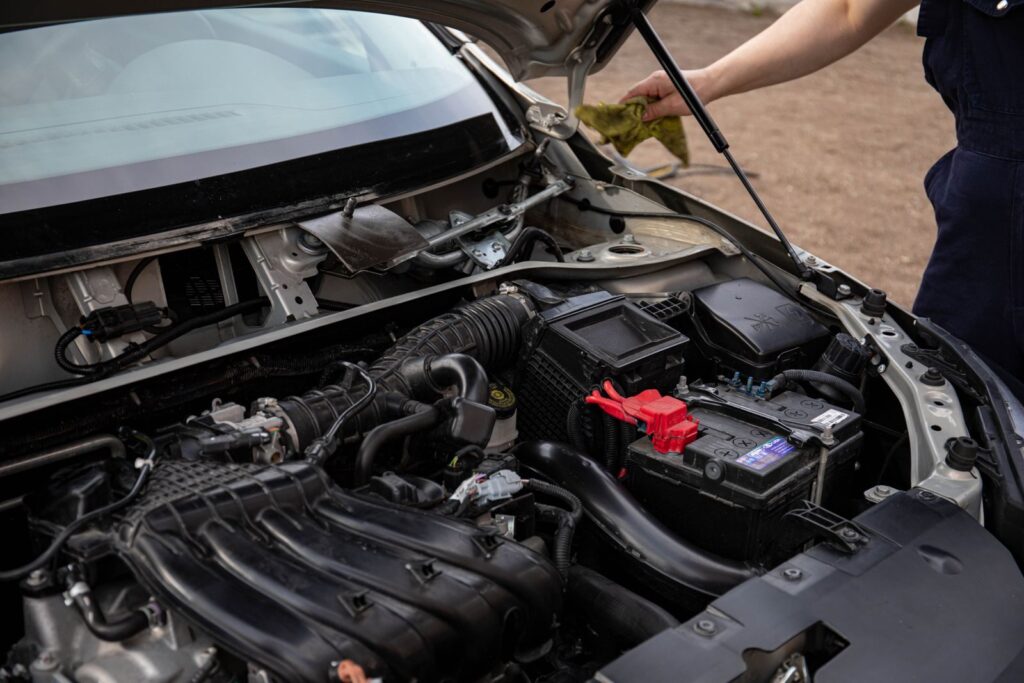
A simple practical issue say BMW were to produce a fastener that no household tool could tighten or loosen. The owner without a specific bit might find they can’t undo the piece of plastic. The repair might otherwise be one that a talented home mechanic would be able to undertake, but instead they would have to find a garage or dealer with the prepped equipment. That’s even a simple front seat removal you have to do a lot of work to get at if all you have are standard tools, and not because that’s an overly difficult job, but because you lack a specific tool.
Potential Repair Barriers:
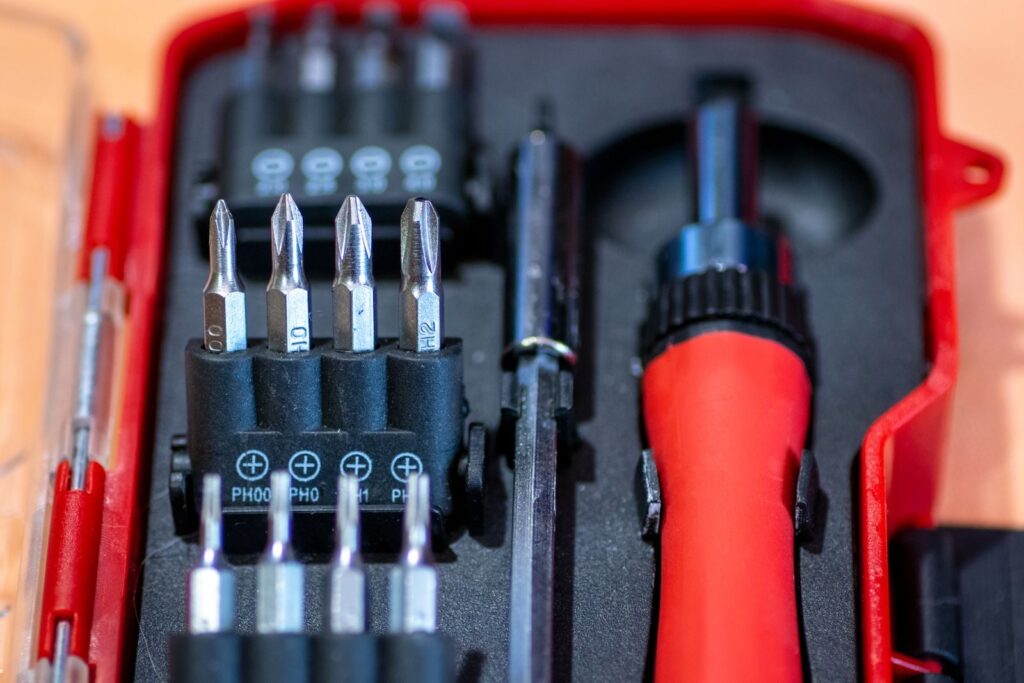
- Standard toolkits may not fit the screw head
- Independent garages could need specialised driver bits
- DIY maintenance may become more complicated
- Certain repairs could require additional equipment
- Access to proprietary tools may affect repair choices
This does not mean, however, that all independent garages would be unable to work on these vehicles. If the screwdriver bits could be manufactured commercially, it may well be possible for specialists to buy them and continue to do the work. But that would be another additional cost, and there is going to be an issue here too for small garages and perhaps car-owners who do a bit of work on their own cars. Broad use or scarcity of access to the tools could ultimately make independent servicing less attractive and more costly.
5. Questions About Tool Strength and Mechanical Reliability
Aside from the obvious accessibility issue, there are also some questions about how well the matching driver will work under load for structural jobs. Because the design relies on the two recessed areas to make contact with the screw, there may be a lot of load placed on the driver when a very high torque is needed to tighten or loosen the screw. In addition, if the contact surface areas aren’t a perfect fit or are not strong enough to withstand the load, they could potentially lead to damage to the tool or wearing of the screw head. All of this is speculation, as the patent does not actually show how the design would work when servicing.
Mechanical Considerations:
- Structural fasteners can require substantial torque.
- The matching bit must engage securely with the recesses.
- Poor tool engagement could damage the screw head.
- Repeated high-force use could place demands on the driver.
- Real-world durability remains unconfirmed.
This meant that the matching tool and the accuracy of it would make a difference if BMW did go ahead with the design. A correctly manufactured driver could be created that could withstand the forces, so the unusual shape would not necessarily make the fastener deficient. However, the technician would require the right tools and procedures to prevent damage to the hardware when removing it or installing a new one. The larger issue for owners, then, is whether a specialised fastening system offers any real benefit to the user that could offset that reduction in ease of access.

6. BMW’s Patent Status and the Possibility of Production
The patent illustrations were filed on 7 June 2024 and published on 11 December 2025. Once published the design found itself under much wider scrutiny due to the fact that the shape of the fastener and the apparent efficacy of the shape against generic tools called its purpose into question. Regardless, the submission remains a patent application rather than an indication BMW has plans to utilize the fasteners. Car manufacturers patent far more than they ever produce and therefore do not necessarily consider the application to be an indicator that the fasteners will show up in production vehicles.
Patent Timeline and Status:
- Drawings submitted on 7 June 2024
- Application published on 11 December 2025
- The design has attracted international automotive media attention
- No confirmed production application has been established
- The concept could remain an unused patent
That’s the difference between patenting an idea and simply implementing it in a vehicle and it’s one worth noting when considering the potential consequences for owners. BMW might use the fastener as the basis for more patented parts, perhaps alter it and update the design, or decide it’s not worth the trouble and scrap it altogether in the light of engineering or commercial considerations. But whether you’ll see the screws when taking your car back to the garage remains to be seen until the firm announces a production programme.

7. Mercedes-Benz Takes a Different Approach to Repairability
The fastener that BMW has patented also has its detractors. Part of the process of BMW’s announcement involved other makers indicating they were working on easier fixes and more accessible design. Mercedes-Benz, for instance, has said in the past that future models will be re-designed to cut down on some of the unscheduled repairs by reverting to screw-based systems instead of permanently sealed units. When what is inside an assembly is broken, it is better to replace a part rather than the whole thing, and to do so more easily.
Mercedes-Benz’s Repair-Friendly Direction:
- Focuses on reducing unnecessary servicing difficulties
- Includes efforts to make future models easier to repair
- Moves towards simpler screws in some component designs
- Could reduce the need to replace entire assemblies
- Highlights an alternative approach to vehicle maintenance
The two examples show how choices made during the design stage of a car can lead to a different ownership experience years down the road. One component may be easier to access and diagnose, repair or replace on its own than a larger assembly that must be purchased in entirety. A fastener that BMW has suggested but which has drawn flak for its seemingly intentional shape makes the point from a different end of the spectrum, but we aren’t using the examples to compare the overall servicing policies of the two manufacturers. The point is that they are both possible, and automakers are faced with balancing them.

8. Enthusiasts React to BMW’s Branded Hardware
The patent for the BMW branded fastener immediately caught the interest of automotive fans on the internet. Both online for a few days on a Reddit thread, the comments expressed anger that yet another barrier is being put in place for the DIY able to repair car. Some saw the branded fastener an insurmountable obstacle for those who own their own car and / or use an independent garage. Some commenters saw the driver bits for the very commonly used fastener as the product soon to be sold by aftermarket manufacturers on places like Ali Express and Temu.
Enthusiast Reactions:
- Concerns about restricted DIY maintenance
- Frustration over potentially proprietary hardware
- Questions about the practical value of a branded screw
- Predictions that aftermarket driver bits could emerge
- Worries about tool damage during high-torque work
This debate is also part of a bigger issue where some argue the usage of specialised parts introduces problems that are avoidable without clearly having an advantage for the customer. If one could easily get replacement driver bits for a branded screw, then maybe the question of accessibility would be less of an issue, but the quality and usability of those driver bits would be. Conversely if a set of fasteners can only be undone by a tool that would require any independent garage to buy specialised equipment, then that garage might be completely reliant on a set of tools bought from a dealership. So the question is not simply if a screw can carry a logo, but if the added aesthetics contribute to the barriers between the owner and the vehicle.

9. The Right-to-Repair Debate and the REPAIR Act
Patents such as BMW’s have come in the midst of a broader debate about the right to repair, which considers whether owners of vehicles, and their independent repairers, should have “reasonable access to vehicle information, tools, and resources necessary to maintain their vehicles”. In 2023, the UK introduced and reintroduced the REPAIR Act in 2025 in an effort to improve access to this vital information and diagnostic tools. Advocates for the bill believe that independent repair shops should be able to compete on equal terms with franchised repairers, rather than being prevented from completing repairs because manufacturers withhold important technical information or equipment.
Right-to-Repair Concerns:
- The REPAIR Act was introduced in 2023 and reintroduced in 2025
- Supporters seek fair access to diagnostic information and tools
- Independent garages need suitable resources to repair modern vehicles
- Restrictive hardware can create additional service barriers
- Consumers benefit from having a choice of repair providers
Car-repair youtuber and professional mechanic Chris Fix put it plainly: “At its core, I think most people would agree that it’s a good thing to have choice.” That’s the sentiment that makes the debate relevant to the average car owner with the latter’s pursuit of choice of repair shop and repair experience. Vehicle manufacturers who hold too many repair know-how and repair tools hostage to their affiliates could leave owners with fewer options and higher costs. The carmakers, meanwhile, have to keep in mind safety, security and the proper functioning of complex cars, and that means all restrictions cannot be abolished entirely.
10. The Financial Impact on Independent Garages and Owners
Limiting repair tools and information access could result in more than just hassle if independent repair shops cannot do work they are capable of. Bill Hanvey, president and chief executive of the Auto Care Association, has said that aftermarket repairs are up to 36 per cent cheaper than at dealerships and cited research estimating that 51 per cent of independent repair businesses are referring as many as five vehicles to franchise dealerships each month due to lack of access to data. This helps explain why repair access is a pressing business issue for workshops and drivers alike.
Repair Costs and Access:
- Aftermarket repairs can cost up to 36% less than dealer servicing
- A reported study found that 51% of independent shops faced data-access restrictions
- Some workshops send vehicles to franchised dealerships each month
- Restricted tools and information can limit repair options
- Owners may face additional costs when independent repairs are unavailable
” Consumers should have the ability to perform some tasks and manufacturers should ensure the integrity of vehicles and data, Louay Abdelkader, director of product management at QNX said. “From the Fisker story, we learn that access really matters after the electric-vehicle company shut down, owners’ groups attempted to reverse-engineer the software and develop parts replacements.” Fisker Owners Association CEO Cristian Fleming said that no matter how well manufacturers maintain a vehicle, owners should have a voice in terms of how they are serviced. All these factors show that repairability is not only a matter of convenience it can impact ownership costs, the lifespan of vehicles, and access to vehicles when manufacturer support dwindles.