



Cybertruck vs. Rivian vs. Lightning: The Definitive Electric Truck Comparison

This electric truck conversation has definitely come a long way since all the early conjecture and marketing buzz. What was once a future fantasy has now turned into an actual competition where three dramatically different paths lead to solving the same problem. The Cybertruck, R1T and F-150 Lightning are all machines-now in the flesh-that have gone through their paces.
For so long the Cybertruck was limited to staged test events or controlled previews. But now, in significant numbers, we’re finally able to see how the outlandish EV truck stacks up against its fiercest of rivals under real world testing. Rivian is building a reputation as a performance, off-road oriented electric adventure truck while Ford leverages its massive history of truck dominance to dive into the future.
This isn’t about promise anymore-it’s about how each of these three different electric truck philosophies perform on a highway, on a dragstrip, while towing, and when navigating rough terrain.
1. Design Philosophy
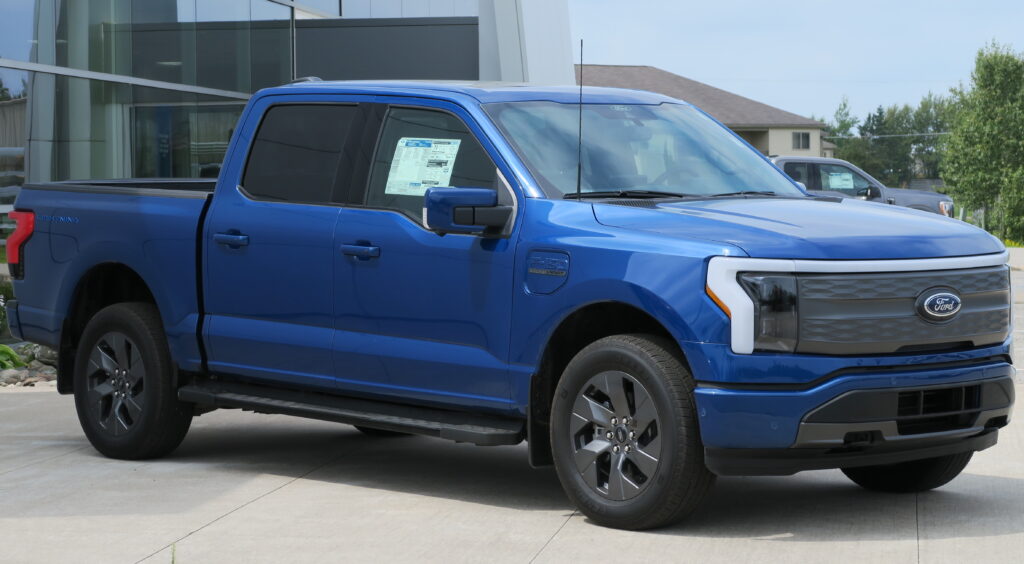
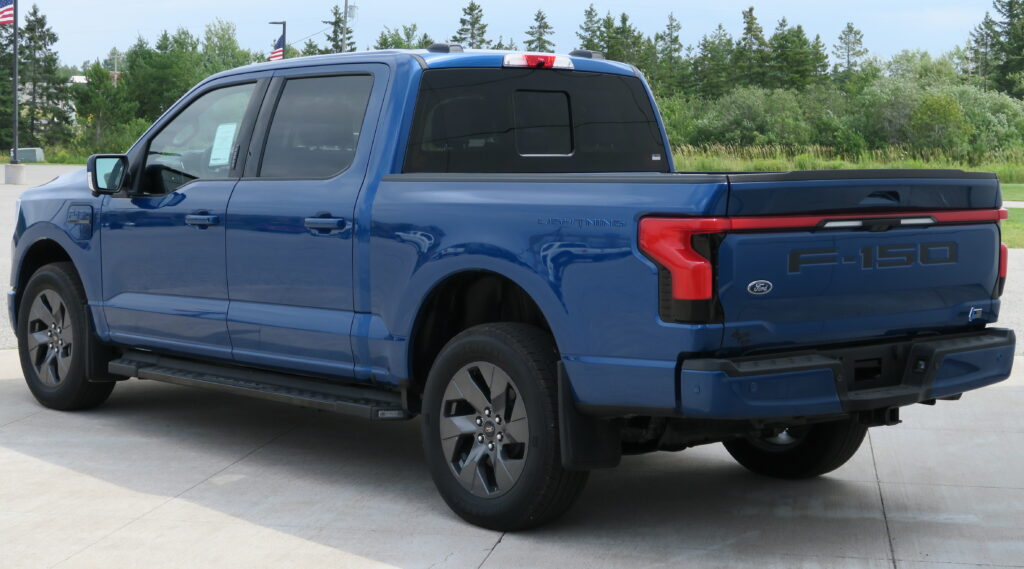
All three of these trucks offer a different approach to design and that in itself becomes an integral part of each. The Ford F-150 Lightning retains a distinct “truck” design and the familiar shape can be seen as a familiar sight across the United States from many years. It has a conscious and comforting design that can feel natural while ease the transition toward an electric car.
Key Design Approaches:
- Traditional pickup truck styling
- Familiar and recognizable appearance
- Bold futuristic design direction
- Modern adventure-focused aesthetics
- Balanced visual identity
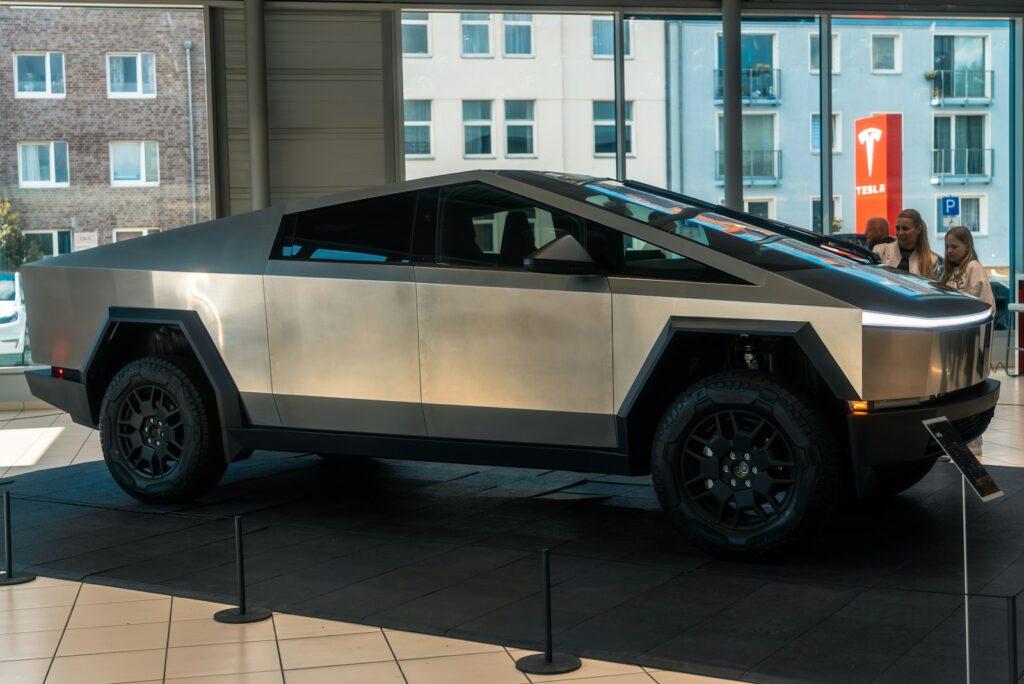
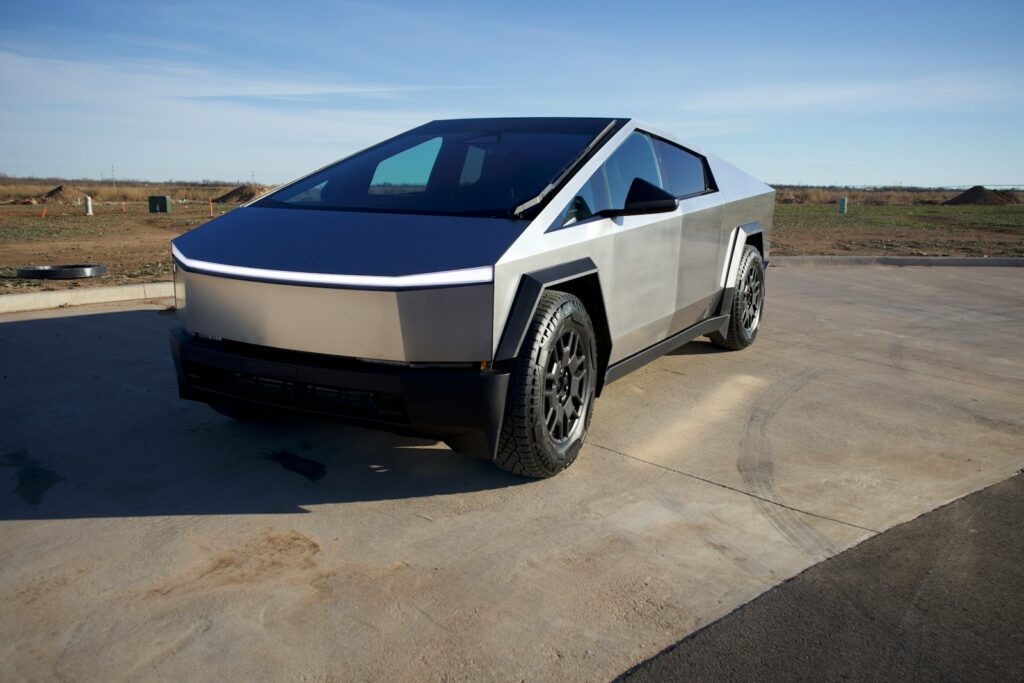
The Tesla Cybertruck is a complete contrast, taking an extremely alternative and experimental styling route. The angular body and stainless steel exoskeleton move it away from conventional design language. This car isn’t designed to fit our expectations; instead it pushes them to their limit to create what a truck could be.
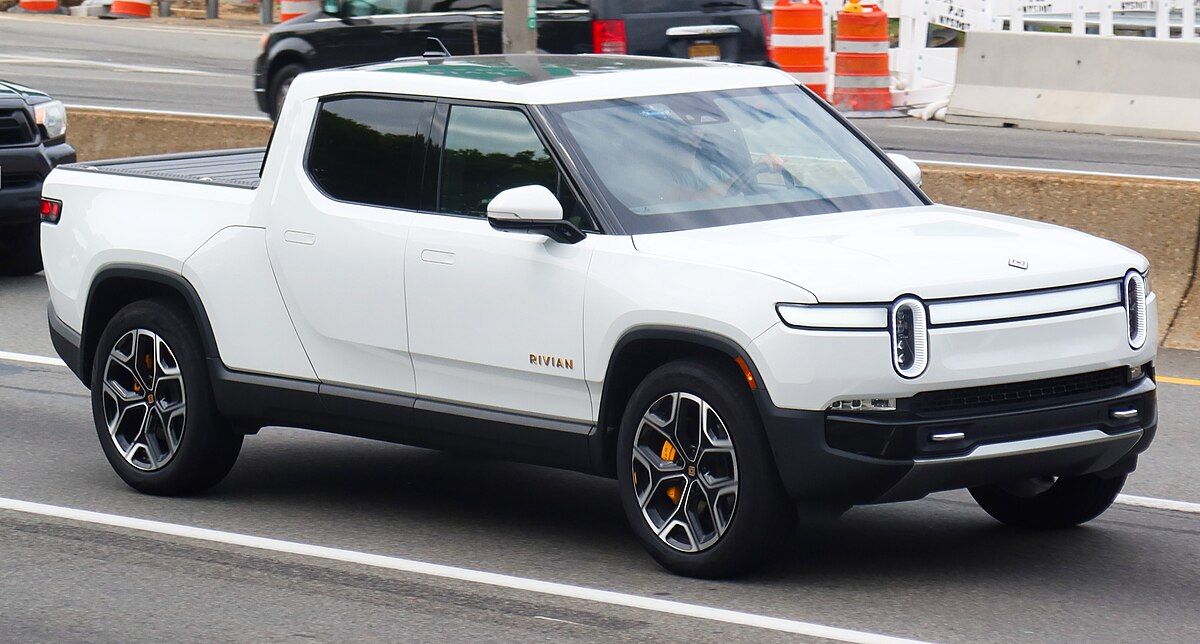
This design attracts an incredible amount of attention and produces varied opinions but remains one of the most striking on the road. The Rivian R1T manages to strike a balance between the two above extremes by offering an modern design with pragmatic applications. It offers nothing that reminisces the past but also steers away from extremely stylistic features, creating an altogether clean, refined and adventure motivated design.
2. Exterior Presence
On the outside, the two electric trucks offer dramatically different impressions. The Ford F-150 Lightning appears the most traditional, with a profile that anyone who has ever seen a full-size truck can pick out from a mile away. A large vehicle with a substantial presence, it appears stable and secure rather than flashy and eye-catching, which makes the transition to electric a less jarring one.
Road Presence Highlights:
- Familiar full-size truck appearance
- Strong and commanding stance
- Eye-catching futuristic styling
- Premium adventure-ready character
- Confident yet understated design
The Tesla Cybertruck catches the eye, though not in the way the F-150 or Ranger do. The extreme straight edges of the Tesla and bizarre exterior are something that you are never going to blend in to, and at almost all times on the road, unlike its traditional brethren, it cannot help but stand out. It’s a great feat for a vehicle of that size to do that, and even in amongst heavy traffic and city conditions, the Tesla’s bright metal and strange proportions mean that it catches the eye every time.
The Rivian R1T seems to have an altogether more dignified road presence. While not as large as the Ford and not as in-your-face as the Tesla, the Rivian R1T has a look that emanates capability and quality. With a clean body style, the car looks sophisticated, but also inherently practical, aimed at outdoors enthusiasts who are going to use the truck for exploration rather than work.
3. Acceleration Performance
Thanks to the integration of the electric powertrains in pickup trucks, their acceleration capabilities have been boosted significantly, and can no longer be compared with their fuel-burning counterparts or just to high-performance sports vehicles. Hence the trucks now possess speed and also maintain the utility characteristics of a pickup.
Acceleration Performance Highlights:
- Sports car-like acceleration capability
- Strong dual-motor performance delivery
- Quick full-size truck response
- Consistent power across speeds
- Beyond traditional truck expectations
In terms of raw acceleration this Rivian R1T leads the pack; 0-60 occurs in roughly 3.3 seconds-an incredible feat of speed for a mid-size pickup and within the realm of many performance oriented sports cars. With its instantaneous torque and immediate throttle response it produces a feeling of effortlessness and pure excitement, demonstrating the advantages of high-tech electric drivetrains.
It is just ahead of the Tesla Cybertruck dual-motor variant, achieving the 0-60 benchmark in about 3.8 seconds while still performing well at higher speeds. This compares well to the Ford F-150 Lightning’s time of approximately 4.1 seconds, also a tremendous accomplishment considering it is a full-size truck. Although each truck accelerates differently from each of these, all three easily out-accelerate typical expectations for trucks used for utility purposes.
4. Braking & Handling
Braking and handling really illustrate the unique qualities these three electric trucks offer when you take them for a drive. They are all remarkably competent in terms of stopping and control, however their differing behaviors under stress are significant. Suspension, tuning, stability control and the like all play a major role in their behavior under a hard brake, quick turn and evasive maneuver.
Braking & Handling Highlights:
- Stable high-speed braking performance
- Traditional suspension driving feel
- Controlled and predictable response
- Softer brake pedal feedback
- Balanced overall chassis behavior
The F-150 Lightning and R1T stopped the same distance, but their braking feels unique. The Ford shifts its weight and has more body movement during hard braking-evidence that it’s a truck still most closely aligned to other traditional trucks. This does not compromise performance, just creates a more natural feeling for long-term pickup drivers.
The Rivian R1T offers a smoother, more reassuring, and predictable stop; it handles braking with more stability, and the pedal feels more controlled than that of the F-150 or Tesla. The stability that the Cybertruck chassis affords under braking is undeniable, but it suffers from a softer feel at the brake pedal and had the longest stopping distance among the trio in our testing. Considering a more rounded evaluation that takes both driving feel under braking and overall chassis control into account, the Rivian’s combination of tire specification, stability control, and chassis tuning resulted in the most well-behaved vehicle.
5. Range & Real-world Efficiency
Although the estimated range gives us a good indication, it is when you are driving that a clearer image of the EV range starts to develop. The range estimates will vary depending on how you drive the vehicle, factors such as the vehicle’s aerodynamics, load, weight, speed on the road and the weather are likely to have a major impact on what is realistically achievable. Therefore seeing the truck being tested shows how they actually perform on the road over long distances.
Range & Efficiency Highlights:
- Strong real-world highway range
- Consistent long-distance usability
- Similar highway driving results
- Efficiency influenced by aerodynamics
- Weight impacts energy consumption
Out of all three of the trucks, the Rivian R1T achieved the best range in real-world highway conditions, traveling over 260 miles under constant conditions. This showed the capability and fine tuning the electric truck has. A car being able to travel further on a charge while driving in highway conditions means it can drive farther between charges in the real world. The Ford and Tesla achieved practically the same range in real-world testing conditions, going just over 220 miles on one charge each.
With their vastly different designs and engineering the two electric trucks both perform similarly in real-world conditions when traveling long distance on a highway. The different engineering and weight distribution results in very similar performance, causing each vehicle to be quite comparable to the others, despite what the specifications suggest.
6. Charging Experience
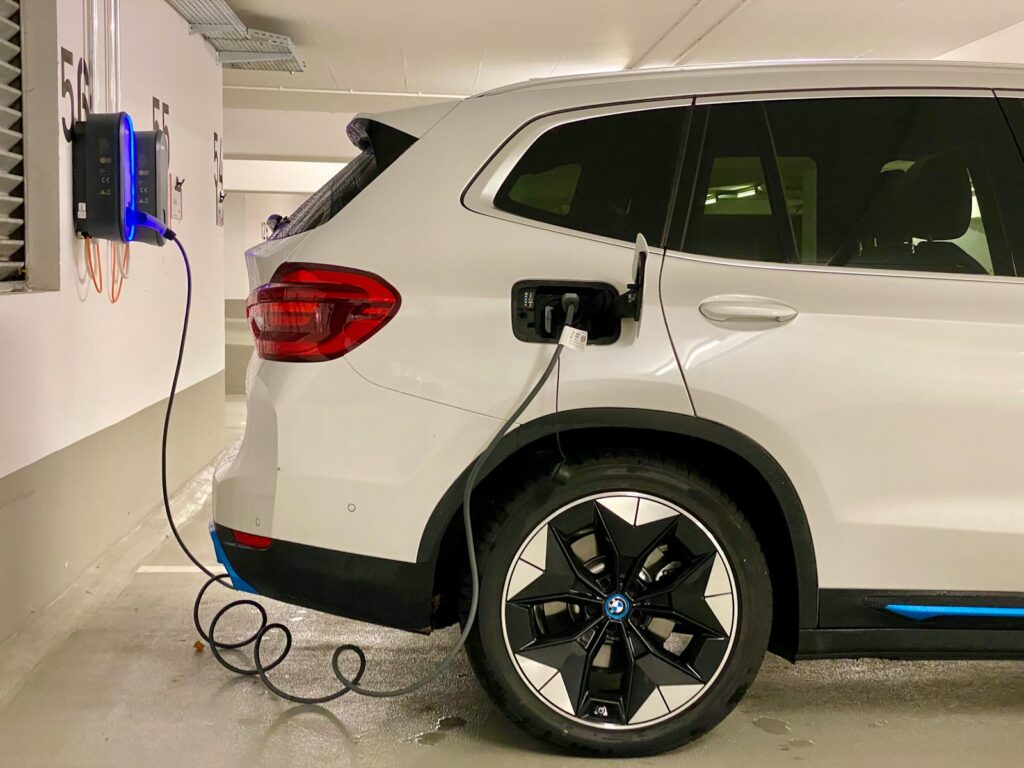
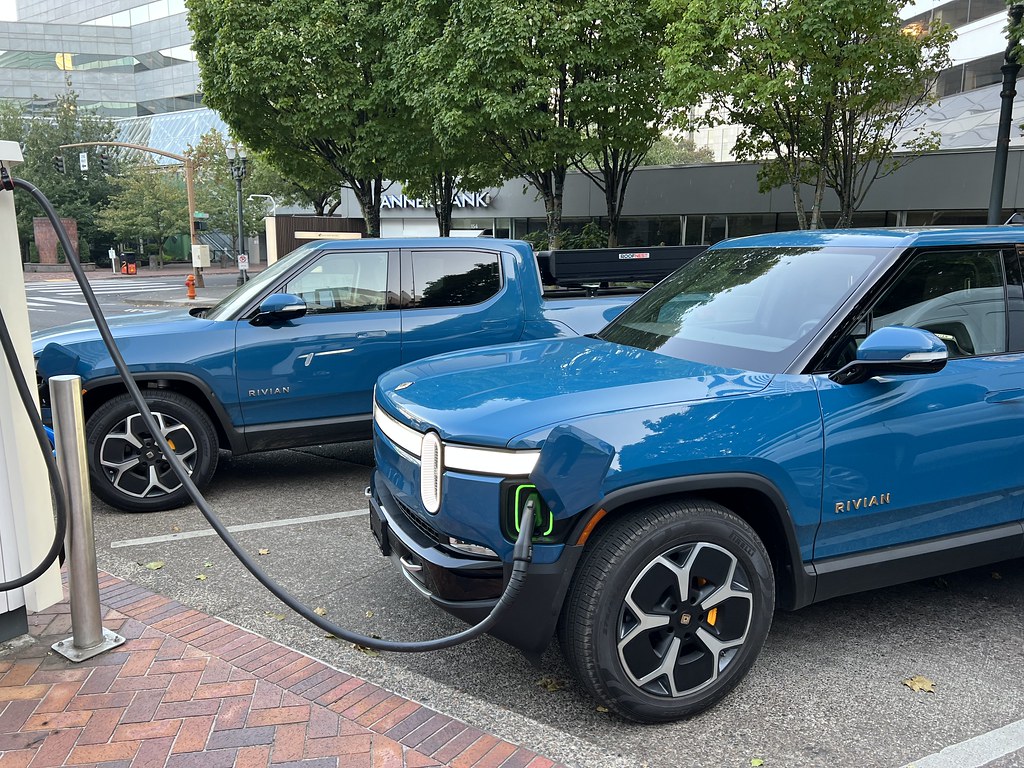
Charge performance can play an integral role in the overall experience of owning an electric truck and it can matter especially if the user does a lot of driving long distances. It seems that everybody gets concerned with battery size and electric truck range but charging performance could be just as important and have an equal amount of influence on an owner. The behavior of the charging system during a charging session can be very critical to getting back on the road quickly.
Charging Experience Highlights:
- Fast initial charging speeds
- Consistent long-duration charging curve
- Reliable charging performance delivery
- Road trip efficiency advantages
- Different charging behavior profiles
Tesla Cybertruck’s charging capabilities early in a charge session take advantage of the vehicle’s higher charging rate at its starting levels to recover energy quickly during shorter stays. However, its charging speed declines earlier on, thus making its charging curve droop sooner. This will mean it may gain less energy during longer charge sessions compared to cars that have slower curves later.
Rivian R1T’s strategy is somewhat like that in Tesla, where it sustains its higher charge rate at an earlier stage in the charge curve, and hence during road trips it is overall a more efficient vehicle to charge. Ford F-150 Lightning has predictable behavior and thus offers dependable charging. Its everyday charge rate performance is good but when pushed to quick-charge levels, it’s too slow.
7. Towing & Real-world Work Use
Towing capacity still is one of the strongest elements of judging a pickup truck because it says a lot about how the vehicle can work in the real world. However, stability, drivability, driver’s comfort and easy handling are also factors to be concerned when working with cargo in a routine usage. They can be even more important when hauling large items long distance or in unfavorable road circumstances.
Towing & Work Use Highlights:
- Stable performance under load
- User-friendly towing assistance features
- Confident handling on surfaces
- Improved trailer maneuverability control
- Practicality varies by design
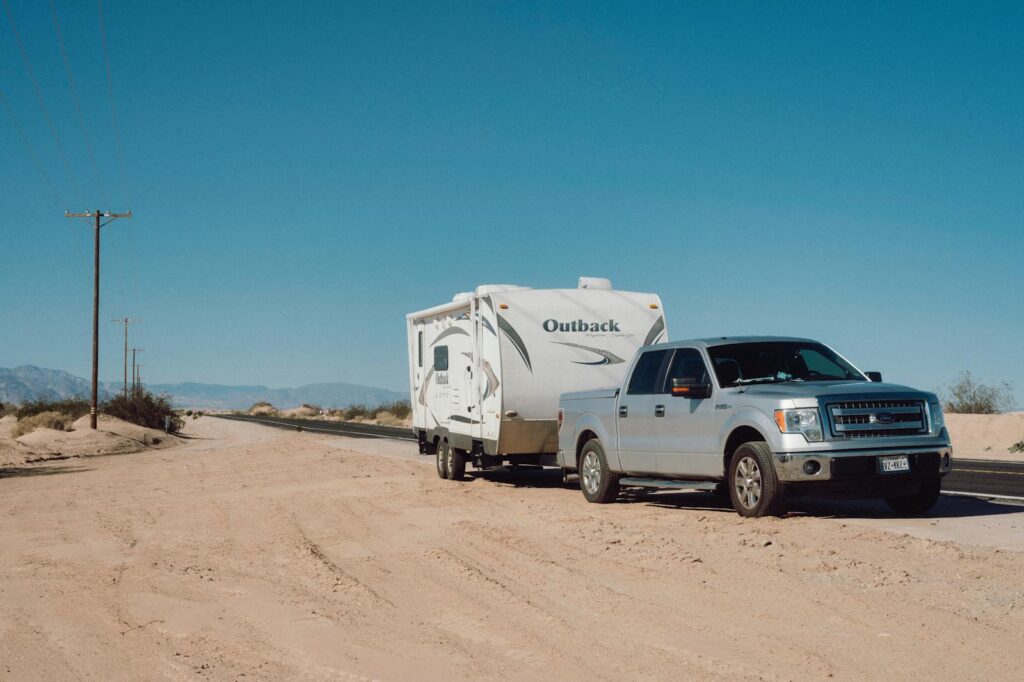
For controlled conditions towing, the Rivian R1T has the most stable and balanced towing experience. The chassis of the R1T remains predictable even when the surface under it isn’t, maintaining its confidence when it’s carrying a heavy trailer. This aspect of the towing experience in the truck makes pulling trailers seem predictable and reassuring, which can be important to drivers who put their trucks to tough use regularly. Its balance under load plays a significant role. The Ford F-150 Lightning is also very good, and it has a wealth of tow-oriented technology features for convenience.
Its conventional truck interior offers ease when moving into towing conditions especially those drivers who are already accustomed to traditional pickups. The Tesla Cybertruck, on the other hand, brings some surprising advantages to the fore through its rear-wheel steering capability that can really help in getting around tight spots with your trailer. Certain design choices though, such as small mirrors and some odd design decisions that seem made for more artistic effect than functionality could potentially reduce its usefulness for long-distance towing.
8. Off-road Capability
This attribute demonstrates the overall ability of each truck to navigate off-road terrain. All three are competent enough off of the beaten path, however their true abilities become clearer once you throw in steep slopes, rugged trails, and uneven ground. Ultimately, the vehicle’s suspension setup, ability to manage traction, and overall balance will help determine just how comfortably each truck will conquer off-road terrain.
Off-road Capability Highlights:
- Excellent terrain handling performance
- Advanced traction control systems
- Stable suspension articulation design
- Reliable off-road driving behavior
- Different levels of capability
Among this class, the Rivian R1T shines the most, primarily because of its very capable suspension system and very advanced traction control system, which ensures the vehicle is calm over rough trails and bumps, which gives you confidence over tough terrain. When conditions turn really difficult, the Rivian remains stable, which makes it great for adventuring.
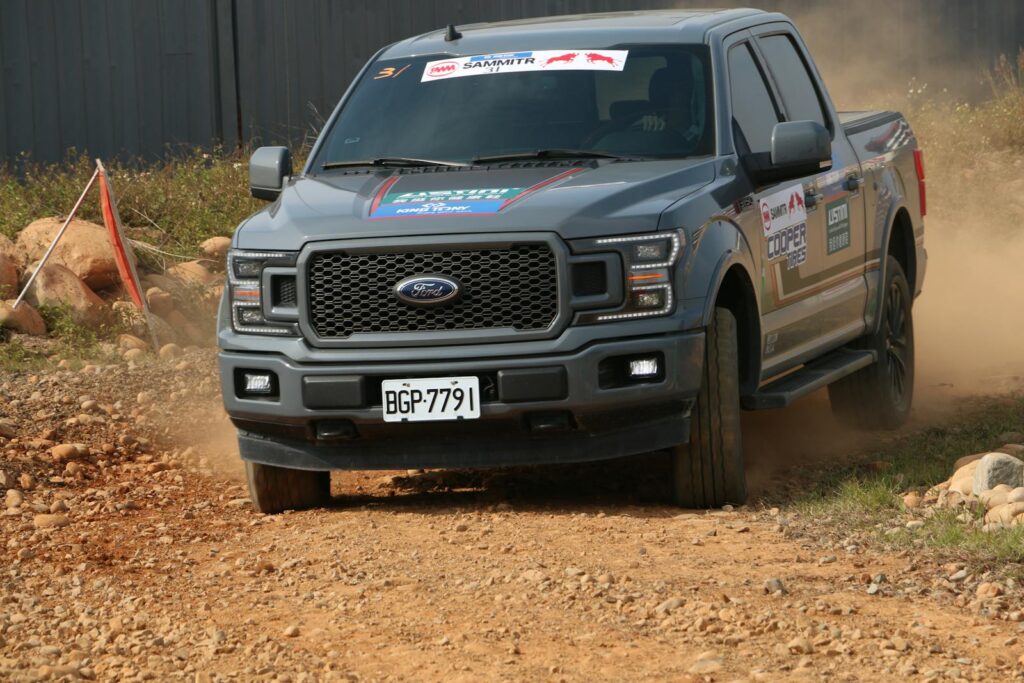
The Ford F-150 Lightning, although somewhat less capable then the Rivian, still manages respectable off-road results thanks to equipment such as a locking differential that helps regain traction when conditions turn truly bad. While stable and under control the vehicles weight does shine through over tough terrain. The Tesla Cybertruck, although visually rugged cannot match it at the same challenge and due to tire choice and performance factors the Cybertruck struggles where conditions turn really uneven and slippery.
9. Cabin & Technology Experience
The environment in the cabin greatly impacts on the experience of driving, particularly on a new electric truck, where the technology is integral to everyday life. Ergonomics, digital features and interior styling can all add to the pleasure and usability of the truck. How each one tackle this differs in its approach to cabin design and user experience.
Cabin & Technology Highlights:
- Comfortable and familiar layout
- Minimalist screen-focused controls
- Premium modern interior design
- User-friendly technology integration
- Balanced comfort and innovation
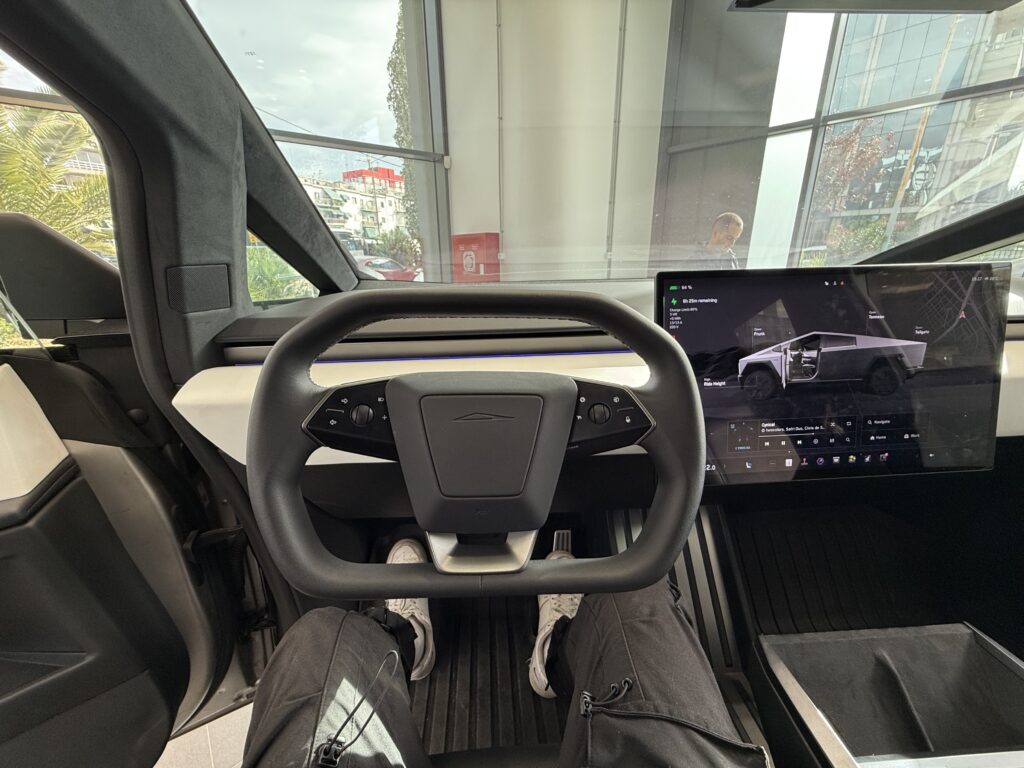
Inside, the Ford F-150 Lightning feels familiar and convenient with its spacious cabin and simple interface. Most important vehicle functions still have physical controls on the interior so its not something to look at and have a difficult time finding what you need. This kind of setup is good for drivers that would want new technology features and to feel as comfortable and familiar as driving a truck but do not need it to be too modern that you get lost in a new setup and can’t do anything. In contrast the Tesla Cybertruck takes a minimalist concept and puts almost every car function on a large touchscreen in the middle of the car.
Although this might seem cool and Futuristic, the Cybertruck may have a bit of a learning curve and the visibility of the vehicle does not have practicality at the forefront of its mind. The Rivian R1T falls in between, and has a high quality interior but has the same new, clean, digital interface that the Cybertruck is known for and a driver could get used to quickly.

10. Overall Verdict & Character
Here, we have three electric trucks that are each taking their own road forward in the realm of pickups. These three trucks are not simply following a single template but are each setting themselves apart with unique elements of design, performance, technology, and usefulness. Their variations go deeper than the stats and are comprised of unique outlooks on electric pickup trucks that appeal to varying driver types. They are a true illustration of what the electric pickup could become.
Overall Verdict Highlights:
- Familiar and comfortable experience
- Bold innovation and styling
- Strong real-world practicality
- Balanced performance and usability
- Different solutions for drivers
The Ford F-150 Lightning is built on familiarity, comfort and ease of entry for current owners. Its familiar style, easy-to-use interface and predictable driving characteristics make it a natural replacement for any owner looking to transition to the electric domain without drastically altering how they do daily driving. Its role will likely be crucial in bridging the gap between gasoline pickup owners and this new electrified world.
On the other hand, the Tesla Cybertruck comes with a more futuristic vision, with a daring design and a high-tech, innovative approach to truck design and use. Its outlandish design is definitely unique in every other truck on the road, but it’s also where its practical considerations are taken the most lightly. However, of all the options, the Rivian R1T is by far the best rounded and can effectively combine performance, capability, efficiency and practicality in a single, user friendly package. Each of these trucks, while different and each with a purpose all their own, will provide valuable contributions in building our all electric pickup truck future.