


Global Study Reveals Automakers Misread Modern Car Buyers

The auto industry is undergoing huge disruption because customer expectations are shifting much faster than most of the old guard automotive giants can keep up. For years, the long established car manufacturers benefited from the strength of brand, heritage, and loyal customer bases to command strong market positions. But as new data indicates, these former strengths have been eroded as global consumers reframe the way they think about purchasing an automobile. No longer do simply a great brand or historical heritage win a customer over what they want is the best value, innovative technologies, high fuel efficiency, unparalleled safety and a ownership experience that reflects their lifestyles.
Global report by Boston Consulting Group (BCG) surveyed over 9,000 consumers in 10 countries that reveals the deepening gap between automotive manufacturers and the needs of today’s buyers. Brand loyalty is fading and consumers willing to switch brands are looking towards newer and emerging manufacturers. Many car shoppers in Europe said that they are willing to consider other brands for their next car purchase, citing that they are looking for better value and new experiences, and also features that current brands may be failing to deliver.
The shifting automotive market is a challenge and a chance, too, for automotive players to survive. Traditional manufacturers can no longer rely solely on their heritage and name alone to dominate their competitive landscape. Today’s emerging landscape is defined by electrification, online purchasing behaviour, vehicle connectivity and new, international players. It will be the automotive businesses with an understanding of their consumers’ needs and preferences that, when translating these insights into genuine innovation, are best positioned to win.

1. Declining Brand Loyalty Is Reshaping the Automotive Industry
Branding has long been a cornerstone of the automotive sector, where families might drive only a specific marque out of habit, loyalty or previous encounters. Consumers have now been altering these attitudes for a long time now as well, moving towards more conscious decisions based on price, technology, economy, durability and the long-term cost of ownership rather than simple, blind allegiance to one specific maker. Automakers are now forced to contend with the product that they offer currently, rather than the history of who they have been.
Consumers Are Becoming More Open to Change:
- Buyers switching brands more frequently
- Greater focus on value and features
- Less dependence on brand reputation
- New automakers gaining opportunities
- Customer experience becoming more important
A big reason behind the growing disinterest is the rise of competition. Car buyers today can choose from the established giants, the up and coming electric start ups, global players with exciting tech at good price points. We find consumers more than happy to look elsewhere if another company can offer superior performance, a more efficient engine, less total cost of ownership, and in short simply a more desirable alternative.
The evolving buying behaviors present opportunities and threats for auto companies. While traditional automakers must invest to enhance product value and user experience-they cannot rely on history alone to maintain customer loyalty-emerging auto companies have the opportunity to win new customers by bringing innovation and strong values. Ultimately, the only reliable way to succeed long-term is to earn customers’ trust again and again.
2. Consumers Are Redefining What Vehicle Value Really Means
Vehicle worth is undergoing a significant shift as vehicle buyers take on an ever more practical approach to their purchases. Traditionally some buyers were led more by brand cachet, design flair or sheer emotion towards particular brands but these days, the consumer sees past marketing hype, to concentrate on the value of the proposition for the life of the vehicle, looking at such matters as reliability, safety, efficiency, technology and running costs.
Modern Buyers Focus on Total Ownership Benefits:
- Lower long-term ownership costs
- Better fuel efficiency
- Advanced safety technology
- Reliable everyday performance
- Practical features over brand image
This is largely due to how much it’s costing people to own vehicles, especially these days. Buyers are looking beyond the sticker price and taking into account how much they will need to spend on gas, insurance, maintenance, repairs, and eventual trade-in or resale value. The better value that comes from a reliable and fuel efficient vehicle may outweigh the appeal of simply splashing out for the prestige of an elite brand.
Safety and technology also continue to become integral components of what comprises vehicle value. Increasingly, drivers no longer see the “optional add” like improved crash safety, smart convenience and driver assist systems, or smart connected vehicle technologies; instead these are viewed as a “table stake” of any modern vehicle. Vehicles that are also cost effective, dependable and offer great fuel efficiency without sacrificing safety continue to reap benefits and companies should keep these trends top of mind when defining what constitutes vehicle value beyond a brand name.
3. Fuel Efficiency Has Become a Key Factor in Vehicle Decisions
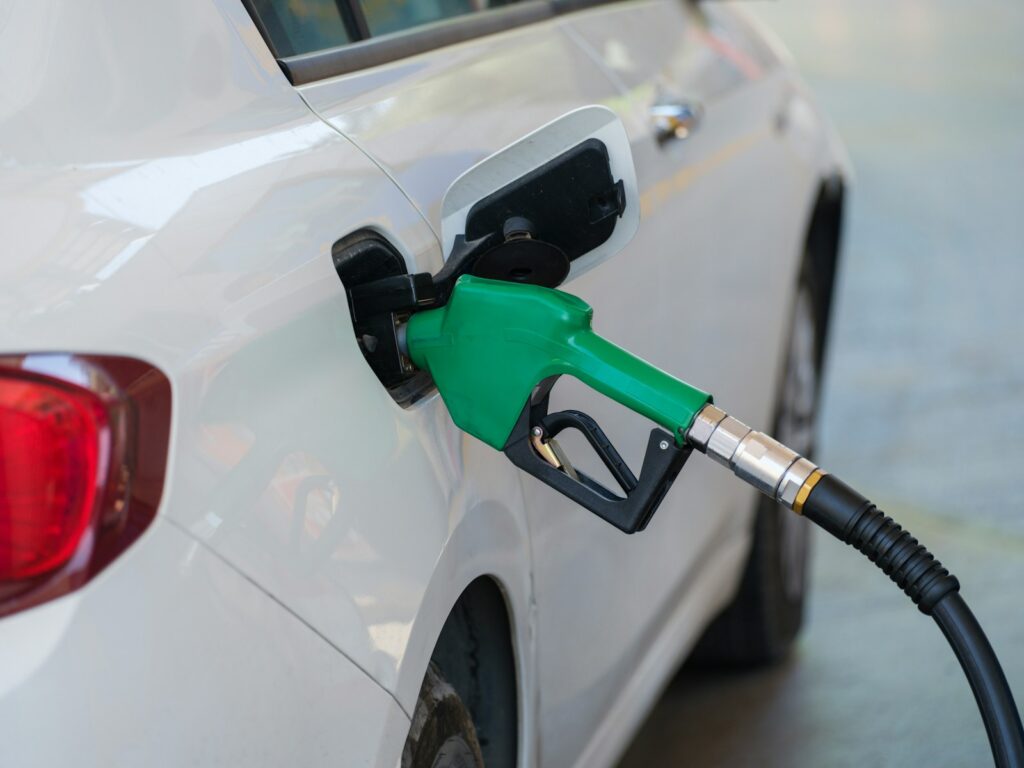
Saving on fuel is a leading priority among today’s auto purchasers as individuals seek a more economic option for vehicle ownership. Whereas years ago, many consumers made buying decisions based solely on the car’s speed, look or the manufacturers reputation, fuel efficiency is a growing trend. More and more consumers are concerned with a car’s gas mileage, thereby influencing a greater level of purchase value in vehicles that promise excellent mileage without the greater expense on gas.
Efficiency Drives Smarter Vehicle Choices:
- Lower fuel expenses
- Reduced long-term ownership costs
- Better everyday practicality
- Improved environmental performance
- Balanced performance and economy
One of the driving forces behind consumer interest in fuel efficiency has been volatility in the energy prices. As the cost of fuel rises, buyers must consider the total expense they’ll pay throughout ownership, which extends far beyond the purchase price and includes things such as fuel costs. And the better the efficiency rating of the vehicle they choose, the more they will likely save in years of ownership.
Higher vehicle segments are also being pushed towards efficiency. When they look at higher priced models of vehicles, like SUVs and sedans, people are now expecting more efficient mileage from their rides without giving up on luxuries or the overall feel they want. A better efficiency rate does make transportation more affordable, but it is a simple and direct way for customers to go greener. Cars, trucks, or SUVs that can efficiently balance efficiency with utility and excellent performance will continue to entice car buyers who make mindful transportation decisions.
4. Advanced Technology Is Transforming the Vehicle Buying Experience
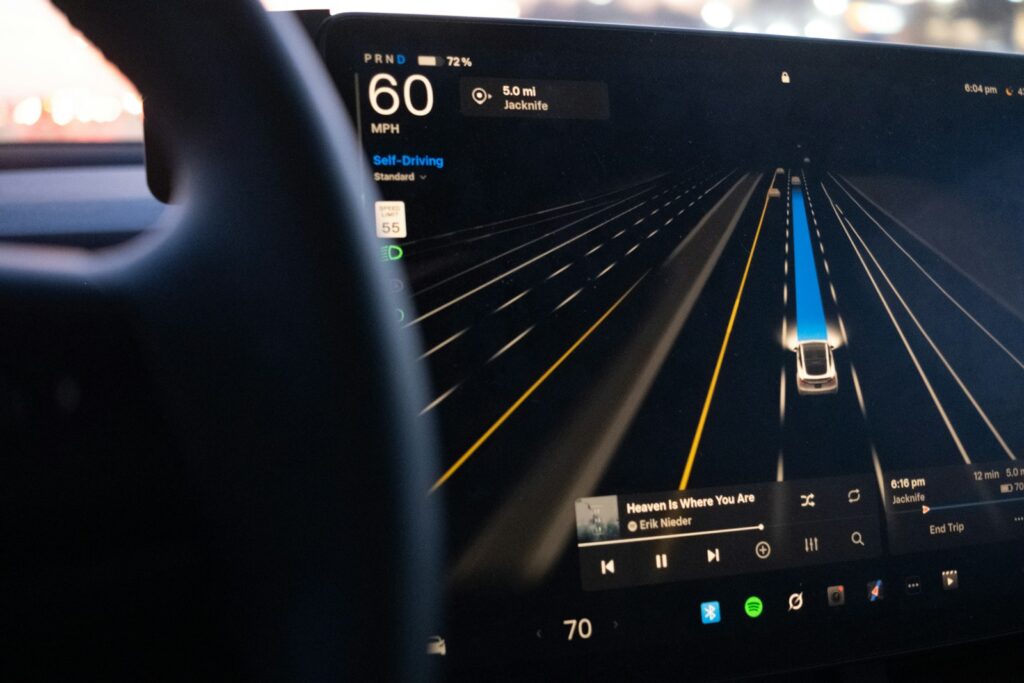
Perhaps the most dominant driving factor when purchasing a vehicle these days is the available technology. In years past, vehicles were seen simply as an expensive piece of hardware on which one’s life depended on getting from A to B; today however consumers want their next car or truck to offer a connected experience just as integrated as the smart phone or smart television they utilize everyday. A suite of features that may once have only been found on luxury vehicles is becoming mainstream, and manufacturers are challenged to provide technologies that add real value to daily drives instead of being merely an option to highlight.
Technology Shapes Modern Customer Expectations:
- Smart connectivity features
- Advanced driver assistance systems
- AI-powered vehicle functions
- Easy-to-use digital interfaces
- Online vehicle purchasing options
One significant cause for the heightened emphasis on the technology is that consumers desire convenience and safety. Consumers expect systems to simplify the experience of driving, offer more safety, and also be pleasurable to use. Adaptive cruise control, voice recognition, lane guidance, smartphone integration, vehicle networking services are no longer an added extra, but have become a prerequisite of owning and operating a vehicle. However, consumers also require the system to function seamlessly as well as simplify the operation of a vehicle rather than complicate the whole issue.
The growth of digital lives also affects how customers investigate and acquire vehicles. For example, much more than today’s car shopper does a significant amount of research online, prior to ever setting foot at the dealership. More and more vehicle buyers are getting accustomed to buying vehicle on line most frequently those who are accustomed to the e-commerce way of buying goods.
5. The Electric Vehicle Market Is Growing While Facing Consumer Challenges
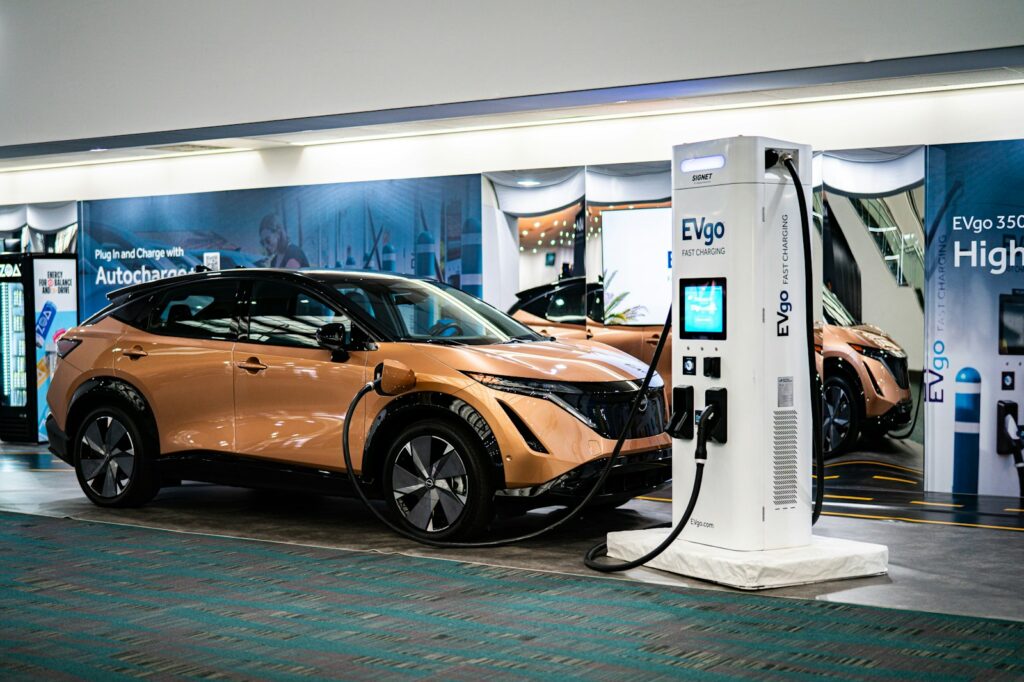
Electric vehicle technology has transformed to the 21st Century This evolution of transport means electric and hybrid vehicles (both battery electric vehicle or BEV and hybrid) becoming more relevant than at any previous time in automotive history. BEV popularity is attributed to benefits in the environment, with lower maintenance, in part through advances in technology. And experience from car owners will surely lead more motorists around the UK to consider making the move to zero emission and electric vehicles in the near future.
EV Adoption Is Driven by Positive Ownership Experiences:
- Growing electric vehicle confidence
- Lower maintenance expenses
- Improved battery technology
- Environmental benefits
- Strong repeat purchase interest
Electric vehicle technology has transformed to the 21st Century. This evolution of transport means electric and hybrid vehicles (both battery electric vehicle or BEV and hybrid) becoming more relevant than at any previous time in automotive history. BEV popularity is attributed to benefits in the environment, with lower maintenance, in part through advances in technology. And experience from car owners will surely lead more motorists around the UK to consider making the move to zero emission and electric vehicles in the near future.
Even with these successes, however, EV Adoption faces Hurdles. When it comes to consumers on the fence, charging, the driving range of a vehicle, battery costs and new, unfamiliar technology still remain the leading concerns regarding EV adoption. These challenges demonstrate that the car industry can’t just create capable vehicles, they will also need to focus on education, demonstrating how EV’s can integrate seamlessly into a drivers’ life. Increased information, charging capabilities and trusted products will all contribute to greater EV acceptance.

6. The EV Trust Gap Is Slowing Wider Electric Vehicle Adoption
Electric vehicle acceptance hinges not only on advancements in the cars themselves but also on acceptance by drivers. The number of electric vehicles continues to climb but concerns are holding back new and curious buyers on their suitability in daily driving routines. Hesitations over ease of recharging, the long-term reliability of EV battery packs, range in the face of differing weather and road conditions and the expense of owning and maintaining such vehicles may stem from a lack of personal contact.
Consumer Concerns Affect EV Growth:
- Charging availability concerns
- Battery reliability questions
- Range anxiety issues
- Limited EV ownership experience
- Need for better customer education
One significant barrier facing automakers today lies in closing the gap between the public’s expectations for EVs and the reality of what today’s EVs offer. There are still consumers who maintain outdated ideas such as that charging an EV is a nuisance, the batteries don’t last very long or that an EV cannot take care of a daily drive. Charging, infrastructure and efficiency have all improved and that message must reach the potential consumer.
It’s not just about adding a handful of new electric cars to the lineup; brands need to be transparent and upfront about charging accessibility, battery warranties, and maintenance expectations. Transparency is the key to alleviating doubt from wary potential customers. To make the electric revolution a success, companies need to bridge the trust gap before anything else.
7. Chinese Automakers Are Reshaping Global Automotive Competition
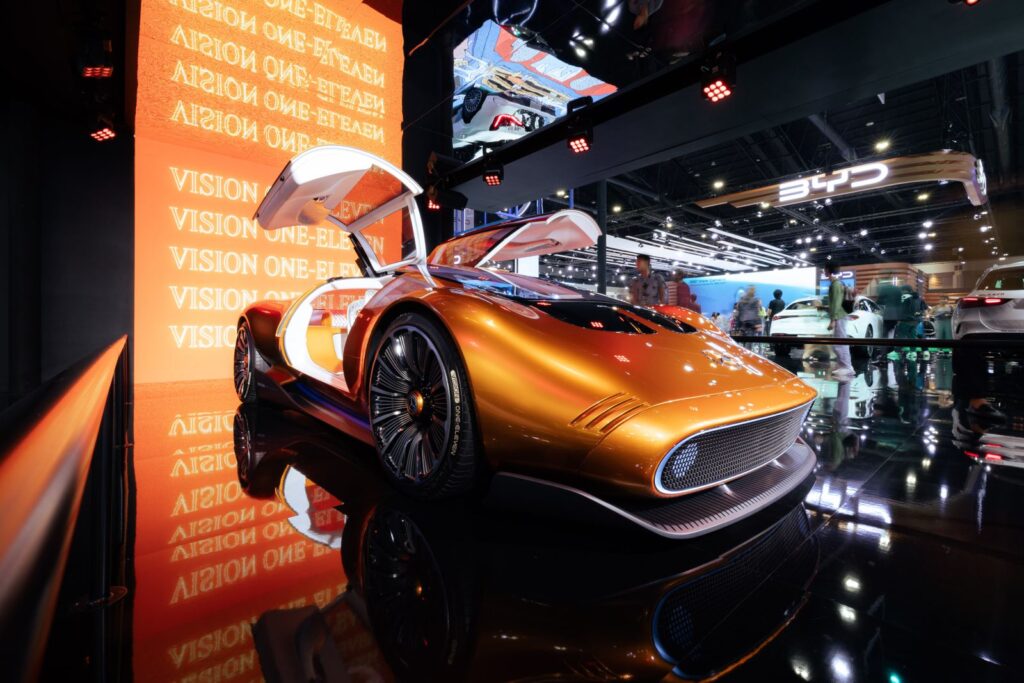
As Chinese makers are expanding overseas in the coming years, the industry as a whole will experience new waves of rivalry. Chinese automakers are traditionally unknown to the world beyond their borders but with quick advances in electric car tech, batteries, manufacturing processes, vehicle styling and the sheer competitiveness of their domestic market they’re starting to get real. This is even more true in electric cars.
Chinese Brands Are Gaining Global Attention:
- Competitive vehicle pricing
- Advanced EV technology
- Rapid international expansion
- Modern vehicle designs
- Growing consumer acceptance
One of the primary reasons for this resurgence has been the dominant Chinese players in the EV sector. These automakers have poured money into battery tech, powertrains, and smart manufacturing which has resulted in smart, feature-rich EV offerings being readily available at a bargain price. As consumer concerns shift from legacy issues towards cost and technology, Chinese manufacturers seem perfectly poised to steal the limelight from their legacy counterparts.
That Chinese cars have gained popularity in a big way marks a huge turning point in how the car market looks. Customers who once might have been willing to consider only European, Japanese or American cars that came with a guarantee of sorts are increasingly willing to be more open to Chinese cars that boast a good value proposition along with the latest tech specs. For the car manufacturers, however, this means they have their work cut out for them: Brand name will no longer guarantee a win; innovation, value and customers experience will determine the victors of the global automobile race.

8. Strong Automotive Brands Are Built Through Consistent Customer Experiences
In the automotive world, trust is evolving as consumer education levels soar. While a catchy ad campaign or the fanfare of a new car launch can grab headlines, this approach will not guarantee enduring brand loyalty. The buying process has become a more holistic journey, and customers evaluate brands based on their product quality, service offerings, cost clarity, post-purchase technology integration, and far more. It is the persistent demonstration of value, not just the repetition of a value proposition, that gains consumer trust.
Customer Experience Defines Brand Strength:
- Reliable product quality
- Transparent pricing approach
- Better ownership support
- Meaningful technology features
- Strong customer relationships
In addition, some minor things that happen to the buyer from the purchase to delivery may impact brand opinion more than most of the traditional marketing messages. Everything in your supply chain process such as an easy transaction process, good service from the salesperson and dealership, transparency and good support once they leave the dealership is something that can build loyalty more than advertising and more than word-of-mouth can do in some cases. Customers want to be respected after the sale, or they will move elsewhere.
A further realization on the part of successful automotive manufacturers is the variation in customer experience requirements across generations. While digital ease of use and technology-based solutions for experiences may be more of interest to the younger customer, older buyers are generally more focused on experience with reliability, predictability and familiarity. Brands that can account for such disparities by developing customizable customer experiences will fare well in the future and be poised for enduring success through the reliable creation of customer delight across their life cycle, rather than relies solely on brand status or word-of-mouth.
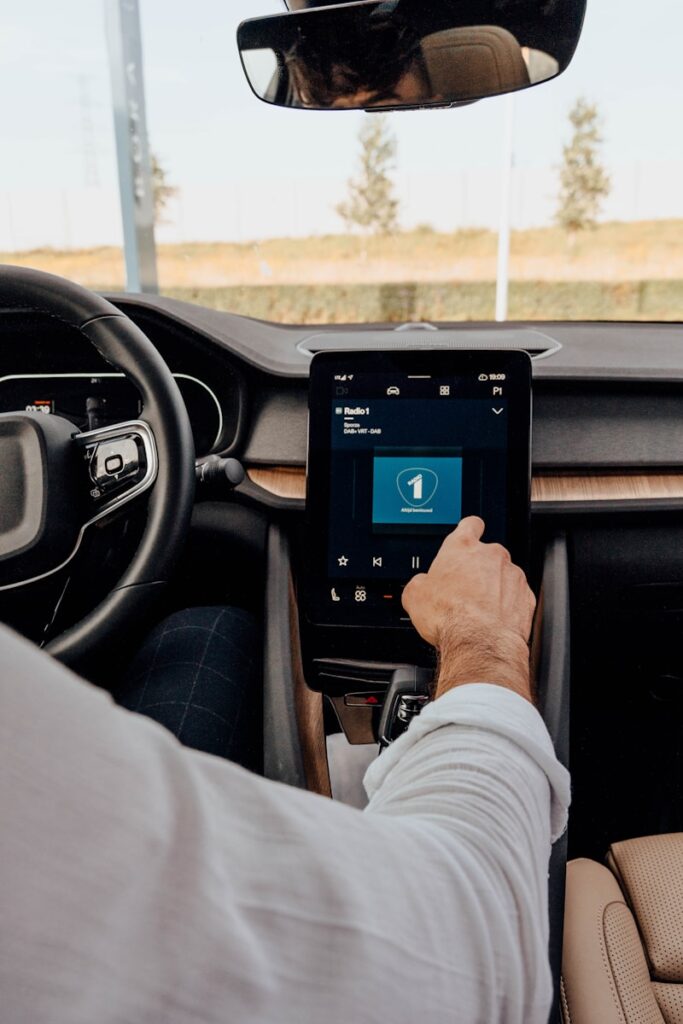
9. Connected Vehicle Technology Is Creating New Possibilities for Automakers
The automotive industry is embracing the software-defined car-the connected, intelligent, digitally native vehicle of tomorrow. Today’s cars are more than just cars; they’re digital devices on wheels offering enhanced services, customized experiences, and constant updates. As connected technology evolves, manufacturers see an opportunity to enhance vehicle capabilities, engage customers more deeply, and reshape ownership experiences.
The Rise of Smart Connected Vehicles:
- Software-based vehicle features
- Personalized driving experiences
- Advanced digital services
- Continuous technology updates
- Improved vehicle intelligence
Another significant development opportunity created by connected vehicles is the introduction of convenience and performance-related features by car manufacturers. Manufacturers are innovating features that permit drivers to configure vehicle settings, avail of advanced assistant features, acquire software updates and enjoy an interactive experience with their vehicle. This development, in turn, is redefining automotive development practices since a vehicle is not a finished product once it is rolled out of the factory floor.
Yet ultimately, connected technology has to offer customers value. More demanding consumers don’t want complex systems that complicate life instead of simplify it. Ultimately, to compete effectively in the era of the connected car, automakers have to emphasize the development of connected technology that is simple, reliable, and actually makes sense.
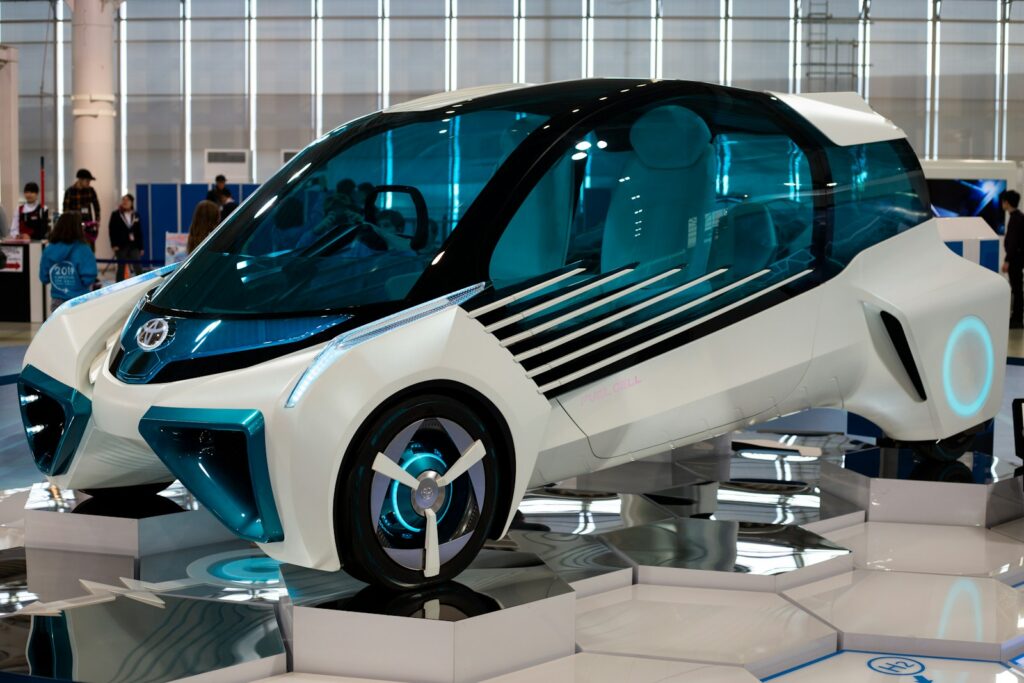
10. The Future of Automotive Success Depends on Understanding Consumer Needs
Automakers are now stepping into the age of change when conventional practices alone would no longer suffice to achieve lasting achievement. While brand reputation, market history and the mere popularity of products will surely lend an additional edge and value, today’s customers demand considerably more from automakers. They are smarter and purchase based on a selection of attributes like technology, efficiency, value, reliability and overall value to have. Organizations must constantly change and meet their expectations instead of rely on just the history that they’ve built up.
Future Success Will Come From Customer-Focused Innovation:
- Understanding changing buyer preferences
- Balancing technology with affordability
- Improving ownership experiences
- Building long-term customer trust
- Adapting to industry changes
Perhaps the greatest struggle for auto manufacturers today, is in balancing progress and pragmatic, user-focused realities. Today’s auto world is evolving at light speed as we introduce electric power, connectivity, digital commerce and global competition. Yet these advancements alone don’t guarantee an automatic market advantage. Automakers need to innovate smart, deliver real value that meets customer demand for affordable price points, proven reliability, safety and practical use cases. Those who do will emerge, and those who do not, will fall behind.
Ultimately, success in the automotive world will fall to manufacturers that take the time to listen and truly understand their customer. Trust will be built on transparency, solid products and service, and ownership experiences that deliver value all the way to resale. There’s no such thing as rest on past glory all automotive stakeholders need to earn customer trust, time and time again. Companies that pay attention to what customers need and react quickly will lead mobility of the future.