







Redefining American Identity: Understanding Civic Values, Demographic Shifts, and Democratic Fragility
In other words, being an American used to mean that no matter how bad things are for you, if you are a working man then you ought be able to take care of yourself, that you’ve a right to be politically involved with the fate of America and that if we don’t, there is some greater risk to what this country and future generations have a stake in.
The truth has never been so neat; access to the rights and benefits of citizenship, economic prosperity, political inclusion and individual liberty have never been available equally. Instead, race, gender, class, immigrancy and other origins have defined disparate experiences with the appeal and allure of being ‘American.’
The nation is also becoming more diverse while its political institutions are under strain. Thus understanding American identity cannot stop at simply recasting old formulas but demands asking which people have benefited most from existing ideals, who has the country actively excluded and how can American civic principles survive changing demographics and political struggles.
1. Founding Ideals and Historical Exclusion
America was founded in 1776 on important ideas of liberty, representation, and individual rights. However the political system was devised for the few and not the many, many of the people at the dawn of the new nation would never have an actual voice.
Groups Excluded From America’s Early Democracy:
- Enslaved people were denied basic freedom
- Women could not vote nationally
- Native communities faced forced displacement
- Political power remained concentrated among white men
- Property ownership shaped early voting rights
Black individuals were held in bondage like chattel, and women were denied suffrage and basic autonomy. Native people faced forced displacement and restricted movement in their homelands. Only white men with property owned political power.
That internal conflict has framed the course of American history, producing a lasting rhetorical and cultural dependence on the language of freedom that is, at the same time, contradicted in the nation’s denial of that freedom to millions of Americans. Indeed, progress in democratic reforms at many points in the American experience has often been a result of those whom the nation excluded pushing American governments, state and national alike, to realize their own aspirations.
2. Black Identity and the Right to Criticise
A national identity for Black Americans is inflected by the long trauma of slavery, Jim Crow, state-sanctioned violence and unequal status. Deep affection for a country often has accompanied and is intertwined with profound disillusionment in those institutions tasked with guaranteeing the rights-and lives-of Black people.
Ideas Shaping Black American Identity:
- Patriotism can include honest national criticism
- Historical injustice still influences present experiences
- Freedom remained unequal for many generations
- National celebrations exposed painful social contradictions
- Citizenship required continuous political struggle
James Baldwin articulated the dilemma thus: “I love America more than any other country in the world. And exactly for this reason, I insist on the right to criticize her perpetually.” The act of criticism itself is framed as being an act of attachment, not revulsion.
There was the same challenge placed, as if by the words of Frederick Douglass, in his 1852 address concerning what the meaning of the Fourth of July was for the enslaved. By doing so, he highlighted the gap between national celebrations of liberty and the reality of life for those still excluded from its reach.
3. Military Service and Unequal Benefits
Military service was a critical mechanism for advancing education, career paths, and a middle class livelihood for many African American families. Black Americans often served the nation in large numbers resulting in multiple generations in military service.
Barriers Faced by Black Veterans:
- Military service did not guarantee equality
- Segregation continued after veterans returned home
- Public businesses could still refuse service
- Housing discrimination restricted family wealth
- Federal benefits remained unevenly distributed
However, in uniform did not give one the right to being treated righteously at home. Blacks serving in the forces of war came home to a society that still upheld the segregation laws in every restaurant in every country and every city that decorated veterans, can still serve up black people and service staff, not one.
Many New Deal programs were not available for black people or those in poorer, segregated communities (there was not a single black army and marine corps base). While many white Americans were assisted to become middle-class citizens via programs such as the GI Bill, the education programs which the GI Bill helped provide would not be accessible to Black service men because the universities and colleges they would want to enroll in did not even offer classes in the programs he wishes to study since there would not be enough facilities.1 Many black veterans and their families would lose out on the help white Americans did get and could receive for housing, employment, education and in local governments, where racial segregation, discrimination, and injustice were the norm of the day.
4. Federal Employment and Middle-Class Stability
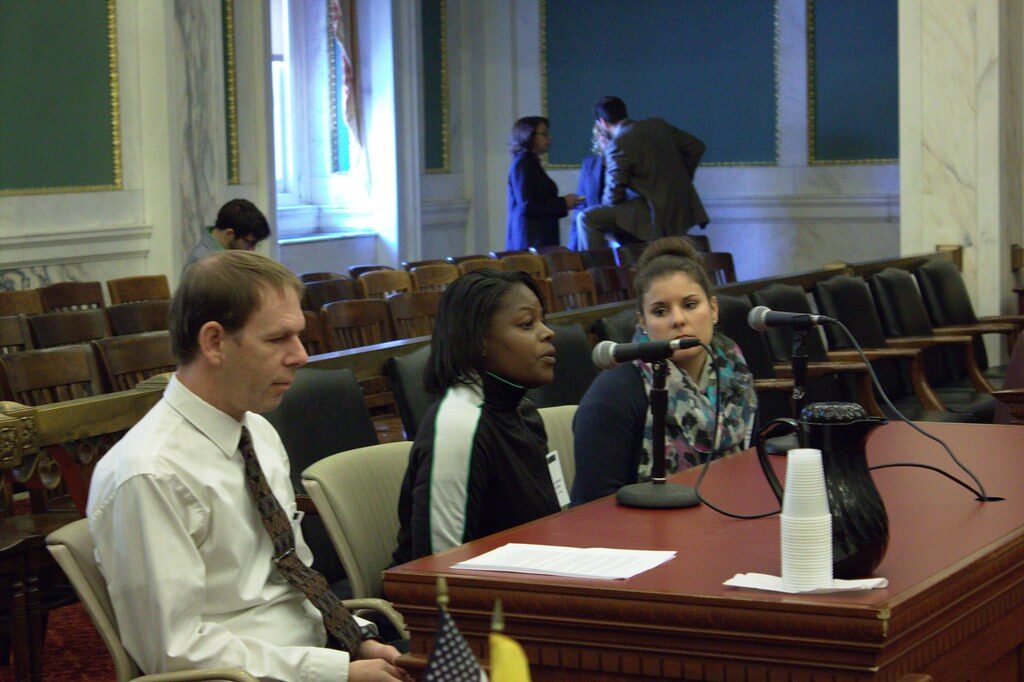
Federal employment has provided a dependable source of income, professional advancement, and long-term security for many Black Americans. African Americans hold approximately 20 percent of federal government positions, making public employment an important part of middle-class stability within numerous families and communities.
Why Federal Employment Carries Wider Importance:
- Stable salaries support entire households
- Retirement benefits create long-term security
- Public jobs strengthen neighbourhood businesses
- Career access supports future generations
- Workforce reductions threaten earlier economic progress
Large cuts to federal employment could place those gains at risk. Losing these positions affects more than an individual salary. The consequences can reach household savings, pensions, local businesses, property ownership, and the opportunities available to the next generation.
Economic progress has also created sharp differences within Black communities. W.E.B. Du Bois used the phrase “talented tenth” for a highly educated leadership class. Today, successful professionals may experience American life very differently from working families managing insecure employment, rising prices, and limited savings.

5. The Divide Between Elites and Working Families
More and more we’re seeing a division opening between politicians, people accustomed to access and financial comfort and citizens in households struggling with bills. While the rich often worry about political, institutional and ideological questions, parents earning an hourly wage are likely far more concerned with rising rents, grocery bills, access to healthcare, low pay, under-performing schools and safe streets for their kids to play on.
Everyday Issues Driving Voter Frustration:
- Grocery costs continue straining household budgets
- Housing remains unaffordable for many families
- Healthcare expenses create constant financial pressure
- Public safety promises often remain unfulfilled
- Political institutions appear disconnected from daily life
Slowly the distance in priorities can undermine public confidence. When the government offers reforms in the area of policing, debt relief, better community safety, and economic opportunities but deliver results that don’t seem very apparent, the public can conclude that the government cannot or will not deliver.
However, it’s not only one side of the political spectrum. Campaign donors, interest groups, lobbyists, and party heads can be more entrenched in their positions than even most rank-and-file members of the public. Those on the outside searching for functional solutions can find themselves boxed in by those groups for whom any give-and-take feels like a surrender.
6. Black Voters and Collective Responsibility
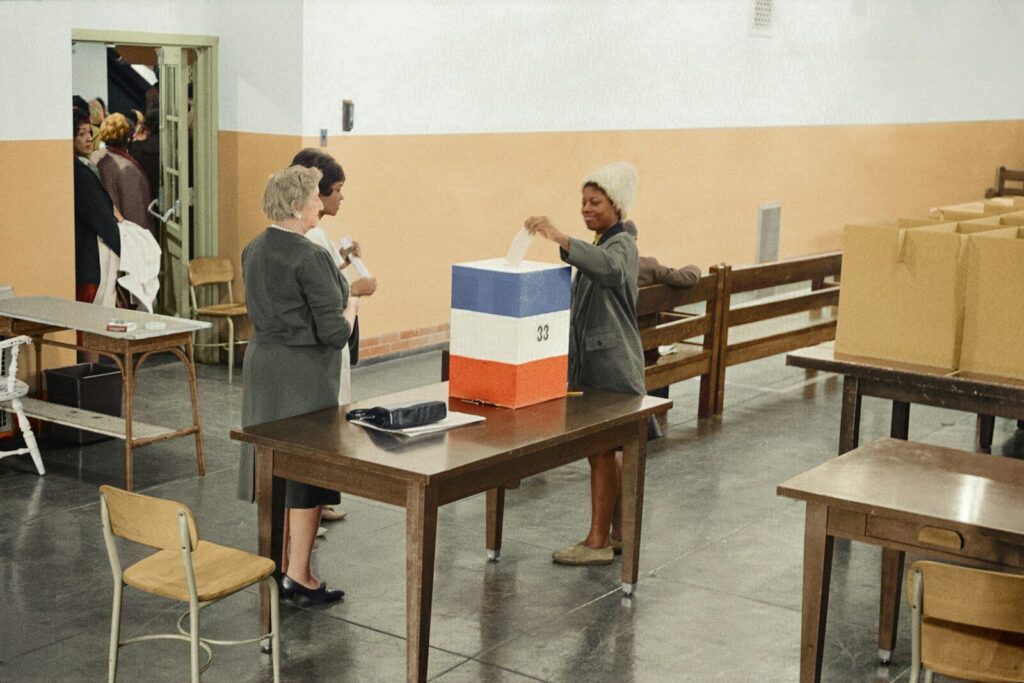
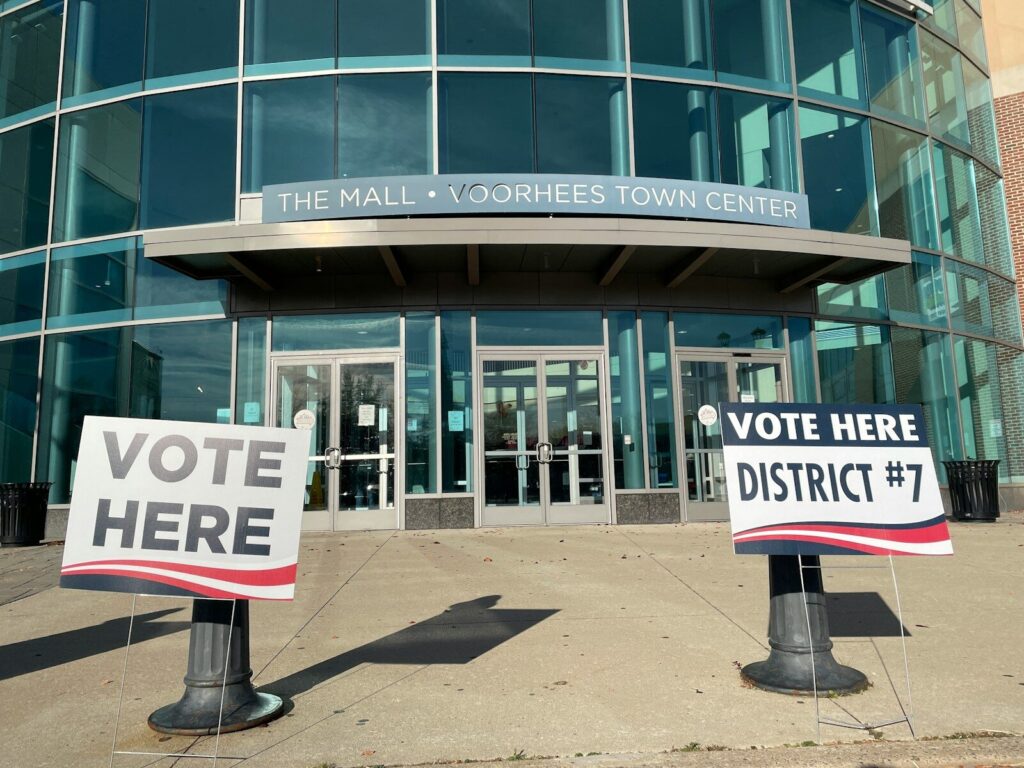
Black political participation is often discussed through misleading assumptions about low turnout or public disengagement. Election data instead shows that Black Americans frequently vote at rates equal to or higher than their overall share of the population.
Why Voting Holds Broader Community Meaning:
- Earlier generations fought for ballot access
- Participation helps protect hard-won civil rights
- High turnout can decide close elections
- Voting represents more than personal preference
- Communities organise around shared political concerns
Strong turnout among Black voters has shaped important election results throughout the Midwest and South. In closely contested states, organised participation within Black communities has influenced presidential, congressional, state, and local races.
Voting may also carry a collective meaning beyond the preferences of one person. For communities once legally denied access to the ballot, participation can feel like a responsibility to earlier generations and a practical way to protect rights secured through prolonged political struggle.
7. Growing Concern About Democratic Stability
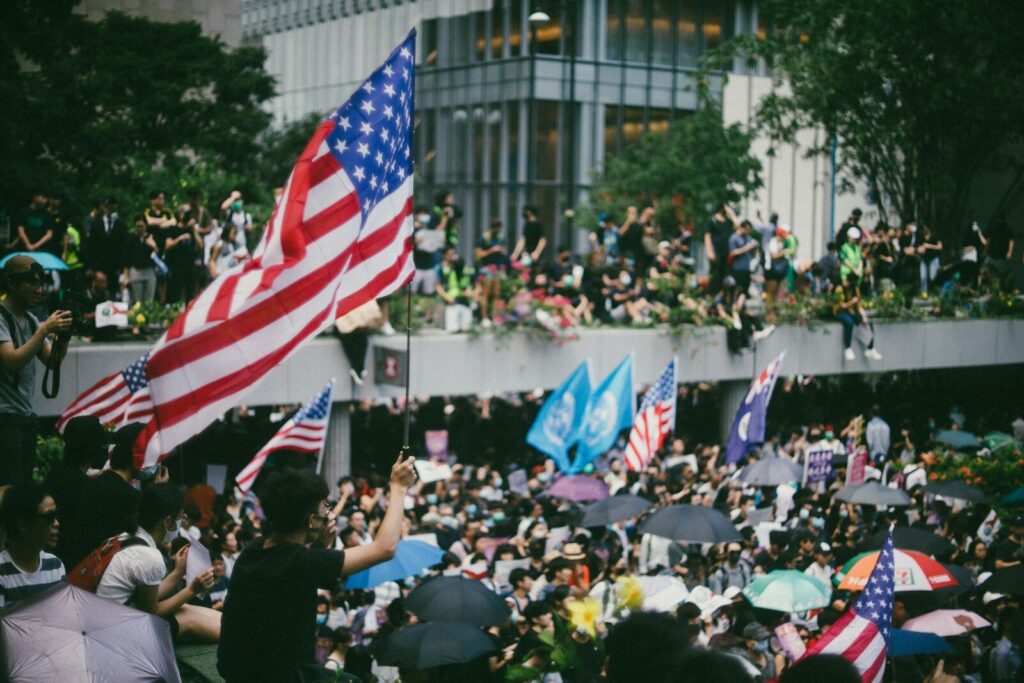
The condition of American democracy has become a serious concern for citizens, researchers, and political scholars. Some expert assessments place anxiety about democratic stability at around seven out of ten, reflecting fears about elections, political violence, weakened norms, and declining trust in public institutions.
Warning Signs of Democratic Fragility:
- Election outcomes face growing public distrust
- Political rhetoric can encourage direct violence
- Institutional norms weaken through repeated challenges
- Accountability may disappear gradually over time
- Peaceful transfers of power become uncertain
The January 6 attack on the United States Capitol showed how distrust of elections and inflammatory political rhetoric can turn into physical action against democratic institutions. It also revealed how quickly long-standing norms may weaken when influential leaders refuse to recognise legitimate results.
History shows that democracies do not always collapse through one dramatic event. Elections may continue even as trust, accountability, institutional limits, and peaceful transitions slowly erode. By the time the crisis becomes obvious, much of the earlier damage may already be difficult to reverse.
8. Unequal Responses to Political Protest
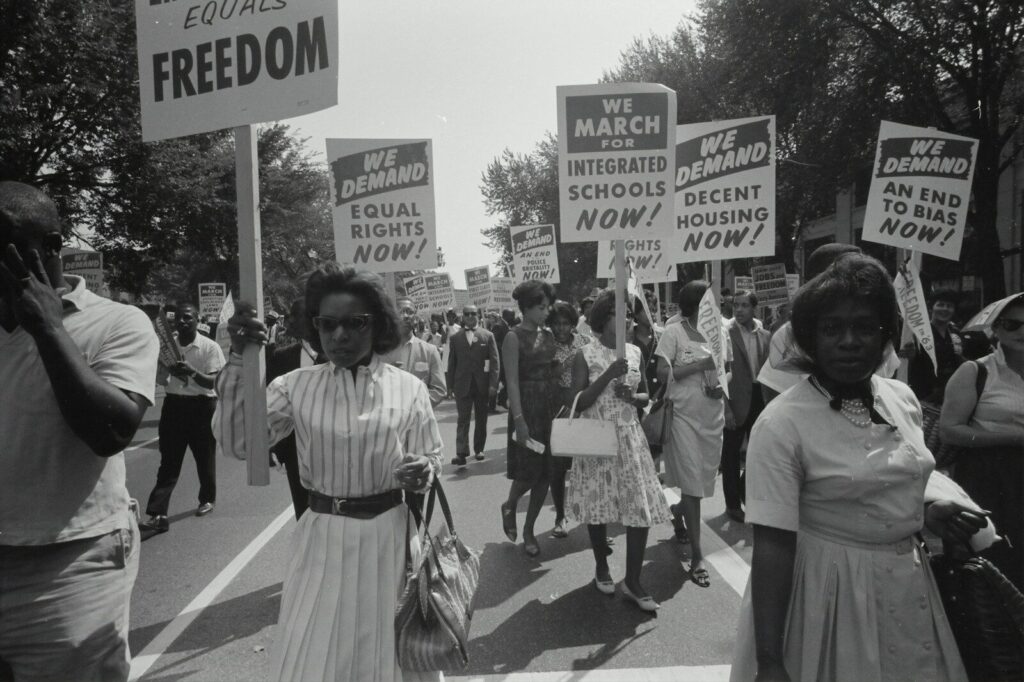
Public protest gives citizens a direct way to express political demands and participate in democratic life. How authorities respond to different demonstrations can reveal which grievances are treated as legitimate and which groups are viewed mainly as threats.
Concerns Surrounding Responses to Public Protest:
- Most racial justice protests remained peaceful
- Disorder received disproportionate media attention
- Peaceful participation gained less public coverage
- Far-right activity sometimes received different treatment
- Unequal enforcement weakens claims of citizenship
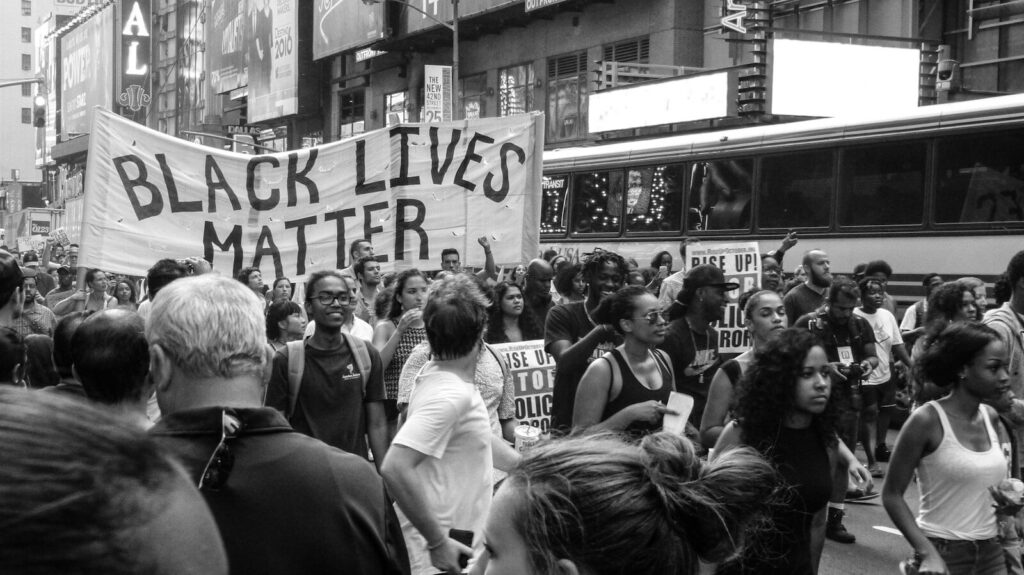
Research found that more than 90 percent of Black Lives Matter demonstrations were nonviolent. Even so, public discussion often focused on isolated incidents of damage or disorder while giving much less attention to the movement’s wider peaceful participation.
Questions also emerged about differences between official responses to racial justice protests and far-right extremist activity. When comparable behaviour receives different treatment according to the group involved, the idea of equal citizenship becomes increasingly difficult to defend.
9. Shared Civic Values in a Diverse Country
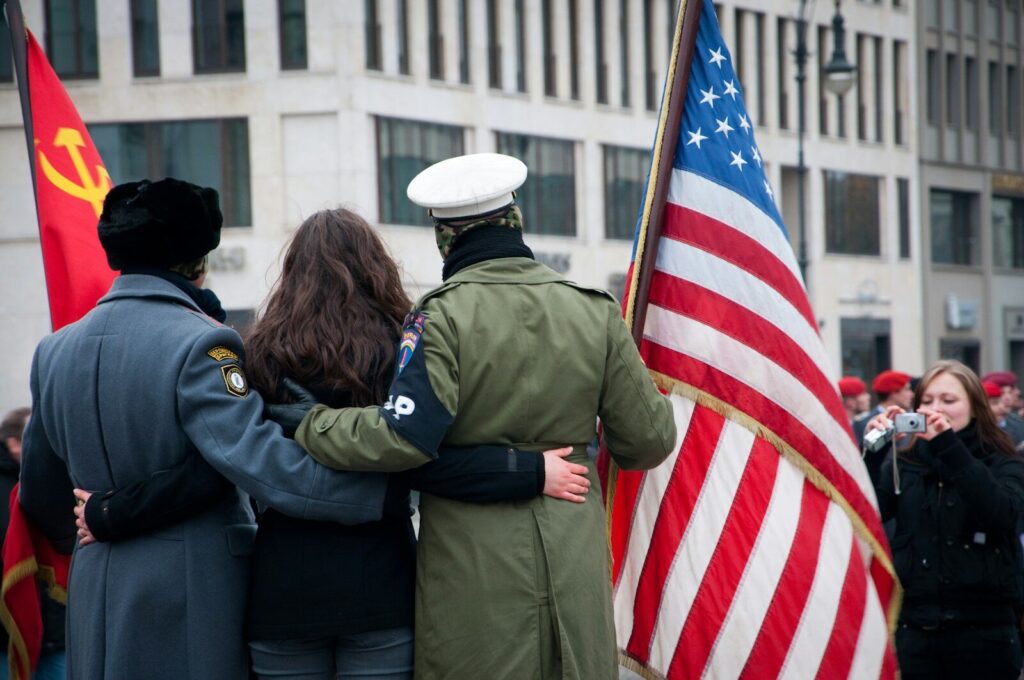
American national identity differs from identities based mainly on shared ancestry or a centuries-old connection to one territory. With Native Americans as the clear exception, the country has largely been shaped by migration, settlement, displacement, and repeated waves of immigration.
Values Commonly Associated With American Identity:
- Individual freedom remains a central principle
- Opportunity should extend across social backgrounds
- Personal responsibility carries strong cultural importance
- Civic participation supports democratic public life
- Hard work promises possible economic progress
Because of this history, American political culture relies heavily on shared principles. These include personal liberty, equal opportunity, individual responsibility, religious belief, civic participation, and the expectation that effort can lead to greater economic security.
Tension appears when these principles pull in different directions. Civic republicanism asks people to contribute to the public good, while individualism protects their freedom from collective obligations. Someone may view not voting as a personal right, even though widespread disengagement can weaken democratic government.
10. Demographic Change and the Future of Democracy
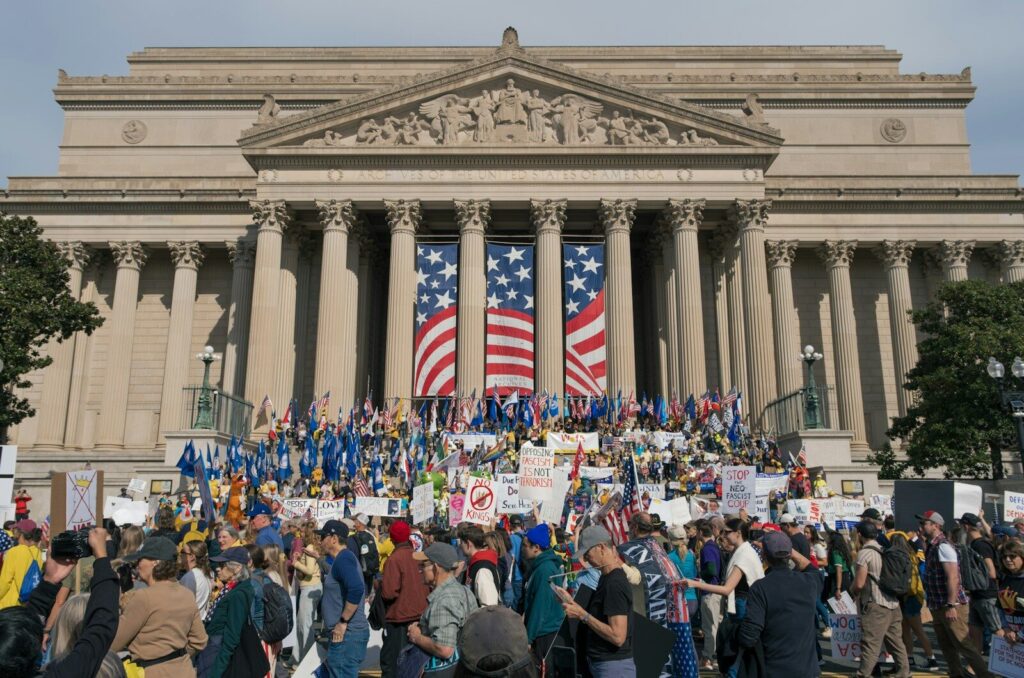
Census data indicates that almost every American county has become more diverse during the past decade. More than one-third of the population now lives in counties where people of colour form the majority, and this shift is happening in rural communities as well as large metropolitan areas.
Building Trust Through Demographic Change:
- Diversity now reaches nearly every county
- Rural communities are also becoming different
- Immigrants often support traditional civic values
- Businesses depend heavily on immigrant workers
- Broader belonging can reduce political fear
Immigration is frequently blamed for weakening American values, but surveys reveal a more complicated reality. Immigrants often express strong support for work, self-reliance, family responsibility, and economic advancement. Major industries, including agriculture, healthcare, construction, hospitality, and technology, also depend heavily on their labour.
Political leaders can turn demographic change into a source of fear or help build a wider sense of national belonging. Community-based research, including work linked to Brookings, allows local residents to speak directly about their concerns. Democratic trust will ultimately depend on practical cooperation, equal citizenship, and a renewed commitment to shared civic responsibility.