


The Swedish Muscle Car That Hid a Decades-Old Car Cult
When Swedes recall their automotive past, a handful of well-known names come to mind. Volvo signifies safety and reliability, while Koenigsegg speaks to the heights of performance and engineering. Muscle cars, loud V-8s and chrome-laden American land yachts are conspicuously absent from the story. However, tucked away beneath Sweden’s reputation for sensible utility is a robust automotive subculture that has flourished for decades, driven by American cars, non-conformist ideals and a love of a way of life that began a world away.
One modern automobile has brought this unique passion to the fore. Unveiled in 2020, the Volvo P1800 Cyan re-imagines a classic Swedish design as a high-performance sports car using modern engineering. Complete with a carbon-fiber body, a manual transmission and an enormous output of power, it serves as a fresh example of what a performance-oriented Swedish car can be. Though the vehicle drew praise, it represents but one small paragraph in a tale that has been writing itself for over 70 years.
The real story of Sweden’s love for American cars begins much earlier, predating modern-day restomods and boutique performance vehicles, with the Raggare. Dedicated to classic American autos, rock and roll music, and freedom of expression, the Swedish Raggare subculture created one of the most unique car cultures the world has ever seen. Beginning as an adolescent uprising, it transformed into a distinct way of life that thrives to this day.
1. The Unexpected Swedish Love Affair With Muscle Cars
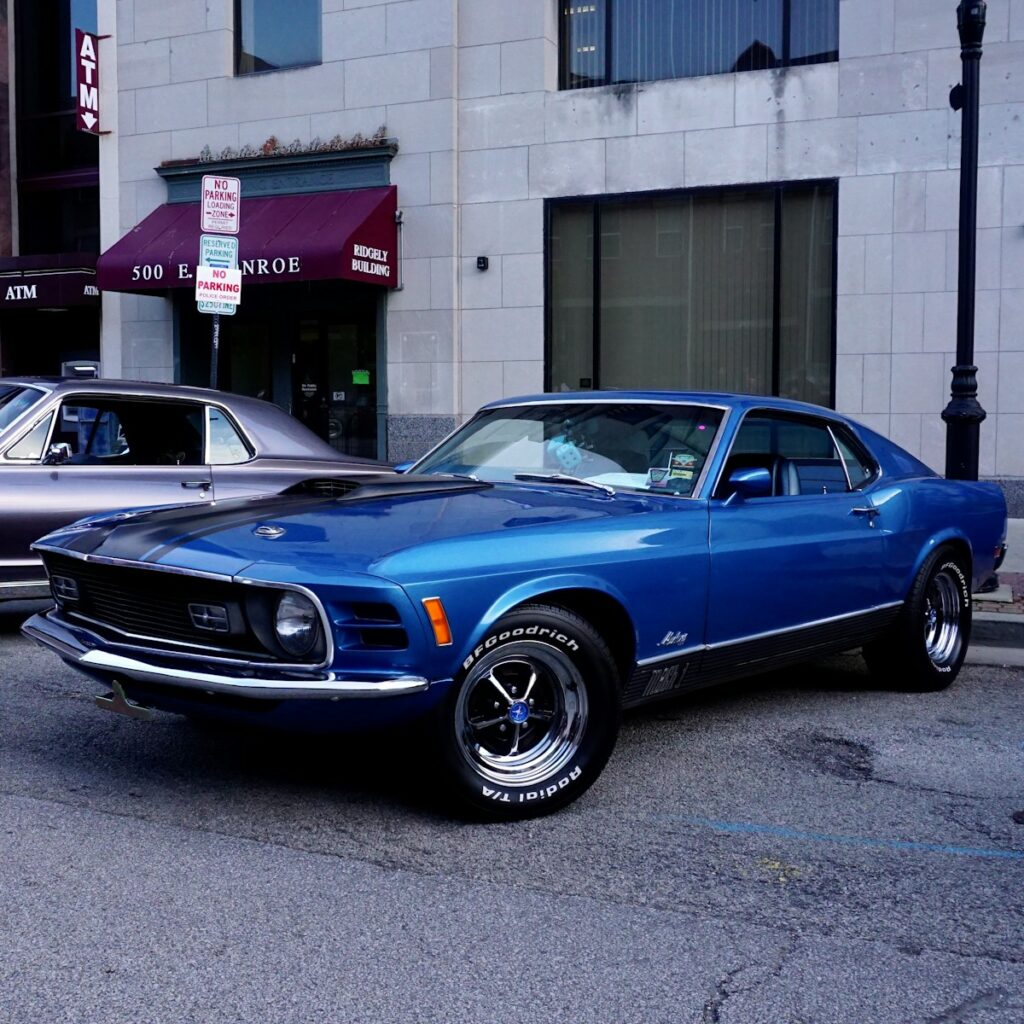
Sweden does not at first appear to be the sort of place where a significant American car culture might flourish; it’s more traditionally a place of pragmatism, good engineering and an overall sense of balance. Big, brutish American cars with V8 engines look quite at odds with such things, but somehow it has remained to become something which is deeply loved throughout several generations.
Passion for American Automobiles:
- Strong Swedish American car interest
- Attraction to powerful V8 engines
- Contrast with local vehicle culture
- Long-lasting enthusiast community
- Unique automotive appreciation movement
But it was so much more than just owning one to many people; American cars stood for liberation, self-confidence and excitement. The sharp looks, distinctive sound of the engine and strong performance of the cars were something exotic on Swedish roads, where small European cars dominated the road. The appeal grew and the cars became a representation of your identity and enjoyment of life.
As they grew to be more common all over Sweden they began to symbolize more than just means of transport, and enthusiasts came together for the lifestyle and all that it stood for, whether that was through music, style or simply getting together. The connection began to deepen between Sweden and the American automotive heritage and one of the most passionate American car cultures outside of the USA was born.
2. Who Are the Raggare?
The most important faction in the preservation of Sweden’s tradition of American cars is called the Raggare. The Raggare culture borrows directly from the adolescent American culture of the 1950s, and the greaser culture specifically from American music, film and other media. For the most part the Raggare adopt a fashion sense of leather jackets, jeans, white shirts and spiked hairstyles. This seems to be in response to the respect which they give to classic American life. In time they have come to mean much to the American car culture in Sweden.
Raggare Lifestyle and Identity:
- Inspired by 1950s greaser culture
- Distinctive American-style fashion choices
- Strong connection to classic cars
- Community-driven social lifestyle
- Preservation of cultural traditions
Other Activities of the Raggare Lifestyle Beyond clothes and appearance, the Raggare lifestyle also strongly involves socializing and experience. One of the main activities the community revolves around is driving classic American cars or any type of old American automobile. There are regular events, cruises, road trips, and parties where people get to come together, and, as expected, cars are the centre of it all. For some, the car serves as an extension of who they are.
Some Raggare might just have one car or multiple, but all of them consider their vehicle as important, not only for its classic look but also due to the meaning it holds for them as Raggare and as individuals. As a matter of fact, it’s not just about the speed or the restoration process the Raggare culture puts an equal, if not higher value on friendship and tradition, rather than on perfection in performance or a strict adherence to restoration criteria, which are prioritized in other car cultures.
3. How History Created the Perfect Conditions
The spread of the Raggare movement was intricately tied with a specific time period in Sweden. Since Sweden maintained neutrality during World War II, its infrastructure and industries were preserved from the severe destruction that ravaged many neighboring countries. This contributed to Sweden’s stable economic condition coming out of the war, and therefore gave it an edge in reconstructing and building upon its economy. This atmosphere provided a fertile ground for the rise of new cultural movements.
Postwar Foundations for Growth:
- Sweden remained neutral during war
- Infrastructure largely remained intact
- Strong postwar economic expansion
- Increased opportunities for youth
- Favorable conditions for new cultures
In the wake of an improving economy, a new generation found a sense of economic freedom previously unattainable to them. Vast numbers of working-class youth finally had enough income for the cars and leisure activities that American culture provided, increasing independence and individualistic expression. This new brand of youth culture started appearing all across America, and at the forefront of social changes were automobiles.
Also at the time, American music, films, and automobiles began to seep into the culture of Sweden. Young people yearned to pursue a lifestyle not prescribed by societal standards, and the American image offered one full of individuality and liberty. Classic American cars served as key symbols to this ideal, and helped give rise to what would become a generations long youth culture of Raggare.
4. American Cars as a Symbol of Rebellion
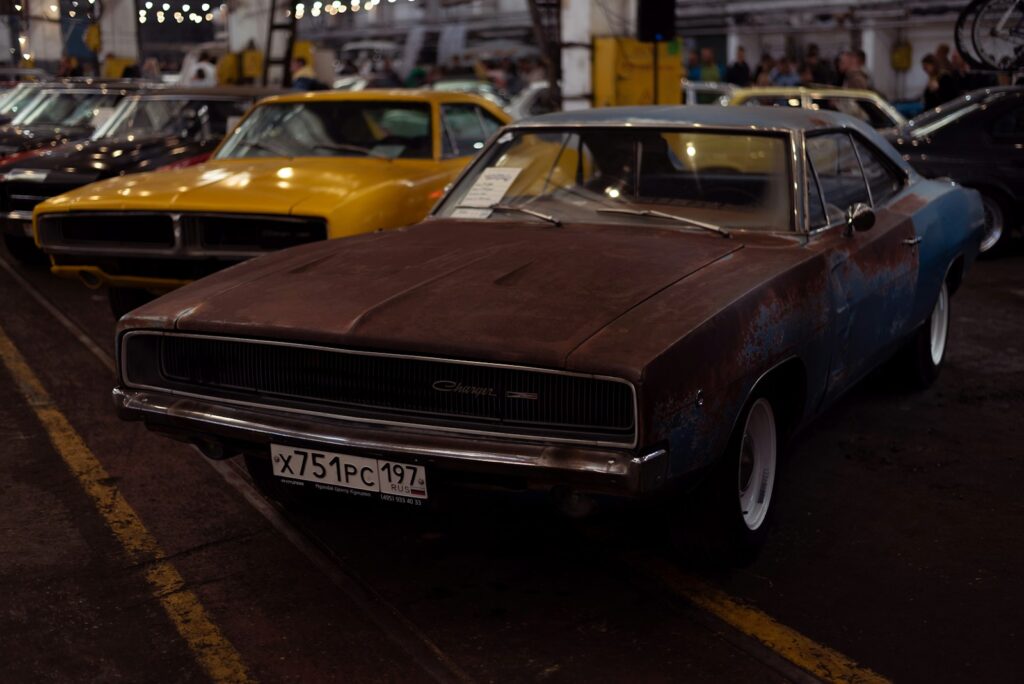
For many, an American car in Sweden meant more than just automotive preference. For many enthusiasts it became an unmistakable form of rebellion against societal norms and everyday conformities. American sedans and coupes were much larger, than that of the smaller, typical Swedish cars of the era, making their American origin unmistakable wherever they were spotted.
Automotive Rebellion and Identity:
- Symbol of personal independence
- Challenge to social conformity
- Distinctive American vehicle styling
- Strong visual road presence
- Expression of individual values
The look of the cars was also of significant importance when it came to their rebellion. The long body shapes, abundance of chrome trim, large engines and aggressive looks of these cars conveyed a certain message. These cars were able to communicate confidence and individuality in a way that very few others did and they were the traits that most young people loved. Cars of this nature were symbols of a certain type of attitude.
Driving around town in one of these big, American cars sent a message without having to say a word. The car itself was saying that it believed in a certain type of independence and individual choice and owners wanted their cars to say this about them and to take stand against the status quo. Cars were no longer just cars, they became much more of symbols and because of that American cars achieved a special meaning within the Swedish world of car enthusiasts.
5. The Cars That Defined the Movement
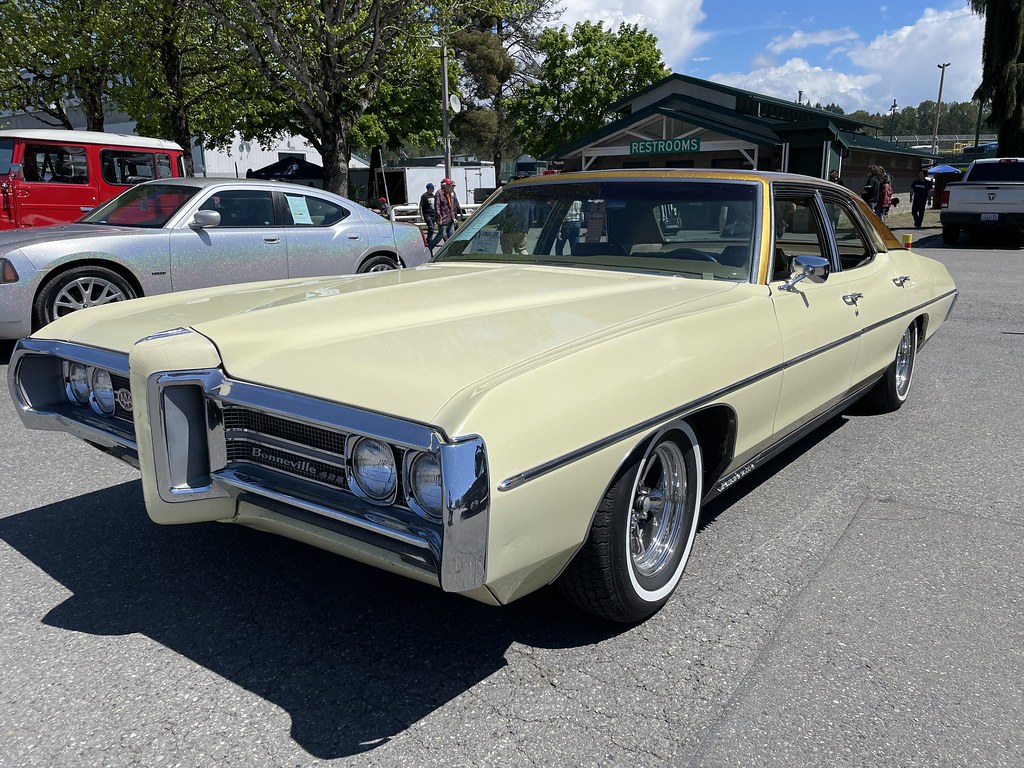
Some American cars ended up to be real legends among the Raggare group. This seems due to the fact that American large-cars from the 1950’s-1960’s did have everything that a lover of American car culture seemed to care the most. The size of the cars and also the comfortable driving characteristics combined with V8-engines that were able to produce enough power. Furthermore the cars were well suited for cruising for a while and showing off to others; they offered something new in relation to the rest of the Swedish cars.
Iconic American Car Models:
- Popular 1950s and 1960s vehicles
- Large body American cruisers
- Powerful V8 engine performance
- Comfortable long-distance driving experience
- Symbols of Raggare culture
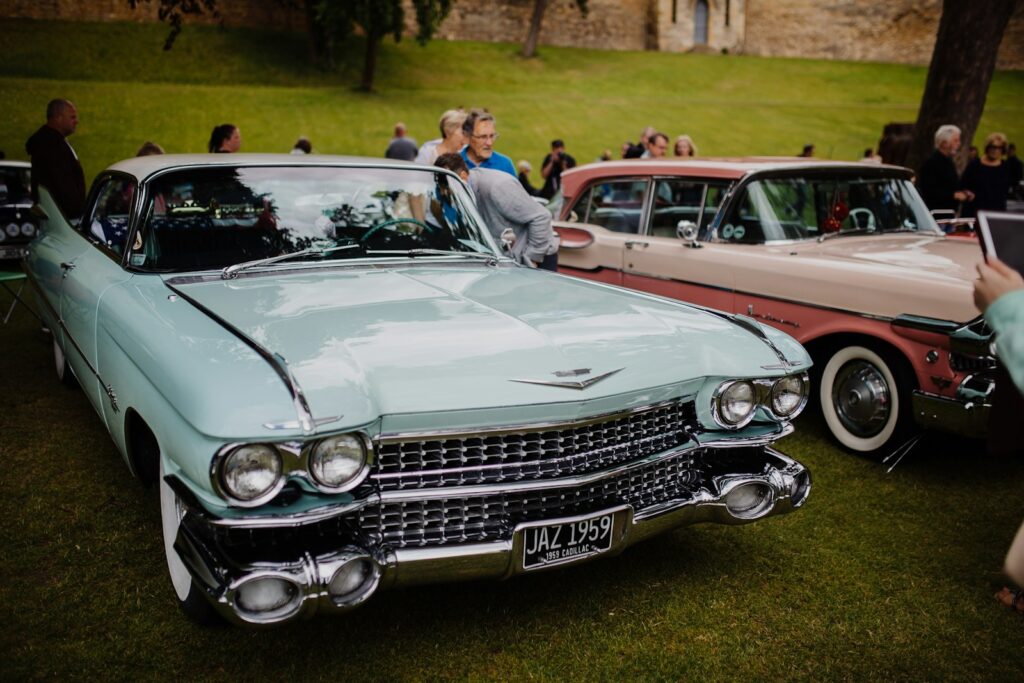
Some of the most famous models. The large interior, unusual design and potent V8 made for popular use amongst young enthusiasts. The car embodied a unique mix of practicality and sport that the Raggare life demanded. It was felt by many to be the embodiment of traditional American automobiles and its popularity enhanced its status as a cult car. All brands of American cars became popular, with Cadillacs, Chevrolets, Fords etc.
Becoming favourites amongst many. Initially viewed as somewhat exotic cars, the appreciation of these cars increased as the years went on. Enthusiasts made considerable efforts to conserve these cars for posterity and they became much more than merely foreign vehicles but are now an important part of Sweden’s motor-vehicle heritage and culture.
6. A Remarkable Scale of Enthusiasm
This hobby then eventually blossomed in Sweden to an unimaginable extent. The passion owners had in pursuing this hobby of owning classic American cars was and continues to be unbelievable amounts of time, work, and money spent in pursuit of one of the U.S.-made automobiles. Owners would look far and wide to locate their rare model and then pour incredible amounts of money and work into restoring them. This also required an enduring passion for knowing how to properly maintain a classic vehicle. This interest was noticed by auto groups throughout the world.
Dedication Beyond Ownership:
- Extensive vehicle import efforts
- Significant restoration project investments
- Preservation of rare classics
- Long-term enthusiast commitment
- International automotive recognition
During that time stories surfaced about obscure American cars cropping up more often than anticipated, all over Sweden. The collectors diligently worked at locating, restoring, and protecting cars that could have vanished entirely, thereby salvaging pieces of American motoring history and building up what became the biggest American car collection outside of the US, garnering the respect of car enthusiasts everywhere.
The immensity of that commitment highlights how integrated the culture became into Swedish society, growing from mere interest in American cars to an ongoing tradition, nurtured through collective effort, community functions and familial contribution as younger and younger generations were encouraged to develop an interest just as their forebears, turning a passing fancy into a firmly established part of Swedish car culture.
7. Public Fear and Social Controversy
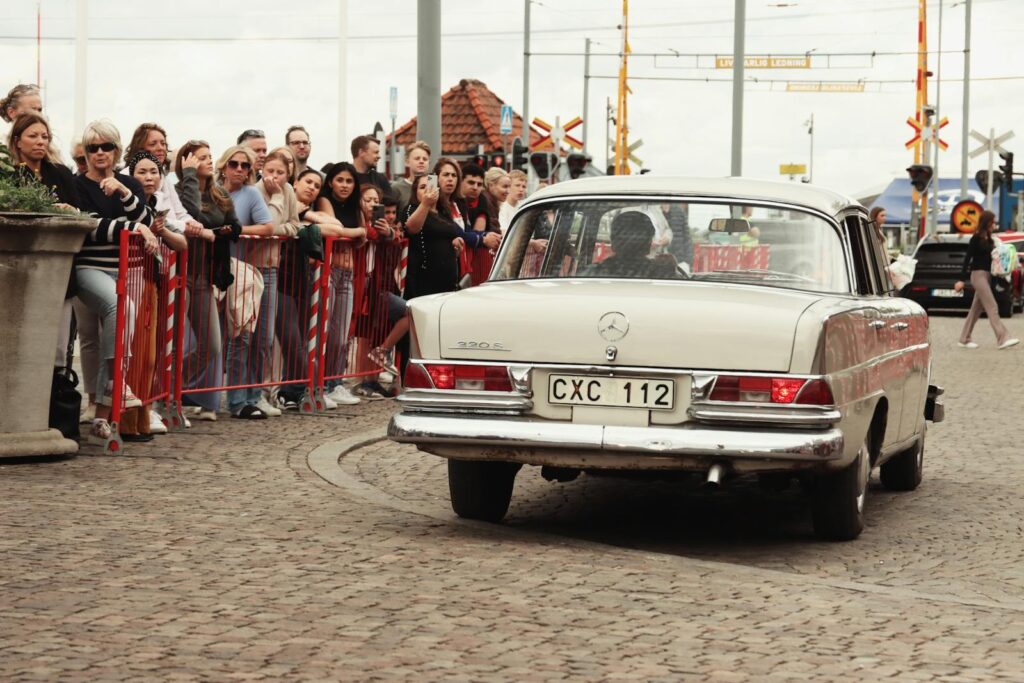
During their early days, the Raggare movement was met with many negative attitudes, as did most youth cultures that were developing across the years. In order to make there way through life and to cause trouble, which many at the time thought they was there to do, with their strange hair styles, how they acted and their American V8 engines which were extremely loud, public’s opinion of them at the time, did not see them as ‘car lovers’ more like the public image they have. With the culture forming and changing the subject of the Raggare’s was very soon to be open up to public discussion.
Public Perception and Criticism:
- Negative public image concerns
- Association with rebellious behavior
- Loud American car culture
- Social controversy and debate
- Misunderstood youth movement reputation
Media attention was a dominant influence on public attitudes to Raggare. The press and media often portrayed accounts that emphasized careless driving, alcohol use, and fights with the police. This fuelled public anxiety and made Raggare seem like a threat to society. Issues of concern were eventually brought to the notice of politicians, and influenced some police activity. This increased notoriety simply reinforced Raggare’s already mixed image.
Though certain episodes caused concerns these can be seen not to encompass all Raggare culture. The people who became part of Raggare were primarily young, and were seeking friendships, entertainment and individuality. Their interests lay in car culture and companionship, not violence, and this side was overlooked by media and observers. Eventually, after some time, there was a slightly less hostile understanding of Raggare culture.
8. Rivalries With Other Youth Cultures
Through the years a couple of new youth movements were formed, and the Raggare would from time to time come into contact with movements with different beliefs and cultures. Most often were not the clashes but rather difference of cultures. Among the more outstanding are Raggare and Punk during the 70ies. Both wanted to express individual-ity but in two completely different cultures.
Conflicting Youth Identities:
- Competition between youth movements
- Raggare and punk tensions
- Different cultural values expressed
- Contrasting lifestyle preferences
- Unique forms of rebellion
But it wasn’t just the music and the clothing which distinguished the two groups. Both represented different ideas about identity, freedom and social communication. While the Raggare seemed to stand for the American classic car-culture and life-style, the punk culture often seemed to have more rebellious opinions towards the world. These differences came across with conflicts and skirmishes at concerts, street events, and social meetings, pointing at a diverse cultural development in Sweden.
These rivalries not only grabbed the media attention but also reflected wider social developments. Generation were ever finding themselves, trying to find expression through new and diverse ways. Music, fashion and mutual preferences became key markers for group identity. Youth culture continued to develop, and the collisions between these different groups could also be seen as part of a dialogue about identity and difference.
9. From Outcasts to Cultural Icons
Public attitudes to the Raggare transformed over the decades. The movement, previously viewed with disdain and suspicion as a marginal subculture, found acceptance within Swedish society. Over time the original criticisms associated with Raggare diminished, and were eventually replaced by interest, respect and admiration for the movement. These developments assisted the Raggare to become an established cultural feature within Swedish society.
Growing Public Acceptance:
- Shift from criticism to appreciation
- Increased cultural recognition over time
- Greater public understanding developed
- Positive view of traditions
- Strengthened cultural significance nationwide
There were a number of factors which led to this evolution but one was of particular significance; its survival in the long term. Sustaining traditional American vehicles and traditions required great commitment and effort. As the public watched over several decades the communities’ value as protectors of automobile heritage came to be understood; the Raggare became more than just “enthusiasts”, and the perception began that they were preserving something which belonged to everybody and to the nation. The Raggare came to be admired; their efforts and devotion commanded respect.
This respect transcended the enthusiasts and wider public. The entire subculture was seen, as the unique and authentic manifestation of the way the Swedish had managed to appropriate American culture and create something originally and distinctively Swedish. In being “uniquely Swedish but influenced by an outsider culture”, the Raggare became more than just cultural imports; their imported tradition had become so intrinsically a part of Sweden as a result of years of assimilation and adaptation, that they are now considered cultural heroes rather than an imported element.
10. The Raggare Legacy Today
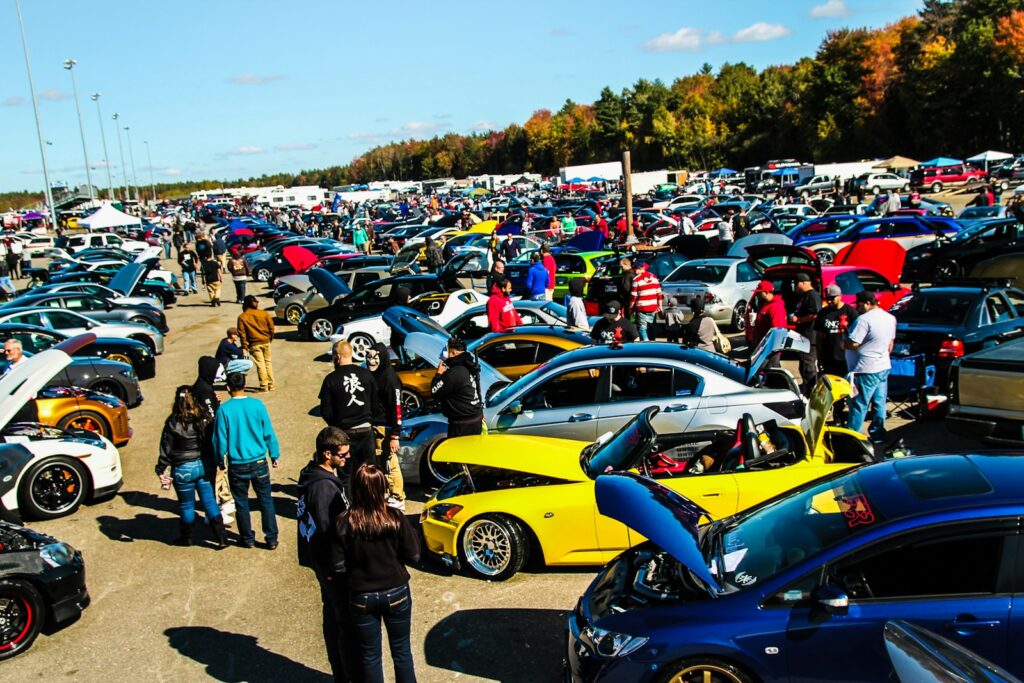
Modern Raggare culture continues to remain active and influential throughout Sweden. Although the movement has evolved with changing social and economic conditions, its core passion for classic American automobiles remains strong. Large gatherings, cruising events, and car shows continue to attract thousands of participants each year. These events bring together enthusiasts who share a love for both the vehicles and the lifestyle connected to them. The culture has successfully adapted while preserving its traditional foundations.
Preserving a Living Tradition:
- Active modern enthusiast community
- Popular car shows and events
- Continued passion for classics
- Strong cultural heritage preservation
- Adaptation to modern times
Younger generations have played an important role in keeping the movement relevant. Some enthusiasts focus on detailed restorations that preserve vehicles in near-original condition. Others place greater emphasis on social experiences, road trips, and affordable project cars. This variety of approaches allows people with different interests and budgets to participate. As a result, the culture continues to attract new members without losing its identity.
The Raggare story remains one of the most remarkable examples of cultural adoption in automotive history. What started as admiration for American cars eventually developed into a distinctly Swedish tradition. For more than seven decades, the movement has combined rebellion, nostalgia, friendship, and automotive enthusiasm. Its ability to evolve while maintaining its core values has ensured its survival. Today, it stands as one of the world’s most unique and enduring car cultures.