





Lockheed Martin’s Hypersonic Ambition: Building on a Legendary Past
Competition for high speed in aerospace is defining the age. The challenge to design hypersonic aircraft is a major priority in aerospace and defense, but it takes more than an advanced propulsion system. In reality, aircraft and missiles that can operate in flight regimes beyond the speeds of Mach 5 are forcing changes across all aerospace design, from aerodynamics and materials to software, guidance and more.
Lockheed Martin and its former companies have been at the center of military aviation for over a century. Since pioneering military aircraft in the earliest days of flight, Lockheed Martin has delivered cutting-edge military and aerospace technology ranging from some of the most advanced stealth fighters in the world to communications systems and space vehicles. The company’s broad expertise in aircraft development and production, missile and guidance, satellite technology, command and control and digital engineering makes Lockheed Martin well-suited to the complex challenges associated with creating future hypersonic systems.
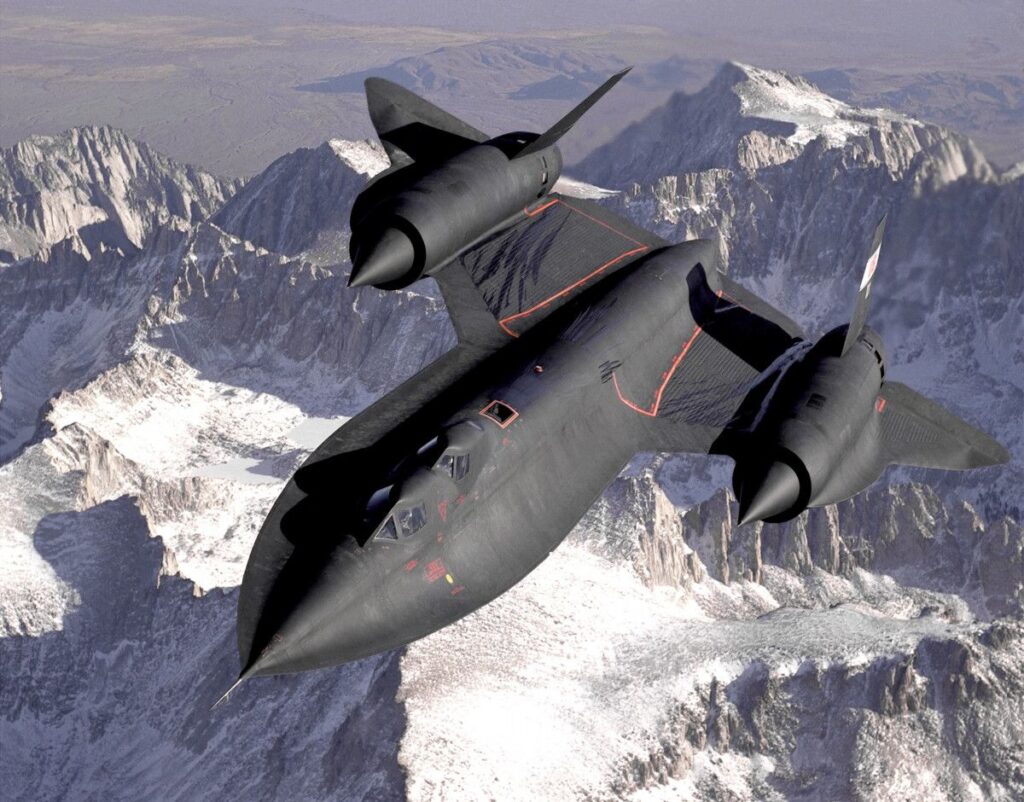
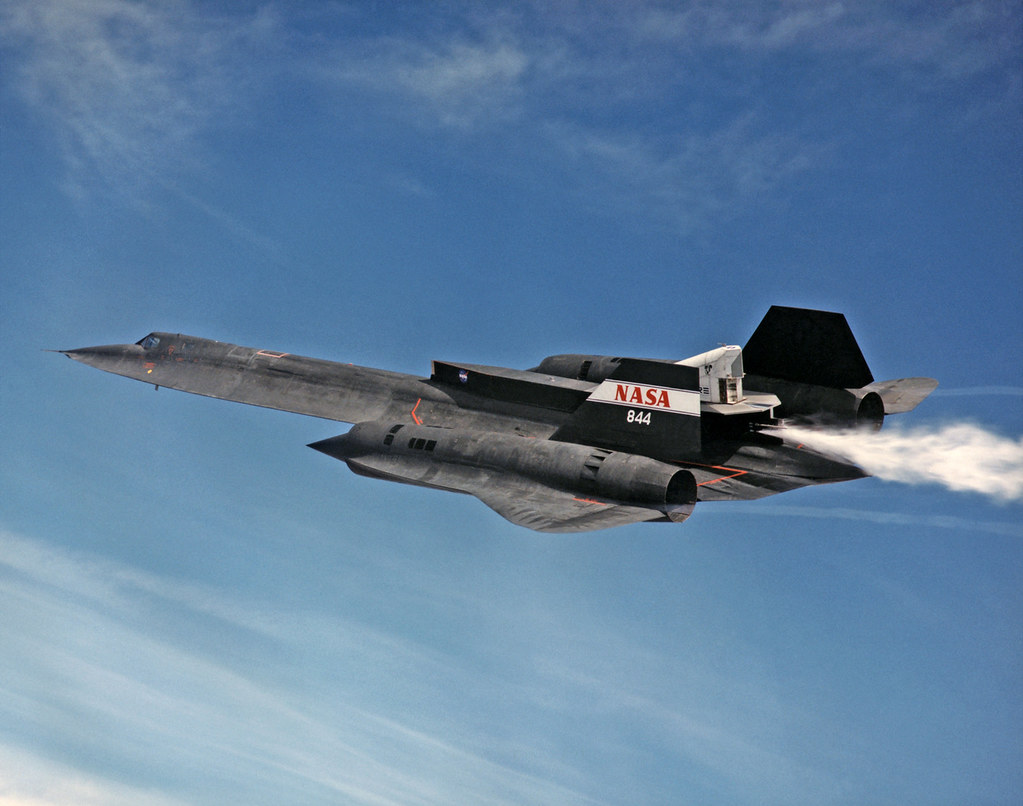
When we think about an aircraft that will continue to sustain hypersonic flight, images of historic spyplanes like the SR-71 Blackbird quickly jump to mind. While such SR-72 concepts are still getting attention, the actual story is all about organizational power. The way Lockheed Martin is built, its people, its research, and the kind of long-term bets it has placed tell us that for many years, it has been positioning itself to meet and harness these next technologies. Getting into that begins by understanding both how it got here and what capabilities it has built in all its main lines of business.
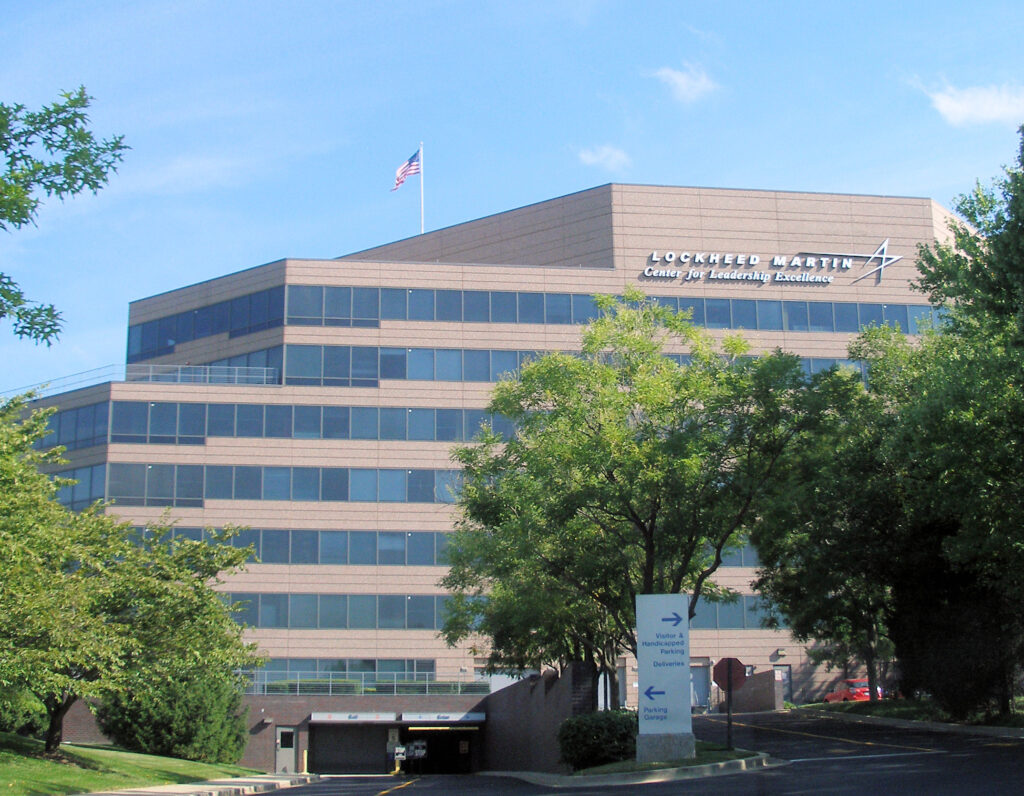
1. A Company Built for Future Aerospace Innovation
In 1995, Lockheed Corporation and Martin Marietta merged to become Lockheed Martin. Decades of aerospace and defense experience came together to form a globally competitive company, and today they operate through four segments: Aeronautics; Missiles and Fire Control; Rotary and Mission Systems; and Space. Although the divisions concentrate on unique technology, all of their resources would need to converge in order to achieve the development of a hypersonic airplane no one engineering team could achieve this alone.
How Lockheed Martin Supports Advanced Aerospace Development:
- Four specialized business divisions
- Expertise in aerospace and defense technologies
- Integrated engineering and system development
- Advanced research and digital innovation
- Focus on future military capabilities
This integrated framework will allow Lockheed Martin to pull from their aircraft design, propulsion, high-tech sensors, software engineering, avionics and navigation, missiles and space design disciplines to create this hypersonic capability. “In the past, to try and build and test hypersonic flight you had to be an aerospace engineer who also happened to know something about advanced control systems, you had to know about heat management and communication systems that work under extreme conditions,” Smith says. “Now, bringing those people together allows us to engineer across those capabilities.”
While the company focuses on programs already in defense, Lockheed Martin invests in forward-looking technology-including digital engineering, AI, advanced manufacturing, autonomous systems, and future aerospace concepts-long into the future to ready itself for the nation’s emerging defense needs and speed future aerospace breakthroughs for years to come.
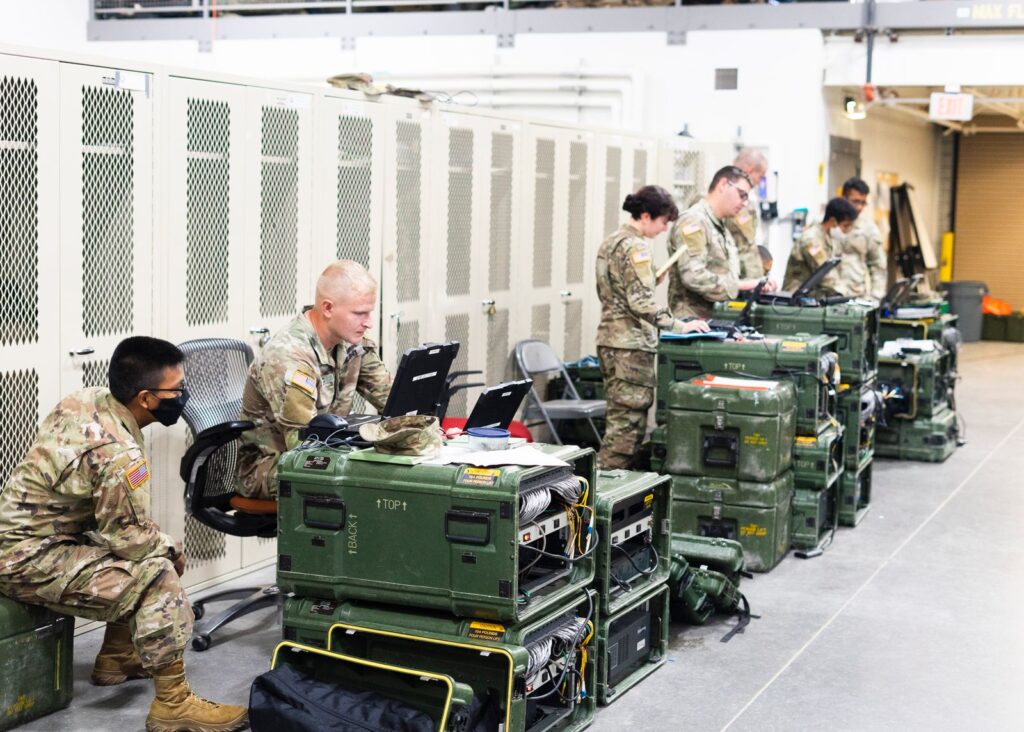
2. Strategic Vision Driving Hypersonic Development
Lockheed Martin is following a roadmap for developing its 21st-Century Security initiative to address threats of tomorrow through new types of defense capabilities by blending cutting-edge digital and computer sciences with aerospace engineering, the company says. Instead of managing airframes, satellites, communication networks, and weapons individually as discrete assets, they’re being built into a cohesive ecosystem that can share data at near-instantaneous speeds and perform collectively.
Core Technologies Powering Lockheed Martin’s Future Vision:
- Artificial intelligence for faster decision-making
- Cloud computing and digital data processing
- Software-defined and connected defense networks
- Secure real-time communication systems
- Integrated multi-domain military operations
Central to this strategy are a host of new technologies. For example, artificial intelligence supports large data analysis capabilities, thereby speeding up both mission planning and operational decisions. The cloud can help a defense service move and processing data to and from disparate military platforms, and software defined networking could make our systems more flexible and adaptable. Advanced communications tools are critical for allowing an aircraft, satellite, ship, vehicle or ground unit to communicate with a command and control element. These technologies can become very important in a high-speed hypersonic flight.
Enabling that vision is Lockheed Martin’s 1LMX digital transformation program that revolutionizes the company’s engineering and manufacturing workflows. Implementing common digital tools, advanced modeling techniques and improved development processes helps engineers work together seamlessly between different parts of the business. Such digital modernization boost efficiency, accelerate development times and enable engineers to better align with their colleagues working on complicated aerospace projects. Combining both innovative programs, Lockheed Martin will better leverage the development of sophisticated hypersonic technologies as the defense needs of tomorrow continue to develop.
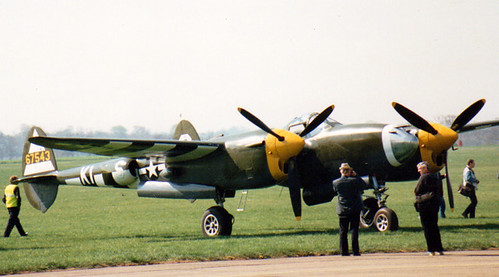
3. Building on More Than a Century of Aviation Leadership
Lockheed Martin, aerospace giant, is renowned because it had 100 years of relentless engineering and innovation. It traces it lineage back to 1912 when Allan Lockheed started the Lockheed Aircraft company. Back in aviation’s infant days the company’s planes (such as the Lockheed Vega), which were incredibly design-advanced, brought fame across globe via numerous record-setting flights. This fame continued to soar after Amelia Earhart the aviator associated Lockheed the most was flying the Lockheed Model 10 Electra for several record flights.
A Legacy That Shaped Modern Aerospace Engineering:
- More than 100 years of aviation experience
- Early record-setting aircraft innovations
- Major contributions during World War II
- Decades of military and aerospace advancement
- Strong foundation for hypersonic technologies
Both Lockheed and Glenn L. Martin’s company became significant part of American military aviation in World War II. Lockheed manufactured the P-38 Lightning, an aircraft which made substantial inroads in terms of fighter capability to aid Allied forces, whereas the Martin Company built various bombers, such as the MB-2 and the B-26 Marauder. Both companies emerged from the war with greatly enhanced aircraft design and development engineering capability to field capable and durable high-speed machines under combat conditions.
Over the ensuing decades, the firm helped push aerospace further through advancements in jet propulsion, stealth aircraft, reconnaissance vehicles and modern defense systems. These initiatives enhanced its experience in the areas of aerodynamics, propulsion, materials, structural integrity and systems integration. This wealth of knowledge has created a solid technical base for developing modern hypersonics, whose vehicles must withstand some of the harshest environments in the aerospace, experiencing incredible speeds and forces.
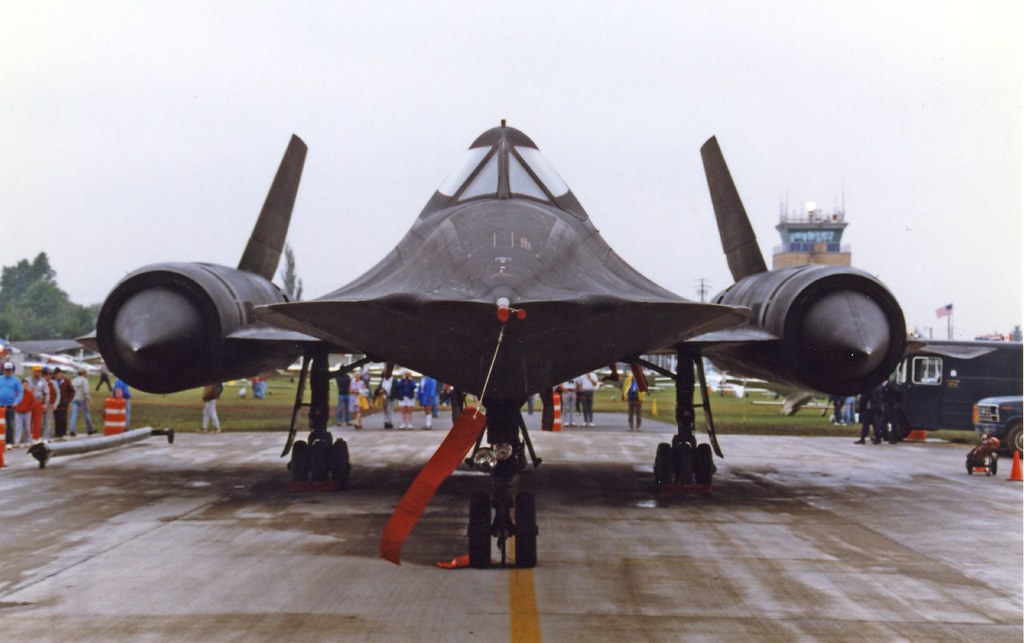
4. The Legacy Behind the SR-72 Concept
Perhaps the best-known potential next-generation aircraft to emerge from Lockheed Martin in recent years is the SR-72, which has been a subject of widespread speculation due to its relationship to the SR-71 Blackbird. It was first mentioned publicly in 2013, and was at that time described as a concept for a hypersonic intelligence, surveillance and reconnaissance (ISR) aircraft capable of speeds above Mach 5. While there has been no reported flight testing or operational deployment, the concept represents the company’s interest in creating advanced high-speed ISR systems for the future.
Why the SR-72 Represents the Future of High-Speed Aviation:
- Inspired by the legendary SR-71 Blackbird
- Designed for potential hypersonic speeds above Mach 5
- Focus on intelligence and reconnaissance missions
- Combines advanced propulsion and stealth technologies
- Showcases future aerospace innovation
The SR-72 program highlights how next generation military aircraft are envisioned to combine Stealth with Hypersonic Propulsion, sensors and autonomous mission systems in a single airframe. Whereas prior generations of reconnaissance aircraft survived primarily by speed and altitude, future generations of hypersonics are to survive through the application of secure digital communications, autonomity, real-time decision support, and network-centric mission integration. These elements significantly add to the aircraft design complexity and also its effectiveness.
Even if the SR-72 never enters service as a functioning military aircraft and stays a technology demonstrator, it shows the direction of aerospace advancement. It follows generations of development in cutting edge propulsions technology, thermal protection systems and advanced heat resistant materials and aerodynamics, but more significantly, it shows Lockheed Martin’s willingness to develop paradigm changing technologies in military aviation of the future, not simply to meet the demands of current operation requirements.
5. Aeronautics: The Foundation of Advanced Aircraft Development
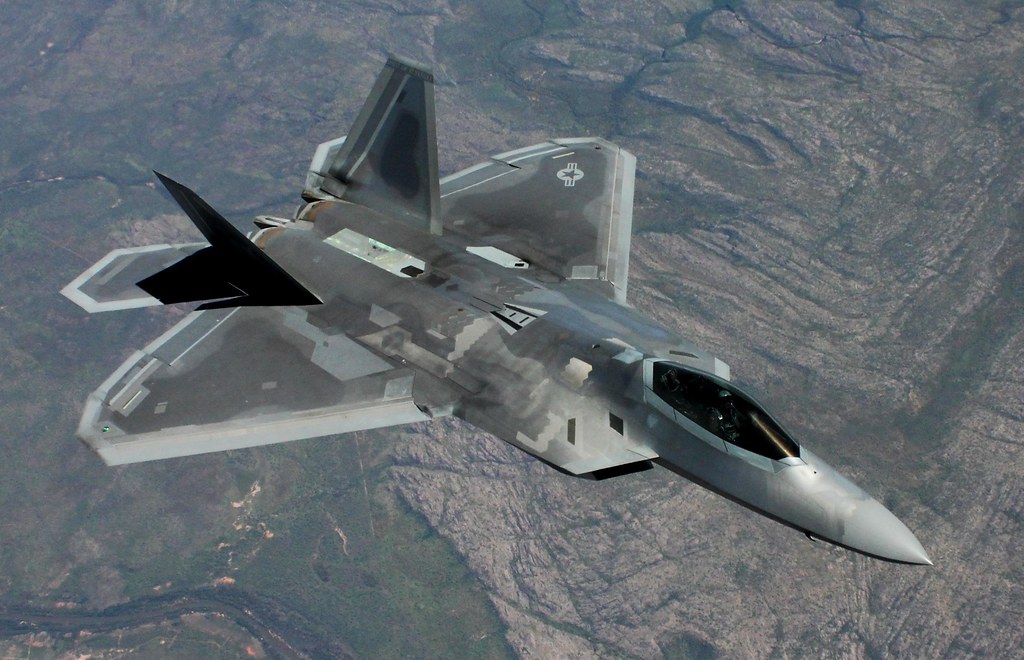
Lockheed Martin’s Aeronautics business segment is the largest in the company and the center for its expertise in aircraft design and production. This division is charged with developing, manufacturing, engineering, and sustaining some of the world’s most sophisticated military air-craft. Drawing on a decades-long track record of developing technologies that are then integrated into a working product, the business segment has developed deep expertise in combining multiple, complicated systems into an operational solution that can form the bedrock for developing future aerospace systems, such as hypersonic air vehicles.
How the Aeronautics Division Drives Aerospace Innovation:
- Designs advanced military aircraft
- Expertise in stealth and high-performance aviation
- Advanced flight control and avionics integration
- Global manufacturing and sustainment capabilities
- Strong foundation for future hypersonic programs
Programs such as Lockheed’s F-22 Raptor, for example, demonstrated how all these elements (stealth, supercruise, sophisticated avionics and maneuverability) could be integrated into a single platform. The design of such aircraft was no easy feat and addressed highly complicated aerodynamic, avionics and structural engineering challenges, as well as techniques for minimising an aircraft’s radar footprint and improving engine efficiency. The technical expertise accumulated during these projects is directly informing the current work on hypersonic aircraft, which face similar design constraints in an even more challenging flight regime.
Its role on the F-35 Lightning II, one of the largest and most technologically sophisticated defense programs in history, honed Lockheed Martin’s ability to develop complex systems in concert with international partners. Beyond designing and manufacturing the aircraft, Lockheed Martin also developed the accompanying software, logistics, maintenance, training, and global sustainment networks required to keep the aircraft flying throughout its entire lifespan, illustrating a breadth and depth of program management that will be essential for any high-speed aircraft.
6. Missiles and Fire Control: Expertise in High-Speed Systems
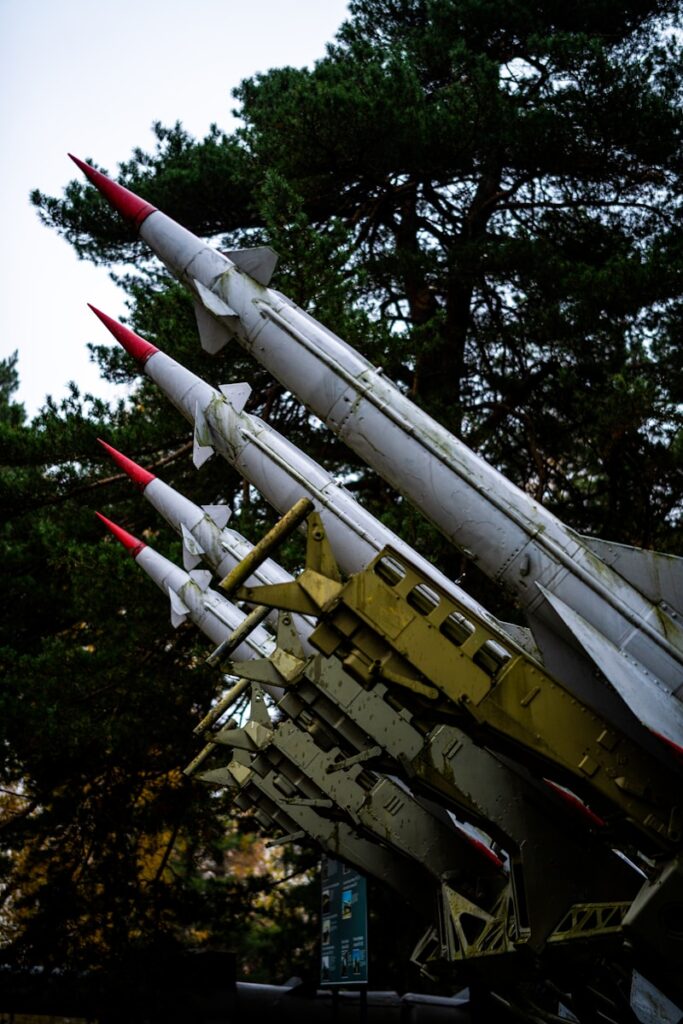
While Aeronautics handles development of sophisticated new planes, the company’s Missiles and Fire Control (MFC) division develops other necessary capabilities for hypersonic development, specifically the high-speed missiles and weapons Lockheed Martin has long excelled in making.
How the MFC Division Supports Hypersonic Innovation:
- Expertise in missile and air defense systems
- Advanced guidance and navigation technologies
- High-speed flight and propulsion experience
- Precision targeting and mission planning
- Thermal protection and flight control knowledge
Whether it is the THAAD and Patriot PAC-3 interceptors, or new initiatives on the road to the 2040s, the division shows its skill in intercepting, tracking, and guiding targets at mind-boggling speed and uncanny accuracy. Engineering these kinds of interceptor missiles requires skills in aerodynamic, propulsion, guidance, and thermal protection; guidance; and control flight. These kinds of skills can easily address many of the technical challenges for enabling sustained hypersonic flight.
MFC has also produced precision-strike weapons, including the Guided Multiple Launch Rocket System (GMLRS) and Joint Air-to-Surface Standoff Missile (JASSM). These programs illustrate the company’s expertise in guidance, autonomous navigation, targeting, and performance in tough conditions. While these missiles and the hypersonics aircraft serve separate purposes, they also have a common foundation in engineering expertise for precise control of vehicles traveling at extremely high speeds through an unforgiving environment. Therefore, the MFC division plays a significant role in Lockheed’s future of developing hypersonic technology.
7. Space Technologies Supporting Hypersonic Flight
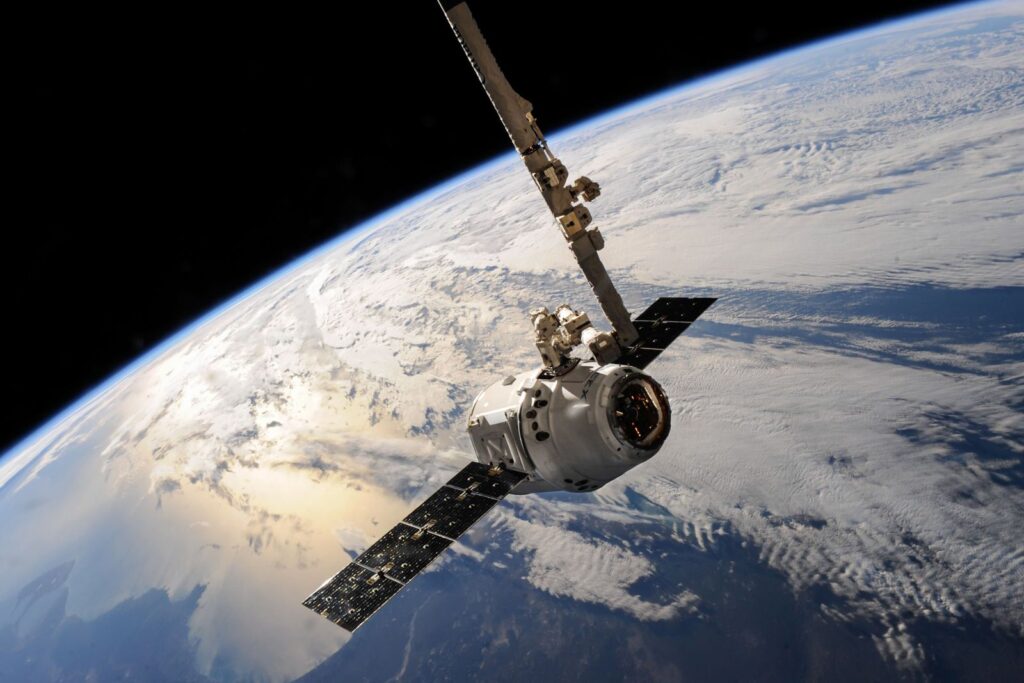
The atmosphere and space start to merge together when aircraft get closer to Mach 5 (hypersonic speeds), making Lockheed Martin’s Space division another contributor to the company’s hypersonic aspirations in the coming years. Lockheed Martin Space, which focuses on satellite systems, missile defense, deep-space exploration, launch services and national security space programs, has experience operating under severe temperatures and stresses such as those that occur at hypersonic speeds.
How the Space Division Strengthens Hypersonic Development:
- Expertise in satellite and space systems
- Advanced thermal protection technologies
- Precision navigation and secure communications
- Missile defense and launch system experience
- High-altitude and spaceflight engineering knowledge
Through its programs like the Next Generation Interceptor (NGI) and the Fleet Ballistic Missile (FBM) program, Lockheed Martin has accumulated broad expertise in developing vehicle designs that perform within the atmosphere and in space. Such systems need to endure heat, drag, harsh environmental conditions and challenging flight dynamics without faltering under severe thermal stress and flight loads, while precisely navigating their path. This expertise in thermal protection, high-temperature materials, and precision navigation translates readily to the next era of hypersonics and future aircraft capable of stable flight beyond Mach 5.
Similarly, The Space division is boosting the hypersonic’s ability via such as the GPS III program. As craft are being propelled to extreme velocities at astronomical distances accuracy, secure communications and delivery of data is key. The Space division complements its expertise to the development of new technologies with the Space division through the LULA contract, of which Lockheed Martin is a partner for expertise on orbital, space-based technologies, and space vehicles, propulsion, launch, which will support their hypersonic systems development.
8. Rotary and Mission Systems: The Digital Brain Behind the Aircraft
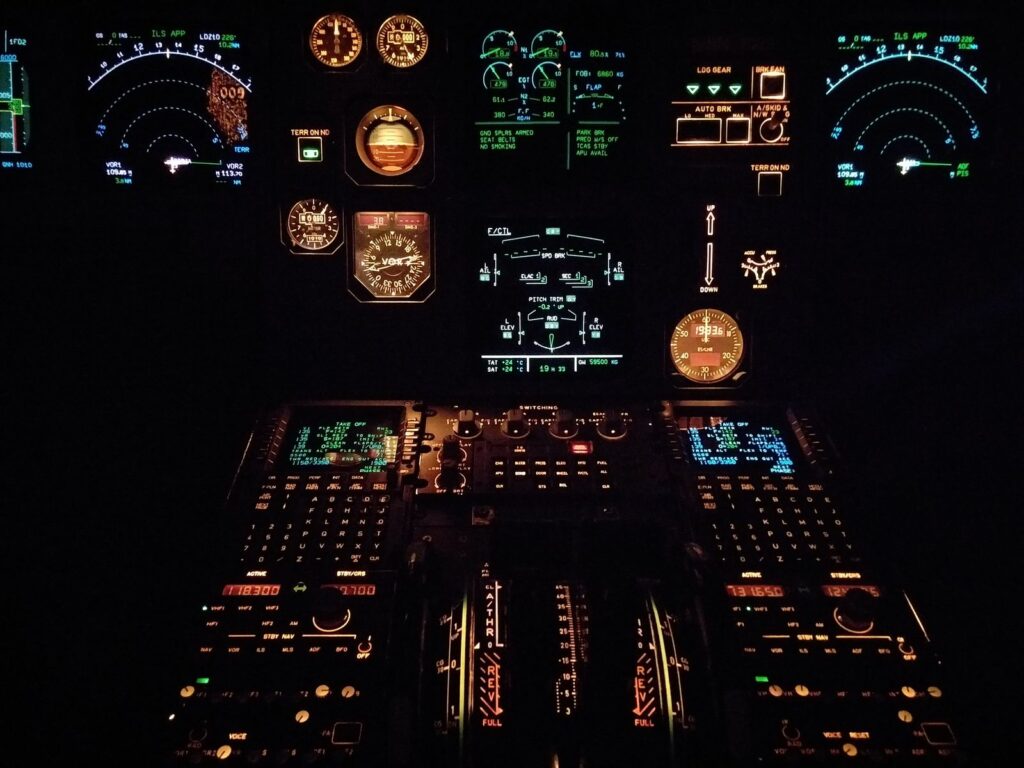
It is easy to focus on simply the speed of hypersonic aircraft, but intelligence gathering, real-time decision-making and secure communication all contribute to the operational success. These functions are carried out by the Lockheed Martin Rotary and Mission Systems (RMS) business segment, which produces sophisticated defense solutions connecting sensors, communications, command centers and combat platforms into coordinated operational systems that support today’s wars.
How RMS Powers Intelligent Defense Systems:
- Advanced sensor integration and data processing
- Secure military communication networks
- Real-time command and control systems
- Cybersecurity and software engineering expertise
- Mission management for complex operations
Another prominent contribution from this division is the Aegis Combat System, which ties together all the software, the radars and other sensors aboard a naval warship to create a seamless fighting machine for air and missile defence. Building complex systems such as the Aegis involves a wide range of technical expertise from software engineering to the integration of sensors (or “ sensor fusion”), to cyber-security and artificial intelligence and real-time control systems the exact sort of systems that will be required for an aircraft travelling at hypersonic speeds to crunch data, react instantly and to remain lethal in an increasingly contested battlespace.
Additionally, the RMS division manages large-scale initiatives, including Integrated Warfare Systems and Sensors (IWSS) and Command, Control, Battle Management and Communications (C2BMC), proving that Lockheed Martin can design robust communication networks that stand up to harsh combat environments and complicated military exercises. Just as it would be to flying extremely fast, secure communications and communication among several platforms are imperative for a hypersonic intelligence, surveillance, and reconnaissance asset, not to mention managing high data rates from numerous sensors, therefore making the RMS division digital underpinnings for the new age of aerospace systems that the company envisions.
9. Global Operations and a Highly Skilled Workforce
Developing advanced aerospace systems requires far more than cutting-edge engineering. It also depends on experienced personnel, dependable supply chains, global partnerships, and long-term operational support. Over several decades, Lockheed Martin has built a worldwide infrastructure capable of managing some of the most sophisticated defense programs ever undertaken. Its long-standing collaboration with the U.S. Government, along with partnerships involving allied nations, provides a strong foundation for developing and sustaining future aerospace technologies, including hypersonic platforms.
What Strengthens Lockheed Martin’s Global Capabilities:
- Worldwide defense partnerships and operations
- Long-term logistics and sustainment expertise
- Highly skilled engineering and technology workforce
- Advanced manufacturing and software capabilities
- Continuous investment in future technical talent
Recent international contracts highlight the company’s global reach and operational expertise. Programs supporting the High Mobility Artillery Rocket System (HIMARS) and training services for the AEGIS defense system demonstrate Lockheed Martin’s ability to deliver far more than advanced equipment. The company also provides long-term logistics, maintenance, technical support, and operational training, ensuring complex defense systems remain effective throughout their service life. This experience in sustaining large-scale military platforms would be equally valuable for future hypersonic aircraft that require continuous technical support and lifecycle management.
Behind these achievements is a workforce of approximately 120,000 professionals spanning engineering, aerospace design, software development, cybersecurity, artificial intelligence, advanced manufacturing, and numerous other specialized fields. Lockheed Martin continues investing in talent by recruiting experts in hypersonics, cyber engineering, data science, electro-optical systems, artificial intelligence, and machine learning. By expanding its technical expertise across multiple disciplines, the company strengthens its ability to develop next-generation aerospace technologies and remain at the forefront of innovation as global defense requirements continue to evolve.
10. Looking Toward the Hypersonic Future
Lockheed Martin’s pursuit of hypersonic technology is not centered on a single aircraft or one groundbreaking innovation. Instead, it represents the result of decades of advancement across aviation, missile defense, space systems, digital engineering, and integrated mission technologies. Each successful program has contributed valuable engineering knowledge, enabling the company to tackle increasingly complex aerospace challenges and laying the foundation for future hypersonic capabilities.
Why Lockheed Martin Is Positioned for the Next Generation of Flight:
- Decades of aerospace and defense innovation
- Collaboration across four major business divisions
- Expertise in aircraft, missiles, space, and digital systems
- Continued investment in research and advanced manufacturing
- Long-term focus on hypersonic technology development
One of Lockheed Martin’s greatest strengths is the close collaboration between its four core business divisions. By combining expertise in advanced aircraft, precision weapons, satellite technologies, secure communications, software engineering, and mission support, the company creates an integrated development environment where specialists from multiple disciplines work together to solve highly complex engineering problems. This multidisciplinary approach is especially important for hypersonic aircraft, which demand seamless coordination between propulsion, aerodynamics, thermal protection, digital systems, and mission management.
Although concepts such as the SR-72 remain under development, Lockheed Martin’s history reflects a consistent commitment to pushing the boundaries of aerospace engineering. From pioneering aircraft and stealth fighters to advanced missile defense systems and space technologies, the company has repeatedly introduced innovations that have shaped modern defense capabilities. Through continued investment in research, digital transformation, advanced manufacturing, artificial intelligence, and highly skilled talent, Lockheed Martin is positioning itself to remain a leading force in the future of hypersonic aviation and next-generation aerospace technology.