





This Forgotten Chevy Hauler Lasted for Just One Year
Chevy is arguably the first name that comes to mind when most people think of an automaker that made a profound impact on history. That’s the Chevrolet, founded by Swiss racing driver Louis Chevrolet and businessman William C. Durant. Chevy was the “bread and butter” division of General Motors and made every imaginable type of automobile, from family sedan to all-time great sports car.
Many of Chevy’s models became legends and built for years on famous names, such as the Chevy small-block V8, arguably the most successful engine of all time. But outside of all the famous names and the wonderful accomplishments that those nameplates represent, there are Chevrolet’s unknown vehicles that often show the more interesting, quirky, and strange side of the automaker’s past.
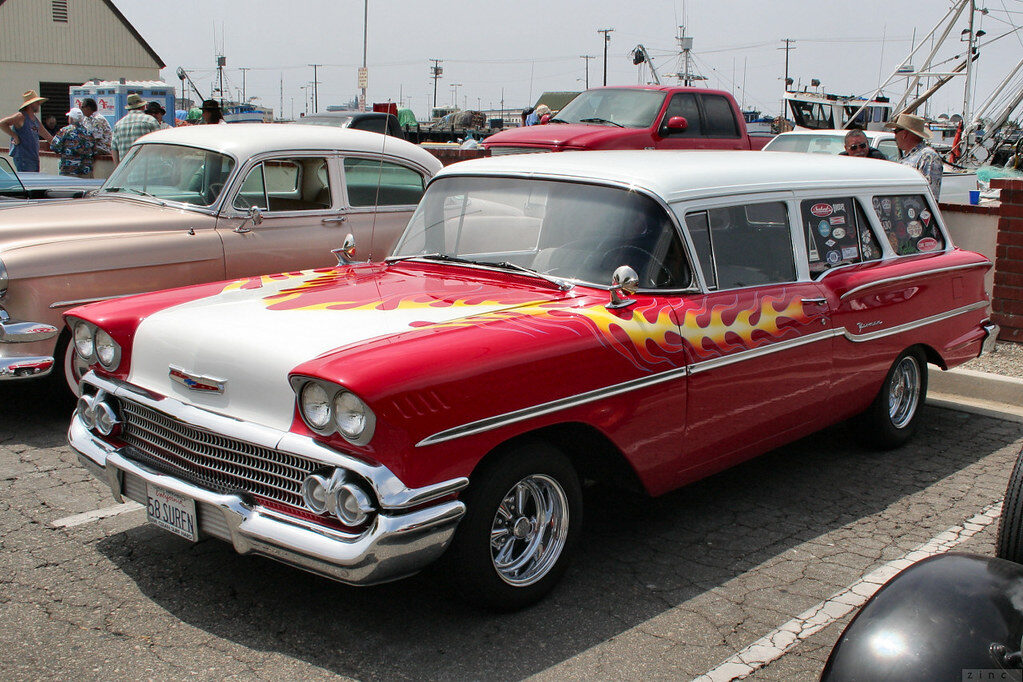
A fantastic case in point here would be the 1958 Chevrolet Yeoman. You won’t find the Yeoman listed with the more celebrated Chevy muscle cars, luxury autos, or even widely cherished family sedans; the Yoe was the sum of one goal deliver honest, workaday, reliable transport for someone who simply required a good hauler. She was never meant to be showy, but her brief existence in the lineup has certainly cemented her status as an oddity among Chevrolet models and thus made for a desirable collectible today.
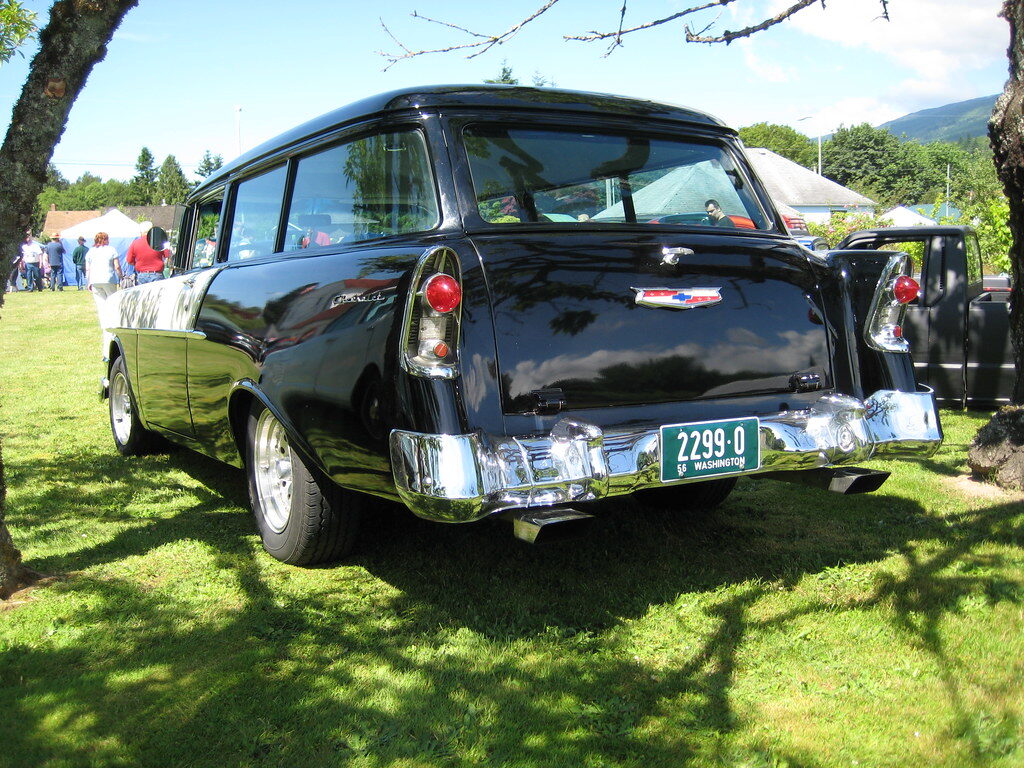
1. The Chevrolet Yeoman Was Built for Simple Purpose
The Chevrolet Yeoman arrived on the scene in 1958, representing Chevrolet’s entry into the lowest price segment of station wagon market. As American automobiles continued to get larger, more ostentatious, and stylish with increasing priority, the Yeoman decided to take the path less traveled with function and practicality in the fore.
Key Characteristics of the Chevrolet Yeoman:
- Affordable family transportation
- Simple and practical design
- Focus on durability
- Limited unnecessary features
- Built for everyday utility
Chevrolet created the Yeoman for people who needed something spacious and tough without spending extra money on luxuries or exterior trim. It made sense for people with jobs or small businesses, as well as families that thought of their vehicle as a tool.
Despite its wagon configuration, the Yeoman was born with the soul of a simple worker car. Its intention was never to outshine Chevy’s hotter looking vehicles or to gather eyes at every stop light. Instead, it was designed as a vehicle that was economical, reliable and as functional as can be for the everyday driver without any flair to boot.
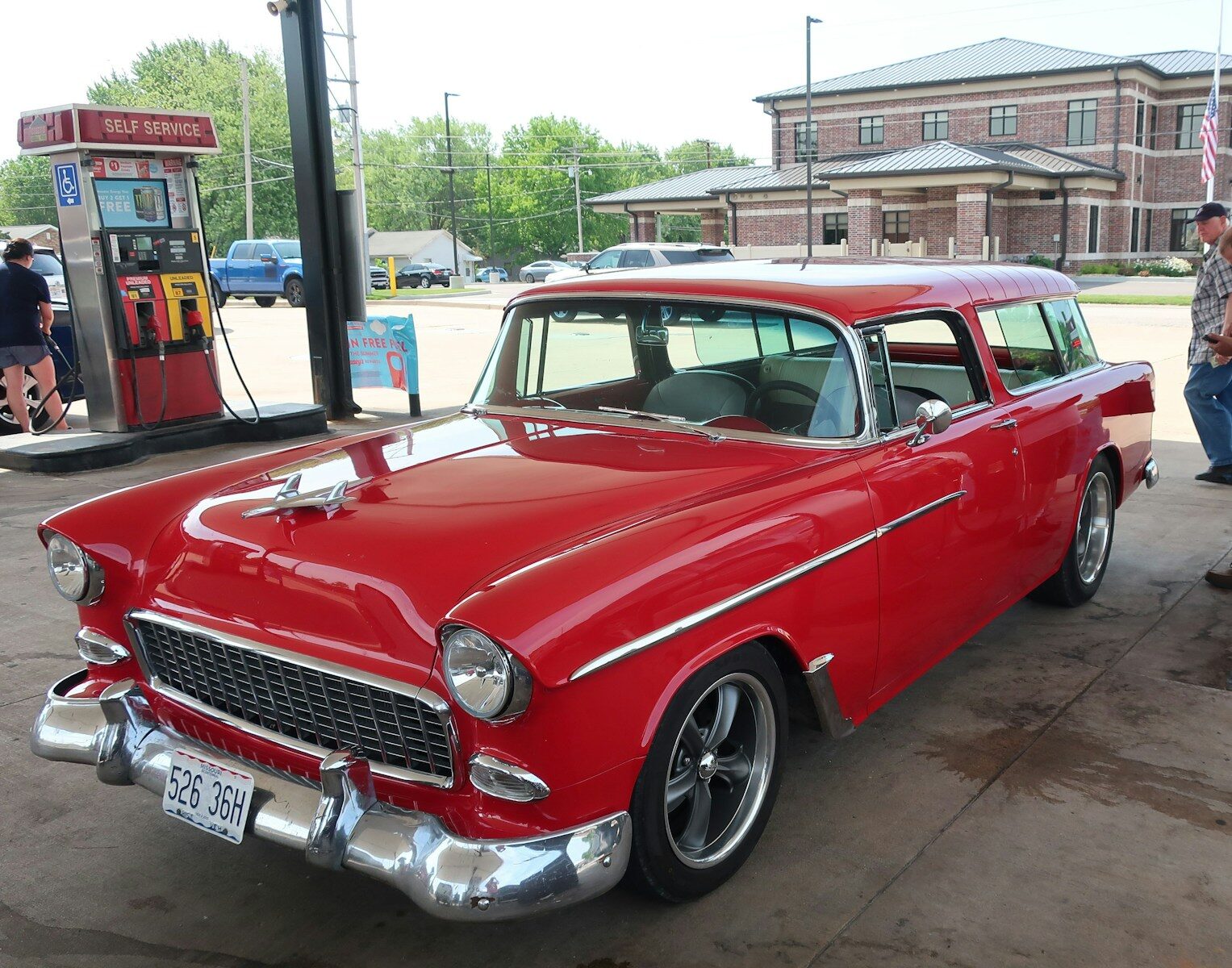
2. A Bare-Bones Station Wagon in a Changing Era
The Chevrolet Yeoman was the base model in Chevrolet’s 1958 station wagon offerings, the Yeoman fit below the Bel Air station wagon in the product line-up. Two door and four door Yeoman station wagons were available which was good because buyers need the convenience, while still serving its purpose of getting from point A to B economically.
Main Features of the Chevrolet Yeoman:
- Entry-level station wagon
- Two-door and four-door options
- Practical cargo space
- Straight-six engine availability
- Focus on affordability
The base engine for this vehicle was the 3.9-liter straight-six. This would ensure reliable power for normal road use and for hauling light items around town. Chevrolet did offer some other, higher performance engine choices, but mostly people buying the Yeoman just wanted an inexpensive vehicle that was good on gas and was built to be used.
Even when compared to other more expensive Chevrolet models, the simple nature of the Yeoman came through immediately. It was devoid of all the flashy chrome, luxury options, and styling accouterments that came with the mainstream of late-1950s American motoring. In its place was an honest car from a time where the manufacturers went out of their way to build longer, flashier, and more extravagant vehicles.
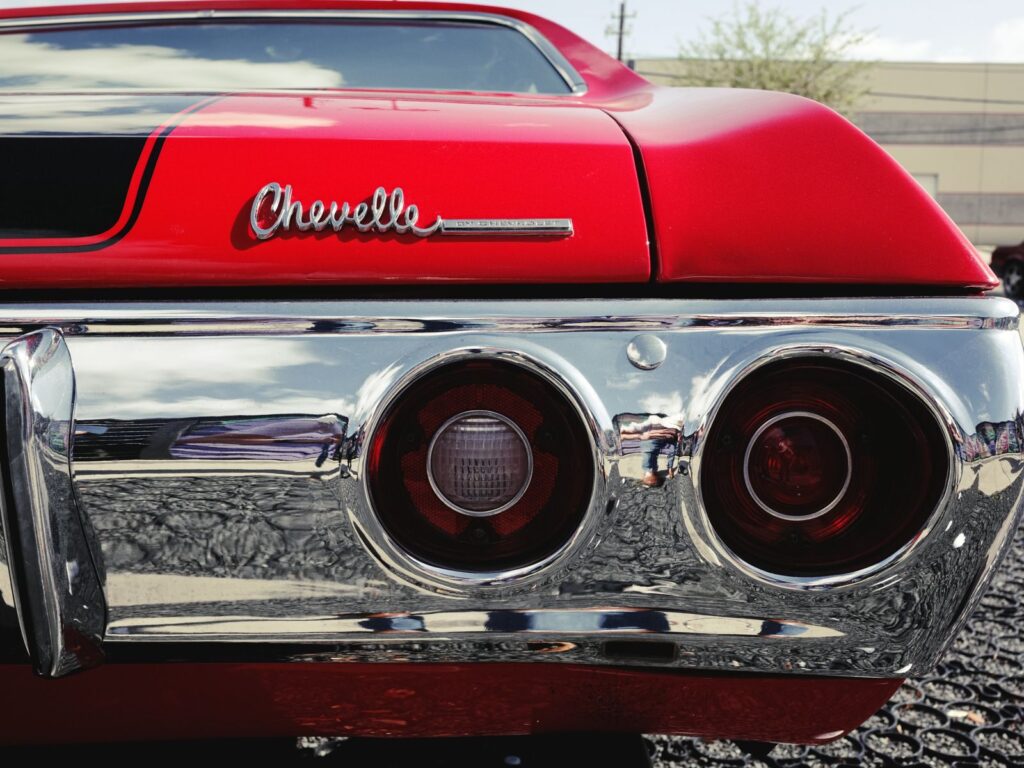
3. The Small Detail That Made the Yeoman Stand Out
The most identifying characteristic of the Chevrolet Yeoman, however, was its unadorned rear end. High-end Chevrolet station wagons came equipped with extra taillights, a more ornamental scheme, etc., but the Yeoman had just two. It’s an example of how this least-expensive offering within the lineup differentiated itself visually with simplicity.
Design Details That Defined the Yeoman:
- Simple rear styling
- Fewer decorative elements
- Reduced chrome details
- Practical appearance
- Entry-level identity
In the late 1950s, American automotive style, like much of design at the time, had been characterized by flashy designs, plenty of chrome and extravagant body styles. Manufacturers and customers all competed to produce cars that looked flashy and futuristic, and vehicles like the Chevrolet Impala were a key part of the emphasis on looks and the high profile of an owner, or vehicle, of the time.
In contrast to the showy ones, Yeoman seemed surprisingly unassuming, an example of a model born with no pretensions, with no purpose of standing out or being adored or shown-off, with a design based solely on use. It’s the austerity that makes it so desirable today, an instance of vehicle history where utility came before glamour.
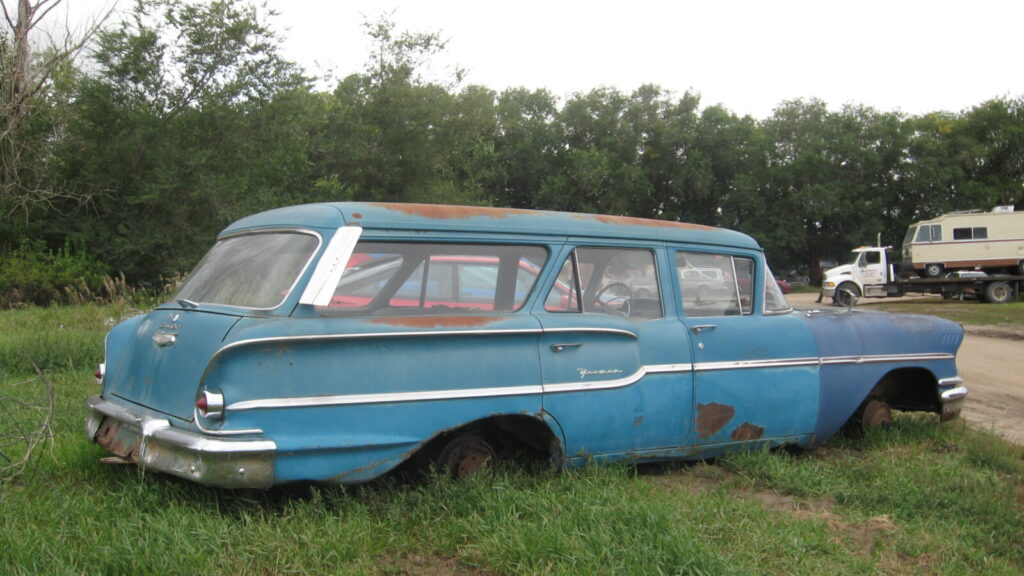
4. Why Chevrolet Discontinued the Yeoman After One Year
Even with Chevrolet’s reputation and established client base, the Yeoman did not lure enough potential consumers, for Chevrolet it had just one single production year. Chevrolet sold about 190,000 wagons throughout all its models combined in 1958, and the Yeoman, one of them, did not account for much, selling not more than some 16,000 vehicles.
Reasons Behind the Yeoman’s Short Production Run:
- Limited customer demand
- Competition from better-equipped models
- Basic interior and styling
- Buyers preferred extra features
- Low sales compared with other wagons
So it could be said that many buyers who really fancied a load carrying wagon would probably pay a little bit extra to have something with more comfort, more style and more kit. The no-frills approach of the Yeoman helped to cut costs down however the very same design aspect detracted from its appeal in an era when customers expected the best of both worlds.
Because of this Chevrolet shelved the Yeoman after a single model year. The wagon was almost immediately forgotten, slipping into a quiet niche in the Chevrolet annals. Yet, its short lifespan is also why it is of interest today, as the collectors can point to it as a singular effort from Chevrolet to create a minimal transportation machine when styling and extravagance reigned.
5. How a Forgotten Failure Became a Collector’s Treasure
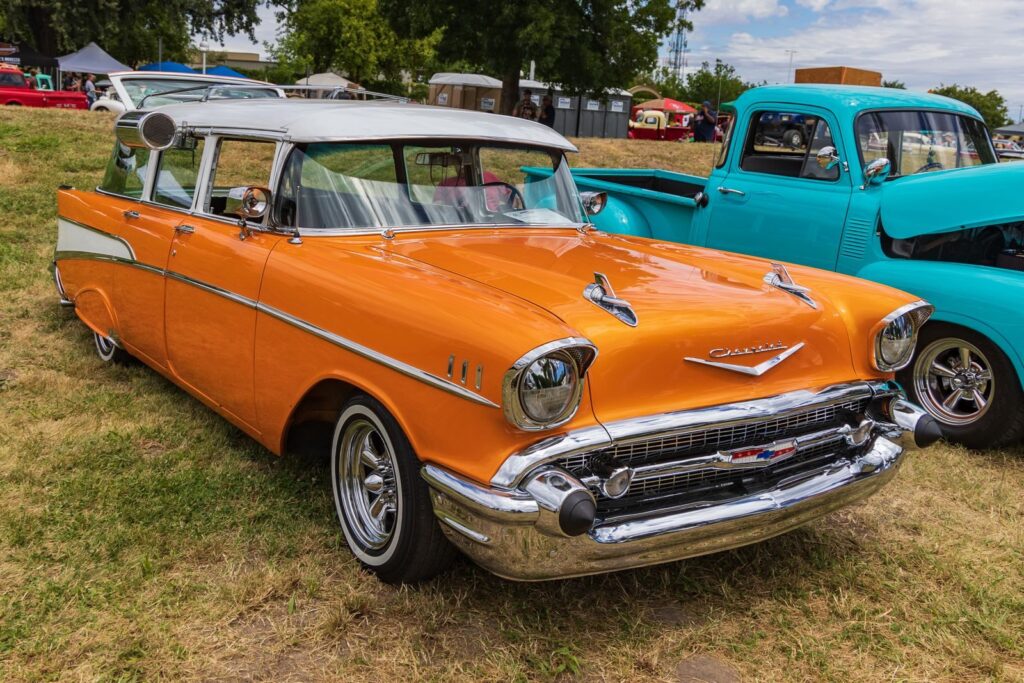
The saga of the Chevrolet Yeoman is a good example of how the collector car world tends to place value on cars that were ignored during their initial run. A car that didn’t sell very well in the showrooms a few decades ago can be the thing that enthusiasts long to own again, due to scarcity, history and distinctiveness the same things that kept the Yeoman a relatively poor seller back in the day.
Why the Yeoman Became Collectible:
- Rare surviving examples
- Unique Chevrolet history
- Practical original purpose
- Limited production period
- Different from popular classics
Instead of becoming famous, well-preserved classic cars from day one like some others, most Yeomans had lives of actual utility. The Yeomans were run hard for families and in working settings, be it carrying tools, produce, people, or any kind of necessary task. Since there was little thought they might one day be treasured collectibles, Yeomans were run until they wore out.
The daily grind, neglect, and automotive fads took their toll, and few survive today. Today, finding a Chevrolet Yeoman is akin to discovering a time capsule, late 1950s style. For a collector, owning one provides a vehicle that offers an alternative perspective from the more common, iconic Chevrolet luxury and muscle cars this is the vehicle from the days when your car had to be affordable as much as it needed to be stylish.
6. The Charm of a Vehicle That Was Never Meant to Be Special
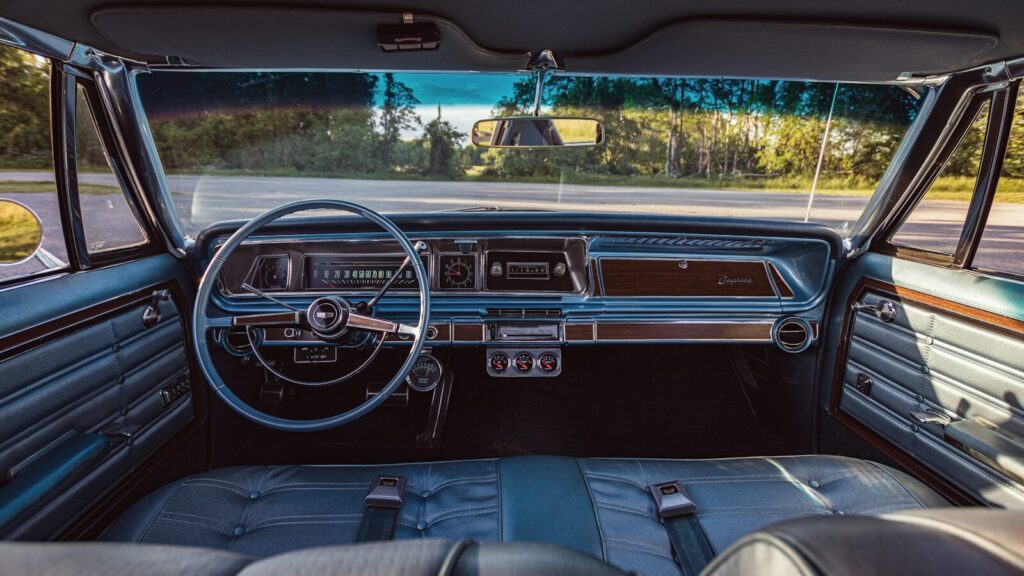
Why it caught my eye was the Chevrolet Yeoman was never made with collectors in mind. It was born a basic, utilitarian people-mover. Not a performance car, luxury ride, or technological marvel; cars with that pedigree were all over Chevy’s lineup. The Yeoman made its mark in its stark, honest, no-nonsense approach.
What Makes the Yeoman Unique Today:
- Simple original purpose
- Honest utilitarian design
- Rare historical significance
- Contrast with flashy classics
- Connection to everyday drivers
The late 1950s marked one of the greatest eras of competition in American car design. For years American manufacturers had tried to build bigger, more outrageous looking cars with loads of chrome and bold, optimistic styling. In comparison, The Yeoman was going down a very, much more basic route by emphasizing utility over flashiness.
Nowadays that understatement can be seen as the car’s strongest suit, and not least for those interested in collecting ‘neglected’ models. The Yeoman tells the story of people driving through hard times and needing nothing more than transport and the yeoman is admired as a ‘forgotten’ gem of classic motoring simply for the very fact that it is so unpretentious.
7. A Forgotten Workhorse From Chevrolet’s History
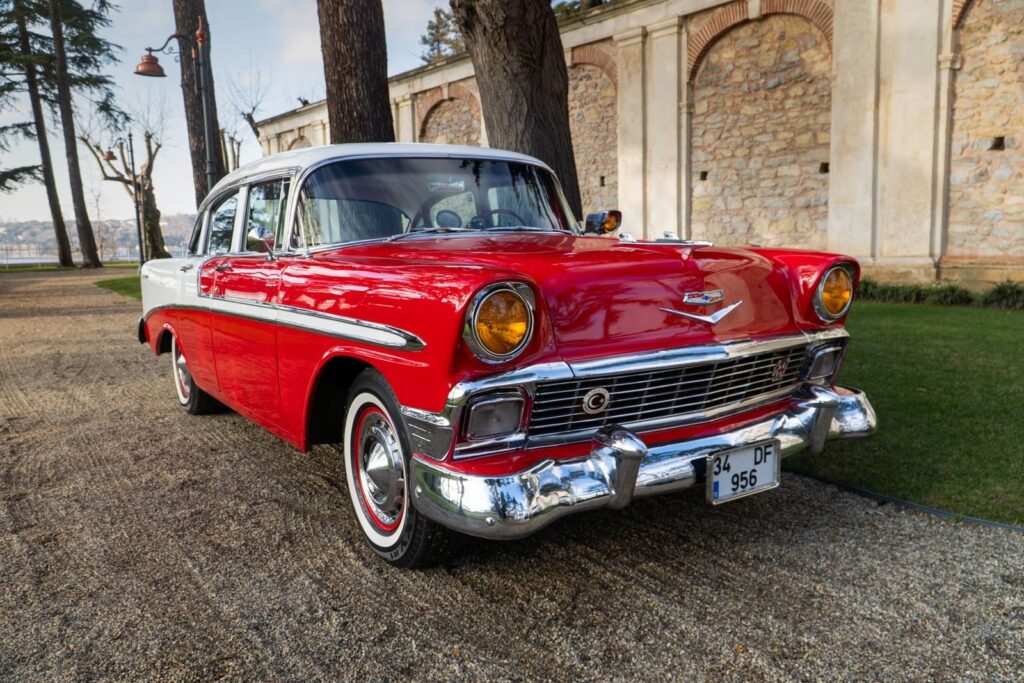
There was never any intent for the Chevrolet Yeoman to compete with Chevy’s most stylish or fastest cars. Instead it was conceived for the customer who needed a trustworthy and practical workhorse to handle the requirements of life. It’s purpose: to carry workers to the job, entrepreneurs to the clients, and families to the shops with a cost-effective mode of transportation not adorned with optional accessories or frivolous niceties.
The Yeoman’s Working Legacy:
- Built for daily use
- Practical cargo capability
- Reliable transportation
- Affordable ownership
- Connection to ordinary drivers
For this utilitarian purpose many Yeoman drivers worked the cars very hard, drove them frequently, repaired them as needed, and discarded them as newer models and improved versions came into being. Whereas sport and luxury cars were generally tucked away safely in garages to avoid them from wearing out, the Yeoman was, however, regarded as nothing more than a means of transport.
This history means that existing specimens are incredibly rare and important. It means that, with every existing Yeoman we can look at a very specific piece of automotive culture: cars focused not on high performance or plushness but on fundamental reliability and everyday competence. Some of the most interesting cars ever made are not necessarily the cars that made big splash in the magazines when they first came out.
8. Why Rare Vehicles Often Become More Valuable Over Time
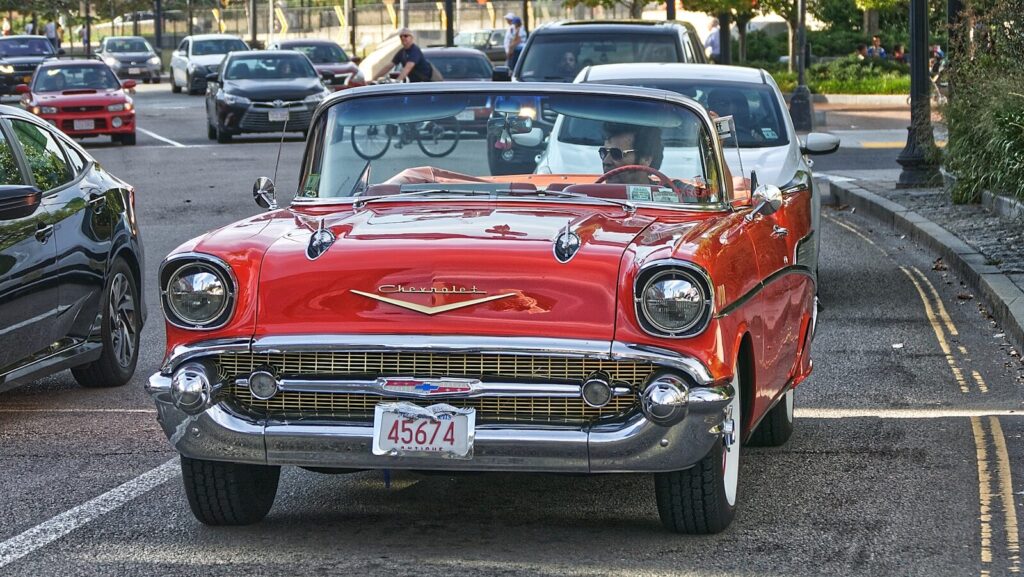
Within the classic car hobby rarity has always been king. What may have been just another mundane and forgotten automobile back in its day can be quite the highly sought-after collector item when decades have passed and savvy car lovers realizes how many didn’t make it. The Chevrolet Yeoman is another perfect example of how the humble automotive experience can turn on a dime.
Reasons Rare Vehicles Gain Collector Interest:
- Limited production numbers
- Unique historical story
- Few surviving examples
- Connection to a specific era
- Unusual place in automotive history
At launch, the Yeoman was Chevrolet’s cheapest station wagon and a vehicle the majority saw as practical, dependable transport not as something collectible. Ironically, it would be its astonishingly brief production life that would ultimately end up as one of its main selling points and drive enthusiasts to scour the landscape for what remaining examples could be found.
Simply rare doesn’t always mean it has worth but in combination with a cool story, that can equal collecting potential. The Yeoman stands out for being just that one of those historical moments, one that may have failed at the time of its production but has gone down in infamy, so to speak.
9. The Yeoman’s Unique Place Among Chevrolet’s Odd Models
Over its decades-long history, Chevrolet has produced many vehicles that are now legend for performance, design, or technology. But some of the brand’s most intriguing cars are the ones that never found broad success. One of those is the Chevrolet Yeoman, whose fascination lies not in a bold statement, but in a lack of anything flamboyant to distinguish it other than its simplicity and scarcity.
What Makes the Yeoman Different:
- Unusual place in Chevrolet history
- Rare entry-level wagon design
- Simple approach to transportation
- Different from famous Chevrolet models
- Example of everyday automotive needs
Where some of its odd contemporaries say, the bizarre Chevrolet SSR or the uniquely conceived Subaru BRAT stood out for their wild, outlandish style, the Yeoman stands out in a very subtle sort of way. What makes it odd and noteworthy is that Chevrolet built this utilitarian, plain-Jane car back in the day when every other American manufacturer was preoccupied with bigger, showier cars that drove and treated like they were all about comfort and opulence.
Such a disparity is what makes the Yeoman such an unusual and intriguing piece in Chevrolet’s portfolio. In it, you see an often-forgotten facet of the company, one concerned with practicality and value above all else getting people where they need to be as cheaply as possible. This, ultimately, is how Chevrolet truly was. Not just about fast cars with flair, but also humble transport for humble motorists.
10. Preserving a Forgotten Chapter of the Bow Tie Legacy
Though it didn’t achieve the iconic reputation of some of its contemporaries like the Corvette and the Camaro, the history of the Chevrolet Yeoman is nonetheless significant in the wider Chevrolet narrative. It highlights a phase in auto manufacturing where companies were experimenting with various ways to serve the wants and desires of many of their customers, including the ones seeking to simply commute without the luxury of high-powered sportscars.
Why the Yeoman Matters Today:
- Preserves Chevrolet history
- Represents forgotten automotive stories
- Rare collector interest
- Highlights everyday transportation
- Shows changing buyer needs
However, for fans of these cars and those of us that buy them, owning a Yeoman has never been about driving a car that was as fast or as sleek as a car from the 50’s. In many ways, buying a Yeoman is all about salvaging something that may well have been lost to time, the history of something which even back then was largely overlooked.
The brief one-year lifespan that turned this unassuming wagon into an all-but-forgotten Chevrolet artifact proved one point clearly: Cars aren’t just valuable for their sales numbers or how fast they can go. Often the best automotive tales can be found in the models that went to their rest unnoticed, and then got to be discovered.