






The Navy’s $13 Billion Carrier: A Deep Dive into a Troubled Titan
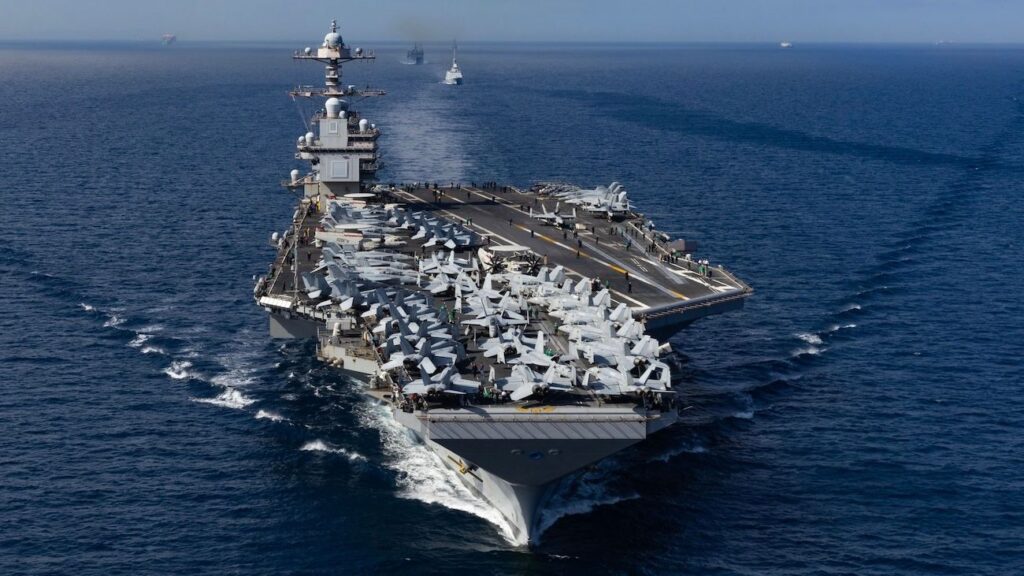
Few American weapons are as strongly emblematic of national power as an aircraft carrier. No one’s just looking at a ship here, they’re looking at floating airbases capable of supporting an air wing’s worth of warplanes and operating thousands of miles away from America, projecting U.S. Air power without dependence on foreign lands. Aircraft carriers, at the core of naval strategy since the Second World War, remain among the apex achievements of naval construction.
It wasn’t a simple refit, it was supposed to usher in a new era in naval aviation with a new design capable of replacing older ships in the current fleet, more sorties, more efficient systems, and capable of incorporating future weapons and technologies into its arsenal, but the lead ship, USS Gerald R. Ford, with the eye-watering price of more than $13 billion, would be the future foundation of American sea power for decades to come.
But that vision of the Ford-class becoming a seamless, stepping stone into the future has actually been a bit of a tricky path involving some balancing of innovation, ambition, and reality. Skyrocketing price tags, a series of setbacks, and persistent discussions of long-term viability are the stuff of the history of this pricey feat of engineering and have led to debates over whether it would be able to truly fulfill its purpose. The history of the Ford-class is as much about its place as the pinnacle of warships as it is about the hardships of bringing the cutting edge of military power into existence.
1. The Vision Behind the Gerald R. Ford-Class Carrier
An innovative strategy underlies the Gerald R. Ford-class aircraft carrier. US Navy planners developed this class as the successor to the very successful Nimitz-class carriers with two core design principles in mind: to bring higher levels of combat power to the fleet and lower operating costs over the lifespan of the ships. The goals were simple, yet far-reaching, and included a quicker pace of flight operations, fewer crew members and the capacity for more electrical power for the next generation of warfare systems.
Key Goals Behind the Ford-Class Design:
- Faster aircraft launch and recovery
- Reduced crew requirements
- Greater mission efficiency
- Increased power capacity
- Replacement of Nimitz-class carriers
Another significant program emphasis was increased sortie generation rates. The Navy anticipated Ford-class carriers would launch and recover more aircraft in less time than current Nimitz-class carriers, thereby providing the fleet with greater command flexibility during warfare. That would be critically important for future wars where air superiority and responsiveness to threats would be key.
But ambitious design meant big problems. In place of gradual upgrades to previous carrier designs, the Ford-class built a 23-major new tech platform all at once. A bold promise, but it dramatically multiplied complexity in building, testing, and operating one of the top headaches throughout carrier development.
2. A Revolutionary Design With Growing Challenges
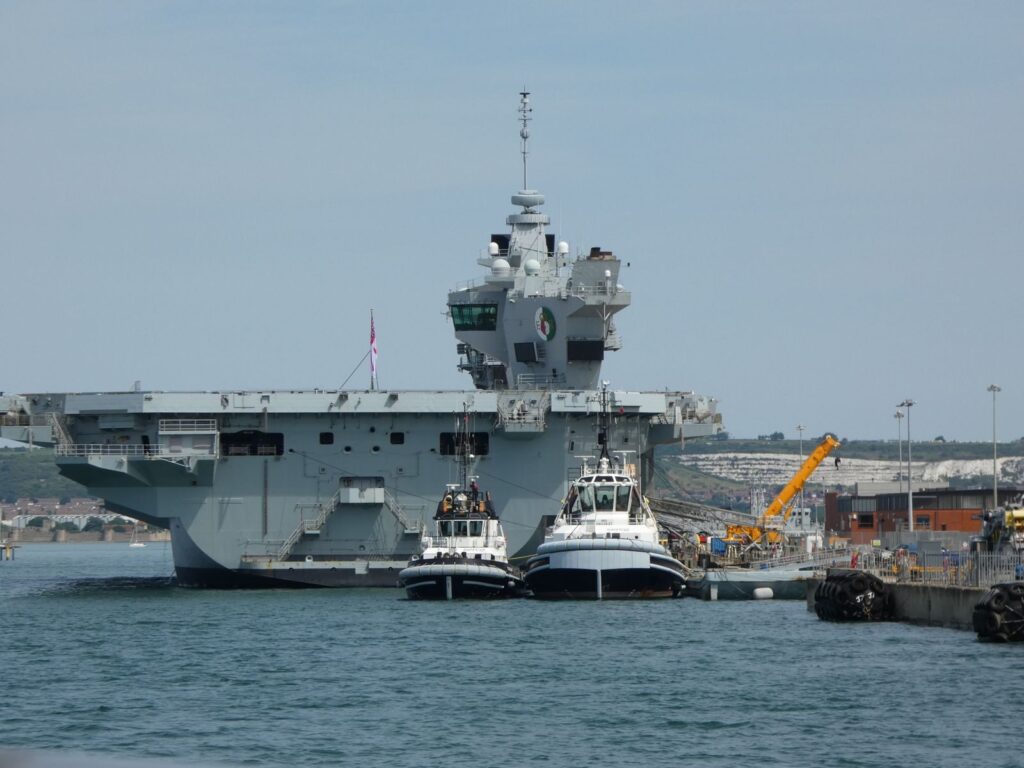
Perhaps most significantly, the Gerald R. Ford-class represented an entirely new concept for aircraft carriers: they were designed not to incrementally enhance existing technology but to anticipate the demands of future warfighting. The Navy designed the class around cutting-edge future technologies, such as better sensors, unmanned aircraft and weapons that require large amounts of energy. That is because the new carrier was built with an increased electrical capacity to power whatever the future holds.
Major Design Improvements Included:
- Advanced electrical power systems
- Support for future technologies
- Modern combat capabilities
- Improved operational flexibility
- Next-generation naval design
“Combining several different high-tech systems onto one ship caused some very interesting engineering difficulties,” a US Navy veteran close to the carrier program recalled. “Aircraft carriers are some of the most sophisticated things man has ever built on the planet, and shoving a bunch of unproven things onto a ship greatly enhanced the chances of systems glitches and cost overruns and delays.”
As both an embodiment of technological ambition and an engineering nightmare, the Ford class revealed the potential and peril of deploying entirely new systems. It revealed a crucial trade-off inherent in modern military development: the desire for rapid innovation and the need for tried and tested hardware.
3. EMALS: The Future of Aircraft Launch Operations
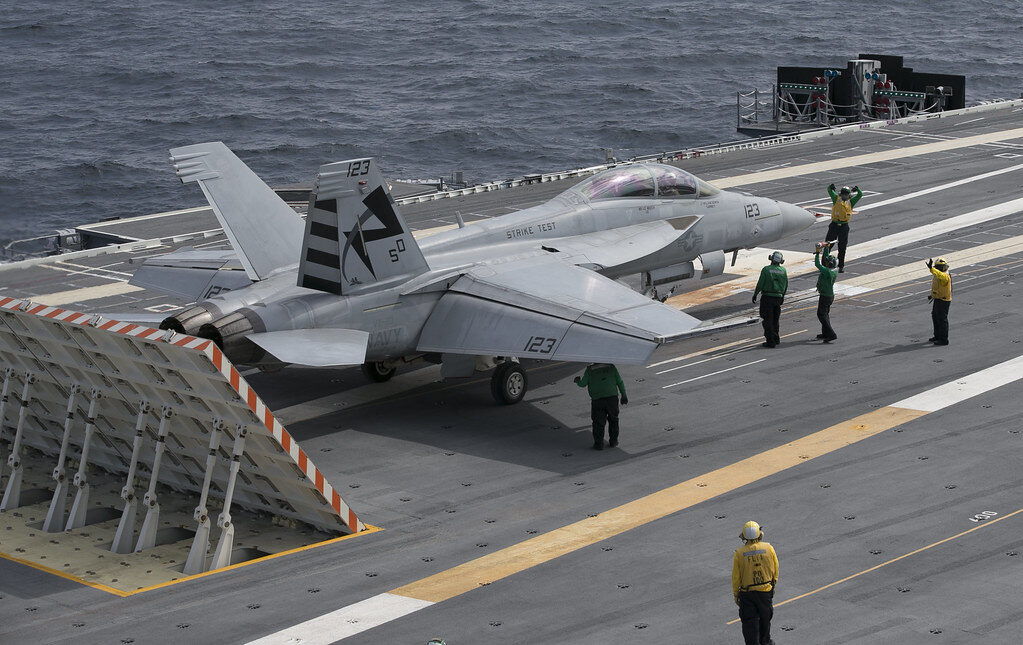
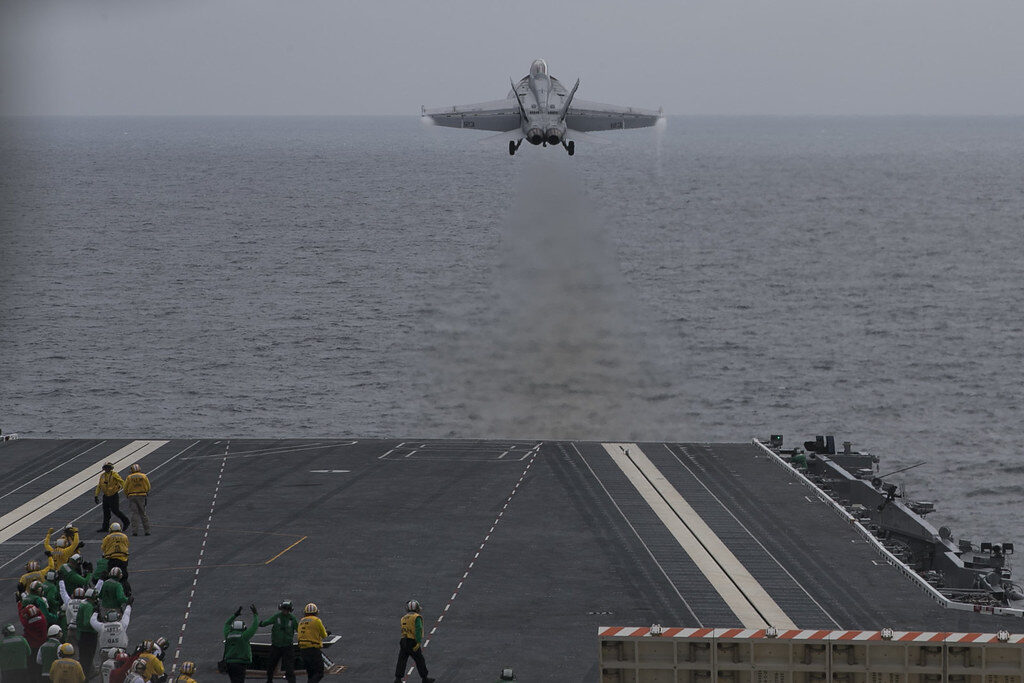
The electromagnetic catapult or Electromagnetic Aircraft Launch System (EMALS) is arguably the most impactful new technology to debut aboard the USS Gerald R. Ford. Replacing decades of steam catapult operation aboard naval aircraft carriers, the EMALS system uses magnetic acceleration to provide aircraft on the flight deck with a safer and more precise launch platform.
Advantages of EMALS Technology:
- Reduced aircraft stress during launch
- Improved launch precision
- Support for future unmanned aircraft
- Lower maintenance requirements
- Greater energy efficiency
The Navy had high hopes for EMALS to overhaul the way planes are launched. It’s supposed to be more flexible and perform better than the existing steam systems. EMALS is expected to be able to launch a broad range of aircraft, including unmanned ones that don’t exist yet, and to reduce stress on aircraft and the carrier.
But the deployment of EMALS also served to highlight the difficulties of bringing new technology into military systems. Early testing and use saw teething problems, issues with the technical complexity and the problems of maintainability, which hampered the carrier’s ability to meet its intended tempo of operations, leading to some concerns whether the launch system could deliver reliability in operation under the pressures of war.
4. Advanced Arresting Gear: The Challenge of Landing Aircraft Safely
Combined with the EMALS, AAG is one of the next key technology updates fielded with the Gerald R. Ford class carriers. This new system, meant to replace traditional hydraulic arresting equipment on previous generation aircraft carriers, relies on new technologies and software control systems to recover the aircraft more smoothly and precisely than previous systems.
Key Benefits of AAG Technology:
- Improved landing control
- Reduced maintenance needs
- Support for future aircraft
- Better recovery flexibility
- Advanced software integration
AAG was seen by the Navy to bring a number of advantages over the older systems such as better control of the landing party and enabling safely operating a greater number of different aircraft to be safely recovered. The system like the EMALS was designed to be future naval aircraft capabilities such as a future role of potentially operating drones and the new generation aircraft that will enter service in the near future.
But there were significant difficulties in fielding the AAG. The system was beset by reliability, software interface and operational testing issues. The AAG program ran into additional difficulty for the Ford class program because recovery of aircraft is one of the most essential functions on any carrier. Indeed, even the best aircraft carrier has little capacity to fulfill its mission if its recovery systems are unreliable.
5. Advanced Weapons Elevators and Operational Delays
The Gerald R. Ford class also incorporated a major new technology in addition to its flight deck innovations: its Advanced Weapons Elevators (AWEs). Designed to expedite the transport of weapons and materiel between magazines below the main deck of the carrier to the flight deck above, these systems are aimed at reducing the time needed for aircraft teams to arm and launch their missions.
Purpose of Advanced Weapons Elevators:
- Faster weapons movement
- Improved aircraft preparation
- Enhanced mission efficiency
- Modernized carrier operations
- Reduced handling limitations
Modern technologies and the newest design solutions made the new elevator design a significant improvement on the elevators used on prior aircraft carriers. These innovative solutions brought about complicated development issues during the initial stage and implementation phase. When USS Gerald R. Ford was first introduced, several weapons elevators had been unable to function in full.
That issue exposed an overarching concern regarding the entire Ford-class program: New technology offers huge potential but not if it is not fully trustworthy under the real pressures and operations of actual service. This symbol of tomorrow’s naval war fighter could not even do its most basic jobs correctly in many respects-showing how important even isolated components are to making even the most complicated military equipment useful.
6. The Unexpected Problem: The Carrier’s Troubled Plumbing System
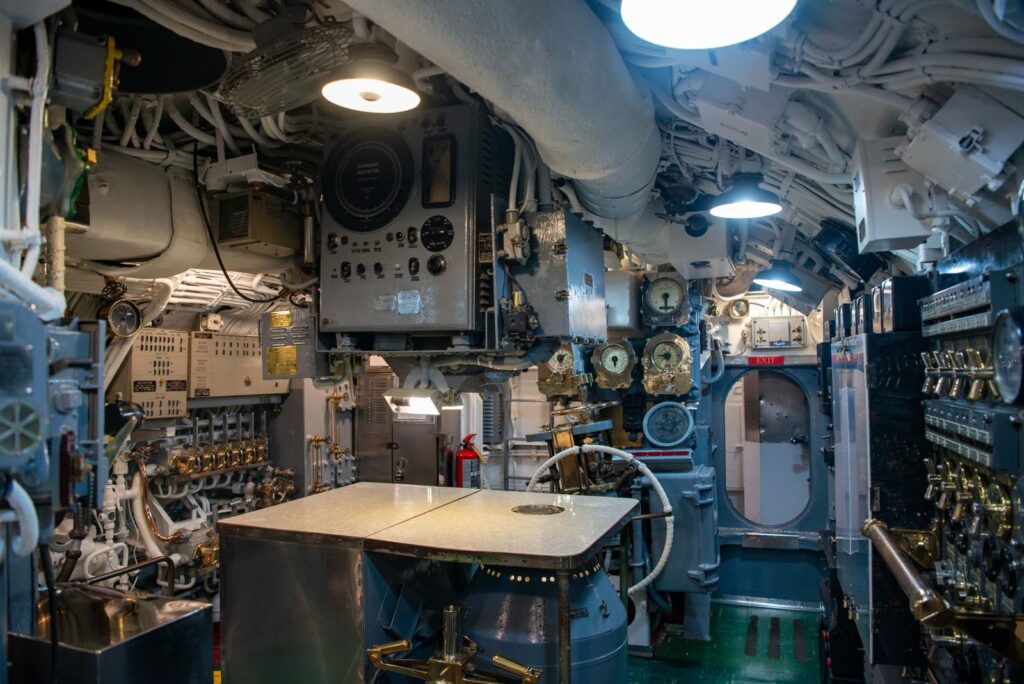
It’s often thought that technical challenges on the newest class of carriers, such as the Gerald R. Ford-class, would focus on the complex weaponry, or air operations. However, one of the most surprising technical challenges actually came from the ship’s sanitation network: The ship’s Vacuum Collection, Holding and Transfer (VCHT) system.
Why the Plumbing System Became a Problem:
- Sensitive vacuum technology
- Frequent blockage concerns
- Complex maintenance requirements
- Impact on crew operations
- Essential daily functionality
Because the VCHT system was so sophisticated, it was much more susceptible to mechanical issues or blockage. Any problem that a single valve or section of piping could cause the rest of the VCHT piping system to do could impact as many as four bathrooms on the ship. When operating with a crew of over 4,500 sailors on board, such a systems breakdown wasn’t merely a hassle it became a routine maintenance issue.
This issue provided an extraordinary example of the problems inherent in constructing a technologically sophisticated warship. Even with a nuclear-powered, electro-magnetic launch, futuristic-looking vessel like a carrier, relied on what amounted to the most elementary of systems to work without failure. But the incident revealed an important engineering lesson: even in the most complex of machinery, every element must still be present.
7. The Massive Cost of Innovation
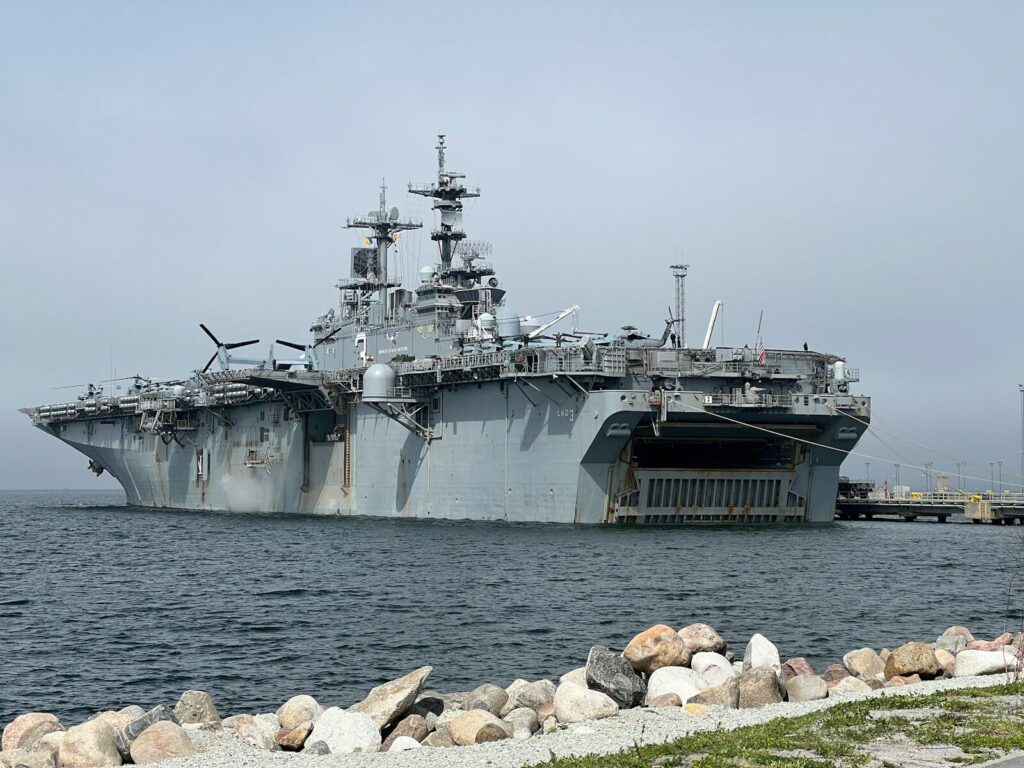
The Gerald R. Ford-class program was going to have a hefty price tag, with the overall cost of the program projected to exceed $120 billion that is extremely expensive for any project, and one of the most costly in naval history. Just the USS Gerald R. Ford alone costs more than $13 billion to build, which makes sense given the difficulty of building a new class of nuclear powered carriers.
Major Factors Behind the High Cost:
- Advanced military technology
- Complex nuclear systems
- Specialized shipbuilding requirements
- Extensive research and development
- Long-term naval investment
Proponents claim that these costs are to be expected in the development of a totally new warship class. Building an aircraft carrier of this size takes many years of planning, sophisticated engineers, manufacturing capabilities, and testing. They are, of course, hoping the financial investment will yield strategic benefits to the Navy’s future global projection capabilities.
But is it worth the cost? Critics say current and future threats-such as cyber-attacks and new forms of missiles-may be better served by smaller, cheaper, and more dispersed systems. The Ford class thus stands at the center of a debate on modern defense policy over whether focusing on a few, very expensive platforms is still the best approach to warfare.
8. Why the Navy Continues Building Ford-Class Carriers
The US Navy continues to champion the Gerald R. Ford-class carriers. There are considerable technical and cost issues with this class and there has been considerable public pushback but at the end of the day the US Navy has a generation of carriers that it needs to replace to maintain its carrier battle groups that form the backbone of America’s ability to project power globally.
Reasons Behind Continued Ford-Class Development:
- Replacement for aging carriers
- Preservation of shipbuilding expertise
- Global military presence
- Advanced aviation capability
- Long-term naval strategy
To abandon the program would throw away decades of investment in research, building facilities, worker training, and specific industrial expertise. Very few people and facilities can construct nuclear powered aircraft carriers, and to rebuild such capabilities in the future would be prohibitively difficult and expensive.
Alternative concepts, such as light carriers and unmanned systems, will also evolve but they have yet to offer the same degree of capability in terms of carrying aircraft, range and operational flexibility. The Ford class provides the most realistic way to sustain carrier-based power projection while adapting to new wartime needs.
9. Changing Threats and the Future of Aircraft Carriers
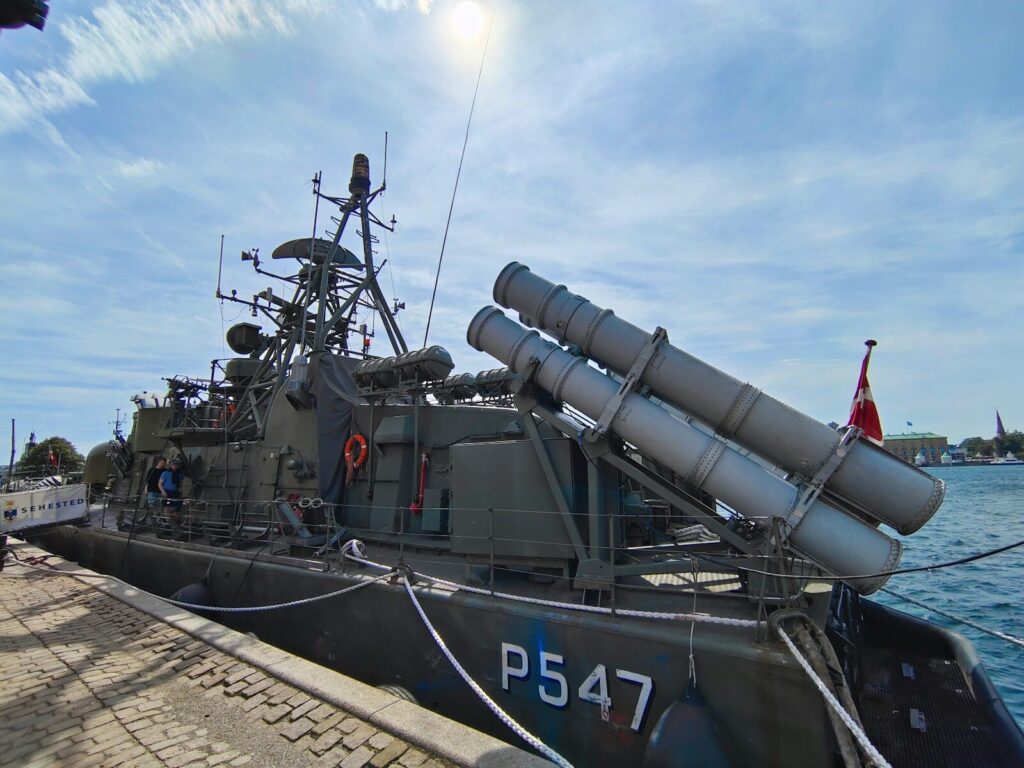
While the Gerald R. Ford class may be the apex of American carrier aviation technology, these vessels come into service during a period of seismic shifts in military strategy. The emergence of potent anti-access and area-denial technologies from China and Russia, specifically those which target the largest naval platforms in the form of long-range anti-ship missiles and increasingly sophisticated targeting systems, have only added to the vulnerability concerns of these iconic platforms.
Modern Challenges Facing Aircraft Carriers:
- Advanced anti-ship missiles
- Cybersecurity threats
- Electronic warfare risks
- Digital system vulnerabilities
- Changing naval strategies
Increased reliance on sophisticated digital technology, however, means new potential attack vectors will also emerge. Cyberattacks, electronic interference, and technological failures might undermine operations. When a carrier carries a powerful strike force, if a foe develops means to neutralize the carrier, it represents an extremely valuable target.
Nonetheless, the aircraft carrier does offer benefits unmatched by most other weapons systems; it can serve as a power projection vehicle, providing sustained strike aviation with global range and strategic flexibility, without depending on long-term access to a foreign nation. It remains an open question as to whether carriers will maintain value; but the Navy faces the task of ensuring that the carriers will be able to adapt, protect themselves, and remain relevant in an ever-expanding battlefield.
10. The Human Impact Behind the Technology
Yet the story of the Gerald R. Ford-class aircraft carriers is about more than just technical marvels, investment or strategic posture. At the core of the endeavor is the experience of the men and women who fly the planes, fix the engines, clean the toilets and live on the ship. The design and acquisition process can shape their lives at sea.
The Human Side of the Ford-Class Program:
- Sailor operational challenges
- Crew welfare concerns
- Maintenance pressures
- Impact of budget decisions
- Importance of reliability
The strain of competing for funds for the major naval programs has had effects elsewhere on the fleet too. Delays to the maintenance schedule of aging carriers, which in some cases take longer for refits and modernization, has placed even more pressure on our crews and demonstrates the linkage between defense policy and the wellbeing of our sailor and their families.
The Gerald R. Ford and its sister class are truly some of the most advanced products of contemporary naval design. They may prove just what is possible with new technology, but also how tricky building tomorrow’s weapons systems actually can be. Whether or not the aircraft carrier is ultimately successful depends as much on getting its reliability and price right as on any technological leaps.