
How Tesla’s Refreshed Model Y Taillights Sparked a Legal Debate on Indiana Roads
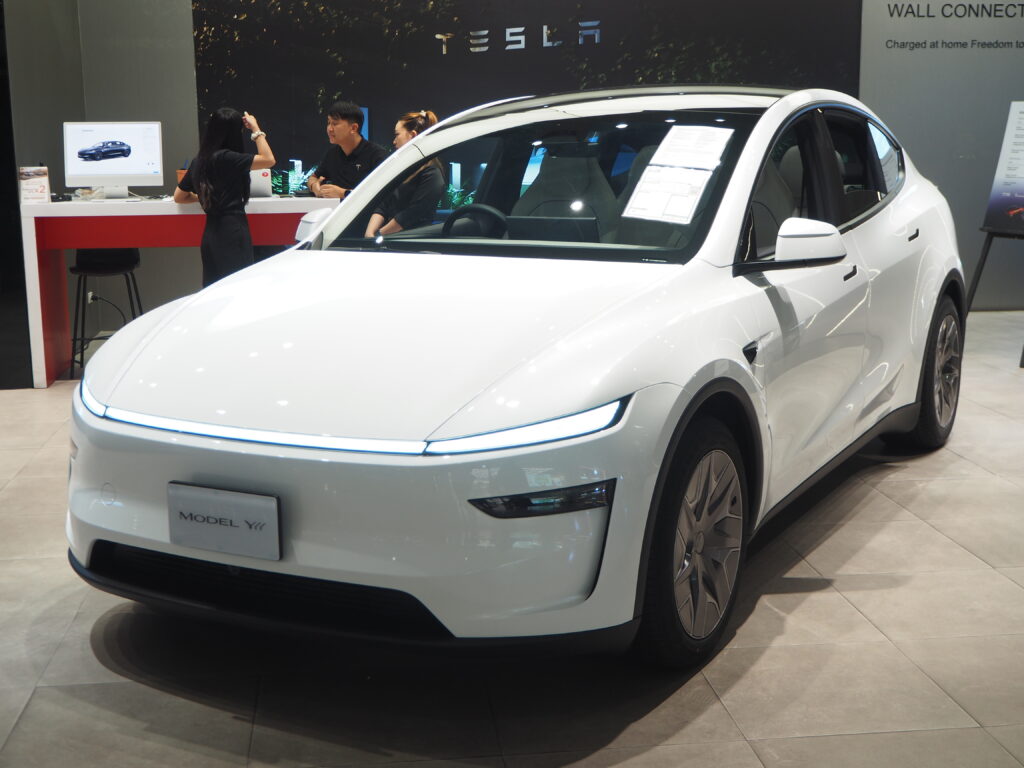
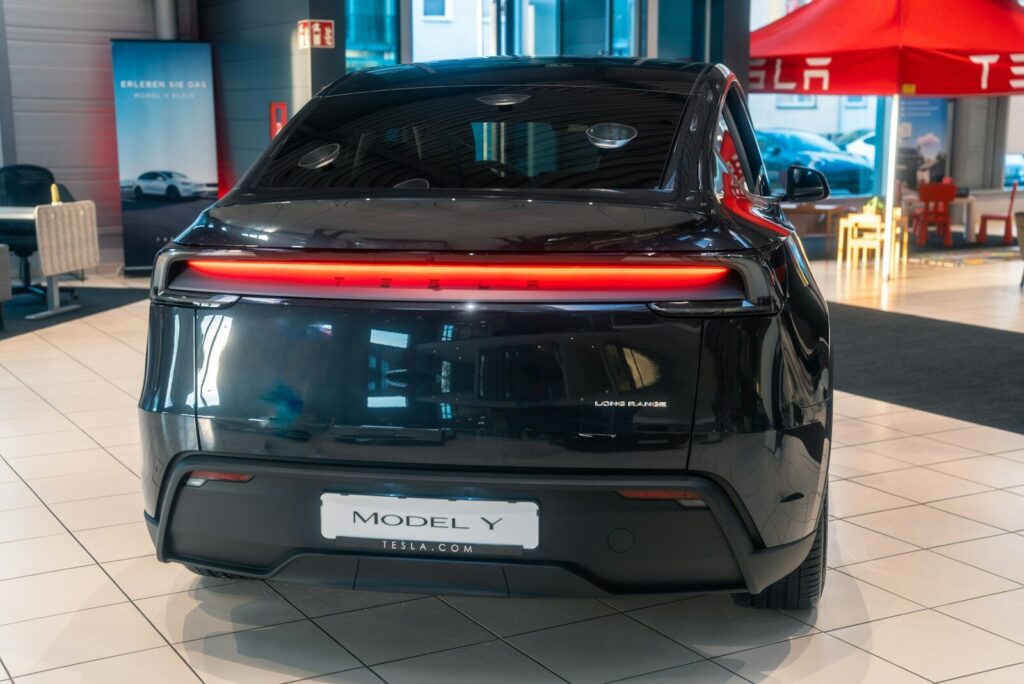
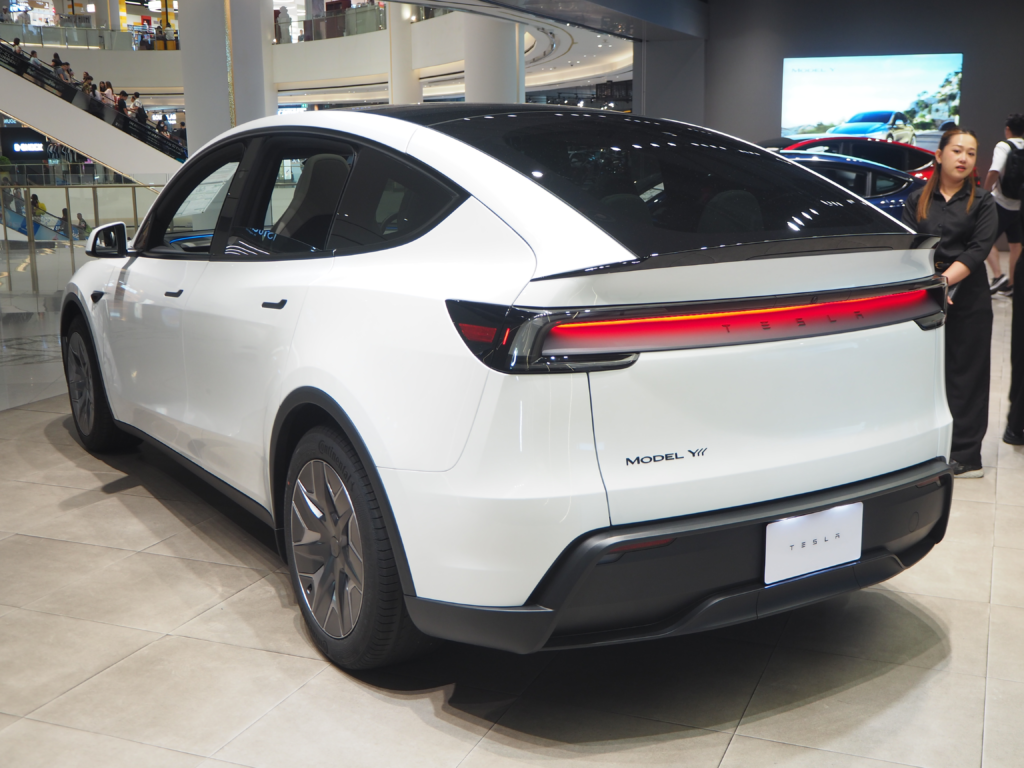
Tesla’s reworked Model Y, the Juniper, came with a unique rear lighting scheme that sparked some controversy after an Indiana traffic stop. It has a longer-than-average red light bar, indirect lighting, plus new brake lights and turn indicators, which means that it isn’t immediately obvious that the crossover is equipped with the familiar taillight housing. As a result, a state trooper wondered if he was looking at a car with functioning lights when he stopped the vehicle. Owner Steven Samuel Adams explained that his Model Y which is almost new had working brake and turn signals, and was given a warning to fix its lights instead of getting a ticket.
Ultimately, the incident opens up discussion about the relationship between vehicle design and law enforcement procedure, and the rules regarding automotive lighting design. Tesla engineers have said the technology was designed to meet all applicable legislation, and that their testing emphasized light output and visibility as the indicator for compliance, rather than the shape of the “lamp.” Others pointed out how unfamiliar lighting systems can be confused for faults on an unfamiliar vehicle, even though they came straight from the factory. As more manufacturers and legislatures integrate digital technology and unconventional lighting systems into the vehicles of the future, more clear communication between regulators, police, manufacturers and motorists could help everyone better understand the rules of the road.
1. Tesla’s Refreshed Model Y Introduced a Different Lighting Design
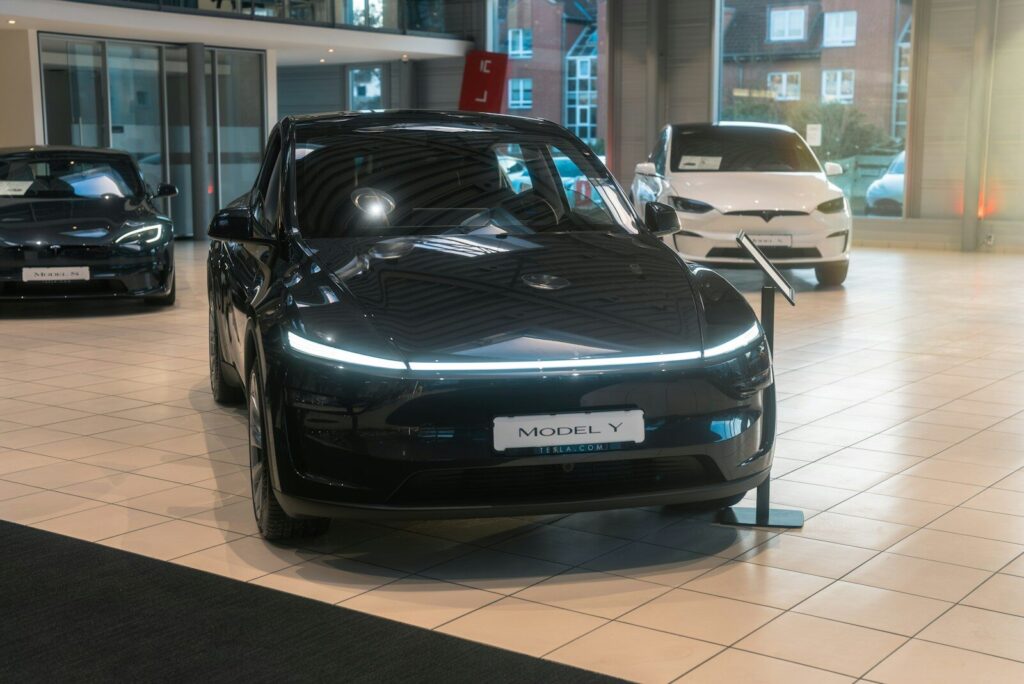
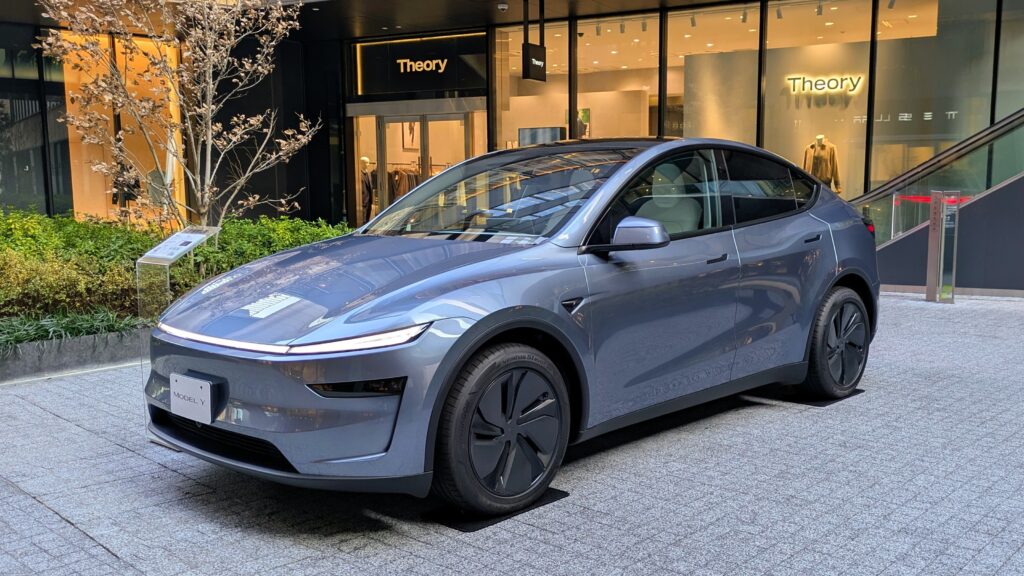
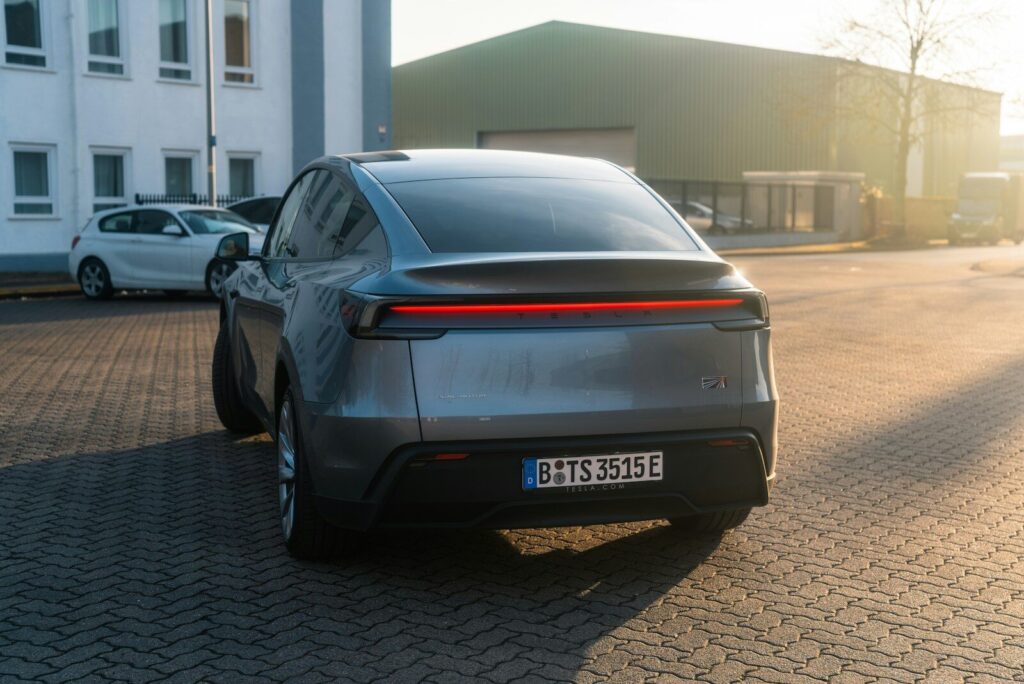
Over the years, Tesla has broken the mold of traditional car design, with minimalist interiors dominated by large touchscreens and a unique exterior design. When the Model Y was refreshed in 2025 and 2026 (referred to as “Juniper” in the company’s internal nomenclature), the updates included a quieter cabin, new tires, new touchscreen displays, improved connectivity, and a new exterior design. The most obvious change was in the rear lighting. Instead of traditional taillight clusters on the outer edges of the car, the refreshed crossover features a stretch of red light across the rear, giving it a sleek and modern appearance but also leading to an awkward experience in a nighttime traffic stop in Indiana, during which a police officer questioned whether the tail lights were on.
Tesla Model Y Juniper Design Highlights:
- Refreshed design for 2025-2026
- Extended red rear light bar
- Quieter cabin and upgraded displays
- Improved connectivity and new tires
- Unconventional exterior lighting arrangement
How a car looks can be an important factor in automotive styling, and the Model Y Juniper’s taillights show how this can go beyond using design cues we are familiar with. Up until now, drivers have come to expect to see separated taillights on either side of a vehicle. Tesla went a different route with an extended taillight bar that formed a contiguous red highlight on the back of the car. The new taillight configuration is part of the larger exterior design update that also includes a Cybertruck-style front light bar. The difference in styling helps set the refreshed Model Y apart from traditional crossovers, but it also means that in the dark, it is less familiar to the untrained eye, such as when questioned by a state trooper in Indiana.
2. A Nearly New Tesla Model Y Owner Was Pulled Over in Indiana
The dispute was initiated by Tesla owner Steven Samuel Adams’ post on the “Tesla Model Y 2025-2026+ Juniper” Facebook group where he recounted a nighttime stop by a state cop. Adams has a post detailing the traffic stop where he claimed that his 1,100 mile Model Y was stopped by state authorities for suspected non-illuminated taillights on a dark night. Adams said that he explained to the officer that the Taillight was the red bar below the car and that the brake lights and both turn signals worked. The officer pointed out that the outer portions where the brake lights were also not on as he thought they should be. Adams said he was then warned to get the lights fixed but was not issued a ticket.
Indiana Traffic Stop Key Details:
- Vehicle had only 1,100 miles
- Stop occurred during a dark evening
- Officer questioned the rear lighting
- Owner demonstrated functioning brake lights
- Warning issued without an official ticket
Adams’ version of the events pointed out the break between the factory-installed configuration and how the officer may have thought it should look. Despite Adams’ explanation of the red light bar being on and testing to demonstrate the brake and turn signals worked, the officer believed the outer pairs of lights, which corresponded to the brakes, should stay on too. Adams was given a warning, instructing him to have his lights fixed. Adams questioned other Tesla owners to see if they faced the same issue, and the incident became “fodder for a discussion,” because his car was nearly new and the lighting was part of the car’s new design, not something the owner had put in.
3. Why Tesla’s New Taillights Confused Law Enforcement
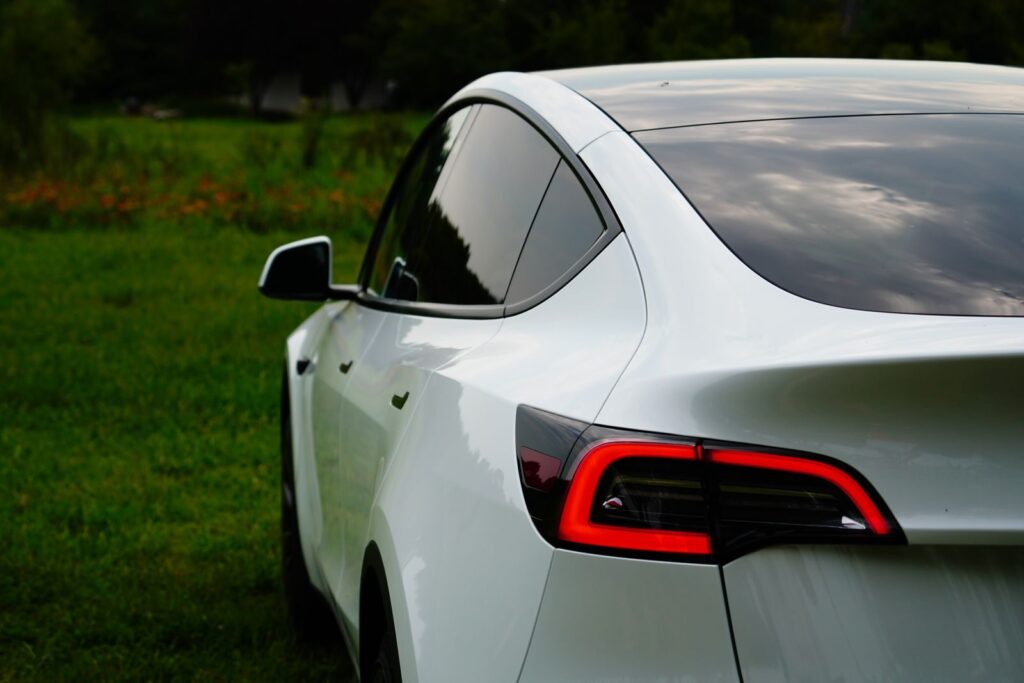
Automobiles have used similar arrangements of lighting for years, with two separate illuminated areas at the extreme left and right of the rear of the vehicle. Drivers are used to looking at these when they approach a vehicle in the dark. The new Model Y Juniper breaks with tradition and features a extended rear light bar with indirect illumination. That unfamiliar arrangement could leave a first-time observer unable to determine which parts of the combined light system have the necessary illumination. When Adams’ Indiana traffic stop took place, the officer believed the outer brake-light areas should have been illuminated along with the centrally positioned red bar. The ensuing disagreement is a good example of how first visits to traditional factory designs are less likely to be understood when the right combination of visual influences is not present.
Traditional Versus Modern Taillight Design:
- Traditional lights occupy outer rear corners
- Drivers recognize familiar illumination patterns
- Juniper uses an extended red bar
- Indirect illumination changes the appearance
- Unfamiliar designs can prompt roadside questions
The Model Y Juniper dilemma demonstrates how visual familiarity can confuse a person about the functionality of lighting. With conventional rear lamps, the lights on the extreme outer portions of a vehicle’s rear are designed to be easily recognizable so approaching drivers know the width and approximate location of the vehicle. The replacement light design implemented by Tesla produces a different visual effect because light is bounced off a textured surface rather than present in directly illuminated lamp housings. The system will be visually different from many others, but the vehicle has additional illuminated elements along its edges. However, even under patrol conditions, officers need to be aware of lighting that may appear as a defect when it is operating normally. Adams, on patrol, saw a lighting system that wasn’t familiar and immediately asked about it.
4. Tesla’s Indirect Running Light Technology Explained
Tesla Chief Designer Franz von Holzhausen. “All the LEDs are mounted facing up, inside the lighting assembly, and when illuminated they reflect onto a textured strip running across the top of the rear hatch.” Speaking about the design on Jay Leno’s Garage, von Holzhausen explained “industry first, to give it a unique look” with the company having to “partner with specialized suppliers to manufacture completely new tools for mass production as nothing of that nature had ever been done before.” “By creating a nearly impenetrable barrier to direct light, you get a diffused, indirect glow across the rear of the vehicle that is less illuminated overall (yet more discernible) than a traditional direct-facing lamp with a clear lens covering its LEDs.”
Indirect Rear Lighting Technology Highlights:
- LEDs sit upward inside the assembly
- Red light reflects onto textured surfaces
- Design creates a soft glowing bar
- Franz von Holzhausen explained the concept
- Specialized manufacturing equipment was required
The indirect lighting system transforms how the Model Y’s rear glow is delivered and experienced. By reflecting light off of the strips, the LEDs project the red glow, making up the continuous accent that marks the refresh of the crossover, rather than just shining light through a very ordinary lamp lens. The custom manufacturing equipment and other in-house capabilities needed to develop the new automotive light architecture show just how complex it is to turn a new style of vehicle lighting into a mass-market product. Von Holzhausen laid it out clearly during his interview on Jay Leno’s Garage, about the strangeness of the design. The metal strip and the reflected illumination may take a little getting used to for those familiar with ordinary side and rear lamps, though, as the light bar reflects off of the metal to throw a little light back into the lens, rather than just directly illuminating the assembly.
5. How Tesla Designed the Rear Lights for Visibility and Safety
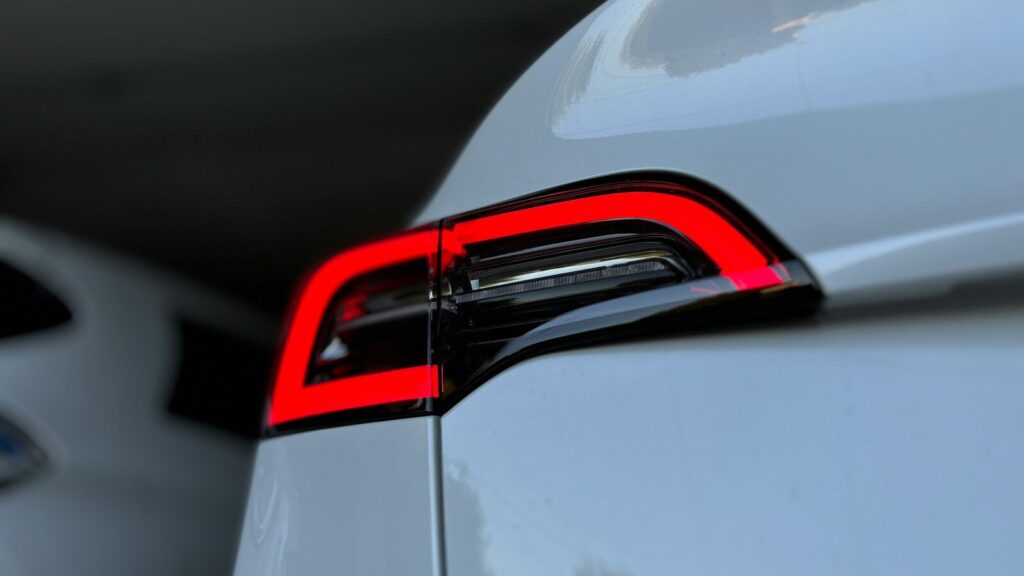
Even though the upgraded Model Y displays indirect illumination, Tesla introduced other illumination factors to better communicate the vehicle width and driving signals. At the end of the existing rear lighting system, a narrow vertical illuminated line helps indicate a vehicle’s real width when it is dark outside. The additional light bar also gradually tapers toward the end into a couple of separate, C-shaped brake lights with corner turn signals. These elements are a part of Tesla’s new exterior lighting system created for Autopilot as well as the driver. When seen from behind, drivers will notice the dim glow of the light bar, not just the outward-facing beam of light.
Model Y Rear Visibility Features:
- Vertical strips define outer vehicle edges
- Extended red bar creates rear illumination
- C-shaped brake lights distinguish braking
- Corner indicators communicate turning intentions
- Design supports human and Autopilot drivers
We’ve already established that the general design of this vehicle’s lights is unique, but it also features separate lighting elements that are intended to help indicate its position on the road and its manner of driving. The small vertical illuminated areas at the edges of the rear establish the width of the car, but the C-shaped brake lights and corner turn indicators also serve to provide visual cues. All of this stuff does matter, because that center light bar doesn’t look like the separate corner lamps on the rear of many traditional cars and trucks. This arrangement was redesigned for the Tesla refreshed Model Y, fitting the requirements of humans and Autopilot, but even this refined layout can initially be confusing to onlookers. The Indiana example shows us why it is important to know where, and what, each of those lit-up pieces means when you are looking at a modern car or truck.
6. Federal Lighting Regulations and Tesla’s Compliance Argument
The legal issue around the Model Y Juniper is in the FMVSS Part 108, which covers Vehicle Lamps, Reflective Devices, and Associated Equipment in the US. FMVSS 108 covers the color and level of light emitted, as well as its visibility and mounting location, and also states that “Taillights shall be represented only by steady-burning red lights which shall come on automatically when the vehicle’s headlights or parking lamps are turned on.” It has a series of maximum and minimum levels of brightness at various angles of view, for example one of the values above is a minimum of 0.5 candela at 80 degrees outboard. When you look at the requirements in this light, it’s easy to understand how the legality of Model Y’s indirect light bar hinges on a given level of measurable light, not what it looks like.
FMVSS Part 108 Regulatory Requirements:
- Governs vehicle lamps and reflective devices
- Specifies steady-burning red taillights
- Establishes color and intensity requirements
- Defines mounting and visibility standards
- Includes measurements across different angles
Basically, this difference in regulation comes down to the fact that specific performance requirements are laid down in standards for car lights, without ruling out any particular lighting design. Mr. Moravy spoke about Tesla’s firm stance on Jay Leno’s Garage and whether light reflected downward could satisfy government requirements when confirming the company’s approach ‘The regulation is how much lumens come off the surface, but it never defines what kind of surface that has to be.’ The amount of visible light is also in line with the law, according to Mr. Moravy his focus, again, being on the output from the lighting system as opposed to direct illumination from a traditional lamp enclosure. FMVSS No. 108 determines its color, intensity, activation, and visibility.
7. How Tesla Tested the Model Y Juniper’s Lighting System
Tesla had to perform the standard goniophotometer testing in order to certify that the indirect light bar on the refreshed Model Y is meeting the necessary lighting requirements for the viewing angles required before the car goes on sale in North America. And this is applicable since FMVSS No. 108 requires photometric and visibility standards to be met which aren’t able to be determined by a visual observation of a vehicle from one viewing angle. The standards encompass luminous intensity at various angles in order to determine whether the lighting is still sufficiently visible from the set viewing angles. In the given information, the factory lighting system of the Model Y Juniper is directly compliant with federal regulations before leaving the factory. But certification from authorities doesn’t necessarily imply that a traffic cop will put the unconventional design on the road immediately. So that was the case with this Indiana stop!
Tesla’s Lighting Certification Process:
- Goniophotometer testing assessed light output
- Testing covered required viewing angles
- Photometric standards govern lighting visibility
- Factory vehicles meet federal requirements
- Unfamiliar designs can still prompt stops
The certification process can help illuminate why the Y’s novel configuration doesn’t, in itself, establish the presence of a problem with the Y’s tailights. Goniophotometer testing gives manufacturers the opportunity to measure luminous intensity at certain angles to satisfy the measures required of an automotive lighting fixture. Tesla utilizes these tests to certify the indirect light bar the in North American market. The supplied information states the Y passes the appropriate federal safety rules before leaving the factory, but testing, certification and on-road recognition are separate procedures. An officer could be pulled over by the new style without familiarity with the technical information on the certification procedure before. As more revitalized Y’s hit the road, becoming more familiar with the concept will grow, but that distinction between performance measured by certification tests and visual effect still matters.
8. Tesla Owners Debated the Indiana Traffic Stop
Steven Samuel Adams’ Facebook post received a response from several “Tesla Model Y 2025-2026+ Juniper” owners. “Next time get their badge number if that happens,” wrote Joseph Labastida. Kevin Oser, who owns a new Juniper and has worked in law enforcement, shared a bit of context based on how he sees lighting conventions. “I noticed this as well since standard taillights generally go all the way left and right on a vehicle,” he wrote. “So the way the Juniper is set up to me makes it so the rear of the vehicle looks narrower than it actually is. I’m pretty sure Tesla would have had to meet any applicable compliance standards prior to release, but cops should do their homework before pulling over folks for something they’ve never seen before.”
Tesla Community Reactions:
- Joseph Labastida recommended recording badge numbers
- Kevin Oser owned a new Juniper
- Conventional lights extend to outer corners
- Indirect lighting can appear narrower
- Owners discussed regulatory familiarity and enforcement
Oser’s comment set a tone He sensed even seasoned eyes could be tripped up by the new lighting setup. His law enforcement career made him aware of how that design could draw attention on the streets at night, and his ownership of a Juniper gave him some insight into what the officer was seeing. He said he recognized the difference in the light pattern but said that any number of automakers-Tesla included-likely had to work through compliance issues prior to launching the refreshed Juniper. Oser said that once a few more Junipers start rolling on the streets near where he lives, the situation might not be so challenging for the officer. Meanwhile, Labastida’s advice to the officer to follow up with a badge number was more tangible-a calling card rather than a badge number.
9. Another Driver’s Experience Shows How New Car Technology Can Confuse Officers
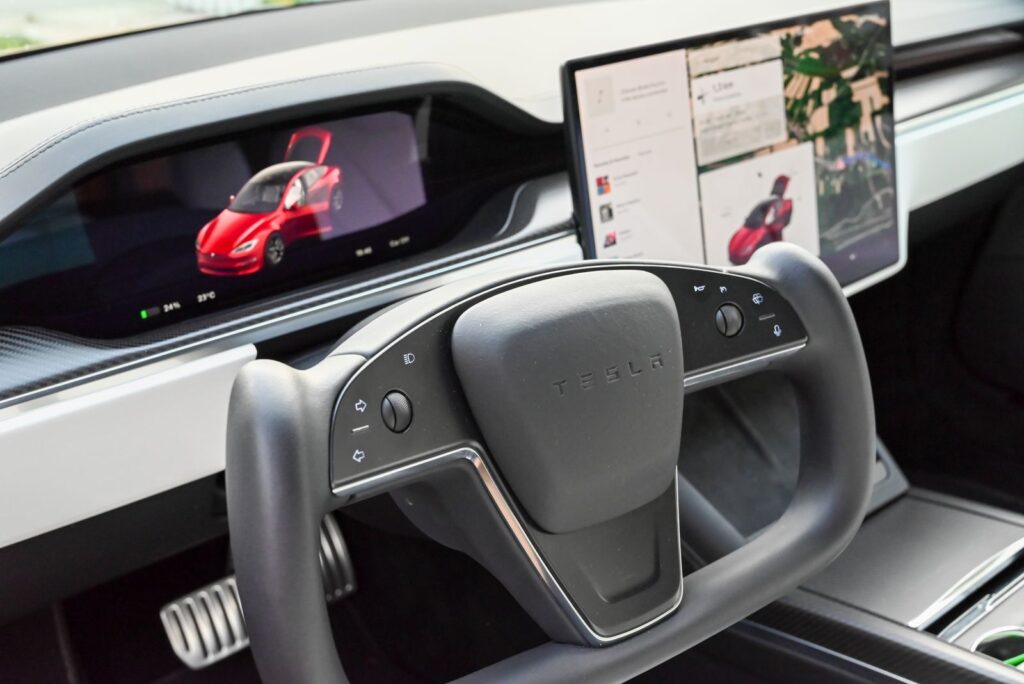
Another illustration of this was provided by another member of the group, Mark Tomlinson, who related another incident involving his brother-in-law. He recounts that in this incident the driver was stopped in a very remote town because the police believed that the driver had his computer open in the car. However, the officer quickly became more positive when he found out that the screen was simply attached to the vehicle and that he had never seen such a system before. While this was related to a feature other than the taillights of the Model Y, the experience shares similarities with Adams’. It highlights that unfamiliarity with new automotive features can lead to the assumption that something is wrong.
Examples of Unfamiliar Vehicle Technology:
- Central screens can surprise officers
- New lighting differs from tradition
- Rural encounters may involve unfamiliar features
- Explanations can resolve misunderstandings
- Technology requires public familiarity over time
These anecdotes are part of a larger transition as automobiles adopt new technologies that have little connection with traditional automotive features. In Tomlinson’s case, the officer initially thought the driver’s computer-screen display was an unrelated computer terminal before realizing that it was a feature of the car. In Adams’ case, the officer was asking himself if the factory-installed taillights were on because the car’s rear was lighted in a pattern he hadn’t seen before. Neither incident established that the unfamiliar features will necessarily cause an officer to pull over a car for inspection, but both show how appearance can have an impact during the roadside interactions. As factory-installed features become more technological and more diverse, vehicles with digital displays, complex software and unusual front and rear lighting are likely to make clear communication even more critical.
10. Why Communication Matters as Automotive Technology Evolves
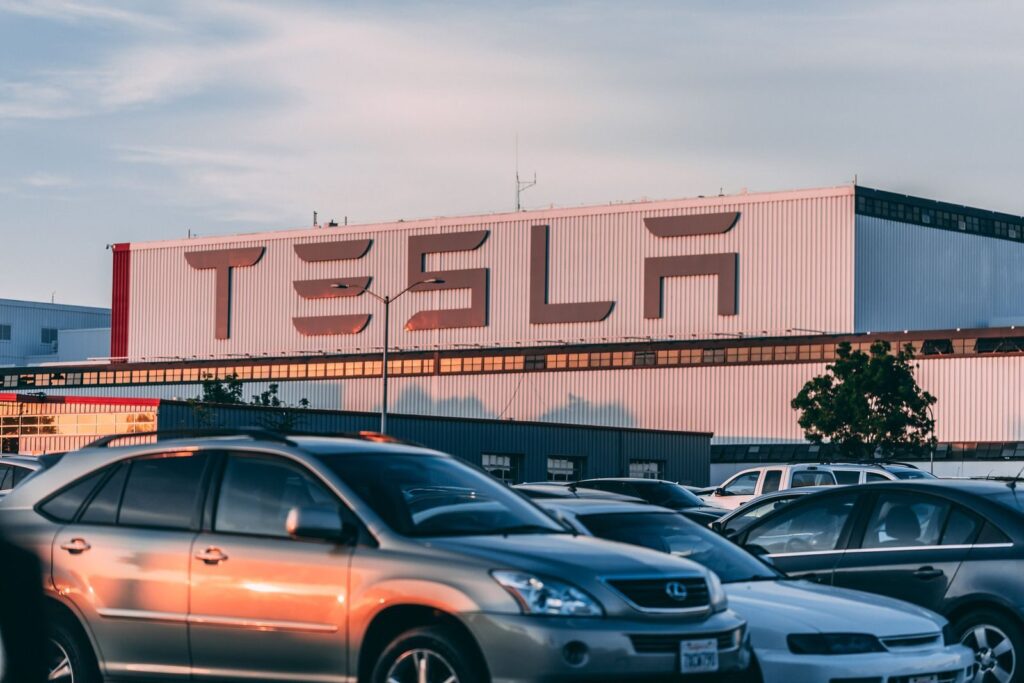
Tesla Indiana lights issue reflects larger challenge of bringing new car technology to the public. The company’s operations range from vehicle production and energy generation and storage to vehicles, power generation and storage products and services (electric vehicles, solar, solar roofs, Powerwall and Megapack battery systems, software, charging, financing, leasing, warranties, mobile service, collision repair and vehicle insurance), and more. Its engineering services include vehicle control systems and artificial intelligence software, battery management, and electric powertrains. As we plan for a greater variety of shape and style in vehicles, we as drivers, officers, and citizens have to get used to the designs and features that new vehicle design may include. Perhaps communication between makers, regulators and local law enforcement can better explain new lighting systems and the standards that apply to them so officers can better recognize factory equipment that’s in accordance with the law and can see what’s illegal.
Automotive Technology and Roadside Understanding:
- New designs challenge familiar visual expectations
- Manufacturers develop unconventional lighting systems
- Regulations establish measurable safety requirements
- Education can improve officer familiarity
- Communication helps prevent unnecessary warnings
The Model Y Juniper indirect light bar illustrates how vehicle designs can be based on certain technical characteristics that can create a disconnect between the technical definition of what is legal and what is perceived by the public. You can see how Tesla designed their system based on the specific characteristics they wanted their illumination to display and ensured it met the regulations, but on a night time roadside stop it raised eyebrows. There’s no single solution for addressing confusion of this type. Updated education resources for law enforcement based on the standard standards as to what factory lighting configurations look like in the field, better definition from OEMs regarding what new lighting styles are normal, and a better definition from law enforcement of how to explain what these new features are to drivers can all play a part in this.