
Spohn’s Post-War Chapter: The Cadillac V8-Powered Car for American GIs
The most compelling part of the Spohn story in automotive history is that the company spans two completely distinct eras of car construction. Before World War II Spohn was well-regarded as one of Germany’s top coachbuilders of luxury and ornate automobile bodies on what would be considered premier European vehicles. It became a well-known supplier for prestige marques, particularly Maybach, with beautifully executed formal touring cars, formal bodies, limousines and cabriolets all built during the opulent inter-war years.
It wasn’t just fine metal work and bespoke design for a fat pocket but also entirely individualized vehicles that were designed and built exclusively for wealthy clientele. Spohn lent their expertise and design to the chassis from various exclusive carmakers such as Mercedes-Benz, Horch, Bugatti and Steyr, though Maybach remained their favored collaborator, which is why the Spohn body was fitted to a multitude of their flagship vehicles which all stood for the ultimate in European opulence and classic automobile construction techniques.
But after the war, Spohn went into a completely new gear. The firm ditched its rigid pre-war persona and turned to producing the highly customized and show-stopping vehicles of choice for American GIs in Germany. Blending German coachbuilding talent with American style cues, the company made cars featuring plenty of sweeping lines, over-the-top chrome accents, and striking design decisions. One of the most fondly recalled products from this time was the 1957 Spohn DV-13 Convertible, a peculiar Cadillac-powered creation that really highlights the unhinged creativity that filled the automotive scene in the aftermath of World War II.
1. The Origins of Hermann Spohn Karosseriebau
The Hermann Spohn Karosseriebau was founded in 1920 in Ravensburg, Germany by Hermann Spohn. Hermann Spohn was an outstanding coachbuilder who worked traditionally when automobiles were more an individual work of art than a mass produced item. Most customers who were wealthy would acquire a car chassis with out a car body from the respective car factory and then have the car bodies individually made by specialist companies (coachbuilders).
Key Elements of Spohn’s Early Success:
- Founded in 1920
- Based in Ravensburg, Germany
- Focused on custom coachbuilding
- Known for luxury craftsmanship
- Created unique vehicle designs
His reputation spread rapidly in European coachbuilding circles as the makers of beautiful and delicately engineered automobile bodies. Their design philosophy emphasized harmonious style with comfort and craftsmanship. Spohn-bodied cars could readily be distinguished from factory built automobiles.
Spohn flourished during the heyday of custom-bodied cars, a period when individual expression and craftsmanship dominated automotive production. In a pre-assembly line era, where ordinary chassis were rendered into personalized works of art by companies like Spohn, Hermann Spohn Karosseriebau earned a solid reputation among the premier coachbuilders of Europe thanks to its unmistakable style and quality.
2. Spohn’s Connection With Maybach Luxury Cars
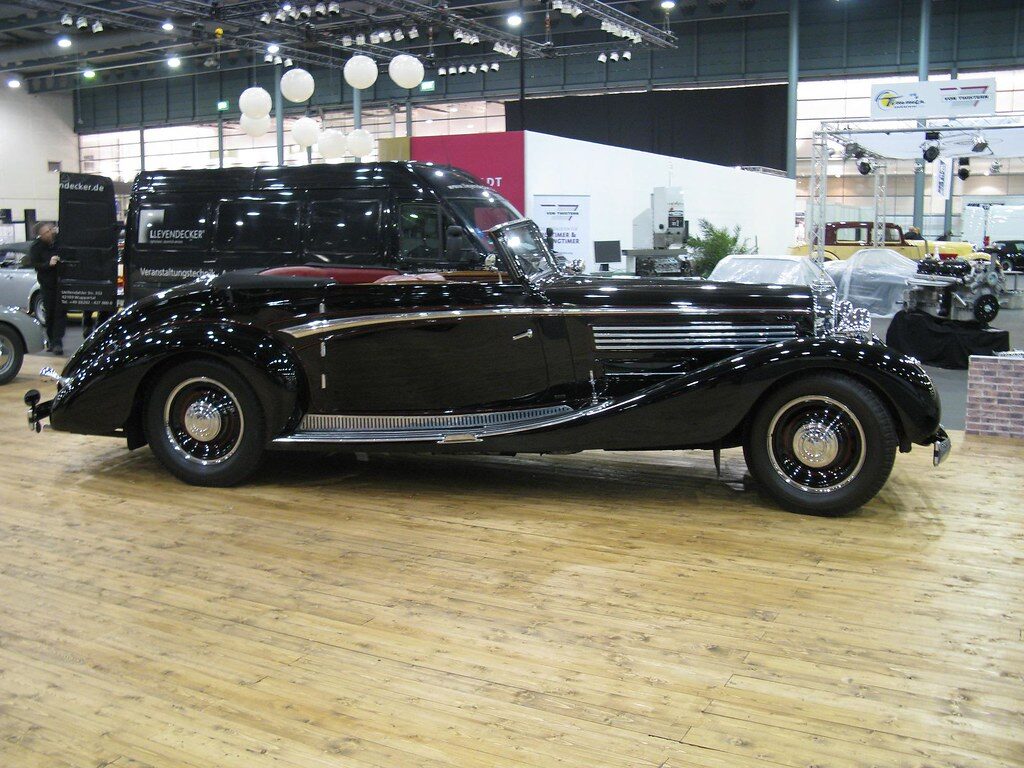
Among the chapters in the history of Hermann Spohn Karosseriebau, one stands out from others because of its deep association with the marque Maybach. For several decades, from the 1920s, 1930s and early 1940s, Hermann Spohn supplied custom made car bodies for many a Maybach chassis. Through this long collaboration, these two companies came to be seen as synonymous with German luxury and quality.
Spohn’s Maybach Legacy:
- Built bodies for Maybach chassis
- Created luxury limousine designs
- Worked on Maybach SW 38 models
- Designed Maybach DS8 Zeppelin bodies
- Served wealthy and influential customers
Among the most celebrated Spohn vehicles were the Maybach SW 38 and the Maybach DS8 Zeppelin models. These luxurious vehicles were then commonly converted into limousines, cabriolets and landaulets in order to cater to a list of affluent clients, dignitaries and VIPs. With the elongated proportions, elegant styling and handcrafted interiors these represented the very zenith of European automobile design.
The partnership of Spohn and Maybach showed how a company could reconcile brilliant engineering with an equally remarkable flair for art. Every body was individually shaped and built by hand by artisan craftsmen who drew and worked from individual client desires. The individual nature of this build was crucial for Spohn and gave the company a huge advantage with the traditional, old school Germans.
3. A Reputation Beyond One Luxury Brand
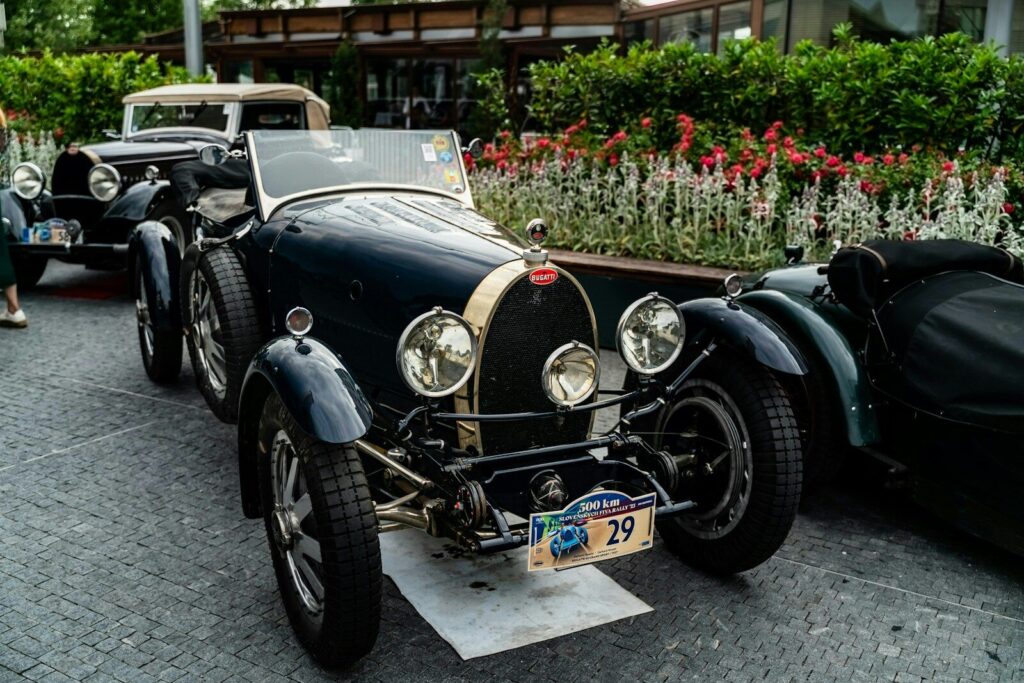
Their alliance with Maybach might be the most prominent chapter of their history but Spohn Karosseriebau wasn’t restricted to only one manufacturer. Spohn also made bespoke bodies for other automotive manufacturers like Mercedes-Benz, Horch, Bugatti, and Steyr.
Brands Connected With Spohn Coachbuilding:
- Maybach luxury chassis
- Mercedes-Benz platforms
- Horch automobiles
- Bugatti vehicles
- Steyr chassis
In the years between the two world wars Germany boasted an extremely high-performance body shop. Erdmann & Rossi, Reutter and Glaser produced bespoke car bodywork for rich customers. Amid this extremely demanding environment, Spohn successfully maintained its image for the quality of their workmanship and the readiness to fulfill customer requests for highly individual vehicle bodywork.
The bodywork designed by Spohn was, by and large, focused on grace, symmetry, and elegance as opposed to flamboyant or over the top styling. Spohn’s products were built for comfort, elegance and a timeless elegance befitting European aristocracy, business magnates, and affluent clients seeking personal status vehicles and thus earned Spohn a reputation as a sound and reputable German traditional coach builder.
4. Leadership Changes and the Impact of War
After the founder, Hermann Spohn died in 1923, history of Hermann Spohn Karosseriebau experienced a remarkable turn. It was not least the commitment of Mrs Spohn, the widow, who ran the company until further notice. Then, master coachbuilder Josef Neher took over and he led Spohn through its golden era, during which the company consolidated its position as the undisputed leader among the coachbuilders.
Major Changes During This Period:
- Founder Hermann Spohn’s passing
- Transition to Josef Neher’s leadership
- Continued focus on craftsmanship
- Growth during the luxury era
- Challenges from wartime changes
Not only did Neher make efforts to save Spohn’s historic craft, he also helped the firm navigate a tumultuous time in the automotive business. In the late 1930s, mass production techniques were becoming so prevalent that few customers were ordering custom automobile bodies. At the same time, burgeoning political tensions and the impending conflict with Europe posed new challenges to companies selling expensive goods.
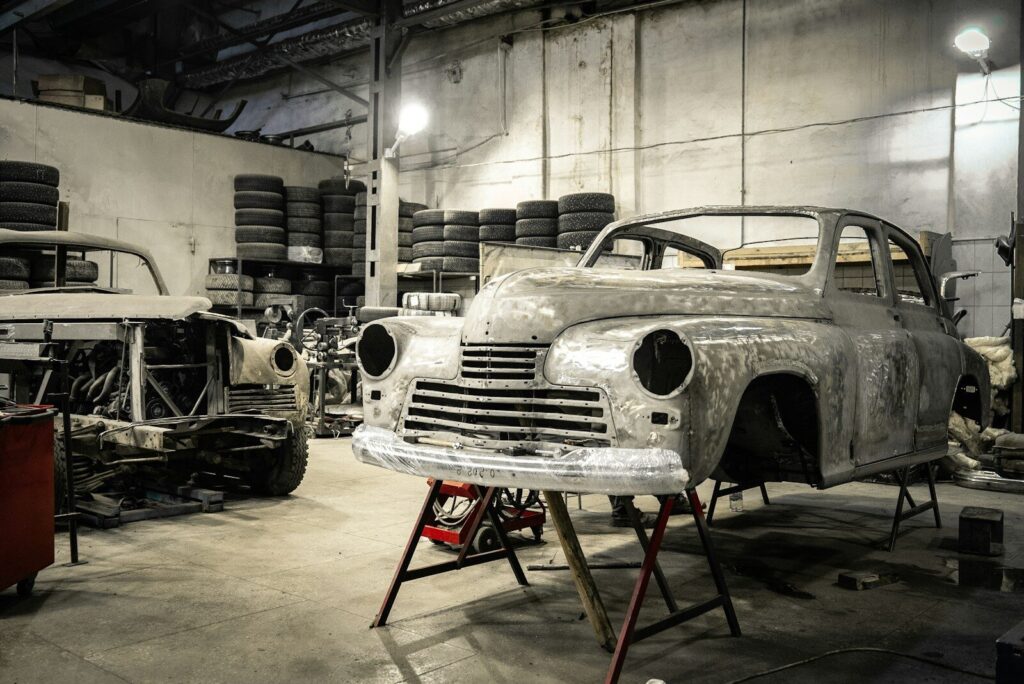
While many coachbuilders in Europe suffered due to the allocation of materials, labour, and factory space to the war effort during WWII, Spohn’s business suffered dramatically and its standing in the luxury car market was all but destroyed. By the time the war was over, the automotive industry had changed forever and Spohn would never be part of the world that allowed it to produce some of Germany’s most beautiful luxury cars before the war.
5. A New Beginning After World War II
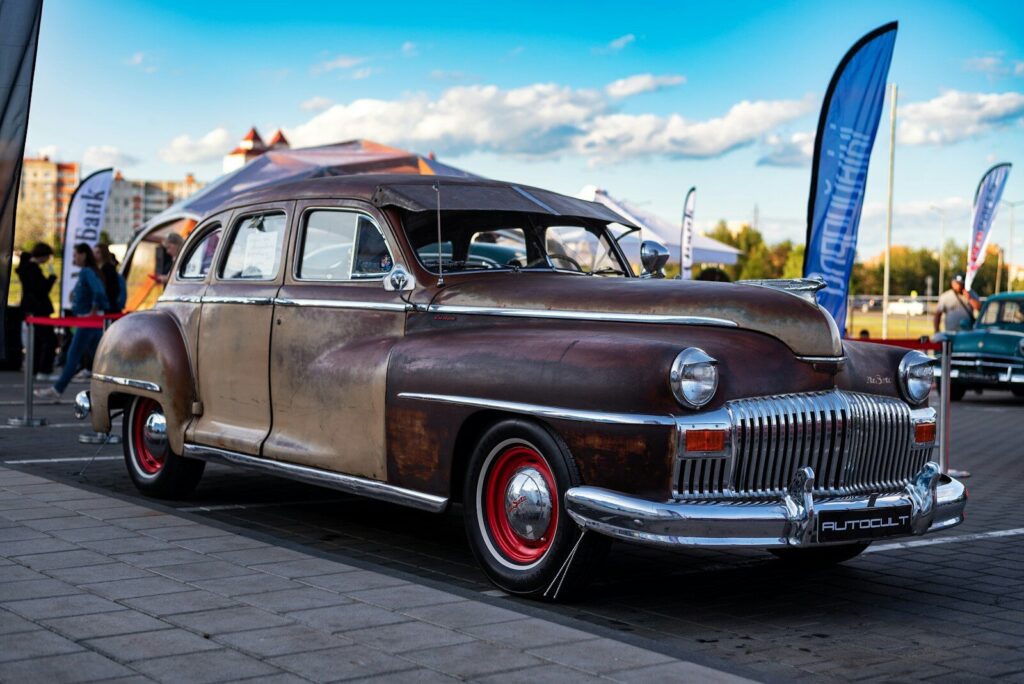
Following World War II, Hermann Spohn Karosseriebau entered into an entirely new phase. Gone was the era of exclusive, handcrafted European luxury vehicles, replaced by a new customer base: the American GIs of the post-war years. For many soldiers, their military service in Germany offered the opportunity for a customized car to serve as a souvenir and a symbol of their experiences.
Spohn’s Post-War Transformation:
- New American customer base
- Customised vehicle designs
- Influence of US automotive culture
- Combination of German craftsmanship
- Creation of unique post-war automobiles
Their customers were quite different from Spohn’s clientele in the pre-war years. Americans looked to the dramatic style of their cars, larger dimensions, chrome detailing and more character. Spohn blended these elements but remained faithful to German traditions and the excellence in its build quality and craftsmanship.
What Spohn achieved was an innovative melting pot of two very distinct auto worlds. On one hand, you have the refined precision of the Germans, but on the other, you’ve got the unrestrained ingenuity and individualism of American customization. It was a fantastic marriage of German workmanship and American freedom that allowed Spohn to produce some of the oddest yet iconic custom cars of the post-war era and helped reshape the identity of Spohn.
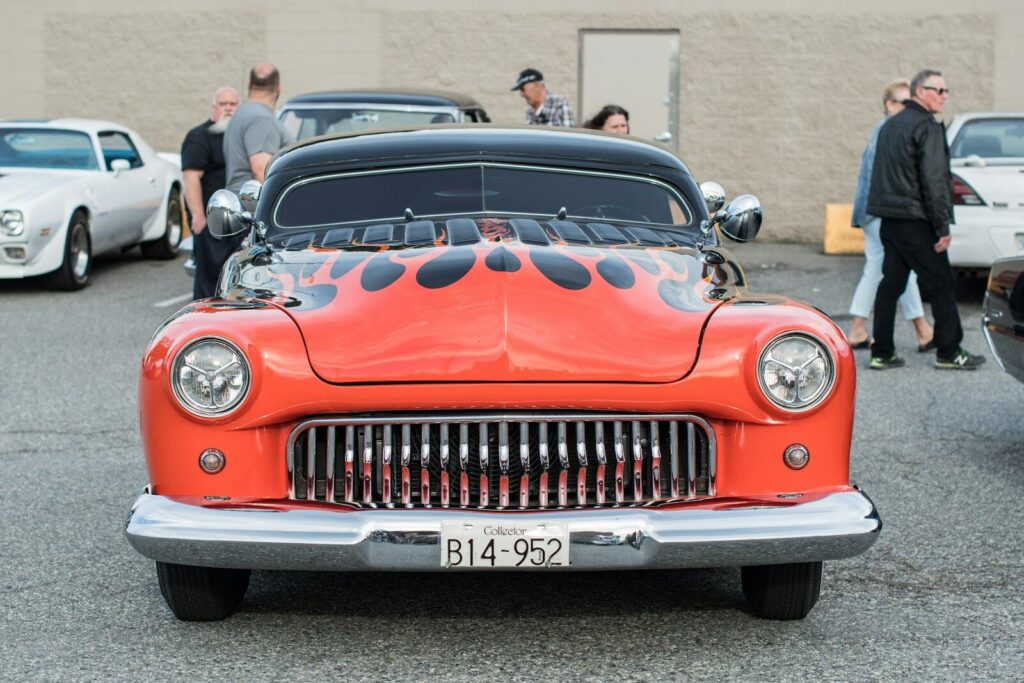
6. Designing Unique Cars for American GIs
In the aftermath of the Second World War Hermann Spohn Karosseriebau gained fame through the construction of specially made cars for GIs. Americans based in Germany who no longer had to go for the existing models from the series-produced cars had the opportunity to share their own visions with the master craftsmen at Spohn, who then used them as a basis for designing their own individual automobiles.
Features of Spohn’s Post-War Custom Cars:
- One-off vehicle designs
- Customer-focused creations
- American-inspired styling
- Large chrome details
- Dramatic body shapes
These post war models offered a significant change from the prior luxury coach work of Spohn, who in those early days were all about the formal coach work. Moving away from these formal limousine like designs, Spohn turned to a much more expressive and american influenced style, one that favored striking amounts of chrome, a long line and unusual proportions and flow of the fenders and that distinctive, flowing tail fin.
The vehicles were a tangible representation of the post-war idealism and personal freedom that the soldiers brought home. Having served in Europe, many of the American GI’s desired an eye-catching ride, something that would differentiate themselves from everyday automobiles, and something that would embody their European experience. Spohn offered the ultimate in European styling with an Americanized, individualized twist to his automotive designs.
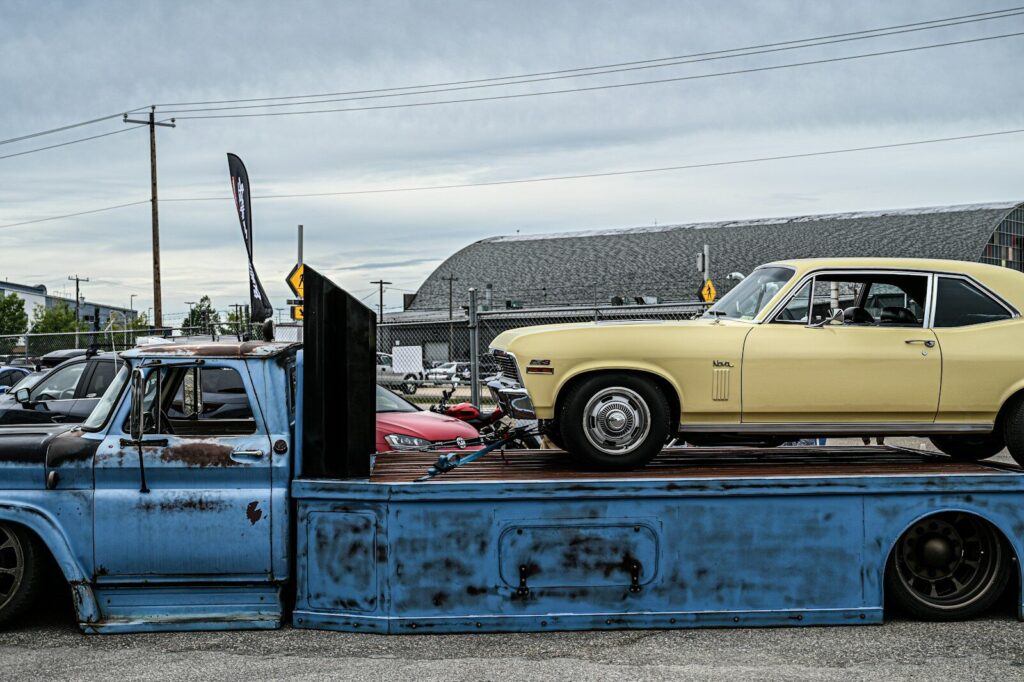
7. The Role of Military Shipping Benefits
Part of the reason that Spohn proved so successful with the American GI buyer was the transportation facilities that returning veterans could enjoy after World War II. If the GI commissioned a custom made automobile while he was in Germany then the government shipping facility could carry his vehicle home for him with very little additional transportation expenses.
How Shipping Support Helped Spohn:
- Reduced transportation costs
- Increased access for GIs
- Encouraged custom car ownership
- Expanded Spohn’s American reach
- Supported post-war cultural exchange
That benefit made custom European-built cars and other special vehicles much more within reach of the American serviceman. Many a custom vehicle that would otherwise be limited to European buyers became a realistic prospect for the serviceman wanting a car something completely different than most he found in the U.S.
But the shipping also did its share to spread Spohn’s reputation. As the made-to-order vehicles rolled over the ocean and into the hearts of Americans, they became more than just cars, as these German creations, customized according to the trends in America’s booming auto-industry in the postwar-years, turned into little mobile monuments to cultural exchange.
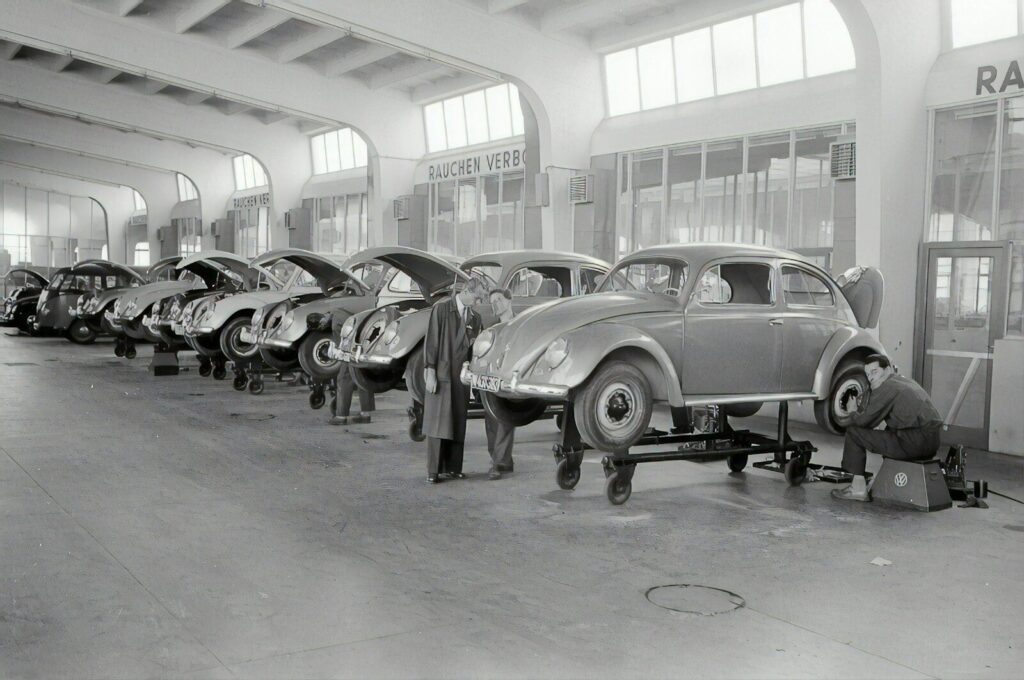
8. The Changing Automotive Market and Spohn’s Decline
Despite a post-World War II creative surge, the future for old-school coachbuilders looked grim. The age of the mass-produced car, with customers more interested in the convenience, cost and contemporary technology of an assembly-line product, had arrived.
Reasons Behind Spohn’s Decline:
- Rise of mass production
- Declining demand for custom bodies
- High cost of handcrafted vehicles
- Changing customer preferences
- Growth of factory-built automobiles
By the late 1950’s the market for bespoke built cars was extremely limited. These individually built vehicles relied heavily on craftsmen with highly specialised skills and immense amounts of hand labour, as such bespoke coachbuilding just could not compete on price with mass built production cars by large motor vehicle manufacturers.
So in the end, Spohn ceased their coachbuilding activities and a truly great chapter of automotive history closed. Their story personified two distinct eras of automobile creation; one was the grace and sophistication of pre-war European luxury cars, while the other was the imaginative flair and exuberance of post-war American custom-inspired automotive designs. Their tale continues to provide us with an insight into how evolution and shifting attitudes and methods transformed the automotive scene forever.
9. The 1957 Spohn DV-13 Convertible: A Final Masterpiece
Perhaps one of the most notable final vehicles from Hermann Spohn Karosseriebau, the 1957 Spohn DV-13 Convertible exemplified everything that Spohn’s post-war designs represented. It was freedom, imagination, and individuality, creating a car without bound by the typical limits of design.
Key Features of the Spohn DV-13 Convertible:
- Built on a 1939 Ford chassis
- Powered by Cadillac V8 engine
- Handcrafted German coachwork
- Unique custom styling
- Blend of American and European influences
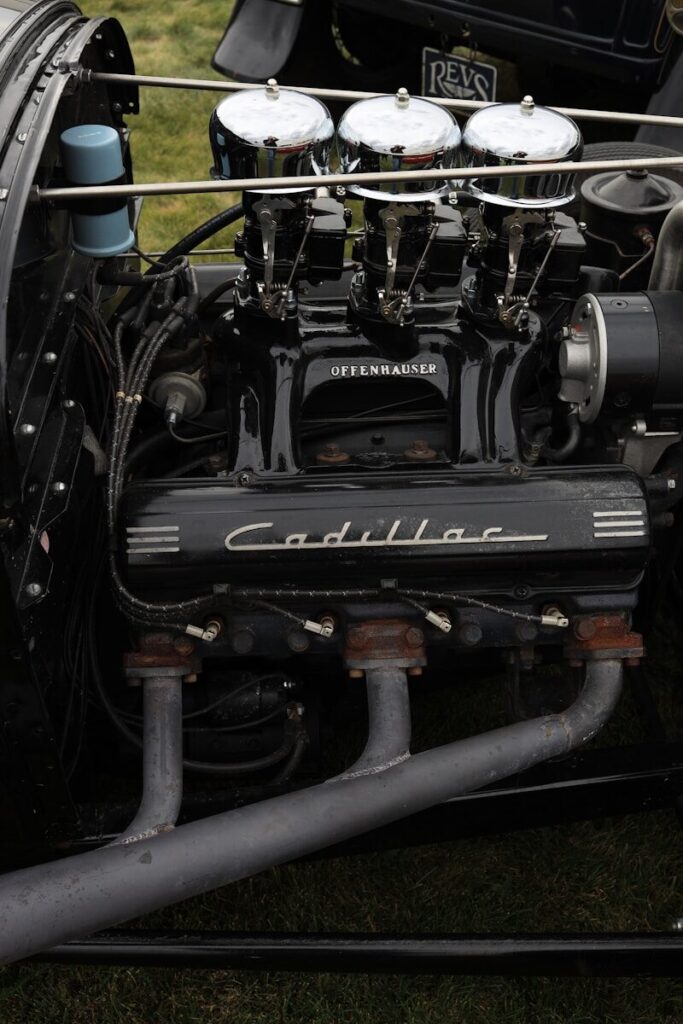
The DV-13 featured a 1939 Ford chassis, giving it the juxtaposition of mundane mechanical guts and fabulous, handcrafted coachwork. So Spohn took a relatively common American frame and injected it with all of this over-the-top flair to create a wholly original, stunning machine, instead of sourcing an exclusive luxury vehicle base. It was fueled by a 331 Cadillac V8, marrying American punch to Teutonic style.
Combining Ford components, Cadillac engineering and Spohn’s handcrafted sheet metal resulted in an incredible machine in the DV-13. It really encapsulates the period of automotive design, in which designers and customers were not afraid to experiment with strange combinations and build the ultimate automobile without restriction. Today, the DV-13 still represents Spohn’s brilliant vision and imagination and its incredible fusion of two completely different types of automobiles into one unique car.
10. A Design That Refused to Follow Convention
It is unforgettable, because it was out of the norm and showed a certain bravery when it came to design for cars. From a handmade steel body, to unusual curves, to quirky dimensions, the DV-13 has so much flair. In a sea of more conventional looking cars, the DV-13 always stands out and looks like one future-driven concept that was somehow placed on top of a traditional structure.
Distinctive Design Elements of the DV-13:
- Sculpted steel bodywork
- Unusual proportions
- Stacked headlight design
- Large rear fins
- 1950s-inspired styling
The front of the DV-13 was notable for the stacking headlights and flamboyant grillework that, with other advanced styling cues, imparted a somewhat spaceship like appearance to a rather old mechanical package. The rear sported the prominent tail fins and flowing body lines so prevalent in 1950’s America styling that often owed much to aircraft designs and bold statement styling.
Underneath its sci-fi styling, the DV-13 was surprisingly ordinary in its mechanical underpinnings. A Cadillac V8 powered it through a Ford three speed manual gearbox, and a conventional setup of live axles and leaf springs did duty in the suspension departments. That juxtaposition of dramatic styling and no-nonsense hardware is why the DV-13 remains such a unique post war custom. It showed that imagination and skill could create the exceptional from the everyday.