



Hyundai Engine Settlement: Your Guide to the Lifetime Warranty and Coverage
Vehicle Reliability and the Hyundai Engine Issue The engine’s reliability is typically high on the priority list for a vast majority of vehicle owners. While Hyundai has historically offered budget friendly, equipped cars, one particular series of engine issues with particular models spurred one of the biggest lawsuits in the modern auto age. Millions of Hyundai vehicle owners in North America have been affected by a series of class action lawsuits which centered around allegations of manufacturing defects in certain engine families that have the potential to fail prematurely causing owners worry and concern about large repair costs, a broken down car and even safety hazards.
Instead of going through the years of legal action, the automaker has offered some voluntary settlements that offer substantial benefits to customers whose cars are affected without admitting any wrongdoing. The settlements offer things such as money-back rebates, long warranties, free software updates and a host of other programs designed to help pinpoint engine failures before they become terminal. The various money-back programs are gone as their deadlines have passed, but one of the key benefits of the settlements, the long engine warranty, still exists for eligible owners as long as you do what needs to be done. Knowing these programs exist may save you a bundle if your engine develops an issue down the line.
The Hyundai class action settlement includes a multitude of engine models and Hyundai models across many production years, leading to the inevitable question: Does my Hyundai model fall within the scope of these settlements and if so, how do I know whether I’ll benefit or not? Let’s discuss what this class action lawsuit alleges about these engines, which Hyundai vehicles are impacted by each settlement, what you’ll get out of each settlement if you qualify and finally, the steps to ensure you get the most out of the protections afforded to Hyundai owners under this Hyundai settlement.
1. The Engine Defect That Started the Lawsuits
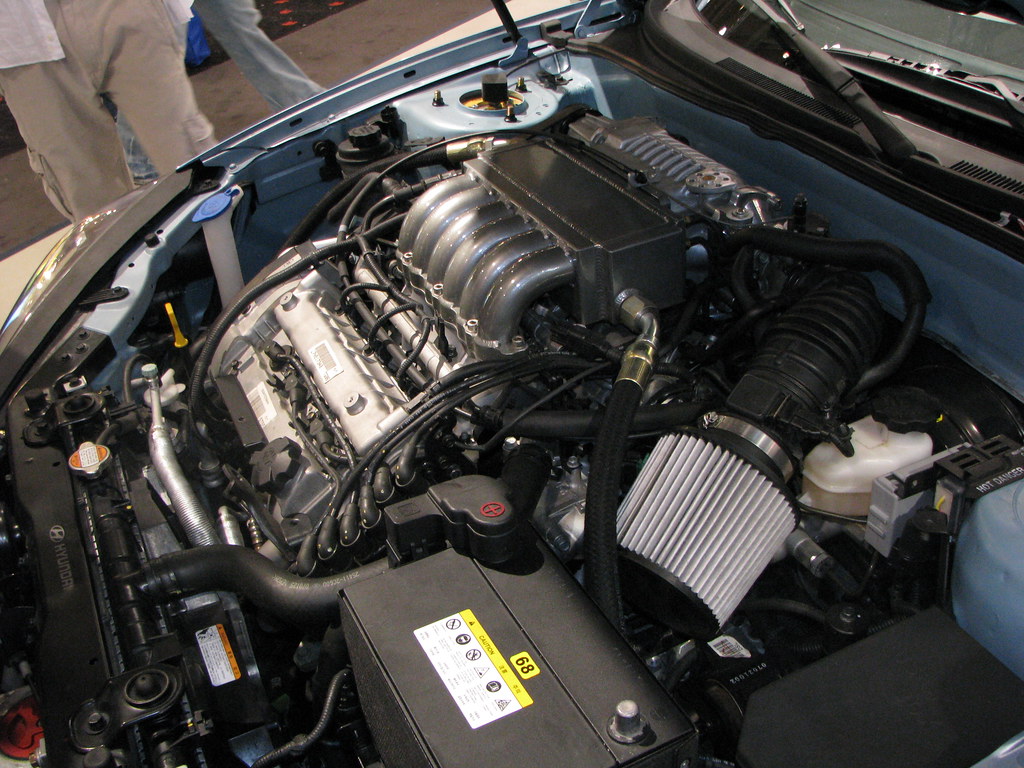
The lawsuits against Hyundai focused on a broad engine failure issue that impacted multiple GDI and MPI engine families, such as Theta II, Nu and Gamma. Court documents say these issues include rapid degradation of connecting rod bearings components of the engine that provide lubrication and control friction among many other working pieces that could shed metal pieces into engine oil, in turn contaminating the fluid and slowly wearing down various internal parts of the engine until eventual major engine failure could occur. The many related consumer complaints led to a multi-district class-action lawsuit and a series of settlements spanning many millions of cars.
Key Engine Defect Highlights:
- Defective Theta II, Nu, and Gamma engines
- Premature connecting rod bearing wear
- Metal debris contaminated engine oil
- Increased risk of engine seizure
- Triggered nationwide class-action lawsuits
With the oil circulating throughout the engine, key parts including the connecting rod bearings and crankshaft were severely worn out. The biggest symptom noticed by drivers was an abnormal knock coming from the engine, which was typically prior to total failure. When things got really bad the engine could lock up while you were driving.
The multitude of failures caused recalls and numerous investigations, culminating in costly legal battles with Hyundai for failing to acknowledge and fix the flaw before damage was done. Ultimately, the class-action lawsuit led to settlement funds being distributed to consumers and Hyundai being forced to extend their warranty coverage and replace a multitude of vehicles.
2. The First Hyundai Engine Settlement
This significant development, on June 10, 2021, was one of the largest auto class action settlements in North America, with 1.05 million vehicles in the US eligible to partake in the Hyundai engine class settlement and included, but was not limited to, extended warranty coverage and reimbursement for certain costs associated with a failed engine.
Key Settlement Highlights:
- Approved on June 10, 2021
- Covered 1.05 million vehicles
- Focused on Theta II GDI engines
- Extended warranty and repair coverage
- Included multiple Hyundai models
The lawsuit’s scope encompasses Hyundai Sonatas from model years 2011-2019 that feature either a 2.0- or 2.4-liter Theta II GDI engine. Additionally, it extends to any 2019 Sonata produced prior to the deployment of a Knock Sensor Detection System (KSDS). It also includes all Hyundai Santa Fe Sport models, in production from 2013 through 2019, featuring the same two engine choices, thus providing broad protection against mechanical breakdown for drivers of two of the manufacturer’s best-selling vehicle lines.
The coverage also covered certain Hyundai Tucson years, particularly those from 2014-2015 and 2018-2019 equipped with real 2.0-liter or 2.4-liter Theta II GDI engines. Unfortunately, Tucson vehicles from 2016 and 2017 were not included in the settlement, so interested parties should confirm that their Tucson is eligible. The settlement offered owners greater comfort, financial support, and helped Hyundai mitigate what could be one of the largest engine-related litigations in its recent history.
3. The Second Settlement Expanded Coverage
However, as more and more reports came in, it became clear that the alleged defect did not affect solely the Theta II GDI engines. Vehicle owners driving cars fitted with Theta II MPI, Nu GDI, and Gamma GDI engines were also suffering mechanical failure, the result of which was the launching of a second class action lawsuit against Hyundai. To satisfy this claim, Hyundai agreed to another settlement, which massively broadened the group of vehicles covered by the warranties and other terms of the agreement.
Key Expanded Coverage Highlights:
- Approved on September 8, 2023
- Added 2.1 million eligible vehicles
- Included Theta II, Nu, and Gamma engines
- Expanded coverage across Hyundai lineup
- Increased warranty and settlement benefits
The scope of the second class action suit included even more Hyundai vehicles than the first, including models ranging from the 2010-2012 Santa Fe equipped with the Theta II 2.4L MPI engine, 2011-2015 Sonata Hybrid using the Theta II 2.4L MPI Hybrid engine and models such as the 2016-2019 Hyundai Sonata Hybrid and Plug-In Hybrid featuring the Nu 2.0L GDI Hybrid engine, broadening safety for owners.
It also added a handful of the most loved vehicles to the list: The 2010-2013 Hyundai Tucson that utilized the 2.4-liter MPI Theta II engine, the 2014-2021 Hyundai Tucson utilizing the 2.0-liter Nu GDI engine, the 2014 Hyundai Elantra Coupe, the 2014-2016 Hyundai Elantra, the 2014-2020 Hyundai Elantra GT, and the 2012-2017 Hyundai Veloster that came with the Gamma 1.6-liter GDI engine. Expanding on the number of engine families and models covered by the second settlement helped boost the number of eligible owners for extended warranties, engine replacements, and other settlements significantly.

4. Understanding the Extended Warranty Benefits
Hyundai Engine Settlement Warranty Program Is Ongoing Most Hyundai engine lawsuit settlement benefit programs are past deadlines for reimbursement claims but this is not true of one of the most beneficial provisions of the settlement agreements. Eligible owners are entitled to a long-term warranty against defects in the engines that cause connecting rod bearing failure. This has proved to be the best element of the Hyundai engine settlements for the majority of Hyundai owners.
Key Warranty Benefits:
- Up to 15 years coverage
- Up to 150,000 miles protection
- Lifetime warranty on some models
- Covers major engine components
- Transferable to private owners
The second settlement class’s Powertrain Limited Warranty will be extended for 15 years or 150,000 miles from the original retail delivery date, whichever comes first. The class of the first settlement may benefit from an even better Lifetime Warranty on qualifying engine parts, which covers far more long-term ownership protection than one can expect with the original manufacturer’s warranty.
Specifically warranted is the engine short block assembly: that is, the engine block, crankshaft and bearings, connecting rods and bearings, and pistons-in short, the engine parts closest to the claimed malfunction. A significant benefit of this warranty is its ability to be passed on to a new private purchaser of the vehicle, thus enhancing its market value. Commercial purchasers such as dealers may not benefit from this provision, however.
5. Why the Knock Sensor Detection System (KSDS) Update Is Essential
The Hyundai engine settlements are contingent on the software update of the Knock Sensor Detection System (KSDS) In order to receive coverage under the new extended warranty program, affected vehicle owners will be required to download and install this free KSDS software update on their vehicles. This software update was developed to help diagnose wear of the connecting rod bearings of your Hyundai vehicle in an early stage.
Key KSDS Update Highlights:
- Free software update for eligible vehicles
- Detects early engine bearing wear
- Monitors abnormal engine vibrations
- Activates warning and limp mode
- Required to maintain warranty coverage
Instead of a part repair, the KSDS initiative only upgrades the engine’s programming. When implemented, the improved program cooperates with current vehicle sensors, to perpetually assess engine vibrations and identify symptoms of worn bearings. The system’s immediate action to a bearing defect is an indicator via the check engine light on the dashboard, the car is placed in low power’-“limp home”-mode so the vehicle may be taken to a garage before any significant harm befalls the engine.
The installation process usually takes an hour and occurs free of charge at an authorized Hyundai dealership. No special equipment, computer changes or engine modification of any kind is necessary. However, owners who don’t install the KSDS update could risk losing coverage for future warranty claims based on the settlement, which is why installing it is one of the single most important actions anyone with a Hyundai vehicle subject to the engine settlement can take.
6. Reimbursement Programs and Previous Financial Assistance
While the Hyundai engine settlements expanded warranty protection, they also featured a reimbursement program. This program was established to assist Hyundai owners who had already incurred costs to fix their vehicle’s engine prior to the settlement being finalized. Drivers are entitled to compensation for various costs associated with repairs to their vehicle. The reimbursement program is ongoing even though claim deadlines have passed.
Key Reimbursement Benefits:
- Covered out-of-pocket engine repairs
- Reimbursed towing expenses
- Rental car assistance available
- Goodwill payments for eligible owners
- Additional compensation for repair delays
The settlement allows eligible owners to seek recovery for the costs of engine repair whether they obtained this work from an authorized Hyundai repair facility or an independent repair shop. Towing costs and rental car expenses also were recovered. The settlement also provides up to $80 in rental car expenses per day while qualifying repairs are being made.
These settlement provisions included a variety of goodwill payment initiatives. For owners who paid for repair expenses after the warranty company denied their claims, a goodwill payment of $150 could be issued, and further restitution was offered for owners whose repairs went over 60 days past the expected repair completion time. Owners who were forced to trade in their unreliable car and then purchase another Hyundai was entitled to another rebate. Although these restitution programs have ended, they provide a glimpse at the range of financial benefits included in the Hyundai engine settlement.

7. What the Hyundai Settlement Does Not Cover
Although the Hyundai engine settlement provides a number of important reimbursements and extended warranty protections for owners, there are a few important exclusions in the settlement that owners should know. The agreement was intended to offer a financial remedy to any losses incurred as a direct result of a qualifying engine defect, rather than all problems that could occur following an engine failure. Understanding these limitations will allow owners to have a clearer understanding of their entitlements.
Key Settlement Limitations:
- Covers only eligible engine defects
- No personal injury compensation
- Property damage not included
- Economic losses are the focus
- Separate lawsuits remain possible
The class action settlement generally only relates to repairs on approved engine parts, warranty claims, and eligible expenses on approved reimbursement requests, and does not offer recovery for personal injuries or death or damages outside the specific vehicle. Those claims should be pursued elsewhere, if the situation warranted that, and are excluded from the settlement.
Those who feel their losses exceed the settlement terms may also pursue separate lawsuits as appropriate. Knowing what’s covered and not covered will help Hyundai owners determine the extent of the protections they have under the settlement and if it may be in their best interest to pursue a claim outside of the agreement.

8. How to Check If Your Hyundai Is Eligible
The payment deadline is officially over, but Hyundai drivers can still claim coverage under the extended warranty that is included in the settlement. Your first step is to confirm that your specific vehicle falls under one of the two settlements. This information is not blanket and will depend on your car’s model, model year, engine size, production dates, and so forth. Don’t just assume that you are covered and double check yours.
Simple Steps to Verify Eligibility:
- Find your 17-digit VIN
- Use the official settlement website
- Confirm model and engine details
- Check remaining warranty coverage
- Verify eligibility after buying used
VIN The best way to figure out if your vehicle is eligible is by checking the car’s VIN. Enter your vehicle’s 17-digit VIN number on the settlement website to find out if it’s included for the upgraded engine warranty, or other remaining benefits under the settlement. This is the unique 17-digit number used to identify your car. You can normally find your VIN on the driver’s side of the dashboard near the windshield or door frame, or on your insurance card or car registration papers.
It may be particularly helpful for those who have already purchased a pre-owned Hyundai. The long warranty coverage can be transferred to subsequent private party owners, so any owner who bought a Hyundai with a qualifying model sold after its initial sale could potentially still qualify. You could invest a few minutes to check your Hyundai’s VIN and find out the full range of coverage remaining on your vehicle to spare yourself some nasty repair bills down the road.
9. Protecting Your Warranty for the Future
If you know that your car is included in the class-action settlement, then the next step that owners must take is the free KSDS software update, assuming that it has not already been installed by one of the Hyundai dealerships and that the vehicle has already had the Product Improvement Campaign-a 953 campaign in some shops-applied. Getting the update is arguably the most crucial thing you can do for an extended engine warranty.
Essential Warranty Protection Steps:
- Complete the free KSDS update
- Ask for the 953 Campaign
- Follow Hyundai’s service schedule
- Keep all maintenance records
- Monitor engine warning lights
KSDS can alert to issues such as excessive engine vibrations caused by damaged connecting rod bearings long before it causes major damage. The software is installed in the vehicle and constantly tracks engine performance, turning the check engine light on and putting the vehicle into an underpowered state. The recall is no cost, about one hour to perform, and is necessary for the longer warranty to remain in place.
Regular servicing is also crucial along with the software update. Owners should follow Hyundai’s schedule of maintenance and have oil changed on a routine basis as well as record it accurately. This would surely help in ensuring long life for the engine and ease down any future claim.

10. Keeping Proper Records and Looking Ahead
One of the best things that Hyundai owners can do to defend their warranty rights, and to head off a future engine issue before it ever materializes is to keep careful service records. So, in case an owner hears what they consider to be abnormal engine knocking, observes abnormal oil usage, the engine lacks power or dies at stops, or sees the engine light come on, record what it’s doing, mileage and driving condition. You’ll be glad you have this if a warranty checkup or fix comes down the line.
Smart Practices for Long-Term Protection:
- Record all engine symptoms
- Visit an authorized Hyundai dealership
- Keep repair and service documents
- Save inspection and diagnostic reports
- Stay updated on warranty coverage
One of the best things that Hyundai owners can do to defend their warranty rights, and to head off a future engine issue before it ever materializes is to keep careful service records. So, in case an owner hears what they consider to be abnormal engine knocking, observes abnormal oil usage, the engine lacks power or dies at stops, or sees the engine light come on, record what it’s doing, mileage and driving condition. You’ll be glad you have this if a warranty checkup or fix comes down the line.
The Hyundai engine settlement still stands as one of the largest consumer protection settlements ever in the auto world. Although claims no longer apply, the longer-life engine warranty still protects hundreds of millions of cars under the program. For owners interested in the potential benefits, all it takes to confirm whether the car qualifies is a quick scan, the Hyundai’s engine warranty fix KSDS update, and proper vehicle maintenance per Hyundai’s schedule.