



Oldsmobile’s Forgotten Legend: The Muscle Car That History Overlooked
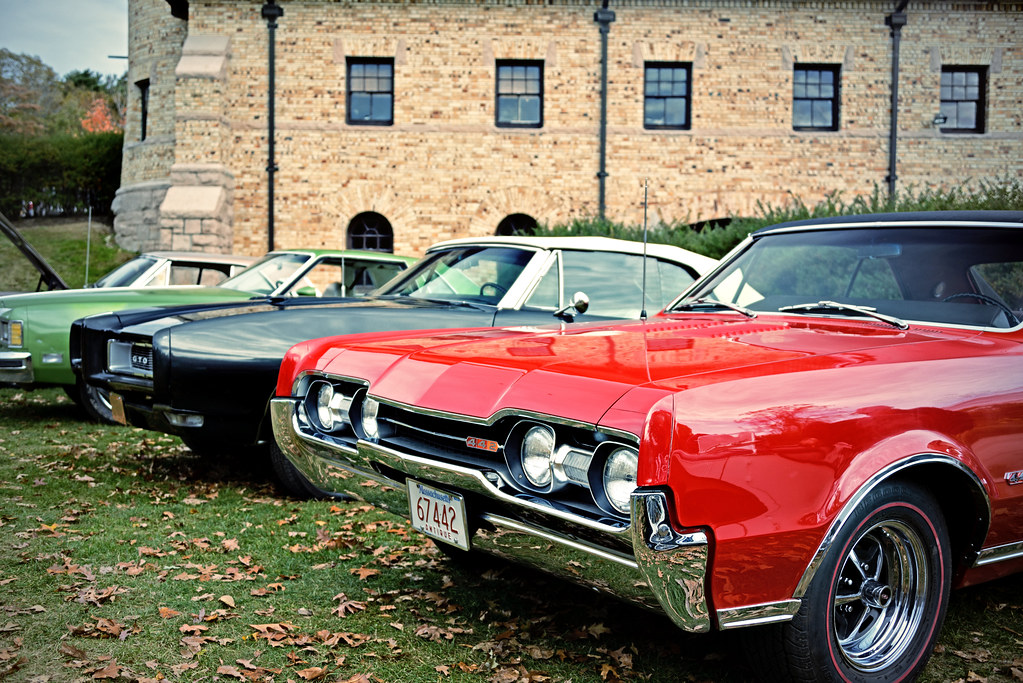
Motors companies have battled it out over the last ten years to create the best, most powerful car on the street. The showrooms were full of sports cars, battling against each other to draw the eye of car fans. Some of them became famous with their advertising jingles and bright designs, while others took a more conservative route, showing off their engineering abilities in the creation of their cars.
Oldsmobile was among those who were confident that their brand was associated with comfort and elegance. They were less likely to target this segment of the market, so their muscle cars were not as famous as one might expect from the company that was part of General Motors. However, under the hood of the Oldsmobile cars, interesting things were happening the engineers were preparing to unveil the performance that could rival many of their competitors.
1. W-30 Was A Performance Upgrade Package Introduced In 1966
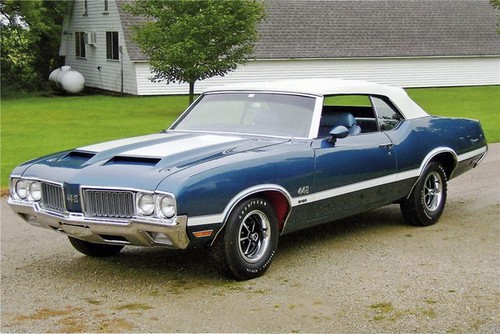
In 1966, Oldsmobile unveiled the W-30 package as an upgrade to the 4-4-2 model. Contrary to the appearance of many other sporty cars of the time which were all flash and little power, the W-30 had every component optimized for maximum power. Everything was done with engineering and practicality in mind and not to draw the eye of the buyers. Compared to the 4-4-2, the W-30 was much more serious about its intended purpose as the performance car.
Key points:
- Superior acceleration and power
- Improved airflow
- Emphasis on serious performance
- Maximized drivability
- Improved image and performance
While other car manufacturers were drawing attention to the aggressive styling of their cars, Oldsmobile engineers put their effort into making a car that was serious about its performance. While other manufacturers drew attention to the flashiness of their performance cars, Oldsmobile improved the power and drivability of their cars. Oldsmobile managed to create a car that was enjoyable to drive, taking into account every detail of the engine and tuning it for maximum responsiveness.
The introduction of the W-30 signified a more aggressive approach from Oldsmobile in the performance car market. The company had an image problem as it was generally thought to have been a conservative brand, favoring comfort over performance. However, with the introduction of the W-30, Oldsmobile was showing the public that they could compete with the big three. While the marketing of the W-30 was not as heavy as one might expect from a performance car, it signified the shift in Oldsmobile’s approach to the market.
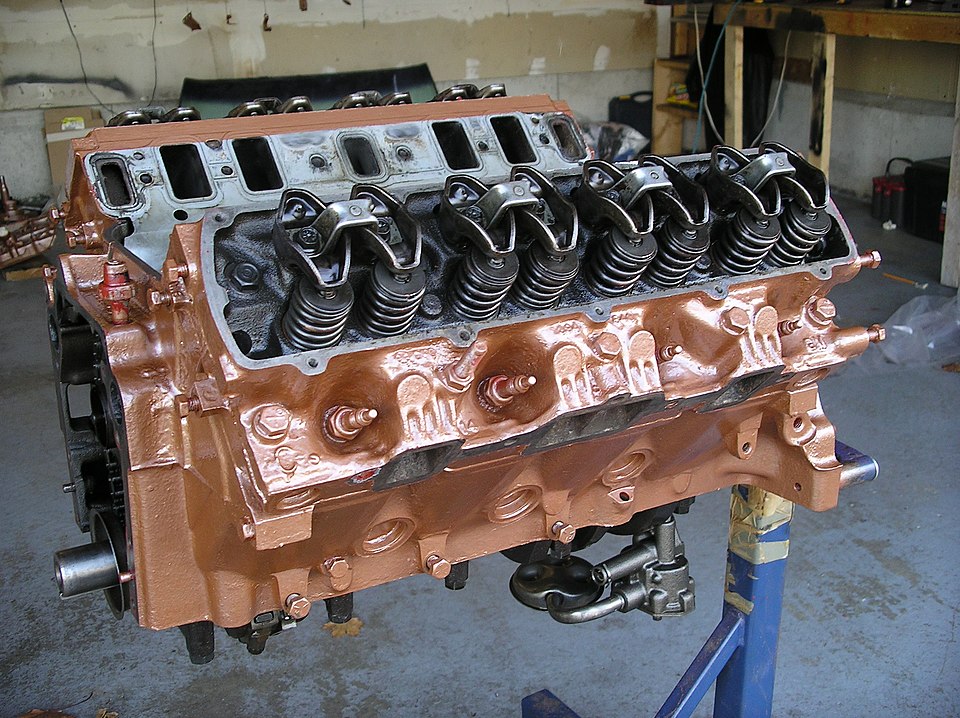
2. The Big Powerplant Is An Oldsmobile 400
The powerful engine at the heart of the W-30 is the legendary Oldsmobile 400 which produces an impressive amount of torque at a low range. The Oldsmobile engineers did not go for a higher top speed as they focused on the powerband of the engine, creating an impressive driving experience.
Key Highlights:
- The Oldsmobile 400 massive low end torque
- Superior engine performance
- Improved throttle response
- Enhanced performance all around power
- Excellent everyday driving characteristics
The approach of the Oldsmobile engineers was paying off the car had the power and the torque to provide an enjoyable driving experience. As soon as the driver presses the accelerator, they are rewarded with the powerplant surging forward, launching the car with impressive responsiveness. The engine did not require revving to show its performance as it was delivering power throughout the rev range. This made the W-30 a great everyday driver as it had the power and the drivability to maximize the driving experience.
With its powerband and torque, the W-30 had the characteristics that many enthusiasts drooled over. It was a car with a serious approach to performance that provided the driving experience that was enjoyable in both street and track driving. Combined with its superior engineering, the Oldsmobile 400 in the W-30 was a great combination that delivered on performance.
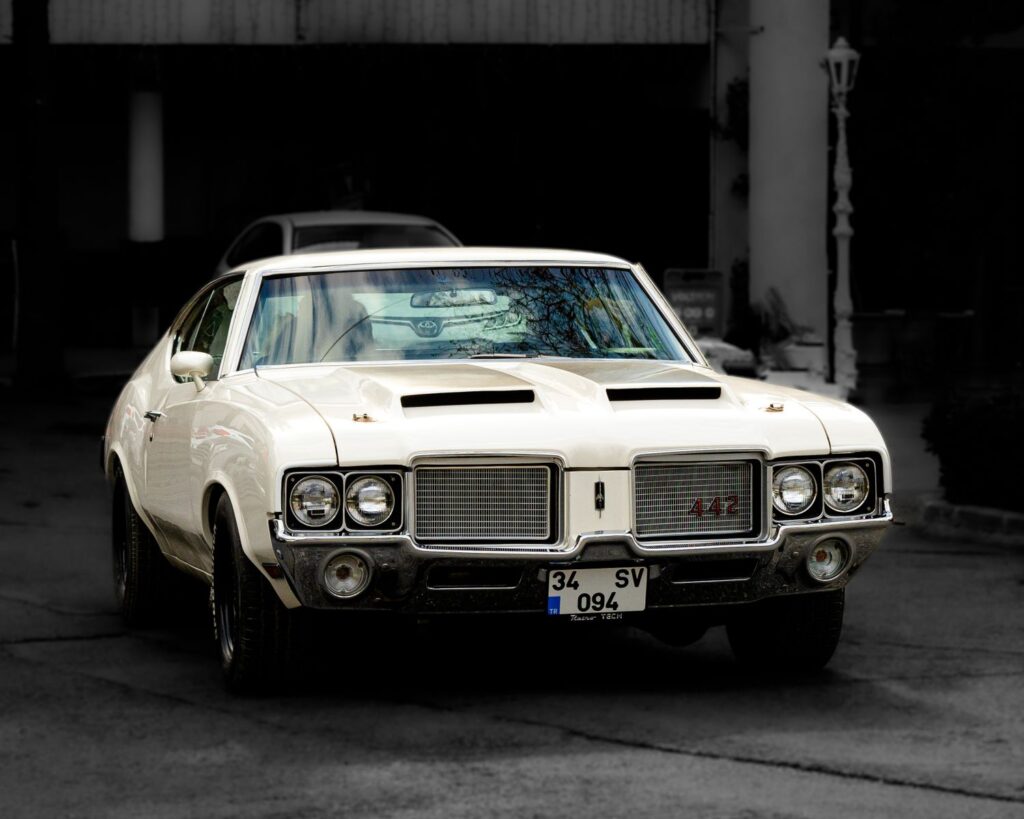
3. 1966 Oldsmobile 442 W-30 Delivered Impressive Performance
When it comes to performance, the 1966 Oldsmobile 442 W-30 was one of the best in the class. With the right modifications, the car was able to deliver a powerful 1/4 mile run, reaching a top speed of over 120 mph. The W-30 was able to accelerate from 0 to 60 mph in just 5.8 seconds while the quarter-mile run only took 13.8 seconds to complete. Performance-wise, there were very few cars that could rival the W-30.
Performance Achievements:
- Excellent power 0 to 60 mph in 5.8 sec
- Impressive quarter-mile performance
- Top speed over 120 mph
- Proven performance characteristics
- Balanced and reliable performance
The impressive acceleration and top speed show that the W-30 was a serious rival to the competition. It had the power and drivability that allowed it to perform on the track as well as on the road. Compared to the other cars on the market at the time, the W-30 was able to deliver the performance that could rival many of its competitors.
The performance package allowed the W-30 to reach the top speeds that were considered excellent for the time period. It was a car that delivered on its promise of power and performance, being able to keep up with the best performance cars of the 1960s. While many manufacturers would use exaggerated claims to advertise their cars, the W-30 delivered on its word, providing a reliable driving experience.
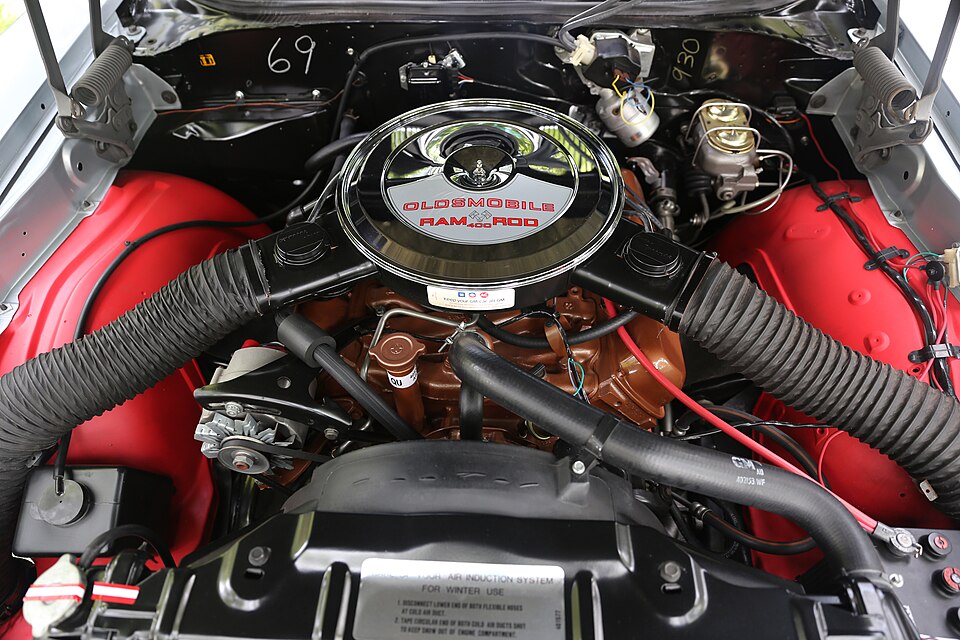
4. Oldsmobile Was All About Engineering Rather Than Style
While many of the muscle cars of the era were all about flash and style, the Oldsmobile 442 W-30 delivered on engineering and performance. It was a subtle car that did not advertise its performance the improvements were seen under the hood, not on the exterior. The performance was achieved through serious engineering which made the W-30 an amazing driver. While competitors would use their flashy designs to attract buyers, Oldsmobile did not need to as the improvements to the car spoke for themselves.
Engineering Priorities :
- Serious engineering rather than style
- The power was hidden under the hood
- Many performance upgrades were not visible
- Engineering was the main focus of the W-30
- Subtle power improvements
Many car manufacturers of the time were going for the flashy approach to performance cars. They were drawing buyers in with their bright colors and bold designs. However, there were those who preferred a more subtle approach to performance. The Oldsmobile 442 W-30 was delivering the power and performance without screaming about it.
The improvements that make the W-30 a truly great performance car were not noticeable on the exterior. The modifications to the car were hidden under the hood, and the upgrades to the engine, drivability, and power were subtle. However, this did nothing to detract from the performance of the car as these changes maximized the driving experience. For those looking to enjoy driving their car rather than drawing attention, the W-30 was the best choice.
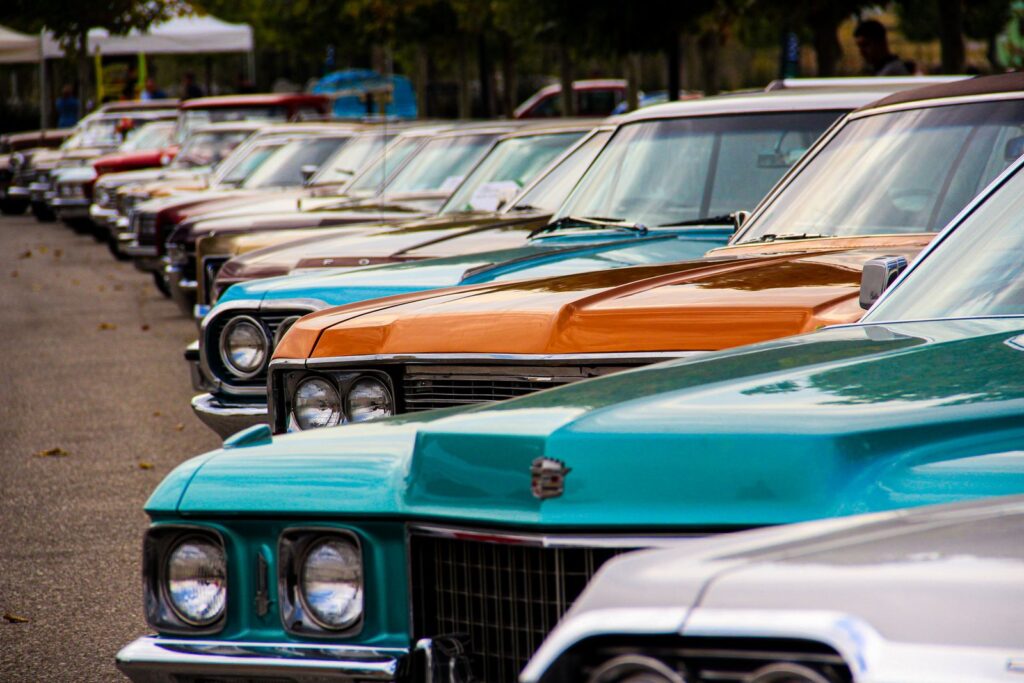
5. Competed Against More Famous Counterparts
While the W-30 had excellent performance, it had to compete against more famous names in the performance car market. Other divisions of General Motors were able to build their reputation as performance car manufacturers, drawing in buyers. This created a challenge for Oldsmobile it not only had to compete against foreign competition but also against other American automakers.
Recognition Challenges:
- Competed against very popular cars
- Oldsmobile was not as popular in the performance car market
- Many buyers were choosing other performance cars
- Higher competition in the market
- General Motors had an advantage over other manufacturers
Oldsmobile had an uphill battle to compete against the established names in the performance car market. It had to advertise more heavily and work on its image to establish itself as a performance car manufacturer. Compared to the competition, the W-30 did not have the same reputation or recognition, making it harder to sell.
The other divisions of General Motors also had an advantage over Oldsmobile as they did not have to promote their performance cars as heavily. In addition to already established reputations, they were able to create fantastic performance cars that buyers were willing to purchase. Oldsmobile had to work much harder to establish itself and build its presence in the market.
6. Was Not Widely Available
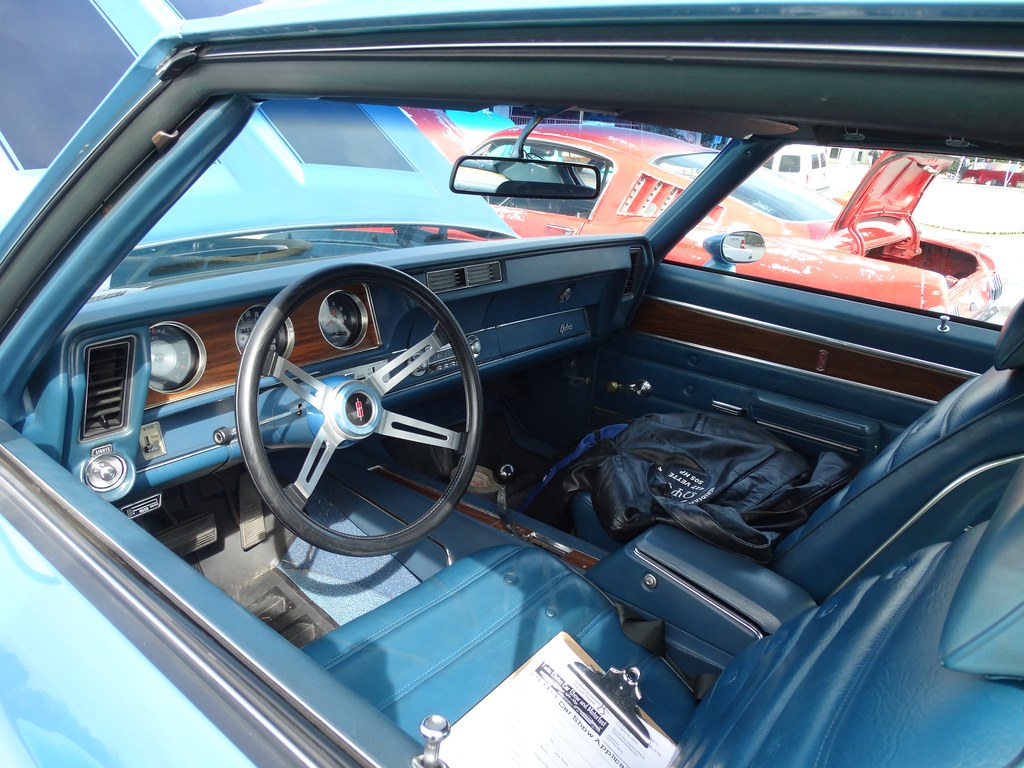
In terms of availability, the W-30 also did not have an advantage over the competition. There were many reasons why the 1966 Oldsmobile 442 W-30 did not gain the same amount of fame and fortune as many of its competitors. The W-30 was a performance package that was only available to a very select group of buyers.
Key Highlights:
- Only fifty-four units were produced
- Very limited availability
- Very few buyers could purchase the car
- Not widely available on the market
- Very few buyers were aware about the car
Compared to the competitors, the W-30 was available to few. Buyers would have to visit a local Oldsmobile dealer to test drive the car and purchase it if they were interested. Since the car was not available elsewhere, few had the opportunity to see one. Compared to the availability of the W-30, there were many other performance cars on the market that buyers could choose from.
The competition also had much larger production numbers, meaning that they were much more widely available. This created an obstacle for the W-30 as buyers often chose other performance cars that they were more familiar with rather than a lesser-known option. However, despite the low production numbers, the W-30 continues to be one of the most sought-after performance cars decades after its release.
7. Later Versions Of The W-30 Were More Popular
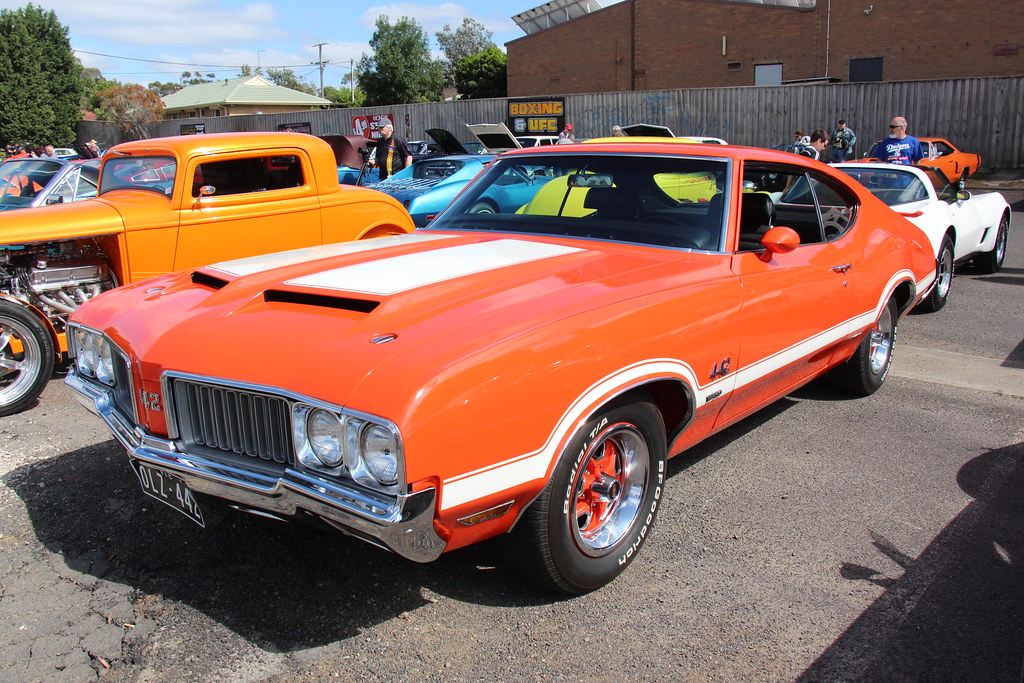
The popularity of the W-30 skyrocketed with the later versions of the car. The muscle car market was highly competitive, and manufacturers needed to advertise aggressively to promote their performance cars. The later versions of the W-30 received more media coverage and attention which led to their increased popularity. Compared to the very first version of the W-30, later cars received more hype and were seen as more desirable.
Historical Recognition:
- W-30 became popular in the 1969 and 1970 models
- More media coverage was dedicated to the W-30
- W-30 received more attention due to popularity
- W-30 was more desirable compared to the competition
The early popularity of the W-30 signified the rise of the performance division at Oldsmobile. It created a base for future W-Machines as the popularity of later versions grew exponentially with the release of each new model. While the early versions of the W-30 did not receive much public attention, they signified the establishment of Oldsmobile as a performance car manufacturer.
The later versions received much more attention and popularity, overshadowing the early versions of the car. This decreased the reputation of the 1966 model as many enthusiasts failed to realize its significance. Fewer buyers were interested in purchasing one of the very first W-30 cars as they were seen as less desirable compared to other versions.
8. Was For Serious Enthusiasts
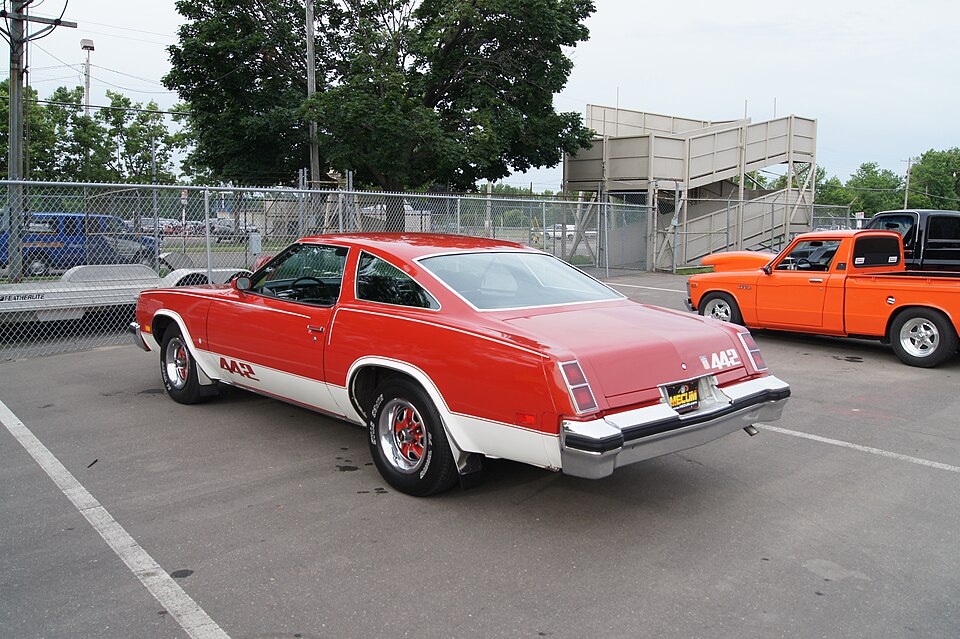
Serious car enthusiasts were the ones who appreciated the approach that Oldsmobile took with the W-30. It was not as flashy as many of its competitors, but it provided a rewarding driving experience to those who knew how to enjoy it. Every modification was made with the driving experience in mind, not to attract buyers with its flashiness. The W-30 signified the improvements made to the 4-4-2 model, not the promotion of the performance car division.
Driver-Focused Design:
- Serious driving enthusiasts appreciated the approach of Oldsmobile
- Practical improvements rather than style
- More reliability rather than flash
- Engineers made the modifications to enhance the driving experience
- Performance was the main focus of the W-30
Compared to many of the other performance cars on the market, the W-30 gave enthusiasts what they truly wanted. The engineers did not focus on the superficial parts of the car but rather on what made it truly special. It was a car that delivered a powerful and reliable driving experience that few other manufacturers provided.
Those who truly appreciated the engineering of the W-30 were serious enthusiasts who only purchased it to enjoy the driving experience. The popularity of the W-30 signified the appeal of the practical performance modifications and the reliability of the car as a serious performance machine.
9. Became A Collectible Classic
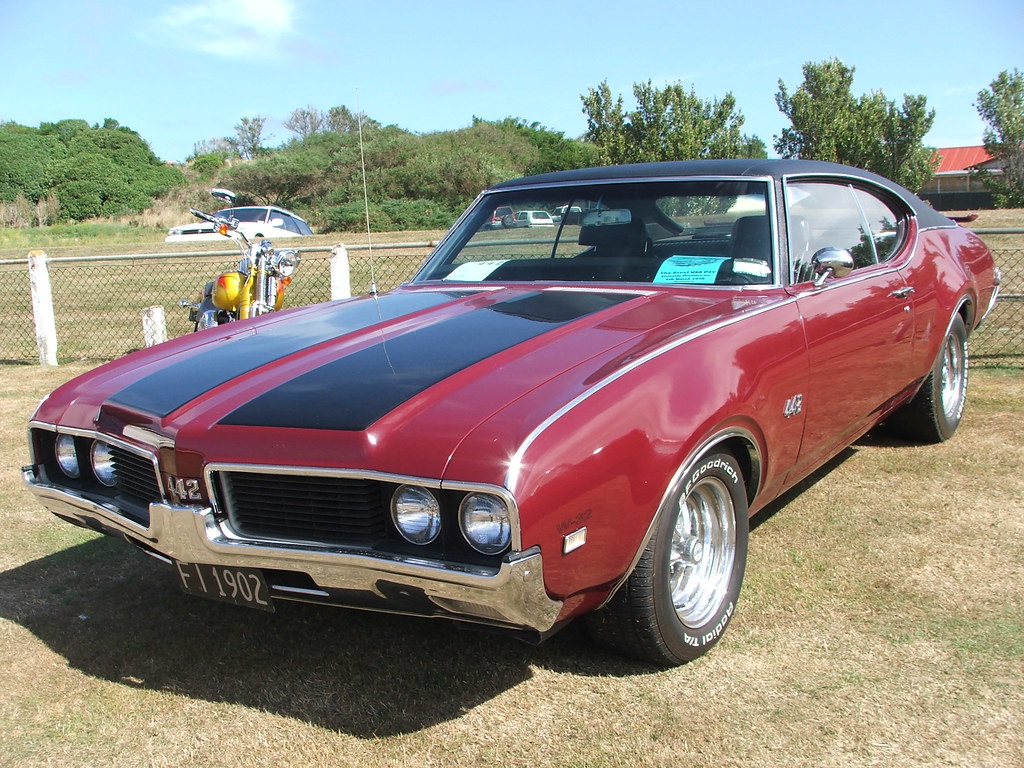
The collectible status of the W-30 has significantly improved over the years. The popularity of the W-30 was due to its availability as it was a performance package that few could afford. At the time of its introduction, it only added a mere 260 dollars to the price of the 4-4-2. The popularity of the W-30 at the time was due to its affordability compared to other performance cars on the market.
Collector Market Appeal:
- W-30 has extreme collectibility
- The added performance did not come at a high cost
- Increased in value significantly over time
- High demand for performance cars of the era
- The value of the W-30 was unmatched at the time of its production
Those who were aware of the value of the W-30 could purchase one when they had the opportunity. However, those who missed their chance to purchase one of these legendary performance cars would have to wait for another opportunity as they were not widely available.
Even today, the demand for the W-30 greatly exceeds the supply, making it one of the most sought-after collector cars. Those who know the true value of the W-30 can purchase one at a reasonable price while those who missed their chance regret not investing in the W-30 at an earlier date. Authenticity and condition play a significant role in the value of the W-30 which is why many car collectors are interested in acquiring one of these rare performance cars.
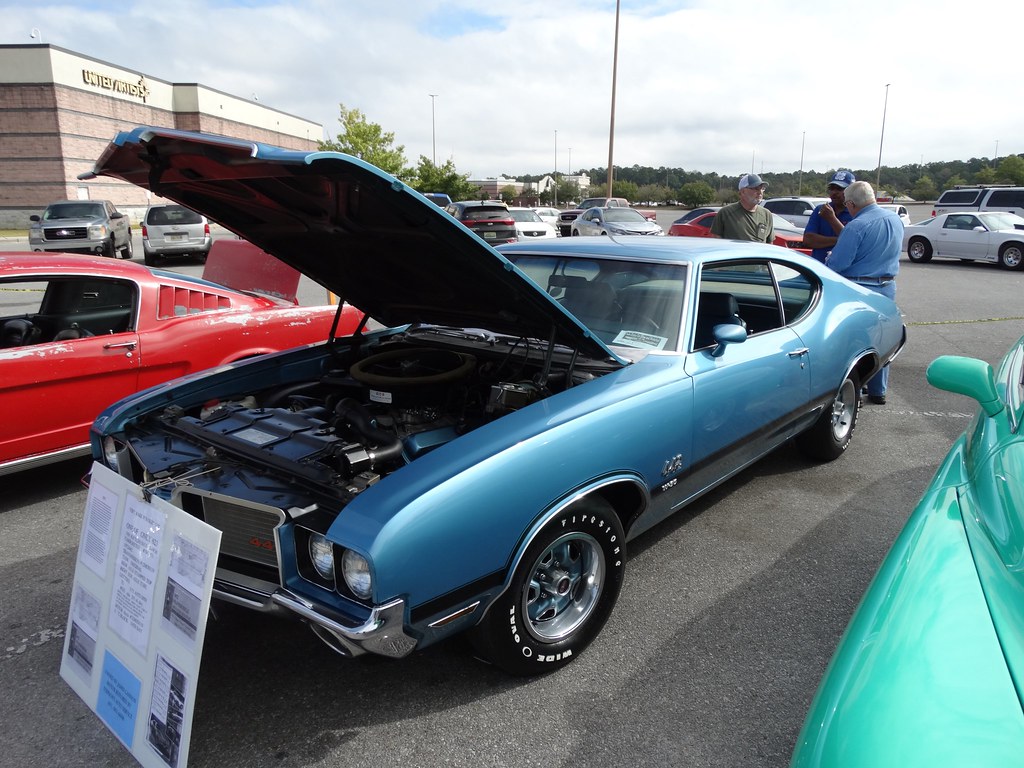
10. Will Continue To Grow In Value And Popularity
While the W-30 may have been overshadowed by its more popular and widely available counterparts, it will continue to grow in value and popularity. The popularity of the W-30 has increased significantly over time, and enthusiasts continue to appreciate this legendary performance car. Compared to many of its competitors, the W-30 offered serious modifications while delivering on drivability and power. It signified the beginning of Oldsmobile’s entry into the performance car market and was one of the few cars that could rival the big three.
Enduring Legacy:
- W-30 will continue to gain popularity over time
- Serious modifications were made to the car
- The car has extreme collectibility
- Increased in value significantly over the years
- Few enthusiasts were aware of the value of the car at the time
The 1966 W-30 signified the arrival of Oldsmobile as a performance car manufacturer. It provided serious competitors to the big three while offering serious modifications to buyers. With its incredible power and reliability, the W-30 was one of the few performance cars that could truly rival many of its competitors.
The lasting legacy of the W-30 has continued to grow over time, making it one of the most popular performance cars among car collectors. Its popularity is due to its incredible power, modifications, and reliability as a performance car that could withstand the test of time. Many enthusiasts and collectors will continue to appreciate this legendary performance car and increase its value significantly in the future.