








The Science Behind Brake Fluid Care and the Two-Year Maintenance Schedule
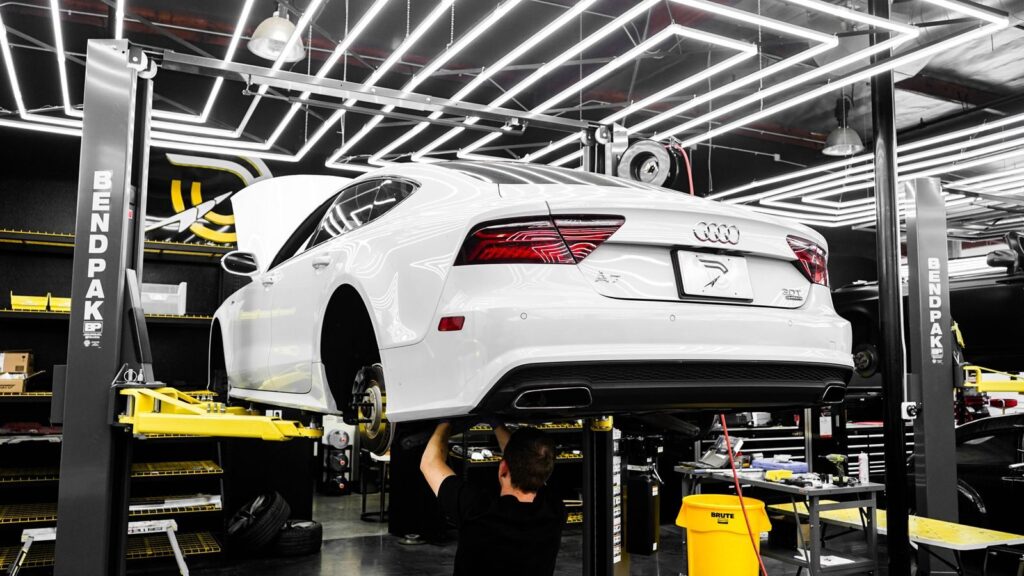
A Force To Be Reckoned With: The Role of Brake Fluid When you push the brake pedal in your vehicle, you’re relying on the perfect transfer of force to stop the many tons of moving machinery inside. And that’s where your brake fluid plays a critical role, as a liquid that’s able to withstand the enormous heat generated by high pressure. Because this fluid can’t be compressed, it transmits the physical force you exert on the pedal to the calipers and wheel cylinders, pushing the brake pads against the rotors. Brake fluid lubricates internal seals and lines, and also protects your vehicle’s metal components, which means it’s a vital consideration in a consistent braking experience.
To understand brake fluid, you need to think not only about the service interval but also about the chemical and physical conditions that can cause the fluid to break down. Typical brake fluids are glycol-ether based and contain chemical additives designed to prevent corrosion, ensure a high boiling point and keep the fluid at the required pressure and flow rate throughout the hydraulic system. However, the ingress of moisture into the system will alter the characteristics of the fluid, with the effects of heat and oxidation aging the fluid and contaminated fluid actively promoting corrosion, along with a soft or spongy pedal.
1. Brake Fluid’s Role in the Braking System
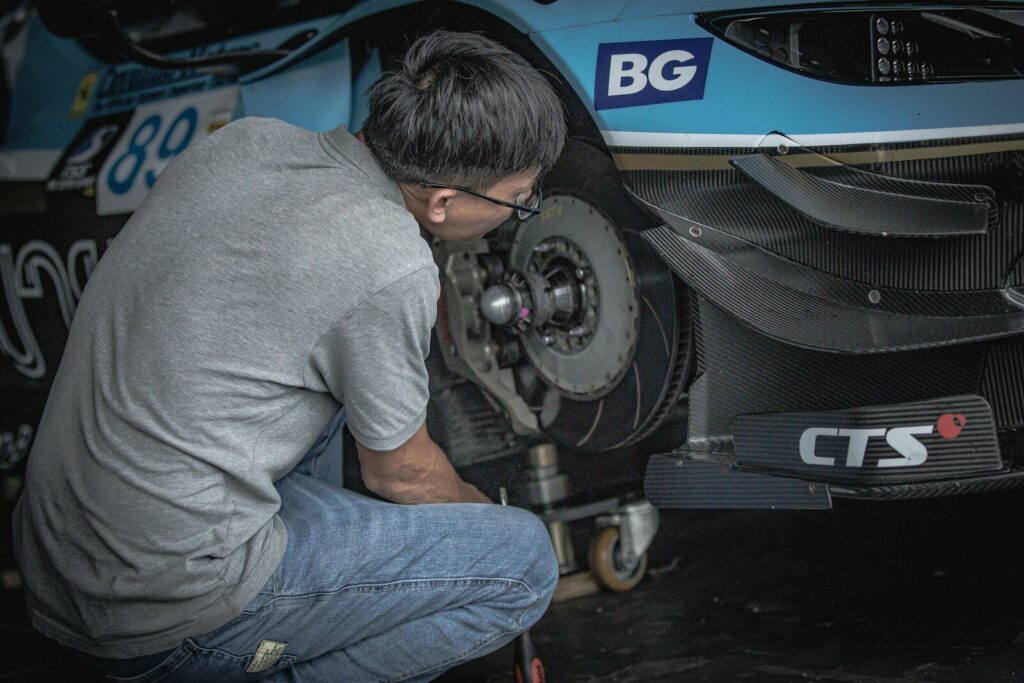
What Does Brake Fluid Do? As a hydraulic liquid, brake fluid is the medium by which the force generated by the driver’s pressing of the brake pedal is transferred to the wheels. Because it does not compress, the brake fluid is able to efficiently transfer that physical pressure down the lines to the calipers and wheel cylinders, which will cause the brake pads to be pressed firmly against the rotors and generate the braking friction needed to slow the car. Brake fluid is also called on to fulfill a range of other duties, from lubricating the internal brake line seals to shielding the sensitive metal parts inside the brake line.
Brake Fluid Functions:
- Transfers pedal force
- Operates under high pressure
- Handles high temperatures
- Lubricates internal seals
- Protects metal components
The hydraulic nature of the braking system means the condition of the fluid directly affects how effectively pedal pressure reaches the braking components. A properly functioning fluid maintains the connection between the driver’s pedal input and the calipers or wheel cylinders. At the same time, lubrication helps internal seals operate properly, while protection against corrosion helps preserve metal components within the hydraulic system. Because braking requires consistent and immediate force transfer, the fluid must retain its physical properties over time. Maintaining its condition therefore supports the basic operation of the braking system and helps ensure that every brake pedal application can produce the intended stopping response.
2. Brake Fluid Chemical Composition
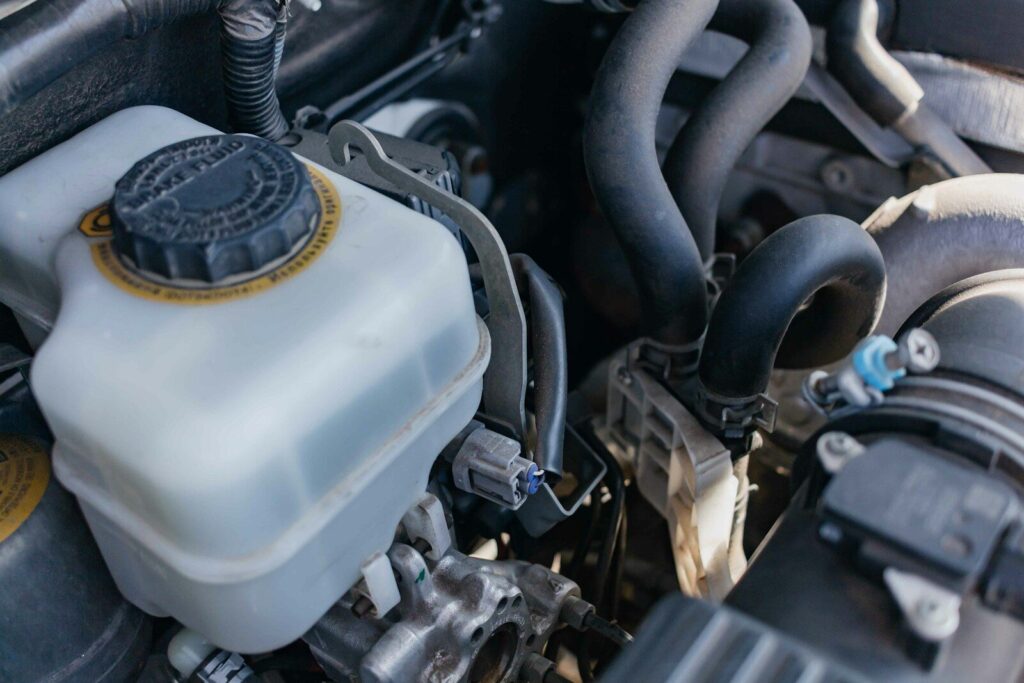
The majority of most brake fluids on the market utilize glycol ether based brake formulations that are comprised of ethylene glycol or propylene glycol as the fluid base along with state of the art additives. These additives each serve a specific engineering function on all critical brake system surfaces. Corrosion inhibitors protect all metal parts from rust, boiling point additives elevate the boiling point of the brake fluid to prevent it from boiling as the temperature increases due to the forces of braking, and wetting agents help maintain even coverage to prevent air bubbles from developing. The individual chemicals work together to keep brake fluid stable and functioning while under pressure and high temperatures.
Brake Fluid Components:
- Glycol-ether base
- Corrosion inhibitor additives
- Boiling point agents
- Wetting agents
- Moisture-resistant performance
All of these elements work in conjunction to ensure the high functioning nature of a responsive braking system. These additives are specifically formulated to resist pitting, corrosion, and even the vaporisation of the hydraulic fluid in the high heat conditions of extensive braking. Wetting agents allow the fluid to disperse evenly throughout the entire system, and prevent the formation of pockets of air in the system, maintaining a constant pedal feel and predictable brake response. The problem is, these fluids are not a permanent chemical formulation, and can break down as the effects of moisture, and thermal strain, deteriorate the additive package that provides the protection and high temperature response from the fluid.
3. Why Brake Fluid Absorbs Moisture
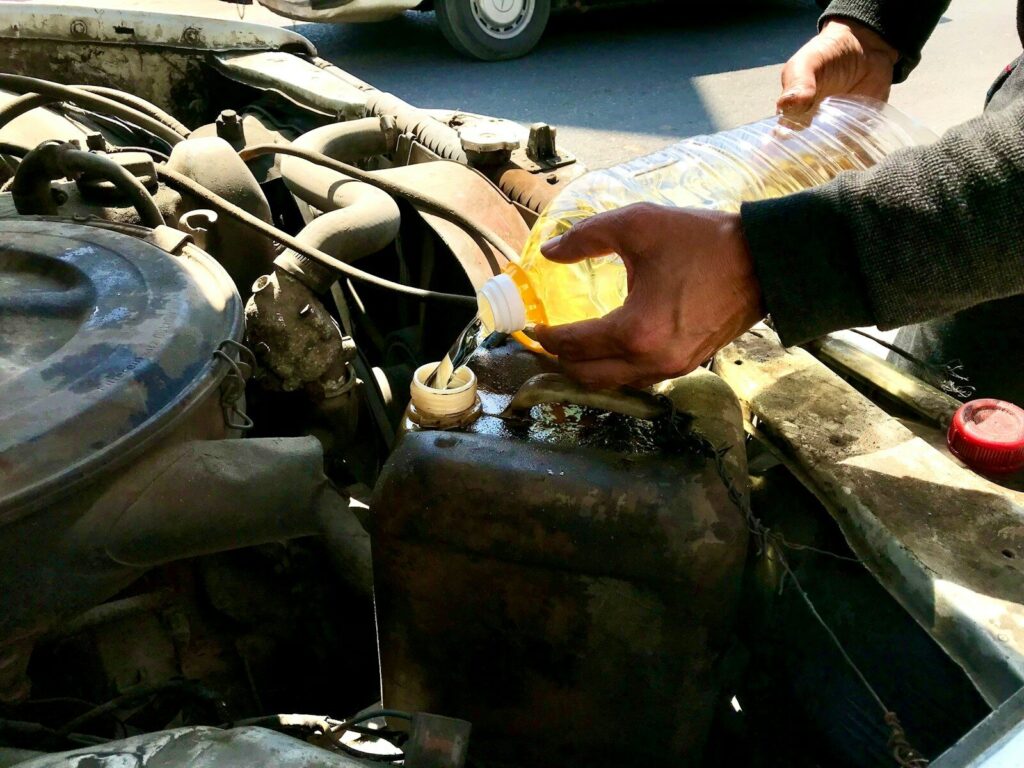
The link between brake fluid and moisture is its properties. It’s inherently hygroscopic, meaning it’s going to absorb water vapour from the surrounding atmosphere, and while the brake system is a sealed one, water molecules are small enough to migrate through flexible hoses, through reservoir caps, and around seals. As you accumulate moisture in the brake fluid, the boiling point of the hydraulic fluid drops; and if you’re taking long, steep mountain drives, lifting heavy loads, or constantly moving in rush hour traffic, the heat generated when you stop and then turn the brake pedal into a forceful piston can boil out water contaminated fluid. When that happens, steam bubbles can develop, causing brake fade.
Moisture Effects on Brake Fluid:
- Absorbs atmospheric moisture
- Lowers boiling point
- Creates steam bubbles
- Causes brake fade
- Reduces braking consistency
The gradual entry of water is one reason brake fluid cannot be treated as permanently stable simply because it remains inside a sealed hydraulic system. Moisture can find its way through small pathways in hoses, seals, and reservoir components. Once absorbed, the water changes the fluid’s boiling characteristics and creates greater risk under high-temperature braking conditions. When contaminated fluid reaches its boiling point, vapor forms inside the hydraulic lines. Unlike brake fluid, vapor is compressible, meaning part of the pedal force can be absorbed instead of being transmitted effectively to the braking components. This is why moisture accumulation can eventually become a safety concern, particularly during situations involving sustained or repeated braking.
4. Heat, Oxidation, and Brake Fluid Deterioration
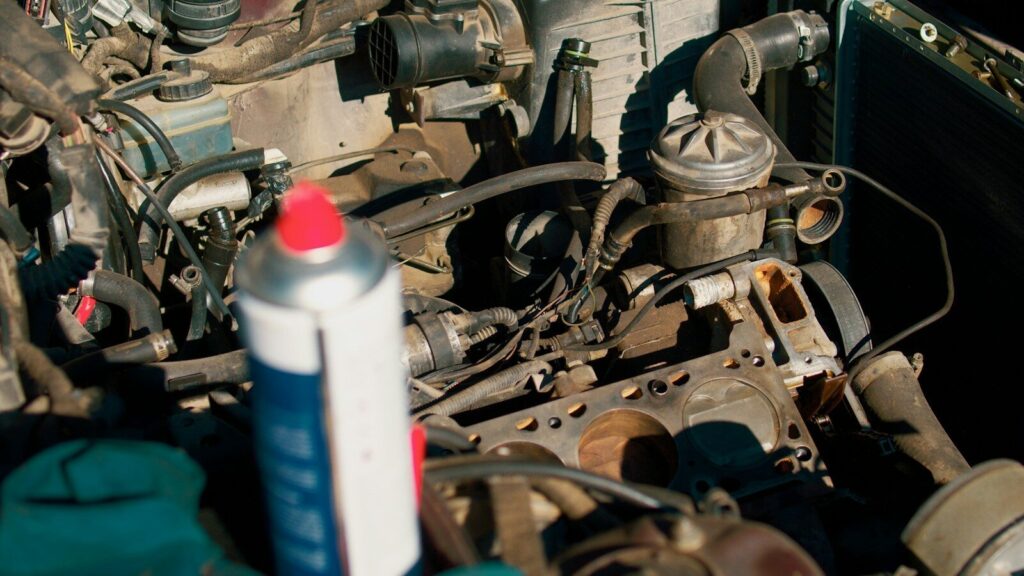
Over time thermal stress and oxidation speeds up the decomposition of the brake fluid where heat from braking friction may cause important additives to disintegrate, leaving the fluid ineffective in protecting the internal components against rust and oxidation. As corrosion inhibitors are used up, moisture causes oxidation that then damages the metal components of the calipers, master cylinders and ABS hydraulic units. Harmful byproducts and floating debris are also created in the fluid, reducing lubricity and increasing friction between the internal components. So this breakdown of chemicals not only affects the boiling point of the fluid but can lead to internal component wear and corrosion throughout your hydraulic braking system.
Brake Fluid Deterioration Signs:
- Thermal additive breakdown
- Corrosion inhibitor depletion
- Internal component oxidation
- Floating debris formation
- Reduced fluid lubricity
One of the common physical symptoms of bad brake fluid is a pedal that feels soft and/or spongy when you press on it. If vaporized water or air bubbles get into the lines, then the hydraulic pressure has less of a firm transfer into the other components and the pedal response feels “soft” and soggy. The steel components within the system can be affected and degraded by corrosion and contaminants over time while the fluid itself loses its original protective qualities, which can be aggravated by heat, excessive moisture, oxidation, and the loss of additives. Changing the fluid regularly helps prevent the fluid from being degraded any further.
5. The Two-Year Brake Fluid Maintenance Schedule
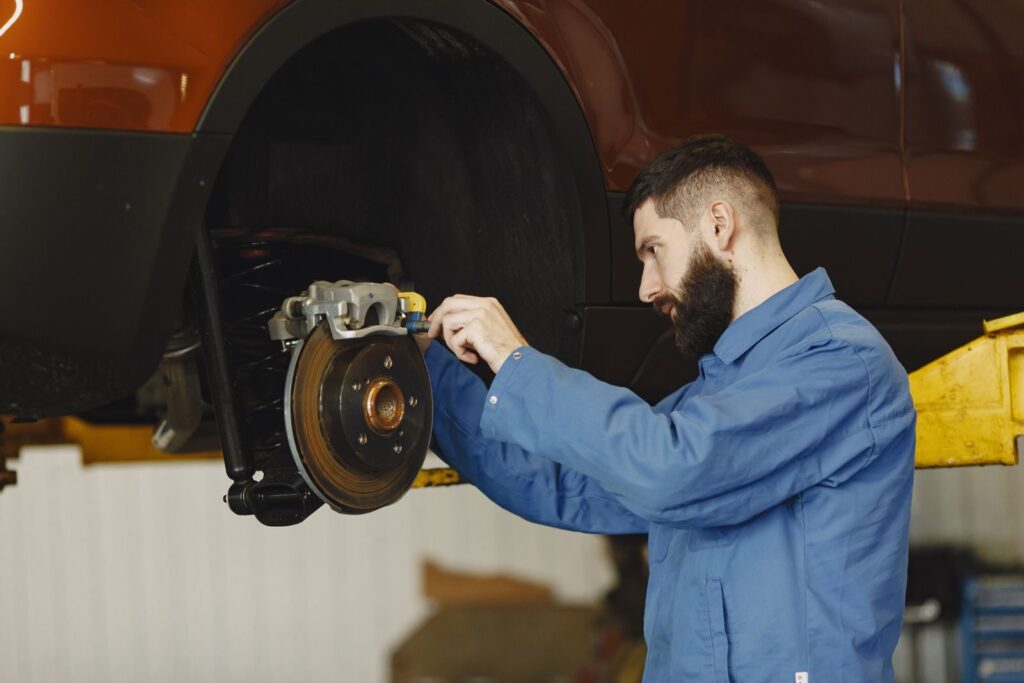
Most automotive engineers and car makers recommend a fluid change at 2 years/24,000 miles. This is due to moisture absorption, chemical degradation and thermal stress over time. The two-year claim is based on an average rate of moisture absorption in different temperatures, so that the fluid is at a reasonably safe level of moisture and chemical contamination and a good back-up to prevent long-term damage happening to braking components and reduce the risk of degrading the fluid further. It also passes the boiling point of the fluid so that if you are braking heavily, there’s less risk that these contaminants will cause problems elsewhere in the hydraulic brake system.
Two-Year Brake Fluid Schedule:
- Replace every two years
- Follow 24,000-mile interval
- Remove accumulated moisture
- Clear oxidized contaminants
- Restore boiling performance
The purpose of a regular fluid replacement is preventive rather than reactive. Waiting until a noticeable braking problem develops allows moisture and contaminants to remain inside the system for longer. Replacing the fluid on the recommended two-year or 24,000-mile schedule helps remove the materials responsible for reduced boiling performance and internal contamination. Fresh fluid restores the hydraulic system’s ability to operate under high temperature and pressure while also providing renewed protection for internal components. The schedule therefore connects directly to the chemical behavior of brake fluid. Rather than being an arbitrary service task, the interval addresses the gradual changes that occur as the fluid absorbs moisture and experiences repeated thermal stress.
6. Visual Brake Fluid Inspection
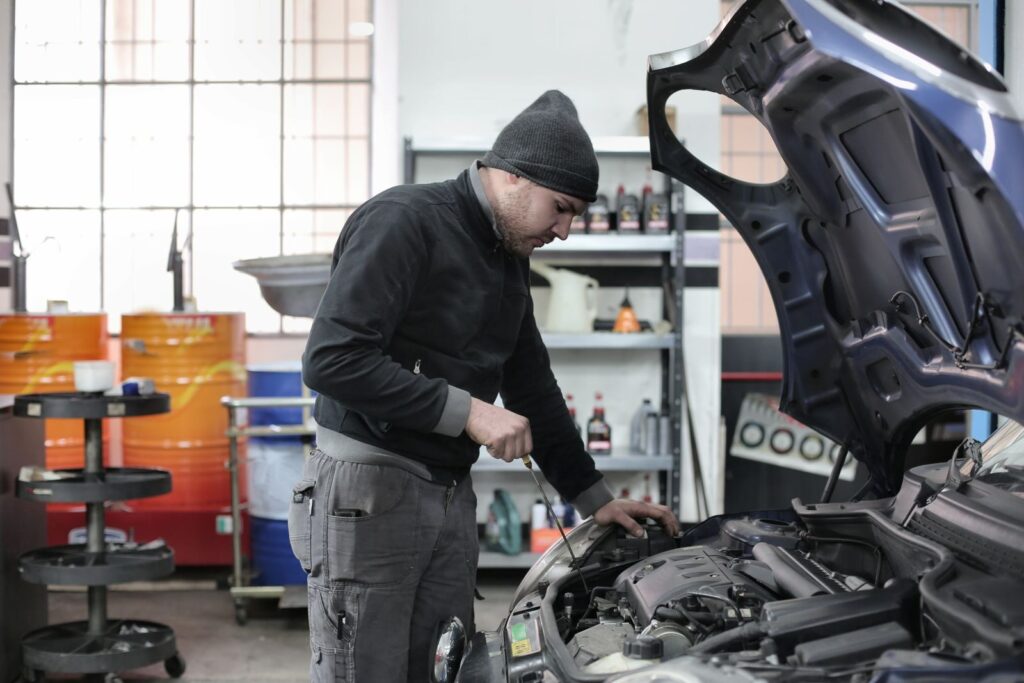
Monitoring brake fluid can be as simple as a visual check performed in your own garage. Fresh, quality brake fluid normally will be light amber, clear and brightly yellowish or transparent in the master cylinder reservoir. Dark brown, black or cloudiness, however, should be taken very seriously. Sediment and other particles suspended in the fluid, fluid level compared to the markings on the reservoir, and the burned appearance and odor also can help you rule out other problems and discover early warning signs of internal component wear and/or excessive brake system temperatures.
Brake Fluid Inspection Checks:
- Check fluid color
- Look for cloudiness
- Inspect floating particles
- Verify fluid level
- Notice burnt odors
Visual inspection requires no equipment other than your own eyes, so it’s often a convenient place to start. If your fluid has a clear or light color, it should be easily distinguishable from fluid that has turned dark and murky or has contaminated with debris. If you notice floating particles in the brake fluid reservoir, or if the fluid level falls outside the marked range, it may signal that a problem has developed inside the braking system. The fluid should not smell burnt, but this may also be an indicator of how much moisture or other material has accumulated in the fluid.
7. Brake Fluid Testing Tools
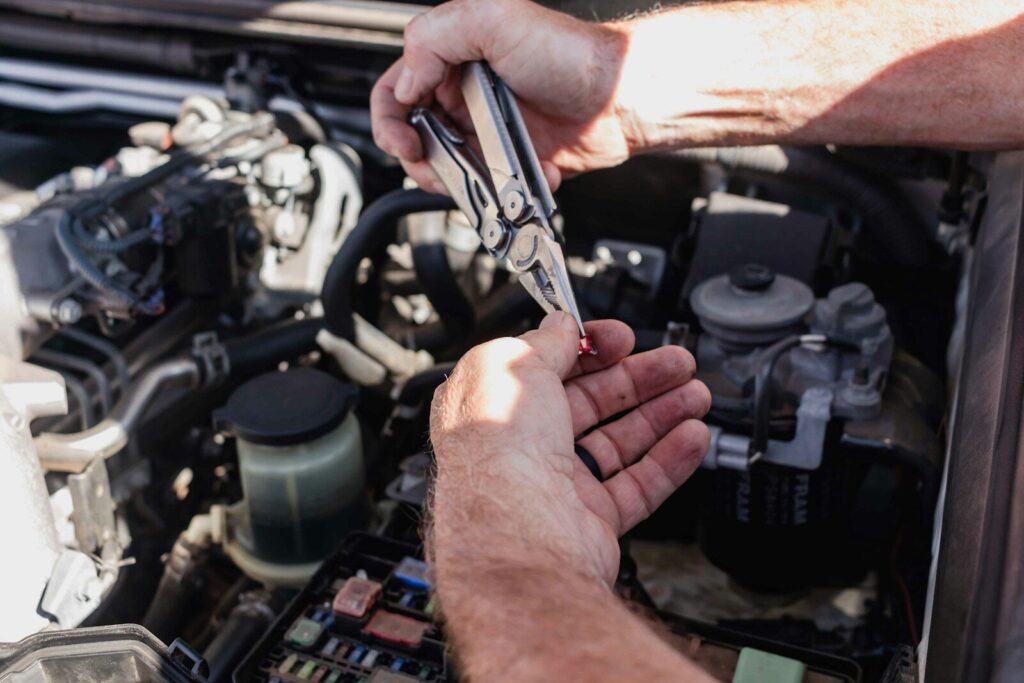
However, specialized diagnostic equipment can give you a lot more information than can be obtained with a visual examination. For example, double-ended brake fluid test strips are a quick and easy test to get information about water absorption and general fluid chemistry. Refractometers give you more scientific information as they tell you how high a boiling point your fluid has, along with the moisture level. Small electronic brake fluid tester pens can provide another level of test information, along with corrosion-resistant probes, screen displays, buzzer alarms, multi-color backlights, or five-LED indicators, if desired, for test pieces including acidity and water content, with some calibrating to within 0.3 percent and containing technology for DOT 3, DOT 4, and DOT 5.1.
Brake Fluid Testing Tools:
- Double-ended test strips
- Refractometer boiling-point testing
- Electronic tester pens
- Moisture content measurement
- Acidity testing capability
Tools can yield different information about the fluid Test strips are fast and convenient to check, and you get more precise boiling point and moisture levels with a refractometer. An electronic tester pen adds digital reading and can evaluate the presence of water, moisture, or even acidity. There are some products out there that can read on DOT 3, DOT 4 and DOT 5.1 at up to 0.3 percent accuracy, so those kinds of diagnostic tests can be useful tools when traditional visual assessments don’t tell the whole story. The bottom line: When you work this into the existing recommended maintenance schedule, diagnostic testing is one more way to stay on top of hydraulic fluid condition.
8. Choosing the Correct Brake Fluid Specification
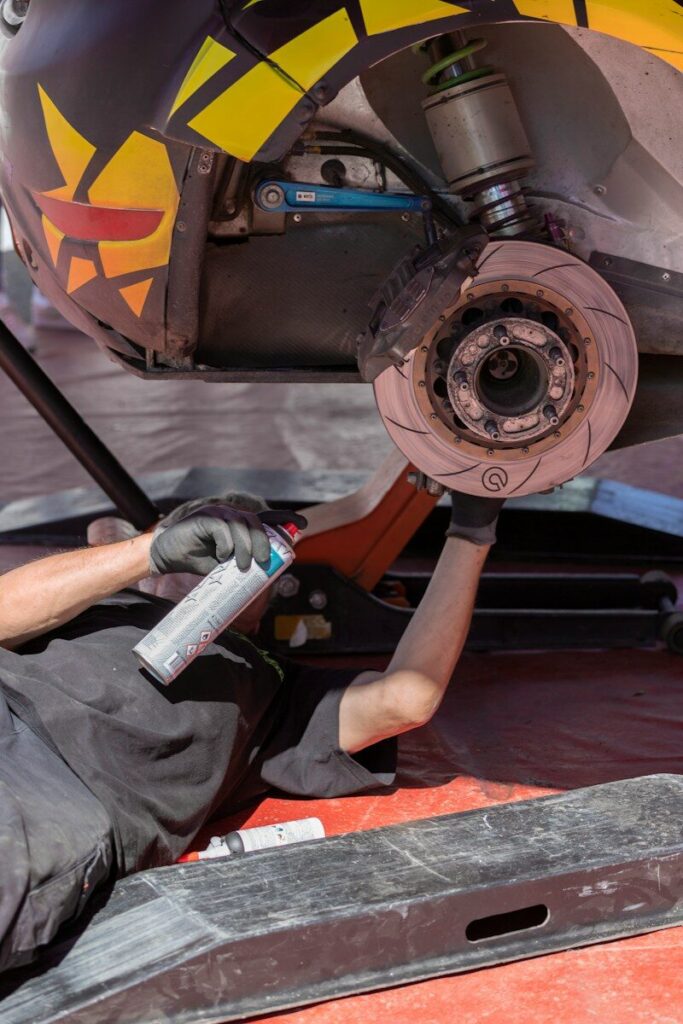
Choosing the right brake fluid specification for your car The choice of brake fluid specified by the manufacturer is essential to ensure the hydraulics remain safe and effective and that components last longer. Department of Transportation specifications range from glycol-based liquids (DOT 3, DOT 4, DOT 5.1) to silicone-based (DOT 5). DOT 3 has average moisture-handing characteristics suitable for everyday passenger cars; DOT 4 has higher boiling points and better moisture handling capabilities for more modern vehicles; and synthetic DOT 5.1 has a very high boiling point and is typically used in high performance or European vehicle applications. DOT 5 is a silicone-based product that does not readily absorb moisture but has a different set of compatibility properties to glycol fluids.
Brake Fluid Specifications:
- DOT 3 glycol-based fluid
- DOT 4 higher boiling point
- DOT 5.1 high-temperature performance
- DOT 5 silicone-based formulation
- Follow manufacturer specifications
The differences between these fluid types make correct specification selection particularly important. DOT 3 is described as suitable for everyday passenger cars, while DOT 4 provides higher boiling point ranges and improved moisture resistance. DOT 5.1 delivers exceptionally high boiling point performance and is associated with high-performance or European applications. DOT 5 uses a silicone-based formulation and absorbs water differently from glycol-based fluids, but it can present compatibility issues with certain systems. Because these formulations have different chemical characteristics, using an incorrect fluid can affect system operation and component compatibility. The vehicle manufacturer’s specified DOT grade should therefore be confirmed before any fluid replacement is performed.
9. Brake Fluid Bleeding and Replacement
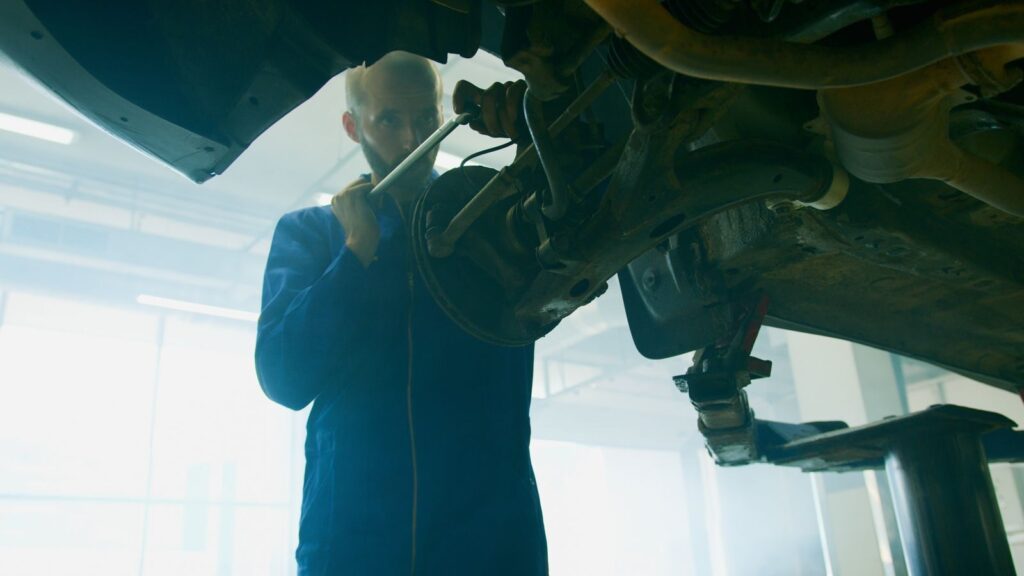
Bleeding brake fluid restores the hydraulics, eliminating spongy pedal travel, which can be caused by contaminated fluid or even excessive heat. Start by parking the car on a level surface, engaging the parking brake, and cleaning the reservoir cap in order to avoid microscopic debris from flowing into the hydraulics. Confirm the DOT grade and system capacity in the owners manual. Pressurized bleeder machines and scanner kits enable flushing contaminated brake fluid while mechanics typically bleed in a specified order: right rear, left rear, right front, then left front, with fresh fluid constantly flowing into the reservoir so new bubbles or foamy fluid doesn’t enter the line.
Brake Fluid Replacement Steps:
- Park on level surface
- Clean reservoir cap
- Confirm correct DOT grade
- Follow bleeding sequence
- Maintain fresh fluid level
Step-by-step replacement To prevent fluid contamination of the hydraulic system, the new brake fluid must be kept clean and protected during the replacement. When the flush of each line has been carried out in the order specified, the hydraulic system should be inspected carefully for leaks, still maintaining the reservoir with clean fluid during the whole operation to prevent air getting into the lines. The object of the procedure is to evacuate the contaminated fluid from the system while maintaining pedal action of even quality for the transmission of pedal force. At the end of the operation, check that the system is free of leaks and that a firm pedal is obtained in order to complete the replacement.

10. Preventive Brake Fluid Care
Taking Charge About Brake Fluid Maintenance Applies To More Than A Service Condition Mastering the easy art of visual checks on your brake fluid conditions and levels can be an important part of your overall brake maintenance schedule. Establishing a regular check can provide clear signs of change in fluid color, clarity, sediment, level, and odor. Using precision testing equipment can give you further clues about moisture, acidity, and boiling point. With good maintenance practices, you can routinely flush out moisture and oxidized particles before they contribute to brake fade, lower boiling points, and internal corrosion to the calipers and master cylinder, ultimately protecting the hydraulic connection between your pedal and your brakes.
Brake Fluid Care Practices:
- Perform regular visual inspections
- Test moisture and acidity
- Follow two-year replacement schedule
- Protect internal brake components
- Check for hydraulic leaks
Consistent maintenance helps keep the braking system prepared for the high temperatures and pressure involved in stopping a vehicle. Brake fluid gradually changes because of moisture absorption, thermal stress, oxidation, and additive depletion, so its condition should not be judged only by how the vehicle feels during normal driving. Combining inspection, diagnostic testing, correct fluid selection, and timely flushing addresses the different stages of fluid deterioration. Following the recommended two-year or 24,000-mile interval also provides a structured way to remove accumulated moisture and contaminants. By maintaining the fluid and checking the hydraulic system carefully, drivers can support smooth, immediate, and consistent stopping force throughout regular vehicle use.


