






GM’s V8 Engine Crisis: A Guide for Affected Owners
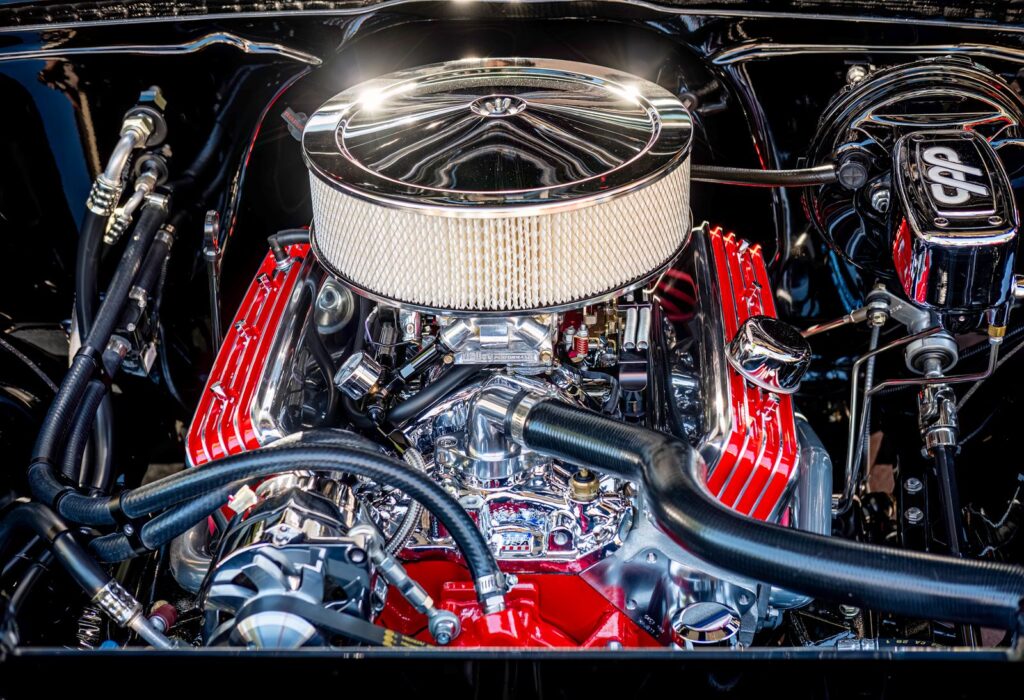
A tempest is building over General Motors and at its heart is the company’s hottest-selling and most potent motor. It is under broad examination by the National Highway Traffic Safety Administration (NHTSA) the L87 6.2-liter V8 engine, which finds its way into hundreds of thousands of GM’s most popular trucks and SUVs. It’s no small thing: the concern is a widespread and hazardous defect that can trigger total engine failure and leaves drivers stranded, on a highway, without a clue or even the option to accelerate.
What was at first a roughly 600,000 vehicle inquiry is expanding after increasing complaints about engine seizure, parts shattering, and even fires were registered. The probe’s focus means that many owners of GM’s top selling models including Chevrolet Silverado, GMC Sierra, Cadillac Escalade, and Chevrolet Tahoe will be concerned that their vehicle may be among the latest to be examined by authorities as a result of a dangerous engine issue, with many worrying the solution will fall short. Below, we dig into the complete scope of the L87 engine’s troubles-what exactly is going wrong, the events that triggered federal intervention, the problematic recall remedy, other L87 engine concerns, and the steps that impacted owners should take.
1. Core Defects Inside the L87 Engine
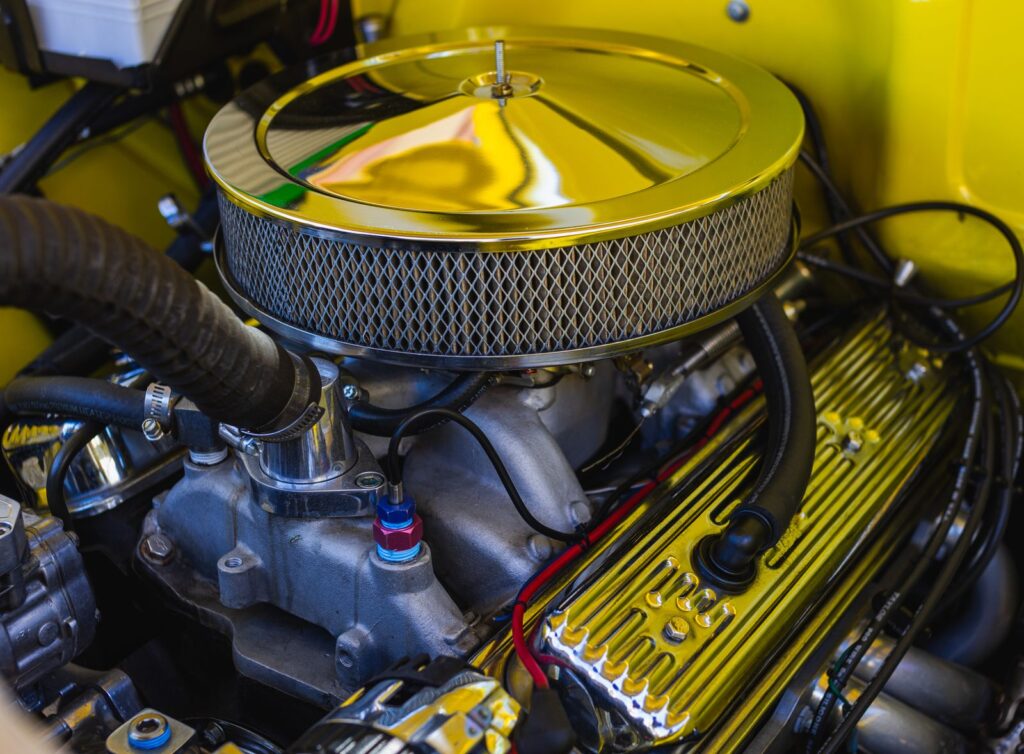
Two major defects plaguing the L87 V8 engine lie at the core of this research. With the L87 a powerful 420 horsepower all aluminum V8 that runs at the very tight tolerances of a modern performance engine there is little room for error in manufacturing. The first defect consists of very small bits of metal known as machining glitter found in many oil passages. Oil circulating once the engine is on and the oil filter are then circulating these bits into critical areas such as crankshaft bearings where they will not be properly lubricated, create excess heat and friction and over time can damage the bearing or eventually total failure of an engine’s internals making the defect extremely serious.
What is quietly killing your engine:
- Two major engine defects
- Razor thin tolerances design
- Machining debris present inside
- Oil system contamination risk
- High damage potential inside
The imperfections clearly signal a lack of precision in the production. Engines with these incredibly precise tolerances require perfectly controlled manufacturing environments where not even tiny amounts of contaminants are able to find their way into the engine. After the tiny pieces of debris make it into the engine’s oil system, the contaminants cycle through and exacerbate damage. Any small flaws cascade to the larger engine failures. Instead of localizing the damage to isolated parts, the engine disseminates the flaws.
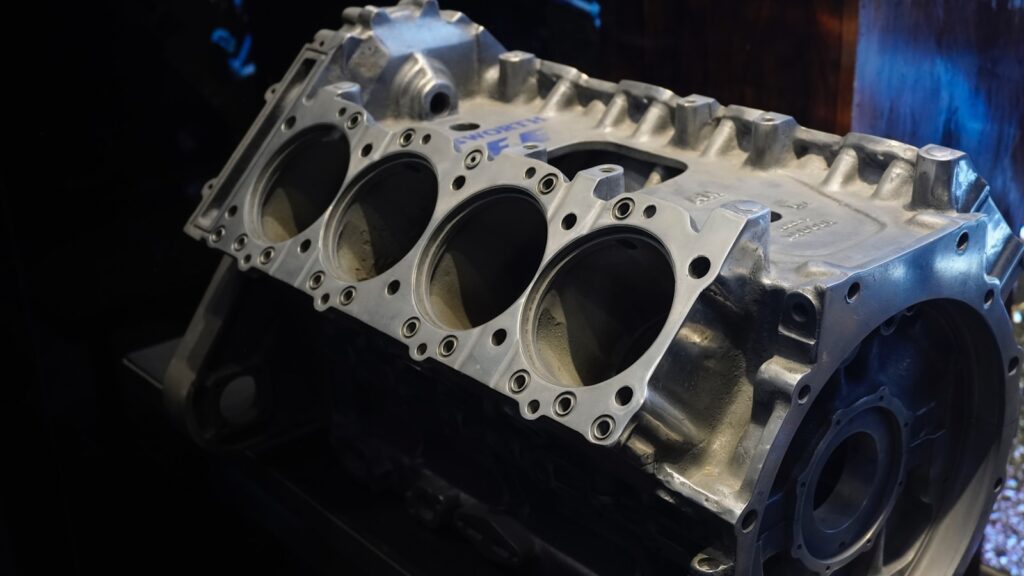
2. Bearing Damage and Metal Contact
In an engine the presence of metal bits in the oil causes damage to the crankshaft bearings. Crankshaft bearings have tight clearances of thousandths of an inch. When the metal shavings compromise the film of oil between two sliding parts, the metals then come in to contact with one another. Metal on metal contact create extreme heat that causes extreme wear of the metal parts. The film that normally between the two surfaces of metal disintegrates at a rapid pace leading to very high amounts of friction. As the metal bearing is eroded the engine begins to run less than smooth, the process takes a short time, usually not noticeable.
The moment metal meets metal:
- Bearings extremely tight clearance
- Oil film gets disrupted
- Metal contact begins quickly
- Heat generation increases rapidly
- Wear accelerates uncontrollably
When this destruction cycle has begun, there’s little you can do but to tear down the whole engine for repair. As the bearing continues to fragment and the damage continues to circulate in the oil, the process continues until complete destruction has occurred. This is a destructive process that’s done to the engine itself. Fortunately for many owners, symptoms of this problem will often not appear until very late, after which there may already be significant internal damage to the components of the engine that may no longer be prevented by oil analysis or preventive measures.

3. Catastrophic Engine Failure Explained
As bearing wear becomes worse, the engine begins to get very close to failure. It’s possible the bearing will start seizing to the crankshaft and begin preventing it from turning as intended. If it gets that bad, this can stress the connecting rod, breaking it in half. It’s even possible for the connecting rod to break through the engine block, which is a complete failure called windowing. This leads to an abrupt loss of power, massive oil leak, and risk of fire if the oil reaches something hot. Some of these engine failures can happen very suddenly and sometimes with less than 100,000 miles on the clock.
From warning signs to disaster:
- Bearings seize to crankshaft
- Connecting rod snaps violently
- Engine block gets breached
- Total power loss occurs
- Fire risk increases significantly
This serious failure makes us wonder about how the malfunction can turn to a real problem. Not like other slow wearing processes, it has the potential of a complete destruction of the engine with no advance warning. Suddenly your engine dies. It becomes a safety problem while it can also be more dangerous if your vehicle runs at a high speed. This leak with high heat has made the vehicle potentially lethal and also leads to costs of repair or complete replacement. It may frustrate car owners when they even notice low miles.
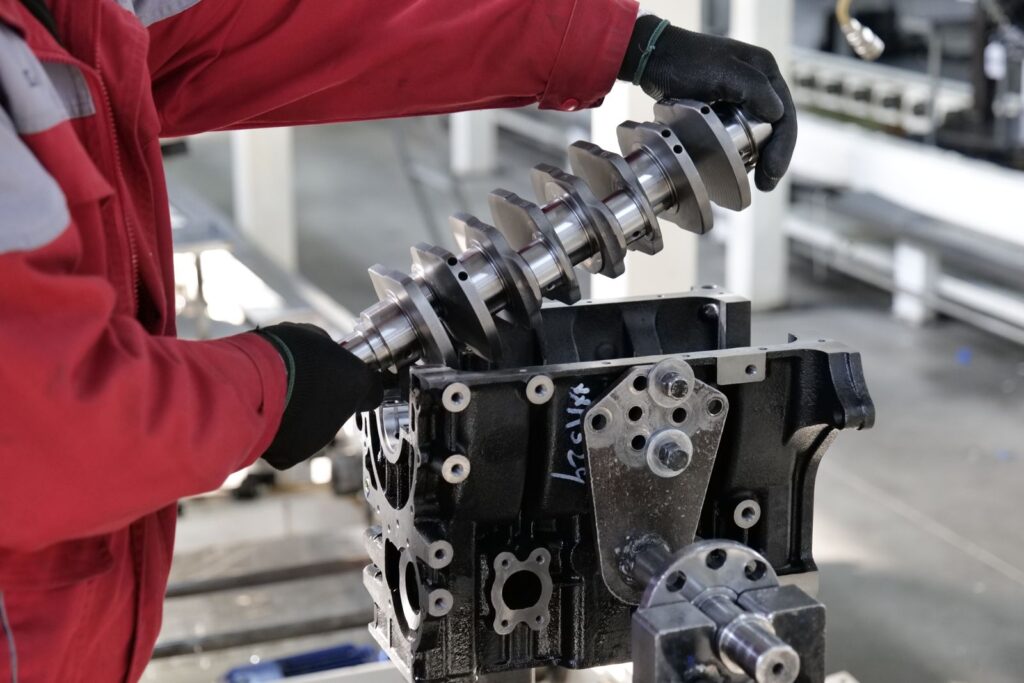
4. Crankshaft Machining Defects
This second main flaw is due to badly machined crankshafts made between 2021-2024. These parts have been produced outside specifications and impact the durability and the engine performance. The main reason is a surface finishing issue on the journal of the bearing, this surface isn’t smooth but feels like sandpaper to the bearing material. This leads to wear due to the friction on the surface and this gets even worse if the already present metal particles is added to that equation, directly contributing to quickly destroy internal engine components.
Key Highlights at a Glance:
- Crankshaft tolerance issues confirmed
- Rough journal surface finish
- Increased friction during operation
- Accelerated bearing wear rate
- Manufacturing quality concerns raised
The machining issue adds a constant source of wear into the engine system. Even without the contamination alone, it would wear down the bearings over the course of their life. In combination with contamination the two sources of wear multiply exponentially. The engine basically gets ground down from the inside which can have severe repercussions in terms of longevity of the engine, and is certainly evidence of a lapse in production standards on that particular part of the engine manufacturing process as those bearings need a very smooth finish to maintain reliability.
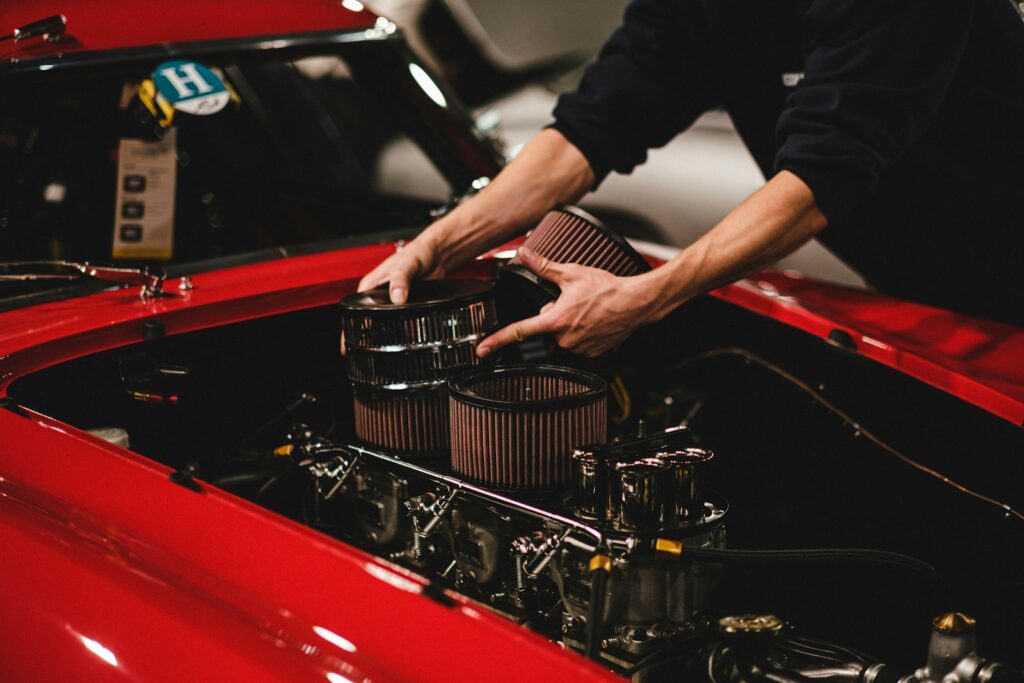
5. Destructive Feedback Loop Inside Engine
The cycle then worsens. Oil contaminants and abrasive crankshaft journal surfaces begin working on each other to the detriment of both components. Bearings pick up dirt that grinds its way around to the crankshaft to gouge at its journals, and material from worn bearings begins to further pollute the oil. Rough journals start scraping away at other components and, as if to accelerate this rapid self-destruction process, the pieces of worn bearings and the original dirt cause further accelerated damage to the crankshaft bearings, creating a very rapid downward spiral that turns imminent failure into a virtual certainty.
The engine destroying itself from within:
- Debris creates continuous damage
- Bearings release more particles
- Oil system spreads contamination
- Rough surfaces worsen wear
- Failure becomes inevitable outcome
What makes this particular cycle even more dangerous is that it perpetuates itself. Once set in motion, this destructive cycle doesn’t need to be sustained by outside forces; it becomes self-fueling. Essentially, the engine becomes the cause of its own destruction, which complicates repairs that simply won’t address the underlying system. The damage continues in an unbroken chain even after small attempts to fix the issue.

6. Rising Complaints and Internal Investigations
Before becoming the subject of a federal investigation, this problem came to light through more than 1,000 owner complaints, and a review by the automaker itself. The company conducted its own internal probes, initiating and then closing out three of these over the last couple of years. Yet, even so, this problem got worse, and a significant portion of owners started sharing their stories online about how their engine would shut off or even outright failed, contributing to the growing body of evidence of engine defects that have plagued these vehicles.
Complaints too loud to ignore:
- Thousands of complaints reported
- Multiple internal probes conducted
- Issues persisted despite reviews
- Owners shared failures online
- Pressure increased on manufacturer
Evidence mounted and that, unfortunately, turned out to be a lot. That’s because patterns consistent problems reported in lots of vehicles suggest more than an occasional failure or anomaly; it hints at some kind of inherent flaw in the design, manufacturing, or operation of a system. The evidence for the problem emerged through owner-to-owner comparisons and interactions that occurred on public forums and in similar online communities where drivers of those cars often gathered to share information about their experiences. It wasn’t just individual complaints anymore, and, clearly, whatever internal processes the automaker was using to assess product reliability weren’t working to give people confidence and, now, regulators were looking, too.
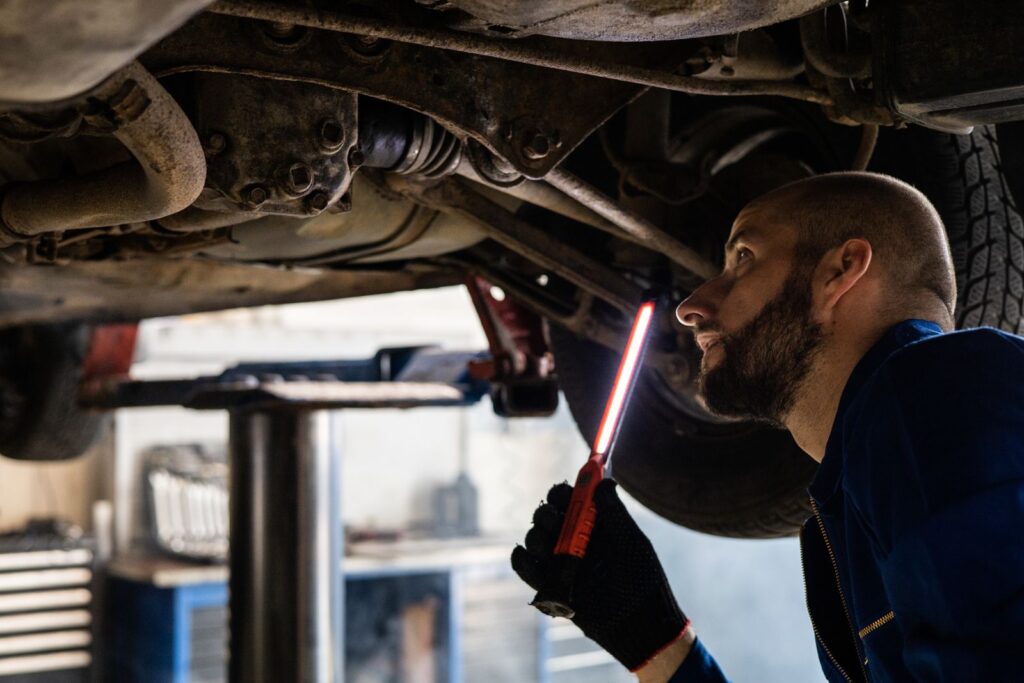
7. Federal Investigation and Recall Action
As complaints continued to flood the office, regulators officially initiated an investigation into the situation. Tens of thousands of complaints related to engines had already accumulated, specifically reporting failures such as total loss of power, not to mention tens of thousands more from internal records. Official investigation began in 2025; internal investigation by the manufacturer had been already reopened, and finally, an recall of vehicles affected. Sale on affected models was also suspended pending appropriate actions.
When Washington steps into the garage:
- Federal investigation officially launched
- Thousands of failures reported
- Internal data confirmed issues
- Recall action initiated quickly
- Stop sale orders issued
At that point the situation changed the course and some regulatory intervention made that this will be looked at in more depth. That it caused a recall to be done did show the recognition of the flaw. It brought to question the earlier internally driven action on this item. The number of units involved also show this has a large population of concern and even with this repair, a number of new problems are raised regarding repair efficiency and long-term reliability of the subject.
8. Controversial Recall Remedy Approach
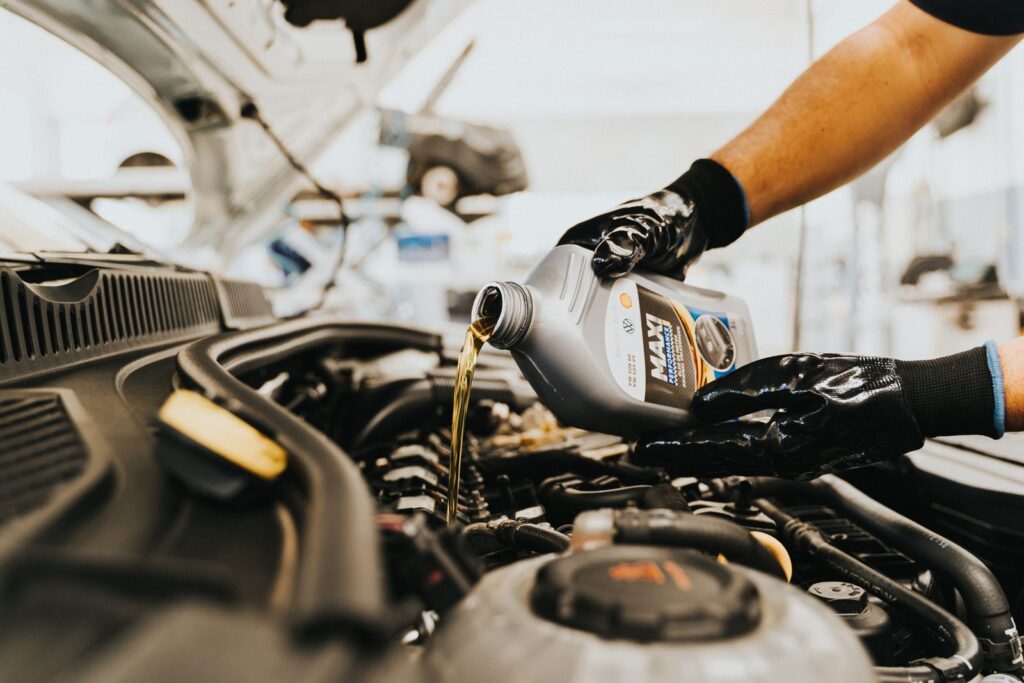
The recall took a two-pronged approach depending on the state of the engine. For vehicles exhibiting clear signs of failure, they received an entirely new engine. For engines without obvious problems, the recall specified an oil change with a thicker 0W 40 grade oil in an effort to prevent excessive wear. Owners were also provided with a new oil cap and update
A bandage on a broken engine:
- Two path repair strategy
- Engine replacement for failures
- Oil change for passing engines
- Thicker oil used solution
- Root cause not removed
The oil changes have been controversial due to its relatively weak benefits. Changing the viscosity doesn’t remove the metal shavings stuck inside your engine. The contaminates still exist and will still do damage, thick oil might cause a temporary friction benefit but won’t remove the continuing damage, creating concerns over long term ownership and questions if this is truly a defect or if you are just pushing failure down the line.

9. Continued Failures After Recall
The efficiency of the recall spurred an investigation by the federal government into what issues remained with engines after the proposed solution was applied. Even oil change engines, some of which were new engines and some that had been changed as part of the fix, were reported as malfunctioning, raising further question as to the reliability of the proposed remedy, resulting in another investigation by the agency into whether the fix solves the issue.
Fixed once broken again already:
- Failures continued after fix
- Replacement engines also failed
- Oil change proved insufficient
- New inquiry officially launched
- Effectiveness under serious question
These continued failures suggest that the underlying issue remains unresolved. If the root cause is not eliminated, the problem will persist regardless of temporary fixes. This creates uncertainty for vehicle owners. The possibility of repeated failures increases financial and safety concerns. The investigation aims to determine whether a more comprehensive solution is required. Depending on the outcome, further corrective actions may be mandated, potentially affecting a large number of vehicles already on the road.

10. Owner Impact and Ongoing Uncertainty
For the owners of impacted vehicles, the repercussions are far-reaching and cause much difficulty. Lawsuits have been initiated by owners to challenge whether the recalls address the root cause of the problem and its effects. Owners are worried about decreases in fuel economy, lower resale values, and being forced to repair the same problem over and over. Owners are urged to watch out for the warning signs, stay up to date on the recalls, and keep a thorough record of all repairs performed on the vehicle.
Real people paying the real price:
- Lawsuits filed against manufacturer
- Fuel economy concerns raised
- Resale value significantly impacted
- Owners advised to monitor
- Uncertainty still continues
Beyond The Mechanism of It It is another glaring example of the effects of manufacturing defects upon consumer experience not only of mechanical aspect of things but also sense of ownership and trust. We can only suggest that we stay vigilant and attentive. It is also important that we record and document the symptoms. The stress is compounded as it is a situation which cannot be resolved and so we have to await till there is a consensus on the matter on the definitive cause of the defect which can lead to a permanent resolution.