Shifting to Park: A Choice That Can Mean Life or Death

Fatal means deadly, or capable of causing death. It is a familiar term in headlines and safety warnings about destructive incidents or hazardous materials. Words like lethal and mortal mean the same thing, but fatal might also imply something feeling like the hand of destiny and if an error leads to a fatal consequence, then the question becomes whether the result was actually unavoidable, or whether a better designed system could have foreseen the oncoming human mistake. That question becomes all the more pressing when the very technology that can prevent the failure is currently alive, able to spot the threat.
In the U.S., an estimated 140 people are killed and 2,000 more are injured every year in rollaway incidents. These occur whenever a vehicle moves without a driver present be it in a driveway, parking lot or a back road. Mechanical fault, electronic systems and human error may all be involved, but the drivers in this piece have uncovered another factor at play in these incidents vehicle design and safety systems. If a vehicle can be aware of what gear it’s in, whether the engine is on, where the seatbelt is and whether a door is open, then should that knowledge be used to roll back the danger of a moving vehicle before the vehicle moves?
1. Rollaway Incidents and the Human Error Problem
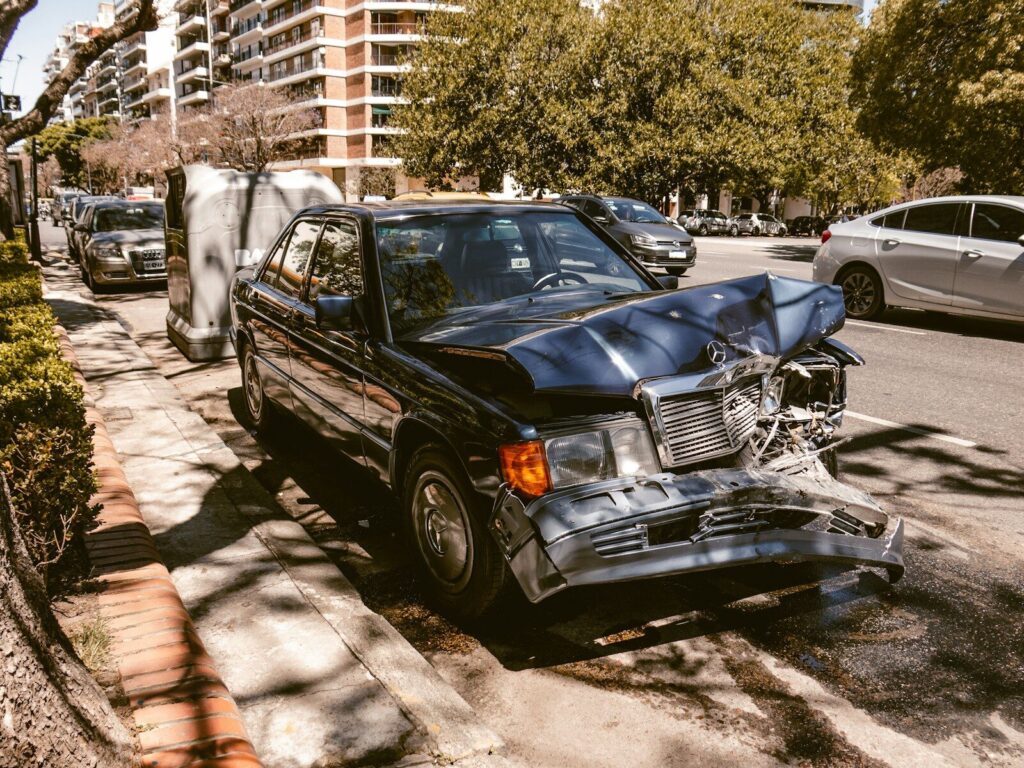
Rollaways are an all-to preventable class of crashes that take about 140 lives and injure another 2000 people annually in the United States. A rollaway occurs when a vehicle “rolls away” unintentionally without anyone driving it (or riding in it). In addition to natural places like parking lots and driveways, a rollaway can occur on a quiet neighborhood street; in a driveway; or even in a parking space at a gasoline station. Mechanical or electronic malfunctions are one explanation for these crashes, but human error is often cited as the explanation something that is true but that also seems to gloss over the fact that many drivers, when faced with the controls of a car they haven’t driven before, may forget or never realize that a “P” means “park” or a shifter that’s used to rows of buttons and stalks when the shifter is in the “Drive” position.
Rollaway Safety Concerns:
- Approximately 140 annual deaths
- Around 2,000 annual injuries
- Unintended vehicle movement
- Human error can contribute
- Vehicles become uncontrolled hazards
The hope is that these accidents happen in the course of very mundane activities, like exiting a vehicle after parking it. Drivers are exposed to all sorts of different electronic shifters, warning systems, buttons, gear selection methods, and there’s a chance of error experienced and confident users can even make mistakes when they believe they’ve parked a vehicle. The logical argument made here is that design should take into consideration that people are humans, and make allowances. If a vehicle can detect a potentially unsafe situation, it can take steps if it is properly designed to avoid a rollaway, and that’s better than simply asking if there was a mistake made.

2. The February 7, 2018 BMW X5 Incident
The incident in Albuquerque, NM on 7th February 2018 where security cameras caught a body shop employee getting into a 2015 BMW X5 and walking away. (When Mr Chicas turned to the vehicle, he extended his hands to try to stop it, but he was pushed down and run over with tragic results.) Death of a body shop employee brought the dangers of rollaway into focus No one ever believed that the BMW’s safety system would save Mr Chicas from this catastrophic rollaway or that the company responsible for its design could have foreseen this outcome but the case proved an important test for the right to sue technology companies over design decisions.
BMW X5 Incident Details:
- February 7, 2018 incident
- 2015 BMW X5 involved
- Albuquerque body shop
- Vehicle rolled rearward
- Jose Chicas was killed
The incident also became important because Mr. Chicas had handled nearly 30 cars that day, including an older X5 that used a different gear selection system. According to the article, he appeared to push the shifter forward believing that he had placed the vehicle in Park. Instead, the vehicle entered Neutral. The difference between these systems became a central issue in the case. After Mr. Chicas exited the X5, the vehicle remained in a state in which it could move. The SUV was on a slight incline and began its silent roll. His attempt to stop the vehicle physically could not prevent the momentum from carrying it forward. The tragedy therefore became an example of the consequences that can occur when vehicle controls do not sufficiently protect against a foreseeable misunderstanding.

3. BMW’s Monostable Electronic Gear Selector
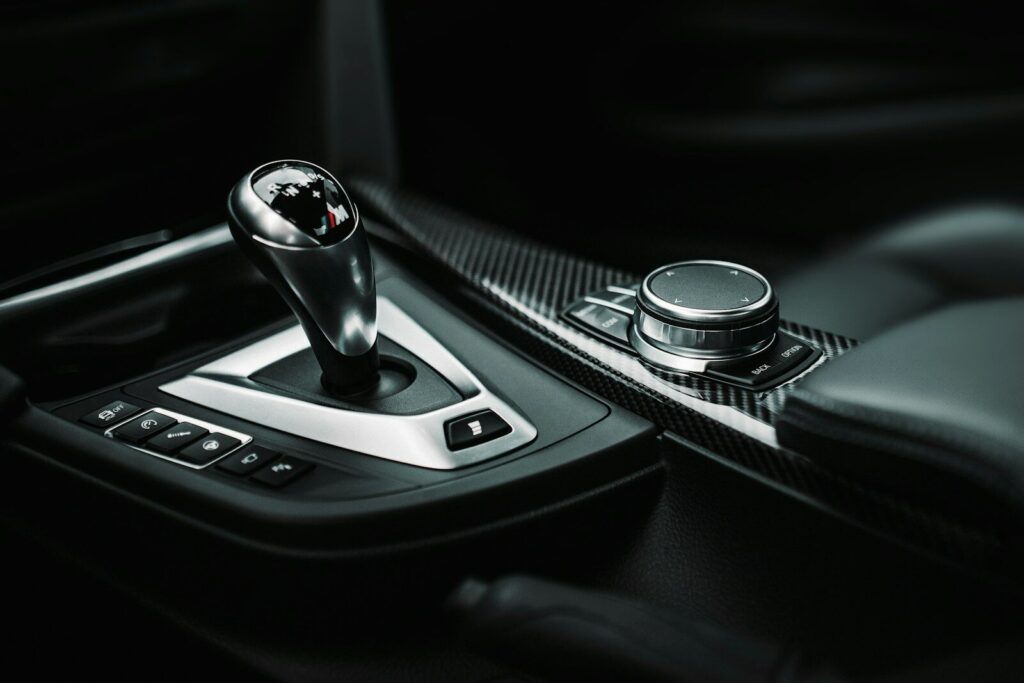
At the core of the Chicas case was the monostable electronic gear selector in the vehicle. Traditional PRNDL shifters physically move from one gear to another and stay there until another gear is selected; monostable shifters return to a central resting position after a gear is selected. To put the vehicle into Park a separate button at the top of the shifter must be pressed. Moving the shifter forward puts the vehicle into Neutral, the crucial point in this case. Mr. Chicas had driven an older X5 that used a different system and had already driven nearly 30 cars on that day. The article states that he apparently pushed the shifter forward in the mistaken understanding that he had put the car into Park, but instead it was left in Neutral.
Monostable Shifter Features:
- Central returning shifter
- Separate Park button
- Forward push selects Neutral
- Different from traditional PRNDL
- Mis-shift became critical
The design difference mattered because the driver could no longer rely on the physical position of the selector to confirm the selected gear in the same way as a traditional PRNDL system. A driver accustomed to another vehicle could potentially interpret the control differently. The article uses the Chicas case to highlight how a predictable human mistake can interact with a complex electronic control system. The concern was not simply that the wrong gear had been selected, but that the vehicle’s safety system did not sufficiently prevent the resulting danger. The situation became even more significant because BMW had previously used a system that could automatically place the vehicle in Park when a driver exited under certain conditions.

4. BMW’s Earlier Automatic-Park Safety System
That had been the idea behind earlier versions of the BMW X5, which offered an automatic-park feature that was aimed at avoiding precisely this sort of problem. The idea was that if a driver left the car and forgot to put it in Park, the car would automatically lock itself in that position. There was a recognition that drivers could mess up, especially when used to simpler shifter buttons, but in addition to some instructions on the computer, there was also an exception for car wash mode, where a vehicle needs to stay in Neutral. In those earlier models, the automatic-park feature was disabled simply by putting the key fob into a special slot near the ignition button; that way, the vehicle would not change from its Neutral setting.
Earlier BMW Safety Features:
- Automatic Park function
- Door-opening safety response
- Protection against mis-shifting
- Key fob Neutral override
- Physical intent confirmation
The earlier design attempted to balance convenience and safety. Normal drivers could benefit from automatic Park protection, while the specific physical action involving the key fob provided a deliberate method for situations such as car washes. The system therefore did more than simply display a warning after a potentially dangerous condition had already developed. It could actively place the vehicle into Park when the driver exited without selecting it. The article presents this earlier arrangement as an example of a safety system that recognized foreseeable human error and incorporated a physical confirmation when the driver intentionally wanted Neutral. This distinction became particularly important when the system was later changed and the key fob slot was removed.
5. The 2014 X5 Safety-System Change
For the 2014 model year, the high lockout safety feature of the earlier automatic-park arrangement was dropped entirely. The fob slot was removed, which also meant no more physical confirmation was needed to put the vehicle into neutral if someone physically left the driver’s seat and stepped out of the car. Automatic Park would now activate if the person in the driver’s seat left while the car was in Drive or Reverse; but for Neutral, the system simply produced a reminder message on the dash and an audible chime in the cabin, with no outward signal like the horn honk that had remained in place for when the door was still open. This function was at the center of the legal case in the Chicas event, since the vehicle could stay in Neutral even when no one was sitting behind the wheel to hear the warning.
2014 X5 Safety Changes:
- Key fob slot eliminated
- Automatic Park limited
- Neutral received interior warnings
- Dashboard message remained
- No exterior alarm
For Mr. Chicas, the result was especially significant because he exited the X5 with the key fob in his pocket. The vehicle remained in Neutral in what BMW calls the “radio ready” state. The internal alerts were quiet and therefore insufficient to warn him after he had already left the vehicle. The X5 was on a slight incline, and it began rolling without an exterior warning that could have immediately attracted his attention. The article describes this change as a regression in safety design because a previous system had provided a stronger protective response. The legal argument therefore focused not simply on the existence of a warning, but on whether that warning could realistically prevent the dangerous situation.

6. The Chicas Family Legal Case
The subsequent lawsuit centered heavily around the removal of the earlier safety feature by BMW. Jeffrey Embry, lawyer for the Chicas family, argued that BMW had already had the safety feature in the previous generation X5 and removed it beginning with the 2014 X5 without any demonstrated engineering work to explain that change. Embry noted that in engineering safety features in a car, changes needed to be explained or analyzed. The case also centered around the idea that designs need to be made for foreseeable human errors, and BMW knew that people could occasionally miss-hit the selector, and the earlier automatic-park system had already established that the company knew drivers might forget to press Park.
Chicas Case Key Points:
- BMW safety feature removed
- Engineering justification questioned
- Foreseeable human error discussed
- Neutral became central issue
- Jury awarded $9.7 million
Embry also argued that the same reasoning used to protect against mistakes involving Drive or Reverse should apply when a vehicle is accidentally left in Neutral. The trial examined whether relying on warnings was sufficient when a driver had already exited the vehicle. The jury ultimately found BMW negligent and assigned 42.5 percent of the fault to the automaker for creating an unreasonable risk of injury. A New Mexico jury awarded $9.7 million in damages to the Chica’s family. The case therefore became an important example of a legal dispute over whether a manufacturer should be responsible for anticipating a foreseeable user mistake when available technology could potentially provide an additional layer of protection.

7. Warnings, SAE J-2948, and Vehicle Complexity
The trial looked at whether a warning was enough to avoid a rollaway. The 2011 SAE J-2948 recommendation called for an exterior alert when a driver exits the vehicle with a key fob while it is still turned on. The 2015 X5 warning consisted of interior chimes and dashboard warning text when the vehicle was left in Neutral. Once the driver was out of the vehicle, those interior warnings could be easily missed. Embry’s team argued the warning was not enough, especially since the safety system should have been working in moments of distraction or confusion. The courtroom also looked at the shifter’s complicated nature. Embry’s expert during cross examination was able to count 19 separate buttons around the shifter, with the expert unsure about some of their functions.
Safety Warning Concerns:
- Interior-only warning system
- Dashboard warning message
- SAE J-2948 exterior alert
- Nineteen surrounding buttons
- Complex vehicle controls
The Santa Fe jury panel brought a retired accident investigator and asked incisive questions about engineering documents and Failure Mode and Effects Analyses or FMEAs. The BMW team wowed everyone with a courtroom set of a rotatable center console model, but the plaintiff’s team was trying to convince everyone that the issue was simple: ‘warnings won’t suffice if you already know it can do damage.’ Yes, drivers can become momentarily distracted, and may become momentarily confused (especially if faced with unfamiliar electronic controls). But a warning inside the vehicle wouldn’t help after the driver had cleared out, so the real argument is: should the vehicle merely warn of an impending rollaway, or prevent one.

8. Rollaway Problems Across the Auto Industry
The BMW issue isn’t new or specific to BMW, though. There was another high profile incident, the death of actor Anton Yelchin in 2016, in which a driver thought his vehicle was in Park but was actually backed against a pole and killed by his 2015 Jeep Grand Cherokee. That incident was directly linked to a complicated shifter design that caused Fiat Chrysler to launch a large recall. Other automakers have issued recalls for rollaway risk as well: Volkswagen recalled 675,000 vehicles, including Golf and Jetta models, in 2019; Fiat Chrysler issued recalls for more than 300,000 Dodge Darts and 90,000 Jeep Cherokees; and Ford recalled hundreds of thousands of its Fusions and Escapes.
Industry Rollaway Examples:
- Anton Yelchin incident
- Volkswagen 675,000-vehicle recall
- Dodge Dart recall
- Jeep Cherokee recall
- Ford Fusion and Escape recalls
The issue also extends to commercial vehicles. The article notes that an investigation was launched into Mercedes Benz Sprinter vans, which are commonly used as ambulances and delivery vehicles. These examples show that rollaway risks have affected different vehicle categories and manufacturers over time. Recalls have become a common response, although the article characterizes them as reactive measures. The repeated appearance of rollaway incidents and recalls suggests that the underlying concern involves more than one particular shifter or vehicle model. It also raises questions about how quickly available safety solutions are adopted across the industry and whether warning based systems provide enough protection when a vehicle is capable of recognizing a dangerous condition.

9. NHTSA Investigation and Stellantis Pickup Trucks
The National Highway Traffic Safety Administration recently launched an investigation for about 1.88 million Stellantis pickup trucks (including numerous RAM models between 2013-2018) following 14 complaints about vehicles rolling away while parked. These complaints produced 12 crashes and 7 injuries. The investigation is all the more ironic because the trucks had been recalled for the same issue; one would assume the recalls should have fixed the problem. The investigation is a further example of the described “rollaway” phenomena, which can persist even after manufacturers take precautions to avoid it.
Stellantis Investigation Details:
- 1.88 million trucks estimated
- RAM models from 2013 2018
- 14 rollaway complaints
- 12 reported crashes
- Seven reported injuries
The RAM pickup information included in the article identifies the vehicle as a full-size pickup truck manufactured by Stellantis North America and marketed under the Ram Trucks brand from 2010 onward. The current fifth generation Ram debuted at the 2018 North American International Auto Show in Detroit. The Ram name was introduced for the 1981 model year, when Dodge D series pickup trucks and B series vans were rebranded. The investigation described in the article focuses on various RAM models from 2013 to 2018. Its significance comes from the reported history of previous recalls and the continuing complaints involving vehicles rolling away while in Park. That history makes the effectiveness of corrective measures an important part of the safety discussion.
10. Designing Vehicles to Prevent Rollaways
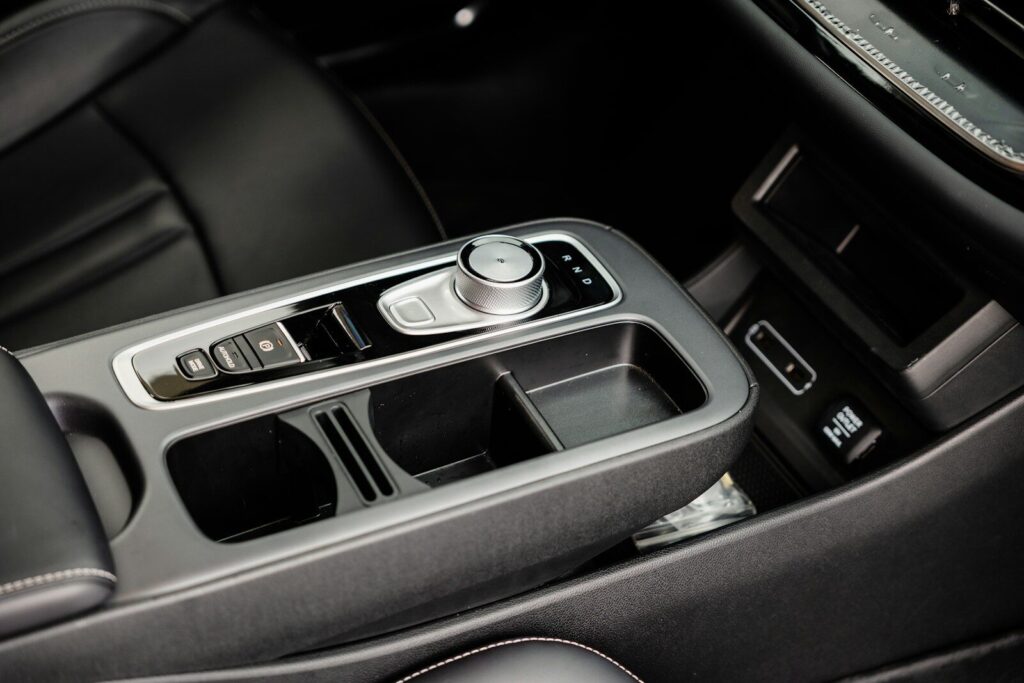
Cars today are equipped with sensors and other electronics that can detect things like gear position, engine running or not, seatbelt use and door open or not. The article presents that the car computer already has all the needed information to recognize the symptoms of a rollaway hazard, but it has not been programmed to respond with an immediate, unequivocal safety action. It could, for example, be set to automatically activate the Electric Parking Brake, or EPB, or to put the car in Park. The article presents other, newer models of causality such as the STAMP/STPA, or Systems Theoretic Accident Model and Processes which do not automatically attribute operator error to an accident as a first resort.
Rollaway Prevention Measures:
- Monitor vehicle gear position
- Detect open driver doors
- Automatically engage EPB
- Shift automatically into Park
- Consider STAMP/STPA models
The article also points toward legislation as a possible path forward. Safety advocates have supported the PARK IT Act, or Protecting Americans from the Risks of Keyless Ignition Technology. The proposed legislation would mandate safety features designed to prevent vehicle movement when the vehicle is not in Park and the driver’s door is open or the seatbelt is unbuckled. It would also address carbon monoxide poisoning risks from keyless ignition vehicles left running in garages by requiring an automatic shut off feature. Jason Levine, Executive Director for the Center for Auto Safety, argued that if manufacturers can remove the need for keys to start vehicles, they can also remove the possibility of vehicles poisoning people or rolling over them after they exit. The article concludes that the technology exists, while broader implementation has depended on regulatory and corporate decisions.