








The First Big Block Chevrolet Chevelle and Early Muscle Pioneers
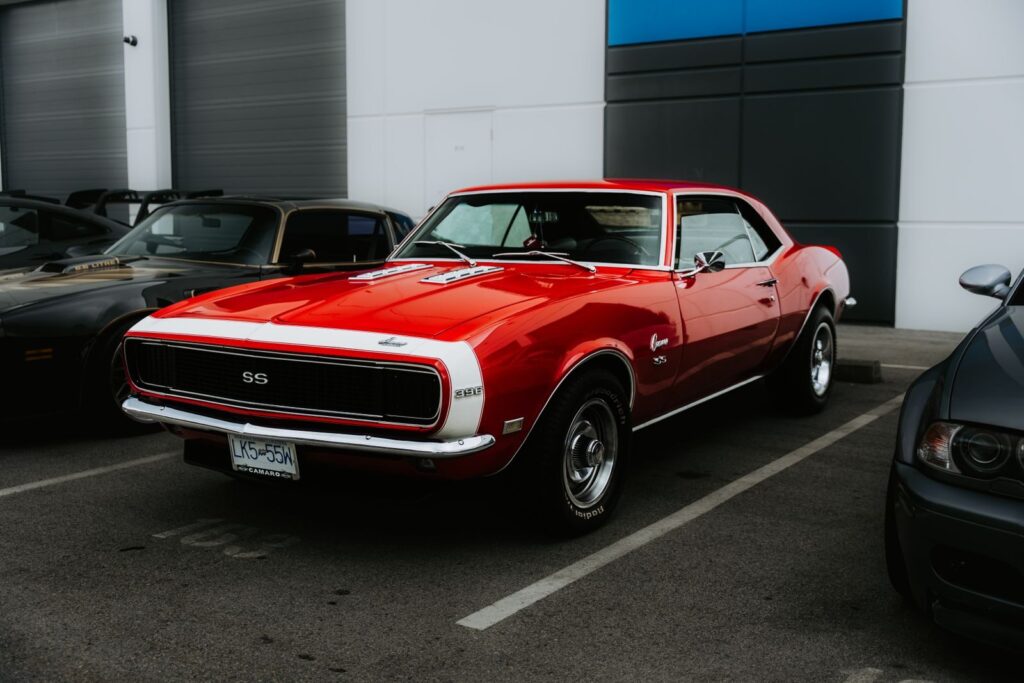
The American muscle car was defined by its ponies. Big blocks. Street and strip bragging rights. Before muscle cars were a common sight across Detroit, automakers were putting big engines into smaller, lighter vehicles. Chevrolet was at the forefront of this push, starting with its 348ci V8 in the 1958 Impala, but really making the idea take off in 1965 with its first big-block V8 in a midsize, the Chevelle Malibu SS 396 Z16. Not only did it have the big block, but it had it packed into a chassis that wasn’t extremely long and heavy and still had all the refinements consumers expected in their cars.
Chrysler had already experimented with a similar high-performance formula in 1962, installing a 413-cubic-inch big-block V8 into light B-Body intermediate cars. Plymouth and Dodge built the ultimate specialized machines that delivered novel dragstrip performance. Chevrolet’s Z16 and Chrysler’s Max Wedge therefore are foundational chapters in the hot-rodding epic that became the muscle car era with the big-inch engines, special chassis parts, limited production and performance obsession pushing horsepower into competition arms races that forever changed the Detroit performance scene in the 1960s.
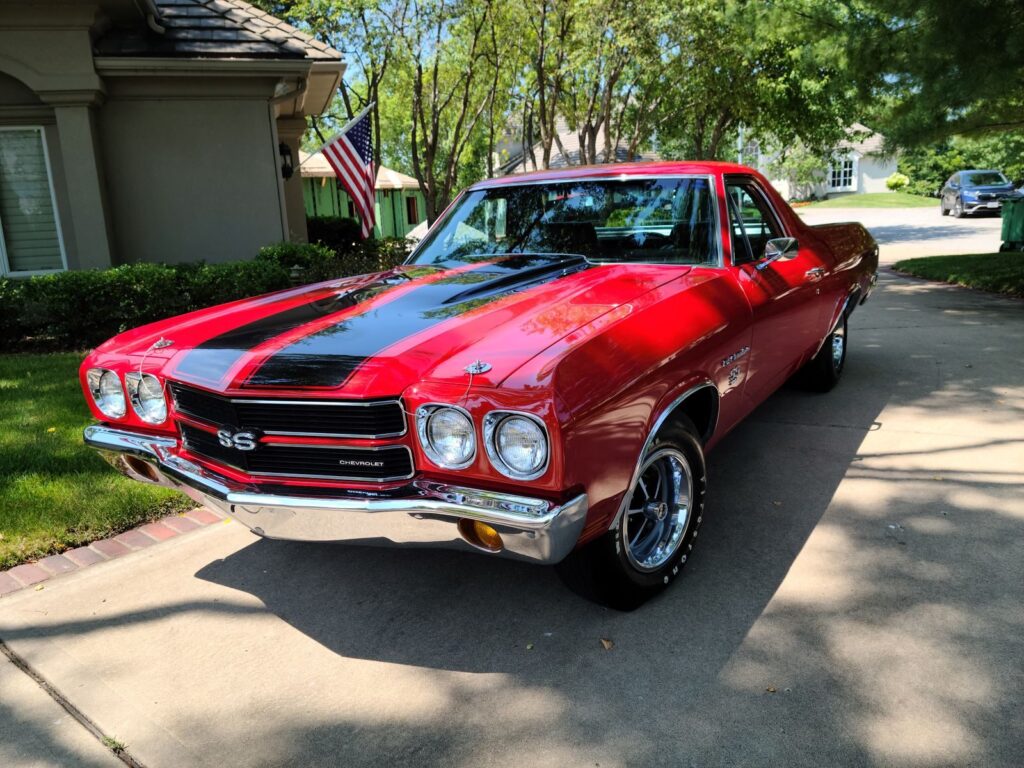
1. Chevrolet Put Big-Block Power Into The Chevelle
In 1965, Chevrolet demonstrated its high-performance development was reaching a new level when it debuted the Chevelle Malibu SS 396 Z16. The Z16 was not the brand’s first foray into performance, as it had already been playing with its W-series engines when it introduced the 348-cubic-inch V8 in the 1958 Impala. However, the Z16 took that horsepower-boosting approach into a mid-size body style by marrying a 6.5-liter Turbo-Jet 396-cubic-inch big-block V8 to the Chevelle Malibu SS. Designed as a set-up to test the Pontiac GTO and prove the value of a midsize muscle car, it didn’t disappoint.
Chevelle Z16 Performance Foundation:
- 396-cubic-inch Turbo-Jet V8
- 375 horsepower from big-block
- 415 lb-ft of torque
- Midsize Chevelle SS platform
- Specialized Z16 performance package
It pumped out 375 horsepower and 415 pounds-feet of torque, making the midsize coupe a true missile. Chevrolet didn’t just shove in the engine and call it a day, however. The engineers reinforced the frame, equipped the Z16 with a beefier suspension and 11-inch power-assisted drum brakes to cope with the extra juice, creating a package that blended big-block power with significant chassis hardware, and a combination that would become even more crucial during the muscle car era. Through the Z16 program, Chevrolet proved it could turn a solid, midsize streetcar into a serious high-performance weapon.
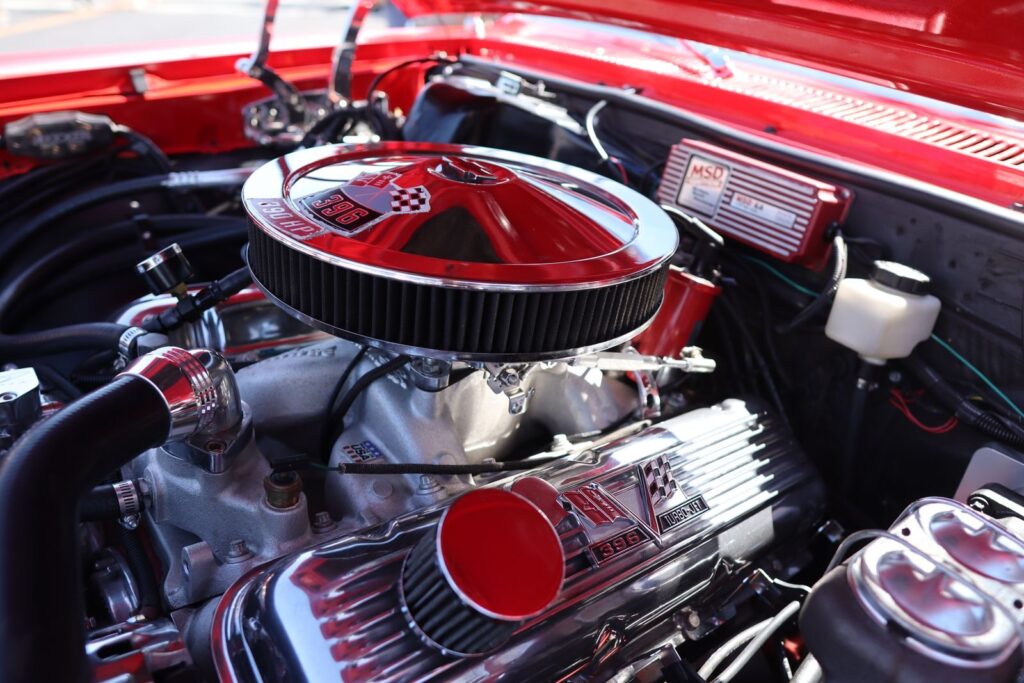
2. The Z16 Combined Big Power With Strong Chassis Engineering
With the Z16, though, Chevrolet built more than just a muscle car that relied solely on the power rating of its engine. The 396 cubic-inch Turbo-Jet V8 gave the Z16 plenty of muscle, including 375 horsepower and 415 lb-ft of torque, enabling the mid-size coupe a sprint from 0-60 mph in between 6.5 to 6.7 seconds. This meant plenty of force applied to the rest of the car, which had Chevrolet reinforcing the frame of the Chevelle and adding a performance suspension as well as power-assisted 11-inch drum brakes to handle the package.
Engineering Behind The Performance:
- Reinforced frame handled output
- Heavy-duty suspension supported performance
- Power-assisted drum brakes
- 11-inch braking hardware fitted
- 0–60 mph near 6.5 seconds
In the final assembly process, it became evident that Chevrolet was marketing the Z16 as a whole performance package, rather than a performance engine. The structure was quite rigid and bolstered to allow power-to-weight ratios of this magnitude, while the suspension was tuned to handle the forces put out by the big-block V8. Power brakes helped control the car once it was on the gas. The concept of big horsepower combined with good chassis engineering became a very successful musclecar concept. The Z16 proved you could have it all in a midsize package.
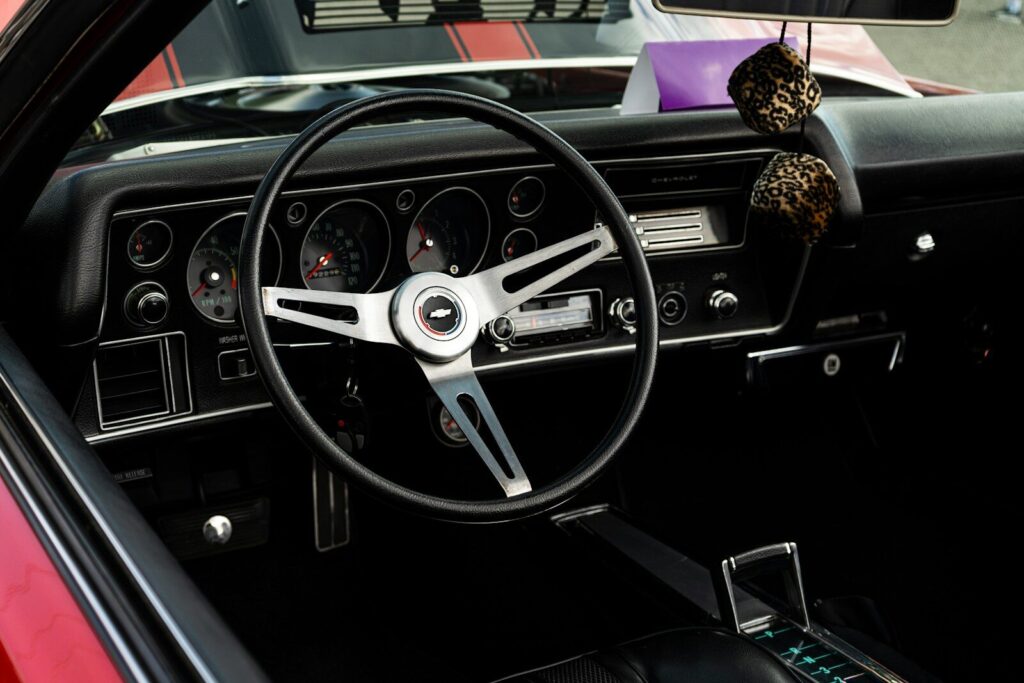
3. Understated Styling Hid The Z16’s Performance
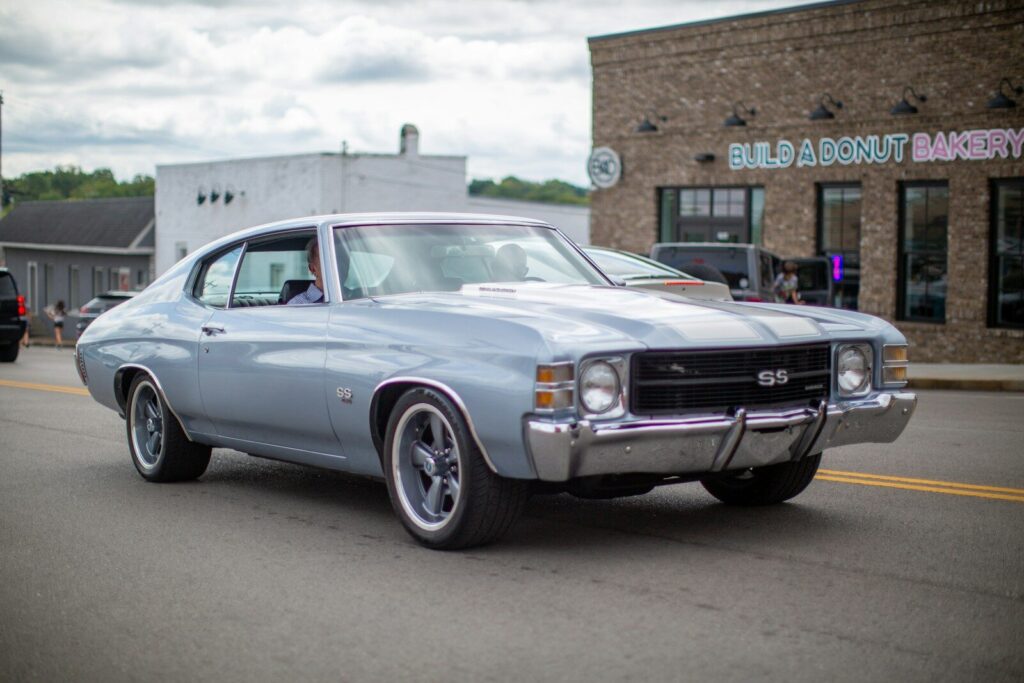
While the Malibu SS had conventional, non-flashy body styling, the Z16 exposed its true purpose with discreet Turbo-Jet 396 badging and the signature wheels, this time, with 14-inch tires and gold stripes on them. The Z16 looked at home in the car’s interior as well, with bucket seats, a punchy center console, and performance-oriented instruments. Even though the Z16 was a performance machine, it wasn’t a flamboyantly odd one.
Z16 Styling And Interior Details:
- Subtle Turbo-Jet 396 badging
- Gold-stripe tires added distinction
- 14-inch wheels completed package
- Bucket seats enhanced cabin
- Factory 160 mph speedometer
The instrumentation, perhaps, was the most obvious of the items that stood out. As part of the performance image of the 0-160 unit, the Z16 was installed with a factory 160 mph speedometer and a 6,000 rpm tachometer, emphasizing its competition-related roots. The Z16 came standard with power steering and power brakes, adding to the finishing touches to the car. These equipped hardware items along with the overall image of the interior formed the idea of a serious car, yet with the body that was relatively snob and the hardware of a true performance vehicle underneath.
4. Only 201 Chevelle Z16s Were Built
The Z16’s horsepower was phenomenal but the cost turned out to be far too steep for most consumers to justify. The Z16 option on the Chevelle SS carried an extra sticker price of $1,501.05. This very significant additional cost hike so raised the ante that Chevrolet produced a minuscule 201 Chevelle Malibu SS 396 with the Z16 option. The limited production run instantly made the Z16 Chevelle Malibu one of the rarest muscle cars ever produced.
Why The Z16 Became So Rare:
- Z16 package cost $1,501.05
- Only 201 units were produced
- High price limited availability
- Enthusiasts quickly noticed rarity
- Racing figures owned examples
The Z16 was also associated with some of the top brass in the automotive world. Publisher Robert Petersen, racing champions A.J. Foyt and Phil Hill, and sportscar driver Briggs Cunningham all owned Z16s. The Z16’s special nature was evident right from the start, combining volume constraints and high performance. In fact, unlike the future mass produced musclecars, the Z16 started out as a specialized car that was in very limited numbers, over the high cost of the package, and the connection of names of these great automobile followers.
5. The Z16 Established Chevrolet’s Midsize Muscle Formula
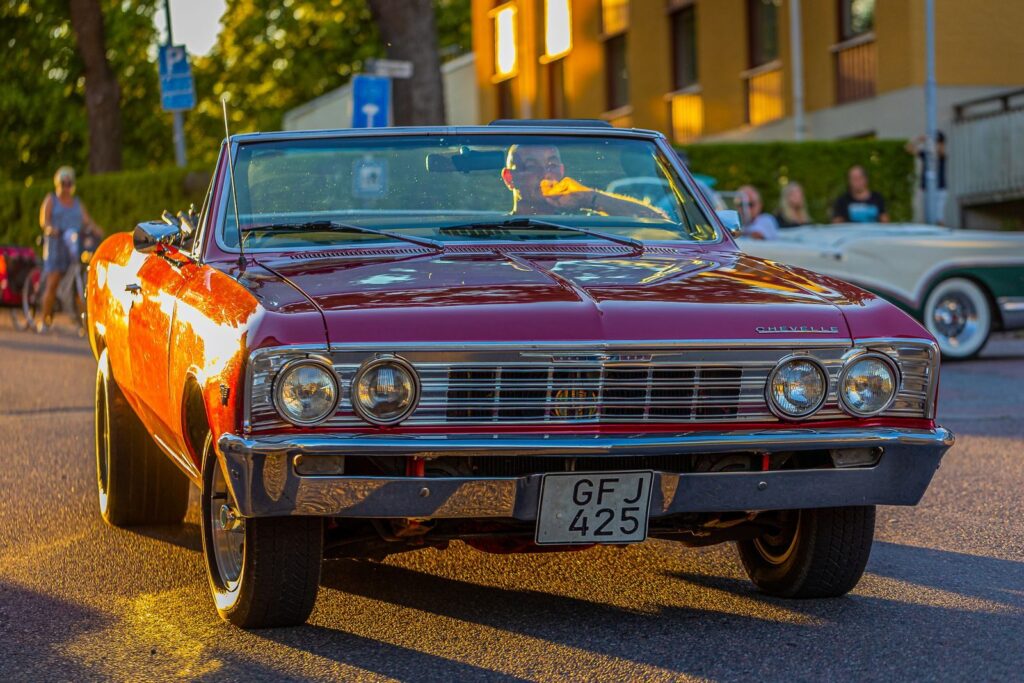
Production Chevy Chevelle Malibu 396 Z16 SS To production, the 1965 Chevelle Malibu SS 396 Z16 was an important milestone in that it proved how well a big-block V8 could be put into a ‘compact’ body style, and how to make it work by mixing in heavy-duty components. This successfully established the basic recipe that Chevy was to follow with the 1966 Chevelle SS 396, and subsequently to use with its ultimate muscle machine the 1970 Chevelle SS 454. In short, the Z16 was a significant car for Chevrolet.
Z16 Legacy And Collectibility:
- Established big-block midsize formula
- Inspired 1966 Chevelle SS
- Led toward SS 454
- Only 65–72 examples survive
- Auction prices reached $247,500
Few surviving Z16s have been accounted for, possibly only 65 to 72 cars are still known to exist, putting the remaining cars in the ultra-rare category. Original cars in the marketplace can sell for near $100,000, while pristine cars have been auctioned for up to $247,500 at Barrett-Jackson, Mecum and other major automotive happenings. Not to mention, the Z16’s importance goes far beyond dollar signs; it proved that the 2-door street car could be used as a delivering platform for race-bred chassis and suspension improvements while retaining the comforts and luxury of a high-end street machine.
6. Chrysler Developed The Midsize Big-Block Formula Earlier
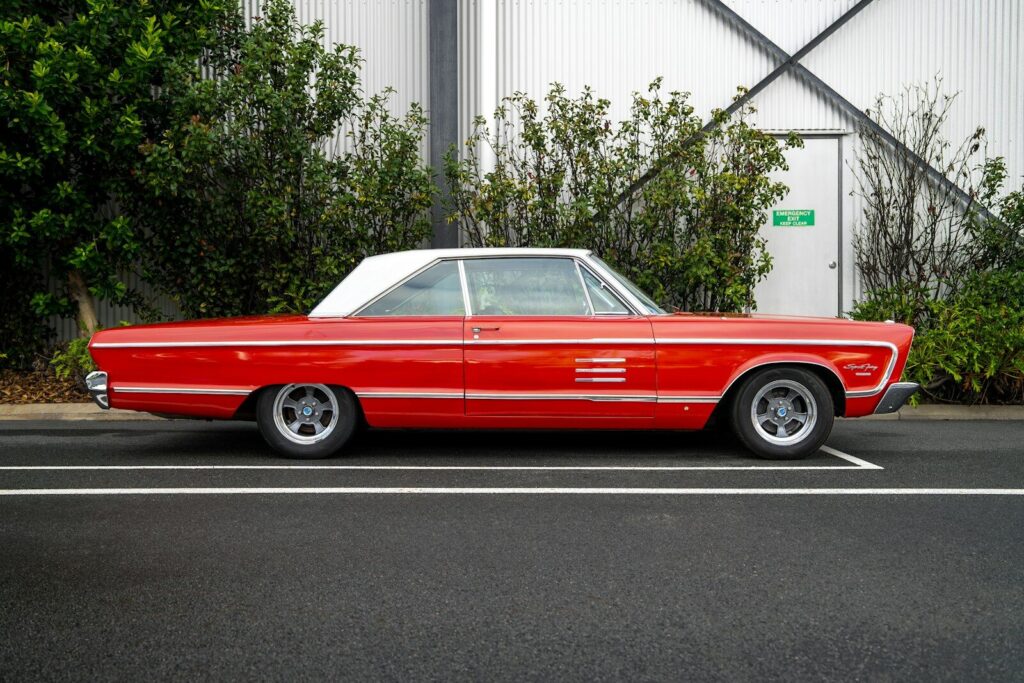
We typically use the 1964 Pontiac GTO as a shining example of the start of the muscle car era but it is not widely known that years before that in 1962 that Chrysler had created its own high performance mid-size platform. Both Plymouth and Dodge installed a gigantic 413-cubic inch big block V8 into the new lightweight B-Body intermediate platform. The Plymouth Fury, Savoy and Belvedere and their Dodge equivalents had relatively light bodies with big engines that surprised other Detroit automakers.
Chrysler’s Early Midsize Formula:
- 1962 B-Body intermediate platform
- Massive 413-cubic-inch V8
- Plymouth Fury offered performance
- Savoy and Belvedere included
- Dodge counterparts joined lineup
The plan set down by Chrysler gave both a blueprint for street and strip. Instead of letting the muscle car market grow up, Chrysler showed that even an intermediate platform could be transformed into a no-holds-barred performer with a large-displacement engine. One major factor that the early Chrysler club-goer machine shared with the Z16 was this-a big-block engine in an intermediate or mid size body could translate to an incredible acceleration package. The early Chrysler performance package in many regards was significant in laying the foundation for the Detroit performance template of the 1960s.
7. The Max Wedge 413 Was Built For High-RPM Power
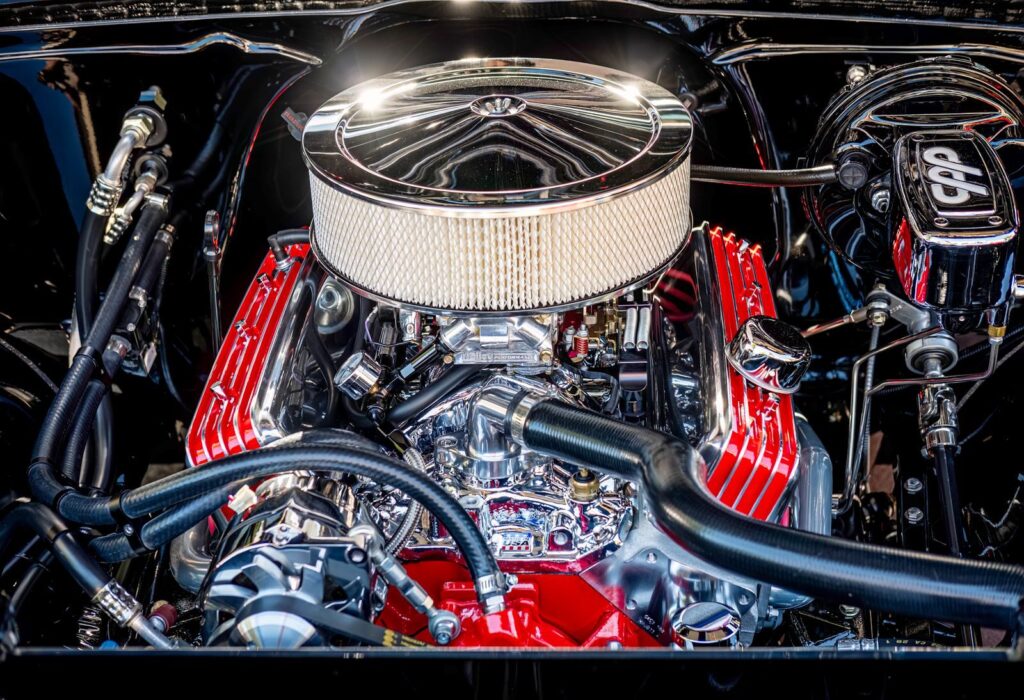
Chrysler’s original speed grand slam centered around the Maximum Performance 413 big-block. The engine evolved from Chrysler’s “B” and “RB” wedge-head program that began in the late 50s. The Max Wedge went to raised intake ports, a big cam, upswept “ram’s horn” exhaust manifolds, and a cross-ram dual-quad carburetor installation designed to improve breathing and high-RPM power. You could get a 11:1 compression ratio version that developed 410 horsepower or a 13.5:1 high-octane version producing 420 horses.
Max Wedge 413 Engineering:
- Raised intake ports improved breathing
- Aggressive camshaft supported high RPM
- Ram’s horn exhaust manifolds
- Cross-ram dual-quad carburetors
- Maximum output reached 420 horsepower
Yet, the engine was easy to recognize by the “Super Stock 413” or “Ramcharger 413” call outs on the valve covers. Chrysler developed a matching set of factory dual-exhaust cutouts which, when drilled out, allowed the driver to remove the exhaust for maximum performance on the strip. Again, the Max Wedge was competition-oriented, not just a high-displacement V8, because all other aspects of the engine’s intake and exhaust systems, as well as the camshaft, compression, and carburetion, were designed to power it for high-performance use. That made the Max Wedge 413 one of the formative big-block engines of the American performance era.
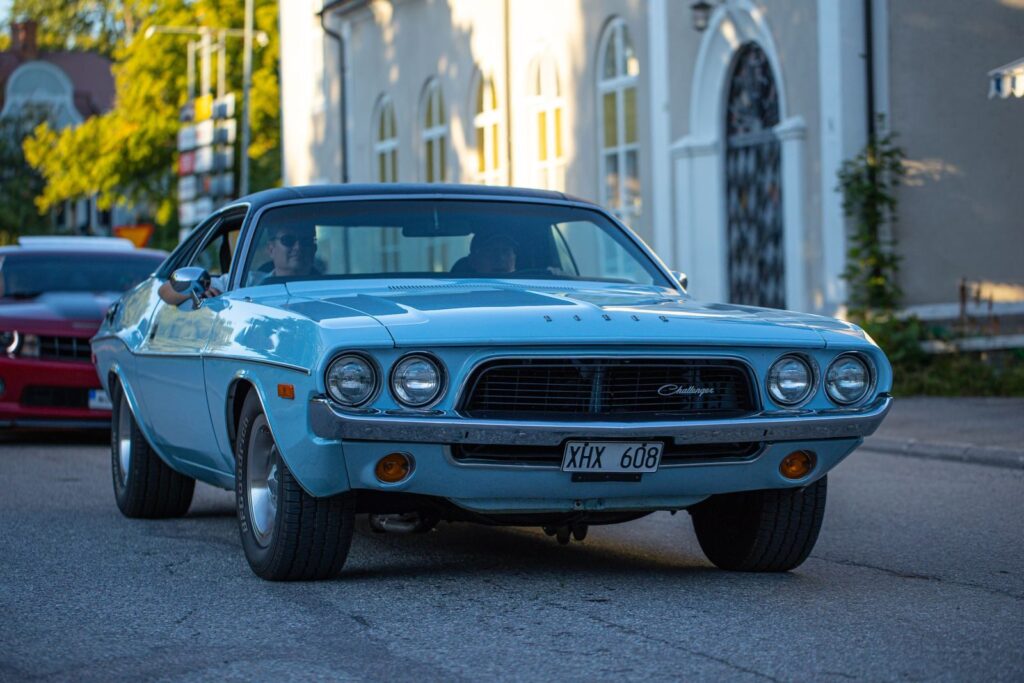
8. The 727 TorqueFlite Completed Chrysler’s Formula
In the Max Wedge, the engine output was only part of Chrysler’s performance package. The 413 big-block was teamed with the powerful three-speed 727 Torque Flite automatic transmission. Its aggressive 2.54:1 first-gear ratio allowed the big block to stay firmly in its power band. The quick-shifting heavy-duty automatic also boasted extremely fast, almost indestructible shifts. All of this resulted in a drivetrain that was perfect for taking advantage of the big block’s huge output in the light B-Body platform.
TorqueFlite Performance Characteristics:
- Three-speed 727 automatic
- Aggressive 2.54:1 first gear
- Kept 413 within power band
- Rapid gear shifts
- Strong dragstrip performance
The Max Wedge package clashed with the stylized, slab-sided look of the all-new, downsized B-Body. Its powerful appearance and capability on the drag strip was equal to its looks. In the quarter-mile, the Max Wedge-powered Fury turned in times as quick as 11.81 seconds at 120 mph during the test of a restored 1962 Fury Max Wedge. But it was a demonstration of the powertrain-matching of the well-endowed engine, transmission, lightweight car platform and the weight of the car (all consuming fuel, oil and a driver) that contributed to such performance. Chrysler’s performance formula was therefore more than size.
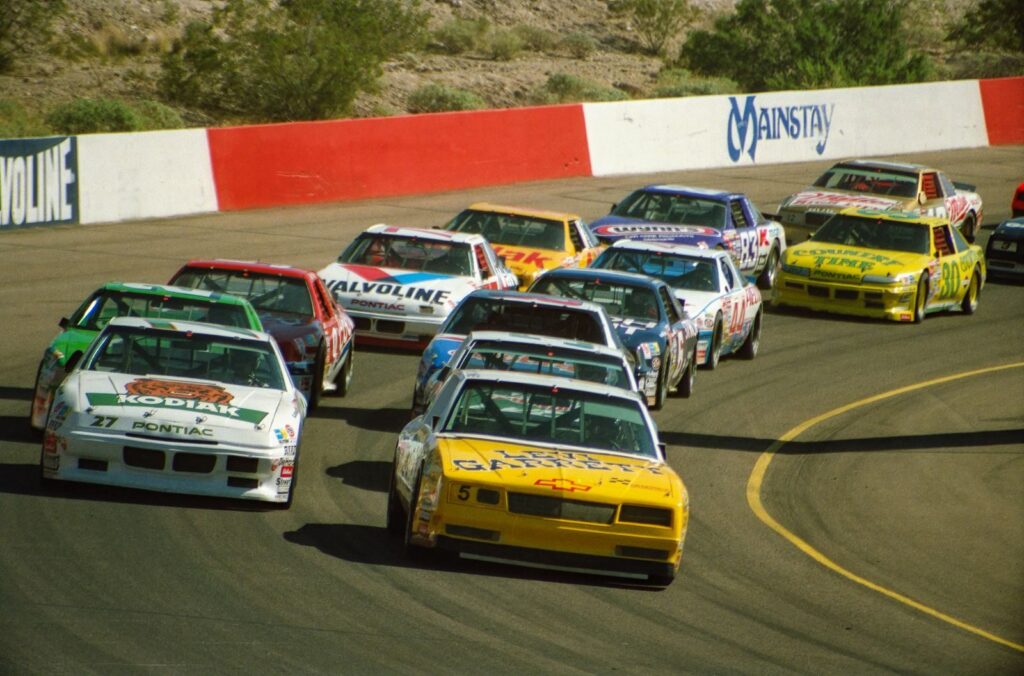
9. Max Wedge Cars Were Rare Competition Machines
Even with a track record so impressive, the 1962 Max Wedge cars were still a highly-rare collector’s proposition, simply because the Super Stock package carried a price premium. When added to a Plymouth Fury, the package pushed the price to around $3,308, a 33 percent premium over the more widely available muscle cars that would follow later on. Only 298 Max Wedge Plymouths were built in 1962, all models combined, and only 57 of those Furies bore 11:1 compression.
Max Wedge Rarity And Evolution:
- Super Stock package cost heavily
- Plymouth Fury reached $3,308
- Only 298 Plymouths were built
- Just 57 11:1 Furys
- 426 engine followed later
Chrysler further grew the Max Wedge to 426ci in 1963 and 1964, producing as much as 425hp. Chrysler ultimately turned to the legendary 426 Race Hemi. While most of the truly significant Hemi machines now bring the highest of high-end collector prices, the early Max Wedge cars remain cornerstones of the performance universe, and can usually be purchased for $35,000 to $85,000. They’re important not just because they were the starting point for Chrysler’s lightweight big-block performance story, but because they began to establish a formula that would become more and more prevalent in the American muscle car world.
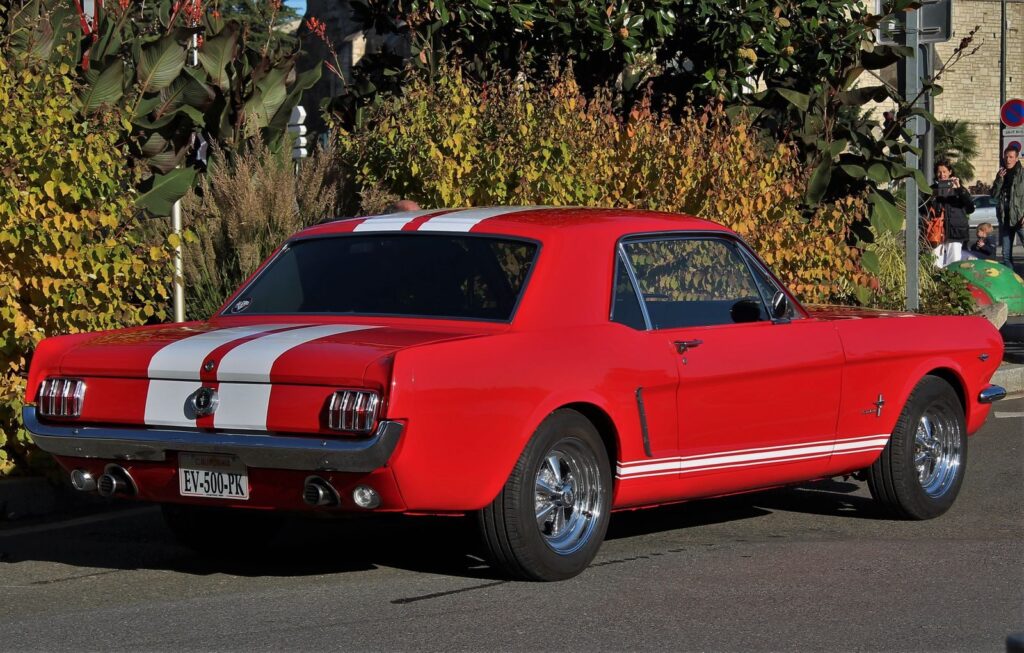
10. Big-Block Cars Created A 1960s Horsepower Arms Race
Max Wedge and Chevrolet’s 1959-1963 Big Blocks were but part of a much larger horsepower race that set the tone for American motoring culture during the 1960s. Chevrolet got an early jump start with the 1961 Impala SS 409: a W series V8 that set the standard at 425 horsepower, and rocketed to the top of the hit singles charts with a string of pop records. The race accelerated with Ford’s introduction of its dual four-barrel Galaxie 427 R-code in 1963. Other cars in the mix included the 1964 Oldsmobile 442, the 1967 Plymouth GTX 440, and the 1968 Dodge Charger R/T.
The Big-Block Era Expanded Quickly:
- Chevrolet Impala SS 409
- Ford Galaxie 427 R-code
- Oldsmobile 442 joined competition
- Plymouth GTX 440 followed
- Dodge Charger R/T emerged
The new big-block cars did much more than run hard or win on the strip; they fueled a deep passion for the pursuit of engine stoked out loud and proud. Of course, Chevrolet’s Z16 proved that a typical mid-sized street machine could hang with the big boys while keeping a handle on things with driver controls and luxurious amenities. Chrysler’s Max Wedge racers proved the same concept even earlier with lighter mid-size platforms and race-oriented builds. All of those, from a mild-mannered Chevelle to a bare bones Chrysler to a a road-going Corvette, helped usher in a golden age of American performance with a mixture of big displacement, specialized engineering and sharp straight-line action that set the stage for future muscle cars.


